South Africa refuses to sit still for a single season: while Cape Town soaks up long, dry summer days, the bushveld of Mpumalanga turns gold and dusty, and southern right whales slide past the cliffs of Walker Bay. Choosing when to go decides not only what you'll see, but whether you wake up in a breezy beachfront hotel, a thatched safari lodge or a winelands guesthouse with a fire already lit.
How South Africa's Seasons Decide Where You Sleep
The first thing to understand is that this is really two countries wearing one flag. The Western Cape — Cape Town, the Winelands, the Garden Route's western edge — has a Mediterranean climate with rain falling mainly from June to August. The rest of the country, from the Highveld to Kruger and the subtropical KwaZulu-Natal coast, gets its rain in summer, roughly November to March, usually as short, dramatic afternoon thunderstorms. So there is no single 'best month' for the whole country; somewhere is always in its sweet spot.
What that means for accommodation is that hotel demand moves around the map with the weather. Cape Town's beachfront and Atlantic Seaboard hotels hit their peak between mid-December and mid-January, when South African school holidays, Christmas and New Year collide, and again around Easter. Safari lodges near Kruger and in private reserves do the same in the dry winter months of June to September, when the bush thins out. Booking outside those windows can mean noticeably calmer rates and easier availability without sacrificing much.
Two shoulder periods consistently deliver the best value: May and September. In May the summer crowds have gone, the Cape is still mild, and the bush is drying into excellent game-viewing conditions. September brings the start of the Cape's spring flowers, whales off the southern coast and warming safari weather before the December rush. Both months are ideal if you want a mixed itinerary — city, coast and bush — without premium-season pricing.
Cape Town and the Western Cape: Summer's Long, Bright Days
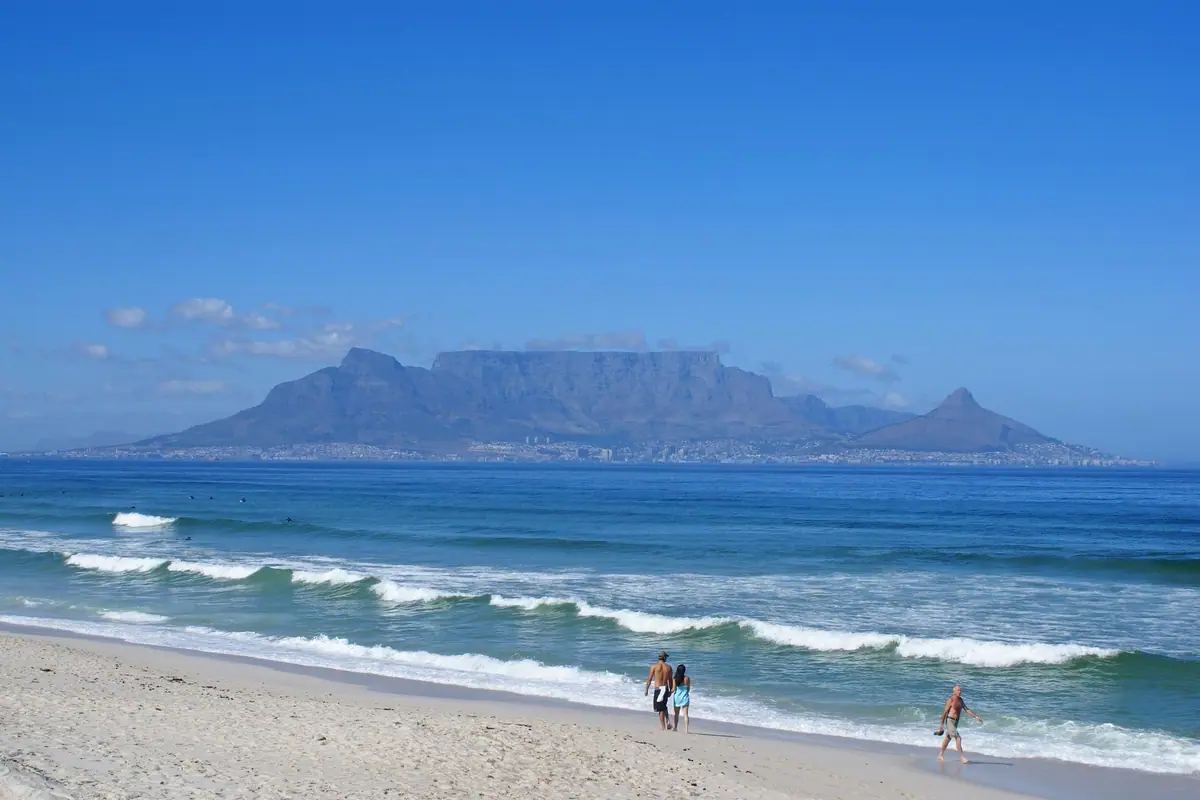
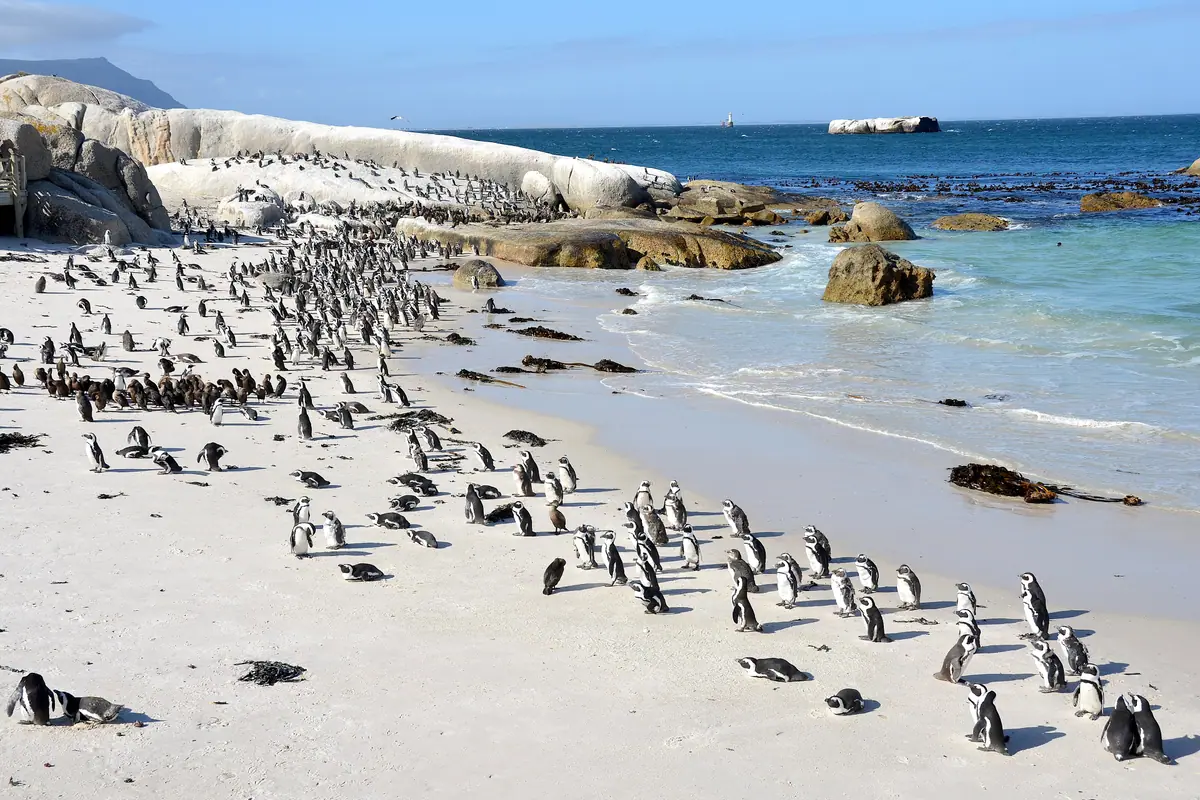
November to March is Cape Town's showtime. Days stretch past eight in the evening, the cableway up Table Mountain runs reliably, and the ferry to Robben Island — the former prison island where Nelson Mandela was held — sails in calm conditions. This is also when you'll want to book the V&A Waterfront, Camps Bay and Sea Point well ahead, because the city fills fast. Day trips to the Cape of Good Hope, the penguin colony at Boulders Beach and the sweeping curves of Chapman's Peak Drive are all at their best in this window.
The Winelands — Stellenbosch, Franschhoek and Constantia — are gorgeous from late summer into autumn, roughly February to April, when the vineyards turn russet and harvest activity gives the towns a buzz. February and March also bring the notorious southeaster known locally as the Cape Doctor, which can shut the Table Mountain cableway for a day and whip up the Atlantic beaches; it rarely ruins a trip, but it's worth keeping plans flexible.
Winter, June to August, is Cape Town's quiet, moody season. Rain comes in fronts, some mountain trails and boat trips get cancelled, and the beaches are for walkers in coats rather than swimmers. In exchange you get substantially cheaper hotels, tables at restaurants you couldn't otherwise get, and a winelands stay built around log fires, long lunches and cellar tours. If your priority is the city's food and wine culture rather than sunbathing, this is an underrated time to come.
Spring arrives in September and October, when Kirstenbosch National Botanical Garden erupts and the coastal roads reopen to cyclists. It's a lovely compromise: mild weather, fewer crowds and the whole summer still ahead of you.
The Safari Heartland: Why Dry Winter Is Prime Time
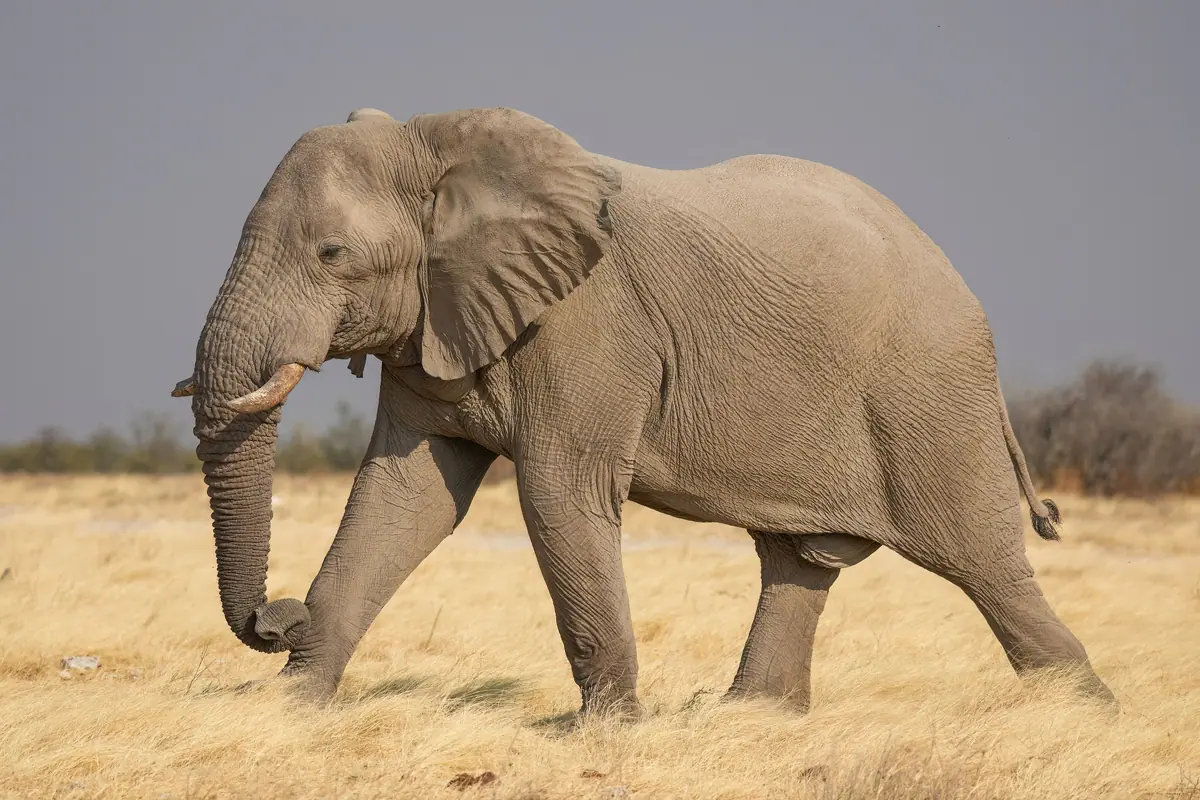
If a Big Five safari is the centrepiece of your trip, plan around the dry season, roughly May to September. Vegetation thins, water becomes scarce, and animals concentrate around remaining pans and waterholes, which makes sightings dramatically easier in Kruger National Park and the private reserves that share its unfenced borders, plus Hluhluwe–Imfolozi in KwaZulu-Natal and Addo Elephant National Park outside Gqeberha. Daytime temperatures are pleasant, night drives need a fleece, and mosquitoes are at their least active — a real bonus for anyone worried about malaria in the lowveld.
The green season, November to March, is the opposite bargain. Lodges drop their rates, the bush is thick and emerald, newborn impala and wildebeest appear everywhere, and migratory birds flood in — a gift for photographers and birders. The trade-off is that animals are harder to spot through the foliage and some dirt roads turn tricky after rain. Serious safari-goers often accept that trade for the lower prices and quieter camps.
Don't overlook the Kgalagadi Transfrontier Park, a red-dune wilderness of camel thorn and black-maned lions best visited from around March to May and again in August and September, when temperatures are bearable. Madikwe and Pilanesberg, both easy add-ons to a Johannesburg stopover, follow the same dry-winter logic. Wherever you go, book safari accommodation six to twelve months out for the June-to-September peak; the best-positioned camps sell out first.
Whale Season, the Garden Route and Wildflower Country
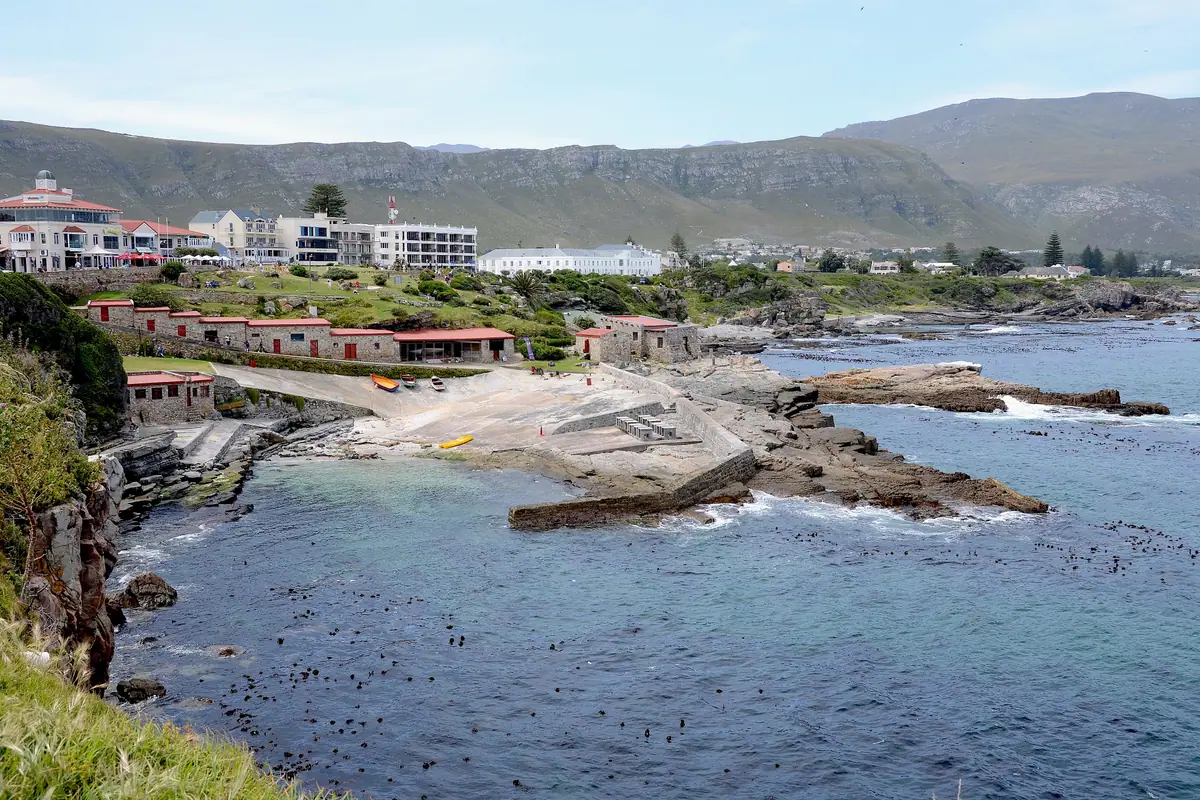
Along the southern coast, the calendar is set by the southern right whales that arrive to calve each year. Hermanus, with its cliff path and the world's most land-based whale watching, sees them from roughly June to November, with the peak in September and October — book a sea-facing room months in advance, because this is the town's defining season. Witsand, De Hoop and Plettenberg Bay all offer their own vantage points, and the whales often come so close to shore that you can watch from a breakfast table.
The Garden Route — Mossel Bay, Knysna, Plettenberg Bay and the Tsitsikamma forests — is a year-round destination thanks to its mild, moist climate, but October to April is the most reliable stretch for hiking, canoeing and beach days. December and January bring South African holiday crowds and inflated rates, so late spring or early autumn is the smarter choice for forest lodges and lagoon-side guesthouses.
In the far northwest, Namaqualand performs its annual magic in August and September, when normally barren plains blaze with orange-and-white daisies. It's a brief, spectacular window and accommodation in small towns like Springbok and Kamieskroon fills quickly. Further north, Augrabies Falls roars at its most impressive in the rainy summer months, while the Karoo's guesthouses are at their most comfortable in autumn and spring.
Johannesburg, Pretoria and the Highveld: City Stays and Mountain Drives
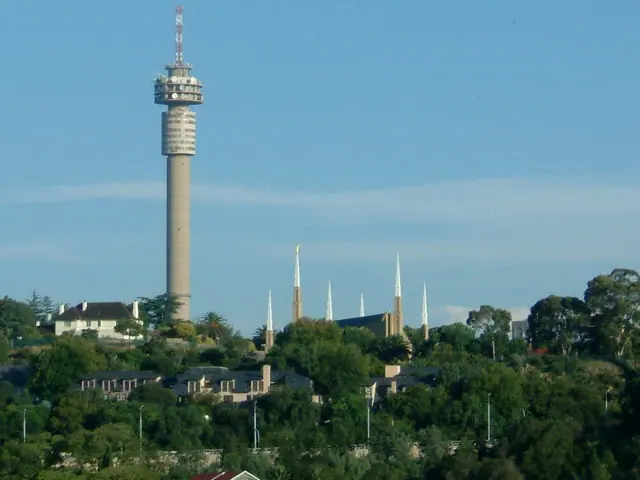
Gauteng is a year-round city destination, but the most comfortable months are April, May, August and September, when the air is clear, dry and mild. This is when you want to be wandering the Apartheid Museum, Constitution Hill and the streets of Soweto around Vilakazi Street — the only road in the world where two Nobel laureates lived — or heading out to the Cradle of Humankind, where the Sterkfontein Caves and Maropeng explain some of the oldest human origins on Earth. October adds Pretoria's jacaranda season, when whole avenues turn violet and the Union Buildings are framed in blossom.
Summer, December to February, brings heat and late-afternoon thunderstorms that can ground flights briefly and flood roads; winter, June and July, delivers crisp, sunny days but freezing nights — Highveld hotels with underfloor heating and fireplaces earn their keep. Winter is nonetheless a strong time for nearby Big Five reserves like Pilanesberg and Madikwe.
East of the cities, the Drakensberg range offers some of the country's finest hiking, with Cathedral Peak, Champagne Castle and the Amphitheatre as landmarks, plus the Panorama Route's God's Window and Blyde River Canyon falls. The dry winter months give the clearest canyon views and safest trails, while April and May bring wildflowers and fewer people. Mountain lodges here are small, so book early for school holidays.
Durban, the Coast and Smart Booking Windows
KwaZulu-Natal plays by different rules again: Durban is subtropical, so its Golden Mile beachfront, the uShaka Marine World precinct and the warm Indian Ocean are genuinely pleasant in the Southern Hemisphere winter, June to August, when the rest of the country is shivering. It's also the best time to dive at Sodwana Bay, and the period when the annual sardine run — a vast migration that draws dolphins, sharks and gannets — moves up the coast between roughly May and July. Further north, iSimangaliso Wetland Park and Hluhluwe–Imfolozi combine beautifully with a Durban stay in the dry months.
As for when to lock in your rooms: for mid-December to mid-January anywhere on the coast, and for June-to-September safari camps, aim to reserve six to twelve months ahead. Outside those peaks, three to four months is usually plenty, and the shoulder weeks either side of the school holidays often see rates drop while the weather stays kind.
The honest summary is that South Africa rewards flexibility rather than a single magic month. Pair Cape Town with the Winelands in late summer, chase whales in spring, go to the bush in dry winter and explore Durban when the northern hemisphere is frozen — and you'll see the country at its very best.
Frequently asked questions
What is the best month for a first trip to South Africa?
May and September are the most versatile. Both offer mild weather, thinner crowds and reasonable hotel rates, and both work for a mixed itinerary of Cape Town, the Winelands, the Garden Route and a safari. September adds whales along the southern coast and the start of spring flowers in Namaqualand; May catches the Cape before the winter rains and the bush as it begins to dry out.
When is the best time to go on safari in Kruger National Park?
The dry winter months from May to September. Vegetation thins, animals gather at waterholes and visibility is at its best, while mosquitoes are least active and days are sunny and comfortable. The green season from November to March is cheaper and lush, with newborn animals and superb birding, but spotting game through thick bush is harder.
Is Cape Town worth visiting in winter?
Yes, if you're travelling for food, wine and culture rather than beach weather. From June to August you'll find lower hotel rates, easier restaurant tables and cosy Winelands stays, though you should expect rain fronts and occasional closures of the Table Mountain cableway and Robben Island ferry. Spring, from September, quickly restores the sunshine.
When can I see whales in Hermanus?
Southern right whales are usually present from about June to November, with September and October the peak. Hermanus has a clifftop path that allows shore-based watching, and the surrounding Walker Bay towns offer boat trips and quieter viewpoints. Sea-facing accommodation in Hermanus sells out well in advance during the peak weeks.
How far ahead should I book hotels and safari lodges?
For the mid-December to mid-January coastal holidays, and for safari camps during the June-to-September dry season, reserve six to twelve months ahead — especially in private reserves adjoining Kruger and in popular Cape Town beach neighbourhoods. In shoulder months like May, September and October, three to four months is usually sufficient for good choice and better rates.
Do I need malaria precautions for a South African safari?
Malaria risk in South Africa is limited mainly to the lowveld areas around Kruger and northern KwaZulu-Natal, and it is lowest in the dry winter months. Risk rises in the wet summer. Speak to a travel health professional well before departure for advice specific to your itinerary, and use repellent and covered clothing in the evenings regardless of the season.
Plan it — hotels in South Africa
Live search, booked directly with trusted providers.
Sort the rest of your trip
Everything for South Africa, in one place
Transfer in South Africa
Private driver waiting on arrival — no queues, no surprises.
Book a transfer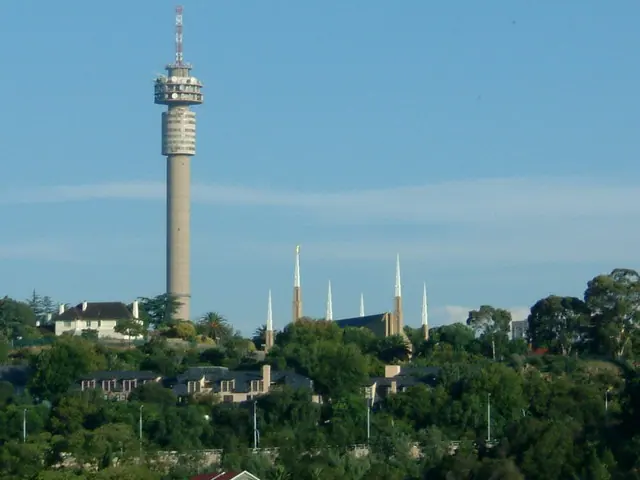
Things to do in South Africa
Skip-the-line tickets, guided tours and standout experiences.
See experiences
Stay online in South Africa
Travel eSIM — data the moment you land, no roaming bills.
Get an eSIM