South Africa eats the way it lives — loudly, generously and with a dozen influences arguing happily in the same pot. A single day can move from a Cape Malay curry in a Bo-Kaap kitchen to a township grill in Soweto to a boma fire under Kruger's stars. This guide follows the food, the festivals and the landmarks that make the country's local experiences so hard to leave behind.
Cape Town: Bo-Kaap Spice, Table Mountain and the City's Long Table
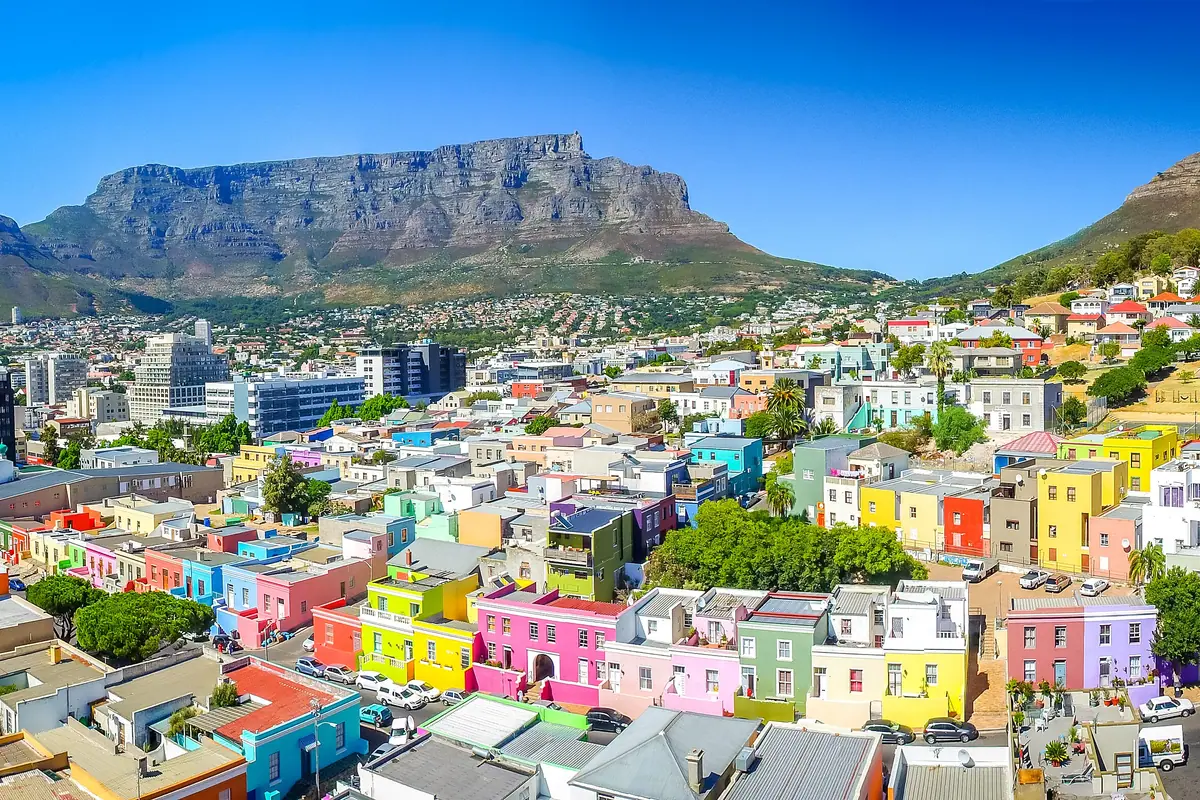
Almost every South African journey begins in Cape Town, and so does the eating. Climb Wale Street into Bo-Kaap, where the flat-roofed houses are painted lime, coral and turquoise, and the air smells of toasted coriander and cinnamon. This is the heartland of Cape Malay cooking, a cuisine shaped by enslaved and exiled families brought here from Southeast Asia and East Africa centuries ago. Sit down to bobotie — spiced mince baked under a savoury egg custard — with yellow rice, raisins and a spoon of chutney; order sosaties, the sweet-spiced skewers, and finish with koesisters, doughnuts rolled in coconut and soaked in syrup. Several families in the neighbourhood run small cooking sessions in their own kitchens, and booking one is worth the effort: you leave knowing how tamarind, apricot jam and masala can share a single pot without fighting.
The city's headline sights sit within a few kilometres of each other. Ride the cableway up Table Mountain early — before 9am if you can, otherwise the famous 'tablecloth' cloud rolls over the plateau and the queue swells. From the top the whole peninsula unfolds: Lion's Head, the Twelve Apostles ridge, and Robben Island out in Table Bay, reached by ferry from the V&A Waterfront. Kirstenbosch National Botanical Garden, tucked against the mountain's eastern slopes, is the place for a slow lunch and a walk across the elevated canopy walkway, while a drive down to Cape Point and Boulders Beach, where penguins totter across the sand, fills an entire day comfortably.
Back in town, Bree Street is the restaurant spine of the city, and a Saturday morning at the Old Biscuit Mill in Woodstock will feed you through three cuisines in an hour. Ask for a gatsby — a foot-long roll split and stuffed with chips, masala steak, cheese and atchar — and share it, because nobody finishes one alone. Portuguese-Mozambican grills, Ethiopian kitchens and Cape Dutch bakeries all crowd the same few blocks.
The Winelands: Long Lunches, Pinotage and Cape Dutch Gables
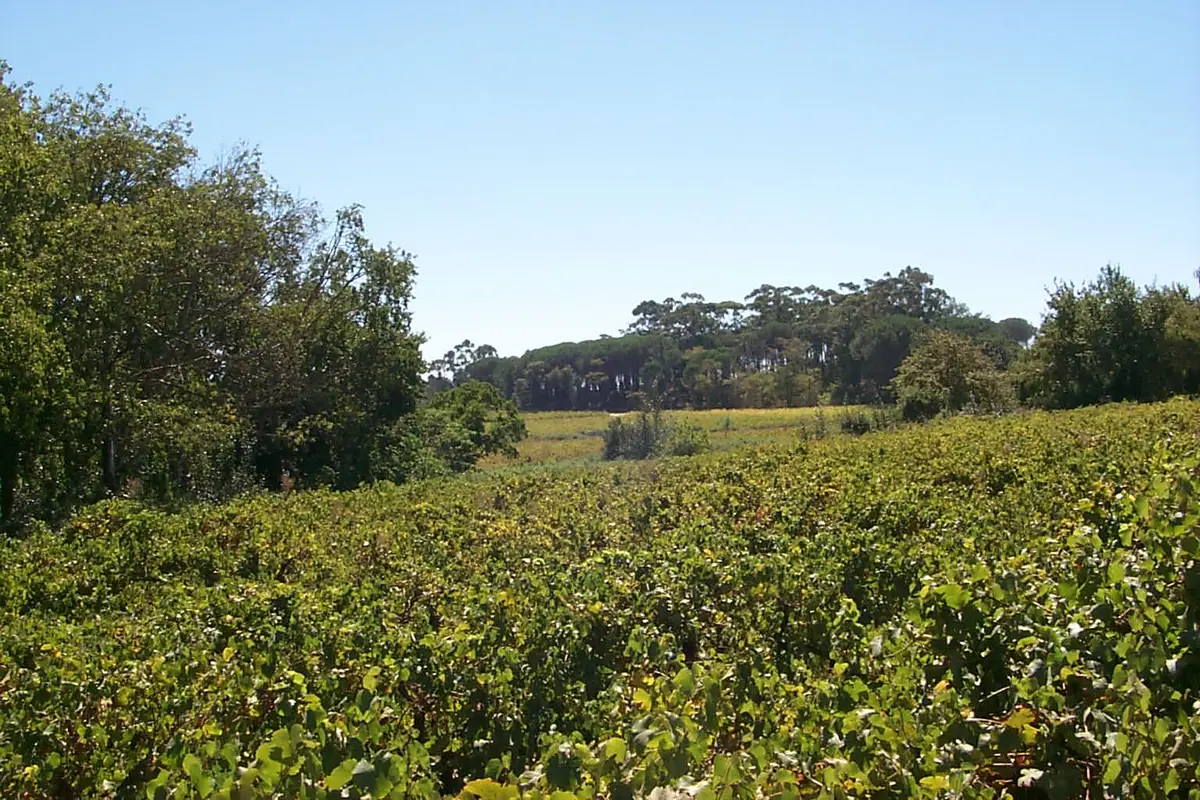
Forty-five minutes east of the city, the Winelands slow everything down. Stellenbosch spreads beneath oak-lined Dorp Street and whitewashed Cape Dutch gables, and Franschhoek — the 'French corner', settled by Huguenot refugees — sits in a bowl of mountains where the Franschhoek Pass opens onto the valley. Groot Constantia, the country's oldest wine estate, still pours in a manor house dating to the late 1600s. Order pinotage, the grape bred here in the 1920s, and chenin blanc, which many locals will tell you is the finest white in the world and quietly the best value on any list.
The local ritual is not a tasting but a long lunch: a shaded table under vines, a platter of cured meats and cheeses, and two or three unhurried hours. Farm stalls along the Helshoogte Pass sell koeksisters, melktert, fresh boerewors and warm bread, and a biltong-and-wine pairing is a genuinely worthwhile detour for anyone who thinks dried meat is only road-trip food.
If your visit lands on or near 24 September, Heritage Day, you will see the whole country doing the same thing at once: a braai. Everywhere from suburban gardens to township streets, wood is lit, chops and boerewors go over the coals, and strangers are handed a plate. Accept it. Braai is less a meal than a national greeting.
Johannesburg and Soweto: Kota, Chakalaka and a City That Never Sits Still
Johannesburg is not pretty in the postcard sense, and that is exactly the point. The inner-city Maboneng Precinct and Braamfontein have turned warehouses into galleries, coffee roasters and rooftop bars, while the Apartheid Museum and Constitution Hill demand a slower, more sober half-day each. Come hungry: this is kota country. A kota is a quarter loaf of bread hollowed out and packed with chips, polony, cheese, egg, and a spoon of chakalaka — a relish of tomato, pepper, carrot and chilli that appears beside almost everything. Eat it with your hands, standing up, and you have understood the city's pace.
Soweto, half an hour southwest, is the country's most famous neighbourhood. Vilakazi Street is the only street in the world where two Nobel laureates lived, and Nelson Mandela's house and the Hector Pieterson Memorial both sit along it, within walking distance of each other. Guided walking tours are the respectful and most rewarding way to see it — locals lead them, and the stories are personal rather than rehearsed.
For Sunday lunch, find a shisa nyama: a butchery with a grill attached, where you buy your meat at the counter, hand it to the grill master, and pay a small fee to have it cooked over open coals while you sit with a cold drink and watch the afternoon go by. Add pap, a stiff maize porridge, and you have the most honest meal in the country.
Durban and KwaZulu-Natal: Bunny Chow, Spice Markets and Zulu Country
Durban sits on the Indian Ocean and eats accordingly. The city holds one of the largest Indian communities outside India, and its signature dish — bunny chow, a half or quarter loaf of bread hollowed out and filled with curry — was invented here by workers who needed a portable lunch. Order a mutton or bean version at a plain, busy counter and eat it with your fingers, tearing the bread lid off to dip. Then walk the Golden Mile beachfront, browse the spice and herb stalls of the Victoria Street Market, and cool off at uShaka Marine World, where the aquarium sits inside a shipwreck-themed complex beside the surf.
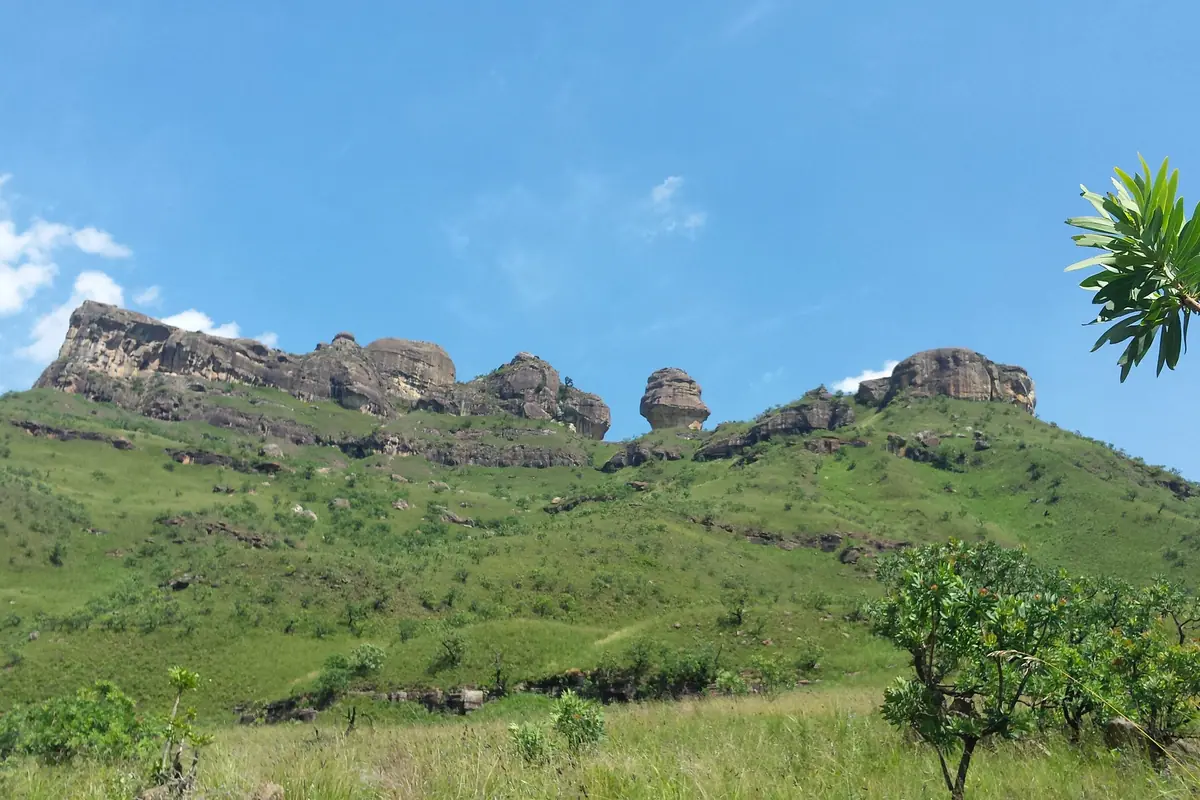
Inland, KwaZulu-Natal changes character completely. The uKhahlamba-Drakensberg Park is a UNESCO-listed wall of basalt peaks and sandstone overhangs painted with San rock art thousands of years old; hikes range from an hour to a week, and the light in the late afternoon turns the whole range amber. Further north, iSimangaliso Wetland Park spreads lagoons, dunes and hippo-filled channels along the coast, best explored by boat.
Zulu cultural villages in the region offer a genuinely informative afternoon of dance, isicathamiya singing and food — usually a slow-cooked stew with maize, pumpkin and sour milk. Pair that with a detour through the Midlands Meander, a country road of cheese makers, breweries, potters and jam kitchens; it is the sort of drive where you arrive somewhere else entirely by accident.
The Bush Kitchen: Braais, Bomas and Kruger Sundowners
Kruger National Park is the country's great wild theatre, and food is part of the performance. Self-drive visitors braai at fenced camps in the evening or eat at simple camp restaurants, while private reserves in the Sabi Sand and beyond serve dinner in a boma — an open-air enclosure ringed by a fire — with lanterns, the smell of woodsmoke and the occasional whoop of hyena just past the fence. Potjiekos, a layered stew cooked slowly in a three-legged cast-iron pot, is the dish to seek out; so is a bush breakfast after an early game drive, when coffee and eggs taste unreasonably good.
Give the park at least three nights — two is possible but rushed — and drive in the first and last two hours of daylight, when predators move. The dry winter months from May to September are the best for game viewing because the bush thins and animals gather at waterholes; this is also the low-risk malaria season in most of the lowveld, though repellents and prophylaxis advice are still worth sorting before you fly.
On the way in or out, take the Panorama Route: the Blyde River Canyon, one of the largest green canyons on earth, the viewing platform at God's Window, and the swirling rock pools at Bourke's Luck Potholes. Further south, Addo Elephant National Park near the Garden Route offers big game within an easy drive of coastal towns and wine farms.
When to Go, What to Tip and How to Travel Well
South Africa rewards a little seasonal planning because the country runs on two different clocks. Cape Town and the Winelands are at their best from October to March, when days are dry, warm and long; June to August is cool and wet, though it is also cellar and fireplace season and far cheaper. For safari, aim for the dry winter months of May to September, when vegetation thins and wildlife concentrates at water. Durban and the KwaZulu-Natal coast are warm year-round, humid in summer, and the Drakensberg is best hiked in April, May, September and October. April and September are the sweet spots for a trip that tries to do everything.
Tipping is expected and appreciated: ten to fifteen per cent in restaurants, a few rand for car guards who watch your vehicle, and a small note for petrol attendants, who fill your tank for you as standard. Power cuts still happen in stretches, so many restaurants cook on gas and hotels run backup systems — it rarely disrupts a holiday, but charging devices early is a sensible habit.
Driving is the easiest way to link Cape Town, the Winelands and the Garden Route, and remember that South Africans drive on the left. Distances are long: Johannesburg to Kruger is roughly a five to six hour drive, or a short flight to Mbombela. In Johannesburg, the rapid rail link connects the airport with Sandton and Pretoria, which avoids traffic entirely. In townships, join a local guided walk rather than wandering alone. Ten to fourteen days lets you combine Cape Town, a Winelands night, Soweto and a safari without sprinting; add four days if Durban and the Drakensberg are on your list.
Frequently asked questions
What foods should I try first in South Africa?
Start with bobotie and Cape Malay curry in Cape Town, a kota and shisa nyama grilled meat in Johannesburg or Soweto, bunny chow in Durban, and a proper braai anywhere. Add biltong, koeksisters, melktert, chakalaka and potjiekos along the way — all are easy to find and rarely expensive.
What is the best time of year to visit South Africa for both food and wildlife?
April and September are the best all-round months. For Cape Town and the Winelands, aim for October to March. For game viewing in Kruger and other reserves, the dry winter from May to September is best because animals gather at waterholes and the bush is thin.
How many days do I need for a food and culture trip?
Ten to fourteen days is comfortable for Cape Town, the Winelands, Johannesburg and Soweto, plus three nights on safari. Add three or four more days if you want Durban, the Drakensberg or the Garden Route without rushing between them.
How much should I tip in South Africa?
Ten to fifteen per cent in restaurants and cafes is standard, and it is usually added to the bill for larger groups. Give a few rand to car guards who watch your parked vehicle, and a small note to petrol attendants who fill your tank and check your tyres.
Do I need to rent a car, and is it safe to drive?
A car is the most flexible way to cover Cape Town, the Winelands and the Garden Route, and driving is on the left. In Johannesburg, the rail link between the airport, Sandton and Pretoria avoids heavy traffic. For Soweto and township experiences, book a local guided walk or driver rather than exploring unfamiliar streets on your own.
Plan it — tours in South Africa
Live search, booked directly with trusted providers.
Sort the rest of your trip
Everything for South Africa, in one place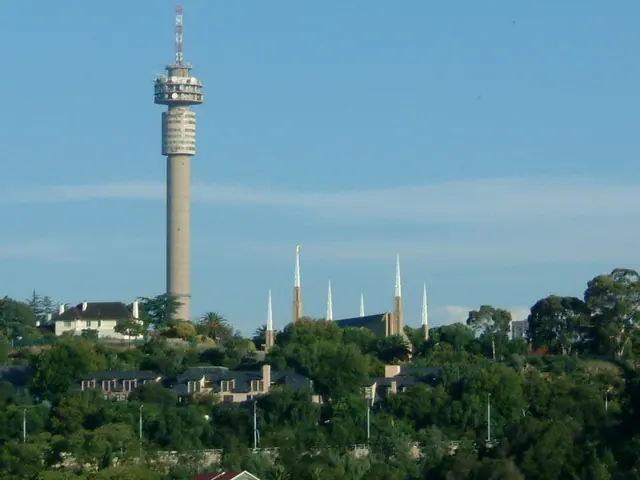
Stay in South Africa
Hotels, guesthouses and apartments — compared in one search.
Search hotels
Transfer in South Africa
Private driver waiting on arrival — no queues, no surprises.
Book a transfer
Stay online in South Africa
Travel eSIM — data the moment you land, no roaming bills.
Get an eSIM