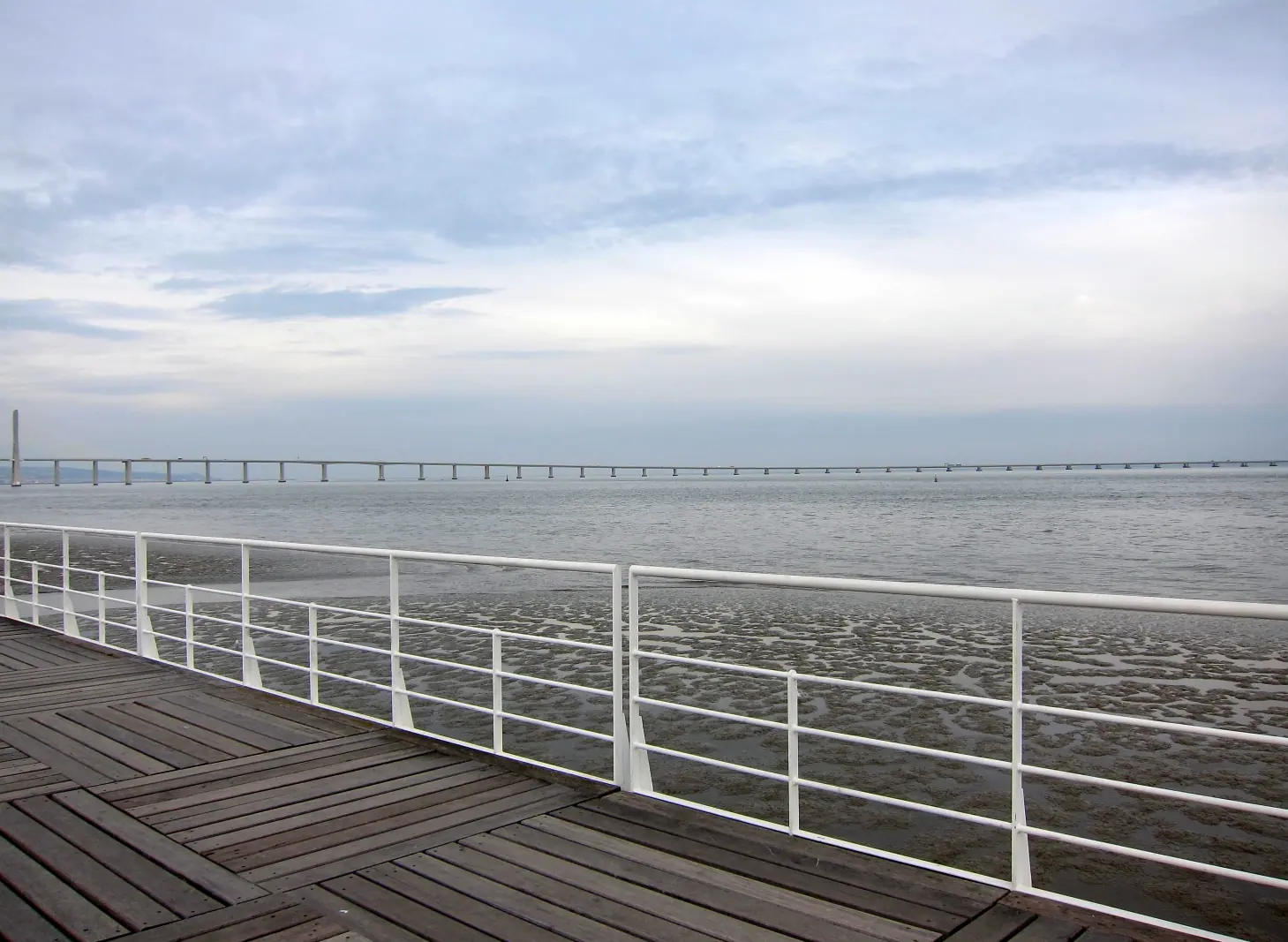
Portugal packs an improbable range of landscapes into a country smaller than many single regions elsewhere in Europe — Atlantic surf towns, vineyard valleys, whitewashed hill forts and volcanic islands. Where you sleep decides what you actually experience, because a two-hour transfer can mean the difference between a morning in a Lisbon miradouro and a morning alone on an Alentejo plain.
Why Portugal's Geography Decides Where You Sleep
Portugal runs roughly north to south along the Atlantic, and its lodging map follows three distinct belts. The north is green, granite and rain-fed: Porto, the Douro river valley and the Minho, where the coast is cool even in August. The centre holds Lisbon, Sintra, Coimbra and the limestone massif around Évora, all reachable within a few hours of the capital. The south splits into the Alentejo's vast golden plains and the Algarve's cliff-and-cove coastline, which is warmer, drier and busier.
That matters practically. If your trip is five days or fewer, pick one base and treat the rest as day trips — Lisbon alone rewards three full days, and Porto deserves two. If you have ten days, the classic pairing is three nights in Lisbon, two in the Alentejo or Sintra, two in Porto and the remainder in the Douro or on the coast. Trying to add Madeira or the Azores to a one-week mainland itinerary usually means a rushed, airport-heavy holiday.
Accommodation types also shift by region. City centres are dominated by boutique townhouses and converted apartment buildings; the countryside leans on quintas (farm estates), many with vineyards or olive groves and a working kitchen; the Algarve has a huge stock of resort-style properties with pools and family apartments. Historic manor houses converted into inns are common in the Alentejo and around Sintra, and they are often the most memorable stays of a trip.
Lisbon: Alfama, Baixa and Belém
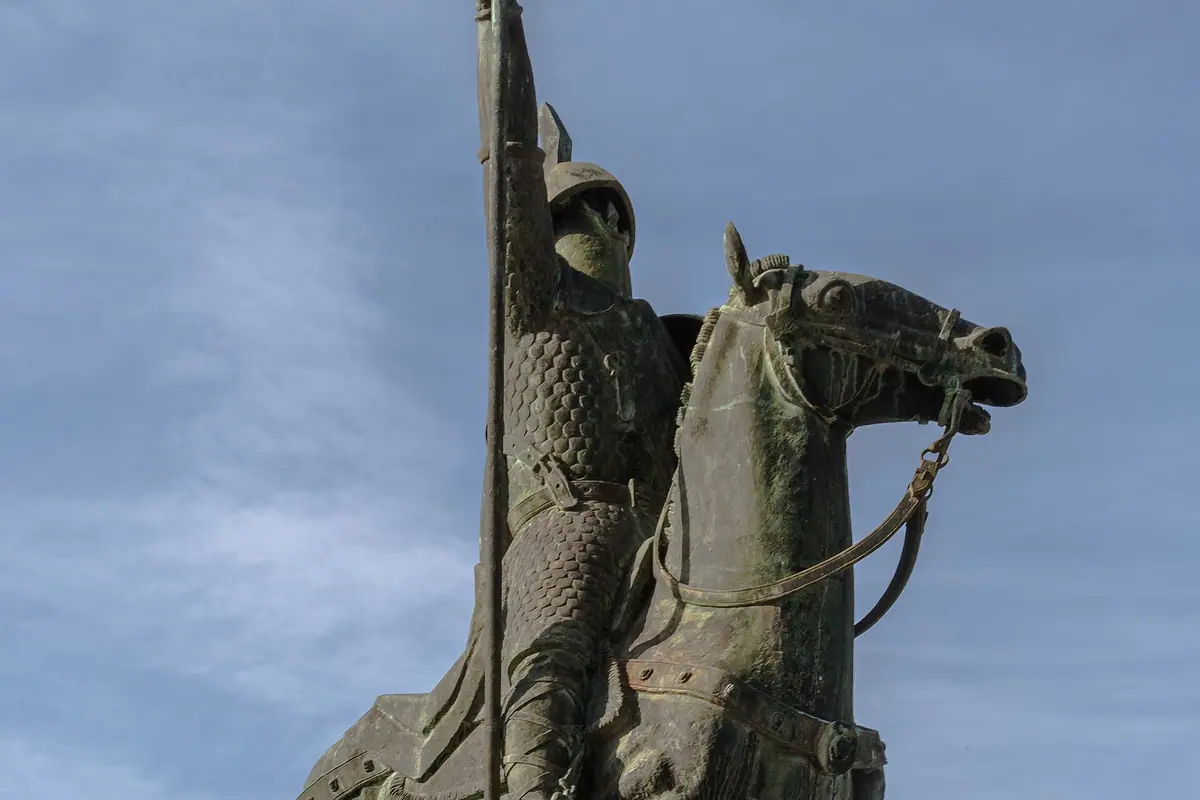
Lisbon is built over seven hills, and each neighbourhood sleeps differently. Alfama and Mouraria, the oldest quarters, are a tangle of steep lanes below Castelo de São Jorge — atmospheric, full of small guesthouses, but noisy at night and hard on luggage. Baixa and Chiado sit flatter and more central, handy for the Santa Justa Lift, Praça do Comércio and the cafés of A Brasileira's square. Bairro Alto and Príncipe Real are nightlife-first; expect late noise and stairs.
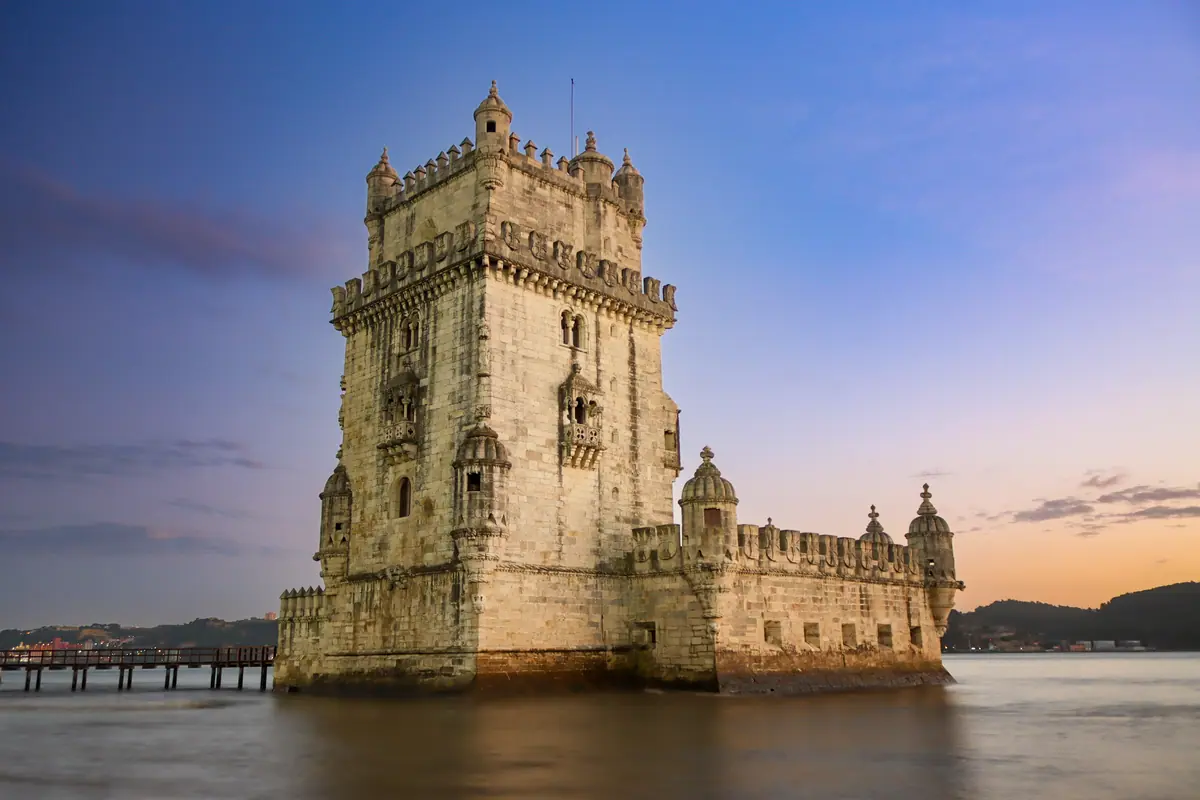
West of the centre, Belém is calmer and greener, home to the Jerónimos Monastery, the Belém Tower and the Monument to the Discoveries, all within a short walk of each other. Staying here trades evening buzz for river views and easy tram connections back into town. Along the water, Parque das Nações offers modern high-rise hotels near the Oceanarium and the cable car, useful if you arrive late or leave early.
Wherever you book, ask about two things: air conditioning (older buildings can be stuffy in July and August) and lift access. Then plan your days around the sights rather than the map — Tram 28 to Graça, the Miradouro da Senhora do Monte for the best city panorama, the Lisbon Cathedral, and a half-day in Belém. Spring and early autumn are the sweet spots; June brings the Santo António street festivals, when Alfama fills with grilled sardines and paper garlands.
Porto and the Douro Valley: Riverside Rooms and Vineyard Quintas
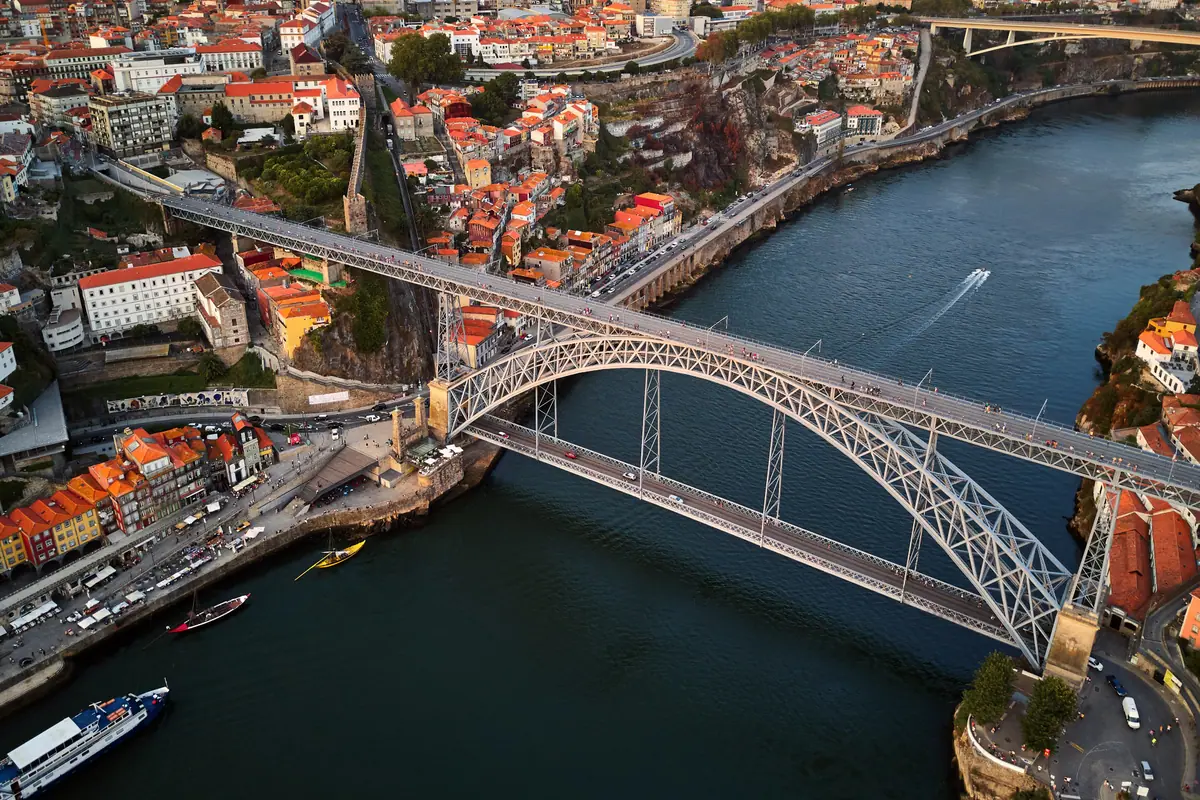
Porto is compact and best explored on foot, so location beats luxury. The Ribeira waterfront puts you directly under the Dom Luís I Bridge, with the medieval lanes of the old town climbing behind and the port lodges of Vila Nova de Gaia across the river. It is beautiful and lively, but also the loudest part of the city. Quieter options sit around the Clérigos Tower, the Lello bookshop and Aliados, or along the Foz district where the river meets the Atlantic.
Must-sees cluster tightly: the São Bento railway station with its tiled entrance hall, the Porto Cathedral, the Clérigos Tower climb, the Bolsa Palace and the riverside walk across the upper deck of the Dom Luís I Bridge for the classic view. Give yourself a full day for Gaia's cellars and another for a Douro day trip by train from São Bento to Pinhão, where terraced vineyards drop to the water and the São Leonardo da Galafura viewpoint is one of the north's great panoramas.
In the Douro, staying overnight changes everything. Wine estates take guests in stone houses among the vines, dinner is often included, and mornings are silent except for cicadas. September is harvest season, when you may be able to join a treading; late spring is greener and quieter. Porto's own calendar peaks around the São João festival in late June, when the city stays up all night — book months ahead for those dates.
The Algarve and Alentejo: Cliffs, Coves and Whitewashed Towns
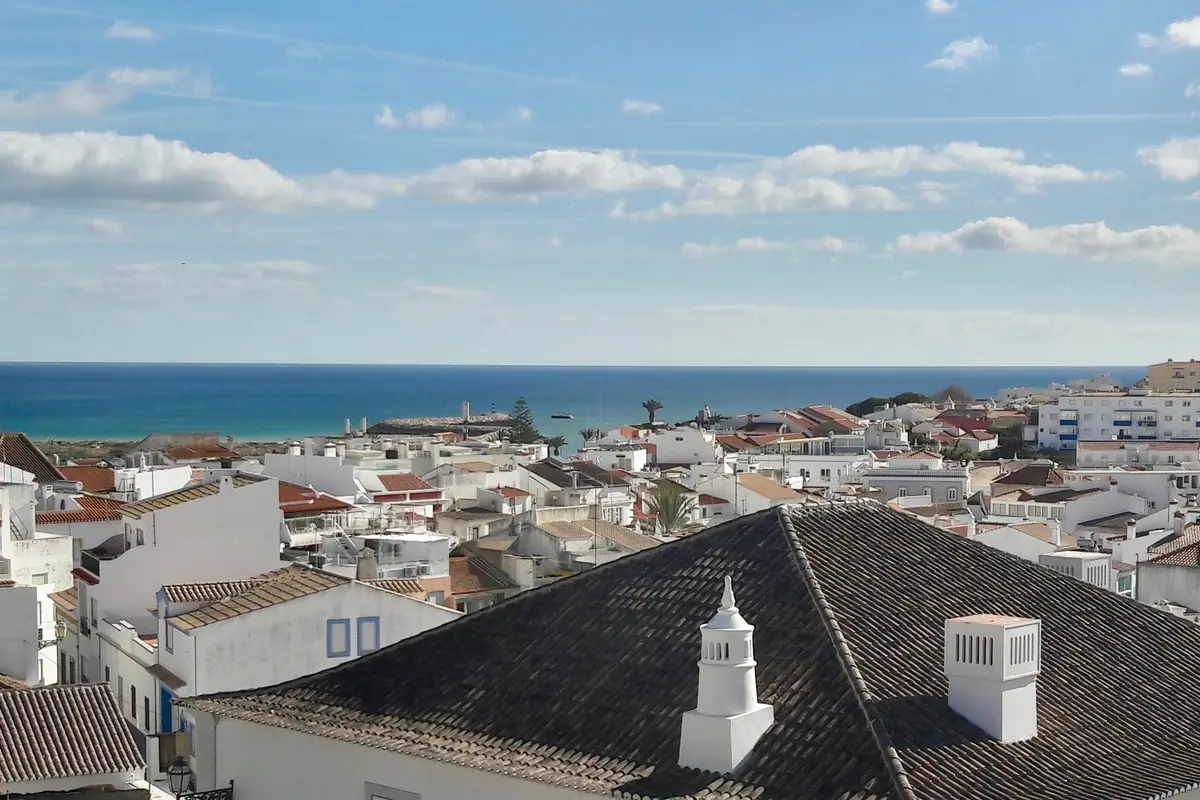
The Algarve divides into three moods. Lagos and Sagres in the west are surf-and-hiking country, with the Ponta da Piedade headland and its sea stacks a short walk from town. The central stretch around Albufeira, Carvoeiro and Lagoa is the family and beach-club belt, close to the Benagil sea cave and Praia da Marinha. The eastern end near Tavira and the Spanish border is flatter, saltier and far less crowded, with long island beaches reached by ferry.
Choose your base by beach access rather than by hotel star rating. Properties on the cliffs above Praia da Marinha or Ponta da Piedade often have steps down to the water but no promenade; resort complexes on the outskirts of Albufeira have pools, parking and shuttle buses but need a car for anything else. Sea temperatures are at their most comfortable from July to September, while May, June and October give warm air and empty sand.
Inland, the Alentejo is Portugal's slowest region. Évora, a walled city of Roman and Moorish layers, has the Templo Romano, the Chapel of Bones and a cathedral whose rooftop you can climb. Hill towns such as Monsaraz and Marvão sit inside their own castles, with views that go on for forty kilometres. Lodging here means converted manor houses, cork estates and farm stays with pools — book early and expect hot, dry summers and cool, clear winters.
Sintra, Coimbra, Madeira and the Azores
Sintra, forty minutes from Lisbon, is a forested hill town of palaces and is worth at least one night rather than a day trip. The Pena Palace, the Quinta da Regaleira with its initiation wells, the Moorish Castle and Monserrate Palace are the headline sights. Staying overnight lets you see Pena before the coaches arrive, and the town's small hotels and manor houses fill fast for weekends year-round — the microclimate is cool and often misty even in summer.
Coimbra, halfway to Porto, is a university city of steep streets and fado sung by students in black capes. The Joanina Library, the university tower and the old cathedral are the essentials; a guesthouse in the Baixa keeps you near the river and the stairways up to the campus. Further west, Óbidos is a fully walled town where you can walk the ramparts — small inns sit inside the walls, though parking is outside the gates.
For island stays, Madeira is mild enough to visit in any month and mixes Funchal's old town and gardens with mountain levada walks and the sunrise viewpoint at Pico do Arieiro. The Azores are wilder and wetter: São Miguel's Sete Cidades crater lakes and Furnas hot springs are the classic route, with whale watching best in spring and early summer. On both archipelagos, weather changes hourly — pack layers and treat every forecast as a suggestion.
Booking Smart: Seasons, Driving and the Details That Matter
Portugal's high season runs from mid-June to early September, peaking in the Algarve in August, when coastal prices roughly double and roads clog. The best-value windows are late April to early June and mid-September to late October, when the light is still strong, the sea is swimmable in the south until October, and city hotels drop noticeably. Winter is ideal for Lisbon, Porto and the Alentejo, though many Algarve resort properties close or run reduced services from November.
A car is genuinely useful for the Alentejo, the Douro and inland Algarve, but it is a liability in Lisbon, Porto and Sintra, where parking is scarce and expensive. Many Portuguese motorways use electronic tolls only, so arrange a transponder or an electronic toll account with your rental before you set off, and keep coins for the older A22-style barriers in the Algarve. Trains connect Lisbon, Coimbra, Porto and the Algarve well, and the Douro line is a sightseeing trip in itself.
Finally, match the property to the trip. City apartments suit couples who want to eat out; quintas and rural inns suit families and anyone wanting space; the Algarve's aparthotels make sense for longer stays with children. If you are visiting in a festival week, at New Year in Madeira, or over Easter, book three to six months ahead — and always confirm whether breakfast, parking and airport transfers are included before you commit.
Frequently asked questions
What is the best time of year to visit Portugal?
Late April to early June and mid-September to late October offer the best balance of warm weather, manageable crowds and lower hotel rates. July and August are hottest and busiest, especially in the Algarve, while winter is mild and ideal for Lisbon, Porto and the Alentejo.
Where should I stay for a first trip to Portugal?
Base yourself in Lisbon for three nights, explore Sintra or the Alentejo for two, then finish with two nights in Porto and, if time allows, a night in the Douro Valley. This covers the country's headline sights without excessive travel between them.
Do I need a car to get around Portugal?
Not for Lisbon, Porto, Coimbra, Sintra or the Algarve's main rail line — trains and buses are reliable. A car is genuinely helpful for the Alentejo hill towns, Douro vineyards and quiet inland Algarve, but avoid keeping one in central Lisbon or Porto, where parking is difficult and costly.
What is the difference between a quinta, a pousada and a regular hotel?
A quinta is a working estate, often with vineyards or olive groves, offering rooms and sometimes meals. A pousada is a historic building — a manor, monastery or castle — converted into an inn. Regular hotels range from city boutiques to large Algarve resorts with pools and family apartments.
How far in advance should I book hotels in Portugal?
For July, August, Easter, New Year in Madeira and major festival weeks such as Porto's São João in late June, book three to six months ahead. In the shoulder months of May, June, September and October, a few weeks is usually enough, though rural quintas and small Sintra manor houses fill early at weekends.
Sort the rest of your trip
Everything for Portugal, in one place
Transfer in Portugal
Private driver waiting on arrival — no queues, no surprises.
Book a transfer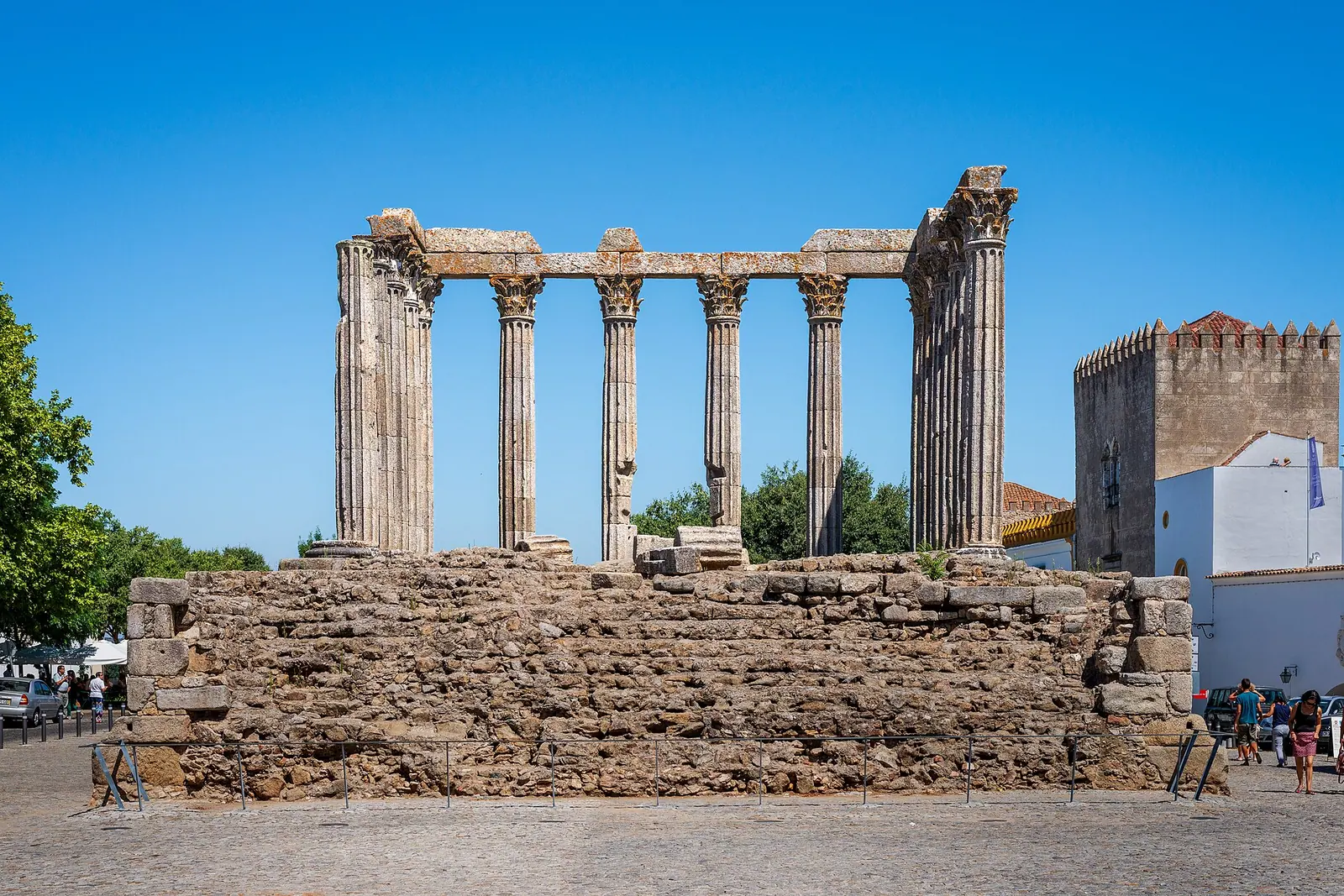
Things to do in Portugal
Skip-the-line tickets, guided tours and standout experiences.
See experiences
Stay online in Portugal
Travel eSIM — data the moment you land, no roaming bills.
Get an eSIMMore guides in Portugal
One Week in Portugal by Air: Lisbon, Sintra, Porto and a Final Flight to the Coast or Islands

Best Time to Visit Portugal for Hotels: Seasons, Prices and When to Book

Portugal Food, Culture and Local Experiences: A Tour Through the Country's Real Table