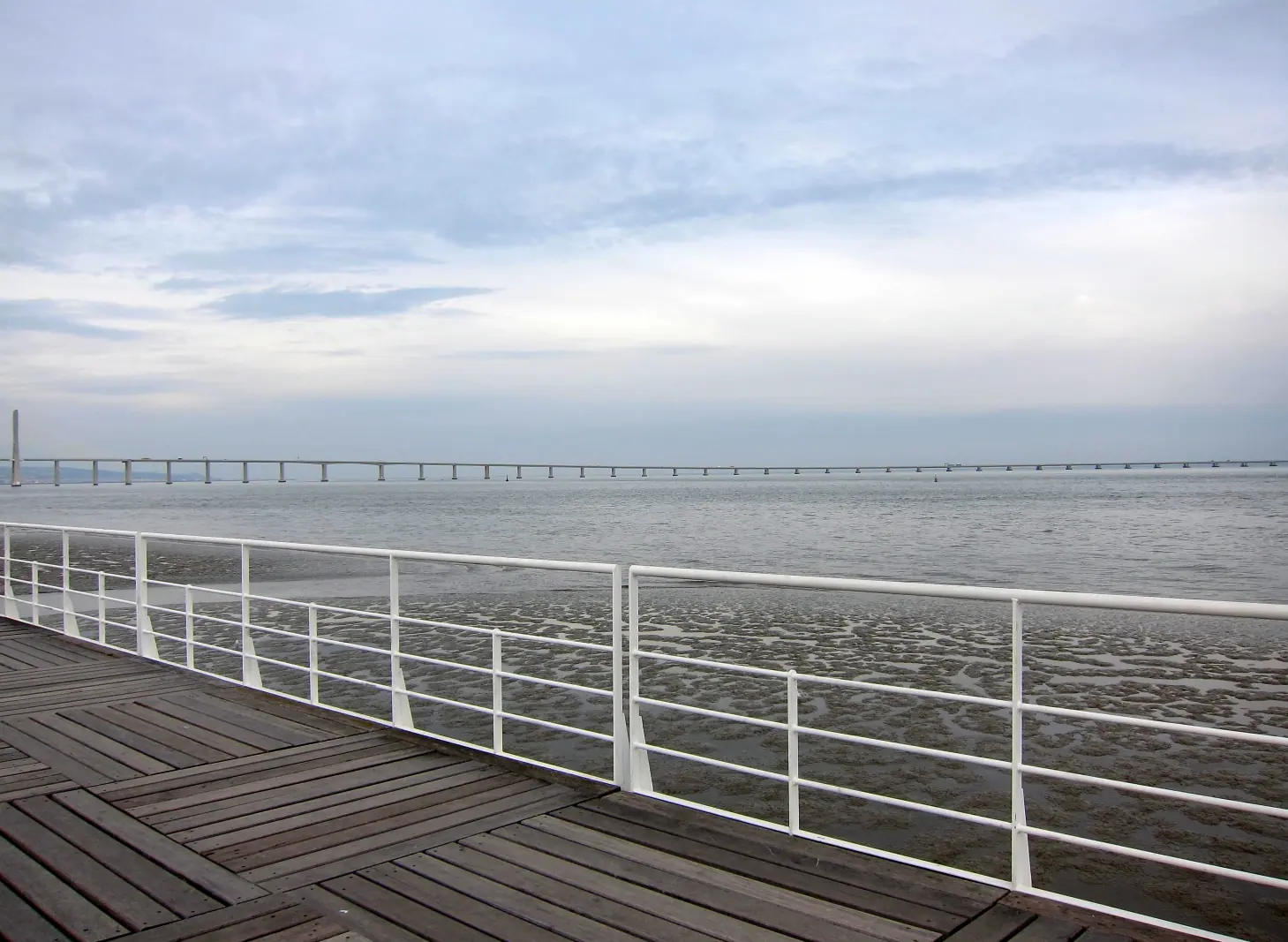
Portugal is small enough to cross in a day yet varied enough to have three genuinely different travel seasons — a rainy, cosy north, a sun-bleached Algarve that fills to bursting in August, and Atlantic islands that stay mild year-round. That variety is exactly why the timing of your hotel booking matters more here than in almost any other European country. Pick your window well and you can sleep in a converted quinta, a tiled townhouse or a cliff-top resort for a fraction of what the same room costs six weeks later.
Portugal's Travel Year at a Glance: When Rooms Cost Least and Feel Best
Portugal's high season runs from roughly mid-June to mid-September, when the Algarve, Lisbon's hotel corridors and the Douro Valley all fill at once. July and August are the crunch: coastal Algarve hotels regularly sell out months ahead, many impose minimum-stay rules of three to seven nights, and rates can double compared with late spring. Lisbon and Porto stay busy but less frantic, absorbing visitors with a deeper supply of rooms — though the June festival nights and New Year still tighten things sharply.
The two shoulder windows are where the value hides. Late April to mid-June brings long, bright days, wildflower-covered hills and hotel prices roughly a third below peak. Mid-September to late October offers something rarer still: the Atlantic at its warmest after a summer of heating, grape harvest in the Douro and noticeably emptier viewpoints in Lisbon and Porto.
Winter splits the country in two. North of the Tagus it rains steadily from November to March, which is precisely why Porto guesthouses and Douro quintas drop their rates so low; south of it, the Algarve keeps daytime temperatures in the mid-teens to low twenties and rarely sees a washed-out week. Madeira sits outside all of this, warm and green in every month.
Climate is worth planning around because Portugal's weather is regional, not national. You can be drenched in Porto's Ribeira and sunbathing in Tavira on the same afternoon, so match your base to the season rather than the other way around.
Spring (March to May): Almond Blossom, Quiet Miradouros and the Year's Best Hotel Value
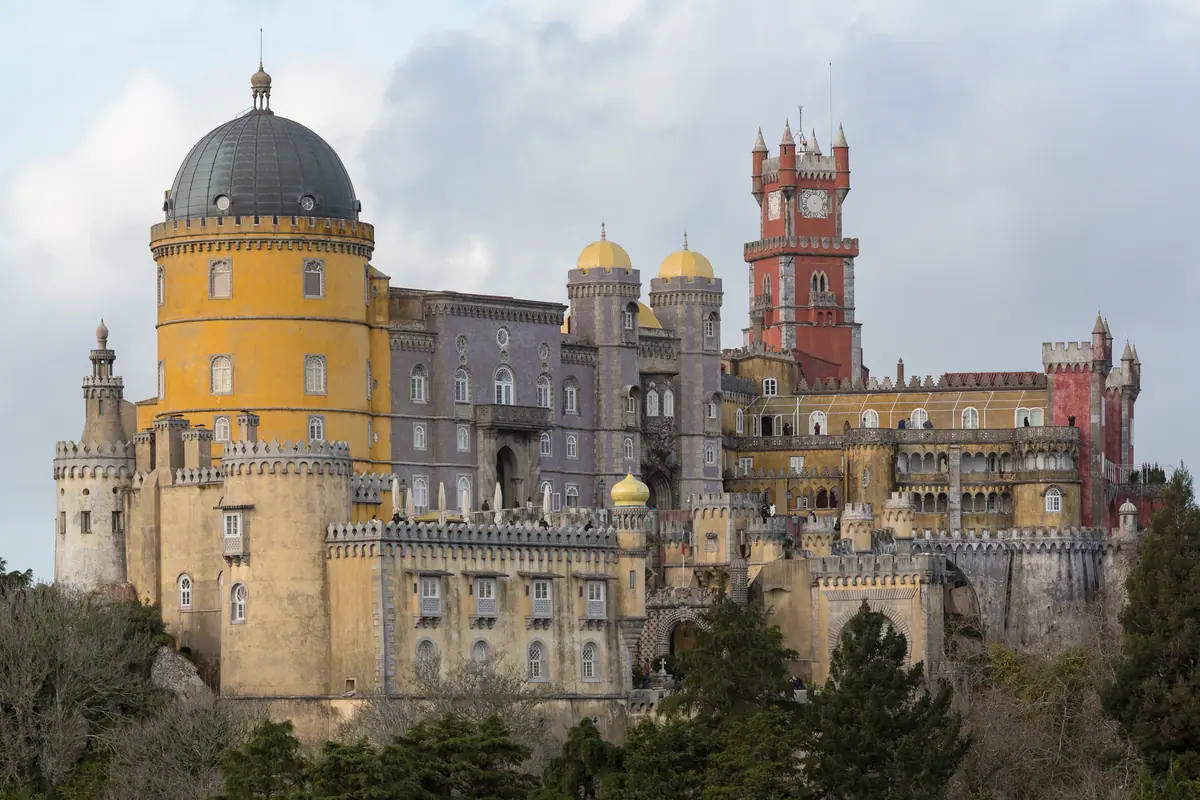
March still feels like winter in the north, but the Algarve hinterland around Silves and Monchique is dusted with almond blossom and the Alentejo's cork oak plains turn green almost overnight. By April the whole country loosens up: Lisbon's tiled facades glow in 20°C afternoons, the Douro terraces are emerald, and Sintra's Pena Palace and Quinta da Regaleira can be visited without the summer shuffle of crowds. Sea temperatures are still bracing until May, so spring trips suit sightseers and walkers more than swimmers.
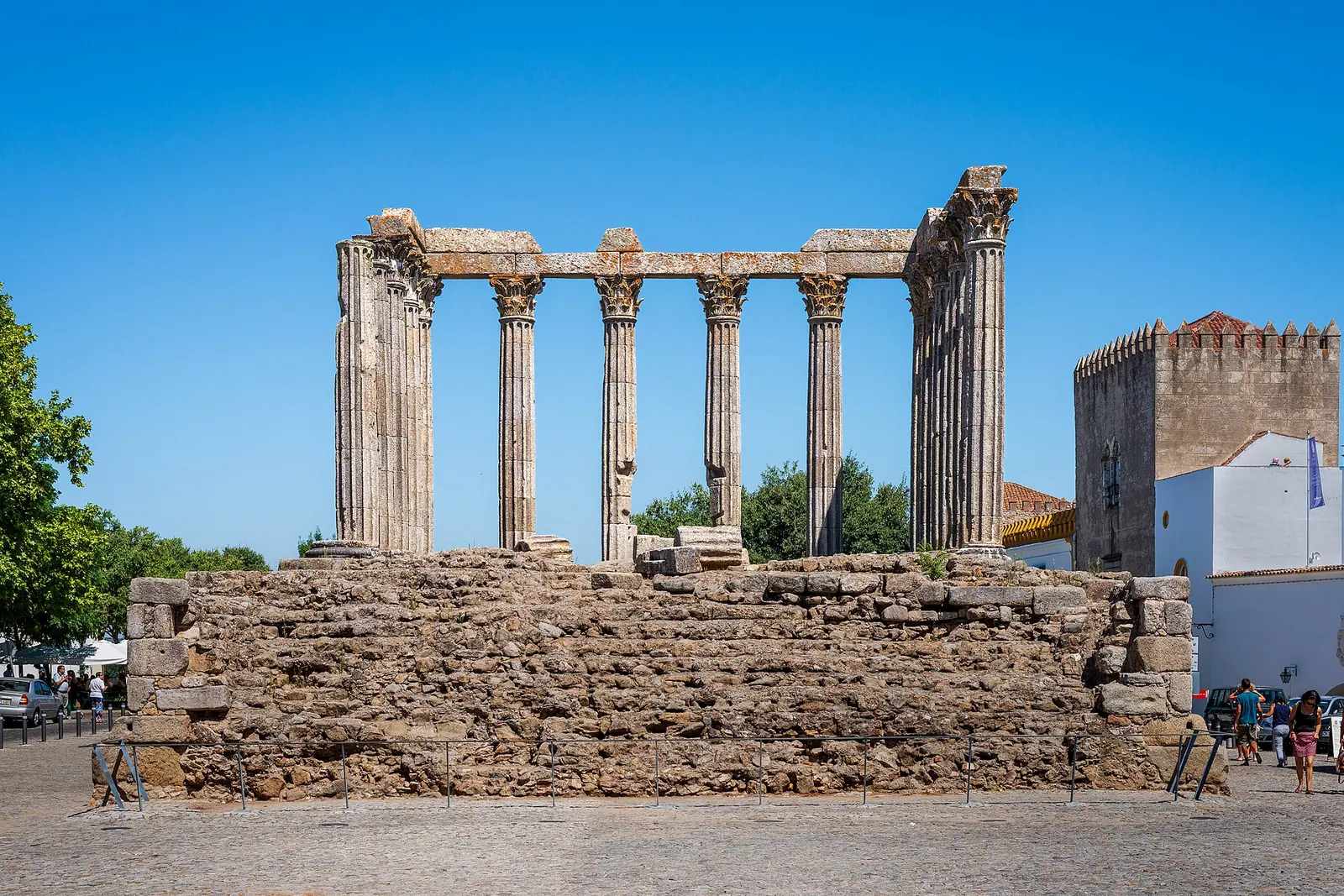
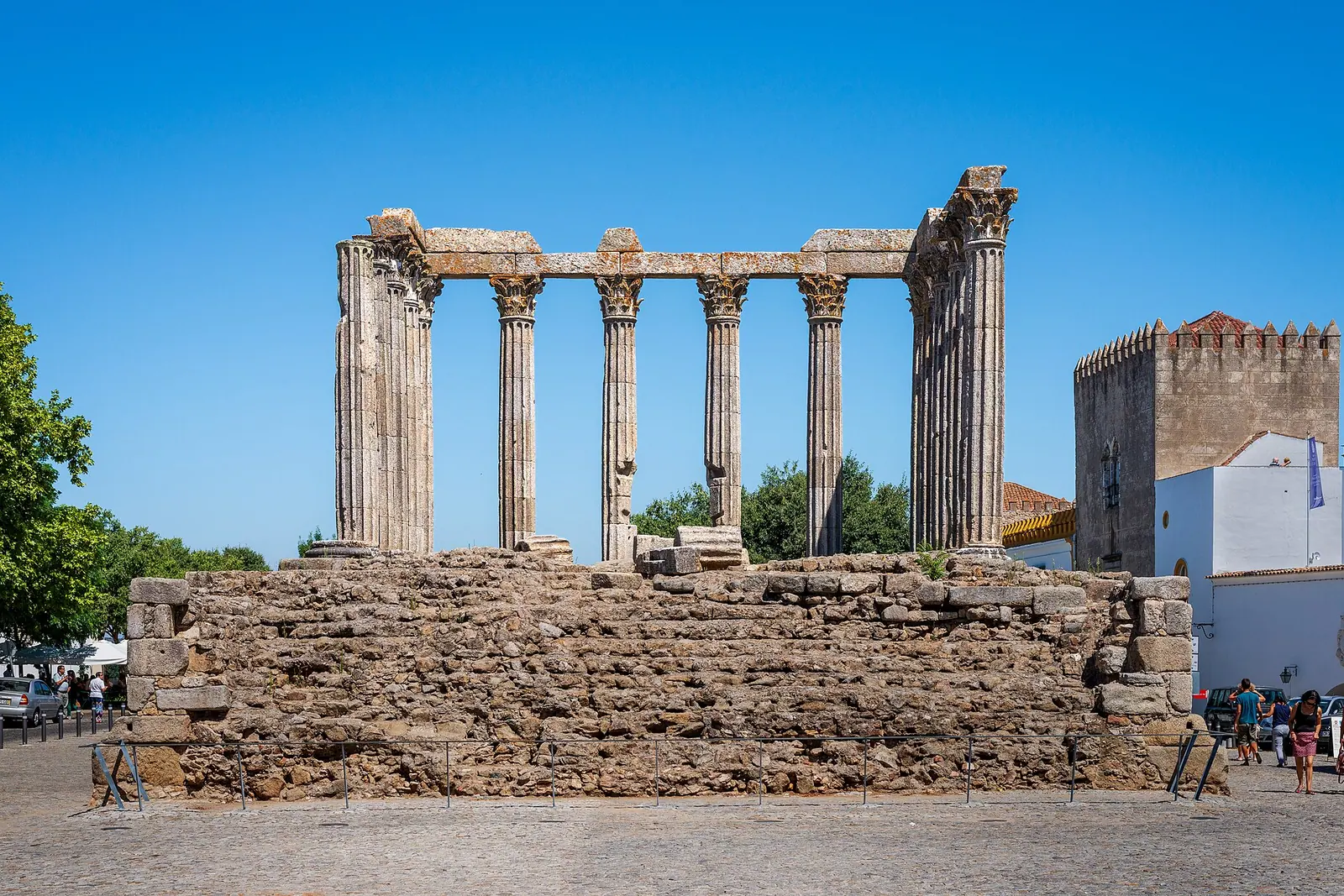
This is the season for Portugal's interior cities. Évora's Roman temple and its bone-lined chapel, the medieval walls of Óbidos, Coimbra's baroque university library and Tomar's Convento de Cristo are all at their most comfortable before the heat arrives. Hotel rates in these towns stay gentle until Easter, when Portuguese families travel and prices spike for a week — book that fortnight early.
May is arguably the single best month to be in a Portuguese hotel. Days are long, restaurant terraces reopen, jacaranda trees turn Lisbon purple, and coastal Algarve resorts are fully staffed but half empty. Expect breezy evenings in the north and pack a light jacket even in the south, where the wind off the Atlantic can surprise you.
Summer (June to August): Beach Season, Festival Nights and a Booking Race
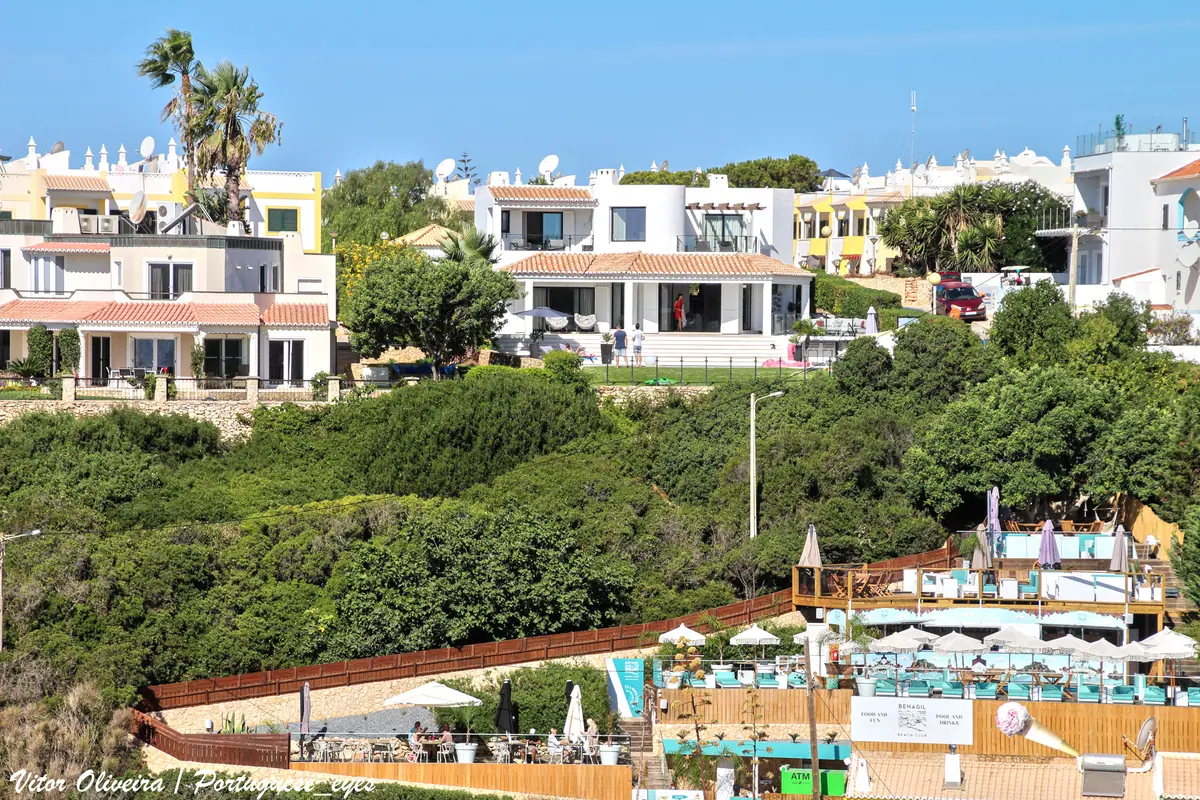
From June the Algarve becomes the country's engine room. The cliff-carved coves around Lagos, the sea cave at Benagil, the sandstone stacks of Ponta da Piedade and the broad sands of Praia da Rocha and Praia da Marinha draw most of the continent. Inland, the Douro and Alentejo regularly push past 35°C, which makes an air-conditioned room — not a view — the feature worth paying for. On the Atlantic west coast, Nazaré's Praia do Norte, Peniche and Ericeira keep attracting surfers through the warm months, and towns there stay cheaper than their southern counterparts.
June is also festival month. Porto celebrates São João with grilled sardines and midnight street parties; Lisbon honours Santo António with the whole Alfama district turned into one long barbecue. Hotel demand in both cities jumps for those few days, so lock in your stay two to three months ahead if your dates intersect with them.
If you want the Algarve in July or August, book three to six months out and accept that you will pay peak rates. The compensation is warm evening swimming, open-air cinema and a coastline that finally feels worth the flight. Families should consider the quieter eastern Algarve around Tavira and Cabanas, where prices are lower and the beaches stretch for miles.
Autumn (September to November): Warm Sea, Douro Harvest and City Breaks
September and early October are Portugal's best-kept secret. The crowds thin after the first week of September, but the sea stays at its warmest, often 20–22°C off the Algarve, making this the nicest time of year for long swims. Hotel rates in the south ease by 20–30% while the weather is still reliably sunny, and Lisbon and Porto become genuinely pleasant for walking again after the summer heat.
The Douro Valley reaches its peak during the grape harvest, when quintas around Pinhão and Régua host picking days and tastings and the terraces turn rust and gold. Rooms in the valley sell out for harvest weekends, so reserve early. Porto itself — the Clérigos Tower, the riverside Ribeira and the iron span of the Dom Luís I Bridge — is at its most photogenic in the low autumn light, often with mist rolling off the river at dawn.
By November rain returns to the north and hotel prices fall to near-winter levels, though Lisbon still delivers plenty of dry, mild days. This is a good month for city hotels with character: converted palaces, azulejo-tiled townhouses and small design stays, all available without the summer premium.

Winter (December to February): Mild Coasts, Low Rates and Island Sun
Winter is undervalued almost everywhere except the mountains. The Algarve offers crisp, bright days around 16–18°C, empty cliffs at Sagres and Cape St Vincent, and hotel rates at their annual low outside the Christmas and New Year weeks. Lisbon hovers near 15°C with occasional sharp, sunny days, and Porto's rainy season is exactly when a fireplace-equipped quinta or a riverside boutique room costs least.
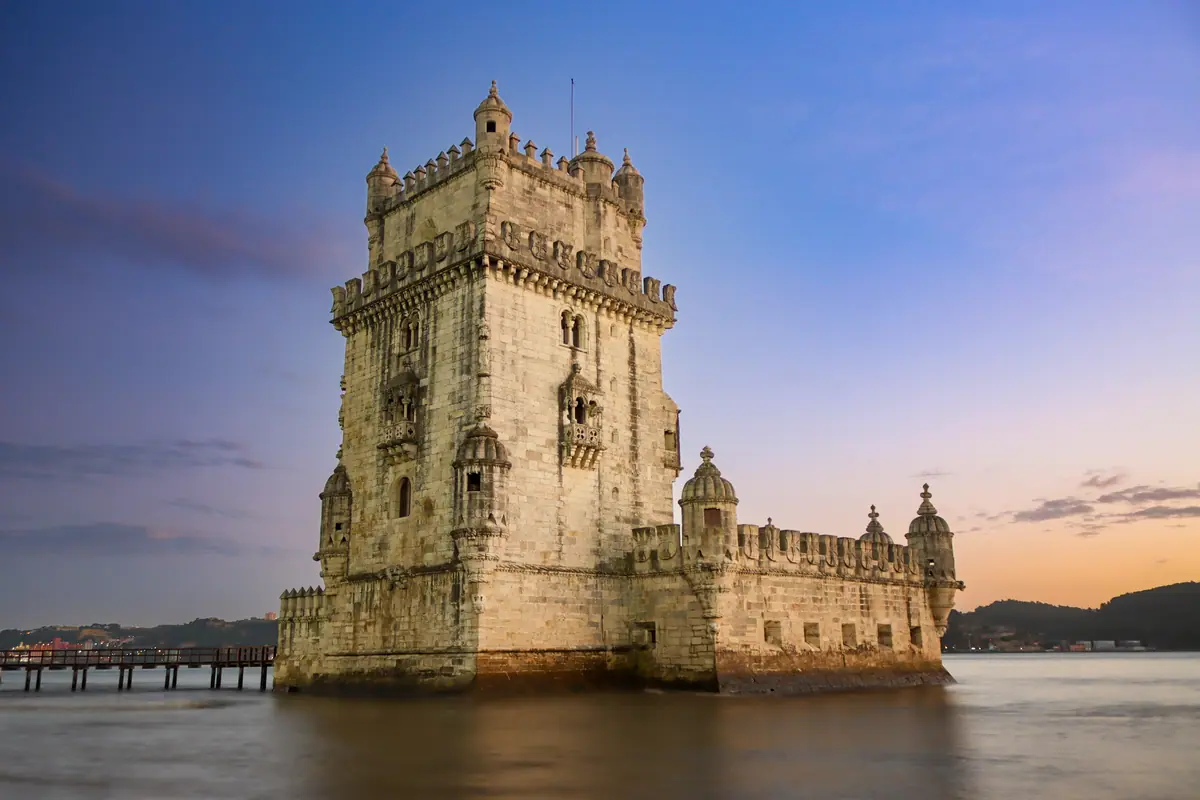
It is also the season for Portugal's monuments without queues: the Jerónimos Monastery and Belém Tower in Lisbon, the monasteries of Alcobaça and Batalha, and the baroque stairway and sanctuary of Bom Jesus do Monte above Braga. Sintra's Pena Palace looks its most theatrical in winter mist, though you will want waterproof shoes for the gardens.
Madeira ignores the calendar almost entirely, holding around 20°C on the coast. Funchal's Carnival and its vast New Year fireworks display over the bay are the two moments when island hotels fill and prices climb; the rest of the winter is quiet, cheap and ideal for levada walks and the sunrise at Pico do Arieiro.
Region-by-Region Timing: Matching Your Hotel to the Right Month
Lisbon and Porto work in every month, so choose them by interest rather than weather: spring and autumn for walking and day trips to Sintra or the Douro, June for festivals, December for Christmas lights and mild city days. The Algarve wants late April to June or September to mid-October — August is hot, packed and expensive, and true winter is for walkers and golfers rather than swimmers. The Alentejo, with its walled hill towns and megalithic sites, is best in April and May or September, avoiding the furnace of July.
Madeira and the Azores have their own rhythms: Madeira is a year-round destination with a spring flower season and a mild autumn, while the Azores are at their most reliable from June to September, when whale-watching, crater lakes and hot springs are all accessible. The Douro is best in May, June, September and October, when the terraces are either green or golden and the river boats run.
Booking strategy matters as much as timing. Small family-run guesthouses and country quintas often take reservations directly and are more flexible about cancellations than large resorts, which in the Algarve frequently demand non-refundable deposits in high season. For July and August on the south coast, book three to six months ahead; for Lisbon and Porto, six to eight weeks is usually enough except around New Year, Carnival and the June festivals. When booking a coastal room, ask which way the balcony faces — a north-facing Algarve room can feel chilly even in August because of the Atlantic wind.
Frequently asked questions
What is the cheapest time to book a hotel in Portugal?
November to early March, outside the Christmas, New Year and Carnival weeks, is the least expensive stretch. Late March and the first half of April are also good value before Easter travel pushes rates up, and late September into October often undercuts summer by a fifth or more while the weather is still excellent.
When is the sea warm enough to swim in the Algarve?
Generally from mid-June through October, with the warmest water arriving in September and early October at around 20–22°C. Spring swims are possible but bracing, and the west coast near Sagres and Aljezur stays noticeably colder than the sheltered eastern beaches near Tavira.
How far in advance should I reserve hotels in Portugal for summer?
For the Algarve in July and August, aim for three to six months ahead, as many resorts set minimum stays and sell out completely. Lisbon and Porto usually still have rooms six to eight weeks out, but book earlier if your dates fall around the June festivals, New Year or major events.
Is Portugal worth visiting in winter?
Yes, especially the Algarve, Lisbon and Madeira. Days are mild and often sunny, monuments such as the Jerónimos Monastery and Belém Tower are blissfully quiet, and hotel rates are at their lowest. Expect rain in Porto and the north, and pack layers for cool evenings everywhere.
Which month is best for the Douro Valley and Porto?
May and June for green terraces and long days, or late September and October for the grape harvest, golden vines and misty river mornings. Harvest weekends fill the valley's quintas quickly, so reserve accommodation well in advance if you want to join a picking or tasting event.
Sort the rest of your trip
Everything for Portugal, in one place
Transfer in Portugal
Private driver waiting on arrival — no queues, no surprises.
Book a transfer
Things to do in Portugal
Skip-the-line tickets, guided tours and standout experiences.
See experiences
Stay online in Portugal
Travel eSIM — data the moment you land, no roaming bills.
Get an eSIMMore guides in Portugal
One Week in Portugal by Air: Lisbon, Sintra, Porto and a Final Flight to the Coast or Islands
Portugal Food, Culture and Local Experiences: A Tour Through the Country's Real Table
Where to Stay in Portugal: Top Cities, Regions and Must-See Attractions