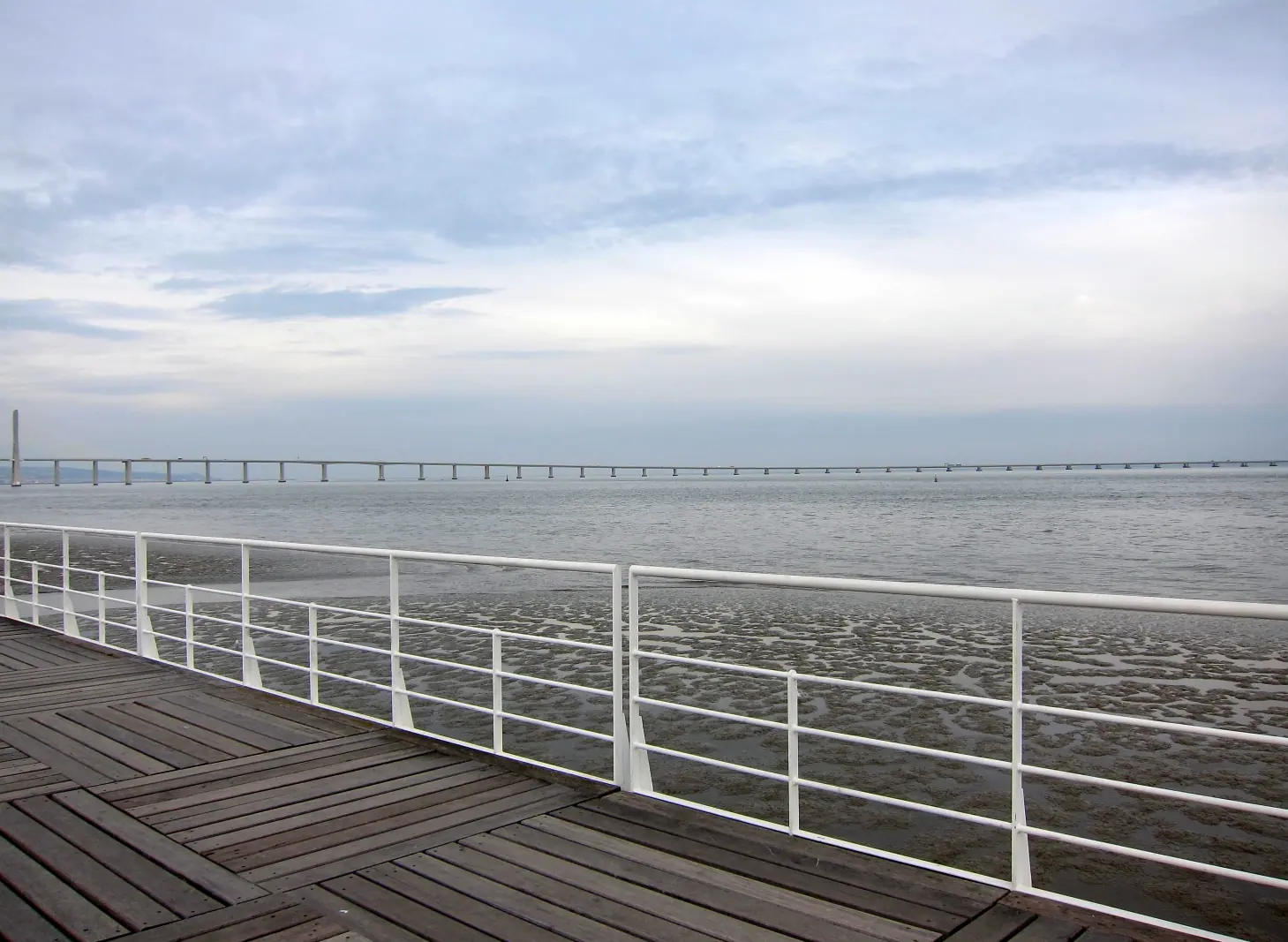
Portugal is a small country that eats enormously well — salt cod in a hundred guises, sardines grilled on the street in June, custard tarts still warm from the oven. Move slowly from Lisbon's tiled alleys to the terraced Douro and the cork plains of the Alentejo, and you'll find that every landscape has its own dish, its own song and its own way of welcoming a stranger.
A Culinary Map: Why Portugal Tastes Like the Atlantic
Portuguese cooking is built on the sea, on olive oil, on bread and on an almost stubborn love of salt cod — bacalhau — which arrives dried and salted and is then coaxed into countless dishes, from bacalhau à Brás (shredded with egg, onion and straw potatoes) to bacalhau com natas, baked in cream. Along the coast, sardines, mackerel, clams and percebes (goose barnacles) are simply grilled and served with boiled potatoes and greens, the way a fisherman would eat them at home.
Inland, the cooking turns earthy. The Alentejo produces the country's best olive oil and pork; its açorda — a bread-and-garlic stew thickened with poached egg — is peasant food that tastes like a revelation on a cool evening. The north leans on hearty, rib-sticking plates: the francesinha, a layered sandwich drowned in beer-and-tomato sauce, and rojões, marinated pork fried with potatoes. The Algarve does the opposite, favouring a cataplana, the clam-shaped copper pot that steams seafood with tomato, wine and coriander.
Wine travels easily with all of it. Crisp, slightly sparkling vinho verde from the Minho, full-bodied reds from the Douro and Dão, and the fortified ports and Madeira wines that were built for long journeys. Order by the glass, ask what's local, and you'll rarely go wrong.
Lisbon: Fado, Azulejos and the Custard Tart Trail
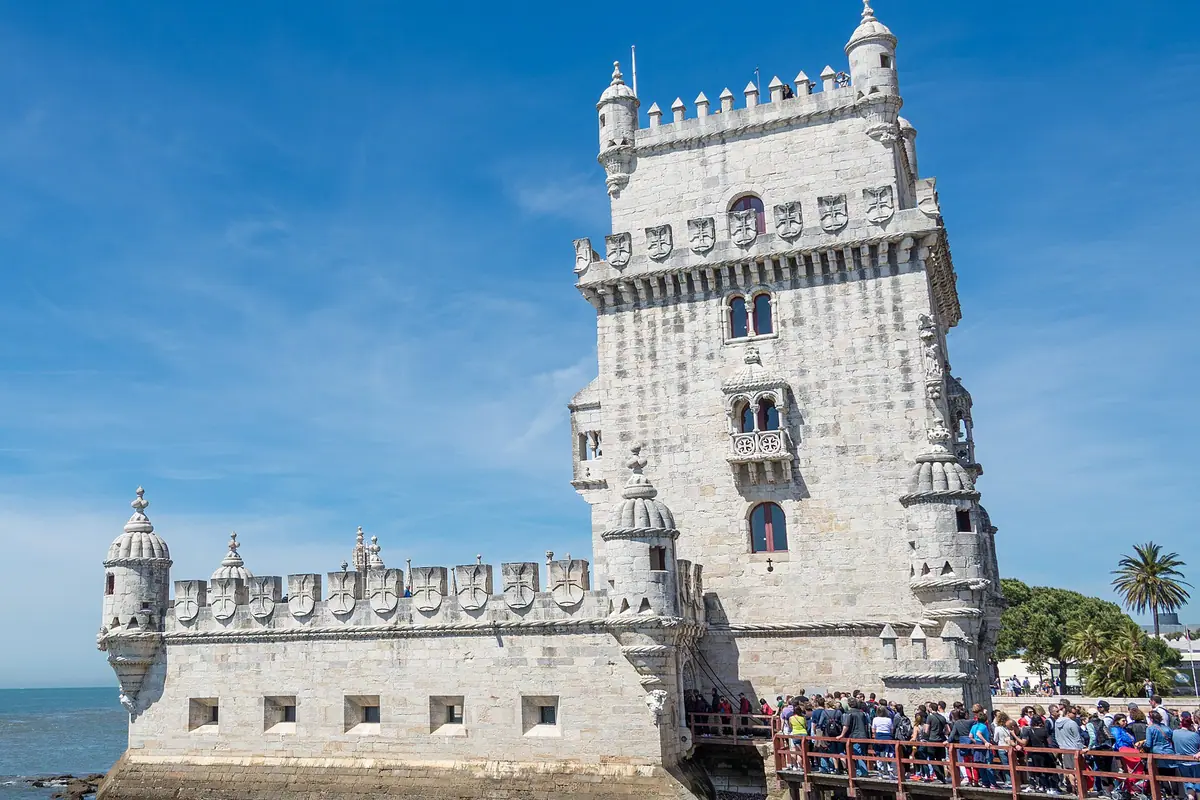
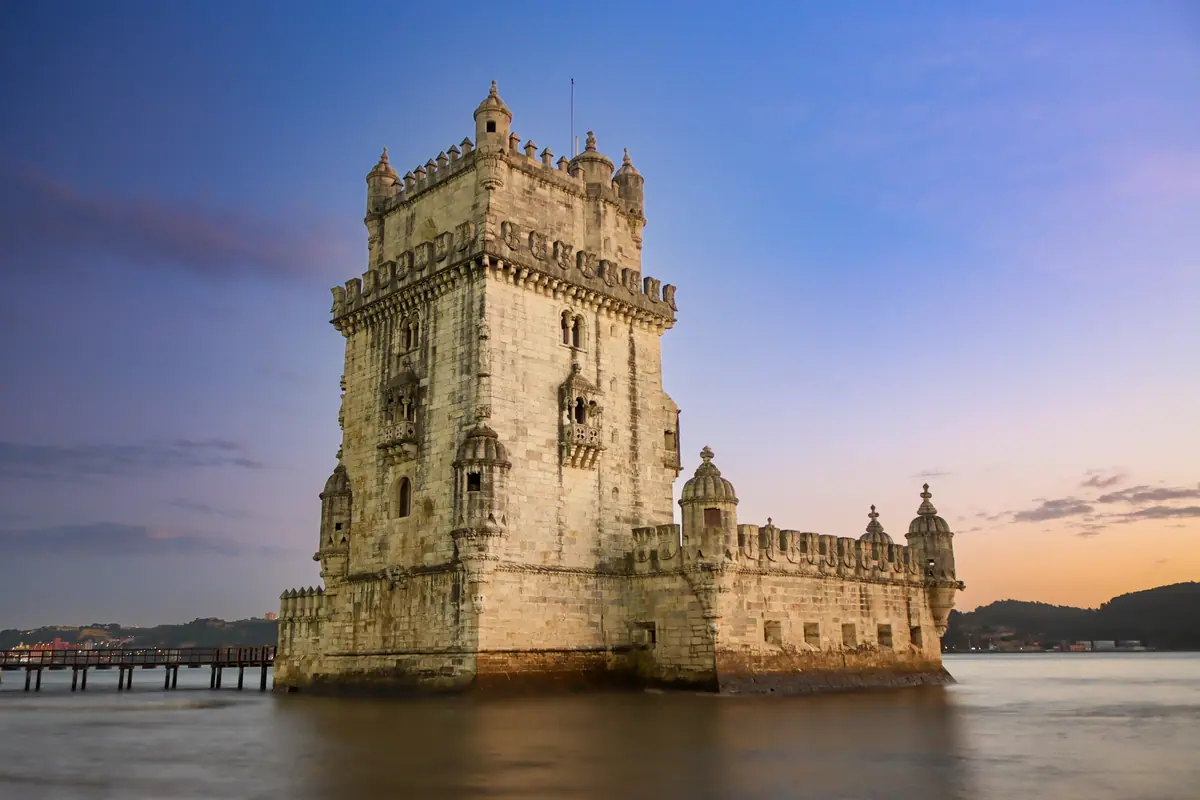
Lisbon rewards walking, however steep it gets. Start in Belém, where the Manueline fantasy of the Jerónimos Monastery and the riverside Belém Tower stand as the city's great Age of Discovery monuments — and where the bakery near the monastery has been pulling pastéis de nata from its ovens since the nineteenth century. Eat one warm, dusted with cinnamon, standing at a counter.
From there, ride the famous yellow Tram 28 or climb on foot into Alfama, the oldest quarter, a knot of laundry-lined lanes below Castelo de São Jorge. This is the neighbourhood for fado: small, dim rooms where a singer, a Portuguese guitar and a twelve-string guitar fill the space with the melancholy the Portuguese call saudade. Dinner-and-fado houses range from polished to gloriously rough-edged; the rougher ones often sound better.
Down by the water, Praça do Comércio opens onto the Tagus and the old market hall at Cais do Sodré has become a lively food hall where you can graze on goose barnacles, sheep's cheese and bifanas. Finish with a tiny glass of ginjinha, sour cherry liqueur, from a hole-in-the-wall counter near Rossio — a Lisbon ritual that costs almost nothing.
Porto and the Douro: Port Cellars, Tiles and Terraced Vines
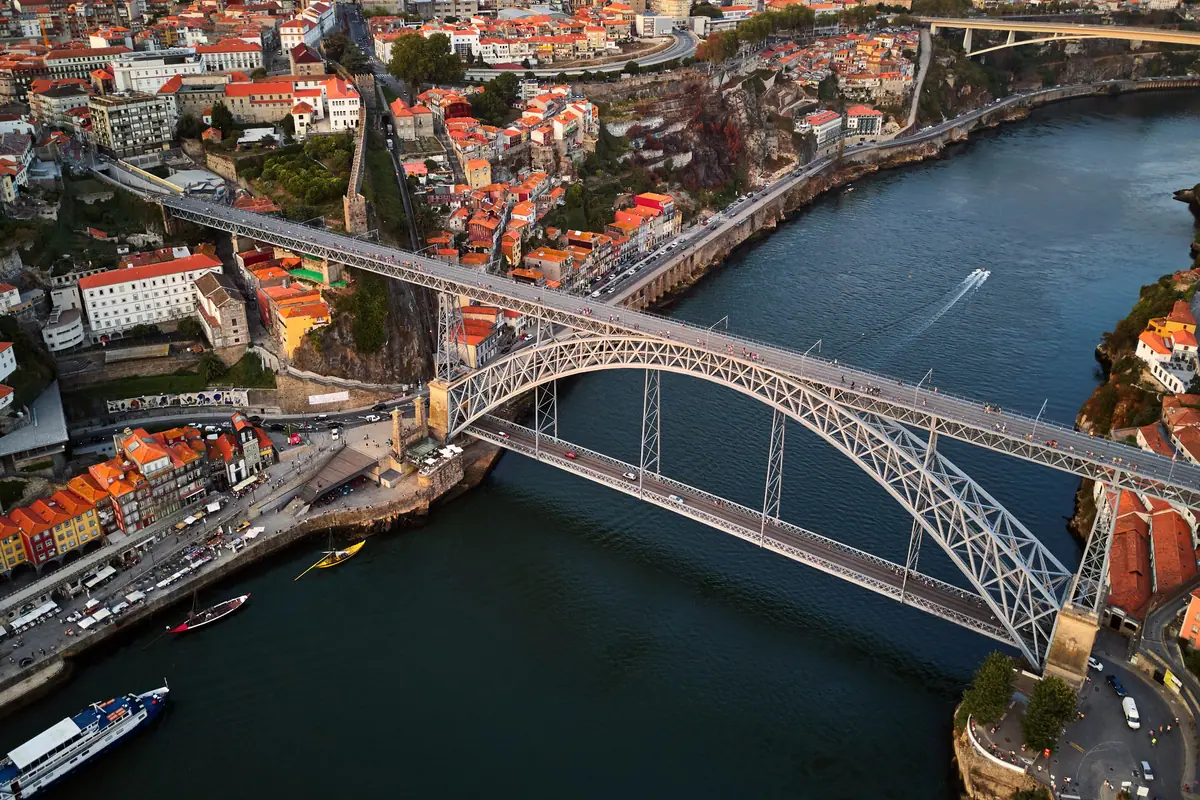
Porto is a working city with a granite face and a sweet tooth. São Bento railway station is worth the visit alone, its walls covered in twenty thousand azulejo tiles depicting battles and country scenes. Nearby rise the Torre dos Clérigos, with the best rooftop view in town, and the ornate Livraria Lello bookshop, where a queue forms most mornings. From the Ribeira quayside, the Dom Luís I bridge carries pedestrians on its upper deck across to Vila Nova de Gaia, where the historic port lodges line the bank and offer tastings of tawny, ruby and vintage ports.
An hour upstream, the Douro Valley unfolds in terraces of schist and vine that were first planted by Cistercian monks. A slow train or a river boat brings you to Pinhão and Régua, where quintas (estates) pour wines you won't find far from the cellar door. Late September, during the grape harvest, is the most atmospheric time to visit — the valley smells of crushed fruit and the lagares are full.
Back in town, eat a francesinha if you dare, then a lighter tripas à moda do Porto, and finish at a tasca with a plate of grilled octopus. Porto's dining is unpretentious by design; the best meals are often served on paper tablecloths.
Sintra, Óbidos and the Atlantic Edge
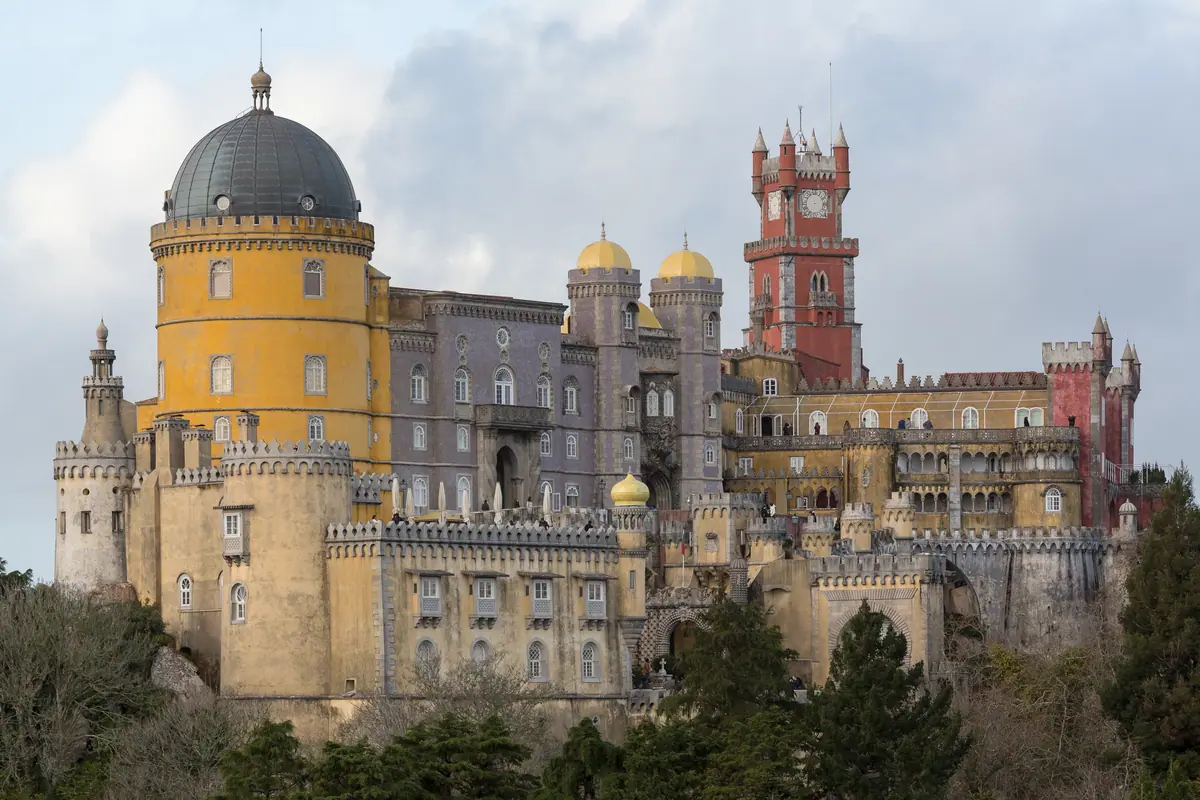
Half an hour from Lisbon, Sintra rises out of a damp, green microclimate into a hillside of palaces. The Pena Palace, painted in mustard and wine reds and perched above the treetops, is the icon, but give equal time to the Quinta da Regaleira with its inverted towers and initiation wells, and to the Moorish Castle walls snaking along the ridge above town. Go early — by midday in summer the narrow roads are jammed.
Further north, Óbidos is a complete medieval town still wrapped inside its own walls, where you can walk the ramparts and buy ginjinha served in a chocolate cup. The Silver Coast beyond brings you to Nazaré, where the Atlantic throws up some of the largest rideable waves on earth and the clifftop viewing point at Sitio is the place to watch them in winter.
This stretch of coast is also where you eat most simply: grilled fish with olive oil, potatoes and a tomato salad, plus queijadas and other small pastries that vary town by town. In winter, warming caldo verde — potato and kale soup with a slice of chorizo — appears on every menu.
The Alentejo and the Algarve: Cork, Cataplana and Cave Coast
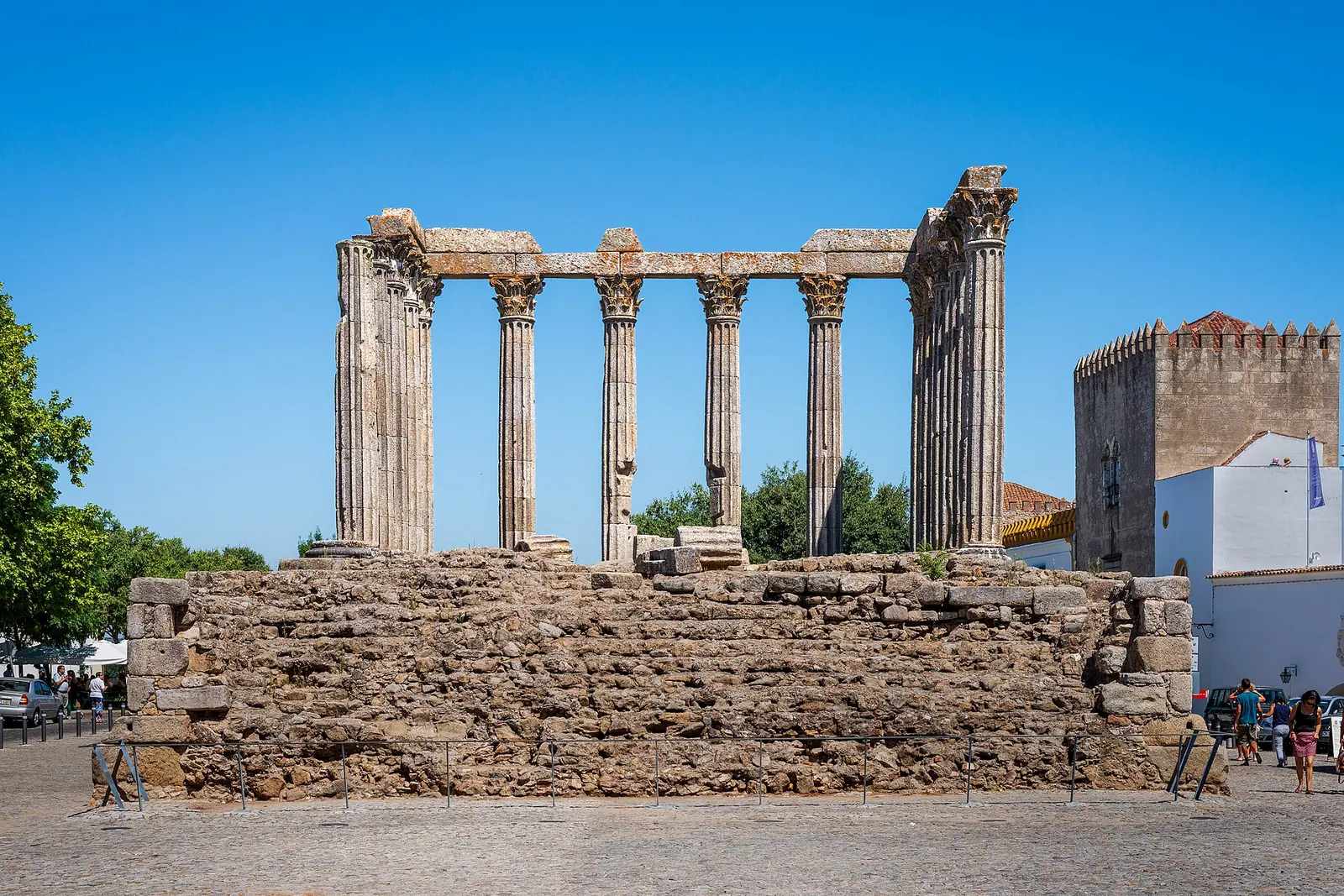
South of the Tagus, the Alentejo opens into rolling cork oak plains and whitewashed towns that glow in the heat. Évora is the region's showpiece: a Roman temple standing in the middle of the old town, a cathedral with a climbable roof, and the strange, sobering Chapel of Bones. Hill villages like Monsaraz and Marvão sit on ridges above olive groves, and a cork estate visit explains why this unassuming material shaped the region's economy.
The Algarve is more than its beaches, though the beaches are extraordinary. Ponta da Piedade's golden rock stacks near Lagos, and the sea caves around Benagil, are best seen by kayak or small boat in the calm of early morning. Inland, Tavira and Silves keep their Moorish and Roman layers, and the hills produce almond, fig and citrus.
Eat cataplana, arroz de marisco and grilled carapaus in a beachside shack where the fish was landed hours earlier; drink local red from a jug. It is the simplest formula on the trip and often the best meal of it.
Fado, Festivals and Local Etiquette: How to Join In
Portugal's calendar is punctuated by popular festivals, and June is its peak. Lisbon celebrates Santo António with grilled sardines and street parties in Alfama; Porto throws one of Europe's great parties for São João, when people bash each other gently on the head with plastic hammers and balloons drift over the river. In the Algarve, summer fish festivals set up grills on the sand, and in Madeira, the end-of-year fireworks over Funchal are legendary.
Meal times matter. Lunch runs from around one o'clock, dinner rarely starts before eight, and a long Sunday lunch with family can swallow the afternoon. If you sit down in a tasca, a small plate of olives, bread and cheese may arrive unbidden — that's the couvert, and you pay only if you eat it. Coffee is an espresso-sized bica or café, drunk standing at the counter.
Tipping is modest, service is generally unhurried, and the phrase to learn is 'A conta, por favor.' Pair it with a smile and you'll be treated like a regular. For the widest choice of weather and the fewest crowds, aim for April–June or September–October; July and August are hot, glorious and busy, so book Douro tastings and Sintra visits well ahead.
Frequently asked questions
What is the best time of year to tour Portugal for food and festivals?
Late spring (April to June) and early autumn (September to October) offer mild weather, open-air markets in full swing and fewer crowds. June brings the Santos Populares street festivals with grilled sardines and music, while late September is grape harvest in the Douro Valley. July and August are hottest and busiest, especially in the Algarve and Lisbon.
Which Portuguese dishes should a first-time visitor try?
Start with a fresh pastel de nata in Belém, bacalhau à Brás or bacalhau com natas, grilled sardines in season, cataplana in the Algarve, arroz de marisco, caldo verde in winter, and a bifana or francesinha as a snack. In the Alentejo, try açorda and local olive oil; in Porto, sample tawny and vintage port in Vila Nova da Gaia's lodges.
Where can I hear authentic fado?
Alfama and Mouraria in Lisbon hold the classic fado houses, small rooms where singers perform with Portuguese guitar. Coimbra has its own, more academic fado tradition sung by students. Book ahead for dinner-and-fado venues, but also listen for informal performances in tascas, where the music is often rawer and more moving.
How do I get around Portugal between regions?
The national rail network links Lisbon, Porto, Coimbra, Aveiro and the Algarve reasonably quickly, with the Lisbon–Porto journey taking around three hours by fast train. Buses reach smaller towns and hill villages the trains miss. A car is useful for the Alentejo, the Douro and the western coast, but unnecessary inside Lisbon or Porto, where trams, metro and walking work best.
What local etiquette should I know in Portugal?
Dinner usually starts at 8pm or later, and Sunday lunches are long. A small couvert of bread, olives or cheese placed on your table is charged only if you eat it. Coffee is a quick bica taken standing. Tipping is a few euros or a small percentage for good service, and a polite 'obrigado' (or 'obrigada' if you're a woman) goes a long way everywhere.
Sort the rest of your trip
Everything for Portugal, in one place
Stay in Portugal
Hotels, guesthouses and apartments — compared in one search.
Search hotels
Transfer in Portugal
Private driver waiting on arrival — no queues, no surprises.
Book a transfer
Stay online in Portugal
Travel eSIM — data the moment you land, no roaming bills.
Get an eSIMMore guides in Portugal
One Week in Portugal by Air: Lisbon, Sintra, Porto and a Final Flight to the Coast or Islands

Best Time to Visit Portugal for Hotels: Seasons, Prices and When to Book
Where to Stay in Portugal: Top Cities, Regions and Must-See Attractions