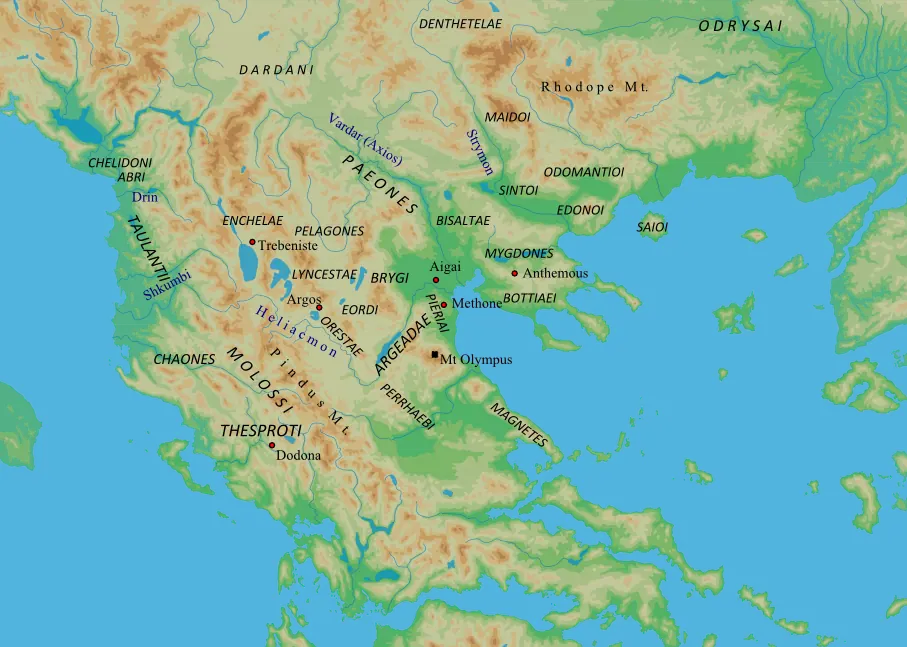
North Macedonia packs Byzantine churches, Ottoman bazaars, highland lakes and vineyard valleys into a country smaller than Belgium. Choosing the right hotel—whether a lakeside room in Ohrid or a boutique stay in Skopje's Old Bazaar—can shape how deeply you experience it. This guide covers the top cities, the must-see sights, and the kind of lodging that puts you closest to each.
Skopje: Where Ottoman Bazaars Meet Brutalist Monuments
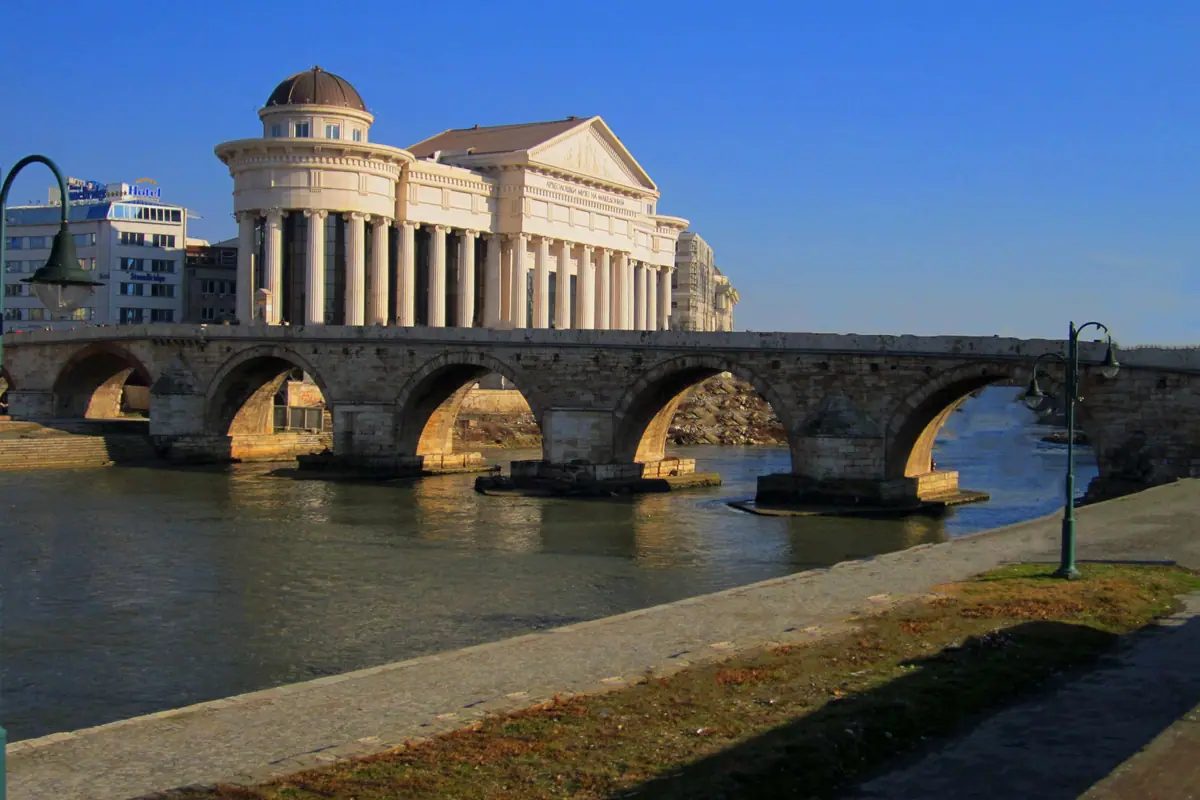
Skopje is two cities in one: the Ottoman-era Old Bazaar with cobbled lanes, mosques and hans, and modern Centar across the Stone Bridge, where Macedonia Square, the Memorial House of Mother Teresa and the Museum of the Macedonian Struggle sit among grand facades. Kale Fortress looms over it all, and the Millennium Cross on Mount Vodno offers sweeping views via cable car. Hotels cluster in Centar for business and nightlife, but staying in or near the Old Bazaar puts you steps from morning coffee in a čaršija courtyard and the evening buzz.
For a different rhythm, base yourself in Debar Maalo, known for cafés and restaurants, or near the Vardar River. From Skopje, Matka Canyon—a 30-minute drive—rewards with boat trips to Vrelo Cave and hiking trails. Two to three days is typical to cover the city and Matka. Boutique hotels in the old town and modern mid-range properties in Centar suit most travellers; many include breakfast and airport transfers.
Ohrid: Lakefront Hotels Beneath a Byzantine Skyline
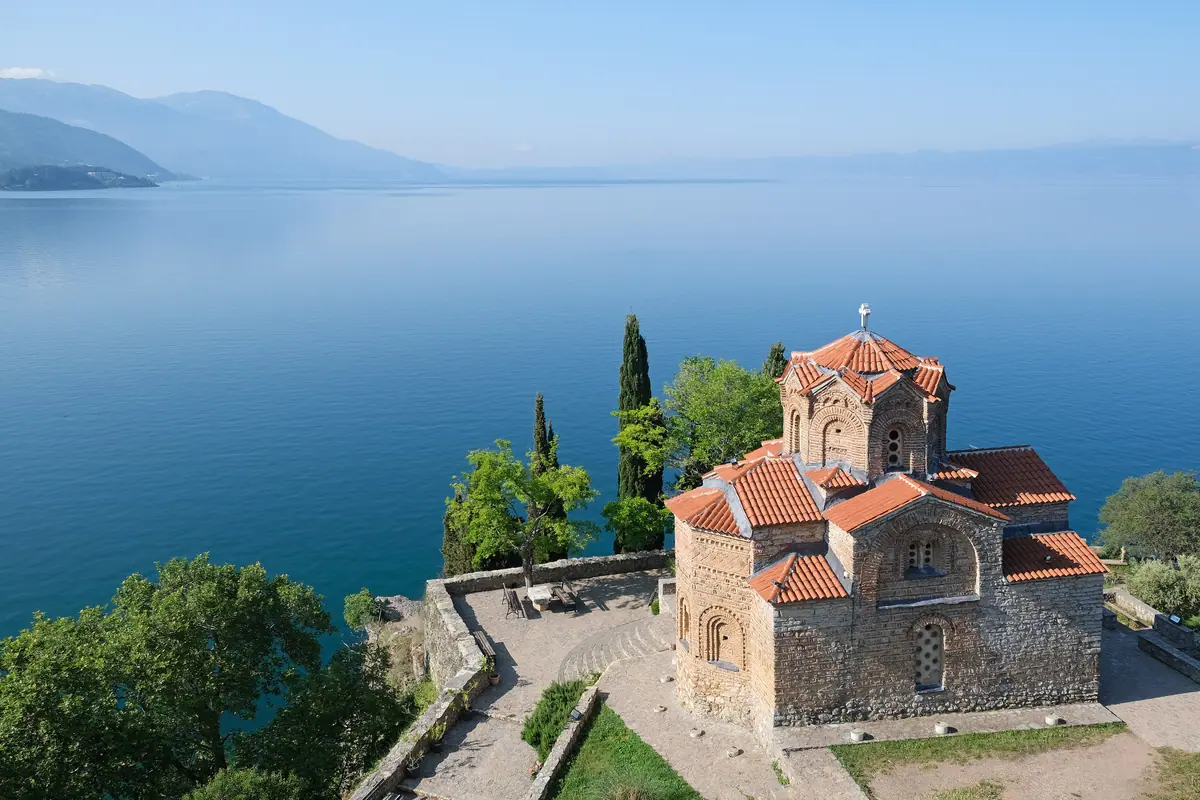
Ohrid is North Macedonia's crown jewel: a protected historic town on a lake so clear you can see ancient ruins beneath the surface. The old town climbs a hill of Byzantine churches, with the iconic Church of St. John at Kaneo perched on a cliff above the water, and Samuel's Fortress at the summit. The Ancient Theatre of Ohrid, built by the Romans, still hosts summer performances, while Plaošnik adds another layer. Hotels range from family-run guesthouses in the old town's stone lanes to lakeside resorts in Ohrid and neighbouring Struga.
Staying inside the old town means waking to church bells and walking to Kaneo for sunrise; lakeside hotels in the new town offer pools and easier parking. The lake itself is the main draw: swimming, boat trips to the Bay of Bones, and the spring-fed waters of St. Naum Monastery at the southern end. Galičica National Park rises between Lake Ohrid and Lake Prespa, with hiking trails and panoramic viewpoints. Visit from May to September for warm water and open terraces; July and August are busiest, so book well ahead.
Bitola and Pelister: Consular Charm and Mountain Trails
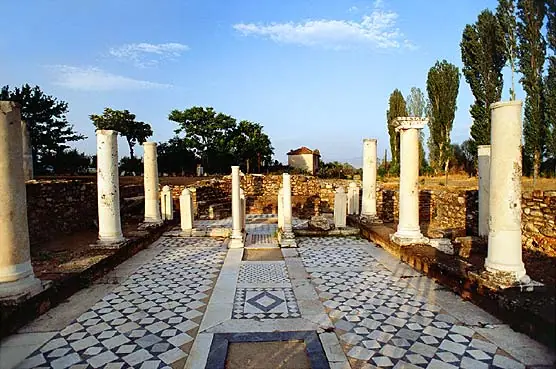
North Macedonia's second city, Bitola, wears its history on Širok Sokak, a pedestrian boulevard lined with Austro-Hungarian facades, cafés and consulates from the Ottoman era. The Old Bazaar here is smaller than Skopje's but full of character, and just outside town lies Heraclea Lyncestis, a substantial Roman and early Byzantine ruin with mosaics and a theatre. Hotels in Bitola tend to be small and central, often in renovated townhouses; staying near Širok Sokak puts you in the middle of the evening promenade.
Above Bitola, Pelister National Park is a hiker's paradise, home to the rare Molika pine and two glacial lakes known as Pelister's Eyes. Mountain lodges and guesthouses in nearby villages like Nižepole and Dihovo provide rustic comfort, often with homemade rakija and traditional food. A day trip to the ancient village of Brajčino or the Prespa Lake region is easy. Spring and autumn are ideal for walking; winter can bring snow, making some trails inaccessible. Two nights gives you time to see Bitola and hike part of Pelister.
Mavrovo, Kruševo and the Western Mountains: Rural Hotels and Winter Retreats
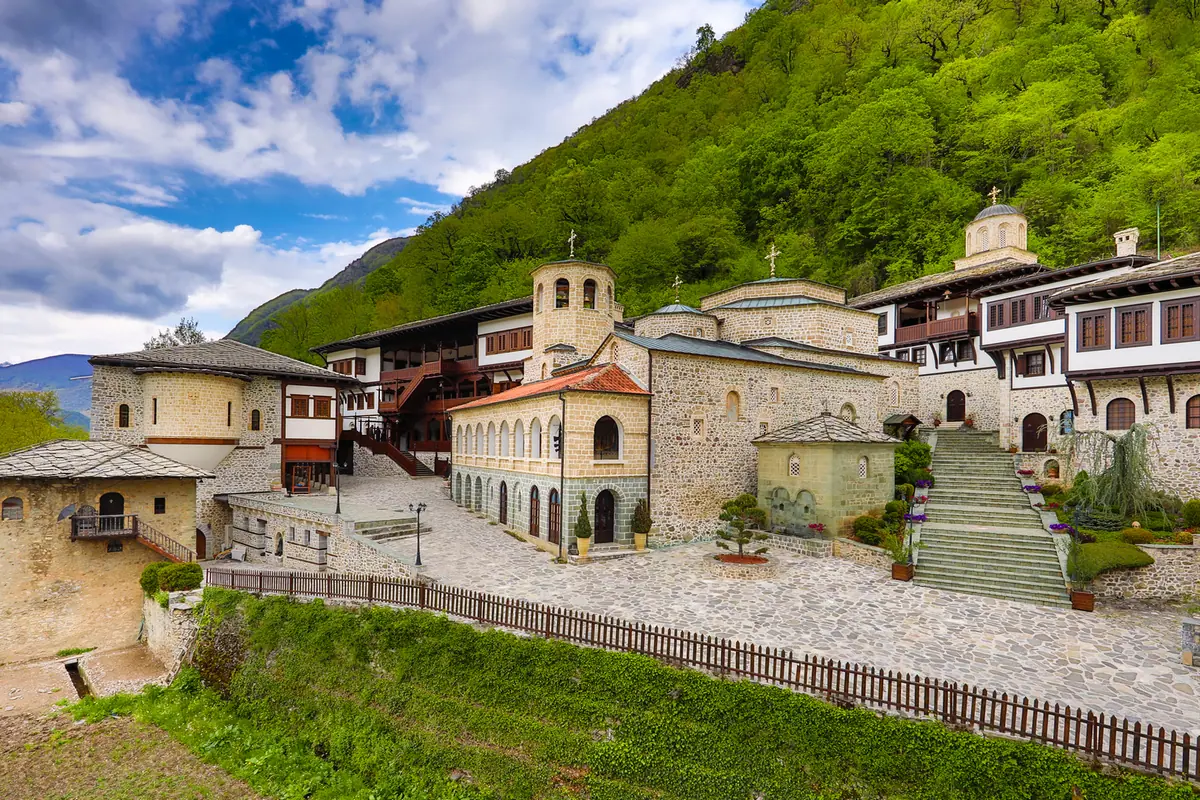
The western mountains hide some of North Macedonia's most atmospheric stays. Mavrovo National Park, with its half-submerged church of St. Nicholas in Mavrovo Lake, is a year-round destination: skiing in winter on the main Mavrovo slopes and walking in summer. The 11th-century St. Jovan Bigorski Monastery, with its intricate wood-carved iconostasis, is a short drive away and worth a night in a nearby guesthouse. Further south, Kruševo is the highest town in the Balkans, a museum-like settlement of 19th-century houses, the Mečkin Kamen monument, and the Ilinden Uprising history.
Hotels here are small, often family-run, and can arrange guided walks or ski passes. For a truly rural escape, consider the village of Galičnik, known for its stone houses and summer wedding festival, or the ski area of Popova Šapka on Šar Mountain. The roads are winding but scenic; a car is essential. Winter (December–March) is for skiing; June–September for hiking, wildflowers and village festivals. Pack layers, as mountain weather changes quickly. These stays suit travellers who want quiet, home-cooked food and direct access to trails rather than nightlife.
Wine Country and the Vardar Valley: Tikveš, Demir Kapija and Stobi
The Vardar Valley is North Macedonia's wine heartland, and staying at a winery hotel or rural guesthouse here gives you a different pace. The Tikveš region around Kavadarci and Negotino produces robust reds; many estates offer tastings and cellar tours. Nearby, the ancient city of Stobi—once a Roman provincial capital—has mosaics, a synagogue and a theatre, all easily combined with a winery visit. Hotels in this area are often part of working vineyards, with terraces overlooking the vines.
Further north, Demir Kapija is a small town with a dramatic gorge, popular for climbing and kayaking. A winery hotel on a ridge nearby offers panoramic views—a good base for exploring both Tikveš and the Demir Kapija gorge. The best time for wine travel is September and October, during the grape harvest, when many estates hold festivals. Spring is also lovely, with almond and cherry blossoms in the valley. A car is recommended; public transport between wineries is limited.
Practical Notes: When to Go, Getting Around and What to Expect
Best months overall: May, June, September and October for cities and hiking; July and August for lake swimming in Ohrid and Prespa; December to March for skiing at Mavrovo, Popova Šapka and Pelister. Hotel styles vary: Skopje has international-style business hotels and boutique stays; Ohrid leans toward guesthouses and lakeside resorts; rural areas offer mountain lodges and winery hotels. Most hotels include breakfast; smaller guesthouses may accept cash only, so carry denars.
Driving is the most flexible way to link Skopje, Ohrid, Bitola and the wine region; distances are short but roads can be slow over mountains. Buses connect major towns, but schedules thin out on weekends. Typical stays: 2–3 nights Skopje, 2–3 nights Ohrid, 1–2 nights Bitola, and 1–2 nights in the mountains or wine country. Book ahead for July–August in Ohrid and for ski weekends in winter. Expect warm hospitality, strong coffee and generous portions—and don't skip the local tavče gravče and ajvar.
Frequently asked questions
Where should I stay in Skopje for sightseeing?
For easy access to the Stone Bridge, Macedonia Square and the Old Bazaar, base yourself in Centar or the Old Bazaar itself. Centar has modern hotels and river views; the Old Bazaar offers boutique guesthouses in historic lanes. Debar Maalo is quieter, with cafés and restaurants, and is a 15-minute walk from the main sights. If you plan to visit Matka Canyon, a hotel near the Vardar or with parking is useful.
Do Ohrid hotels fill up in summer?
Yes—July and August are peak season, and old-town guesthouses and lakefront rooms can sell out weeks in advance. Book early for the best choice, especially if you want a room with a lake view or parking. May, June and September are quieter and still warm enough for swimming and sightseeing.
What is the best time to visit North Macedonia for hiking and skiing?
For hiking, May to October is ideal, with June and September offering comfortable temperatures and wildflowers or autumn colours. Pelister, Mavrovo and Galičica are the main areas. Skiing runs from late December to March, with Mavrovo, Popova Šapka and Pelister offering slopes and equipment rental. Winter roads can be snowy, so check conditions if driving.
Is it easy to travel between Skopje, Ohrid and Bitola without a car?
Buses connect Skopje to Ohrid (about three hours) and Skopje to Bitola (about two and a half hours) regularly. For Matka Canyon, Mavrovo, wine estates and villages, a car is much more convenient. Renting a car in Skopje or Ohrid gives you flexibility; mountain roads are scenic but slow.
What should I look for in a rural guesthouse in North Macedonia?
Look for family-run places that offer homemade meals, local wine and advice on trails. Many accept cash only, so carry denars. In winter, confirm heating; in summer, check for air conditioning. If you don't speak Macedonian, ask whether English or another language is spoken. Winery hotels in Tikveš often include tastings and vineyard views.
Plan it — hotels in North Macedonia
Live search, booked directly with trusted providers.
Sort the rest of your trip
Everything for North Macedonia, in one place
Transfer in North Macedonia
Private driver waiting on arrival — no queues, no surprises.
Book a transfer
Things to do in North Macedonia
Skip-the-line tickets, guided tours and standout experiences.
See experiences
Stay online in North Macedonia
Travel eSIM — data the moment you land, no roaming bills.
Get an eSIM