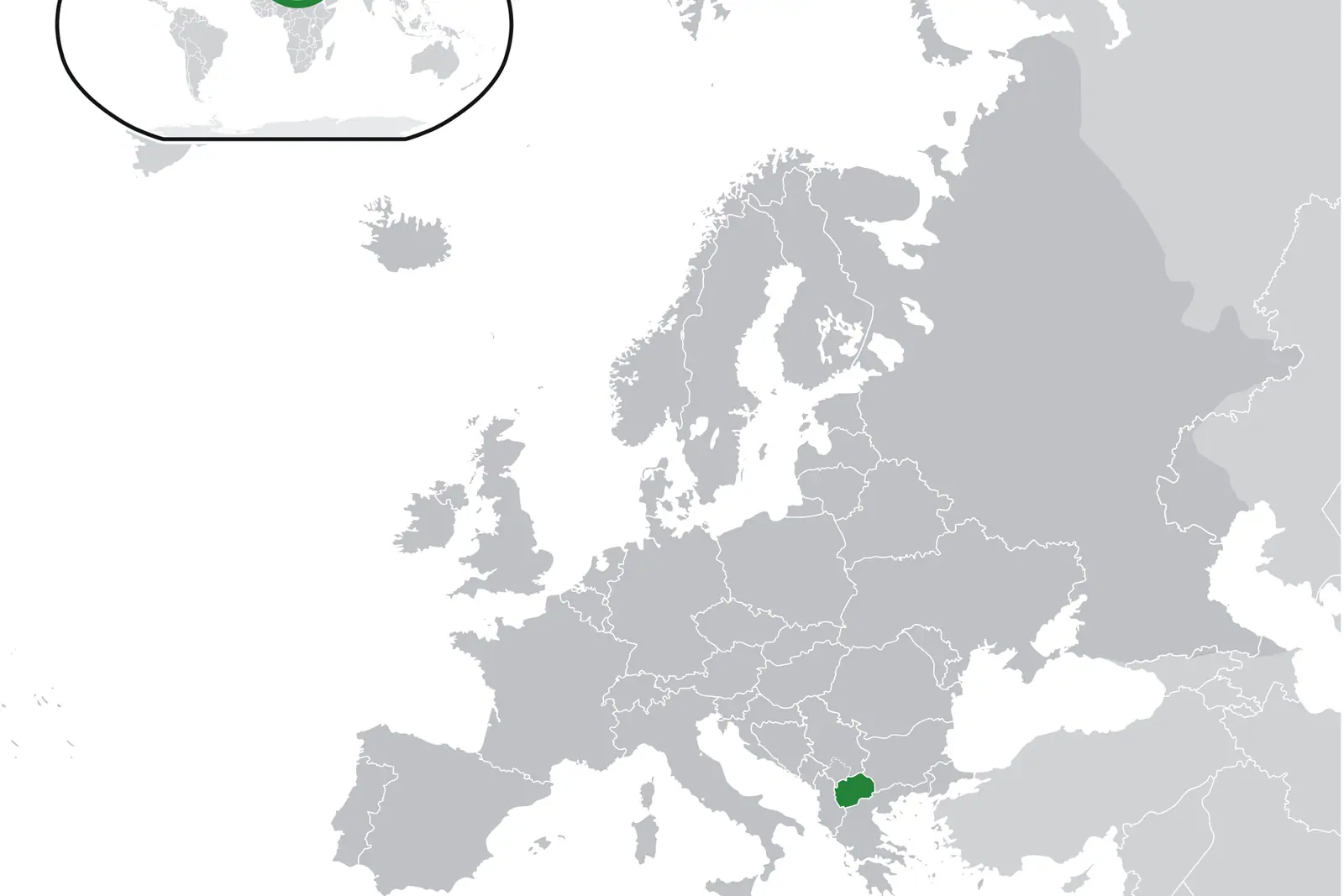
North Macedonia is small enough to cross in a morning, yet its seasons behave like three different countries at once: a lake basin that stays mild almost year-round, a river valley that bakes in July and fogs in January, and high mountains that hold snow well into spring. Getting the timing right is the difference between a room with a warm lake outside your window and one with the shutters closed for winter.
Three Climates in One Country — and Three Hotel Seasons
The Vardar valley, running from Skopje through Veles and Demir Kapija, follows a continental rhythm: hot, dry summers and cold, fog-prone winters. The Ohrid and Prespa basins in the south-west sit in a lake-tempered microclimate where spring arrives earlier and autumn lingers longer. The high country — Mavrovo, the Šar range above Tetovo, Pelister above Bitola — behaves like an alpine resort, with dependable snow from December into March.
That split decides where you should base yourself. Lakeside hotels peak in July and August and drop sharply by October; city hotels in Skopje peak midweek with business travel and are cheapest at weekends; mountain lodges sell out around New Year and the February school holidays. The short answer: late May to mid-June and September to early October are the sweet spots, when the weather is warm, the sights are open and rates have not yet jumped.
Spring (April–June): Waterfalls, Wildflowers and a Quieter Ohrid
Snowmelt makes late April and May the most photogenic stretch of the year. Matka Canyon, fifteen kilometres from central Skopje, fills with kayakers; Smolare waterfall near Berovo is at full roar; and the springs at Vevčani spill through the stone village centre. Above Lake Ohrid, Galičica National Park blooms with orchids, and its viewpoints look down on two lakes at once.
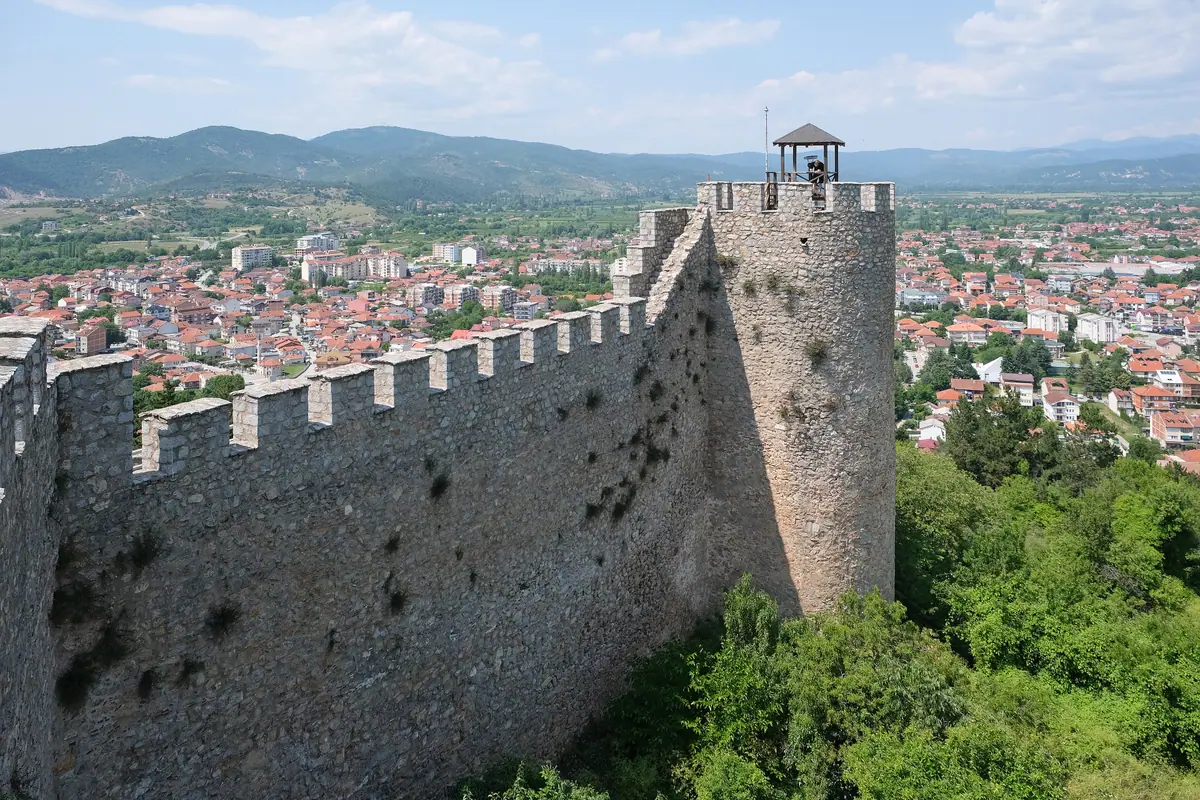
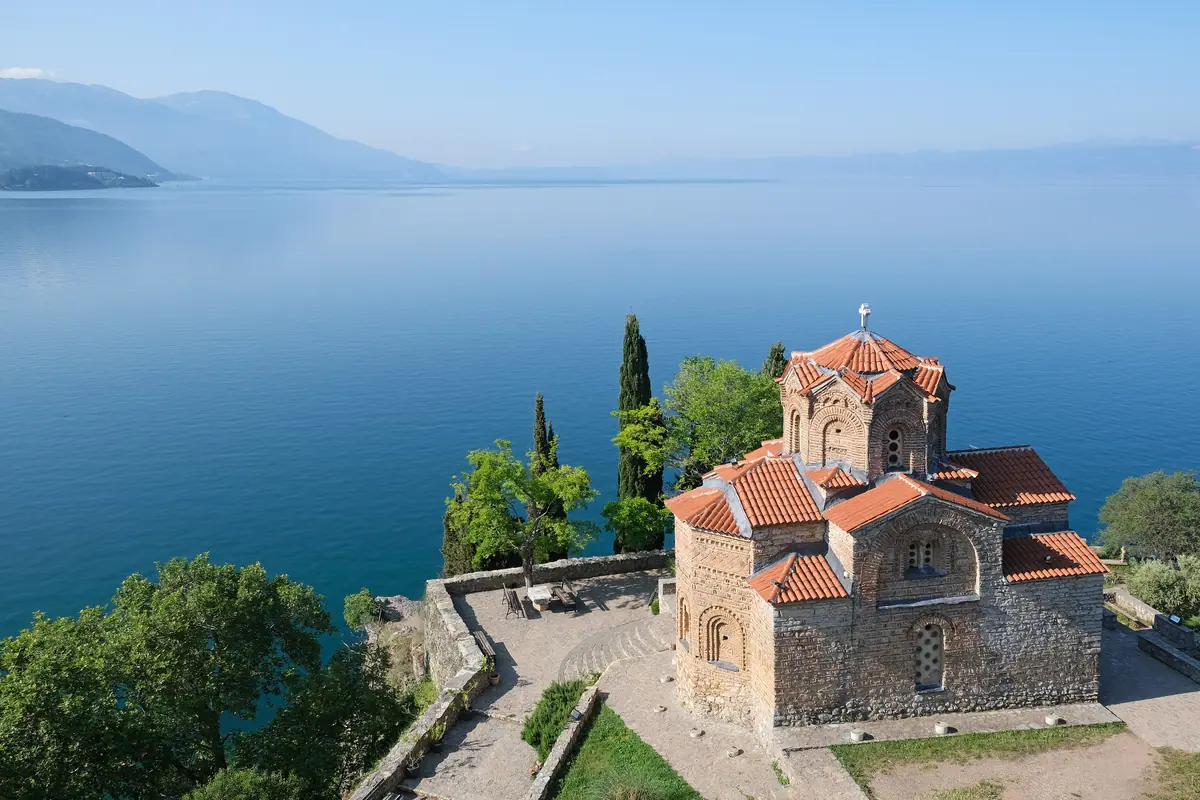
Ohrid itself is at its most comfortable — warm enough for long terrace lunches, cool enough to climb to Samuel's Fortress and the ruins of Plaošnik without wilting. Walk the boardwalk to the Church of St. John at Kaneo, take a boat out to the Bay of Bones museum-on-water, then continue south to St. Naum Monastery. On neighbouring Lake Prespa, Golem Grad — known as Snake Island — is reachable by boat in calm spring weather.
Spring is also the best-value season for anything with a lake view. Old Town guesthouses in Ohrid and small hotels in Struga are half-empty and prices are negotiable. Just remember the water stays brisk until mid-June, and higher roads such as the route through Pelister can still hold snow into April.
Summer (July–August): Lake Days, Festivals and Peak Rates
This is peak season, and Skopje regularly pushes past 35°C, so the smart move is to be on or in the water. Lake Ohrid's beaches — Gradište, Ljubaništa, Peštani and the strip below Kaneo — reach a comfortable 23–25°C by late July, while Lake Matka and Lake Prespa offer quieter swimming and shaded coves.
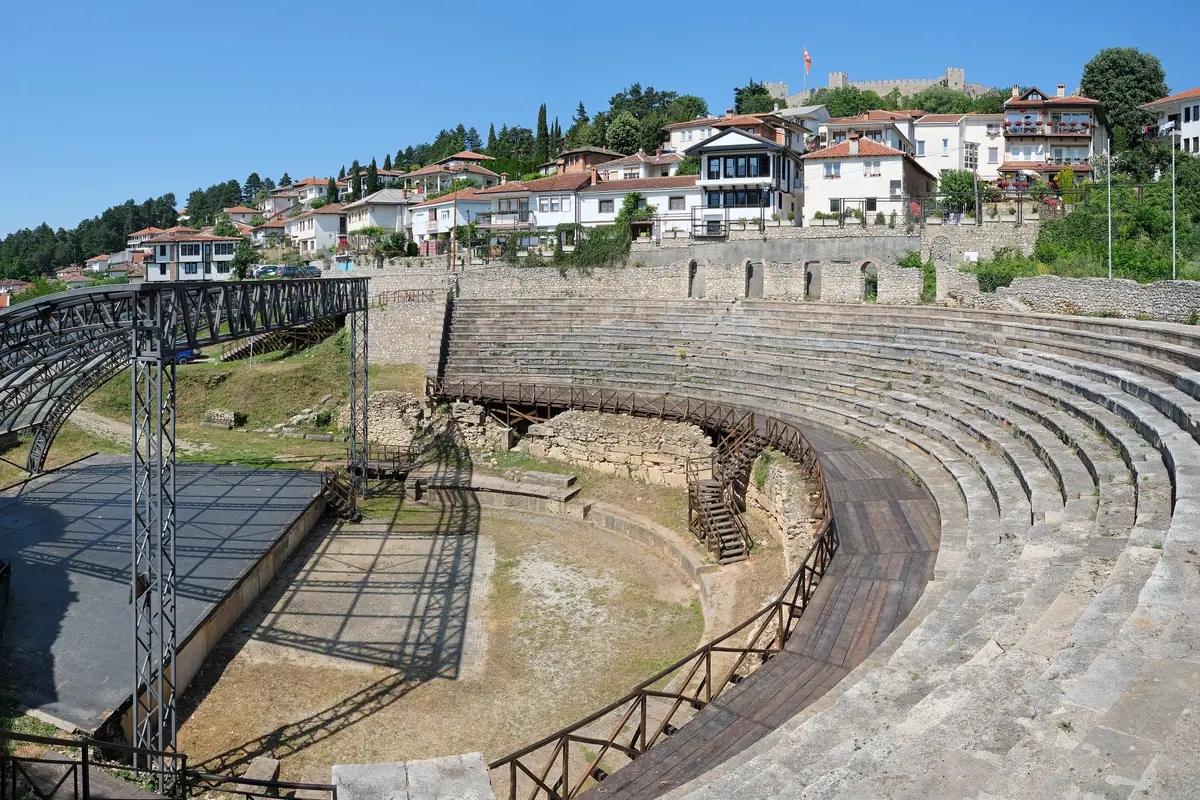
Culture runs in parallel. The Ohrid Summer Festival opens in mid-July and runs into late August, staging concerts in the Ancient Theatre of Ohrid and inside the medieval Church of St. Sophia. Skopje answers with open-air music around the Old Bazaar and the Stone Bridge, and the mountain village of Galičnik holds its traditional summer wedding celebration, drawing visitors up into the high pastures.
Expect Ohrid's lakeside hotels to roughly double in price and fill weeks ahead, especially around the festival opening. Book two to four months out, prioritise air conditioning over a lake breeze, and look at Struga or Trpejca if Ohrid's rates spike. For relief from the heat, head uphill to Kruševo or into Mavrovo National Park.
Autumn (September–October): Wine Harvest and the Warmest Light
September may be the single best month in the country. The heat finally breaks, the light turns golden, the lakes hold their summer warmth into early October, and the crowds thin out after the first week. Prices slide back toward shoulder-season levels while almost everything stays open.
It is harvest time in the Tikveš wine region and around Demir Kapija, where small cellars open their doors and the Vardar valley smells of fermenting grapes. The milder temperatures also suit the archaeological sites: the Roman streets and mosaics of Stobi near Gradsko, Heraclea Lyncestis just outside Bitola, and the megalithic observatory at Kokino are far more enjoyable at 22°C than at 35°C.
In Skopje, October brings jazz to the concert halls and easy strolls through the Old Bazaar, over the Stone Bridge and up to Kale Fortress, with the Millennium Cross on Mount Vodno visible on clear days. Bitola's Širok Sokak fills with students again, which means livelier cafés and a wider choice of city hotels. If you have one week and want everything, aim for early September to mid-October.
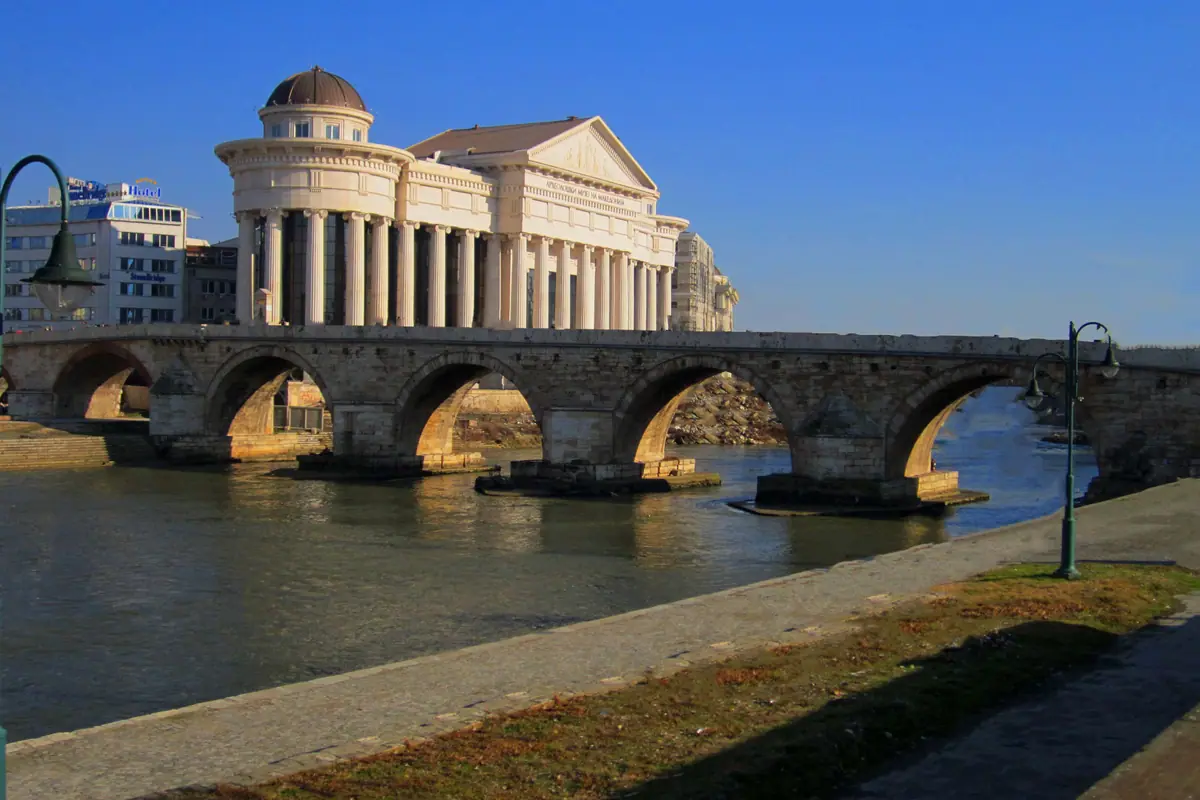
Winter (November–March): Ski Slopes, Snowy Old Towns and Cheap City Rooms
From December to March the mountains take over: Mavrovo, Popova Šapka in the Šar range above Tetovo, Pelister above Bitola, and the smaller slopes near Kruševo and Berovo. Ski lodges sell out over New Year and the February school holidays. Non-skiers still win — the painted mosque at Tetovo, wood-fired cafés in Kruševo, and the slow-food guesthouses of Berovo, where snow and long dinners are the whole point.
The valleys are a different story. Skopje often sits under a stubborn fog that hides the surrounding mountains, though the Vodno cable car lifts you above it to the Millennium Cross and, frequently, blue sky. Ohrid is cold but gorgeous, with snow dusting Samuel's Fortress and the rooftops of the Old Town, and hotel prices at their lowest of the year.
Check opening dates before booking. Many lakeside hotels in Struga, Gradište and the villages along Lake Ohrid close from November to March, and some Old Town guesthouses shut in January for maintenance. Skopje's city hotels, by contrast, are cheapest at weekends, with the museums, the Old Bazaar and Matka Canyon largely to yourself.
Which Base for Which Season: Booking Without Regrets
Spring and early autumn belong to Ohrid: an Old Town guesthouse within walking distance of Kaneo and the Ancient Theatre beats a resort on the edge of town. High summer belongs to the water — a lakeside hotel in Ohrid, Struga or Trpejca with its own swimming platform and reliable air conditioning. Winter belongs either to the mountains or to the cities.
A few filters help when comparing rooms. In smaller guesthouses, ask specifically about air conditioning in July and August and about heating in December and February, because both are inconsistent. Ask whether a lake-view room catches morning or afternoon sun. In Skopje, business-oriented city hotels are noticeably cheaper at weekends than midweek.
Finally, think about transport. Ohrid and Skopje are both walkable and linked by regular buses, so no car is needed for either. But Mavrovo, Pelister, the Tikveš cellars and the boat to Golem Grad all reward having your own wheels, and parking is cheap and roads quiet outside July and August. Late May, June, September and early October remain the months when weather, prices and access line up best.
Frequently asked questions
What is the best month to visit North Macedonia overall?
May, early June, September and early October. You get warm but not punishing temperatures, open mountain roads, swimmable lakes on the shoulder edges, and hotel rates that sit well below the July–August peak. September is the strongest single month, combining the wine harvest with warm, clear days.
When can you actually swim in Lake Ohrid?
Most people swim from mid-June to early October. The water is warmest in late July and August, hovering around 23–25°C, and the shallow bays near Gradište, Ljubaništa and Peštani warm up first. Spring swimming is possible for the hardy but genuinely brisk.
Do hotels around Lake Ohrid close in winter?
Many lakeside and resort-style properties in Struga, Gradište and the smaller lakeshore villages shut from November to March, and a few Old Town guesthouses close in January for maintenance. Ohrid town itself keeps a good number of hotels and guesthouses open year-round, usually at the lowest rates of the year.
How far ahead should I book for the Ohrid Summer Festival?
Two to four months. The festival runs from mid-July into late August, with performances in the Ancient Theatre of Ohrid and the Church of St. Sophia, and it coincides with the busiest fortnight for lakeside accommodation. Rooms with a lake view and air conditioning go first.
Is North Macedonia worth visiting in winter if I don't ski?
Yes, with realistic expectations. Skopje and Ohrid are cheap and quiet, the museums, Old Bazaar and fortress sights stay open, and snow on Ohrid's Old Town rooftops is genuinely atmospheric. The trade-offs are short daylight hours, occasional valley fog, and some lakeside hotels and mountain roads closed until spring.
Plan it — hotels in North Macedonia
Live search, booked directly with trusted providers.
Sort the rest of your trip
Everything for North Macedonia, in one place
Transfer in North Macedonia
Private driver waiting on arrival — no queues, no surprises.
Book a transfer
Things to do in North Macedonia
Skip-the-line tickets, guided tours and standout experiences.
See experiences
Stay online in North Macedonia
Travel eSIM — data the moment you land, no roaming bills.
Get an eSIM