Nigeria is a continent disguised as a country, and the fastest way to understand its scale is to let a short domestic flight do in ninety minutes what a road journey stretches into a bone-rattling day. This seven-day loop hops between the Atlantic sprawl of Lagos, the planned boulevards of Abuja, the thousand-year-old walls of Kano and the rainforest highlands above Calabar — four worlds, one week, and a rapid education in how diverse one country can be.
Why Nigeria Is Best Explored by Air — and How to Shape the Week
Distances here are deceptive on a map. Lagos to Kano is roughly a thousand kilometres as the crow flies, but the road journey can swallow twelve to fifteen hours once you factor in congestion leaving the coast, checkpoints, and long stretches of single carriageway. Domestic flights collapse that into about an hour and a half, and fares on the main trunk routes are usually modest enough that flying is as much a time-saving decision as a comfort one. The trade-off is spontaneity: schedules thin out in the afternoon, delays happen, and the smart traveller books the first departure of the day, which is least likely to inherit the previous flight's problems.
The shape of this itinerary follows the classic first-timer loop: Lagos in the south-west, Abuja in the centre, Kano in the north, then Calabar in the south-east, returning to Lagos for the international departure. Two nights in Lagos give you breathing room at the start; one night in Abuja, two in Kano and two in Calabar keeps the pace brisk but not punishing. If you have flexibility, aim for the dry season between November and March — the south is less humid, the roads are firmer, and the north sits under the pale, hazy light of the harmattan, when dust from the Sahara turns sunsets orange but also blurs distant views. April to October is the rainy season, heaviest in the south from June to September, when afternoon downpours are short but spectacular.
Days 1–2: Lagos — Canopy Walkways, Galleries and the Atlantic Edge
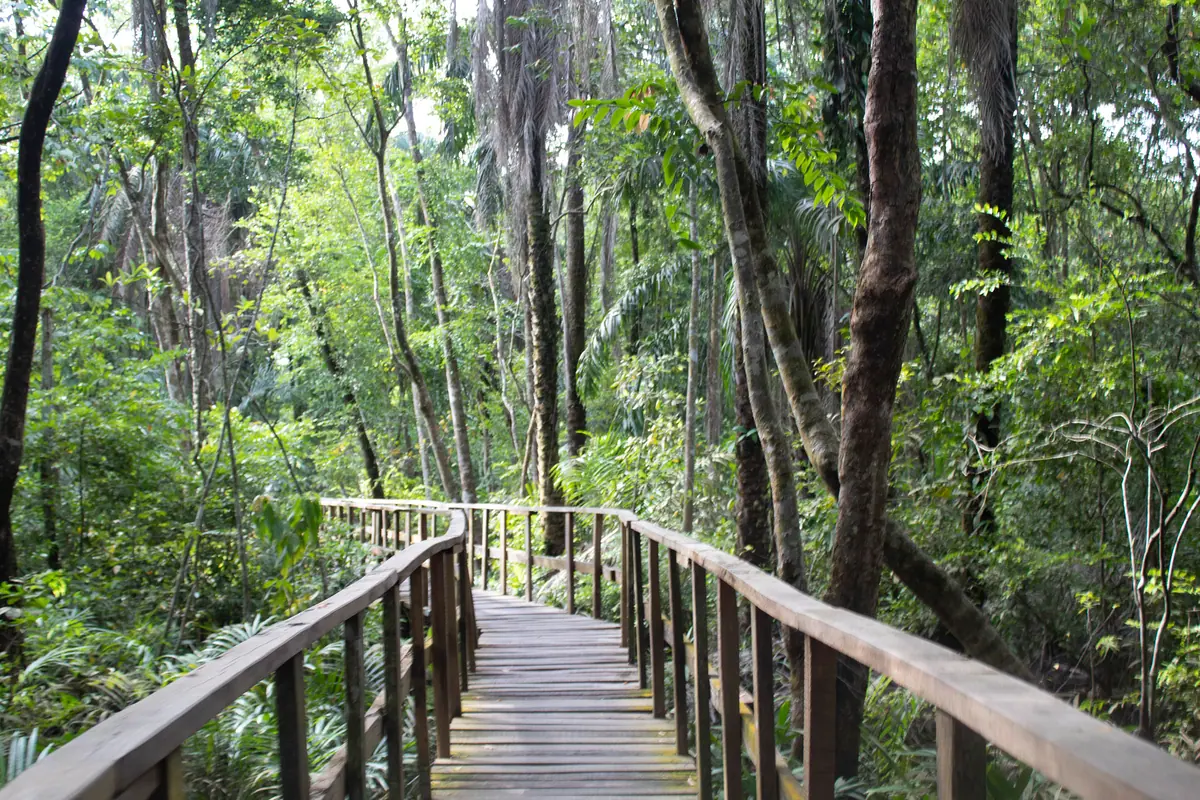
Start in Lagos, the country's chaotic, creative commercial heart. Day one belongs to the Lekki peninsula: the Lekki Conservation Centre protects a pocket of wetland and forest where monkeys, monitor lizards and peacocks appear between the mangroves, and its long canopy walkway suspended above the treetops is the city's most memorable viewpoint. Nearby, the multi-storey Nike Art Gallery in Lekki stacks thousands of works — textiles, beadwork, carvings, paintings — across its floors, and the artists and staff who show you around make it feel less like a museum than a living studio.
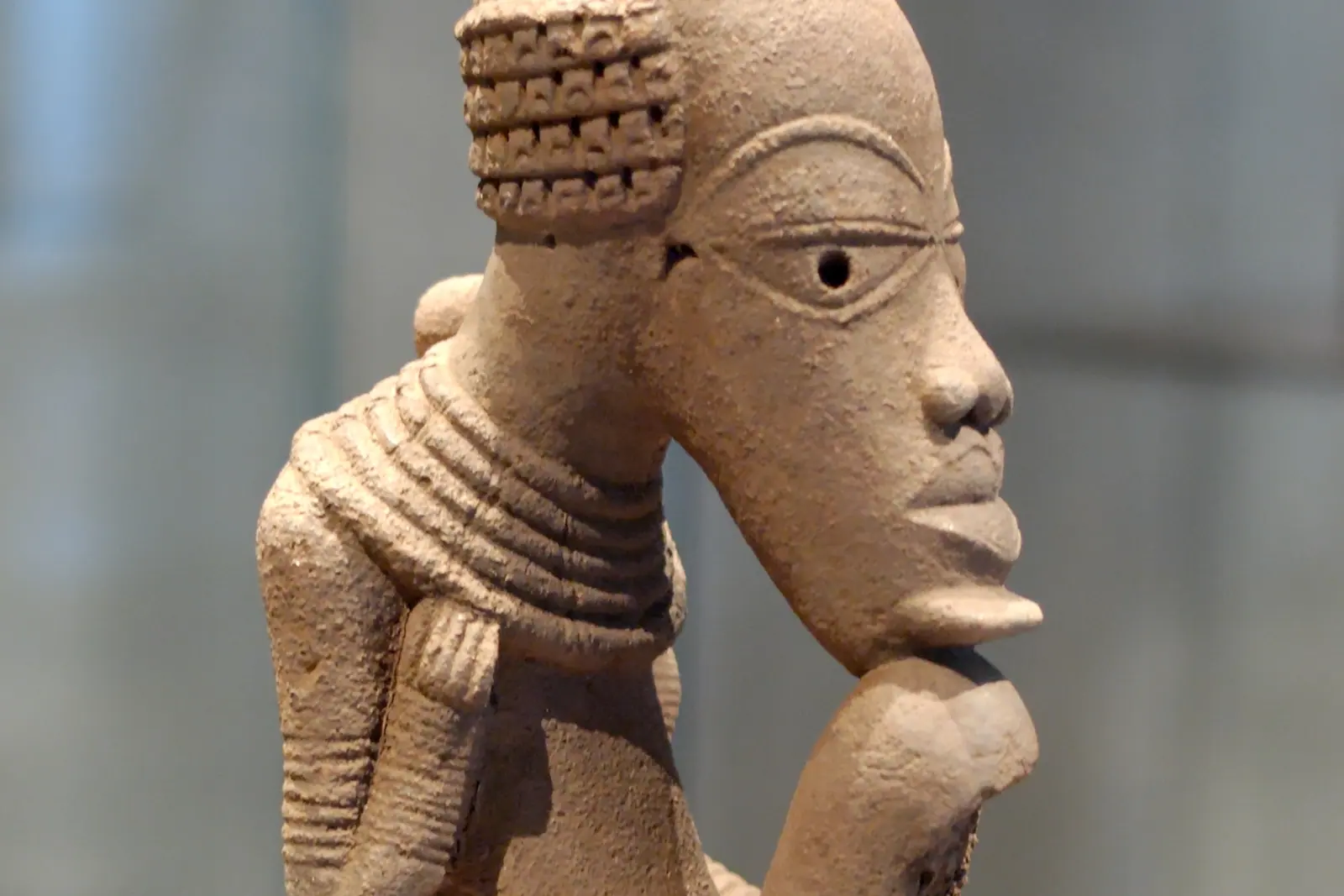
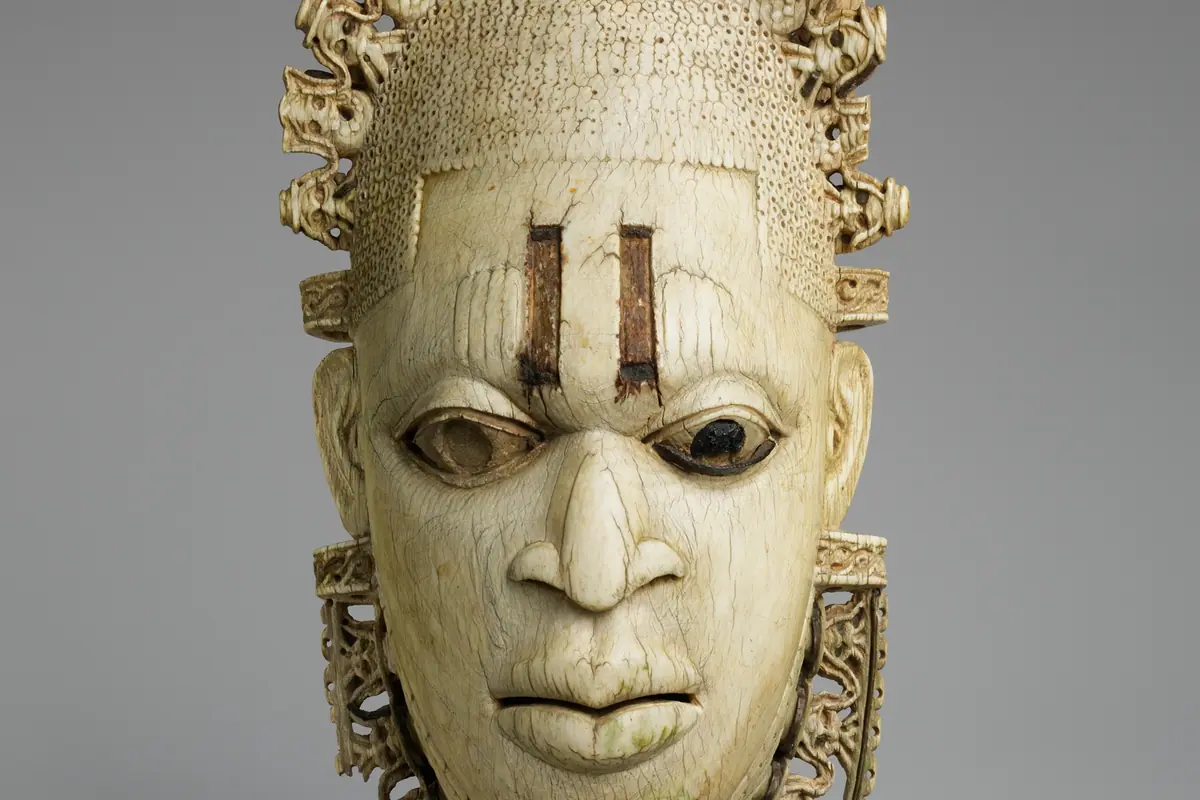
Day two, head for the older quarters. The National Museum in Onikan holds Benin bronzes, Nok terracotta figures and centuries of Nigerian craft in a calm, slightly dusty building that rewards an unhurried hour or two. A few minutes away, Freedom Park occupies the shell of a colonial-era prison, now a memorial and open-air performance space that fills with music and food stalls in the evening. If you want sand and salt water, take a boat across to Tarkwa Bay for a few hours on the beach; if you want history with weight, trade the beach for a day trip west to Badagry, where the Slave Route leads to the Point of No Return on the shore and the country's oldest surviving two-storey building still stands nearby.
Practicalities for Lagos: traffic is the defining feature of the city, so group your sights by district rather than zig-zagging, and allow an hour for journeys you think will take twenty minutes. Evenings are best spent around Victoria Island and Ikoyi, where live highlife, afrobeats and jollof rice do more for a first impression than any museum label.
Day 3: Abuja — Monoliths, Modern Landmarks and Zuma Rock
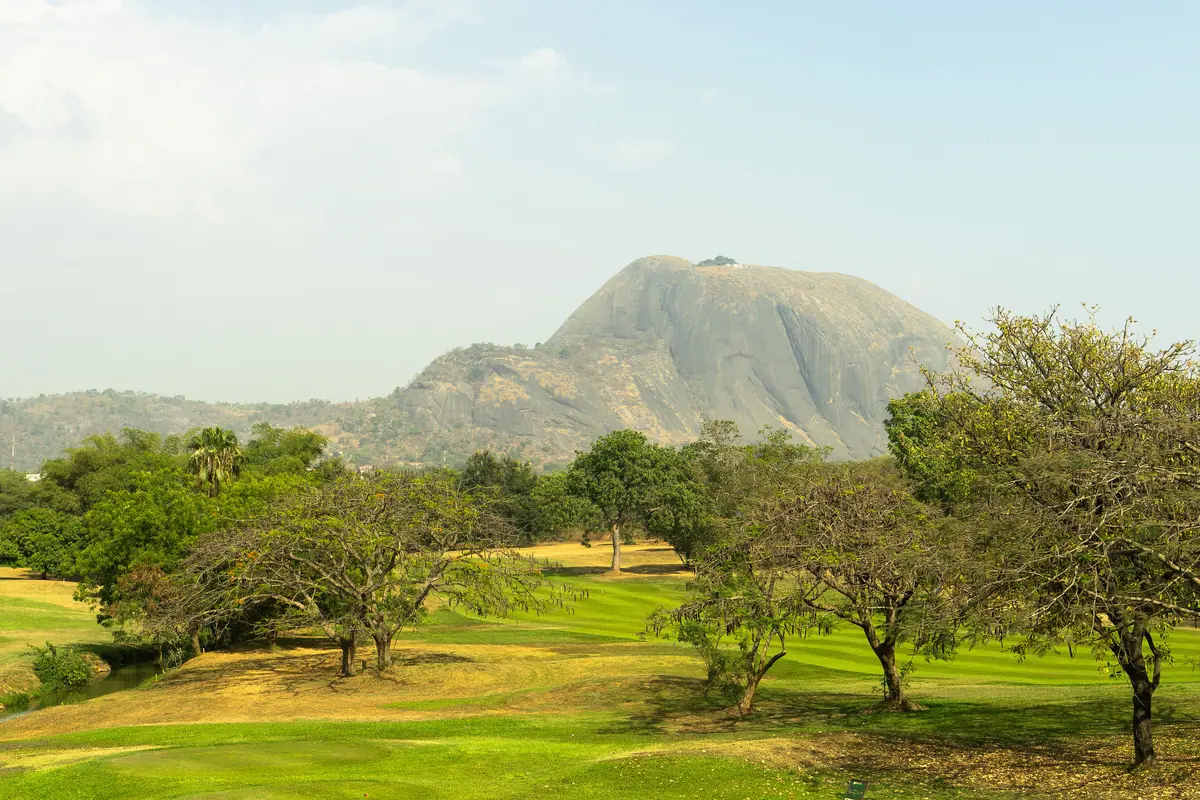
A morning flight of about an hour lifts you into Abuja, a purpose-built capital of wide roads, roundabouts and clean air that feels almost unnervingly orderly after Lagos. The defining image is Aso Rock, the vast granite outcrop that rises sheer behind the presidential complex and the city's government quarter — you cannot climb it, but you can see it from almost everywhere, and its scale explains why the capital was sited here. Around it, the golden dome and minarets of the National Mosque sit almost opposite the spires of the National Christian Centre, an intentional pairing that says a lot about the country's balance.
Fill the afternoon with smaller pleasures: the craft village near the city centre for carvings, leather and adire cloth; Jabi Lake for a lakeside walk and grilled fish; and the Millennium Tower, whose observation deck gives a full panorama of the city and the rock that anchors it. With an early start and a hired car, you can push north for about an hour to Zuma Rock, the dramatic 700-metre monolith that looms over the highway to Kaduna and appears on the country's currency — a photo stop that is genuinely worth the drive.
If you have a spare half-day, Gurara Falls, roughly two hours from the city, is a wide cascade that swells dramatically after the rains. Otherwise, keep the evening early: tomorrow's flight north leaves from one of the country's easiest airports to navigate, and you will want a clear head for the old city.
Days 4–5: Kano — Inside a Thousand-Year-Old Walled City
Kano lands you in a different country entirely — Sahelian, Islamic, and more than a thousand years old. The flight from Abuja takes barely over an hour, but the cultural distance is vast. The ancient city still keeps much of its wall and its gates, and the old quarter is a maze of mud-brick compounds, mosque minarets and lanes that have carried trade since the trans-Saharan caravans. Start at the Gidan Makama Museum, a fifteenth-century palace turned museum whose courtyards and rooms lay out the history of the emirate with real clarity, then walk the short distance to the Emir's Palace, where the architecture and the ceremonial life around it are the point rather than any interior tour.
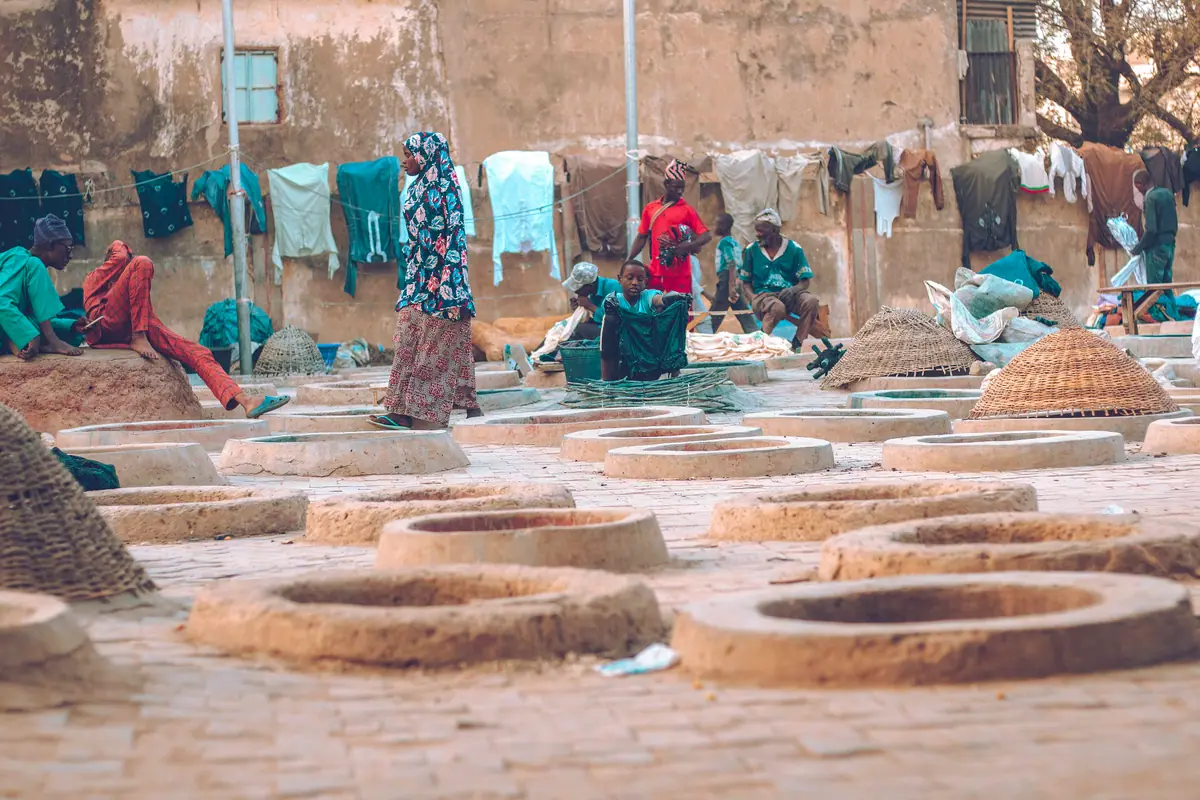
The market life is the real attraction. Kurmi Market, trading since the fifteenth century, is a dense warren of stalls selling leather, brass, spices, indigo cloth and just about anything else, and a few naira to a guide will save you hours of happy confusion. Just outside the old walls, the Kofar Mata dye pits, dug centuries ago, still hold deep blue indigo vats where men plunge cloth by hand exactly as their ancestors did. Nearby, the Central Mosque and its surrounding square are at their most photogenic in the low light of late afternoon.
Two things to know before you go: dress modestly, with shoulders and knees covered and a scarf handy for women, and always ask before photographing people, mosques or official buildings — some areas are strictly off-limits to cameras. If you want to stretch the trip, Yankari National Park near Bauchi, with its warm spring and elephant and baboon populations, sits four to five hours south by road and deserves a night of its own.
Days 6–7: Calabar and the Cross River Highlands
From Kano, fly south via Lagos or Abuja to Calabar — there is no direct link, so this is the day to accept a connection and a long afternoon of travel. The reward is Nigeria at its greenest and calmest. Calabar itself was one of West Africa's great port towns, and the Slave History Museum at Marina Resort, built on the site of an old trading post, tells that difficult story with original documents and artefacts. Duke Town's older streets, the small city museum and the waterfront esplanade make for an easy, walkable half-day.
The real highlight lies inland. A drive of three to four hours brings you up onto the Obudu plateau and its mountain resort, perched at over 1,500 metres where the air is genuinely cool, mist rolls through the valleys at dawn, and a cable car climbs between the ridges. Walking trails lead to waterfalls and viewpoints, and the temperature drops enough at night that you will be glad of a jumper — a strange sentence to write about Nigeria. If you have time on the return leg, the Agbokim Falls near Ikom and the rainforest of Cross River National Park are both worthwhile detours.
If your visit falls in December, the city erupts into the Calabar Carnival, a month-long street festival of costumes, marching bands and parades that is the biggest of its kind in Africa. Book accommodation months ahead if you plan around it, because the whole city fills up. From Calabar, a short flight returns you to Lagos in time to connect home, or you can end the trip with one more night on the coast.
Nigeria Flight Logistics: Airports, Timing and Packing
Domestic and international terminals in Nigeria are often separate buildings, sometimes several kilometres apart, so confirm which one you need before setting off — Lagos in particular can involve a drive between the two. As a rule, arrive ninety minutes to two hours before a domestic departure, and longer during the December and Easter peaks when the whole country seems to be flying home. Morning departures are the most reliable; afternoon and evening flights absorb the day's delays. Baggage allowances are typically twenty to twenty-three kilos checked and seven in the cabin, though some low-cost carriers cut that to fifteen kilos, so weigh your bag before you go.
Carry a passport with at least six months' validity, a yellow fever vaccination certificate — it is routinely checked on arrival — and, depending on your nationality, a visa arranged in advance. Pack for heat and dust: light cotton layers, a hat, sunscreen, insect repellent and antimalarial medication if your doctor advises it. In the north, add long sleeves and a scarf. A power bank is genuinely useful, since grid electricity is intermittent and charging points at airports are unreliable; drink only bottled or filtered water, and be cautious with street food until your stomach has adjusted.
Getting around cities is easiest with ride-hailing apps, which are widely used in Lagos, Abuja and Calabar and remove the need to negotiate fares. Keep some cash in local currency for markets, guides and small transactions, and don't rely entirely on cards outside the big hotels. Finally, build slack into your last day: if you are connecting to an international flight, fly back to Lagos or Abuja the night before rather than the same morning.
Frequently asked questions
Is it safe to travel around Nigeria as a first-time visitor?
Millions of people travel within Nigeria every day, and the main tourist routes — Lagos, Abuja, Kano, Calabar and the Cross River area — are well-trodden. That said, security varies enormously by region, and some parts of the north-east and the Niger Delta are not suitable for casual travel. Stick to established routes, use reputable drivers and guides arranged through your accommodation, avoid travelling by road after dark, and check current advice for your specific destinations before you book.
When is the best time of year to visit Nigeria?
The dry season from November to March is the most comfortable window. The south is less humid and roads are in better shape, while the north enjoys cooler nights — though the harmattan haze from December to February reduces visibility and can be dusty. The rainy season runs from April to October, peaking in the south between June and September; downpours are usually short but heavy, and some rural roads become difficult. December is also carnival month in Calabar, which is spectacular but heavily booked.
How far in advance should I book domestic flights within Nigeria?
Two to four weeks ahead is usually enough for good fares on the main routes, but book earlier for December, Easter and public holidays, when flights sell out and prices climb sharply. Morning departures are worth the early alarm because they are far less likely to be delayed. Where possible, avoid tight connections on the same day — build in at least three hours, or better, an overnight stop between legs.
How many cities can I realistically cover in one week?
Four is a sensible maximum if you are flying: Lagos, Abuja, Kano and Calabar, as set out above. Adding Osogbo with its UNESCO-listed sacred grove and Osun river shrines, or Benin City with its royal palace and bronze casters, means dropping a city elsewhere rather than squeezing more in. Nigeria rewards depth over distance, and a rushed itinerary spends most of its time in airport queues.
What should I pack that I might not think of?
A yellow fever certificate is essential, and modest clothing for the north — covered shoulders, longer trousers or skirts, and a light scarf — will make you far more comfortable in Kano. Bring a power bank, a universal adapter, rehydration sachets, insect repellent and any prescription medicine in its original packaging. Lightweight, quick-drying cotton beats anything heavier, and a small torch is handy during power cuts.
Sort the rest of your trip
Everything for Nigeria, in one place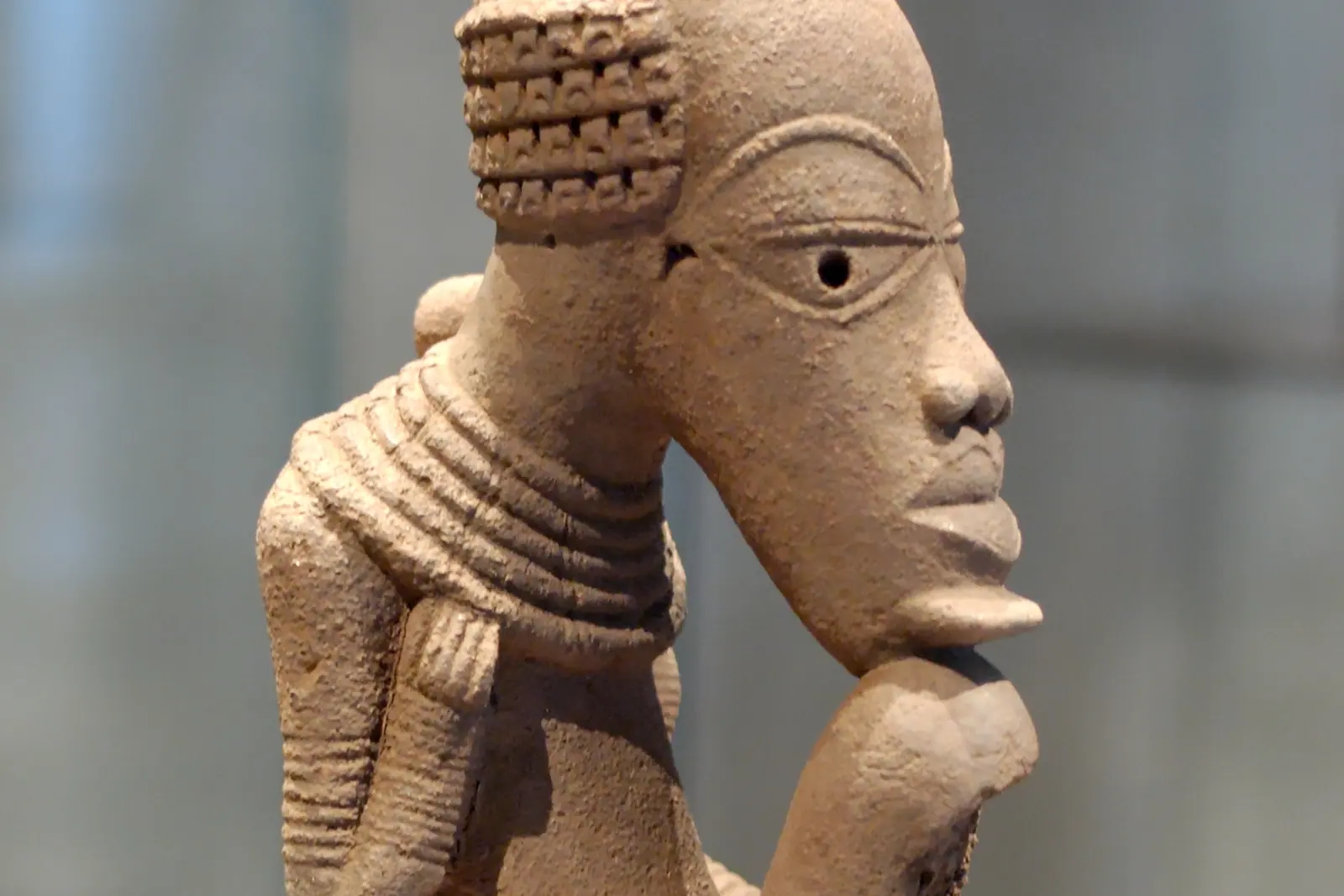
Stay in Nigeria
Hotels, guesthouses and apartments — compared in one search.
Search hotels
Transfer in Nigeria
Private driver waiting on arrival — no queues, no surprises.
Book a transfer
Travel insurance
Medical cover, delays and lost baggage — sorted before you go.
Get covered