Nigeria is not a place you observe politely from a bus window — it is a country that talks back, feeds you until you surrender, and hands you a drum before you have finished your first plate of jollof. From the indigo pits of Kano to the stilt houses of Makoko and the rain-forest kitchens of Calabar, this is a guide to the food, festivals and landmarks that make a first trip unforgettable.
Lagos: The Sensory Overload That Sets the Tone
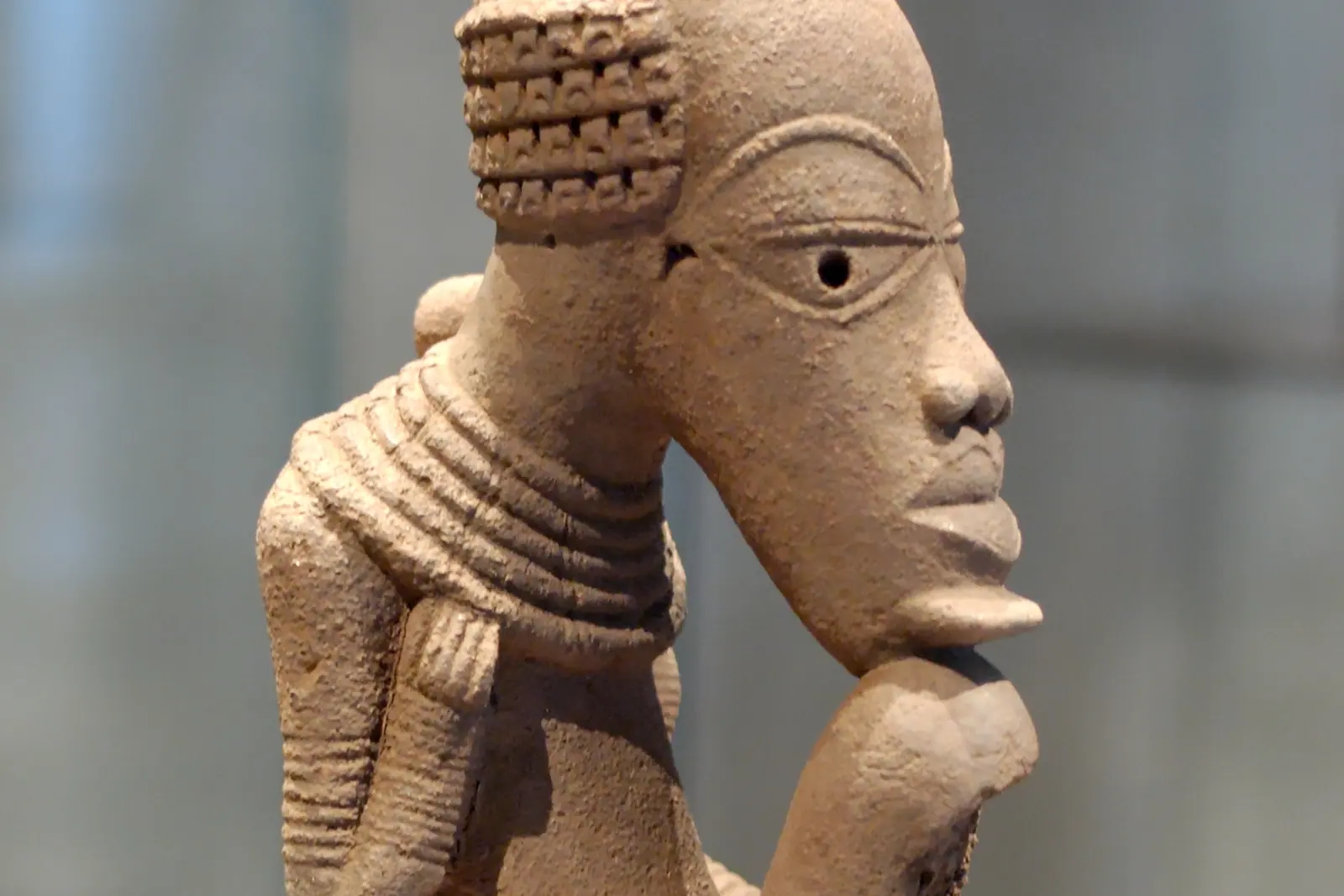
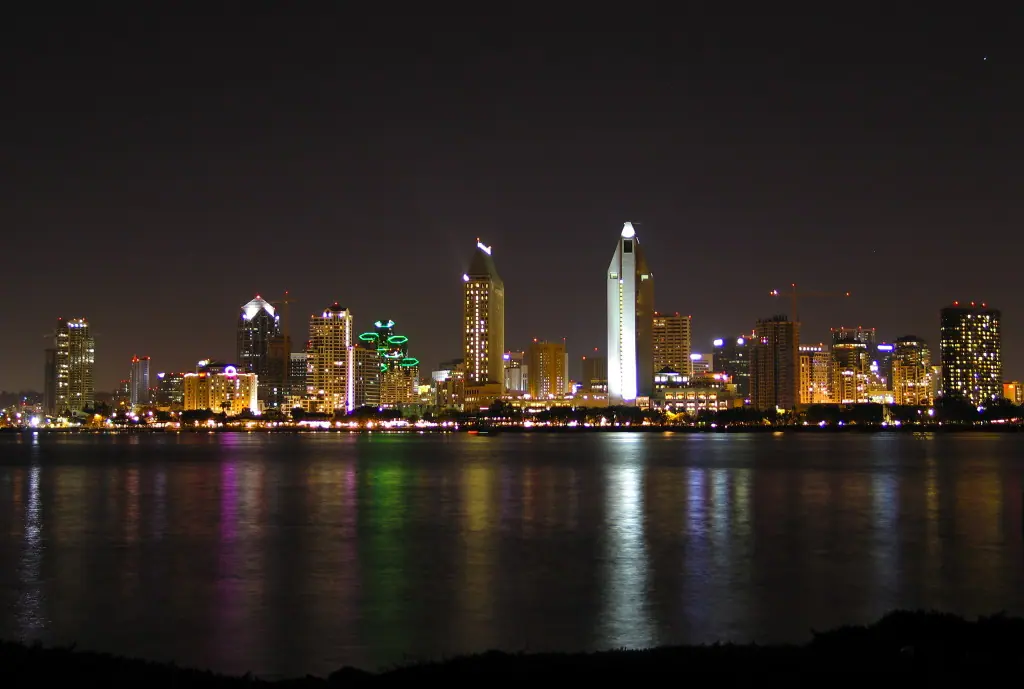
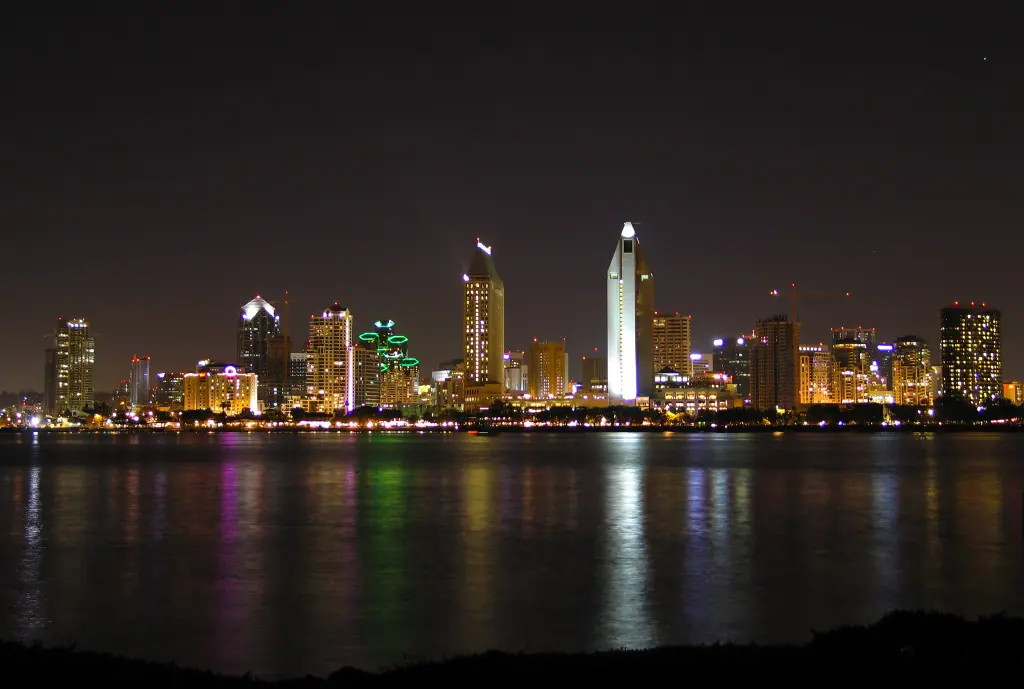
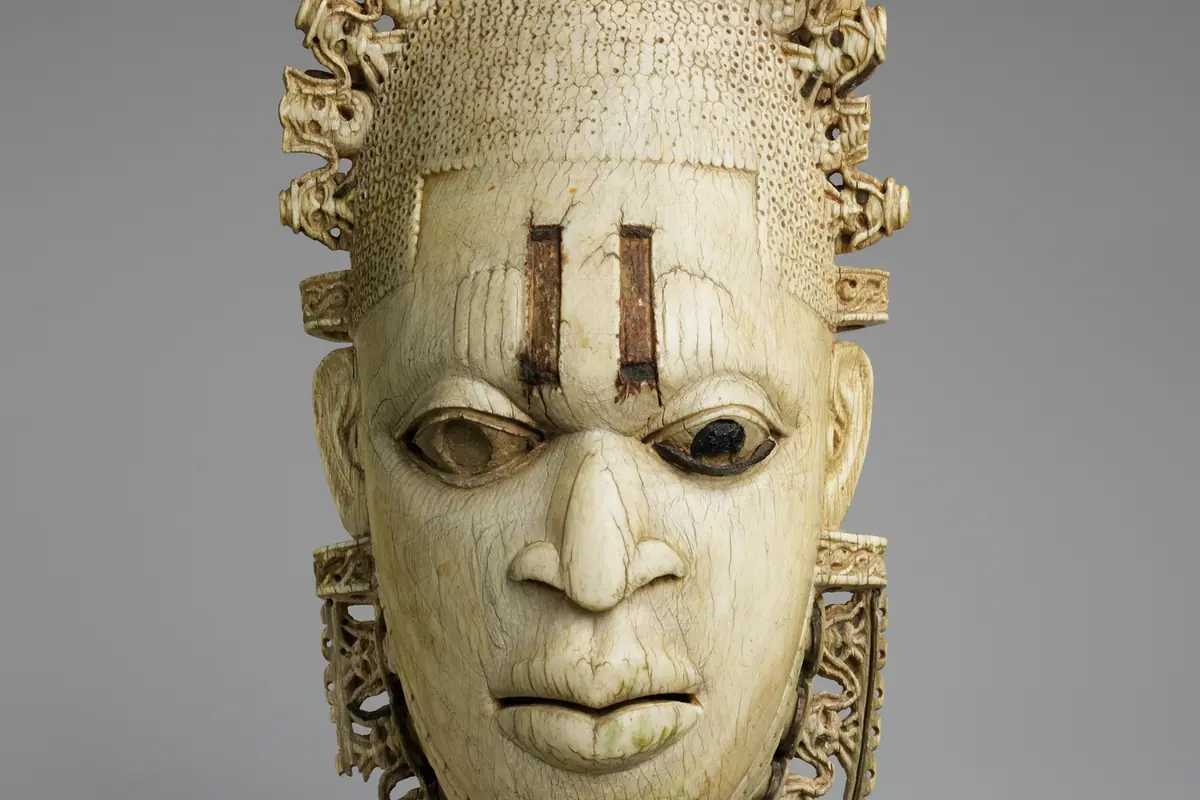
Almost every Nigerian journey begins in Lagos, and the city wastes no time. The Third Mainland Bridge unspools over the lagoon at dawn, yellow danfo minibuses jostle for inches, and okada motorbikes thread through gaps that shouldn't exist. Anchor yourself on Lagos Island first: the National Museum Lagos in Onikan holds bronze heads, terracottas and royal regalia, while Freedom Park on Broad Street — a former colonial prison turned open-air performance ground — is where poetry slams and jazz nights spill into the evening heat. From there, a short run across to Victoria Island brings you to Terra Kulture, a cultural centre where stage plays, art exhibitions and a serious Nigerian kitchen sit under one roof.
For visual overload, head to Lekki. Nike Art Gallery is a four-storey temple of Nigerian creativity, its walls stacked with adire textiles, batik, beadwork and sculpture, and the artists' market nearby lets you bargain directly with makers. Then take a canoe into Makoko, the stilted fishing community on the lagoon, where life happens above water and children paddle to school. Come evening, follow the smoke: roadside suya grills, live afrobeats, and — if you time it right — the Eyo Festival, when white-robed masquerades take over Lagos Island in one of the city's most haunting spectacles.
Eating Nigeria: From Suya Smoke to Ofada Rice
Nigerian food is regional, argumentative and deeply satisfying. Start with suya, the skewered, groundnut-crusted beef that northern migrants turned into the country's favourite night snack — eat it wrapped in newspaper with raw onion and tomato. In the north, seek out kilishi, a dried, spiced cousin with the texture of jerky, plus balangu and tsire. Lagos and Ibadan do the classics: pounded yam with egusi, amala with ewedu and gbegiri (together known as abula), efo riro, banga soup, and ofada rice with the smoky green pepper stew called ayamase. Breakfast is akara and ogi — bean fritters and fermented millet pap — with moin moin and Agege bread close behind. In Calabar, the seafood shifts everything: Edikang Ikong and Afang soups, loaded with periwinkle and dried fish, are worth the flight alone.
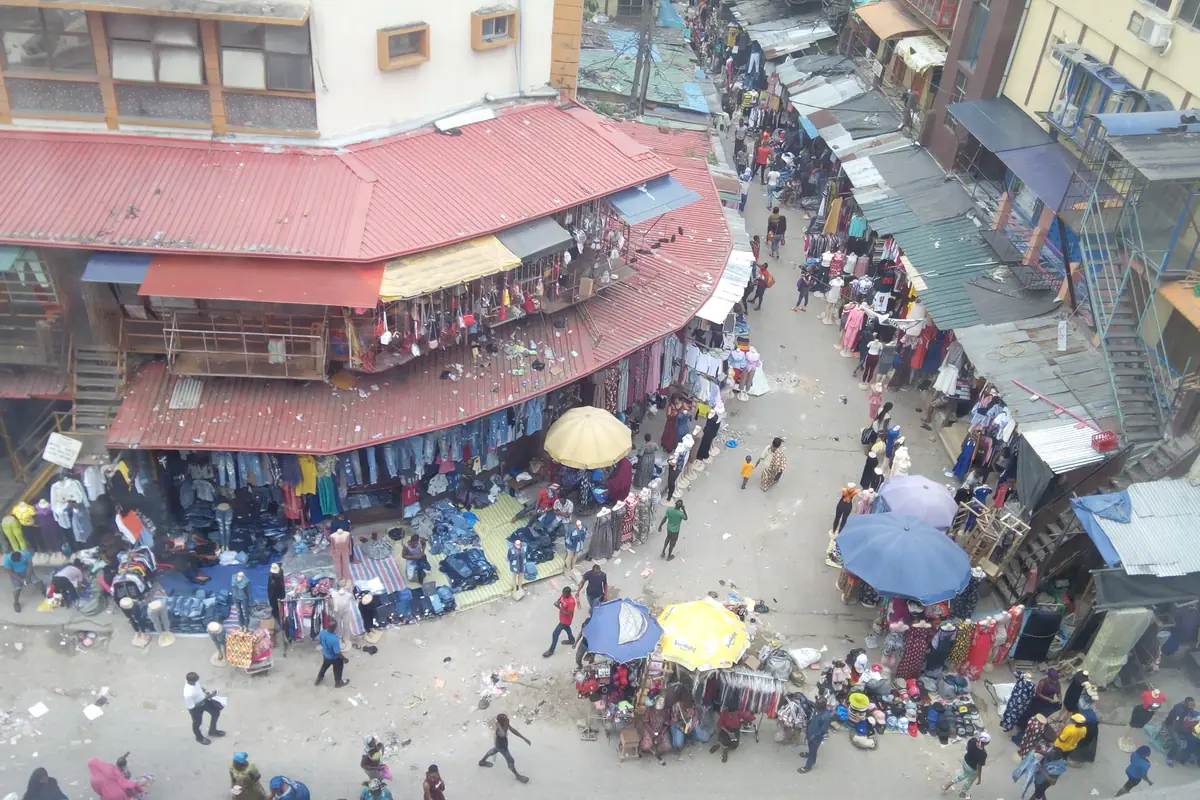
To eat well, shop well. Balogun Market on Lagos Island is a maze of fabric and food stalls where you can graze on puff puff and boli (roasted plantain) between errands. Oshodi and Mile 12 markets are for the fearless; Bodija in Ibadan and Kurmi in Kano are calmer, older and richer in spice. The golden rule of Nigerian eating: join the longest queue, ask for pepper to be adjusted, and drink zobo, chapman, kunu or palm wine alongside. Local eateries — bukas — serve the best food at the lowest prices, and a guided market-and-kitchen walk in Lagos or Ibadan will teach you more in a morning than a week of restaurant menus.
The Yoruba Southwest: Sacred Groves and Granite Hills
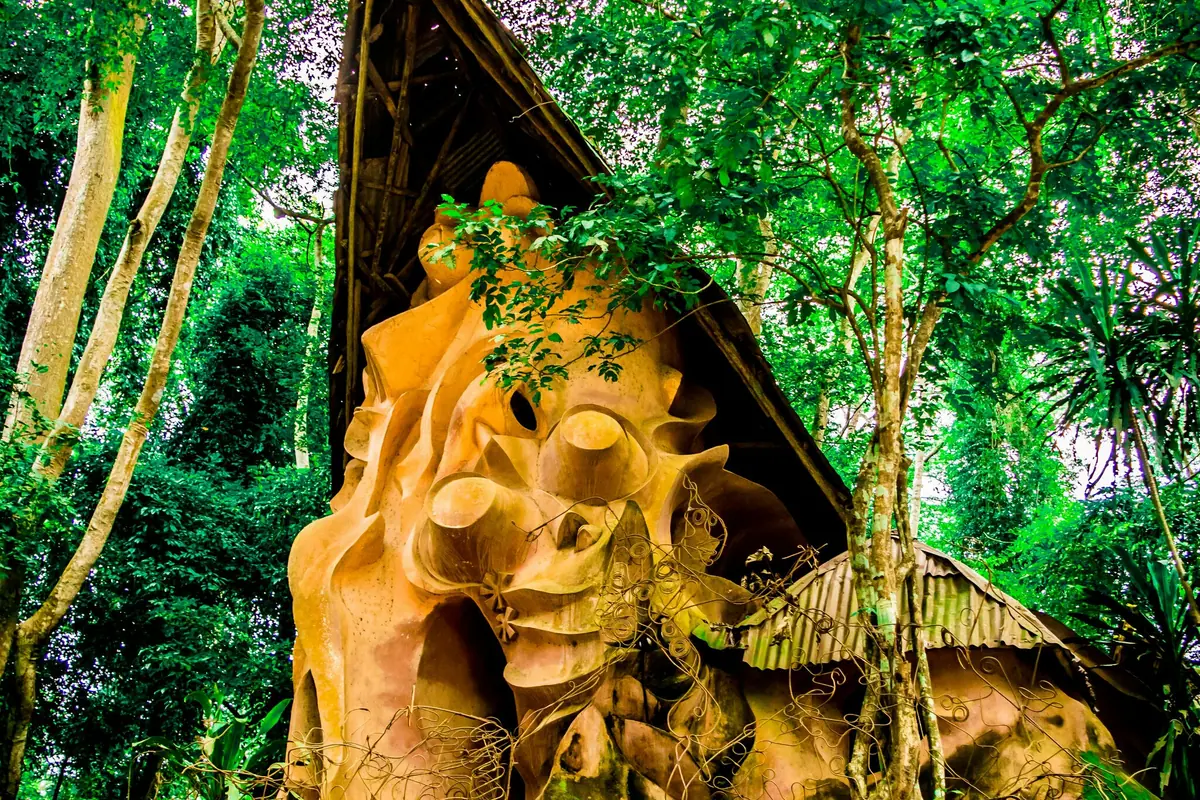
West of Lagos, the Yoruba heartland holds Nigeria's most spiritually charged landscapes. The Osun-Osogbo Sacred Grove, a UNESCO-listed forest outside Osogbo, is scattered with shrines and sculptures along the Osun River; if you can, visit in August for the Osun-Osogbo Festival, when devotees in white process to the water and drumming runs late into the night. In Abeokuta, Olumo Rock rises straight out of the city — climb the stairways and old hideouts for a view over rooftops, then wander the tie-dye workshops of nearby Itoku and Adire markets.
Ibadan rewards wanderers: Mapo Hall crowns the hill above the old city, Bower's Tower gives a wide panorama, and Dugbe Market hums with fabric and food. Further east, Ondo State's Idanre Hills hide an abandoned hilltop settlement reached by hundreds of steps, while the seven-tiered Olumirin waterfall at Erin-Ijesha and the warm springs of Ikogosi make easy day trips. Give the southwest four to five days, travel by private car between towns, and start early — Yoruba cities wake before the heat does.
Abuja and the Middle Belt: Modern Capital, Ancient Rock
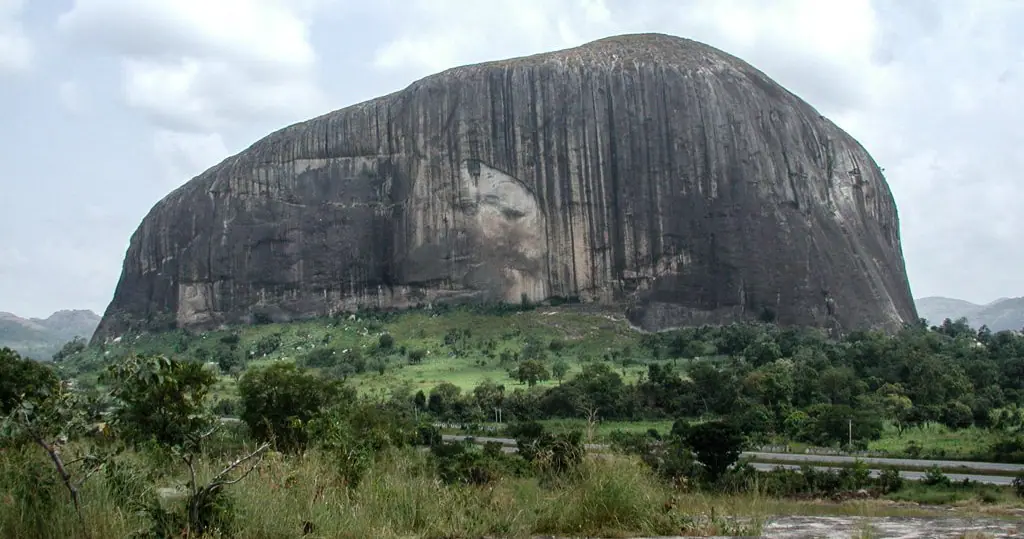
Abuja is the orderly counterpoint to Lagos: wide boulevards, the golden dome of the National Mosque, the Christian Ecumenical Centre, and Aso Rock looming over the presidential complex. Spend a morning in Millennium Park, then browse the Abuja Arts and Crafts Village for pottery, leather and woven cloth, and Wuse Market for everything else. The surrounding hills hide surprises — Zuma Rock, the vast monolith that appears on the currency, is only a short drive northwest, and Gurara Falls in Niger State makes a decent day trip when the rains have been heavy.
Push further east and the Middle Belt opens into national park country. Yankari, in Bauchi State, protects elephants, baboons and the Wikki Warm Springs — a clear, bathtub-warm pool you can swim in at dawn. In Kebbi State, the Argungu fishing festival, held in February or March, fills the river with hundreds of men and their hand nets in a single chaotic hour. Note the seasons: the dry months from November to March are kindest, while the harmattan haze of December and January turns sunsets orange and the air dusty.
Northern Nigeria: Kano's Old City and the True Home of Suya
Kano is Nigeria's oldest great city, and its walled core feels like a different country. Kurmi Market has been trading since the fifteenth century, its alleys stacked with leather, brass, kola nuts and indigo cloth. Nearby, the Emir's Palace and the Gidan Makama Museum explain centuries of Hausa-Fulani rule, while the Kofar Mata dye pits — in use for over five hundred years — still hold vats of electric blue where men plunge cloth by hand. Climb Dala Hill at dusk for a view across a sea of mud-brick rooftops and minarets.
Time your visit around Eid and you may catch a Durbar, when horsemen in embroidered robes and turbans ride in procession before the Emir — a spectacle also staged in Katsina and Zaria. Eat like a northerner: tuwo shinkafa with miyan kuka, fura da nono (millet balls in fermented milk) sold by wandering Fulani women, and kilishi dried on rooftops. Ramadan evenings bring night markets that stay busy until dawn. The north is conservative in dress, so pack loose, modest clothing, and travel between cities by domestic flight or an arranged car rather than by night.
The Southeast and Cross River: Caves, Carnival and Forest Kitchens
Calabar, in Cross River State, is Nigeria's festival capital. Every December the Calabar Carnival fills the streets with costumes, marching bands and dancing troupes for a month, and the city's older side is just as compelling: the Slave History Museum on the waterfront, the National Museum Calabar, and the old quays where the transatlantic trade began. Inland, the Obudu Mountain Ranch climbs into cool highland air with a cable car and cattle trails, while Agbokim Waterfalls tumbles in seven streams through the forest.
In the southeast, Enugu and Anambra offer some of the country's best natural drama. The Ogbunike Caves descend into a vast limestone cavern with a stream running through it, reached by a long flight of steps; nearby, Ngwo Pine Forest and Awhum Waterfall make a green, misty day out. Igbo kitchens deliver abacha (African salad), nkwobi (spiced cow foot), isi ewu and peppery catfish soup, best eaten with palm wine in a village bar. The rainy season here is long and heavy, so aim for December through February if you want dry roads and festival energy.
Frequently asked questions
When is the best time to visit Nigeria?
The dry season from November to March is the most comfortable window nationwide, though the harmattan winds of late December and January bring dust and haze. The rainy season, roughly April to October, is greener and cheaper but can flood roads, especially in the southeast. For festivals, plan around the Osun-Osogbo Festival in August, the Calabar Carnival in December, the Argungu fishing festival in February or March, and Durbar processions during Eid.
How long do I need and how do I get around?
Ten days to two weeks lets you combine Lagos and the southwest with either the north or Calabar without spending your whole trip in transit. Domestic flights connect Lagos, Abuja, Kano, Port Harcourt and Enugu, and are the sensible choice for long hops. Within cities, hire a car with a driver or use app-based ride-hailing; road journeys between regions can take far longer than the map suggests, so avoid travelling on highways after dark.
What should I eat first in Nigeria?
Start with suya from a busy evening grill, then work through jollof rice, pounded yam with egusi soup, amala with ewedu and gbegiri, and ofada rice with ayamase. Breakfast should be akara and ogi with moin moin. In Calabar, order Edikang Ikong and Afang soup; in Kano, try tuwo shinkafa with miyan kuka and kilishi. Ask for pepper to be adjusted if you're unsure, and drink zobo, chapman or palm wine alongside.
Is Nigeria suitable for a first-time visitor?
Yes, with planning. Arrange airport transfers and a local guide in advance, keep to daytime markets and landmarks, use pre-booked drivers rather than unfamiliar public transport, and check current regional advice before travelling to the northeast or remote rural areas. Nigerians are famously hospitable and English is widely spoken, so navigating markets, museums and restaurants is straightforward. A guided food or craft walk in Lagos or Ibadan is an excellent, low-stress introduction.
What money, language and etiquette should I know?
The currency is the naira, and cash remains essential in markets, for street food and for transport, even though hotels and larger restaurants accept cards. English is the official language, Nigerian Pidgin is the street lingua franca, and more than 500 languages are spoken across the country. Dress modestly in the north, always ask before photographing people or shrines, and greet before getting down to business — a few words of Yoruba, Hausa or Igbo go a long way.
Sort the rest of your trip
Everything for Nigeria, in one place
Stay in Nigeria
Hotels, guesthouses and apartments — compared in one search.
Search hotels
Transfer in Nigeria
Private driver waiting on arrival — no queues, no surprises.
Book a transfer
Stay online in Nigeria
Travel eSIM — data the moment you land, no roaming bills.
Get an eSIM