Nigeria is not a country you tick off a list — it is one you feel, from the horn-blasted chaos of Lagos to the dust-hazed granite domes of the north. It rewards travellers who plan carefully, move slowly between regions and come ready for heat, spice, jollof and genuinely unmatched hospitality.
Lagos: Canopy Walks, Galleries and a City That Never Idles
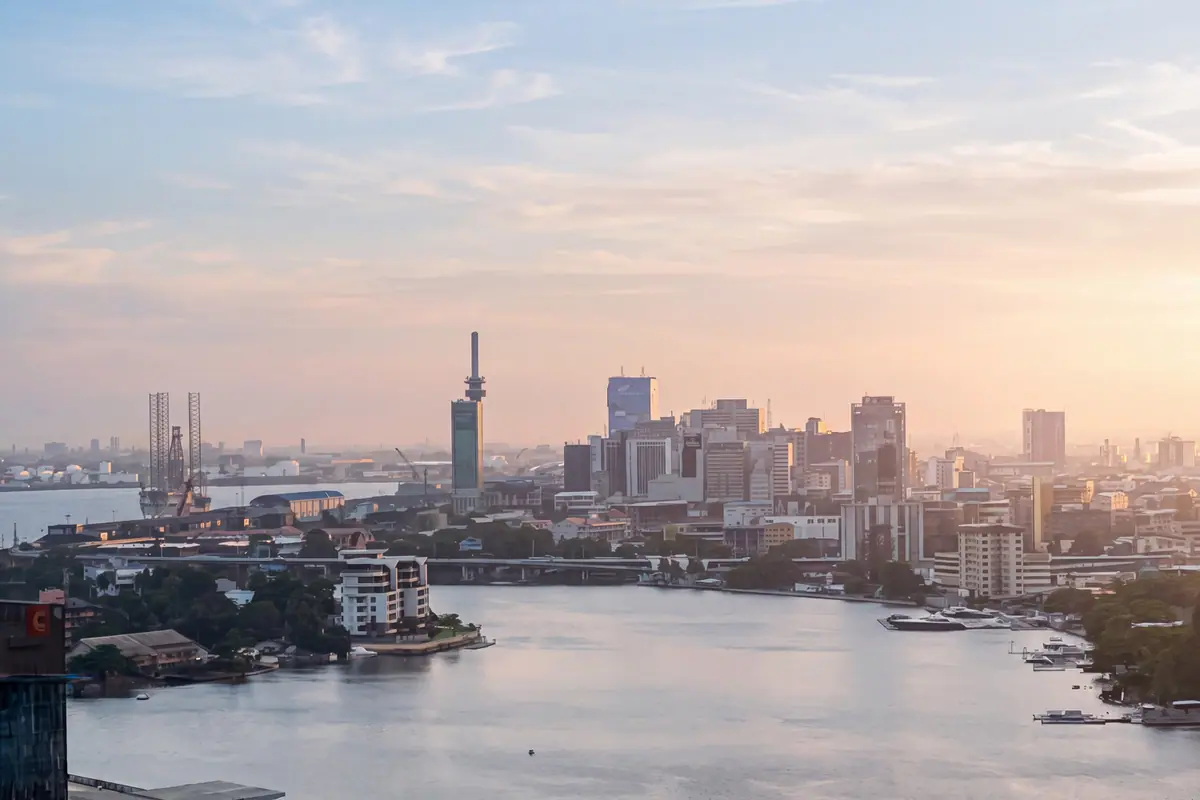
Start in Lagos, the country's commercial engine and its loudest personality. The single most rewarding half-day here is the Lekki Conservation Centre, where a long rope-and-plank canopy walkway lifts you above a mangrove and wetland reserve; monkeys, monitor lizards and peacocks patrol below while the skyline glitters in the distance. Book a morning slot, wear closed shoes and carry water — the humidity is real.
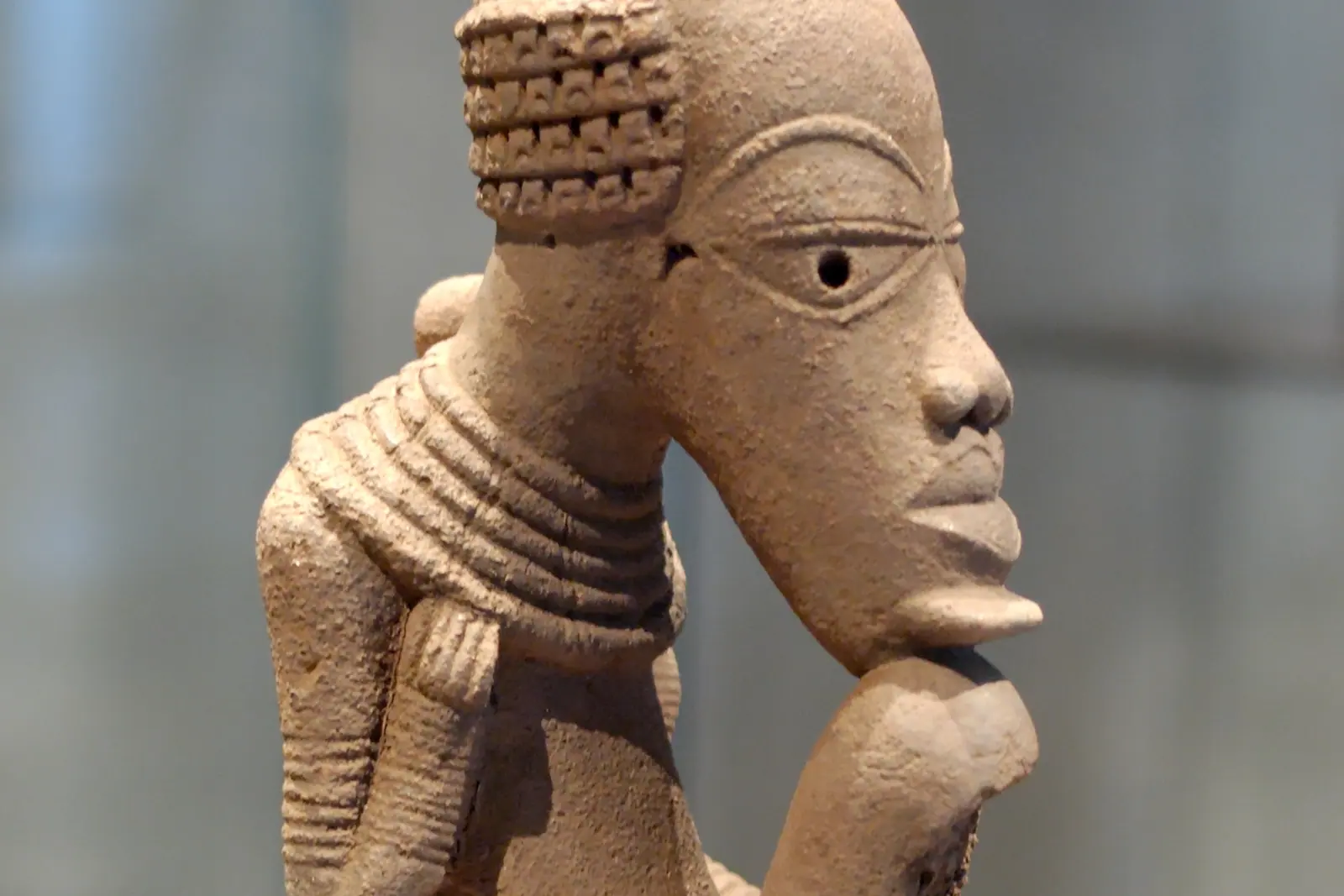
Back on solid ground, the city's cultural core is compact. The National Museum on Lagos Island holds a serious collection of Benin bronzes, Nok terracotta and Ife heads, while the nearby Freedom Park — a former colonial prison turned open-air amphitheatre — hosts live music and theatre most weekends. In Lekki, the multi-storey Nike Art Gallery is stacked floor to ceiling with contemporary Nigerian painting, adire textile and sculpture, and many pieces are for sale.
For history of a different kind, head to Ikeja and the Kalakuta Museum, the former home of Afrobeat pioneer Fela Kuti, still layered in his belongings and photographs. Finish at the water: Tarkwa Bay and the Eleko stretches are reachable by boat from the island jetties, and the crossing itself is a highlight. Plan around the notorious traffic by travelling between 10am and 3pm, or on weekends.
Abuja and the Middle Belt: Monoliths, Parks and Cooler Plateaus
Abuja, the purpose-built capital, is a deliberate contrast to Lagos: broad boulevards, low density and a horizon dominated by Aso Rock, a 400-metre granite monolith that rises straight out of the earth behind the presidential complex. On Independence Avenue, the National Mosque and the National Christian Centre stand almost opposite one another, both worth a respectful look from the outside, and Millennium Park offers shaded walks and fountains in the centre of the city.
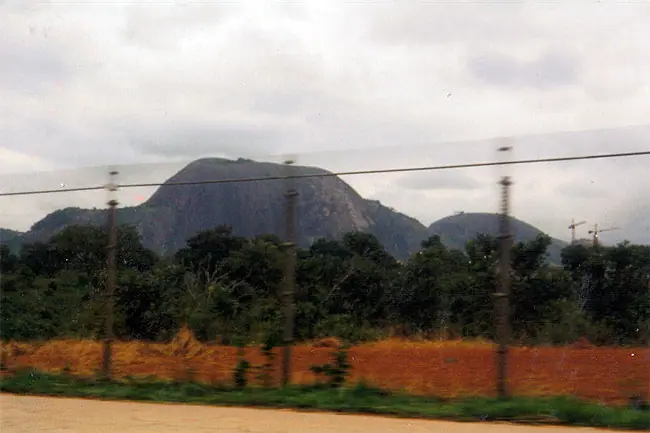
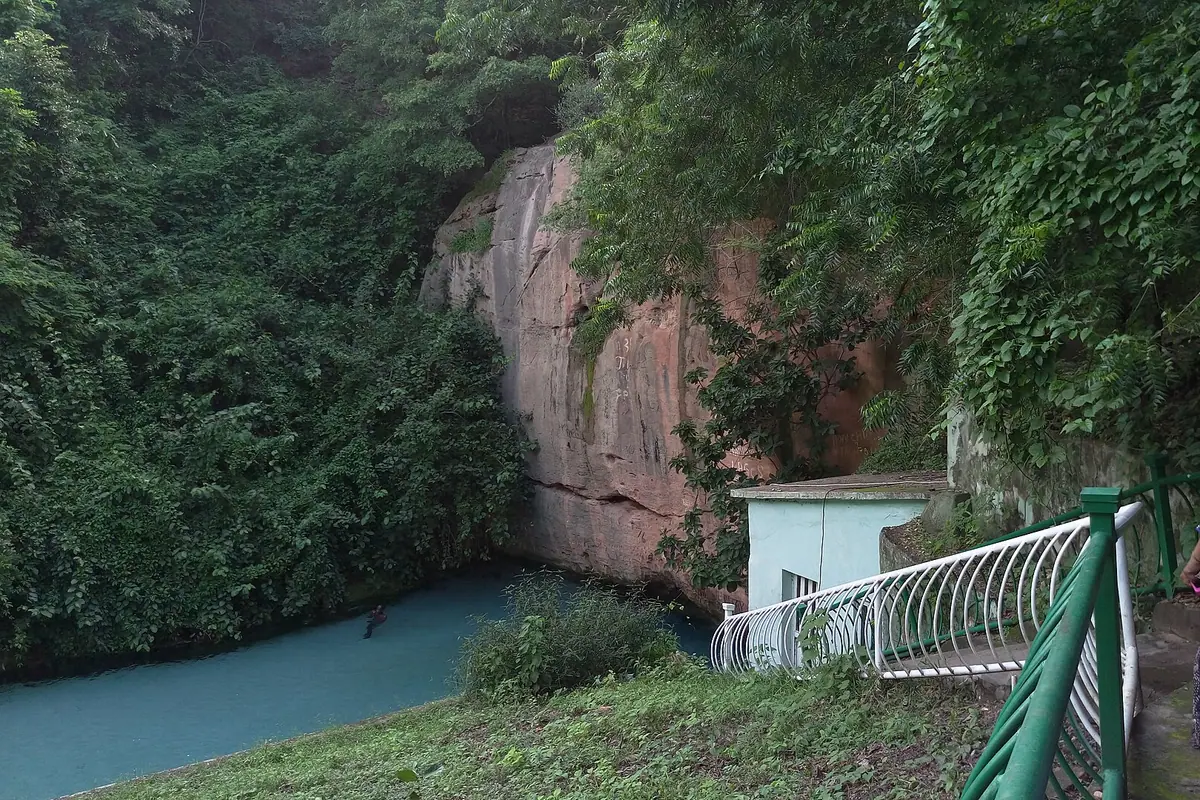
An hour or so north on the Kaduna road, Zuma Rock is the country's most photographed natural landmark — a 725-metre monolith whose western face appears to carry a human profile. Further out, the Gurara Falls tumble over a wide ledge in Niger State and are at their fullest from July to October. Allow a full day for the round trip and go with a local driver who knows the back roads.
East of Abuja, the Jos Plateau offers a genuine change of climate: cooler air, pine and eucalyptus, and the rocky outcrops of Riyom Rock and the Shere Hills. Assop Falls and the Jos Wildlife Park make easy add-ons for families. Bring a light fleece for evenings here — it is one of the few places in Nigeria where you will actually need one.
Yankari National Park: Warm Springs and Elephants in the Savannah
Yankari, near Bauchi in the north-east, is Nigeria's flagship national park and the best place in the country to see large mammals in the wild. Its centrepiece is the Wikki Warm Springs, a crystal-clear, spring-fed pool that stays at roughly 31°C year-round — swimming here at sunrise, with the forest waking up around you, is one of Nigeria's great travel moments.
Game drives at dawn and late afternoon give the best odds of elephants, baboons, waterbuck, bushbuck and hippos, particularly in the dry season between November and April when vegetation thins and animals gather at water. Guides and 4x4 vehicles are arranged on site, and there is simple safari-style accommodation inside the reserve, so you can be on the road before first light.
Logistics matter: the drive from Bauchi takes around two hours on variable roads, and most visitors break the journey with an overnight in Bauchi or fly into the regional airport. Bring cash for park fees and tips, plus long sleeves and repellent for evening mosquitoes. Farther west, Kainji Lake National Park offers a completely different experience — boat safaris on the lake and quieter savannah drives across its Borgu and Zugurma sectors.
Kano and the Sahel North: Ancient Markets and Indigo Pits
Kano is one of West Africa's oldest continuously inhabited trading cities, and its old quarter still feels like it. Kurmi Market has been trading since the 15th century, a maze of alleys selling leather, brass, textiles, spices and Hausa embroidery; negotiate gently and expect to be guided by self-appointed helpers who will want a tip at the end.
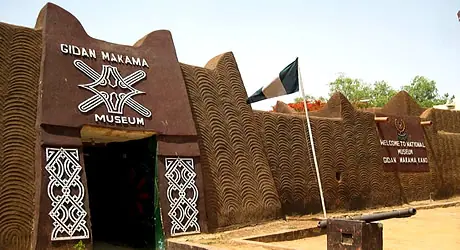
The Gidan Makama Museum occupies a 15th-century palace and tells the story of the city and the emirate across a dozen rooms of Hausa architecture, old photographs and ritual objects. Nearby, the Kofar Mata dye pits have been staining cloth indigo since the late 1400s and are still worked by hand — one of the most photogenic places in northern Nigeria, with permission asked first.
Round out the north with the Sukur Cultural Landscape in Adamawa State, a UNESCO-listed hilltop settlement of terraced fields, stone walls and the remains of an iron-smelting industry, reached by a rough road and a walk. Northern food is a highlight in itself: suya skewers after dark, kilishi dried beef, masa rice cakes and fura da nono, a fermented millet drink sold from calabashes.
The Yoruba South-West: Sacred Groves, Hills and Seven-Tiered Falls
The south-west holds some of Nigeria's most atmospheric sites. The Osun-Osogbo Sacred Grove, a UNESCO World Heritage landscape outside Osogbo, is a 75-hectare forest of towering trees, shrines and sculpture along the Osun River, dotted with effigies and ceremonial spaces. It is at its most extraordinary in August, when the Osun-Osogbo Festival draws pilgrims and drummers from across Yorubaland.
In Ondo State, Idanre Hills rise abruptly from the plain; a long stone staircase of more than 600 steps climbs to an abandoned hilltop settlement with an old palace, a courthouse and sweeping views over the surrounding forest. It is a stiff climb — start early, carry water and hire a local guide who can explain the site's history.
Further south, Erin-Ijesha (Olumirin) Waterfalls cascade across seven distinct tiers in a cool, fern-draped ravine, best visited from June to September when the water is at full force. Add Olumo Rock in Abeokuta, a 137-metre outcrop that once sheltered communities during inter-tribal wars and now has a lift to the summit, and the colossal Sungbo's Eredo earthwork near Ijebu-Ode, a defensive ditch and bank system stretching for well over 100 kilometres.
The South-East and Cross River: Caves, Rainforest and a Highland Ranch
In Anambra State, the Ogbunike Caves drop away beneath a forest canopy, reached by a long flight of steps into a cool, bat-filled chamber with a stream running through it. Shoes come off at the bottom, and local guides lead the way with lamps. Enugu State pairs the Ngwo Pine Forest and cave with the Awhum Waterfall and monastery, both easy day trips from the city.
Cross River State is Nigeria's adventure corner. Agbokim Waterfalls spills over seven cascades close to the Cameroon border, framed by rainforest and best in the wet season. The Obudu Cattle Ranch sits high on a plateau at around 1,500 metres, where the air is genuinely cold at night, and cable cars carry visitors up to viewpoints over the escarpment. The surrounding Cross River National Park protects one of the last great rainforest blocks in the country.
Base yourself in Calabar, a relaxed, orderly city with the Slave History Museum, riverside walks and, each December, the Calabar Carnival — a month-long street festival of costume bands, music and parades that is easily the biggest party in Nigeria. Book accommodation months ahead if you plan to be there for it.
Frequently asked questions
When is the best time to visit Nigeria?
The dry season, roughly November to March, is the most comfortable window nationwide: lower humidity, easier road travel and better wildlife visibility in parks like Yankari. December and January bring the Harmattan — a dry, dusty haze from the Sahara that cools mornings in the north but can dull coastal skies. The rainy season (April to October) is when waterfalls such as Erin-Ijesha and Agbokim are at their most dramatic and the landscape is greenest, though travel on unpaved roads gets slower.
How do I get around Nigeria?
Domestic flights connect Lagos, Abuja, Port Harcourt, Kano and Calabar quickly — Lagos to Abuja takes a little over an hour. For shorter hops, Nigeria has improving rail links, including Lagos–Ibadan and Abuja–Kaduna services, plus long-distance coaches between major cities. Elsewhere, hiring a car with a local driver is the most practical option. Avoid long highway drives after dark, and build in extra time for city traffic, especially in Lagos.
What food should I try in Nigeria?
Start with jollof rice, the smoky, tomato-based dish every region argues over, and pair it with grilled tilapia or peppered goat. Suya — spiced, skewered beef grilled over coals and sold from street stands after dark — is a national obsession, with the northern versions of kilishi (dried, spiced beef) equally worth seeking out. Also try egusi soup with pounded yam, pepper soup, and, in the north, fura da nono.
Is Nigeria safe for tourists?
Most travellers who stick to established routes, use vetted drivers and local guides, and follow current government travel advice have uneventful, rewarding trips. Some regions, particularly parts of the north-east and certain rural areas, should be avoided entirely. Keep valuables out of sight in cities, agree fares before journeys, avoid night travel between states, and check the latest advisories for your specific destinations before booking.
What practical preparations do I need for Nigeria?
A valid visa or e-visa is required for most nationalities, and a yellow fever vaccination certificate is checked on arrival. Malaria prophylaxis is strongly recommended, along with repellent and long sleeves for evenings. Carry sufficient cash in naira — cards work in big hotels and city restaurants but not in markets, parks or rural areas — and pack light, breathable clothing, a hat, sunscreen and a light jacket for highland spots like the Jos Plateau and Obudu.
Plan it — experiences in Nigeria
Live search, booked directly with trusted providers.
Sort the rest of your trip
Everything for Nigeria, in one place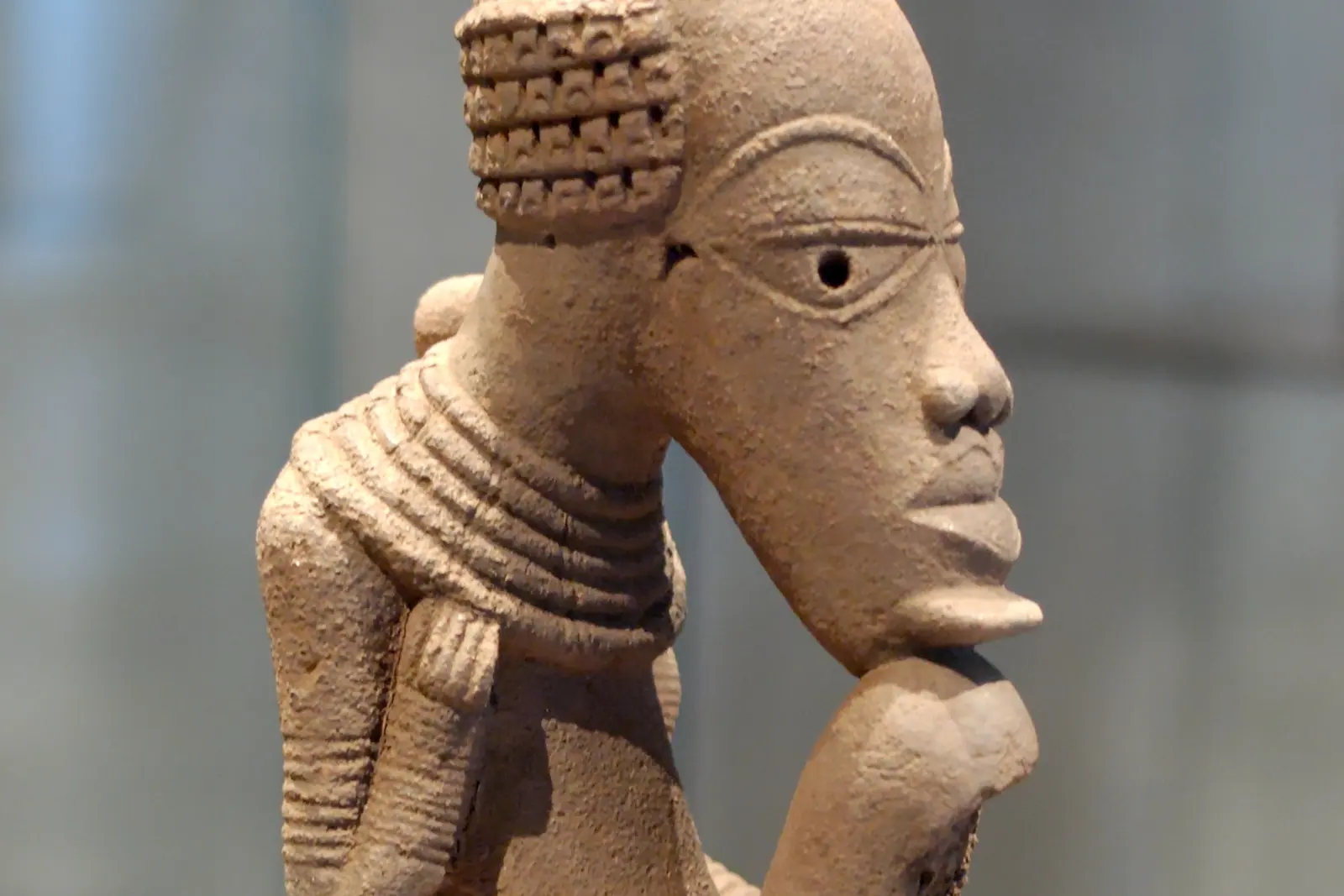
Stay in Nigeria
Hotels, guesthouses and apartments — compared in one search.
Search hotels
Transfer in Nigeria
Private driver waiting on arrival — no queues, no surprises.
Book a transfer
Stay online in Nigeria
Travel eSIM — data the moment you land, no roaming bills.
Get an eSIM