Nigeria does not do gentle, polite seasons — it swings between a dusty, sun-bleached dry season and a lush, thunderous wet one, and the difference shows up directly in your hotel bill. Get the timing right and you will pay less, sleep better and catch the festivals that make this country unforgettable.
Nigeria's Two Big Seasons — and What They Mean for Your Room
Nigeria sits just north of the equator, so there is no European-style winter to plan around. What shapes travel here instead is rain. The dry season runs roughly from November to March, while the wet season stretches from April to October, with the heaviest, most theatrical downpours between June and September in the south. The north — Kano, Sokoto, Maiduguri, the savannah corridor around Yankari — receives far less rainfall and much fiercer afternoon heat, which is why hotels there feel most comfortable in the cool, hazy weeks of December and January.
The other character in this story is the Harmattan, a dry, dust-laden wind that sweeps down from the Sahara between December and February. It turns the sky a milky, diffused white, drops northern night-time temperatures enough that Jos and Abuja can feel genuinely chilly after sunset, and dries out skin, lips and throats within a day. Visibility can fall far enough to delay domestic flights, so build slack into any connection. On the coast, Lagos stays humid almost year-round, but the Harmattan at least breaks the worst of the sticky heat.
For hotels, this matters more than you might expect. Peak dry-season weeks — especially the Christmas and New Year window — see city hotels sell out and rates climb sharply, while the rainy months bring softer demand, easier last-minute bookings and a much better chance of an upgrade. Understanding the calendar is the single biggest money-saver in Nigerian travel.
The Dry Season (November to March): Best Comfort, Highest Prices
If you want reliable sunshine, dry roads and the freedom to move between cities without wading through flooded streets, aim for late November through early February. This is the classic window for a first visit. It is also the window when everyone else has the same idea. In Lagos, the December phenomenon locals call Detty December turns Victoria Island, Ikoyi and Lekki into a nonstop circuit of concerts, beach parties and rooftop gatherings, with Tarkwa Bay and the Lekki Conservation Centre canopy walk drawing crowds on the quieter days.
Book accordingly. For the last two weeks of December and the first week of January, serious travellers reserve rooms two to three months ahead — sometimes more for the most sought-after addresses near the waterfront. Rates in that period can be several times mid-year levels, and minimum-stay requirements are common. If your dates are fixed, lock them in early; if they are flexible, wait.
Here is the local secret: January through early March is arguably the best-value dry-season stretch. The Harmattan haze thins, temperatures stay bearable, the holiday crowds have gone home, and hotel rates settle back to something resembling normal. February is particularly good for the north, when places like Kano and the route out to Yankari National Park and its Wikki Warm Springs are dry, accessible and blissfully uncrowded.

The Rainy Season (April to October): Cheaper Rooms, Greener Country
The rains arrive in the south around April and build to a crescendo between June and September, falling in short, violent bursts rather than all-day drizzle. For hotel hunters, this is the bargain season. City hotels in Lagos, Abuja and Port Harcourt quietly reduce rates to keep occupancy up, restaurants empty out, and you can often negotiate a better room for the same money or simply enjoy a suite you could never justify in December.
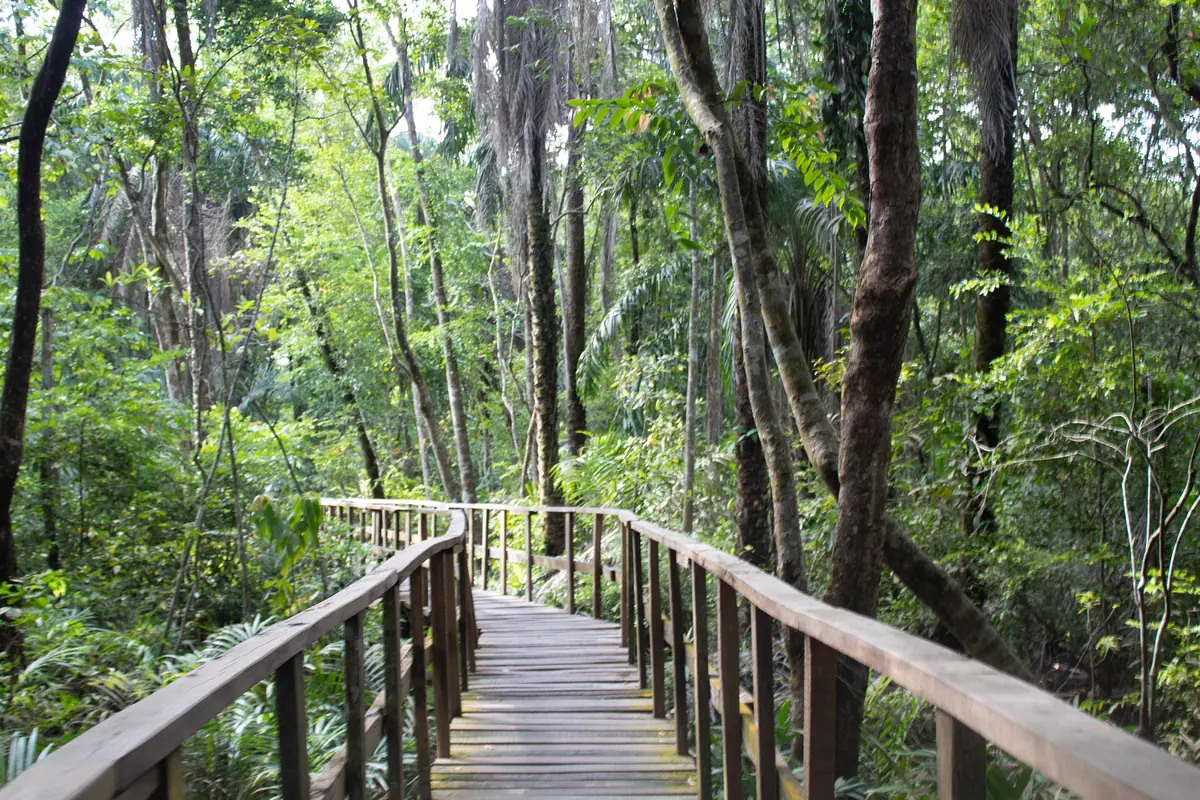
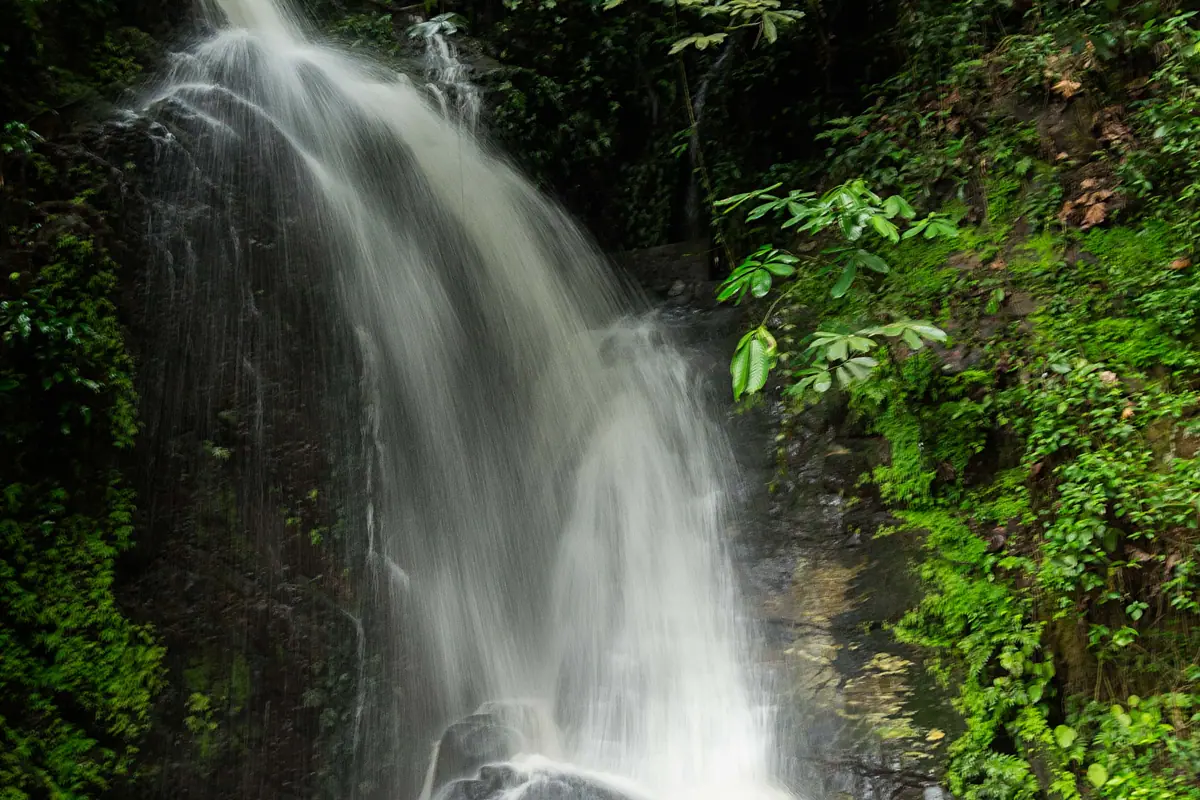
The rains also transform the landscape. Waterfalls that trickle the rest of the year thunder into life — Erin-Ijesha Falls near Ilesa, Agbokim Falls in Cross River and Farin Ruwa in Nasarawa are at their most dramatic now, and the sacred groves and forest reserves around Osun-Osogbo and Idanre Hills turn almost impossibly green. The southern coast has a curious quirk too: a short dry spell in August, often called the August break, which gives travellers a useful gap of clearer skies in the middle of the wet months.
The trade-offs are real, though. Downpours can flood Lagos roads and turn a twenty-minute drive across the Third Mainland Bridge into a two-hour ordeal. Humidity is relentless, so check that your room has working air conditioning and effective ventilation — a faint damp smell in older properties is a warning sign. Trips to highland retreats such as the Obudu Mountain Resort or the Idanre Hills become slower and muddier, and domestic flights are more prone to weather delays. Pack quick-dry clothing, a compact umbrella and shoes you do not mind ruining.
Festivals and Shoulder Weeks: Timing Your Trip Around the Calendar
Nigeria's festival calendar is one of the strongest reasons to choose one month over another. The Calabar Carnival in December is the country's biggest street spectacle, filling hotels across Cross River for days and pushing rates to their annual peak. The Osun-Osogbo Festival in August draws pilgrims and visitors to the sacred grove in Osun State, and the Eyo Festival — an all-white procession through Lagos Island — arrives on dates announced only weeks in advance, so flexibility is everything if you want to catch it.
In the north, the Durbar ceremonies held in Kano and Katsina around Eid al-Fitr and Eid al-Adha bring horse parades and royal pageantry past the ancient walls and Dala Hill, while the Argungu fishing festival in Kebbi traditionally falls in February or March. In the south-east, the New Yam Festival in August brings feasting and masquerade to towns across Igboland. Planning a trip around one of these events guarantees atmosphere — and guarantees you must book accommodation early.
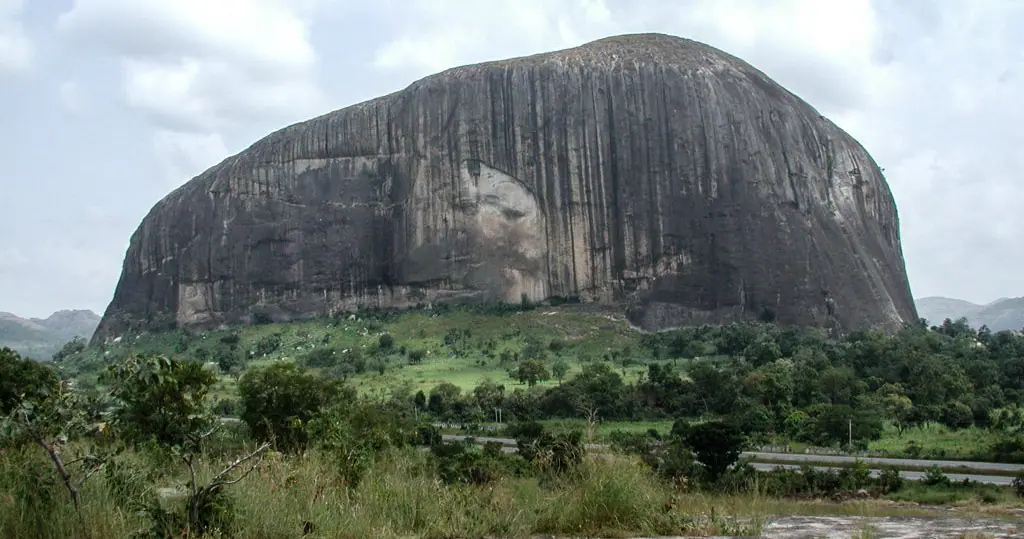
If festivals are not your priority, target the shoulder weeks instead. Late October to mid-November and late March to mid-April offer a sweet spot: mostly dry weather, moderate temperatures and hotel rates that have not yet climbed to holiday levels. These are also excellent months for combining city stays in Lagos and Abuja with trips to landmarks such as Olumo Rock in Abeokuta or Zuma Rock rising dramatically beside the highway north of the capital.
Choosing Your Base: Where Hotels Sit and Which Sights They Serve
Where you sleep should follow what you want to see. In Lagos, the main hotel clusters are Victoria Island, Ikoyi, Lekki and, for short layovers, Ikeja near the airport. Staying on the island puts you close to the National Museum in Onikan, Freedom Park, the Nike Art Gallery, the Lekki Conservation Centre and the ferry crossings to Tarkwa Bay, but it also puts you deep inside the city's legendary traffic. Staying on the mainland is cheaper and calmer, at the cost of longer commutes.
Abuja is a different beast entirely: planned, spacious and quiet at weekends, with government and business hotels concentrated in Maitama, Asokoro and Wuse. From there you can visit Aso Rock, the National Mosque and National Christian Centre, and the Millennium Tower, then day-trip to Zuma Rock or push further east toward Yankari. In the north, Kano's hotels sit within reach of the Kurmi Market labyrinth, the emir's palace at Gidan Rumfa and the old city walls, while Benin City offers easy access to the Oba's Palace and the bronze casters of Igun Street.
Coastal and highland options round out the map. Calabar pairs hotels near the waterfront with excursions to Tinapa and the drive up to the Obudu Mountain Resort, and Jos and its surrounding plateau provide cool-weather escapes that feel nothing like the humid south. Match your base to your list of sights rather than to the cheapest listing — in a country this large, a badly placed hotel can cost you a whole day.
Booking Smart: What to Confirm Before You Reserve
Nigerian hotels vary enormously in quality, and the gaps rarely show up in photographs. Ask direct questions before you book. Is there 24-hour electricity with inverter or solar backup, or does the generator switch off overnight? Is the water from a treated borehole, and is it hot in the mornings? Is the air conditioning serviced and quiet? Does the room have a mosquito net or screened windows? A hotel that answers these clearly is usually a hotel that runs well.
Transport logistics matter just as much. Confirm whether airport pickup is offered and what it costs, because arriving at a strange city after dark without a plan is stressful anywhere and especially here. If you are only transiting through Lagos, choose a property in Ikeja rather than crossing the city to the island. Ride-hailing apps work well in Lagos and Abuja but are patchy elsewhere, so ask your hotel to arrange trusted drivers for day trips.
Timing your booking is the last piece. Reserve well ahead for December, Eid periods and major festivals; for the rest of the year, a week or two is usually plenty, and rainy-season travellers often get better rates by asking directly rather than accepting the first online quote. Check the cancellation policy carefully if you are visiting between April and October, when domestic flight schedules can shift. Finally, carry some cash alongside your cards — card acceptance is improving but still inconsistent outside major city hotels.
Frequently asked questions
What is the best month to visit Nigeria?
November to early February is the most reliable window, with dry roads, blue-ish skies and comfortable temperatures. December and January are the busiest and most expensive, so if you want the same weather with calmer rates, aim for late January or February. For northern parks and wildlife areas, February and March are excellent.
Is December a good time to visit Lagos despite the crowds?
Yes, if you book early and accept premium prices. December brings the city's biggest social calendar, beach parties and the Calabar Carnival nearby, along with the driest, most pleasant weather of the year. Hotels in Victoria Island, Ikoyi and Lekki sell out weeks in advance, and minimum-stay rules are common over Christmas and New Year.
Are hotels cheaper during the rainy season?
Generally yes. From April to October, demand drops outside festival dates and city hotels soften their rates considerably, particularly in Lagos, Abuja and Port Harcourt. You may also find better rooms available at short notice. The trade-off is humidity, occasional flooding and slower road travel, so weigh comfort against savings.
Do I need to worry about electricity in Nigerian hotels?
It is worth asking about. Grid supply is inconsistent, so most good hotels run generators, inverters or solar backup. Before booking, confirm that power is available around the clock, that the air conditioning works reliably, and that hot water is available in the morning. These three details separate a comfortable stay from a frustrating one.
What should I pack for the Harmattan?
Between December and February, bring moisturiser, lip balm, eye drops and a light scarf or mask for dusty days. Northern evenings, especially in Jos and Abuja, can feel genuinely cool, so pack a warm layer. If you wear contact lenses, consider glasses instead during the haziest weeks.
Sort the rest of your trip
Everything for Nigeria, in one place
Transfer in Nigeria
Private driver waiting on arrival — no queues, no surprises.
Book a transfer
Things to do in Nigeria
Skip-the-line tickets, guided tours and standout experiences.
See experiences
Stay online in Nigeria
Travel eSIM — data the moment you land, no roaming bills.
Get an eSIM