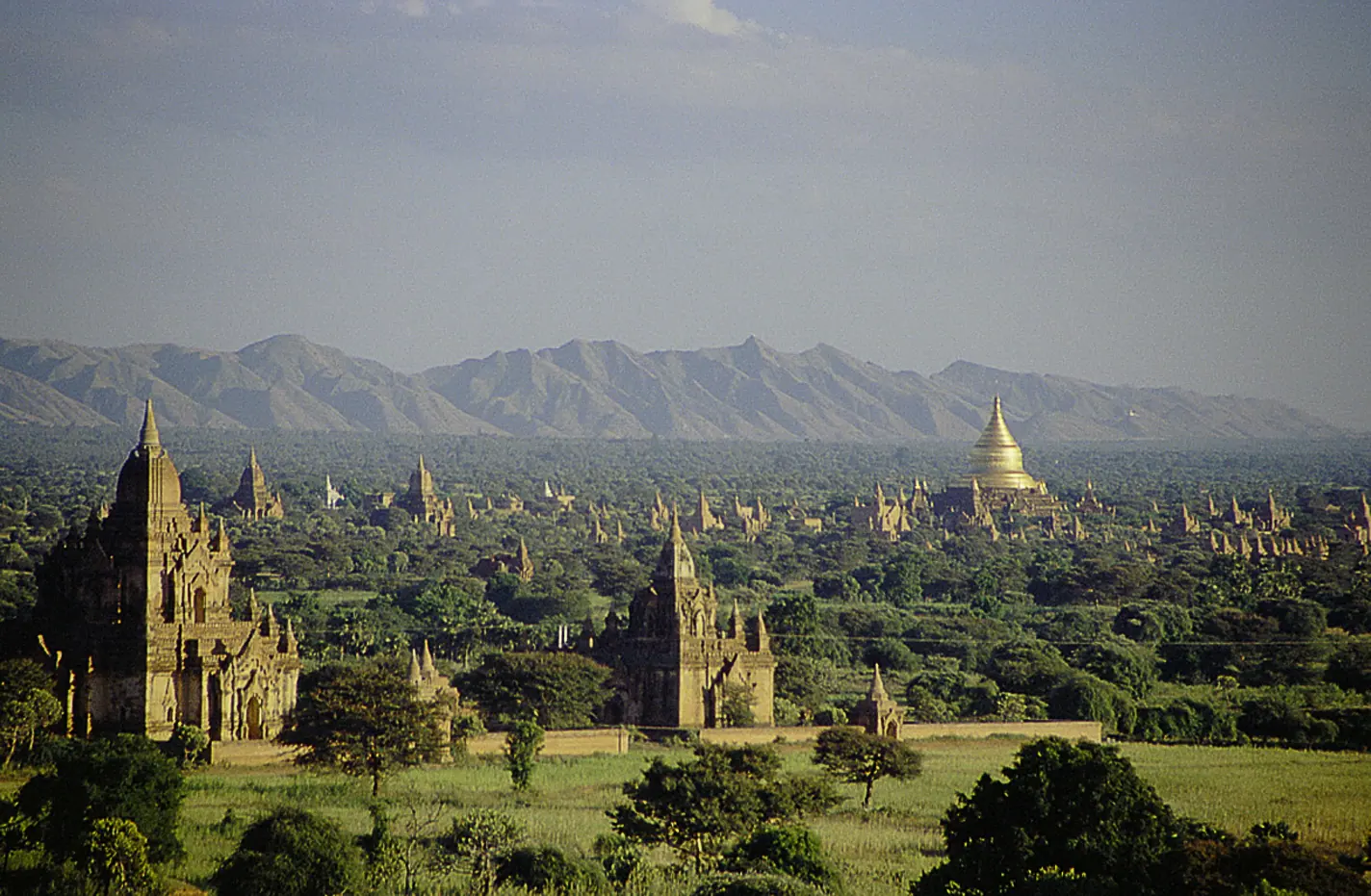
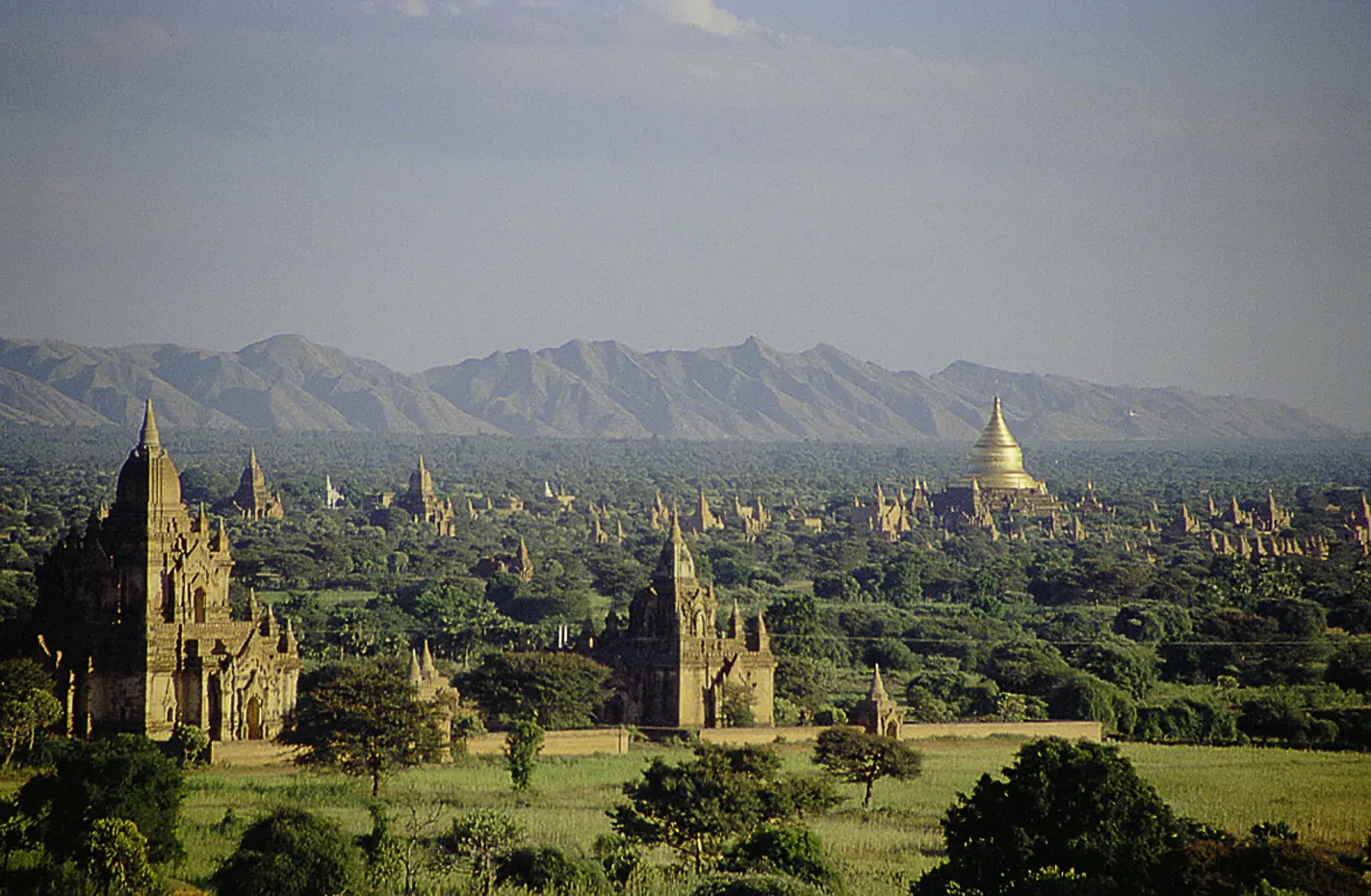
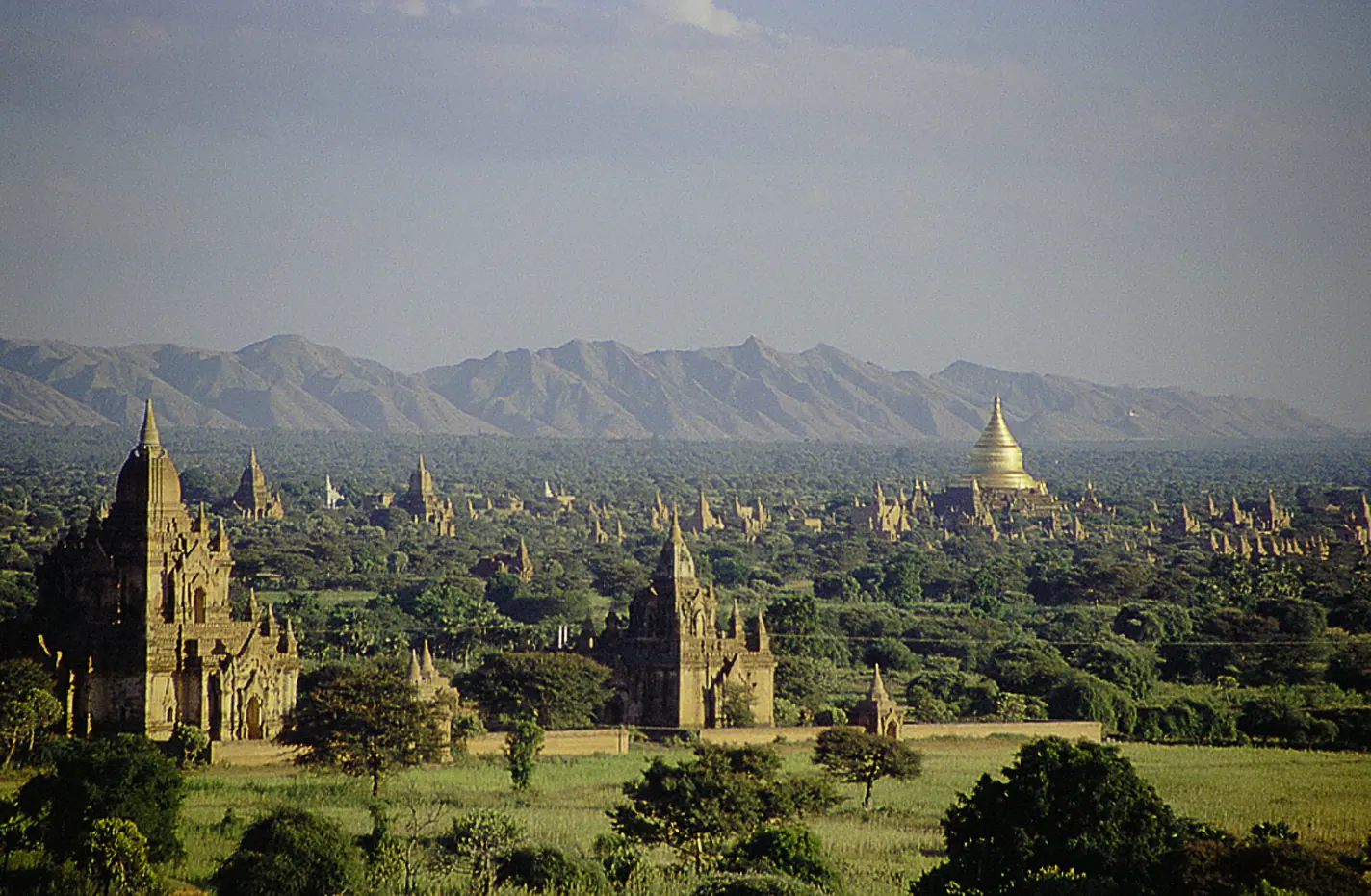
Myanmar, the Golden Land, is a country of gilded pagodas, ancient temple plains, and serene lakes where leg-rowing fishermen glide across the water. Choosing where to stay shapes your journey as much as the sights themselves — from colonial-era hotels in Yangon to stilted bungalows on Inle Lake. This guide walks you through the best cities to base yourself, the must-see attractions nearby, and practical tips for booking a hotel that fits your style and budget.
Yangon: Gateway to the Golden Land
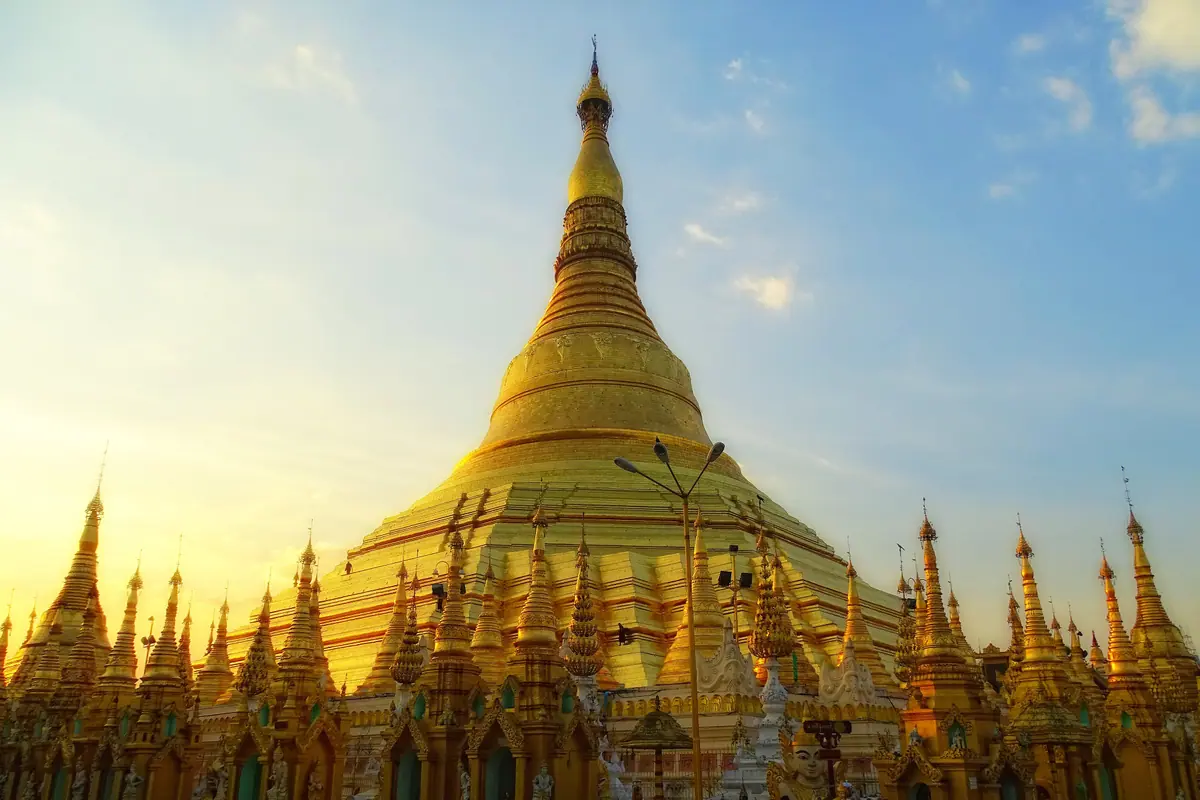
Yangon (formerly Rangoon) is where most journeys begin. The city pulses with energy: street vendors hawking mohinga, tea shops buzzing with conversation, and the ever-present shimmer of Shwedagon Pagoda, a 99-meter gilded stupa that dominates the skyline. Where you stay depends on your priorities. Downtown, around Sule Pagoda and the colonial-era buildings, offers budget guesthouses and mid-range hotels within walking distance of Bogyoke Aung San Market and the Circular Train. For a quieter, leafier base, Kandawgyi Lake has boutique hotels with views of the royal barge. Luxury travelers gravitate to the area near Shwedagon, where high-end properties put the pagoda at your doorstep.
Must-see attractions in Yangon include Shwedagon Pagoda (allow 2-3 hours, best at sunset when the gold glows), the reclining Chaukhtatgyi Buddha, and the vibrant Bogyoke Aung San Market for crafts and textiles. A ride on the Circular Train offers a slow, authentic slice of local life. Two nights is typical, though you could easily fill three. Best months to visit are November through February, when temperatures are mild and the monsoon has passed.
Bagan: Sleeping Among a Thousand Temples
Bagan is Myanmar's crown jewel — a vast plain dotted with thousands of ancient temples, stupas, and monasteries dating back to the 11th to 13th centuries. Where to stay? Nyaung U is the budget-friendly hub, with guesthouses and cheap eateries. Old Bagan, closest to the main temples, hosts luxury resorts and heritage hotels. New Bagan, a few kilometers south, offers mid-range options and a relaxed vibe. Each has its own charm, but for sunrise over the temples, staying in Old Bagan or Nyaung U saves precious morning travel time.
The must-visit attractions are many: Ananda Temple, a masterpiece of Mon architecture; Dhammayangyi Temple, the largest and most imposing; Shwesandaw Pagoda, a popular sunset spot; and the smaller, quieter temples you can have all to yourself. A hot air balloon ride over the plain at dawn is unforgettable (book well in advance, November to March). Use an e-bike to explore at your own pace. Plan for at least three days — two full days of temple-hopping plus a sunrise and sunset.
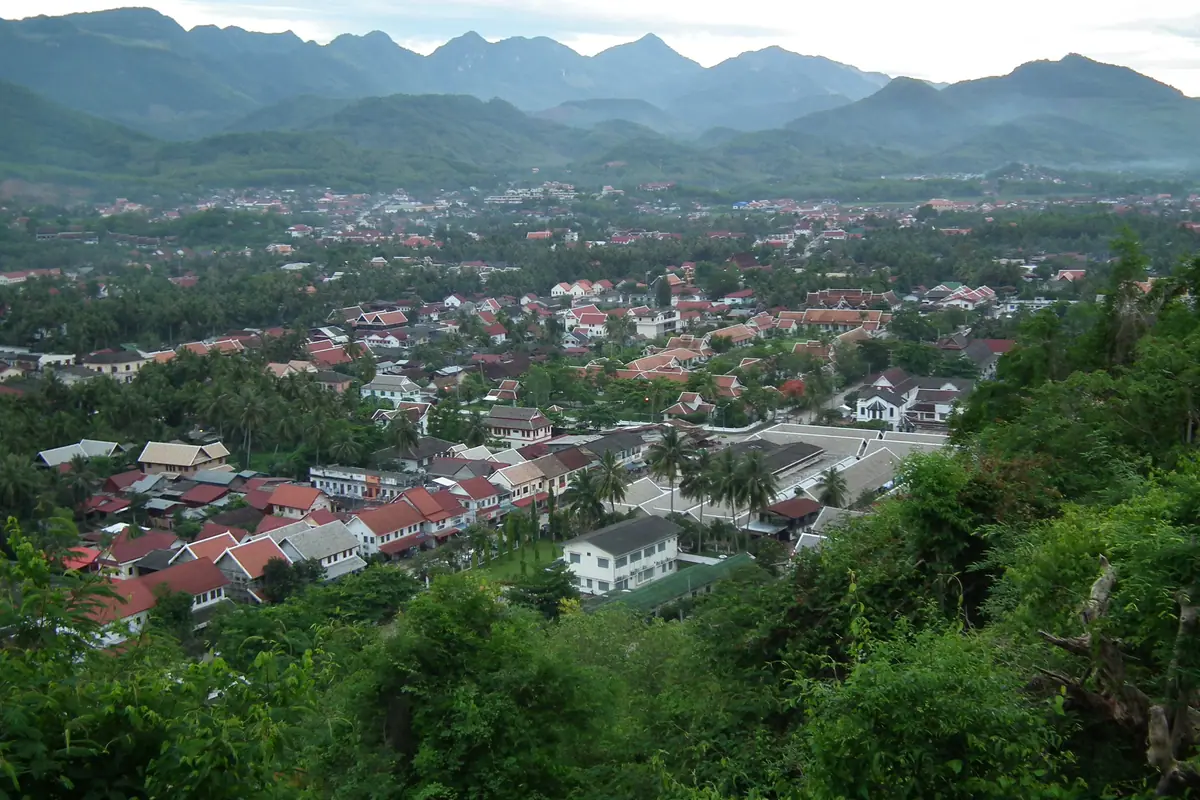
Mandalay: Royal Capital and U Bein Bridge
Mandalay, Myanmar's second-largest city, was the last royal capital and remains a cultural heart. Most hotels cluster around the palace moat or near Zegyo Market, giving easy access to street food and tea shops. From budget guesthouses to boutique hotels in restored teak houses, the city caters to all. Base yourself here to explore not just Mandalay but also the ancient capitals of Inwa, Sagaing, and Amarapura, all within a short drive.
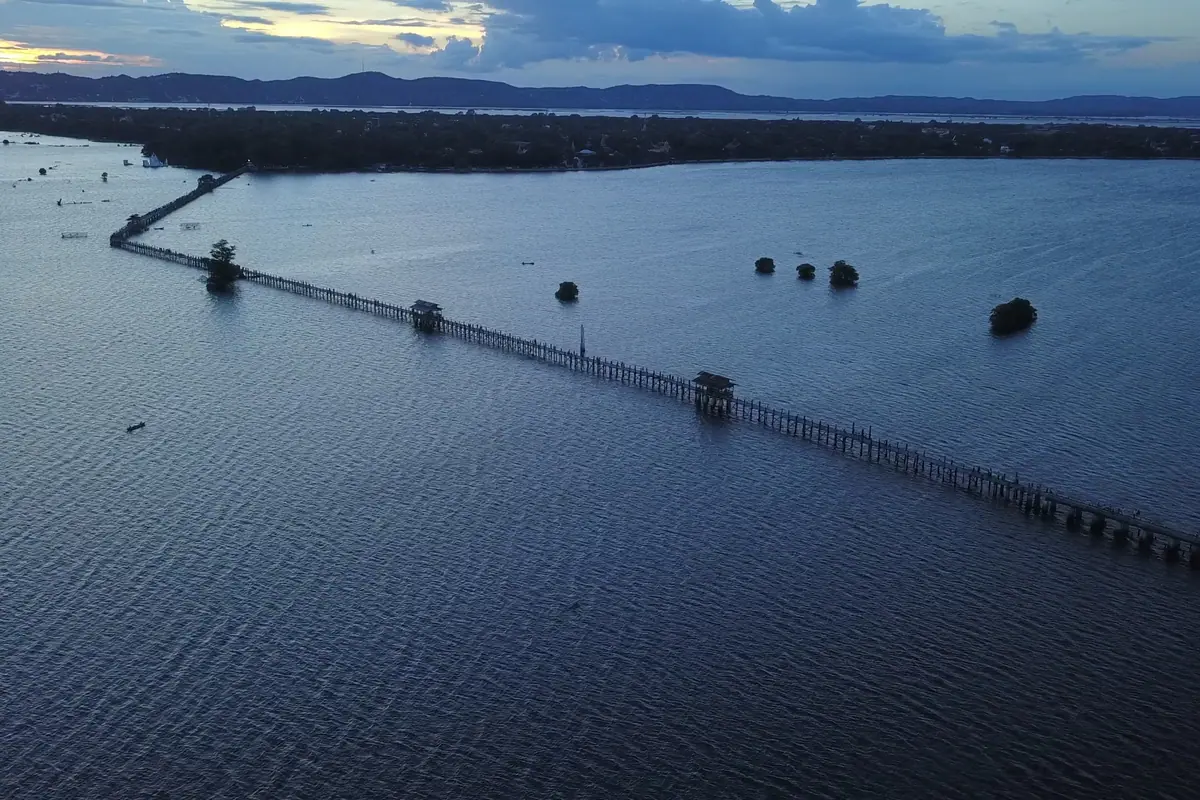
Must-see attractions: Mandalay Palace, with its reconstructed teak and gold-spired buildings; Mahamuni Buddha Temple, home to a highly revered Buddha image; Shwenandaw Monastery, a carved teak masterpiece; and Kuthodaw Pagoda, which houses the 'world's largest book' — 729 marble slabs inscribed with Buddhist scriptures. At sunset, head to U Bein Bridge in Amarapura, a 1.2-kilometer teak footbridge where monks and locals cross against a fiery sky. Allow two to three days.
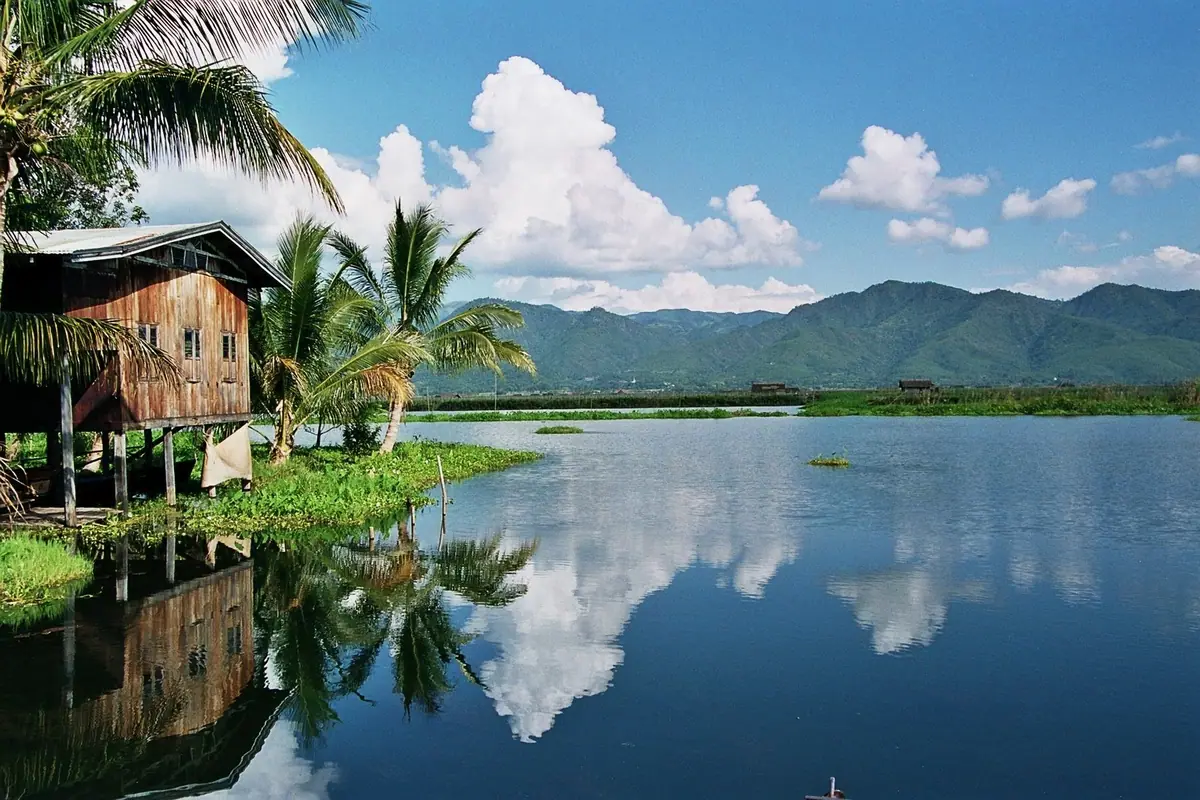
Inle Lake: Stilt Houses and Shan Hospitality
Inle Lake is a world of floating gardens, stilt villages, and leg-rowing fishermen who balance on one leg to row with the other. Most travelers stay in Nyaung Shwe, a charming town at the lake's northern tip, with a range of guesthouses and mid-range hotels. For a splurge, overwater bungalows on the lake itself offer serenity and direct access to the water. Wherever you stay, the lake's attractions are best explored by boat.
Must-see: Phaung Daw Oo Pagoda, one of the holiest sites in Shan State; Nga Hpe Kyaung (Jumping Cat Monastery), where cats were once trained to jump through hoops; the floating gardens where farmers grow tomatoes on rafts of weeds; and the ruined stupas of Indein, a short boat ride away. The best time to visit is November to February, when the weather is cool and dry. Two to three days is ideal.
Ngapali Beach and Mrauk U: Coastal and Remote Escapes
For beach lovers, Ngapali Beach on the Bay of Bengal is Myanmar's premier coastal destination. Palm-fringed sand, warm turquoise water, and a string of upscale resorts and boutique hotels make it a perfect end to a temple-heavy trip. Unlike busier Southeast Asian beaches, Ngapali remains laid-back, with fishing villages and seafood shacks nearby. Best visited from November to March.
For the intrepid, Mrauk U in Rakhine State is a remote archaeological wonder, often called a smaller, quieter Bagan. Its temples, such as Shitthaung Temple with its intricate stone carvings, rise from rolling hills. Accommodation is simple — guesthouses and basic hotels — and travel requires planning due to regional advisories. Check current conditions before booking. Combine with Ngapali if time allows, but note that overland travel can be slow.
Practical Tips for Booking Hotels in Myanmar
The best time to visit Myanmar is November to February, when the weather is dry and comfortable across most of the country. March to May brings intense heat, while June to October is monsoon season, with heavy rains and some roads impassable. Peak tourist season (December and January) means hotels fill quickly, so book early. Typical trips last 7-10 days, covering Yangon, Bagan, Mandalay, and Inle Lake.
Accommodation ranges from budget hostels and family-run guesthouses to luxury resorts. Many hotels accept US dollars (clean, untorn bills) but increasingly prefer Myanmar kyat. Credit cards are accepted at upscale properties, but carry cash for smaller places. Etiquette: remove shoes before entering temples and hotel shrines, dress modestly, and ask before photographing people. With thoughtful planning, your Myanmar hotel will be a comfortable base for exploring the Golden Land.
Frequently asked questions
What is the best time to visit Myanmar?
The best time is November to February, when the weather is dry and mild across most regions. March to May is very hot, and June to October brings monsoon rains, especially along the coast and in Yangon.
How many days do I need in Myanmar?
A classic highlights trip takes 7-10 days, covering Yangon, Bagan, Mandalay, and Inle Lake. If you want to add Ngapali Beach or Mrauk U, plan for at least two weeks.
Where should I stay in Bagan?
Nyaung U is best for budget travelers and local atmosphere. Old Bagan is closest to the major temples and offers luxury resorts. New Bagan has mid-range hotels and a quieter setting, a short e-bike ride from the main sights.
Are credit cards accepted in Myanmar hotels?
Upscale hotels and resorts generally accept credit cards, but many guesthouses and budget hotels only take cash. Carry Myanmar kyat or clean, untorn US dollars for smaller establishments.
What are the must-see attractions in Myanmar?
Don't miss Shwedagon Pagoda in Yangon, the temple plains of Bagan, U Bein Bridge in Mandalay, Inle Lake with its leg-rowing fishermen, and the beaches of Ngapali. For remote history, Mrauk U is unforgettable.
Sort the rest of your trip
Everything for Myanmar, in one place
Transfer in Myanmar
Private driver waiting on arrival — no queues, no surprises.
Book a transfer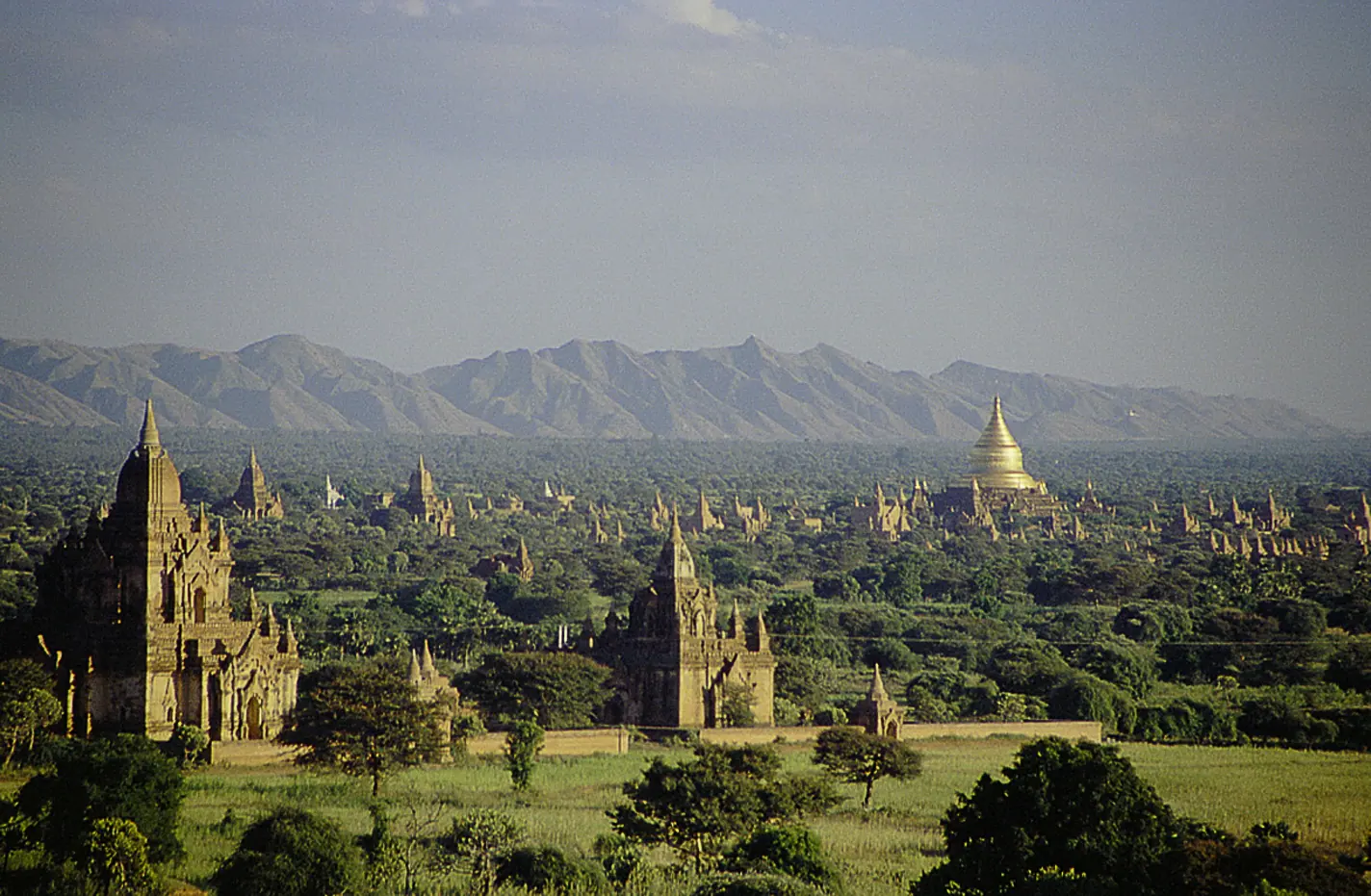
Things to do in Myanmar
Skip-the-line tickets, guided tours and standout experiences.
See experiences
Stay online in Myanmar
Travel eSIM — data the moment you land, no roaming bills.
Get an eSIM