Myanmar is a country you taste as much as you see: sweet milky tea at dawn, a bowl of mohinga before the traffic starts, pickled tea leaves shared as a gesture of friendship. Travel slowly here and the reward is a tour built not around checklist stops but around kitchens, festivals, lake villages and gilded stupas that glow at dusk.
Mornings Begin at the Tea Shop: Everyday Food Culture in Yangon
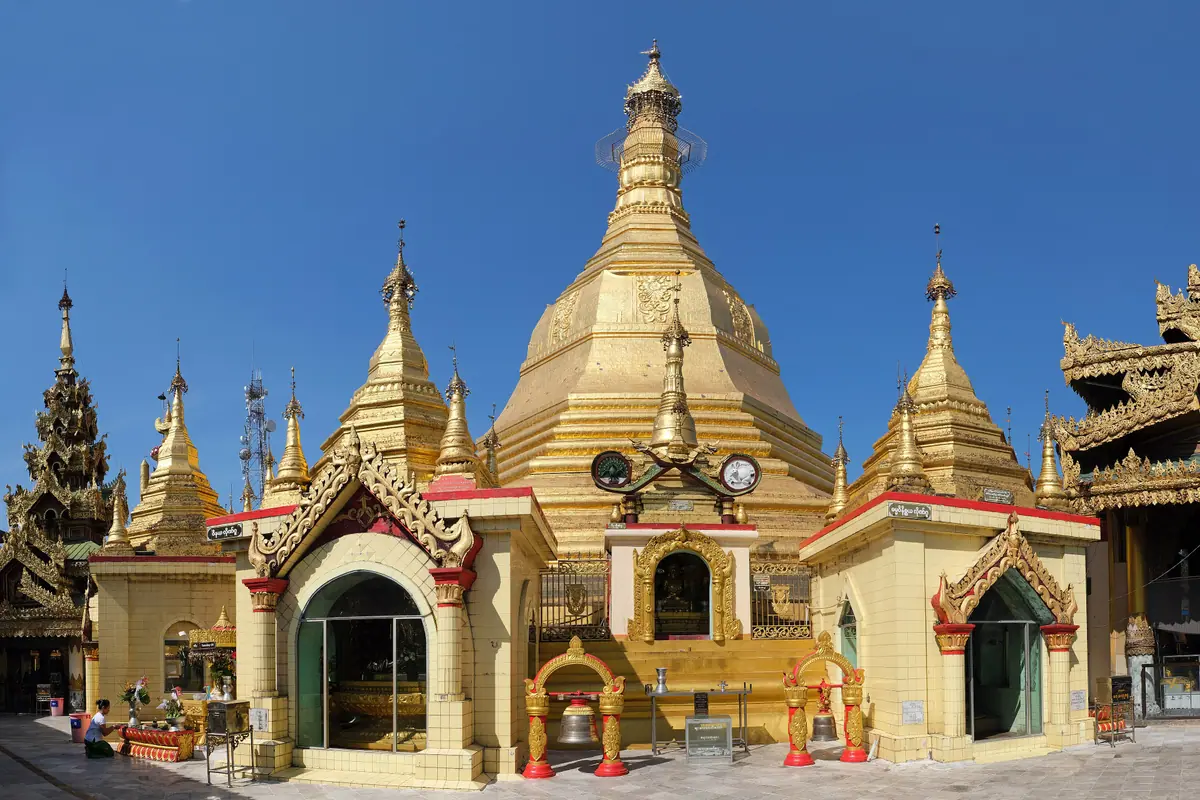
In downtown Yangon, the traveller's day should start the way the city's does — on a low plastic stool in a tea shop, with a glass of laphet yay (green tea) and a cup of sweet, condensed-milk tea. The streets around Sule Pagoda and the grid of colonial-era blocks behind the river are dense with these places, and they fill before sunrise with traders, taxi drivers, students and office workers. Learn two words and you will drink better: cho seh for less sweet, kyauk paday si for extra milk. Order a plate of bein mont (rice-flour pancakes with coconut and jaggery) or a flaky paratha to go with it.
Tea shops are Myanmar's living rooms. Conversation rolls across tables, cheroots are lit, newspapers are folded and swapped, and nobody is hurried along. Sit for twenty minutes and you will be drawn into a chat about where you are from and whether you have eaten yet — the answer to the second question matters more. Later in the day, the same shops switch to snacks and to faluda-like sweet drinks, cold noodles and deep-fried fritters.
For a moving view of ordinary life, ride the Yangon Circular Railway for part of its loop. Three hours round trip takes you past suburban markets where vendors hand fruit and snacks through the windows, and you can hop off at a small station, eat lunch, and catch a later train back. It is one of the cheapest, friendliest introductions to the country you will find anywhere.
Mohinga, Lahpet Thoke and the Dishes That Define a Myanmar Tour
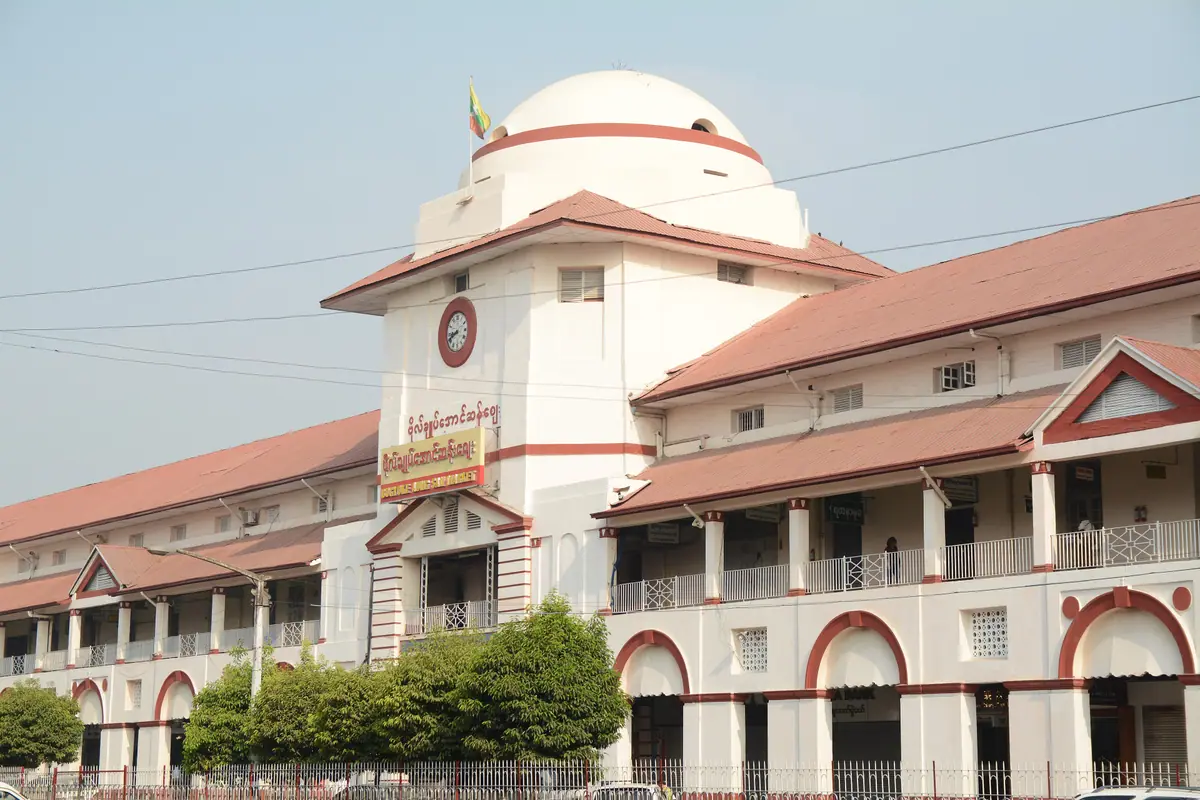
Mohinga is the national breakfast: rice noodles in a gently fishy broth thickened with toasted rice and chickpea flour, finished with banana stem, coriander, lime, chilli and a crunchy split-pea fritter on the side. Every cook has a version, and the rivalry is real — Yangon bowls tend to be richer and darker, Mandalay's lighter and more garlicky. Vendors set up around 6am and are often sold out by 10am, so this is a dish to chase early. Around Bogyoke Aung San Market in Yangon, the surrounding lanes are thick with noodle stalls, gold shops and textile sellers, making a good half-day of eating and browsing.
Lahpet thoke — fermented tea leaf salad — is the dish that most surprises visitors. The leaves are pickled, then tossed at the table with fried garlic, toasted sesame, peanuts, shredded ginger, tomato and sometimes dried shrimp and beans. It is sharp, bitter, crunchy and addictive, and it doubles as a symbol of hospitality; offering lahpet to a guest is a gesture of reconciliation as well as welcome. Eat it as a snack, at a roadside stall, or after a long bus ride when nothing else appeals.
Beyond these two, look for Shan khauk swe (silky rice noodles with tomato and chicken or pork), nan gyi thoke (thick rice noodles in a chicken curry sauce), chickpea-flour tofu known as tofu nway, and the oil-rich Burmese curries served with rice, a clear soup and a plate of raw and blanched vegetables. Finish with mont let saung — sago, coconut milk and jaggery over ice — or a scoop of locally made ice cream in a tea shop that has been serving the same corner for decades.
Shan Kitchens, Rakhine Noodles and Bagan's Toddy Palm Sugar
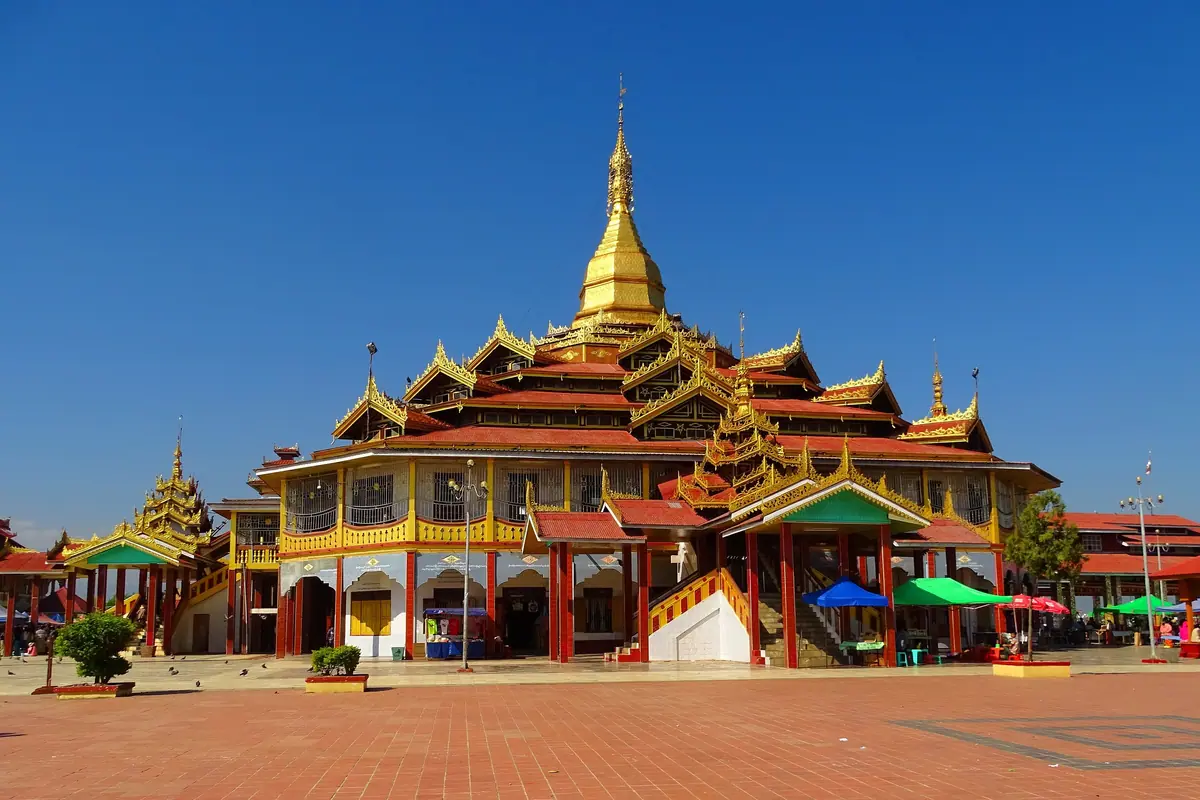
Myanmar's regional cooking is as varied as its landscapes, and a good tour should deliberately cross those lines. In Shan State, around Nyaung Shwe and Inle Lake, the food turns lighter and more herbal: Shan noodles, pickled mustard greens, grilled river fish, and tofu nway served fried or in salads. Cooking classes in the lakeside town are informal and hands-on, usually including a market walk where you buy the day's vegetables from Intha vendors. Nearby, the Phaung Daw Oo Pagoda and the lake's leg-rowing fishermen are the region's defining sights, and tea plantations around Kalaw and the cave temple complex at Pindaya are worth the extra day.
Head west to Rakhine State and the noodles change again. Rakhine mont di is a thin rice noodle soup with a clear, peppery fish broth, eaten with a spoonful of ngapi — pungent fermented fish paste that is the backbone of coastal cooking. In Mrauk U and the port town of Sittwe you will also find grilled seafood and, at Ngapali Beach, some of the best crab and prawns in the country, simply cooked with garlic and chilli.
Bagan has its own pantry. The dry plain around the temples is dotted with toddy palms, and climbers still shin up the trunks to collect sap that becomes jaggery — palm sugar sold in dark, fudgy blocks — as well as today's palm wine. Peanut oil, tamarind, sesame and plum-like fruits from the surrounding dry zone shape the local cooking. Between meals, wander the lacquerware workshops of Myinkaba village, where families have been bending bamboo, coating it in sap and etching fine patterns for generations.
Festivals, Novitiation and Nat Spirits: Culture That Is Still Lived
Time a tour around the calendar and Myanmar's culture becomes something you participate in rather than observe. Thingyan, the water festival in mid-April, closes the country for several days as streets fill with people throwing water to mark the new year — joyful, chaotic and worth experiencing once, with a waterproof bag for your phone. In October, Thadingyut lights up pagodas and homes with candles and lanterns to mark the end of Buddhist Lent. In November, Taunggyi near Inle Lake hosts its hot-air balloon festival, where huge paper balloons in animal shapes are launched over the hills, alongside overnight weaving competitions and offerings of new robes to monks.
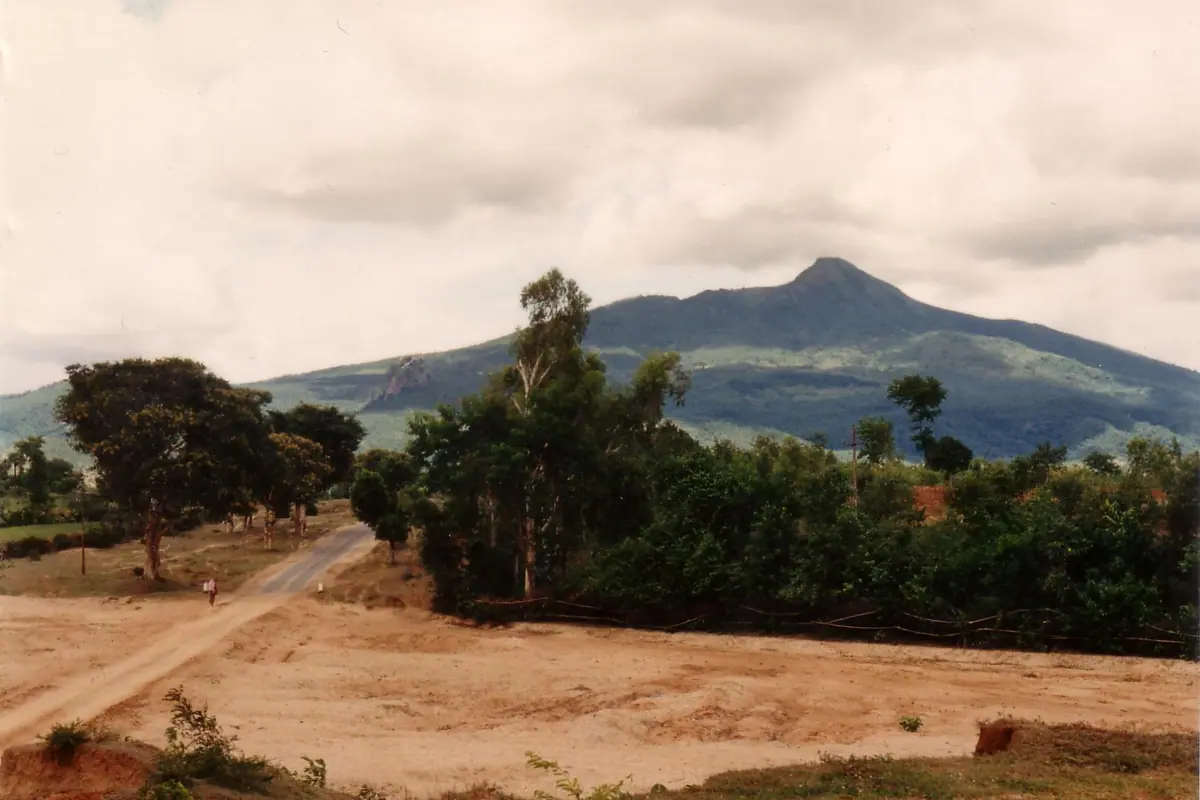
Family ceremonies are equally vivid. A shinbyu — the novitiation of a young boy into the monastery — turns into a street procession with the child dressed as a prince, riding a horse or carried on shoulders beneath gold umbrellas, followed by music and dancing. If you are invited to one, accept. Equally fascinating is the older strand of nat worship that runs alongside Buddhism: shrines to spirit figures appear at pagodas and roadsides, and the most dramatic sits atop Mount Popa, reached by a long covered stairway of several hundred steps up a volcanic plug.
Traditional performance survives too. Mandalay is the place for marionette theatre and the clanging, gong-driven hsaiṅg waing orchestra, and for watching gold leaf being hammered into wafer-thin sheets near the Mahamuni Buddha Temple, where pilgrims press the flakes onto the image until it has grown lumpy with devotion. Elsewhere, market stalls sell thanaka bark, ground with water on a stone and worn as a pale cosmetic and sunscreen — one of the country's oldest everyday rituals.
The Landmarks a First Tour Should Not Skip
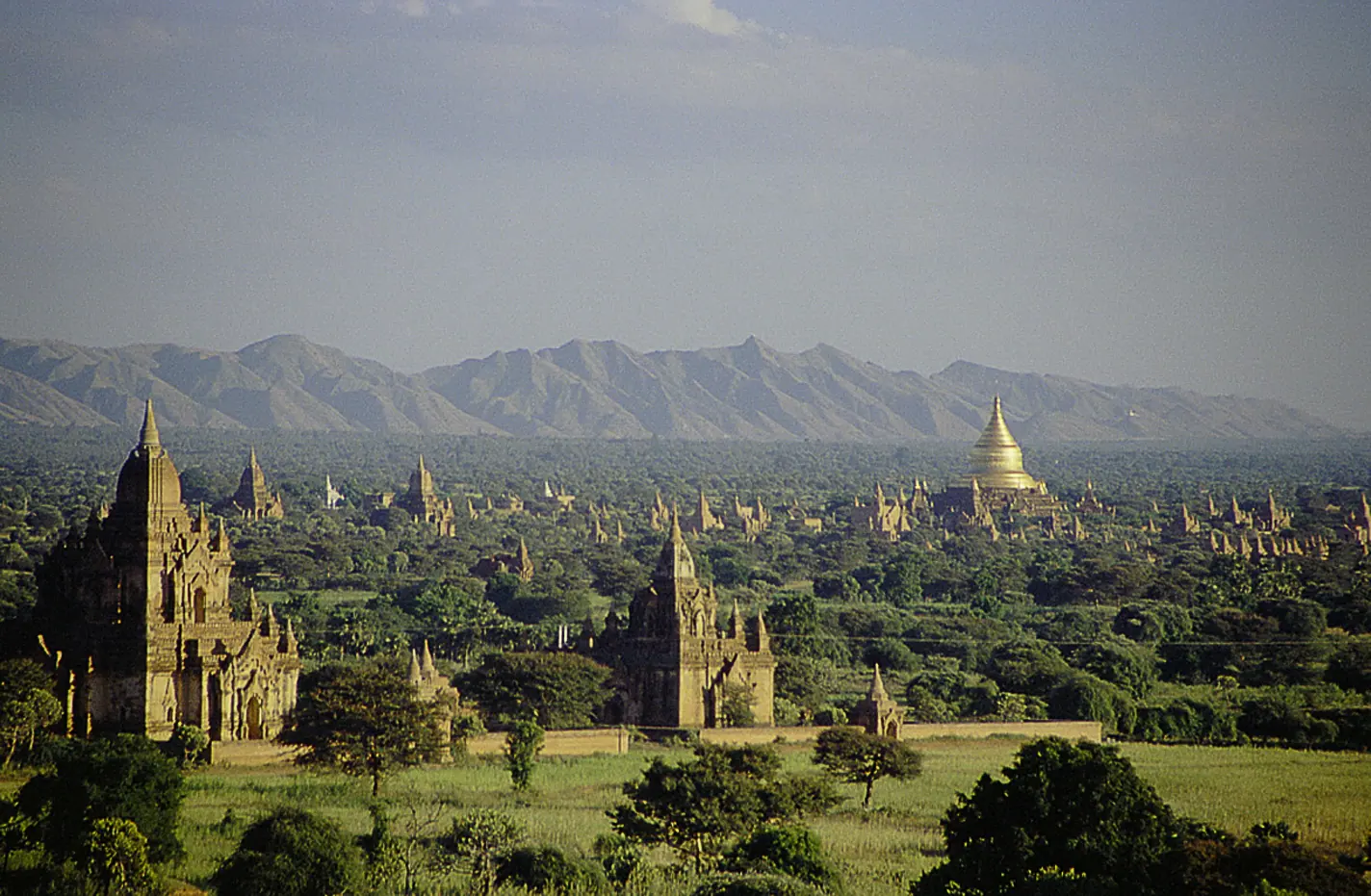
Start in Yangon at Shwedagon Pagoda, a gilded stupa rising nearly 100 metres above the city, best visited at dawn or after dark when the marble platform is cool and candlelit. Allow two to three hours, and pair it with Kandawgyi Lake, the giant reclining Buddha at Chaukhtatgyi, and the riverside lanes of Chinatown at dinner time. Then fly to Bagan, where more than two thousand temples and stupas spread across a dusty plain: Ananda Temple with its four standing Buddhas, the towering Thatbyinnyu, the massive brick Dhammayangyi and the terraces of Shwesandaw. Sunrise hot-air balloons glide over the plain from October to March, and electric scooters or horse carts make the temple-hopping easy.
Mandalay rewards three or four days. Climb the moat-ringed Mandalay Palace, pay respects at Mahamuni Buddha Temple, and visit Kuthodaw Pagoda, whose hundreds of inscribed stone slabs are often called the world's largest book. The teak Shwenandaw Monastery is a masterpiece of carving, and a short boat ride up the Irrawaddy reaches Mingun for its cracked giant pagoda, enormous bronze bell and the wave-like Hsinbyume Pagoda. At Amarapura, U Bein Bridge stretches well over a kilometre across the lake on teak piles — go at sunset and you'll share it with monks, students and fishermen.
For the classic highlights, add Inle Lake with its floating gardens, stilt villages and the Phaung Daw Oo Pagoda, and, if you have time and a taste for adventure, the golden boulder of Kyaiktiyo, balanced improbably on a cliff edge and reached by truck and a steep walk; women are not permitted onto the rock itself, but the platform views at dawn are unforgettable. Bago's Shwemawdaw Pagoda and the huge reclining Shwethalyaung Buddha make an easy stop on the road north, while Hpa-An's Mount Zwegabin and limestone caves, or the remote temples of Mrauk U, suit travellers who want to go further.
Practical Rhythm: Seasons, Etiquette and Getting Around
The best months for a tour are November to February, when the weather is dry and mild, with cool mornings in Shan State and comfortable days in Bagan and Mandalay. March to May turns fiercely hot — Bagan and Mandalay can exceed 40°C — so sightseeing shifts to early mornings and late afternoons. The monsoon runs roughly June to October: the delta and Rakhine coast see heavy rain, while Bagan sits in a dry pocket and Inle turns lush green. December and January are peak season, so book lake-view rooms and balloon flights well ahead. Ten to fourteen days covers Yangon, Bagan, Mandalay and Inle comfortably; seven days gives you a fast highlights run.
Etiquette matters more than any packing list. Remove shoes and socks before stepping onto any pagoda platform, cover shoulders and knees, and never point your feet towards a Buddha image or sit with them raised. Women should not touch monks or hand objects directly to them, and nobody should touch another person's head. Ask before photographing people, especially monks and market vendors, and treat political and historical subjects gently in conversation. Small courtesies — accepting offered tea, greeting with a slight bow rather than a handshake — go a long way.
Getting around is a mix of short flights between Yangon, Bagan, Mandalay and Heho (the gateway to Inle Lake), long but comfortable overnight buses, and slow, atmospheric trains. Boats are part of the experience: long-tail ferries on Inle, the Irrawaddy crossing to Mingun, and the circular railway in Yangon. Carry a good stock of clean kyat banknotes, since cards and mobile payment are unreliable outside the big cities, and keep a supply of small notes for entry fees and tips. Pack a torch, wet wipes for barefoot temple floors, and shoes that slip off easily — you will take them off many times a day.
Frequently asked questions
When is the best time to plan a tour of Myanmar?
November to February offers the driest, most comfortable weather across Yangon, Bagan, Mandalay and Shan State. March to May is very hot (over 40°C in the central dry zone), while June to October brings monsoon rain to the coast and delta, though Bagan stays comparatively dry and Inle Lake becomes beautifully green.
Which dishes should I try first in Myanmar?
Start with mohinga for breakfast — rice noodles in fish broth with banana stem and a fritter — then lahpet thoke, the fermented tea leaf salad served everywhere and offered as a gesture of hospitality. After that, look for Shan khauk swe noodles, nan gyi thoke, chickpea-flour tofu and Rakhine mont di if you reach the coast.
How many days do I need for the main highlights?
Ten to fourteen days lets you cover Yangon, Bagan, Mandalay with Amarapura and Mingun, and Inle Lake at a relaxed pace. A seven-day trip is possible if you fly between Yangon, Bagan and Inle and accept early starts. Add three to five days if you want Ngapali Beach, Kyaiktiyo or Mrauk U.
Is it easy to travel between Bagan, Mandalay and Inle Lake?
Yes, with planning. Short domestic flights connect Yangon, Bagan, Mandalay and Heho airport, which is about 45 minutes by road from Nyaung Shwe on Inle Lake. Overnight buses are cheaper and cover the same routes, and the Yangon–Mandalay railway is slow but scenic. Within Bagan, electric scooters and horse carts are the easiest way to reach the temples.
What etiquette should I follow at Myanmar's pagodas and temples?
Remove shoes and socks before stepping onto any pagoda platform, wear clothing that covers shoulders and knees, and avoid pointing your feet at Buddha images. Women should not touch monks or hand items directly to them, and no one should touch another person's head. At Kyaiktiyo's Golden Rock, women may not step onto the boulder itself, though the surrounding platform is open to everyone.
Sort the rest of your trip
Everything for Myanmar, in one place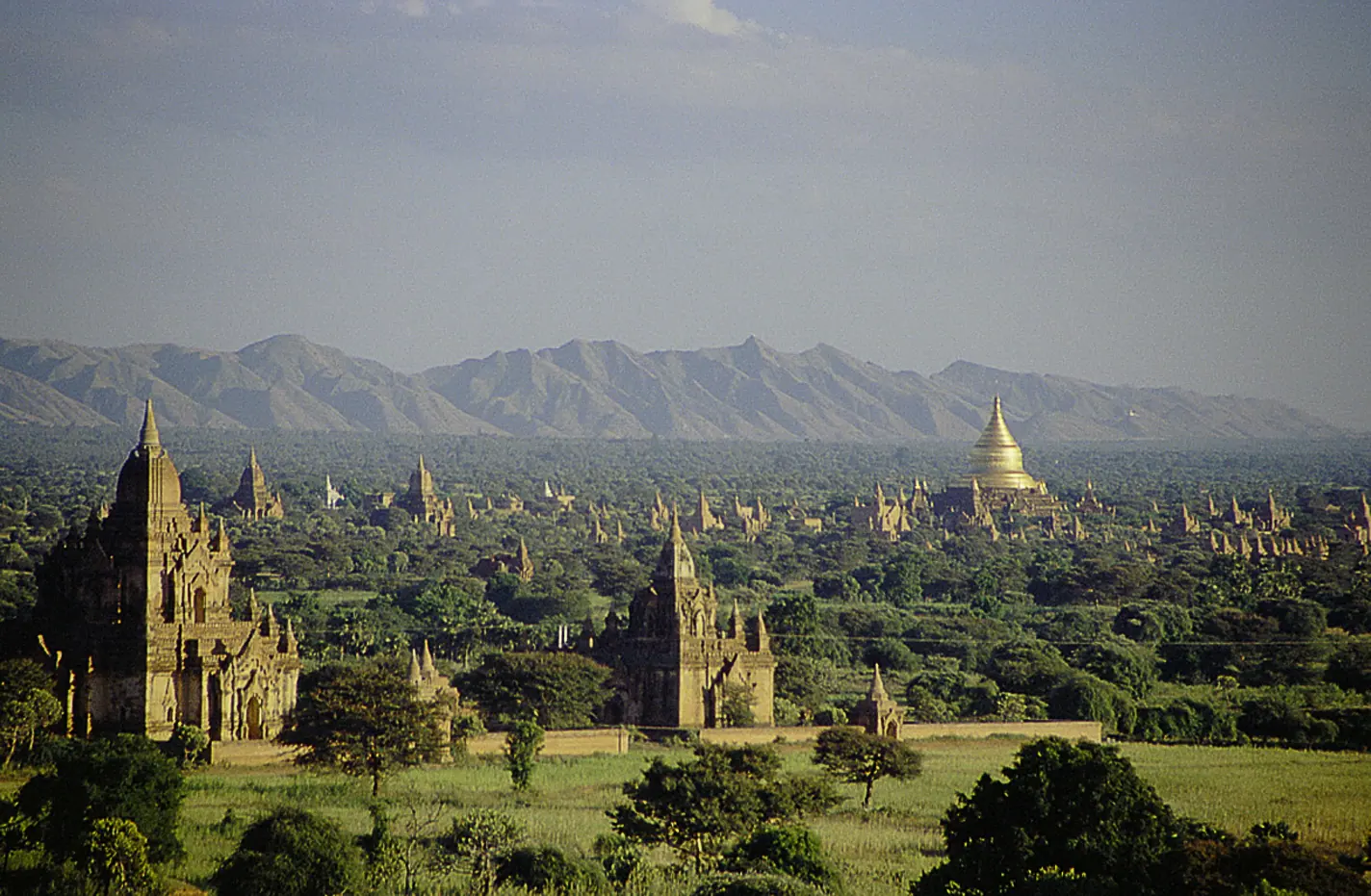
Stay in Myanmar
Hotels, guesthouses and apartments — compared in one search.
Search hotels
Transfer in Myanmar
Private driver waiting on arrival — no queues, no surprises.
Book a transfer
Stay online in Myanmar
Travel eSIM — data the moment you land, no roaming bills.
Get an eSIM