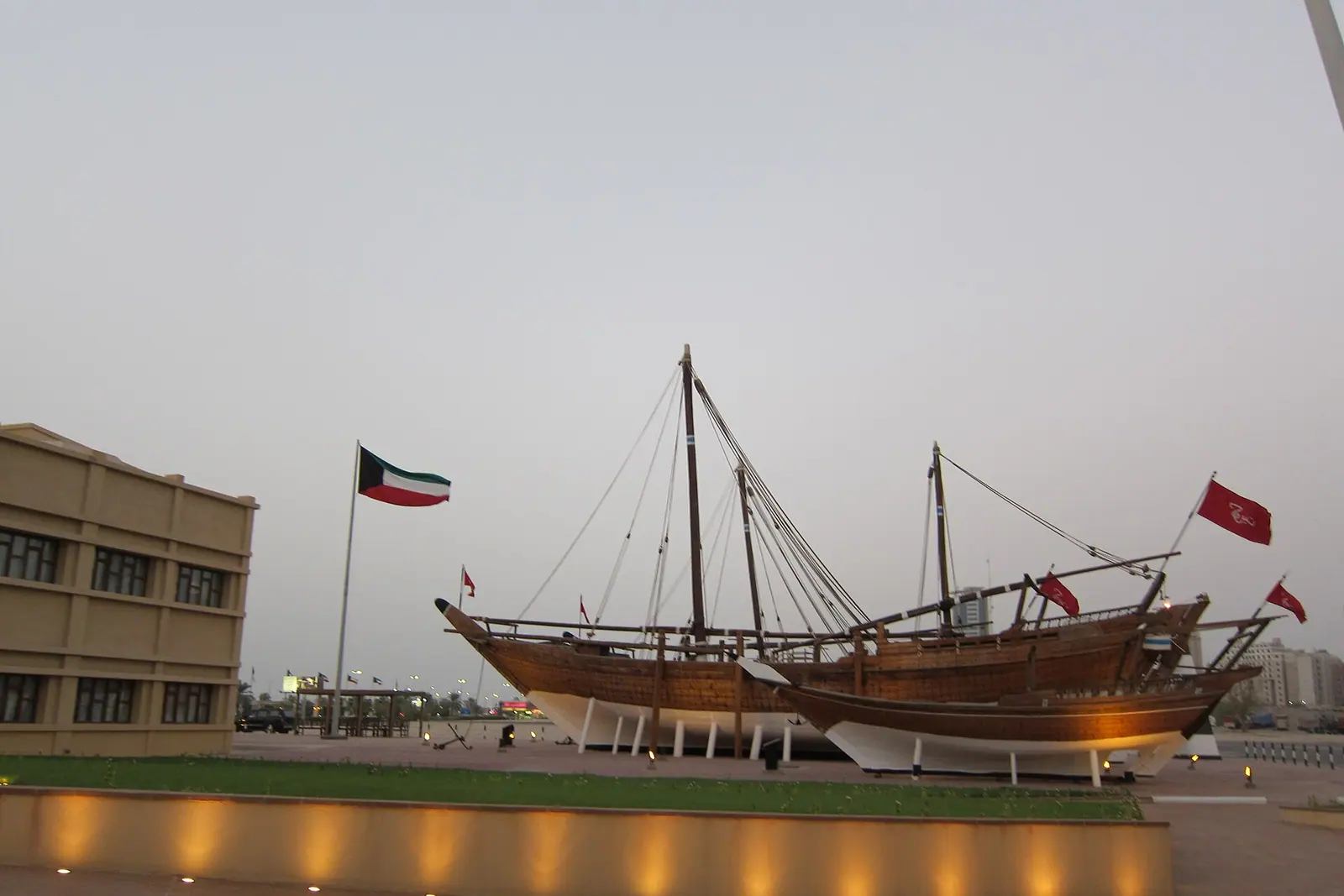
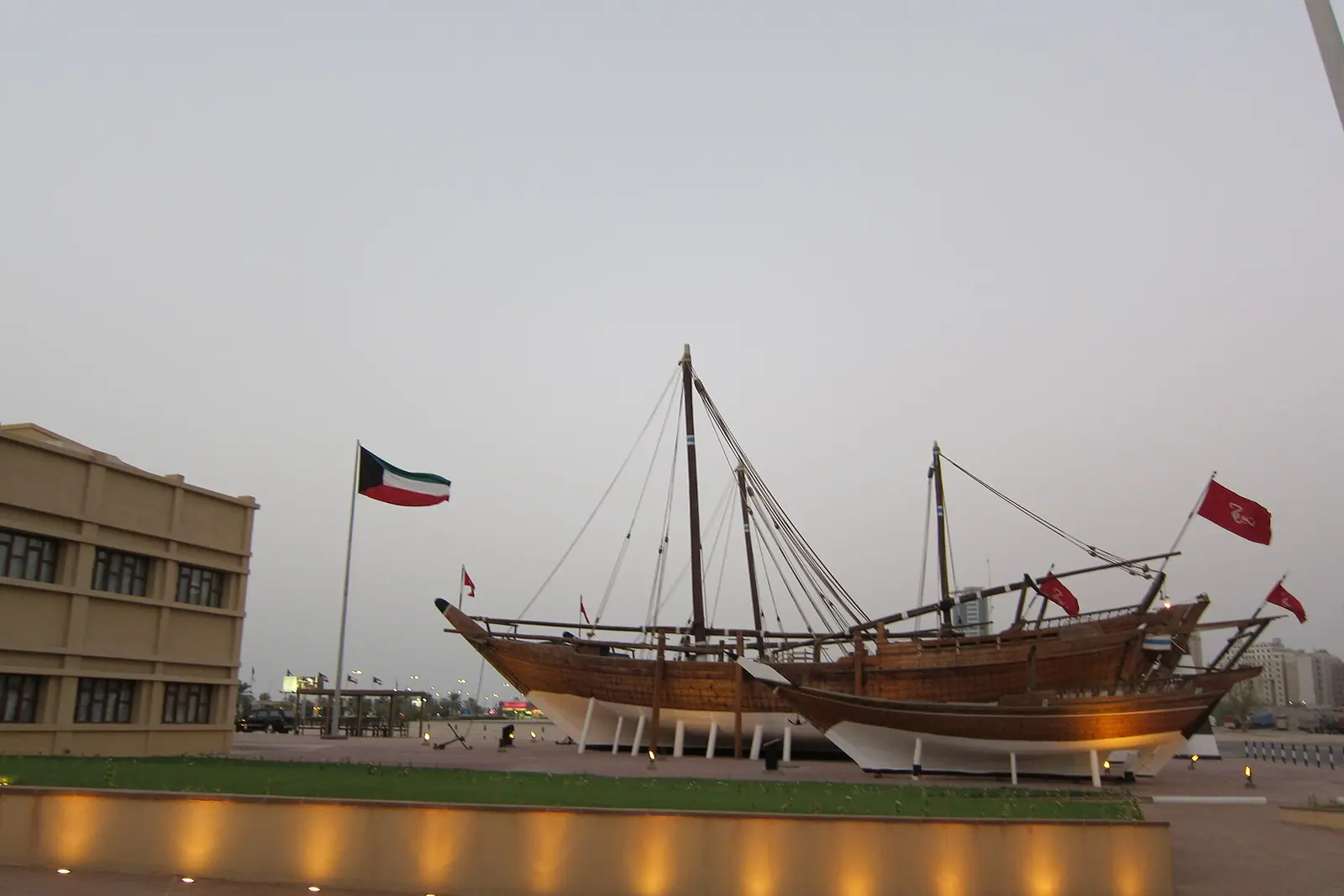
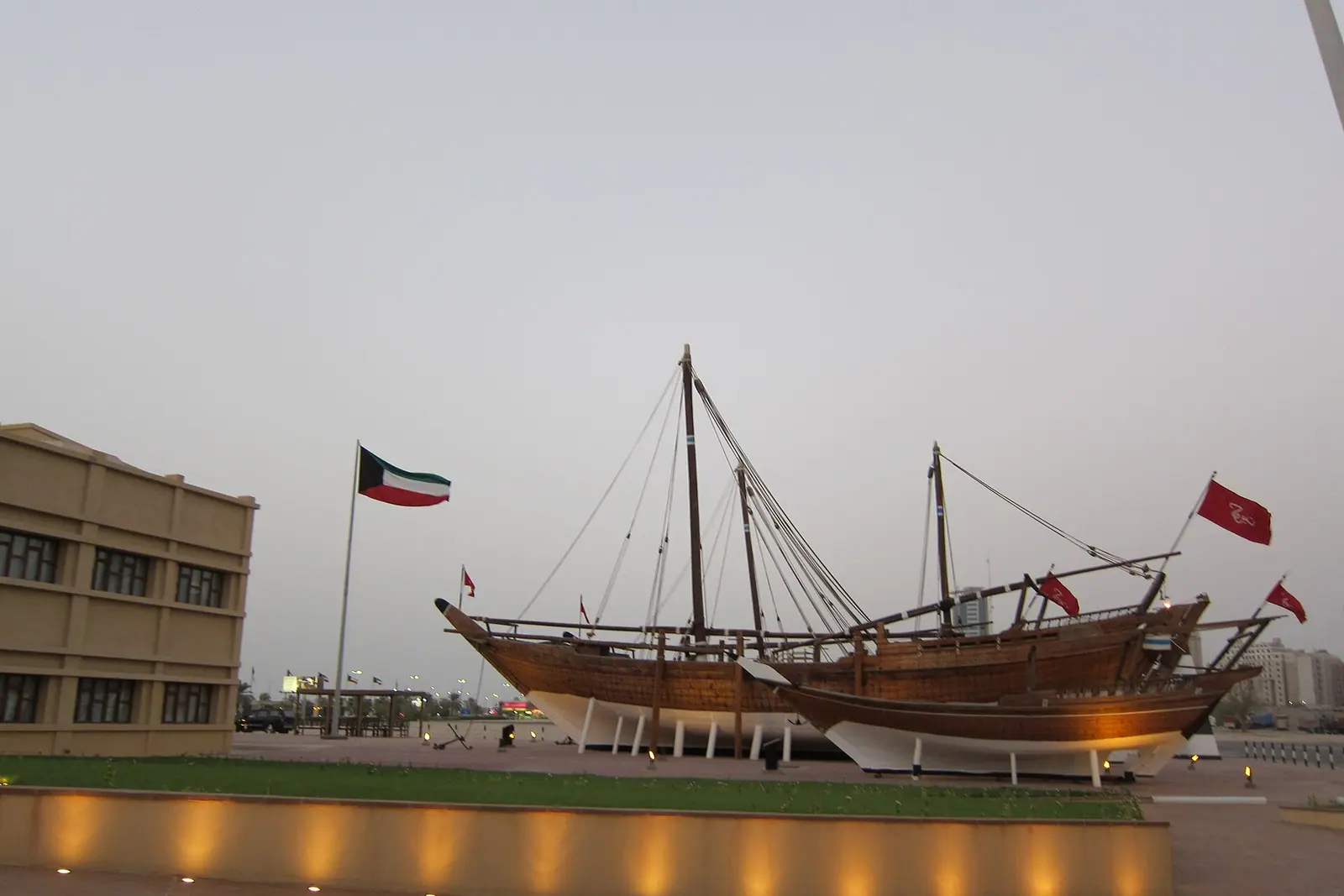
Kuwait is a small country with an outsized skyline — a compact, sun-bleached capital where glass towers rise almost straight out of the desert and the Gulf laps at a corniche lined with dhows, fountains and coffee houses. Where you sleep shapes the trip more here than in most cities: base yourself in Sharq and you can stroll to the souq at dusk, choose Salmiya and you wake to sea air and family-friendly streets, drift out towards the airport and you will spend your days in traffic. This guide walks through the main hotel districts, the landmarks within reach of each, and the seasons and customs worth planning around.
Choosing Your Base: How Kuwait's Districts Differ
Greater Kuwait City is a patchwork of districts that feel surprisingly distinct given how close together they sit. The historic core — Sharq, Mirqab and Qibla — is the business and government heart, where high-rise hotels stand within walking distance of the gold souq, the Grand Mosque and the waterfront. Just south, Bneid Al-Gar and Salmiya shift into a more residential, seaside rhythm: mid-range hotels, apartment-style stays and cafés that fill after sunset. Further out, Hawally and Farwaniya offer the best value and the shortest hop to Kuwait International Airport, while Fahaheel and Mahboula to the south suit anyone visiting the industrial or oil-services corridor.
Distances are short on paper but deceptive in practice. A drive from the airport to Salmiya is typically twenty to thirty minutes outside rush hour, and closer to an hour on a Thursday evening when the whole city seems to be heading for the coast. There is no metro, and pavements are patchy, so most visitors rely on ride-hailing apps or a hired car. If you plan to see Kuwait properly — the towers, the museums, the desert ridge at Mutlaa — staying central or in Salmiya will save you hours over a long weekend.
A quick rule of thumb: first-time visitors who want monuments and museums should look at Sharq and Kuwait City; families and longer stays gravitate to Salmiya and Bneid Al-Gar; short layovers and early flights belong in Farwaniya; and anyone working south of the city will be happiest around Fahaheel, where the waterfront mall and fishing harbour give evenings some shape.
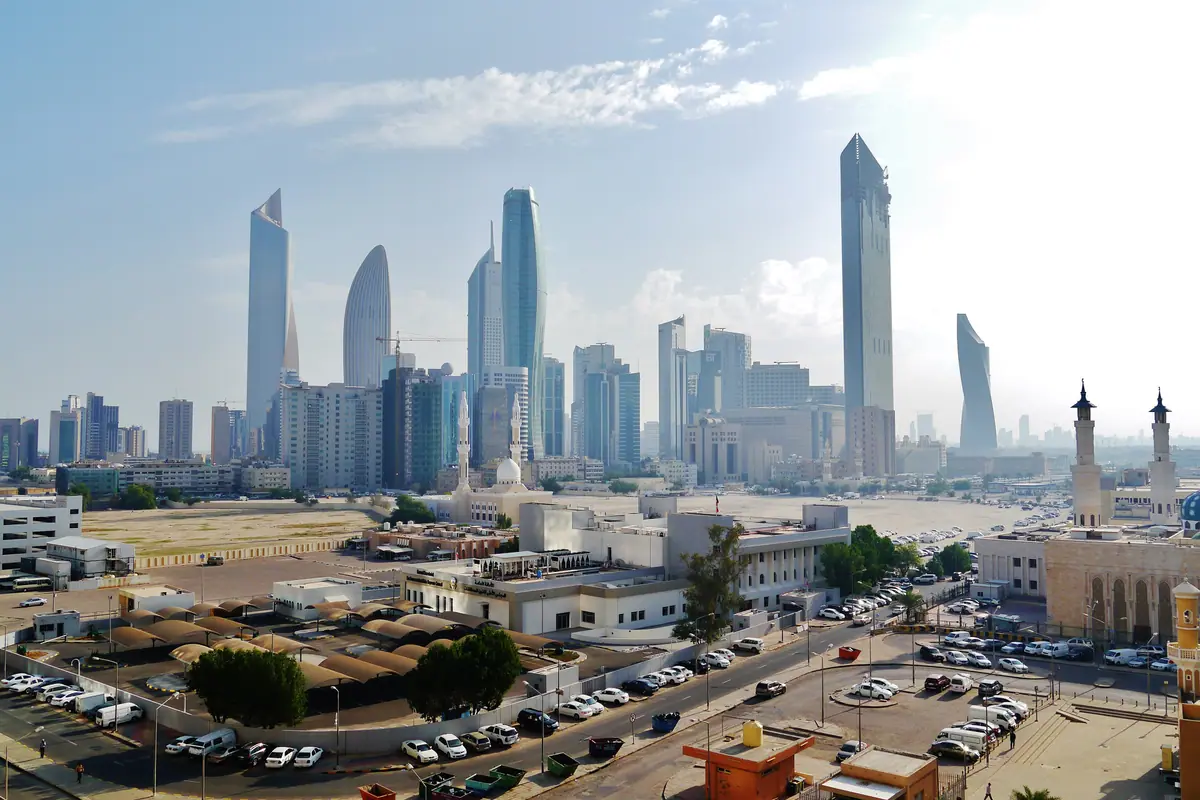
Kuwait City and Sharq: Stay Steps From the Souq
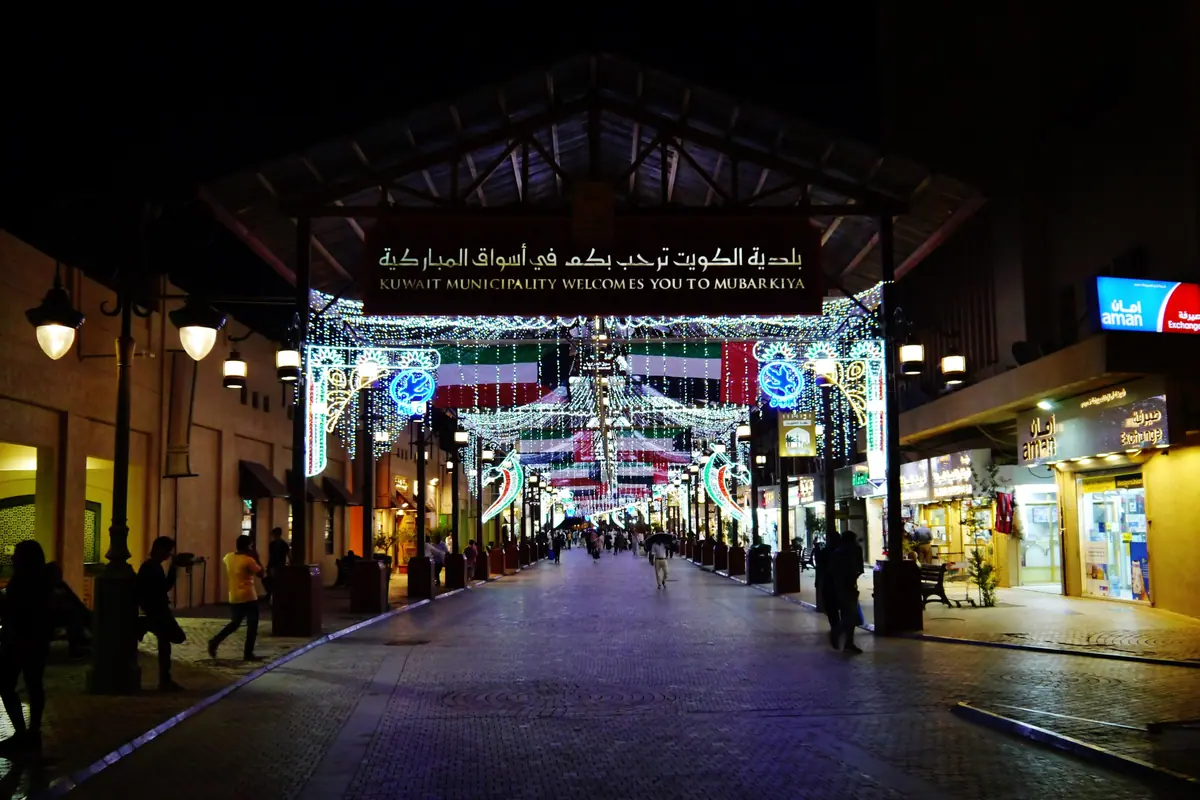
The strongest argument for a downtown hotel is that you can walk out of your lobby into the country's most memorable sights. Souq Al-Mubarakiya, the old market at the city's centre, is a maze of spice sacks, date stalls, gold shops and tiny restaurants that comes alive after about five in the afternoon and stays busy until late. A few minutes away stands the Grand Mosque, the largest in Kuwait, whose vast prayer hall and cool marble courtyards can be visited on guided tours at set morning times — shoulders and knees covered, shoes off, and a headscarf for women.
From there the Gulf Road curves along the water past Seif Palace, the Emir's official residence with its blue-and-gold clock tower, which is admired from the outside rather than entered. The unmistakable landmark, though, is the trio of Kuwait Towers, opened in the late 1970s, their blue-green spheres rising above the corniche. The tallest of the three carries a revolving observation deck and a restaurant with sweeping views over the bay, the dhow harbour and the towers of the financial district; the lower sphere once held the city's water supply, a reminder of how this country built itself out of the desert.
Culture-hunters should add the Kuwait National Museum, whose heritage halls trace pearl diving, boat building and Bedouin life, and, a short drive inland in Jabriya, the Tareq Rajab Museum, a private collection of Islamic ceramics, calligraphy, metalwork and musical instruments that is one of the country's quiet treasures. Downtown hotels are largely large international-style towers with gyms, business floors and rooftop pools; ask for a higher floor facing the water, since the sea view here is the difference between a room and an experience.
Salmiya and the Gulf Road: Sea Breezes and Family Comfort
Salmiya feels like Kuwait's living room. The Gulf Road promenade runs along the water with floodlit fountains, ice-cream kiosks and families picnicking long after dark, and the streets behind it are packed with cafés, dessert shops and mid-range hotels. This is where you find the best stock of apartment-style accommodation — kitchenettes, washing machines, two-bedroom layouts — which makes it the obvious choice for families, groups and anyone staying more than a few nights.
The district is also unusually rich in things to do within a short taxi ride. The Scientific Center on the waterfront combines an aquarium, an IMAX cinema and hands-on discovery halls, and is a reliable escape on a hot afternoon. Green Island, a landscaped artificial island connected to the shore, offers lagoons, lawns and walking paths. Inland, Al Shaheed Park is the city's green showpiece: botanical gardens, museums, a lake and evening light-and-water shows, all framed by the dramatic architecture of the Sheikh Jaber Al-Ahmad Cultural Centre nearby, where concerts and performances run through the cooler months.
Quirkier stops reward the curious. In Qadisiya, the Mirror House — a private home entirely covered inside and out in mosaic by its artist owner — opens to visitors by appointment, and it is unlike anything else in the Gulf. Salmiya hotels tend to be quieter and better value than downtown towers, with outdoor pools that are genuinely usable from October through April and shaded, indoor alternatives in high summer. Ask about family floors and ladies-only pool hours if that matters to your group.
Beyond the City: Fahaheel, Jahra and Island Escapes
Kuwait is small enough that a base in the city still puts the whole country within day-trip range. South of the capital, Fahaheel has grown into a secondary hotel hub with a working fishing harbour and a large waterfront mall complex that includes a traditional-style souq section; it is a practical base if your business lies in the southern oil belt, and a pleasant evening stop even if it isn't. West of the city, Jahra's Red Palace — a nineteenth-century mud-brick fort turned museum — tells the story of the country's toughest battle, while the nearby wetlands draw birdwatchers in winter.
The real reward for renting a car is Mutlaa Ridge, the escarpment that runs across the north-west of the country. For a few weeks after winter rain, usually in February and early March, the slopes turn green and flower-covered in a way that surprises everyone who thinks of Kuwait as pure sand; locals head out for picnics, and the viewpoints over the ridge are the best in the country. Come prepared with water, sun protection and a full tank — facilities are minimal.
Offshore, Failaka Island is the archaeologically richest place in Kuwait, with Bronze Age Dilmun settlements, a Hellenistic fortress and an abandoned village that visitors find strangely haunting. Ferry and boat access has varied from season to season, so confirm locally before building plans around it. In summer, boat trips to tiny Kubbar Island for swimming and diving are a popular escape from the heat.
What Your Stay Buys — and the House Rules to Know
Kuwait's hotel stock splits into four broad tiers. At the top are glassy five-star towers with private beach clubs, spa floors, multiple restaurants and views over the Gulf Road; these are the most expensive rooms in the country and fill fast around holidays. Below them sit solid four-star business hotels, often with excellent gyms and quiet executive floors. Then come serviced apartments in Salmiya, Hawally and Bneid Al-Gar, which offer the best value for families and stays of a week or more. Finally, budget hotels cluster near the airport and in Fahaheel.
One rule matters above all others: Kuwait is a dry country. Alcohol is not sold or served anywhere, including hotel restaurants, minibars and room service, and bringing your own into the country is illegal. Hotel nightlife instead revolves around shisha terraces, juice bars and late dinners. Dress is modest in public spaces — covered shoulders and knees for everyone, swimwear only at pools and beaches — and during Ramadan, eating, drinking and smoking in public during daylight hours is discouraged out of respect, though hotel restaurants serve guests discreetly. Many hotels lay on generous iftar and suhoor buffets that are worth experiencing even if you aren't fasting.
Timing also affects rates more than you might expect. The weekend here runs Friday and Saturday, and Friday mornings are eerily quiet before brunch and evening trade take over. Hotel prices spike around National Day and Liberation Day on 25 and 26 February, when the Gulf Road fills with fireworks and parades, and again during Eid and the Hala February festival. Conversely, July and August bring deep discounts on five-star rooms — the trade-off being that it is simply too hot to be outdoors in the middle of the day.
When to Go: Seasons, Heat and Kuwait's Calendar
The comfortable window runs from late October to early April, and the sweet spot is November through March, when daytime temperatures hover in the high teens to mid-twenties and evenings need a light jacket. This is when you can walk the corniche, climb Mutlaa Ridge, tour Failaka and eat outdoors at Souq Al-Mubarakiya without wilting. December and January bring the occasional sharp rain shower and genuinely cold nights, so pack a layer you wouldn't expect to need in the Gulf.
From May to September, the country turns into a furnace, with daytime highs regularly above 45°C and humidity that makes the coast feel heavier than the desert. Tourists still visit, but the rhythm changes completely: hotels become the destination rather than the base. You sleep late, swim before nine, retreat to air-conditioned malls and the Scientific Center at midday, and emerge again after sunset for the Gulf Road promenade. Spring also carries shamal winds and occasional dust storms that turn the sky orange and can ground plans for a day; check conditions before committing to a desert drive.
If you want atmosphere on top of good weather, aim for February, when the national celebrations, the shopping festival and the green flush on Mutlaa Ridge all coincide — just book your room well in advance, because that is the one month when Kuwait's hotels genuinely sell out.
Frequently asked questions
Is alcohol available in hotels in Kuwait?
No. Kuwait is a dry country and alcohol is not sold, served or permitted anywhere, including hotel bars, minibars and room service. Bringing alcohol in is illegal, and hotel social life instead centres on shisha terraces, juice bars and late-night dining.
Which area of Kuwait is best for a first visit?
Stay in Sharq or the Kuwait City core if you want to walk to Souq Al-Mubarakiya, the Grand Mosque and the Kuwait Towers. Choose Salmiya or Bneid Al-Gar if you are travelling with family and prefer sea views, cafés and apartment-style rooms. Farwaniya suits short layovers near the airport, and Fahaheel works for the southern oil corridor.
When is the best time to visit Kuwait?
November to March offers the most pleasant weather, with mild days and cool evenings, and February adds national celebrations and wildflowers on Mutlaa Ridge. From May to September temperatures regularly exceed 45°C, so sightseeing shifts to early mornings, indoor attractions and after-dark walks along the Gulf Road.
Do I need a car to get around Kuwait?
There is no metro, and pavements are patchy, so most visitors rely on ride-hailing apps, taxis or a hired car. A rental car makes sense if you want day trips to Jahra's Red Palace, the Mutlaa Ridge viewpoints or Failaka Island, but it is not necessary for a city-focused stay.
How is a hotel stay different during Ramadan?
Ramadan shifts the daily rhythm: many restaurants close or change hours, eating and drinking in public during daylight is discouraged, and hotel iftar and suhoor buffets become the main social event. Hotel rates often dip outside Eid, and late-night traffic around malls and cafés is heavier than usual.
Sort the rest of your trip
Everything for Kuwait, in one place
Transfer in Kuwait
Private driver waiting on arrival — no queues, no surprises.
Book a transfer
Things to do in Kuwait
Skip-the-line tickets, guided tours and standout experiences.
See experiences
Stay online in Kuwait
Travel eSIM — data the moment you land, no roaming bills.
Get an eSIM