Kuwait is a country of extremes, and nowhere is that truer than in its hotel calendar: the same Gulf Road suite that costs a premium in February can be half the story in August, when the city empties and the mercury climbs past 45°C. Get the season right and you get cool desert mornings, ferry trips to island ruins and evenings at the Kuwait Towers; get it wrong and you get a very comfortable room in a very empty, very hot city.
The Short Answer: Mid-November to Late March Is Kuwait's Hotel Season
Kuwait's climate divides the year into two useful halves. From roughly mid-November through late March the country is genuinely pleasant: daytime temperatures in December and January hover between 18°C and 22°C, nights fall to around 8–12°C, and the Gulf Road from Kuwait City through Salmiya becomes a place you actually want to walk. November still holds warmth in the sea, which matters if you plan to use a hotel beach, while February and early March offer the year's most reliable combination of sunshine, green desert and long, clear evenings.
That comfort comes at a price. Kuwait is fundamentally a business destination: government and oil-sector travel fills city hotels from Sunday to Thursday, and the local weekend — Friday and Saturday — becomes the leisure peak. Layer on the February holidays and the mid-winter festival season and the best rooms in Sharq, Salmiya and Bneid Al-Gar can sell out four to eight weeks ahead. If your dates are fixed around late February, book two to three months out or accept a less central address.
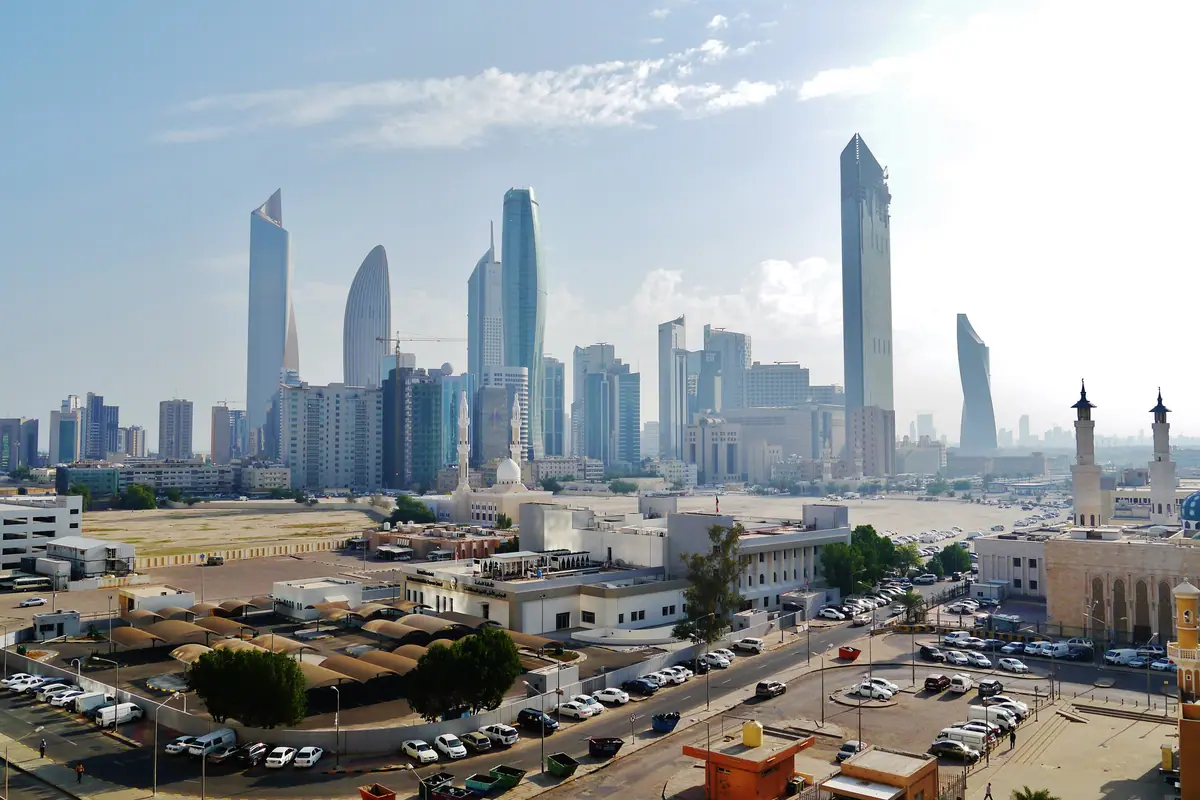
Visitors chasing the classic Kuwait photograph — the three blue spheres of the Kuwait Towers leaning over the bay — should aim for winter specifically. Humidity drops, the light is sharp, and sunset arrives shortly before 5pm in December, so you can climb to the viewing sphere in the late afternoon and be back on the corniche for the blue hour without losing the day.
Summer in Kuwait: When Hotel Rates Fall and the City Moves Indoors
June, July and August are brutal. Daytime highs of 44–48°C are normal, coastal humidity can be suffocating, and the shamal wind occasionally drags a haze of fine dust — locally called toz — across the sky, turning the sun into a pale disc. Outdoor sightseeing shrinks to a narrow window before 9am and after sunset. The compensation is value: this is the cheapest stretch of the hotel year, when even five-star properties chase staycation business with packages built around indoor pools, family entertainment and long Friday brunches.
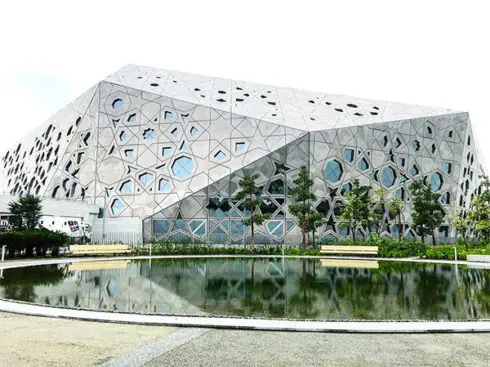
Summer is the season to design a stay around interiors. The Sheikh Jaber Al-Ahmad Cultural Centre, with its geometric Islamic screens and waterfront setting next to Al-Shaheed Park, hosts concerts and exhibitions in fully cooled halls. The Kuwait Scientific Center on the Gulf Road runs an aquarium and a large-screen cinema, the Tareq Rajab Museum in Jabriya packs Islamic calligraphy, gold jewellery and musical instruments into a cool villa, and the Mirror House in Qadsiya is an eccentric, wholly indoor mosaic marvel. The vast malls of Al-Rai and Shuwaikh become de facto public squares.
Adapt to local rhythm rather than fighting it. Sleep late, move by air-conditioned taxi between single destinations instead of trying to walk a route, and save your exploring for after 8pm — the corniche promenade in Salmiya, the waterfront by Souq Sharq and the alleys of Souq Al-Mubarakiya all come alive then, when the heat finally breaks and families emerge.
Winter: Desert Ridges, Island Ferries and Kuwait's Landmark Sights
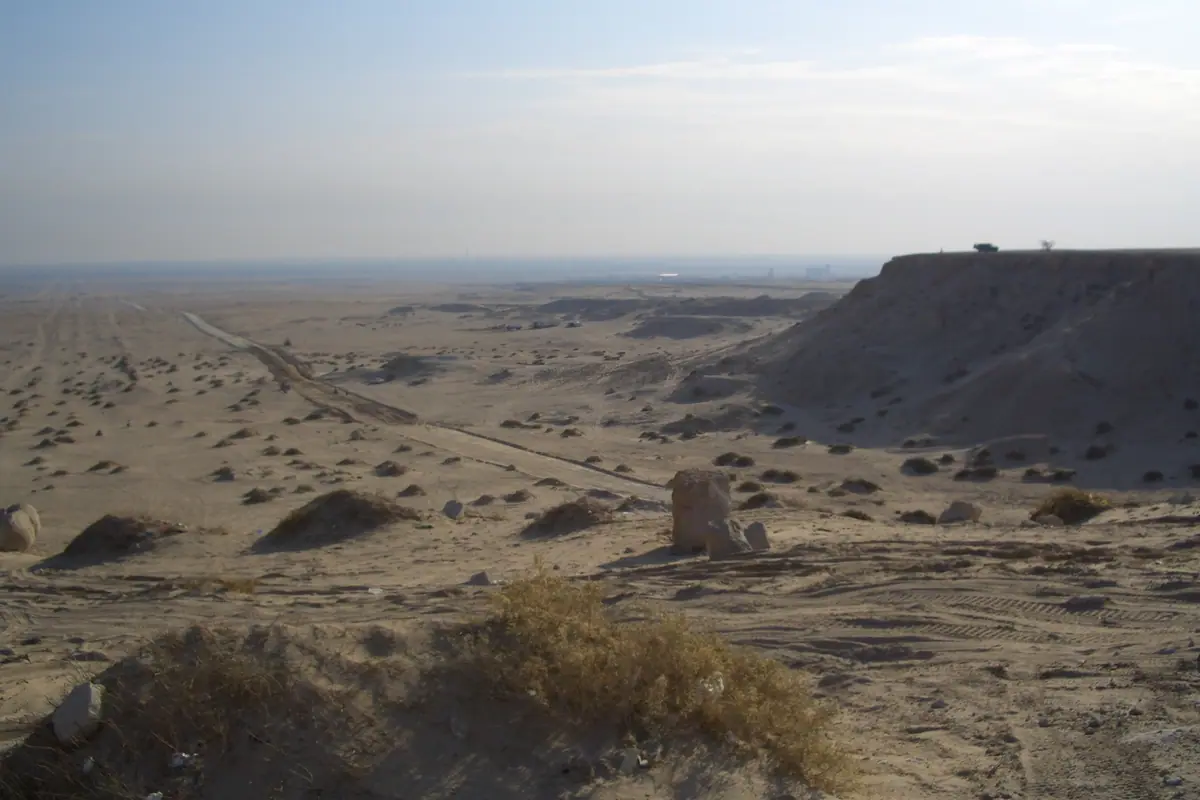
December to February is when Kuwait's outdoor attractions are at their best. Al-Mutlaa Ridge, the country's highest point, gives a sweeping view across Kuwait Bay and is a favourite winter walk, especially in a year when rain has left the slopes green. Camel racing runs through the cooler months at the track south of the city, and traditional desert camps bloom across the northern desert, offering a taste of Bedouin hospitality under clear, cold night skies.
It is also ferry season. Trips to Failaka Island generally run from autumn through spring, when the crossing is calm, landing visitors among Dilmun-era and Greek archaeological remains and the haunting abandoned village that has stood empty since 1990. On the mainland, the Red Palace in Jahra recalls the country's pre-oil defensive past, while Ahmadi — the garden suburb built for early oil workers — offers leafy 1930s streets that feel like another country entirely.
Winter does bring rain: most of Kuwait's annual precipitation falls between November and March, sometimes as short, violent thunderstorms that can flood roads for a few hours. Pack a light waterproof layer, expect a handful of disrupted days, and don't assume hotel rooftop pools will be warm — check whether they are heated before you book on the strength of a pool photo.
Spring and Autumn: Wildflowers, Shoulder-Season Rates and the Best Walking Weather
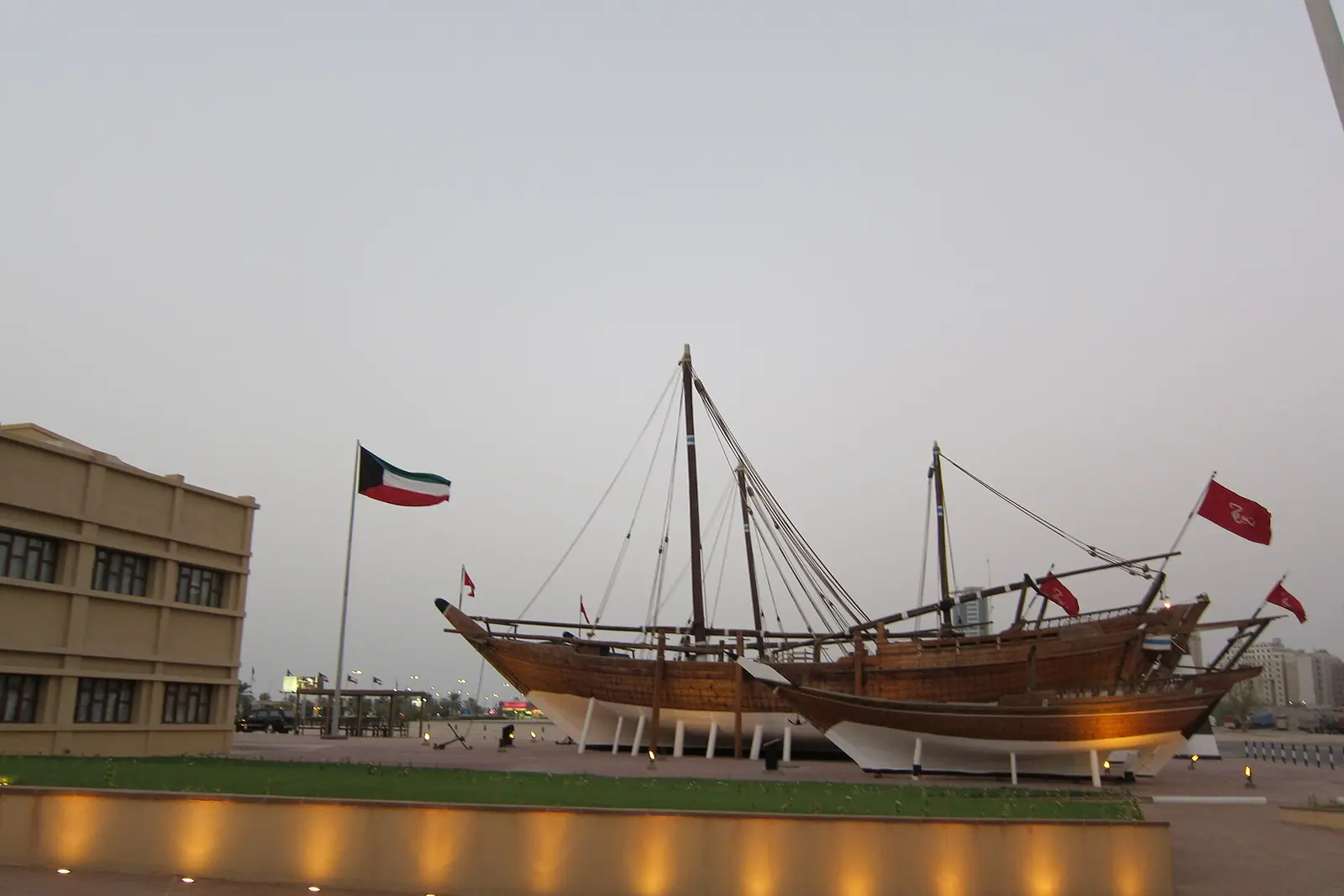
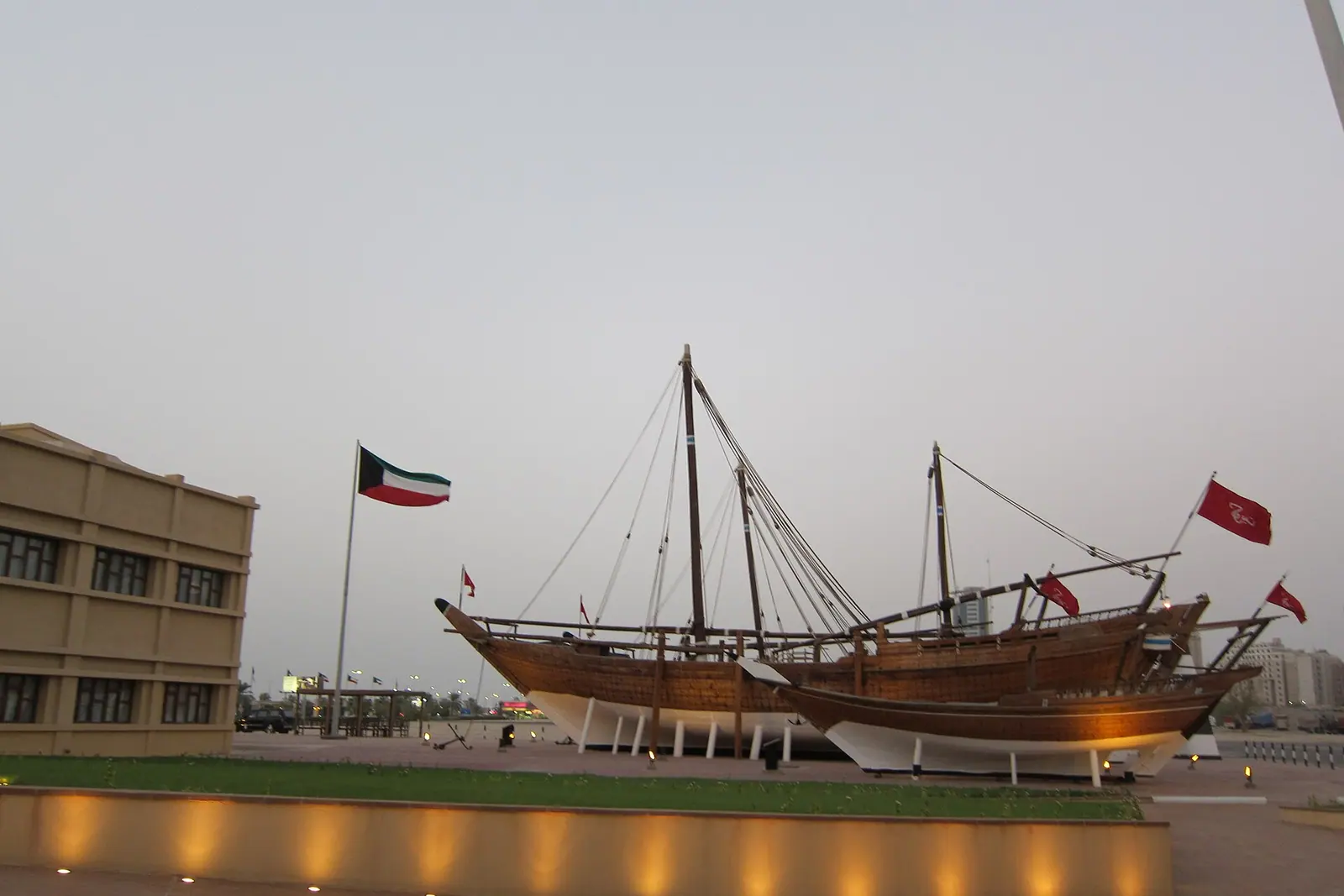
March and April are Kuwait's quiet triumph. If winter brought rain, the desert north of the city erupts in green with desert truffles, and daytime temperatures settle around 25–30°C — warm enough for the beach, cool enough to spend a whole day outside. This is the moment for Al-Shaheed Park, the landscaped heart of the city, for the Green Island causeway, and for unhurried mornings wandering the Grand Mosque, whose guided visits explain the country's largest prayer hall, and Sadu House, where Bedouin weaving traditions are kept alive beside the National Museum and its moored dhow.
October and November form the second shoulder window. The sea is still warm from summer, which makes the beach resorts of Messila, Ras Al-Salmiya and Al-Khiran especially appealing, and the mangroves and lagoons down south offer kayaking and birdwatching without the crowds of mid-winter. Hotel rates during both shoulders typically ease below the February high, and you get near-ideal conditions without paying peak prices.
The one wildcard is dust. Sandstorms can arrive in any month but are most common in spring, when a fine orange haze can close visibility and send everyone indoors. Build a flexible day into your itinerary — an indoor museum, a mall, a spa afternoon — and treat the clear days as a bonus rather than a guarantee.
Events That Move Hotel Prices: National Day, Hala February and Ramadan
Kuwait's two national holidays, National Day on 25 February and Liberation Day on 26 February, are the single biggest driver of hotel demand all year. The Gulf Road fills with fireworks, flag-bedecked cars and spirited water fights, and hotels along the waterfront impose minimum stays and raise rates accordingly. If you want to be in the middle of the celebration, book two to three months ahead; if you want quiet, choose a property away from the corniche and expect traffic chaos near it anyway.
February as a whole is festival month, with a citywide programme of shopping promotions, concerts and nightly entertainment that makes it the most expensive and most atmospheric time to be in Kuwait City. Ramadan cuts the other way: hotel rates soften noticeably and business travel falls away, but daytime eating and drinking in public becomes culturally sensitive, many restaurants change hours, and attractions shorten their schedules. In exchange you get elaborate iftar tents, late-night cafés and a genuinely different rhythm of city life — the Islamic calendar moves Ramadan about eleven days earlier each year, so check where it falls before you book.
Beyond those dates, expect bumps around Eid holidays, New Year's Eve and school breaks. Remember that the Kuwaiti weekend runs Friday to Saturday, so Thursday, Friday and Saturday nights are the priciest in leisure hotels, while Sunday to Thursday is business-driven. Friday morning is the quietest time of the week for sightseeing — many places open late — but it is also when hotel brunches are booked solid.
Where to Base Yourself in Kuwait, Season by Season
For a first visit, Sharq and central Kuwait City put the Kuwait Towers, the Grand Mosque, the National Museum and the Souq Al-Mubarakiya within a short drive, and the old market's evening food stalls are the most rewarding introduction to local cooking. Salmiya and Bneid Al-Gar trade that proximity for a more liveable feel: a long waterfront, cafés that stay open late, and easy access to both the cultural centre and Al-Shaheed Park. Farwaniya suits short layovers near the airport, Fahaheel serves the southern coast around Al Kout, and Al-Khiran is the pick for a spring or autumn beach break.
A few practical rules shape the choice. Alcohol is prohibited throughout Kuwait, so no hotel operates a bar — evening socialising happens over mocktails, coffee and food. Hotel pools and private beaches are the places where swimwear is appropriate; elsewhere, dressing modestly, particularly around mosques and markets, is both respectful and more comfortable.
Finally, match your request to the season. In winter, ask for a sea-facing room towards the Kuwait Towers and use the hotel as a base for desert and island days. In summer, prioritise indoor facilities, a covered pool and a location walkable to a mall or the cultural centre. In Ramadan, ask about iftar and suhoor arrangements before booking. Get that alignment right and Kuwait rewards you with far more than a good room.
Frequently asked questions
What is the best month to visit Kuwait?
Late November, December, January and early March offer the most comfortable conditions, with daytime temperatures between 18°C and 25°C. February is the liveliest but also the most expensive and busiest month because of the national holidays.
Are hotels cheaper in Kuwait in summer?
Generally yes. July and August are the cheapest months because daytime highs reach 44–48°C and residents travel abroad. You get lower rates and empty restaurants, but sightseeing must be squeezed into early mornings and evenings.
Is Ramadan a good time to stay in a Kuwait hotel?
It can be. Rates usually fall and you experience elaborate iftar buffets, but daytime eating and drinking in public is discouraged, some restaurants and attractions operate shorter hours, and business demand drops away. Ramadan moves about eleven days earlier each year, so check the dates.
Do hotels in Kuwait serve alcohol?
No. Alcohol is illegal in Kuwait, so hotels do not have bars or wine lists. Evening entertainment revolves around food, coffee, shisha terraces and mocktails, and many properties are known for their Friday brunch.
How far ahead should I book a hotel for National Day?
Aim for two to three months. National Day on 25 February and Liberation Day on 26 February draw huge crowds to the Gulf Road for fireworks, and waterfront hotels introduce minimum-stay rules and raise rates well before the week itself.
Sort the rest of your trip
Everything for Kuwait, in one place
Transfer in Kuwait
Private driver waiting on arrival — no queues, no surprises.
Book a transfer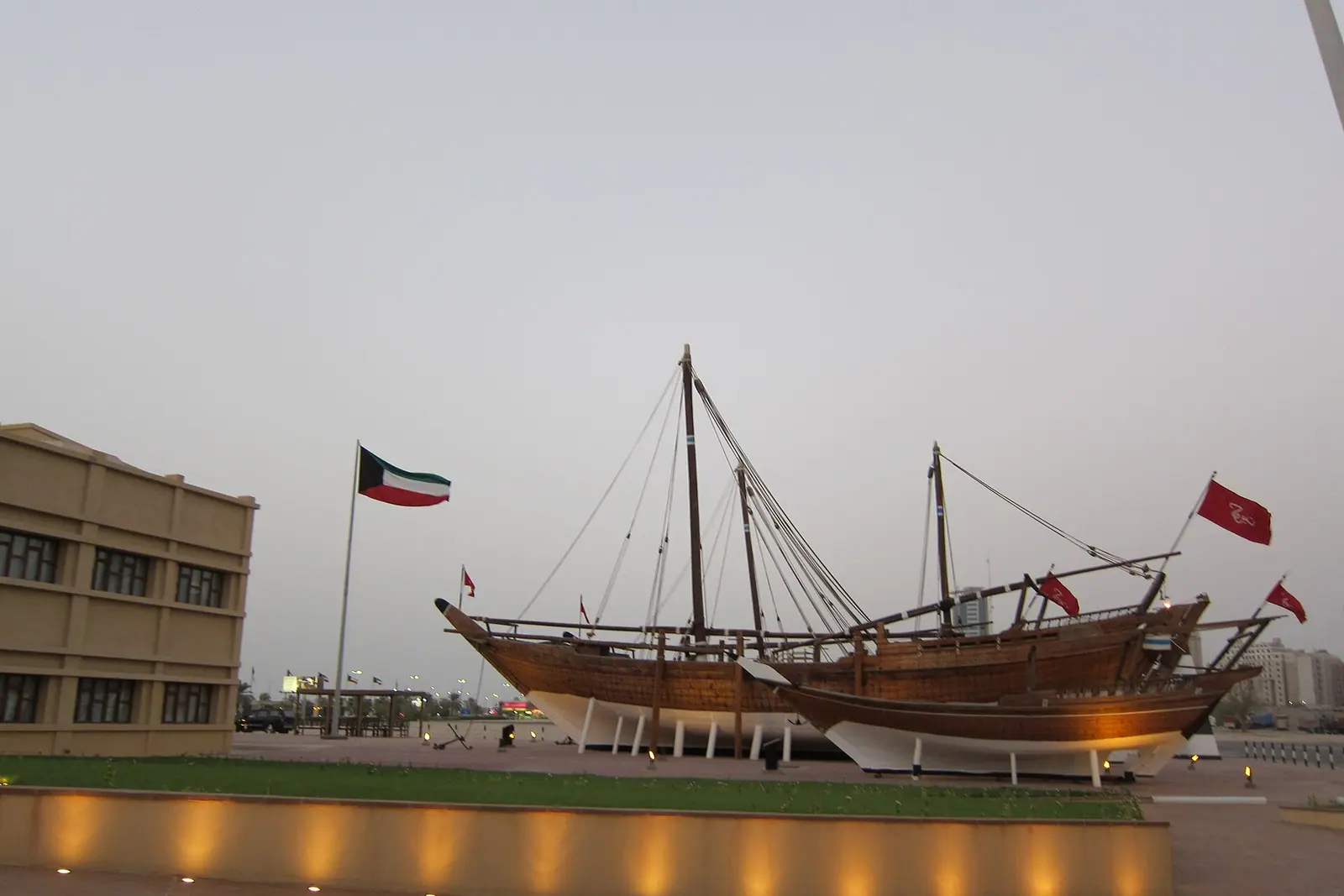
Things to do in Kuwait
Skip-the-line tickets, guided tours and standout experiences.
See experiences
Stay online in Kuwait
Travel eSIM — data the moment you land, no roaming bills.
Get an eSIM