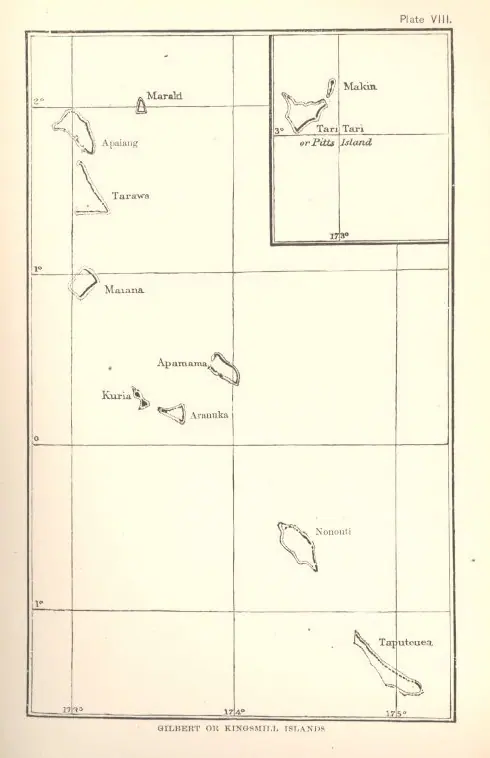
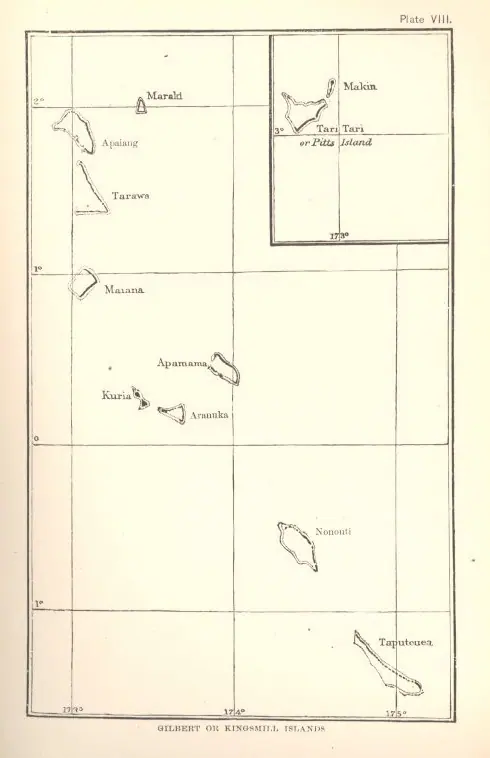
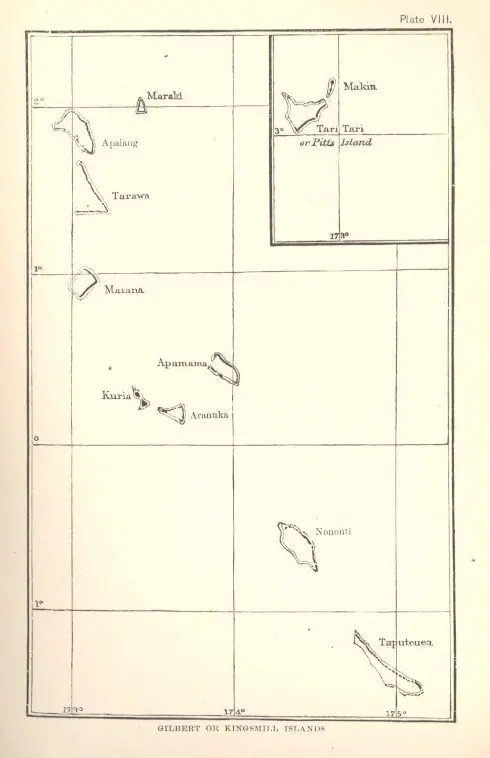
Kiribati is 33 atolls scattered across an ocean the size of a continent, and almost nothing ties them together except small aircraft on thin weekly schedules. A week here is genuinely a week of flights — padded with buffer days, weather delays and office-counter ticket queues — but it buys you World War II gun emplacements at Betio, bottle-green lagoons at Abaiang and the largest coral atoll on Earth at Kiritimati.
How Flights Work Across Kiribati's Three Island Groups
Kiribati stretches across roughly 3.5 million square kilometres of Pacific, split into the Gilbert Islands around Tarawa, the Line Islands far to the east, and the Phoenix Islands in between. The international gateway is Bonriki International Airport on South Tarawa, the only runway with regular overseas service; most arrivals come via Fiji, with a smaller number connecting through Honolulu. From Tarawa the national carrier fans out across the Gilberts, while Kiritimati in the Line Islands sits some 3,300 kilometres east and is normally reached by a long international routing rather than a single domestic hop.
Schedules are thin and worth planning around. Outer-island services typically run once or twice a week, and one aircraft may touch four or five atolls on a single rotation, so a 40-minute flight can take a whole afternoon. Tickets are often bought in person at the carrier's office in Bairiki rather than online, seats are unallocated, and checked baggage is weighed and capped at around 15 kilograms on the small twin-engine aircraft — pack soft bags and expect to pay by the kilo for excess.
Then there is the date line, which catches first-timers out. Tarawa keeps UTC+12, while Kiritimati runs UTC+14, the first inhabited place on the planet to greet each new day. You can leave Tarawa on a Tuesday and land in the Line Islands on a Monday. Write your whole week out in local dates before you book anything, and always leave a spare day before an international departure.
Days 1–2: South Tarawa and the World War II Causeway Chain
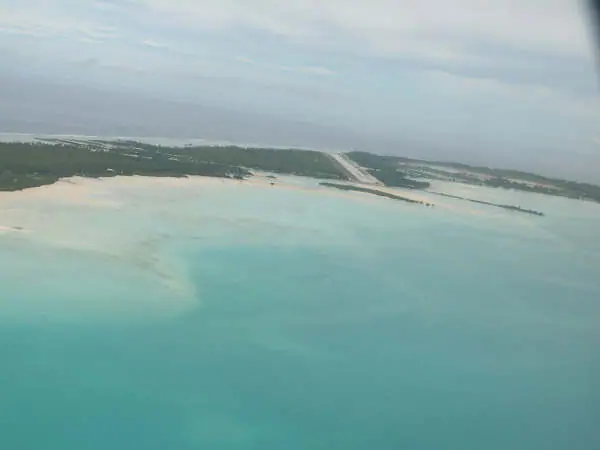
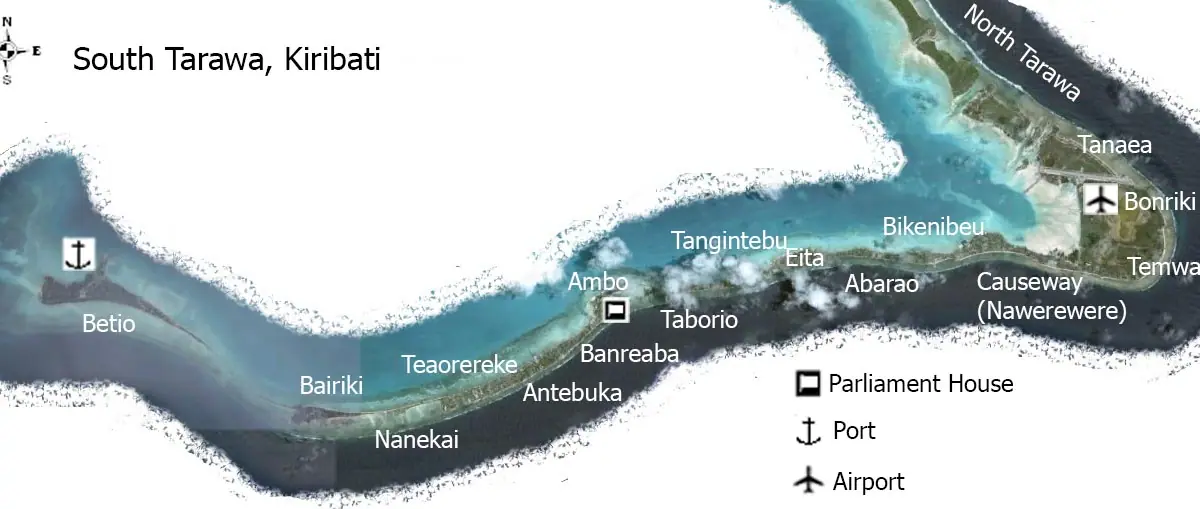
South Tarawa is a single ribbon of islets stitched together by causeways built during the Second World War, and that causeway spine is effectively the country's only highway. Start at Betio, the western tip and the site of the Battle of Tarawa in November 1943, one of the costliest amphibious assaults of the Pacific campaign. The Japanese coastal defence guns still point out to sea above Red Beach, with bunkers, blockhouses and a memorial cemetery scattered between the houses, and local guides can walk you through the whole shoreline in two or three hours.
Working east, Bairiki holds the seat of government and the State House, while the national assembly, the Maneaba ni Maungatapu, sits in Ambo in a striking modern maneaba built for the purpose. Further along at Bikenibeu, Te Umanibong, the national cultural centre and museum, is the single best introduction to the country: model maneaba meeting houses, outrigger canoe hulls, pandanus weaving, Second World War relics and displays on the phosphate workings that reshaped Banaba. Allow a couple of hours there, and go early in the day before the heat builds.
Practically, the whole chain from Betio to Bonriki is only about 30 kilometres long, so a hired car, a minibus or a series of shared taxis will cover it comfortably in two days. Eat what the lagoon provides — te ika (fish) grilled with coconut, te bwiro (preserved breadfruit) and coconut crab when it is in season. Lagoon-side sunsets over the reef are the free nightly entertainment, and Sunday is observed seriously: most shops and many businesses close, so plan your shopping on Saturday.
Day 3: North Tarawa, Maneaba Etiquette and Village Life
North Tarawa begins where the causeway ends. Cross the channel near Tanaea to Buota by small boat — a short, cheap hop that feels like stepping back a century — and you leave cars, concrete and crowds behind. Villages such as Abatao and Tabonuea are linked by sandy paths and foot bridges, and the traditional te mwaneaba meeting houses, with their high thatched roofs and low entrances, are the heart of community life. This is the best day of the week for slow travel: walk, swim in the lagoon, and take a village guesthouse for the night.
Etiquette matters here. The Kiribati way, te katei ni Kiribati, is generous and unhurried, but it comes with rules: remove your shoes before entering a maneaba, never stand inside one, dress modestly away from the beach, and ask before photographing people or their homes. Accept a cup of te karewe, the fresh palm toddy tapped each morning and drunk young, even if you only sip it — it is a gesture of welcome, not a drink order.
If your next flight leaves early, work your way back to Bonriki for the evening departure and stay somewhere close to the airport. Otherwise, sleep in the village and return on the morning boat. Either way, allow the day to run long: North Tarawa is the part of the country most travellers skip, and it is often the part they remember.
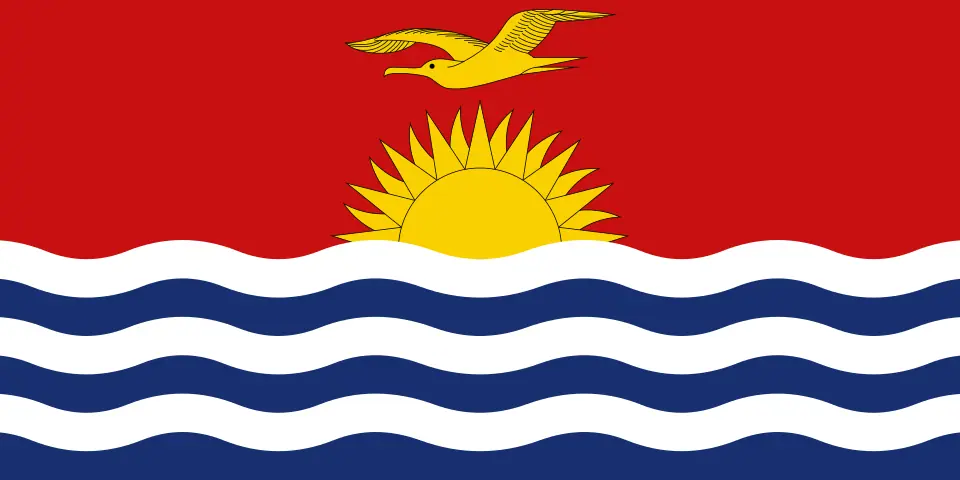
Days 4–5: Kiritimati, the Largest Coral Atoll on Earth
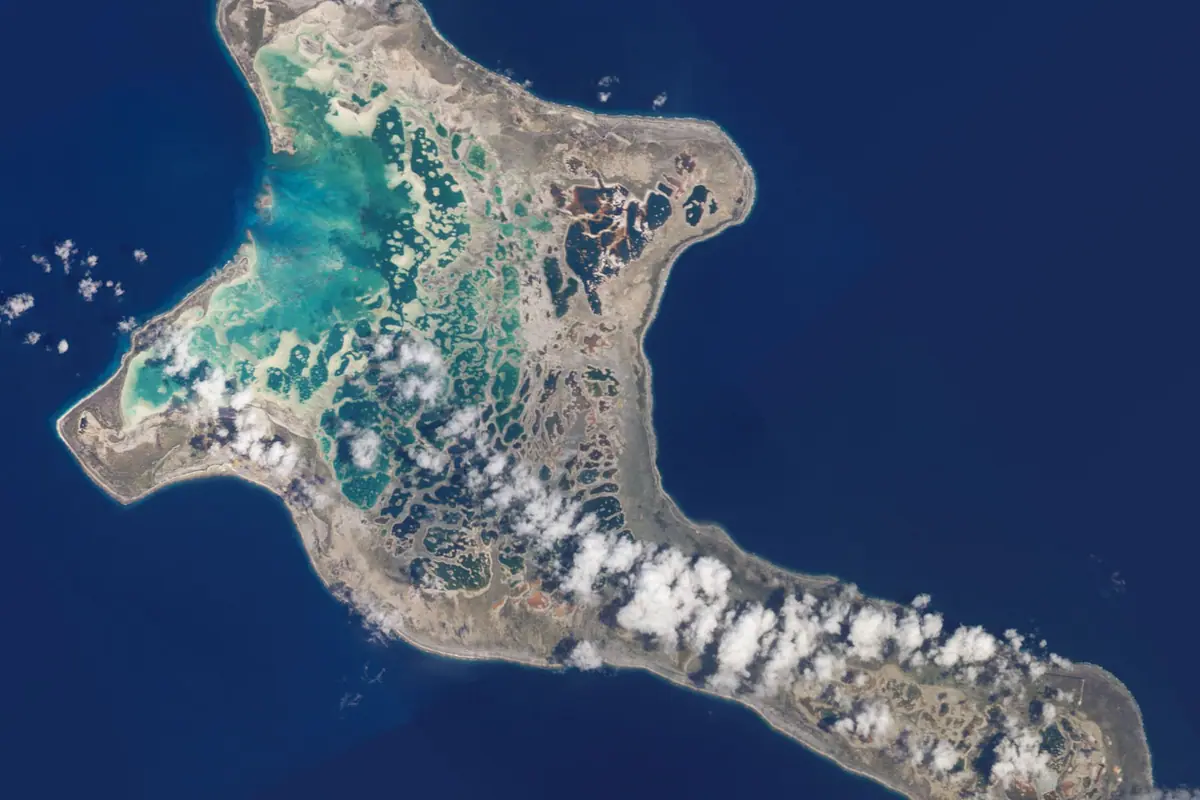
The flight to Kiritimati — Christmas Island to older maps — is the big set piece of the week and rarely a straightforward one. Most routes run through Fiji or Honolulu, with a serious time-zone jump at the end. What you land on is the largest coral atoll in the world by land area, roughly 388 square kilometres of coral flats, salt pans and coconut groves wrapped around a lagoon so vast that the far shore is a smudge.
The villages carry names that raise eyebrows: London, Banana, Poland and Paris, strung along the one main road. Captain Cook's landing site is marked at Cook Island on the lagoon's edge, where the explorer came ashore on Christmas Eve 1777; the Bay of Wrecks on the north-east coast lives up to its name, and Motu Tabu is a protected islet where sooty terns, frigatebirds and boobies nest in astonishing numbers. Birders come for the endemic Christmas Island warbler, and anglers come for the flats, where bonefish and giant trevally patrol water so clear it looks ankle-deep.
Two days is tight but workable. Expect few roads, minimal infrastructure, no large resorts and very few places that take cards — bring cash and more water than you think you need. Local boats and guides are essential for the flats and the outer islets, and the heat is relentless from mid-morning. Note too that the island's mid-twentieth-century history includes weapons testing, and older residents still talk about it; treat the subject with respect if it comes up.
Day 6: Outer Gilberts and the Phoenix Islands
With a single domestic rotation, choose one outer Gilbert island rather than three. Abaiang, a short hop north of Tarawa, is the classic choice: a huge, luminous lagoon, the site of the first Christian mission in the group in 1857, and villages where a visitor is still a novelty. Marakei is stranger and more beautiful still, an atoll whose two lagoons are separated by a thread of land — locals say the lagoon is the land. Butaritari, further north and wetter, has dense jungle, Japanese wartime wrecks and the memory of Robert Louis Stevenson, who passed through in 1889.
Far to the west, Banaba is unlike anything else in the country: a raised phosphate island, the highest ground in Kiribati, its plateau still scored by the pinnacles left behind by decades of mining. Access is difficult and irregular, but the history is extraordinary.
The Phoenix Islands are the wildest card. The Phoenix Islands Protected Area is a UNESCO World Heritage site and one of the largest marine reserves on the planet, and Kanton Island — the group's only inhabited atoll — keeps an airstrip and relics of its 1930s flying-boat era. Flights and charters are rare, permits are required, and most travellers never get there; if you do, it will define the trip.
Day 7 and Departure: Seasons, Cash and Buffer Days
Timing shapes everything. The drier, breezier window runs roughly from April to October, when the trade winds keep the heat manageable and lagoon crossings calmer; from December to March the wet season brings heavy squalls, rougher water and a higher chance of disrupted inter-island flights. Kiribati sits close enough to the equator to escape most cyclone tracks, but that is small comfort when your connection is cancelled. Build at least one empty day before any international departure, and reconfirm every domestic flight the day before you fly.
Money and logistics reward preparation. The Australian dollar is the everyday currency, ATMs exist only on South Tarawa and are unreliable, and guesthouses rarely accept cards, so carry enough cash for your entire island-hopper loop. Bottled or boiled water is essential, particularly on the outer islands, and soft bags under the small-aircraft limit will save you both money and argument at check-in. Arrive at Bonriki well before departure; the check-in process is personal, unhurried and occasionally done on paper.
Finally, leave room for the unexpected kindness of the place. A delayed flight often means an invitation to sit, eat and wait with a family, and refusing too firmly reads as coldness. Bring a light long-sleeved layer for village visits, a wide-brimmed hat, reef-safe sunscreen and a willingness to move at island speed. The week will not run to plan — but it will run somewhere memorable.
Frequently asked questions
How do you travel between Kiribati's island groups?
By air, essentially always. Bonriki International Airport on South Tarawa is the only international gateway, and a small national carrier links the Gilbert Islands on once- or twice-weekly rotations. Kiritimati in the Line Islands usually requires a long routing via Fiji or Honolulu, while the Phoenix Islands are reached only by rare charters and permits.
What is the best time of year to visit Kiribati?
Aim for roughly April to October, when the trade winds bring drier, breezier weather and calmer lagoon crossings. December to March is the wet season, with heavy squalls and a greater chance of disrupted inter-island flights. Whatever the month, leave a buffer day before flying home.
How much luggage can I take on domestic flights?
Small twin-engine aircraft on the island-hopper routes usually cap checked baggage at around 15 kilograms, weighed at the counter, with excess charged by the kilo. Take a soft bag rather than a hard case, keep a day pack with essentials, and pack light because you may be weighed more than once on a multi-stop rotation.
Do I need a visa to visit Kiribati?
Many nationalities receive a visitor permit on arrival, typically for up to 30 days, provided they hold a passport valid for at least six months, proof of onward travel and evidence of sufficient funds. Rules change, so confirm current requirements with an official Kiribati representation before booking.
Can travellers visit the Phoenix Islands?
Only rarely. The Phoenix Islands Protected Area is a vast UNESCO-listed marine reserve, and Kanton Island, its sole inhabited atoll, has an airstrip but almost no scheduled service. Access requires a permit and usually a chartered vessel or aircraft, so most visitors experience the group only from the air — if at all.
Sort the rest of your trip
Everything for Kiribati, in one place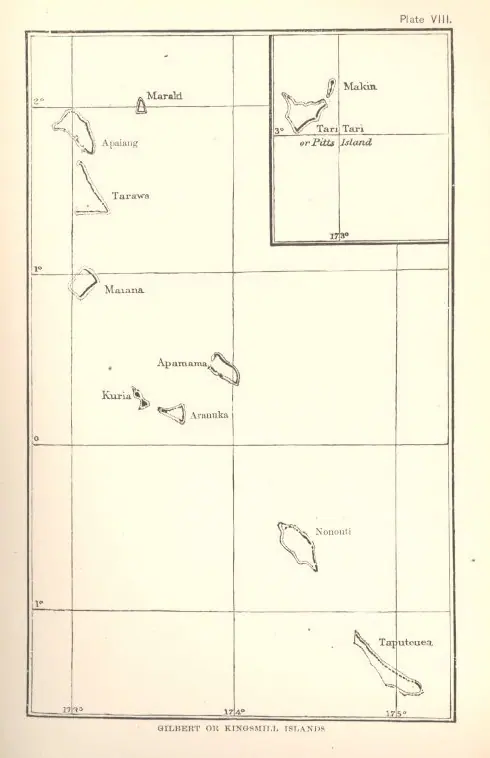
Stay in Kiribati
Hotels, guesthouses and apartments — compared in one search.
Search hotels
Transfer in Kiribati
Private driver waiting on arrival — no queues, no surprises.
Book a transfer
Travel insurance
Medical cover, delays and lost baggage — sorted before you go.
Get covered