Kiribati is 33 specks of reef and sand scattered across an ocean so vast it feels like a misprint on the map. Here the feast is breadfruit fermented in a pit, the dance is a wall of stamping feet in a thatched meeting house, and the day begins earlier than almost anywhere else on Earth. This is how to eat, watch and wander through it properly.
Kiribati at a Glance: Thirty-Three Atolls, One Vast Ocean
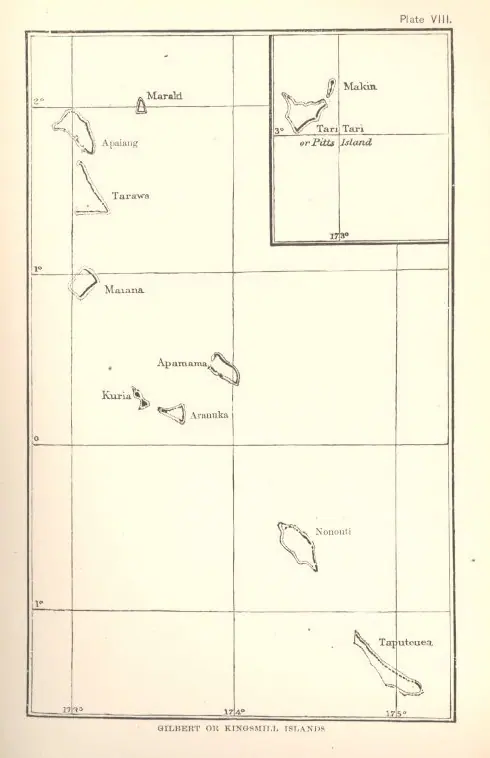
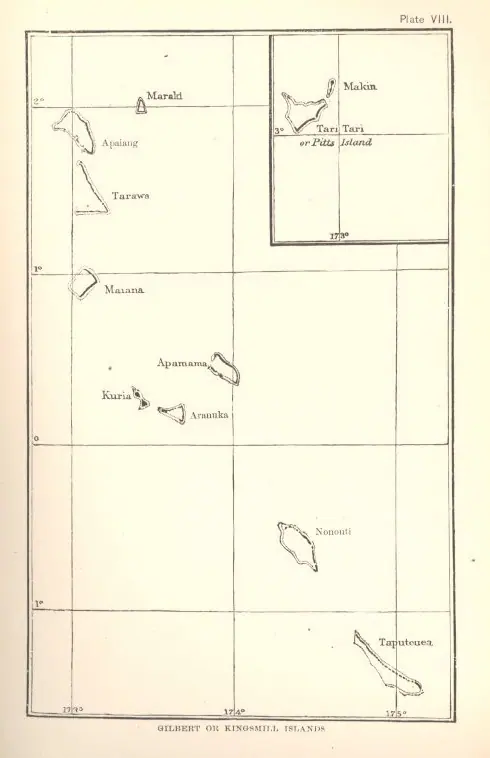
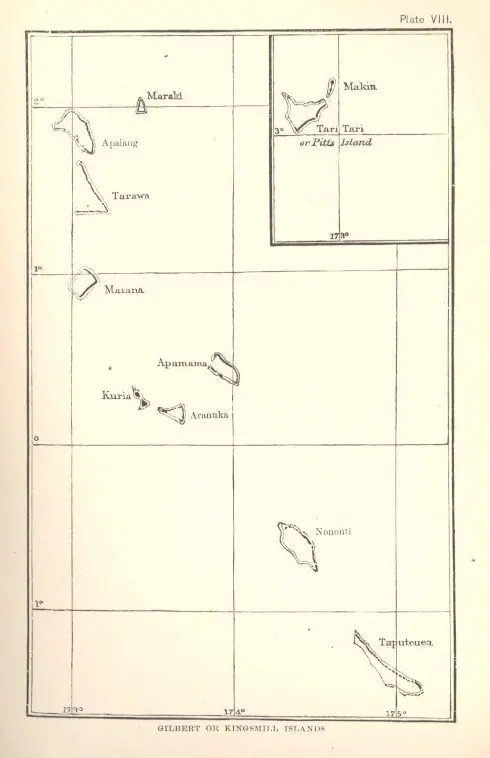
Kiribati — pronounced Kiribas — is not one island but 33 of them, plus a single raised coral island, flung across roughly 3.5 million square kilometres of the central Pacific. The Gilbert Islands sit astride the equator, the Phoenix Islands lie to the east, and the Line Islands stretch far out toward the date line. Almost all of it is ocean; the land is a thin scatter of reef and sand, rarely more than a couple of metres above the water.
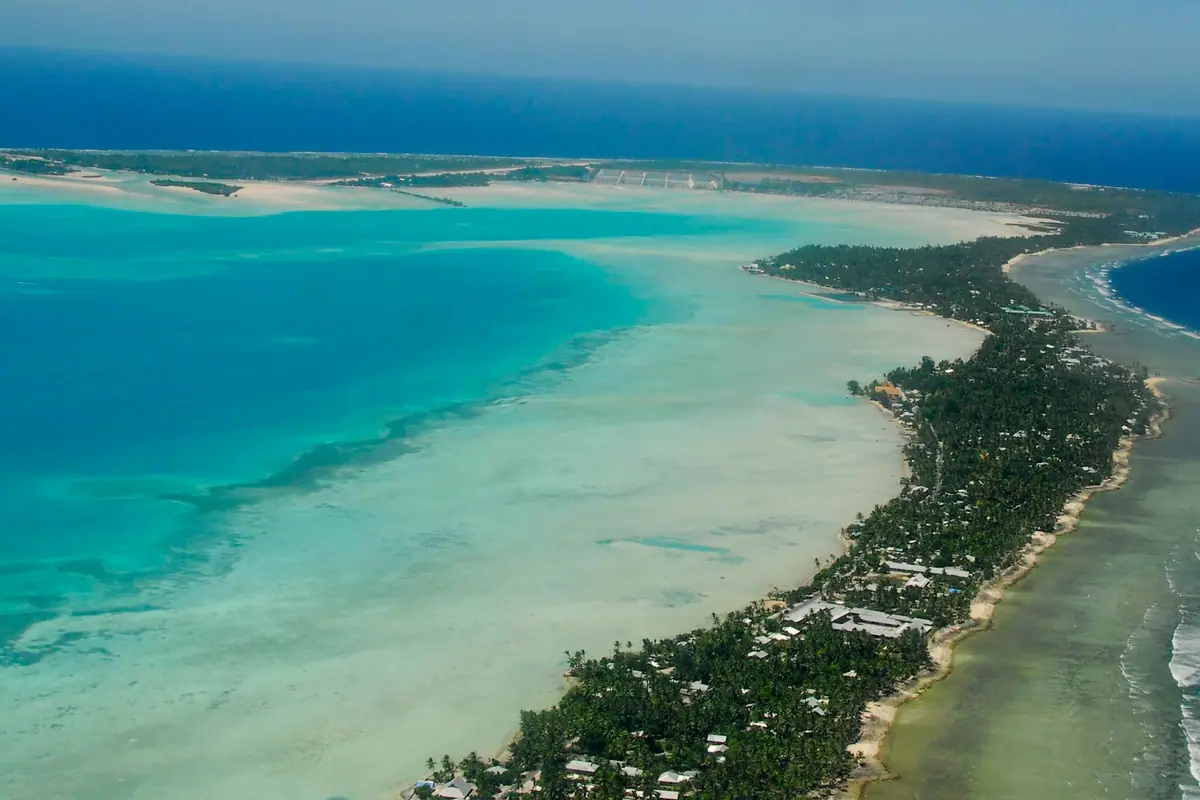
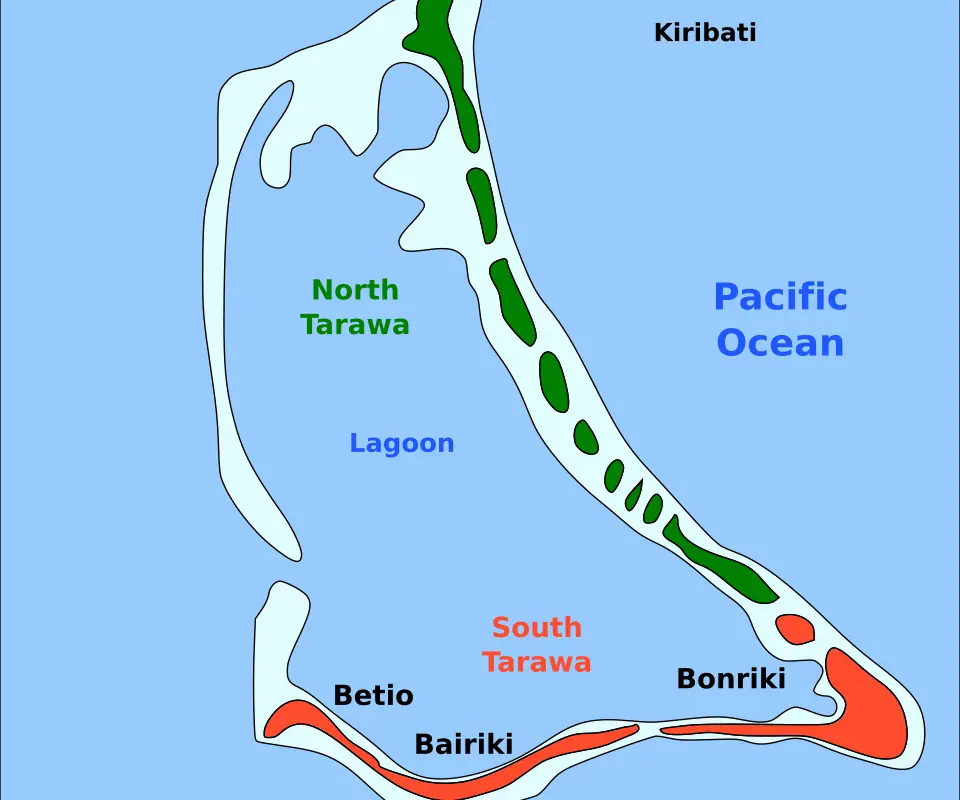
The capital, South Tarawa, is the country's one genuine urban strip: a chain of islets stitched together by causeways and bridges, barely wide enough in places for a road, a church and a row of houses. End to end it runs around 35 kilometres, an hour or so by minibus, the calm lagoon on one side and the ocean pounding the reef on the other. Minibuses shuttle its length all day for a flat fare, the currency is the Australian dollar, and the languages are I-Kiribati (Gilbertese) and English.
Timing matters less for temperature than for rain. The trade winds from roughly April to October bring drier, breezier days; December to March turns hotter, stickier and prone to heavy squalls. It is 25–32°C all year and the lagoon is as warm as a bath. One delicious quirk: Tarawa keeps UTC+12 while Kiritimati runs UTC+14, so within a single country you can stand on the very edge of tomorrow.
Must-See Landmarks of South Tarawa
Start on Betio, the crowded islet at the western end of South Tarawa and the site of one of the Pacific war's bloodiest battles in 1943. Concrete bunkers squat among the houses, a Japanese command post still stands near the shore, and enormous coastal defence guns point out over the reef exactly where they were abandoned. The Betio War Memorial, with its seawall and the rusting remains of landing craft offshore, is the place to pause; the landing beaches are a short walk away. Walking these sites with a local guide turns a scatter of relics into a story.
Back east, Bairiki is the administrative heart of the country, home to government offices and State House, and a short hop across the causeway brings you to Ambo, where the national parliament, Maneaba ni Maungatabu, is built in the form of a traditional meeting house. Nearby, Biketawa is a tiny, near-perfect islet of white sand and shallow water, long used for family picnics and day trips — and where a notable 2000 regional agreement was signed.
In Bikenibeu you will find Te Umanibong, the national cultural centre and museum, where pandanus weaving, model canoes, dance costumes and wartime objects are displayed and explained. Close by stands Eita Maneaba, one of the largest traditional meeting houses in Kiribati — a vast thatched roof carried on coral-stone and timber posts above a floor of crushed coral. Cross the causeway at Buota into North Tarawa and the pace drops at once; at Tabon te Keekee, near Abatao, villagers demonstrate canoe carving, toddy cutting, weaving and dance.
The Table of the Atolls: What Kiribati Eats
Kiribati cooking begins with the reef and the coconut palm. Tuna, milkfish, flying fish, trevally, octopus and lobster come ashore daily, and the classic preparation is barely a preparation at all: raw fish diced and dressed with lime and thick coconut cream, sharp and sweet at once. Coconut cream — te ben — is spooned over rice, taro, fish and greens alike. Rice arrives by ship and tinned meat has its place, but at the centre of a real meal sit breadfruit, pandanus and te bwabwai, the giant swamp taro grown in flooded pits and coaxed to maturity over several years.
Preserved foods are the local genius. Te bwiro is breadfruit buried in a pit for weeks until it ferments, then wrapped in leaves and eaten with coconut cream — sour, smoky and deeply comforting once you have acquired the taste. Te tuae is pandanus fruit boiled down into a dense, chewy, date-sweet paste that keeps for months. Then there is karewe, coconut toddy tapped twice a day from an unopened flower stalk: drunk within hours it is sweet and lightly fizzy, left to stand it turns tart and gently alcoholic. Toddy-cutting is a social occasion as much as a chore.
If you are invited to a botaki — a feast — say yes. Food is spread on mats or platters and eaten with the fingers; elders and guests are served first, and the best fish will end up in front of you. Do not step over food or across the middle of the gathering, and take what you are offered. Guests traditionally arrive with a small token: tea, sugar, rice, tinned fish or tobacco. And plan around Sunday, when nearly everyone is at church and many villages prefer the day kept quiet — swimming, working and loud music can cause real offence.
Dance, Weaving and the Maneaba: Living Culture
The maneaba is the heart of every community: a great open-sided hall with a thatched roof and tall posts, used for feasts, meetings, storytelling, dancing and settling disputes. Each family or village group has its own seating section, and elders decide where visitors sit. Shoes come off at the edge, you sit cross-legged or with legs tucked, you never walk across the middle of the floor or step over another person's legs, and shoulders stay covered. Get these small things right and you will be treated as a guest rather than a spectator.
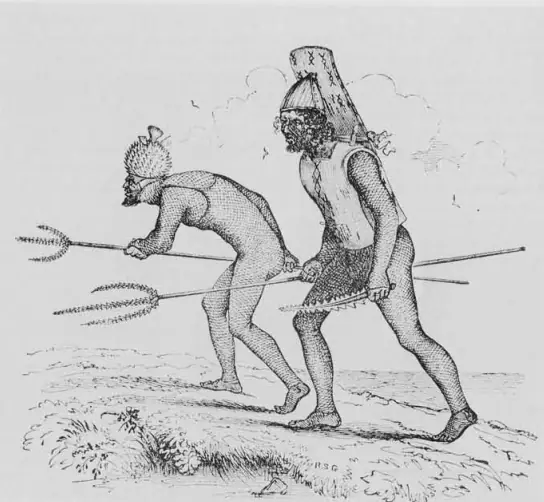
Kiribati dance, te bino, is mesmerising — seated styles driven by hands, arms and faces, and standing styles full of stamping, body-slapping and sudden sharp formations, performed in pandanus skirts and flower garlands by dancers who have rehearsed for weeks. Songs are sung in unison with clapping and drumming, and competitions between villages are taken very seriously. Elsewhere on the calendar you may catch traditional wrestling, canoe races and outrigger canoes being carved on the beach with adze and eye.
Craft is everywhere: pandanus and coconut leaf woven into mats so fine they are treasured heirlooms, along with baskets, fans and fishing gear. This is te katei ni Kiribati, the local craft tradition, and buying directly from the weaver is both the best souvenir and the best conversation. A few words of I-Kiribati go a long way — Mauri as a greeting, Ko rabwa for thank you. Always ask before photographing people, and before wandering onto land or into an area marked tabu; almost all land is family-owned and permission is expected and usually cheerfully given.

Beyond Tarawa: Kiritimati, Butaritari and the Phoenix Islands
Kiritimati — Christmas Island — is the world's largest coral atoll, a 388-square-kilometre maze of salt flats, lagoon and coconut groves in the Line Islands. Its villages carry names that raise eyebrows: London, Banana, Poland, Paris. The flats are legendary among fly-fishers chasing bonefish, while Motu Tabu islet and nearby Cook Island are protected sanctuaries where frigatebirds and vast colonies of sooty terns nest. Captain Cook anchored here in 1777, and the island runs UTC+14, so its sunrises arrive before almost anywhere else on Earth.
Butaritari, greener and wetter than Tarawa, is known for its traditional milkfish ponds, dug generations ago and still managed by villages, as well as wartime relics and a famously unhurried pace. Abemama carries a royal history tied to the chiefly line that once ruled the Gilbert Islands. Banaba is the odd one out: a raised limestone island, the highest land in the country, its surface long scarred by phosphate mining and reachable only by the occasional ship.
Far to the east, the Phoenix Islands Protected Area is one of the largest marine reserves on the planet and a UNESCO World Heritage site, sheltering coral, seabirds, turtles and reef fish around Kanton, Orona and Nikumaroro. It is not somewhere you simply book; access is by government ship or expedition vessel, with permits and long, weather-dependent crossings. Realistically, most travellers see Tarawa plus one outer island. Inter-island ships and flights are infrequent and can slip by days — never plan a tight international connection after one.
Practical Wisdom: Cash, Tides and Travelling Well
Kiribati runs on cash. The Australian dollar is the currency, ATMs are scarce and concentrated around Betio and Bairiki, and on outer islands you will need whatever you brought with you. Accommodation is small-scale: locally run guesthouses on South Tarawa, a handful of slightly larger places, and modest community stays further out. Mobile data is patchy and not cheap, so pick up a local SIM if you want to stay connected, and treat a slow signal as part of the trip.
Come prepared for sun and water. Pack reef-safe sunscreen, insect repellent — dengue outbreaks do occur — a refillable bottle for boiled or bottled water, and sandals or reef shoes that protect your feet from coral. Check tide tables before walking out onto a reef flat, because the water returns fast and cuts off careless walkers. Leave shells, coral and live reef exactly where they are; no one will thank you for taking them home.
Most of all, remember that you are a guest in one of the most climate-vulnerable countries on Earth, where land, water and fishing grounds are carefully shared. Ask before entering, ask before photographing, accept a refusal gracefully, and keep your voice and your rubbish low. Give Tarawa five to seven unhurried days, add a week for an outer island when a flight or ship lines up, and let the slowness set the schedule. That is how Kiribati is best seen.
Frequently asked questions
When is the best time to visit Kiribati?
April to October, when the trade winds bring drier, breezier weather. December to March is hotter, more humid and wetter, with heavy squalls. Temperatures sit between 25°C and 32°C all year, so there is no bad season for swimming — only for rain.
How do you get to Kiribati?
International flights land at Bonriki, on South Tarawa, with most services connecting through Fiji. The Line Islands, including Kiritimati, are reached by separate connections, generally via Hawaii. Schedules change seasonally, so confirm route details well before booking anything onward.
What should I eat in Kiribati?
Try te bwiro (fermented breadfruit eaten with coconut cream), te tuae (a dense pandanus paste), karewe (coconut toddy, sweet when fresh), raw tuna dressed with lime and coconut cream, and te bwabwai — giant swamp taro — served at feasts. Fresh reef fish is the everyday staple.
Do I need permission to visit beaches and islets?
Usually yes. Almost all land in Kiribati is family-owned, and many islets, reefs and fishing grounds are marked tabu. Ask in the village or at your guesthouse before crossing land, walking a reef flat or picnicking on a small islet — permission is normally granted cheerfully.
How long should I spend in Kiribati, and do I need cash?
Five to seven days is a comfortable pace for South Tarawa, with at least a week more if you add an outer island, allowing for delays. Bring cash in Australian dollars: ATMs are limited to the Betio and Bairiki area and cards are rarely accepted away from the main centres.
Sort the rest of your trip
Everything for Kiribati, in one place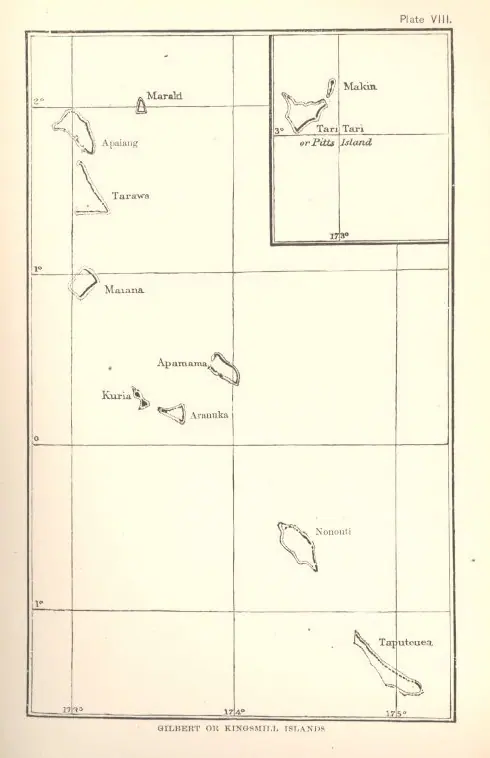
Stay in Kiribati
Hotels, guesthouses and apartments — compared in one search.
Search hotels
Transfer in Kiribati
Private driver waiting on arrival — no queues, no surprises.
Book a transfer
Stay online in Kiribati
Travel eSIM — data the moment you land, no roaming bills.
Get an eSIM