Guatemala packs volcanoes, colonial cobblestones, a jewelled lake and the greatest Maya city of them all into a country the size of England. Where you sleep shapes the whole trip — a restored convent courtyard in Antigua feels nothing like a stilted cabin above Lake Atitlán or a thatched lodge at the edge of the Petén jungle. This guide breaks down the country's key bases and the landmarks you should build each stay around.
Antigua Guatemala: The Colonial Base Most Trips Begin With
Antigua is the natural first stop for almost every visitor, and it earns the role. The old capital sits in a high valley at around 1,500 metres, ringed by the volcanoes Agua, Fuego and Acatenango, and its grid of low, colour-washed houses and ruined convents is protected as a UNESCO site. Hotels here are mostly conversions: 17th-century mansions with interior courtyards, fountains and rooftop terraces where you eat breakfast facing Volcán de Agua. Expect a mix of small boutique inns, family-run guesthouses, hostels with garden dormitories and a handful of larger properties on the edges of town. Two to three nights is the comfortable minimum; most travellers wish they had booked four.
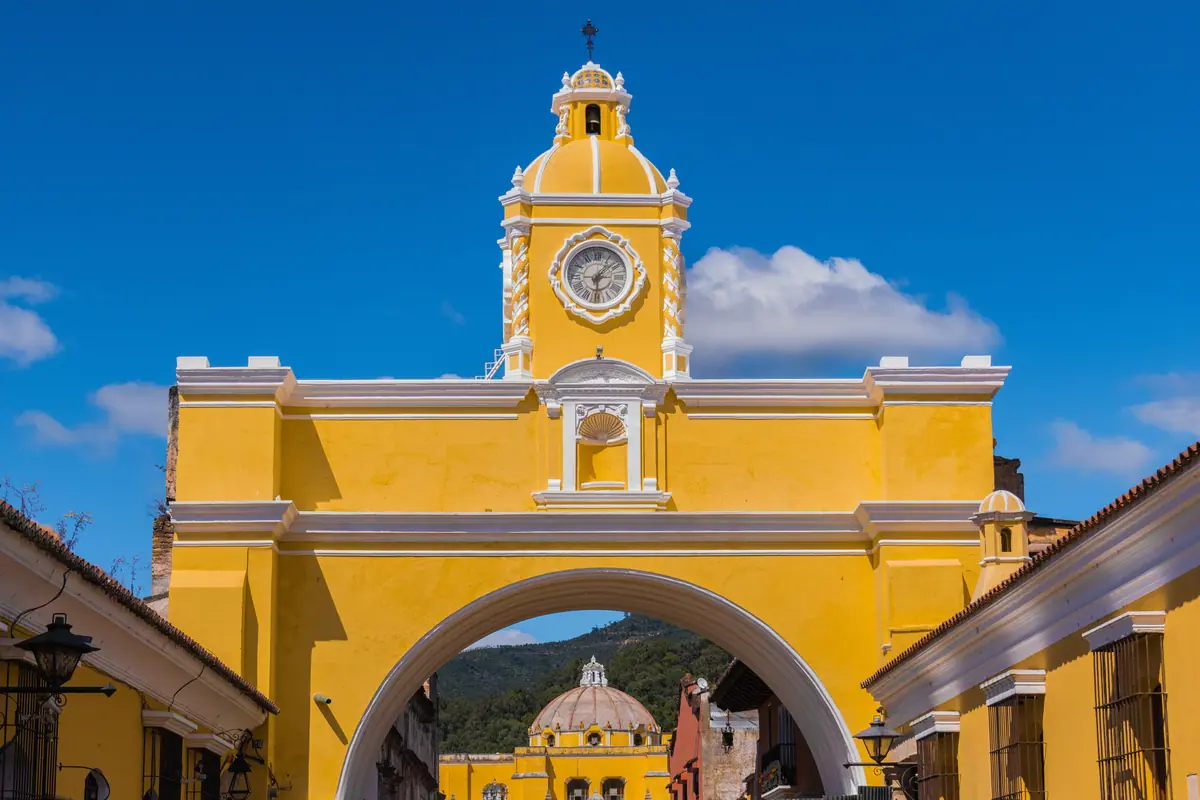
The classic sights are all walkable. Parque Central is the pivot, framed by the Catedral de Santiago and the arcaded Palacio de los Capitanes, with the mustard-yellow Santa Catalina Arch just up Calle del Arco. Iglesia de La Merced, a few blocks north, is the most photogenic facade in the city, and the ruined convent of Las Capuchinas shows how grand colonial monastic life once was. Climb to Cerro de la Cruz in the early morning for the postcard view down over the whole town with the volcano behind it.
Beyond the centre, Antigua is a launchpad. The overnight hike up Volcán Acatenango, camping within sight of Fuego's near-constant eruptions, is the country's signature adventure and needs proper guiding and warm layers for the freezing pre-dawn. Day trips run to the villages of San Antonio Aguas Calientes and Ciudad Vieja for weaving and coffee, and to the Sunday market at San Juan del Obispo. If your dates land on Semana Santa, book months ahead: the alfombras of coloured sawdust and the processions through the streets are extraordinary, and the town fills completely.
Lake Atitlán: Cliff Lodges, Village Cabañas and Volcano Sunrise
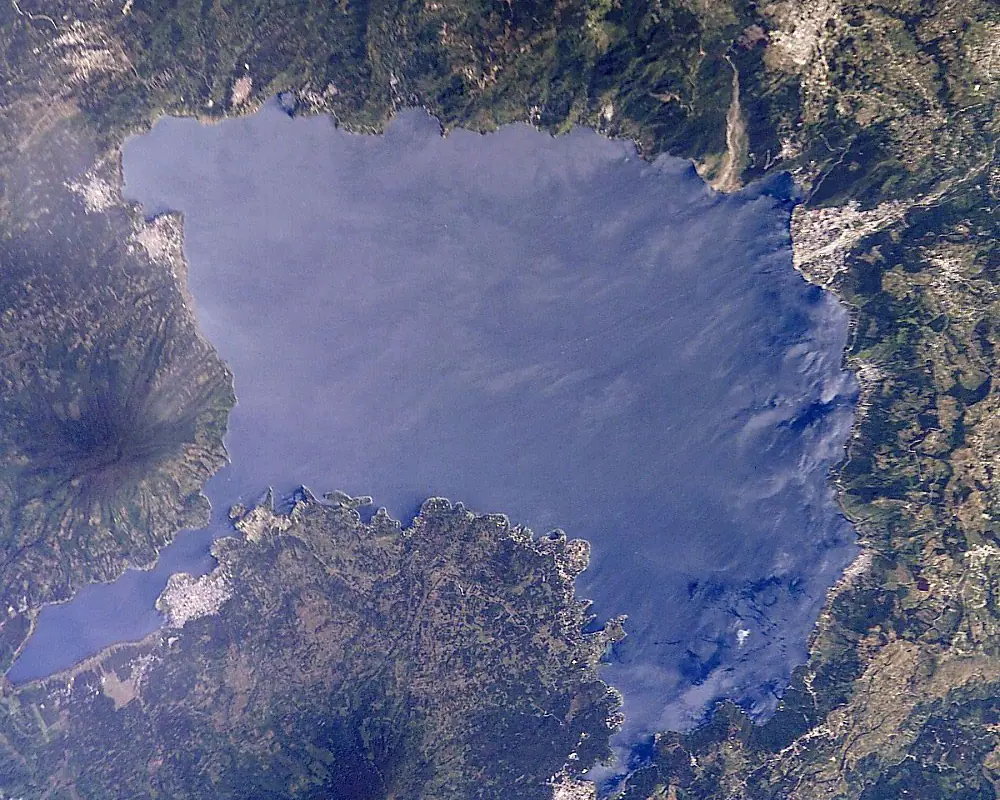
Aldous Huxley called Lake Atitlán the most beautiful lake in the world, and the geography makes the argument for him: a deep volcanic caldera with three cones — Atitlán, Tolimán and San Pedro — plunging straight into the water. Because the villages are separated by cliffs rather than roads, your choice of where to stay really matters. Panajachel is the transport hub with the widest range of hotels, restaurants and agencies. Santa Cruz la Laguna is quieter, with terraced gardens and eco-lodges clinging to the slope; San Pedro and San Marcos suit longer stays, Spanish schools, yoga and cheap rooms; Santiago Atitlán on the far shore is the most traditional, home to the Maximón shrine and a fiercely independent Tz'utujil Maya culture.
Getting around is by lancha, the small boats that shuttle between docks. They usually run from early morning until dusk, and after dark you are dependent on private boats, so plan dinners near where you sleep. The lake's mood shifts hourly — glassy at dawn, white-capped by afternoon wind — which is why the best lake hotels have a fireplace or a sheltered terrace as well as a view. Give Atitlán at least three nights: one to arrive and settle, one for a village-hopping boat day, and one for the hike up to the Mirador del Rostro Maya or a morning kayak along the shore.
Practical notes: mornings are consistently clear, so schedule photos and volcano views before eleven. The water is cold at altitude and most lakeside accommodation is a steep walk from its dock — pack light and ask about luggage help. The Thursday and Sunday market at Sololá, a short bus ride above Panajachel, is one of the highlands' great spectacles and far less staged than the tourist-facing stalls down by the water.
Guatemala City: Museums, Zona Viva and a Sensible First or Last Night
Most travellers pass through the capital in a hurry, which is a shame, because Guatemala City holds the country's best museums and a genuinely handsome historic core. The Museo Nacional de Arqueología y Etnología, beside the leafy boulevards of Zona 13, is the essential primer on Maya civilisation before you fly to Tikal, and the Museo Ixchel next door covers textiles and costume in beautiful detail. In Zona 2, the enormous relief map of the country built into a hillside is an old-fashioned curiosity worth an hour.
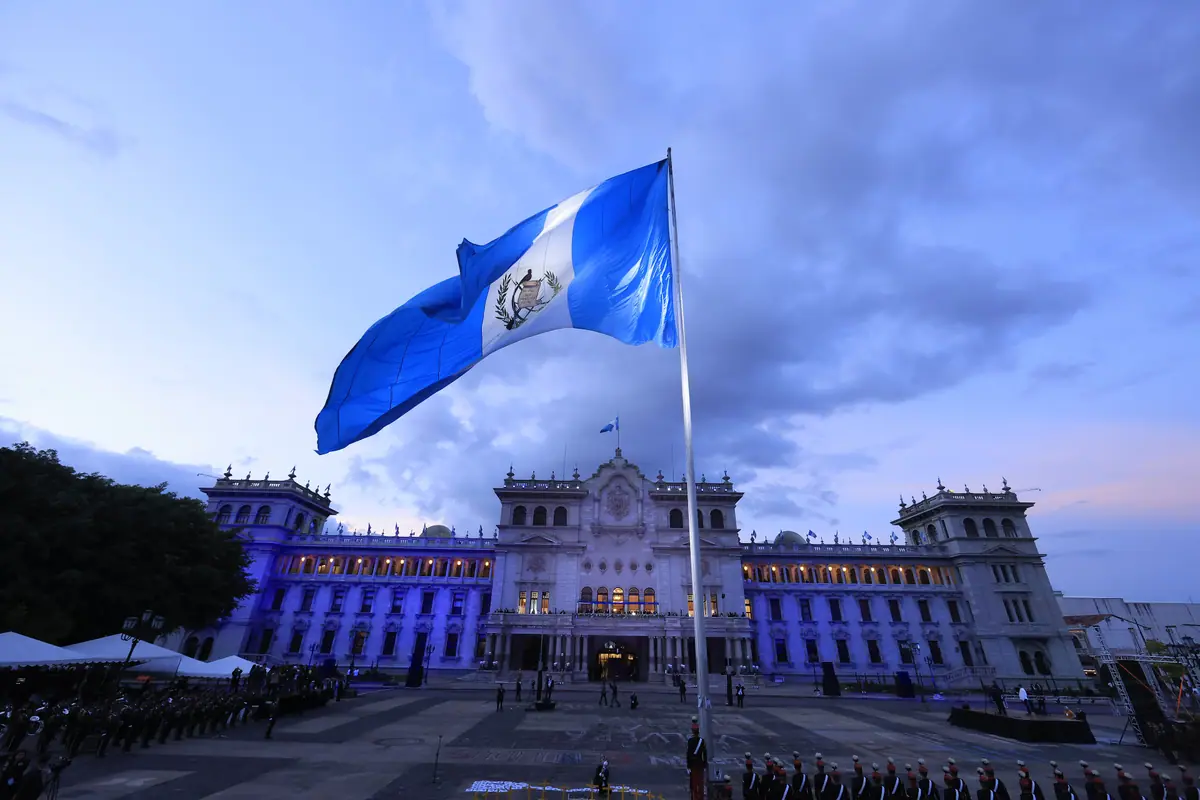
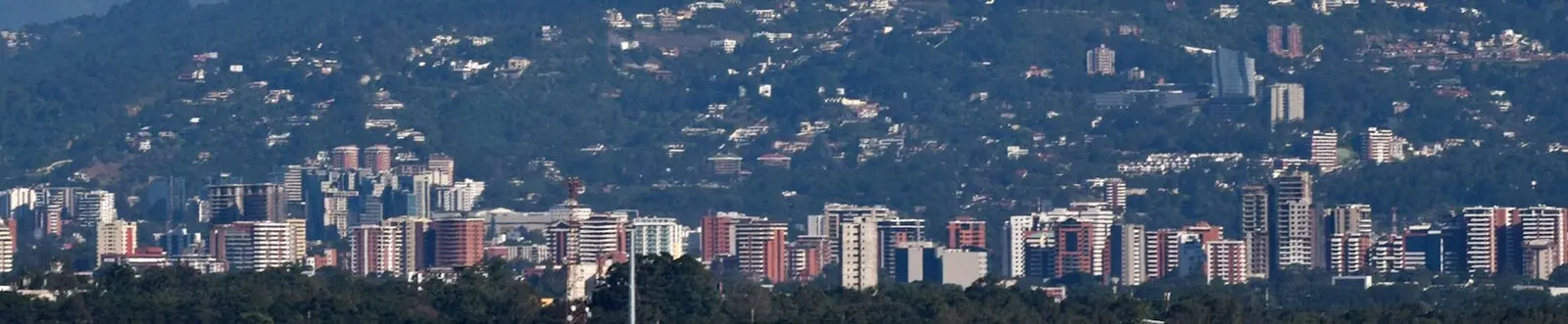
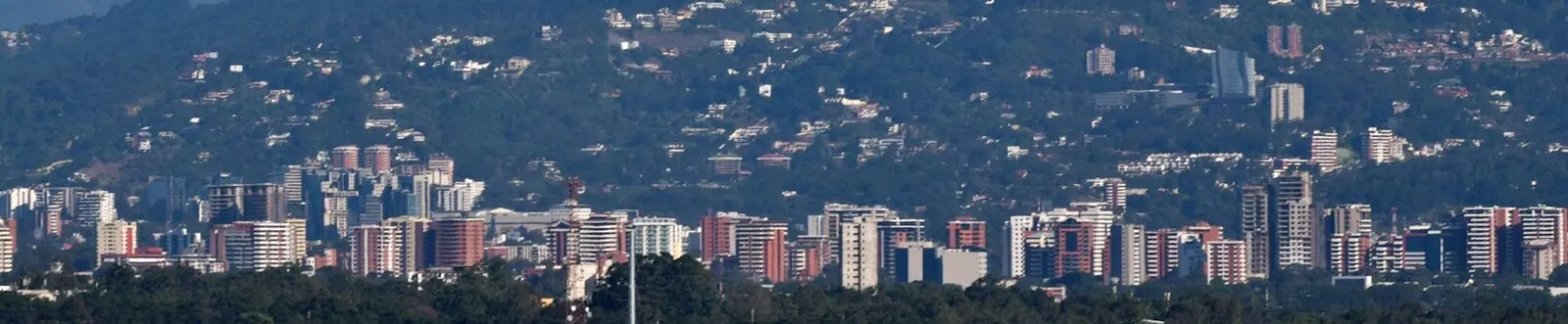
For sleeping, the city divides clearly. Zona 10 and the adjoining Zona 14 are the modern hotel and dining district, full of business towers, rooftop bars and international restaurants, with the airport a short ride away — ideal for a late arrival or an early flight. Zona 4, around the cultural centre, is the design-forward alternative with galleries and cafés, while Zona 1 is the historic centre: the Palacio Nacional de la Cultura, the Catedral Metropolitana and the Mercado Central cluster around the Plaza de la Constitución, and the surrounding streets reward a daytime walk.
Treat the centre as a daytime destination and base yourself in the safer, better-served zones for the night. One night is plenty for most itineraries, two if you want the museums properly. The city is also where you will find domestic flights to Flores for Tikal, which turns a gruelling twelve-hour road journey into a short hop and is worth every quetzal if your time is limited.
Flores, Tikal and the Petén: Jungle Lodges in the Maya Lowlands
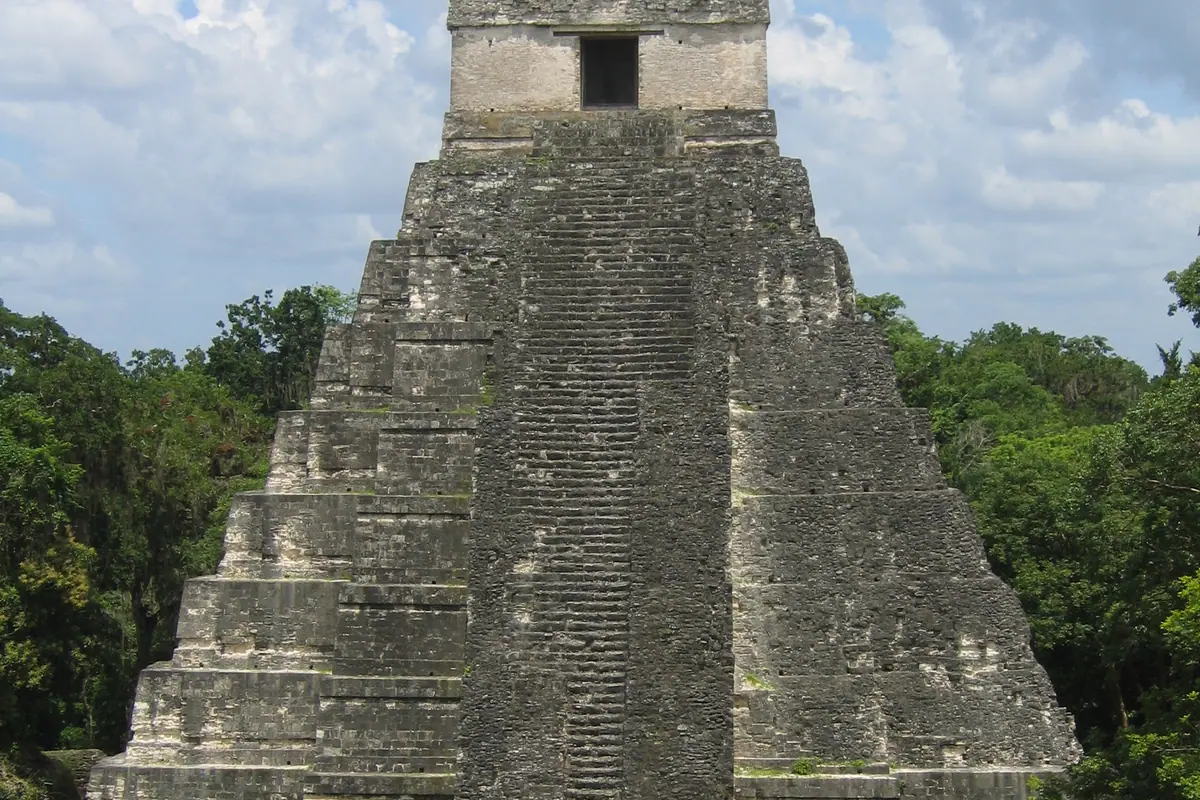
The Petén is Guatemala's other world — flat, hot, humid and covered in rainforest that hides the greatest of all Maya cities. Tikal National Park is the reason most people come, and it justifies the journey many times over. Inside the park you walk ancient causeways between plazas, climb the wooden staircases up Temple IV for the view of Temple I and Temple II rising above the canopy, and listen for howler monkeys at first light. Temple I, the Templo del Gran Jaguar over the Plaza Mayor, is the image everyone carries home.
Where you sleep changes the experience. Staying in a lodge inside the park or just outside the gates means you are on site before the day-trippers arrive and can hear the forest at night, but choice is limited. Flores, a tiny island of pastel houses on Lake Petén Itzá, is the popular compromise: atmospheric, walkable, full of small hotels and restaurants, with boats and viewpoints along the shore, and about an hour from the ruins. El Remate, on the lake's quieter eastern arm, splits the difference with cheap lakeside rooms and a shorter morning drive. Two nights is the realistic minimum — one full day at Tikal, one for the lake, the butterfly reserve or a half-day at the smaller, wonderfully uncrowded ruins of Yaxhá.
Serious trekkers can arrange multi-day expeditions to El Mirador, a vast, barely excavated city deep in the jungle reached on foot or by helicopter. It is a genuine adventure, not a casual outing, and needs a licensed operator, fitness and a tolerance for mud. Bring repellent, long sleeves and a head torch whichever option you choose.
The Western Highlands: Chichicastenango, Quetzaltenango and Semuc Champey
If you want markets, mountains and the country's strongest indigenous culture, head west and north. Chichicastenango holds the most famous market in Guatemala every Thursday and Sunday, spilling down the steps of the whitewashed church of Santo Tomás, where copal incense drifts over stalls of masks, textiles and carved saints. Hotels in Chichi are simple and cheap, and staying the night means you see the market wake up rather than arriving in a coach at ten.
Further west, Quetzaltenango — always called Xela — is a handsome, cool highland city at over 2,300 metres with a strong student and volunteer scene, colonial arcades, and a live volcano, Santa María, looming above. It makes a good base for the hot springs at Fuentes Georginas, for acclimatising before Tajumulco, the highest point in Central America, and for Spanish-language stays of a week or more.
North of the highlands, near Lanquín in Alta Verapaz, Semuc Champey is the country's most startling natural sight: a natural limestone bridge topped by a staircase of turquoise pools, with a river thundering underneath. Accommodation is mostly rustic cabins and hostels in the valley, reached by rough road, and days are spent swimming, caving and tubing. Allow two nights, take a torch and expect patchy electricity — this is the one place where you trade comfort for scenery.
When to Go, How to Choose, and How to Move Between Bases
The dry season runs roughly from November to April: clear skies, cool nights in the highlands, dusty roads and the best conditions for volcano hikes and Tikal. May to October is the green season, with bright mornings and heavy afternoon rain — landscapes are lush, rates soften outside July and August, and travel is still perfectly workable if you front-load your sightseeing. Two periods need forward planning: Semana Santa around Easter, when Antigua is at its most spectacular and most expensive, and the Christmas to New Year week, when domestic travellers fill the lakes and beaches.
Choose your bases by interest rather than by hotel. Antigua for colonial architecture, markets and volcano hiking; Lake Atitlán for scenery and village life; Flores or El Remate for Tikal and the Petén; Xela or Chichicastenango for highland culture; Lanquín for Semuc Champey. If you want coast, add the black-sand Pacific at Monterrico for turtle releases, or head east to Río Dulce and the Garífuna town of Livingston for hot springs, river canyons and Caribbean cooking. A ten-day to two-week trip can comfortably fit three or four of these.
On the ground, tourist shuttle vans connect the main hubs door to door and are the easiest option; the famous painted chicken buses are cheaper, slower and part of the experience on short hops. Domestic flights link the capital with Flores, and small boats do the work on Lake Atitlán and the Río Dulce. Carry cash in quetzales for markets, docks and village guesthouses, keep small notes handy, and use ATMs in the cities rather than relying on cards in the highlands. Finally, altitude is real: Antigua sits at 1,500 metres and Xela higher, so give yourself a day before any serious climb, and drink more water than you think you need.
Frequently asked questions
What is the best area to stay in Guatemala for a first trip?
Antigua Guatemala is the easiest and most rewarding base for a first visit — walkable colonial streets, a huge range of hotels from hostels to boutique courtyard inns, and easy day trips to volcanoes, coffee farms and markets. Pair it with Lake Atitlán and, if time allows, Flores for Tikal.
When is the best time of year to visit Guatemala?
November to April is the dry season, with clear skies and the best conditions for hiking and ruins. May to October is greener and quieter but brings afternoon downpours. Book far ahead for Semana Santa in Antigua and the Christmas–New Year week.
How many days do you need in Guatemala?
Ten days to two weeks lets you combine Antigua (three nights), Lake Atitlán (three nights), the Petén and Tikal (two nights) and a night in Guatemala City, without spending the whole trip in transit. A week is enough for Antigua and the lake only.
Is it safe to stay in Guatemala City?
Base yourself in the modern Zona 10 and Zona 14 hotel districts near the airport, or in Zona 4. Treat the historic Zona 1 as a daytime destination, take registered taxis or ride-hailing cars after dark, and avoid walking unfamiliar streets at night.
Should I book hotels in advance in Guatemala?
For Antigua, Lake Atitlán and Flores, book ahead in the dry season, at Easter and over the holidays — the good small properties are limited. In the highlands and around Lanquín, you can often find a room on arrival, but the most atmospheric places fill first.
Sort the rest of your trip
Everything for Guatemala, in one place
Transfer in Guatemala
Private driver waiting on arrival — no queues, no surprises.
Book a transfer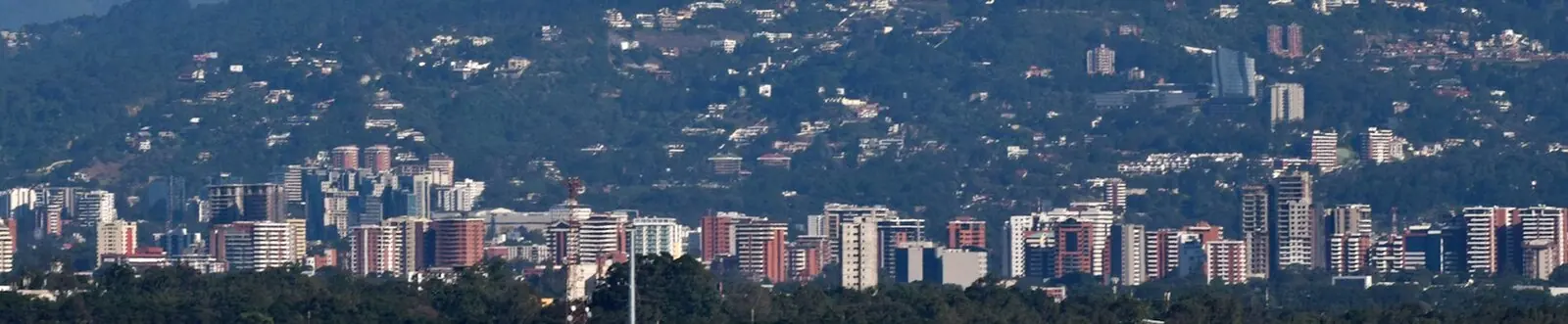
Things to do in Guatemala
Skip-the-line tickets, guided tours and standout experiences.
See experiences
Stay online in Guatemala
Travel eSIM — data the moment you land, no roaming bills.
Get an eSIMMore guides in Guatemala
Tours in Guatemala: Food, Maya Culture and the Sights You Can't Miss
Best Time to Visit Guatemala: Seasons, Festivals and When to Book Your Hotel
Guatemala in One Week: A 7-Day Itinerary from Antigua to Tikal
Top Things to Do in Guatemala: Maya Ruins, Volcanoes and Colonial Streets