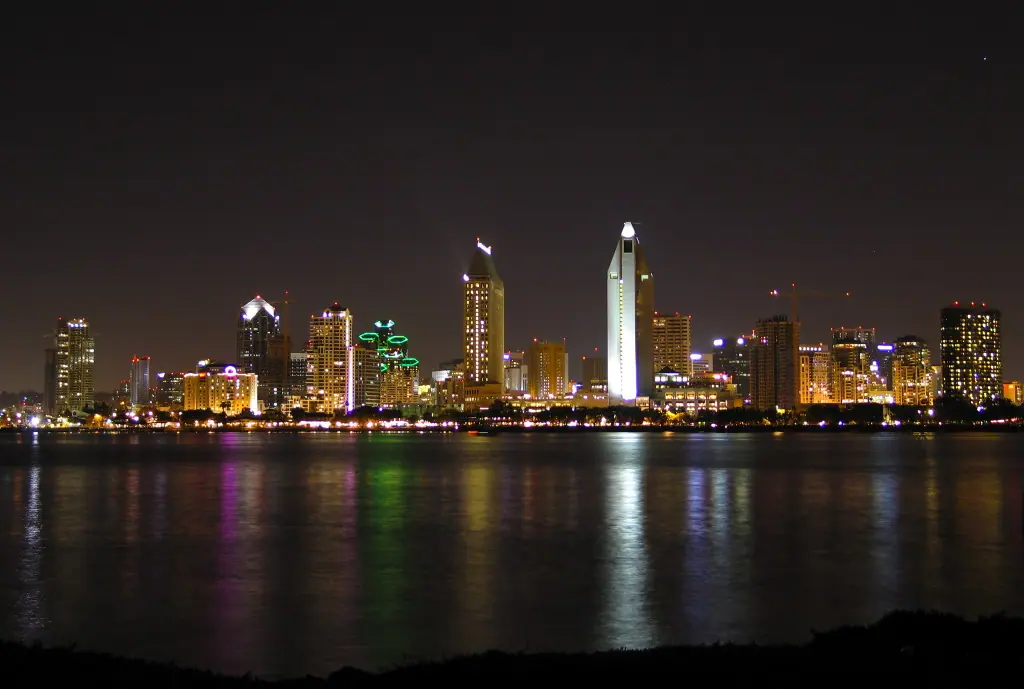
Guatemala packs Pacific surf, Caribbean jungle and a highland chain of smoking volcanoes into a country the size of Tennessee — and the month you choose changes which of those you actually get to enjoy. Between the crisp dry-season views of Volcán de Fuego and the emerald, half-empty ruins of the green season, timing decides everything from your photographs to your hotel bill.
Guatemala's Two Seasons, Explained Properly
Locals talk about verano and invierno — summer and winter — but both are warm. Verano is the dry stretch from roughly November to April; invierno is the rainy half from May through October. Altitude matters more than the calendar: Guatemala City sits near 1,500 metres and hovers around 22–24°C all year, Antigua Guatemala and Lake Atitlán are mild by day and genuinely cool after dark, while the Petén jungle around Tikal and the Pacific coast run hot and sticky regardless of the month.
Rain in the wet season rarely means all-day grey. The pattern is stubborn and predictable: clear, sunny mornings, clouds building after lunch, then a heavy burst in the late afternoon or evening that clears by night. That rhythm leaves most of each day usable for ruins, markets and volcano trails. Rain totals climb sharply in the Petén and along the Caribbean, stay moderate in the highlands, and thin out noticeably in the dry eastern corridor around Zacapa and Chiquimula.
For a first trip that includes Tikal, Antigua and Lake Atitlán, the sweet spot is late November through April. February to early April is arguably the finest window of all: reliable sunshine, dry jungle trails, and crowds that have not yet peaked for Easter. Late October and November are the bargain shoulder — landscapes still green from the rains, prices not yet at high-season levels.
Dry Season: The Best Months for Tikal, Antigua and Atitlán
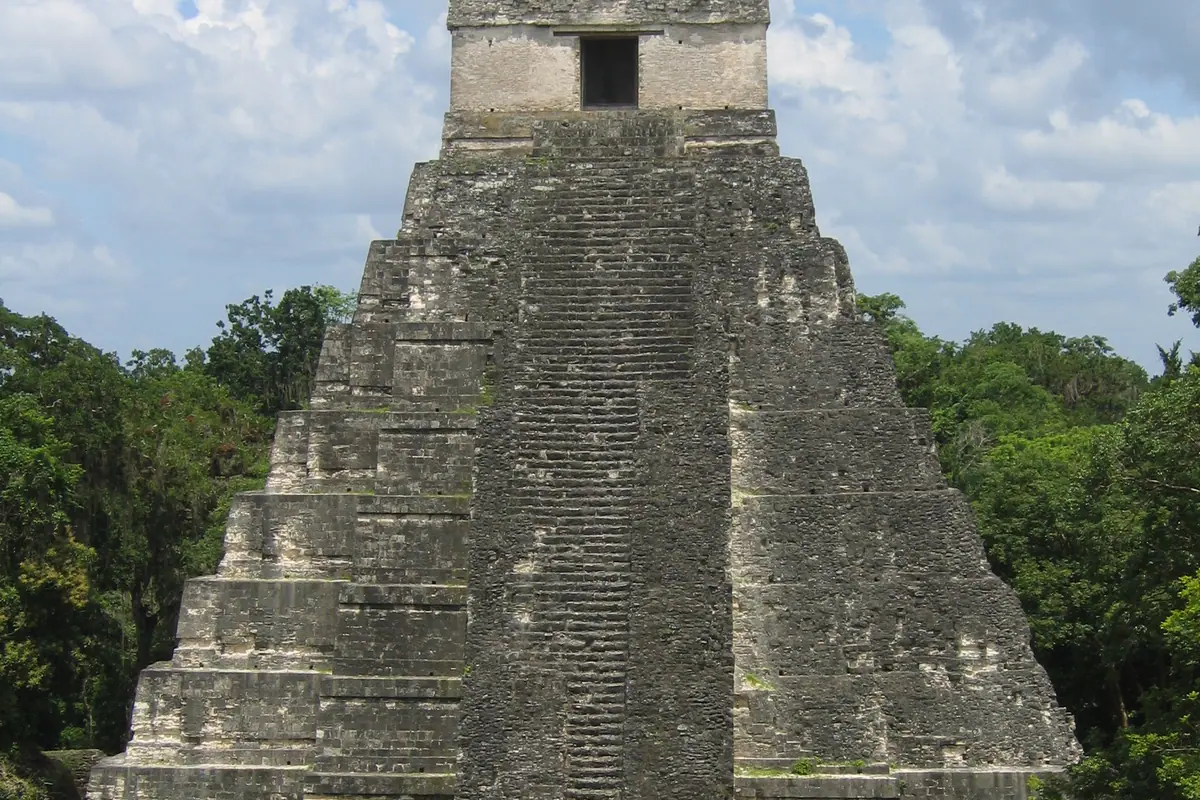
From December to March the country is at its most photogenic. In the Petén, dawn at Tikal is the reason many people come to Guatemala at all — mist curling off the jungle canopy while howler monkeys roar and the crests of Temple I and Temple IV rise above the treetops. Dry trails make the long day worth it, and the same conditions favour the harder trek to the remote El Mirador basin.
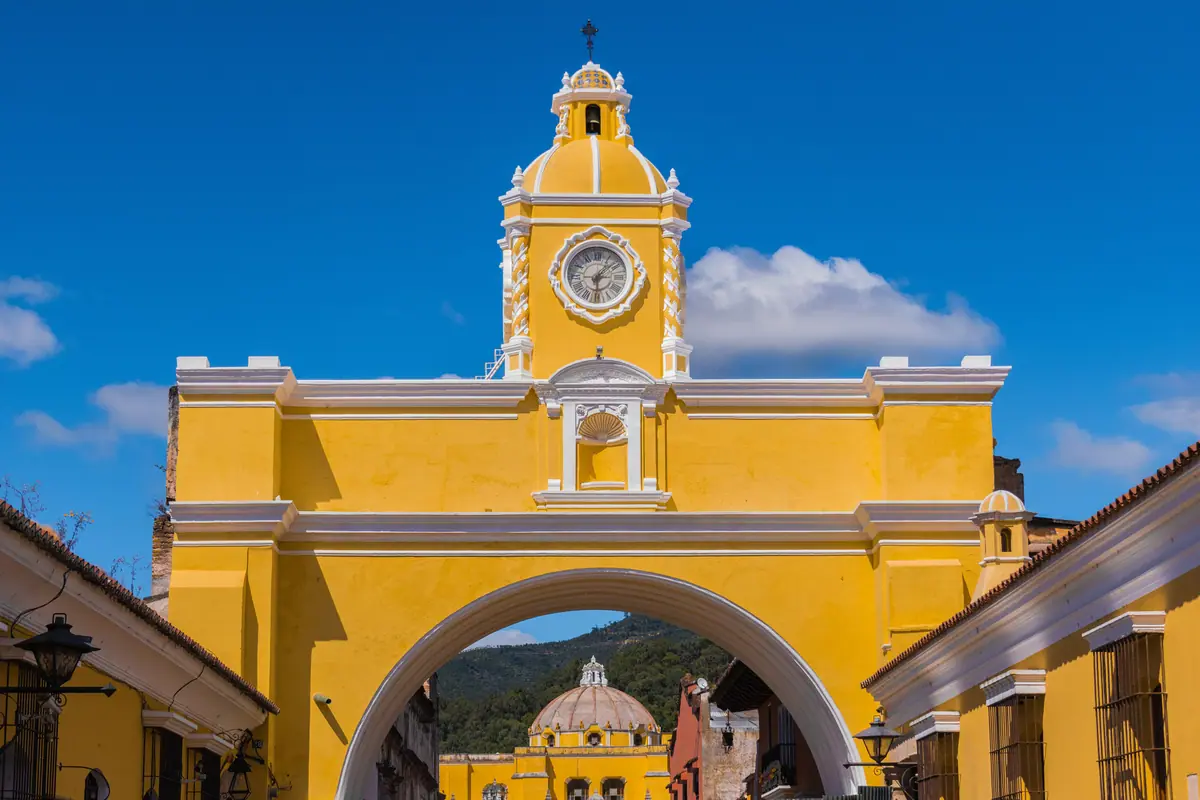
In the highlands, the dry months mean the volcanoes actually show themselves. The overnight climb up Acatenango, camping as Volcán de Fuego throws incandescent rock into the dark, is far safer and far clearer between November and April; in the wet season cloud often swallows the whole performance. Antigua Guatemala is glorious in this window — the Plaza Mayor, the Santa Catalina Arch, the ruins of the cathedral and the viewpoint at Cerro de la Cruz, plus the Thursday and Sunday market days at Chichicastenango, all easier to enjoy without a poncho.
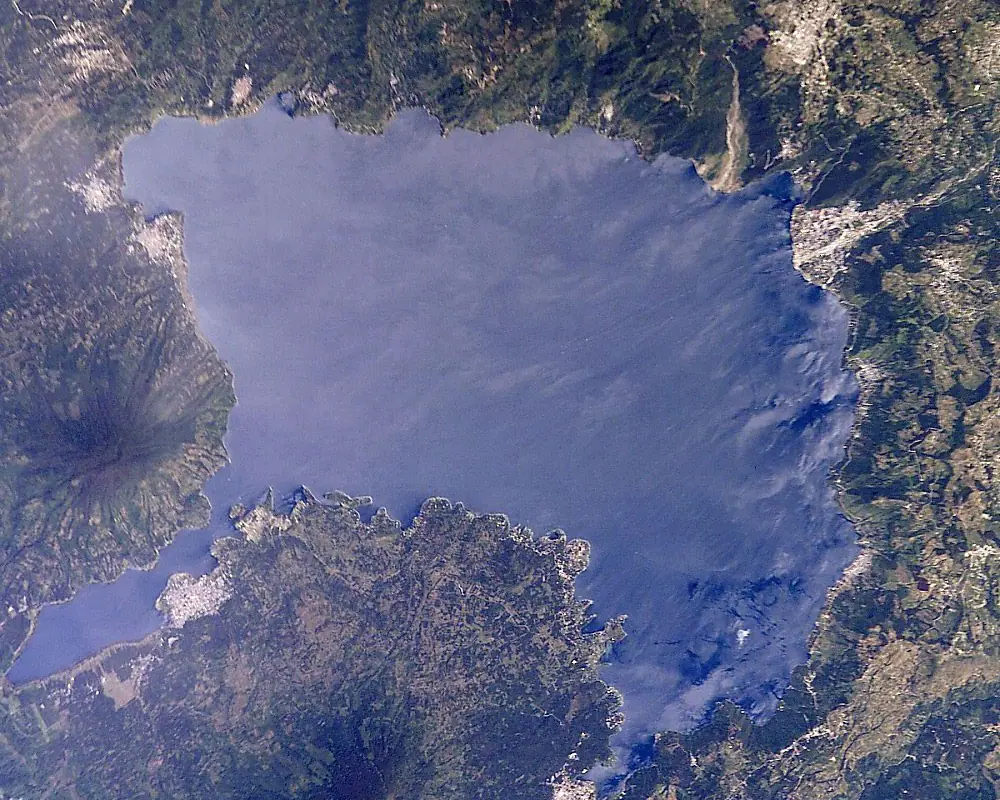
Lake Atitlán, ringed by three volcanoes, is at its best for boat trips between Panajachel, San Pedro La Laguna and Santiago Atitlán from December through March. Expect cold nights in the villages, strong midday sun, and the clearest views of Volcán San Pedro reflected in the water. This is also the busiest period: Christmas, New Year and the stretch through March fill the colonial hotels of Antigua and the lakeside guesthouses, so reserve early.
Semana Santa and the Festival Calendar
Holy Week is the single biggest event in Guatemala, and nowhere does it like Antigua Guatemala. During Semana Santa — usually late March or early April, depending on the date of Easter — processions wind over cobblestones past hand-made sawdust and flower carpets, with purple-robed penitents and brass bands carrying heavy floats through the streets around the Plaza Mayor. Hotel rooms in Antigua sell out months ahead and rates triple; the same is true in Guatemala City, which holds its own enormous processions.
November brings a remarkable run of celebrations. On the first of the month, the Sumpango and Santiago Sacatepéquez Giant Kite Festival fills the sky above the highland cemetery with enormous hand-built kites, while the village of Todos Santos Cuchumatán holds its famous All Saints horse race. December adds the Virgen de Guadalupe pilgrimages in the capital, and the whole country slides into posadas and fireworks before Christmas.
If festivals are your priority, plan around them and accept the crowds: book Semana Santa lodging four to six months out, and November kites by September. If you would rather have the sights to yourself, avoid those exact dates and travel in the shoulder weeks immediately before or after, when weather is still solid and rates fall back to normal.
Green Season: Fewer Crowds, Full Waterfalls, Lower Rates
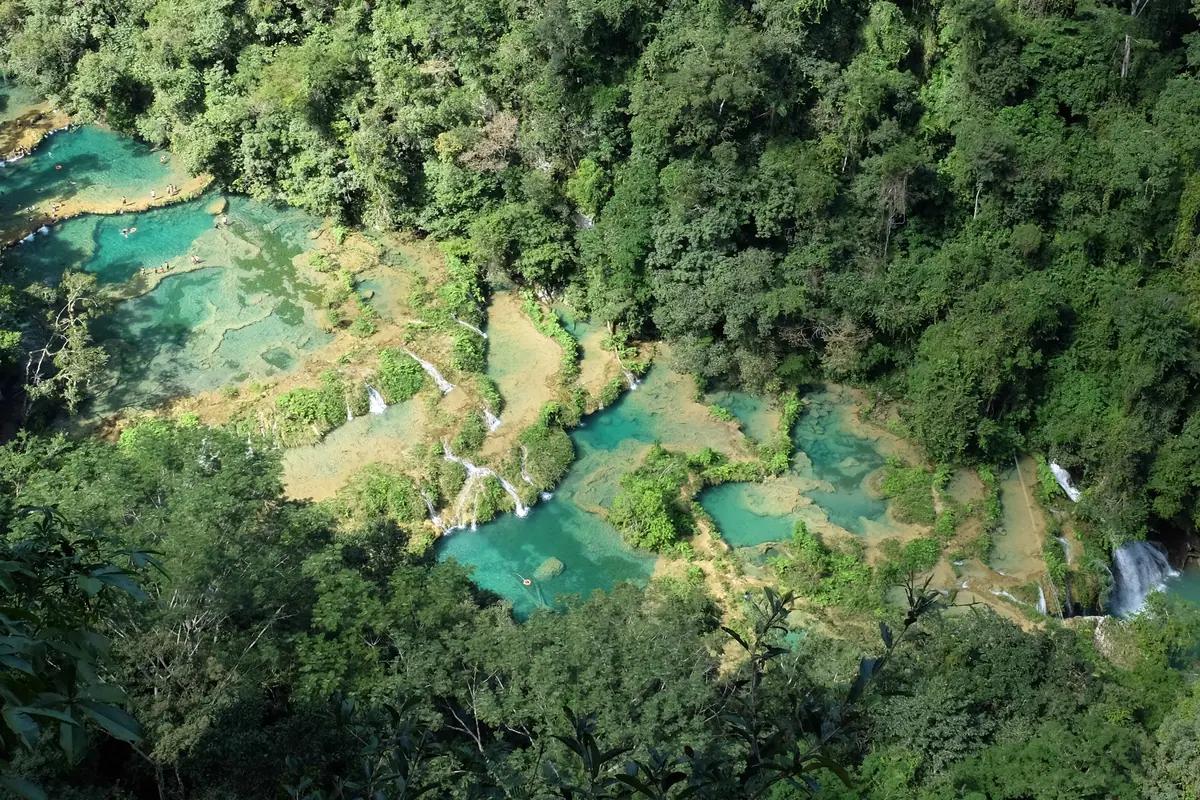
May to October is not a write-off — it is a trade. You accept afternoon rain in exchange for landscapes at their lushest, rivers at full volume, and accommodation that is both cheaper and far easier to book. Semuc Champey, near Lanquín, is at its most spectacular when the Cahabón River is running high and the turquoise limestone pools are brimming; so are the waterfalls around Cobán and the cloud forest trails of the Verapaces.
Mornings are the strategy. Start volcano hikes and ruin visits early, keep a rain shell in your bag, and save museums, markets and long lunches for the afternoon downpour. The highlands often get a bonus dry spell in late July and August, a mid-season break known locally as the canícula, which brings several weeks of clearer skies right in the middle of invierno — a lesser-known window that suits Antigua, Chichicastenango and Lake Atitlán very well.
Two cautions: September and October bring the heaviest Caribbean rain and the risk of tropical storms affecting Río Dulce, Livingston and the coast near Monterrico, and some highland trails get seriously muddy. If your trip centres on Tikal or the volcano hikes, stick to the dry months. If it is about markets, colonial towns and water, the green season rewards you handsomely.
Regional Timing: Petén, Highlands, Pacific and Caribbean
Guatemala is small but the climate regions are distinct. The Petén and Tikal are best from December to April for jungle trekking, though March and April turn brutally hot before the rains arrive. The Caribbean side — Río Dulce, the Maya ruins of Quiriguá, and the Garífuna town of Livingston — is driest and most comfortable from February to April, and sticky and wet from August to October.
The Pacific coast is a different calendar again. The surf towns and the mangrove canals around Monterrico work year-round, but the cleanest, most consistent swell and sunniest beach days come between March and October, with the heaviest rain in September. Meanwhile the western highlands — Quetzaltenango, Huehuetenango, the hot springs at Fuentes Georginas and the market town of Chichicastenango — are at their finest in the dry season, when cold, clear nights follow warm, bright days.
Guatemala City deserves a mention too. The Palacio Nacional de la Cultura, the Mercado Central, the archaeological collections and the lively Zona 4 dining scene are enjoyable in any month, and the capital makes a practical base or gateway year-round. Just build in buffer time around the rainy season if you are connecting to Flores or the coast by road.
Where to Stay and When to Book, by Season and Region
Where you sleep should follow your itinerary, not the other way around. Antigua Guatemala is the classic base for colonial hotels and boutique guesthouses within walking distance of the Plaza Mayor, Cerro de la Cruz and the Santa Catalina Arch. Lake Atitlán splits between busy, convenient Panajachel and quieter villages such as San Marcos La Laguna, Santa Cruz and San Pedro La Laguna, reached by lancha boat. For Tikal, most travellers overnight on the island of Flores and take an early transfer into the park.
Elsewhere: the capital's Zona 10 and Zona 4 have the widest range of city hotels; Lanquín is the base for Semuc Champey; Monterrico serves the Pacific; Quetzaltenango suits highland exploring; and Río Dulce or Livingston anchor the Caribbean. In remote areas, book a room with hot water and reliable power — it is worth more than a fancy lobby.
Booking lead time swings enormously with the season. Christmas, New Year, Semana Santa, the November kite festival and the February–March peak need two to four months of advance planning, more for Antigua's colonial properties and any lakeside room with a volcano view. In the green season you can often decide a week ahead — except for guided overnight volcano hikes, which fill up regardless of weather and should be arranged well before you fly.
Frequently asked questions
What is the single best month to visit Guatemala?
February and March are the strongest all-round months: dry, sunny trails in the Petén, clear volcano views in the highlands, and lower crowds than the Christmas and Easter peaks. November is a close second, with green landscapes and softer prices.
How bad is the rainy season in Guatemala?
Rain falls mostly in the late afternoon and evening from May to October, leaving mornings largely clear. Expect humidity, muddy trails and heavier rain on the Caribbean coast and in the Petén. Late July and August often bring a clearer dry spell known as the canícula.
When does Semana Santa take place and how far ahead should I book?
Semana Santa falls in late March or early April, following the date of Easter. Antigua Guatemala hosts the country's most famous processions, and hotels there sell out four to six months in advance, with rates at their highest of the year.
Is it worth visiting Tikal and Lake Atitlán in the wet season?
Yes, if you plan around the weather. Mornings at Tikal are often clear, and the jungle is vivid green with far fewer visitors. Lake Atitlán's boat crossings run year-round, though views of the volcanoes are less reliable and some highland trails get slippery.
What should I pack for Guatemala's climate?
Layers are essential: warm clothing for cool highland nights in Antigua and around Lake Atitlán, light breathable clothing and insect repellent for the hot, humid Petén and coast, sturdy shoes for volcano hikes and ruins, and a compact rain shell if you travel between May and October.
Sort the rest of your trip
Everything for Guatemala, in one place
Transfer in Guatemala
Private driver waiting on arrival — no queues, no surprises.
Book a transfer
Things to do in Guatemala
Skip-the-line tickets, guided tours and standout experiences.
See experiences
Stay online in Guatemala
Travel eSIM — data the moment you land, no roaming bills.
Get an eSIMMore guides in Guatemala
Where to Stay in Guatemala: Best Areas, Hotels and Must-See Sights
Tours in Guatemala: Food, Maya Culture and the Sights You Can't Miss
Guatemala in One Week: A 7-Day Itinerary from Antigua to Tikal
Top Things to Do in Guatemala: Maya Ruins, Volcanoes and Colonial Streets