Uganda greets you with drumming before scenery: a country where dinner arrives sealed in a banana leaf, the evening's entertainment is a courtyard full of dancers, and a forest walk can put you metres from a mountain gorilla. Between Lake Victoria and the Nile lie royal tombs, crater lakes, coffee gardens on volcanic slopes and street kitchens built around one brilliant invention — the rolex.
Matoke, Groundnut Sauce and the Rolex: Uganda's Everyday Table
Uganda's national dish is less a recipe than a ritual. Matoke — green bananas peeled, wrapped in their own leaves and steamed until dense and faintly sweet — reaches the table mashed, almost always beside a bowl of groundnut sauce thick enough to coat a spoon. Order luwombo and the same bananas arrive folded into a banana-leaf parcel with chicken, beef or smoked fish, steamed slowly so nothing escapes. Smoked tilapia and Nile perch from Lake Victoria, grilled over charcoal and eaten with the fingers, are the other great national pleasure.
Street food is where the country eats best and cheapest. The rolex — an omelette of egg, tomato, onion and cabbage rolled inside a fresh chapati — is the defining breakfast, sold from roadside stalls from Kampala to Fort Portal. After dark, muchomo (skewered roasted meat) takes over, usually with a cold drink and an argument about football. Watch for seasonal treats: nsenene, the fat green grasshoppers that swarm in November and again around May, roasted with onion and salt; gonja, smoky roasted banana; and jackfruit so sweet it perfumes a whole street.
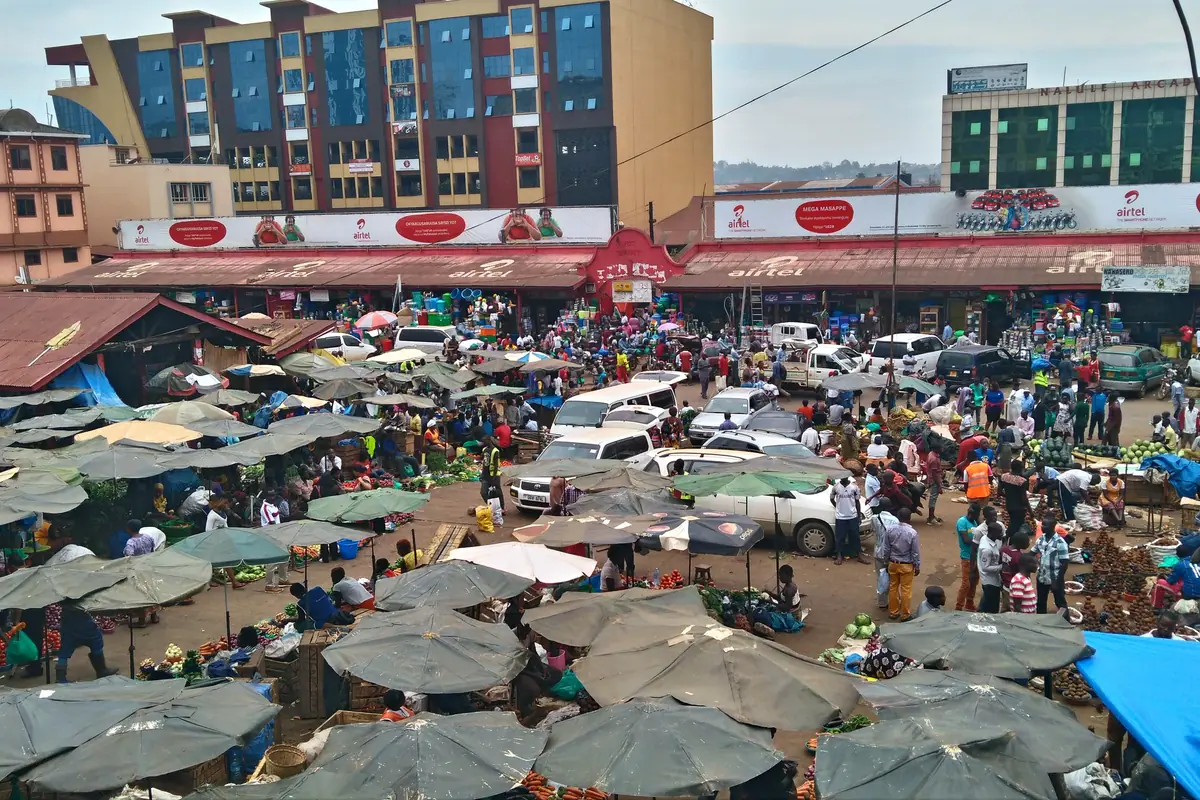
In Kampala, Nakasero Market stacks pyramids of coffee, vanilla, spices and Masaka pineapples, while St Balikuddembe (Owino) Market is louder, cheaper and sells absolutely everything. In villages, small kafunda eateries serve posho with beans for pocket change — eat with your right hand, wash first, and expect to share. Finish with waragi, the local banana gin, or a cup of Bugisu arabica grown on the slopes of Mount Elgon.
Kampala: Royal Tombs, Seven Hills and a Drumbeat at Dusk
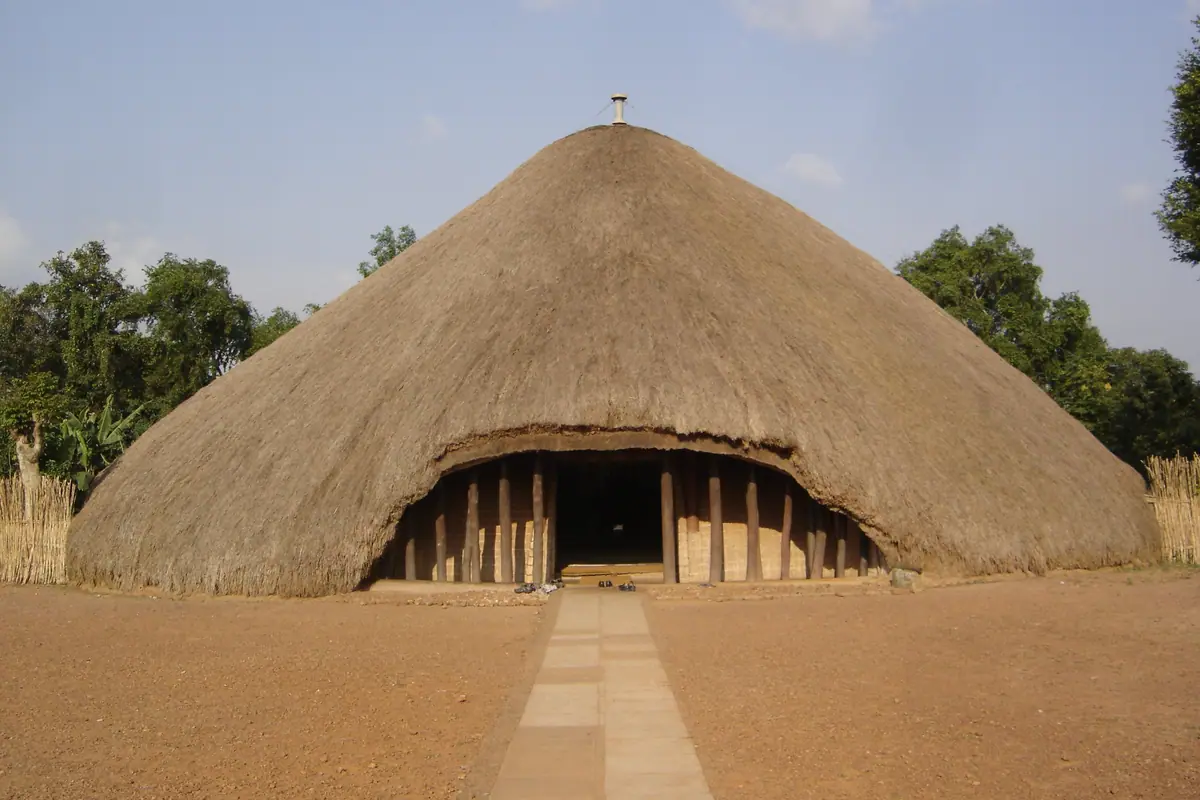
Begin at the Kasubi Tombs, the UNESCO-listed burial ground of the kings of Buganda. On a hilltop inside the city, a vast thatched dome — among the largest grass-thatched structures anywhere — shelters the tombs of four kabakas. You leave your shoes at the gate and walk through a working royal compound where guardians still keep watch, and where the site's careful rebuilding after a devastating fire has become a story in itself.
Kampala unfolds over seven hills, and the quickest way to understand it is to climb the minaret of the Uganda National Mosque for a panorama of roofs, bodas and green ridges. Namirembe and Rubaga cathedrals crown neighbouring hills, the serene Bahai Temple on Kikaya hill is the only one of its kind on the continent, and the Kabaka's Palace with its adjacent Bulange building anchors Buganda's modern ceremonial life. The Uganda Museum is worth an hour for its collection of traditional musical instruments alone.
For a single evening that explains the country's diversity, head to a cultural performance troupe — the Ndere Cultural Centre in Kampala stages dances drawn from across Uganda, from the stately Acholi Bwola to the stamping Banyankole Ekitaguriro and the swaying Baganda Bakisimba. Afterwards, join the crowd at a muchomo joint or a live-music bar, and take a boda boda home through the warm dark.
Bwindi, Mgahinga and Kibale: Where Uganda Meets Its Primates
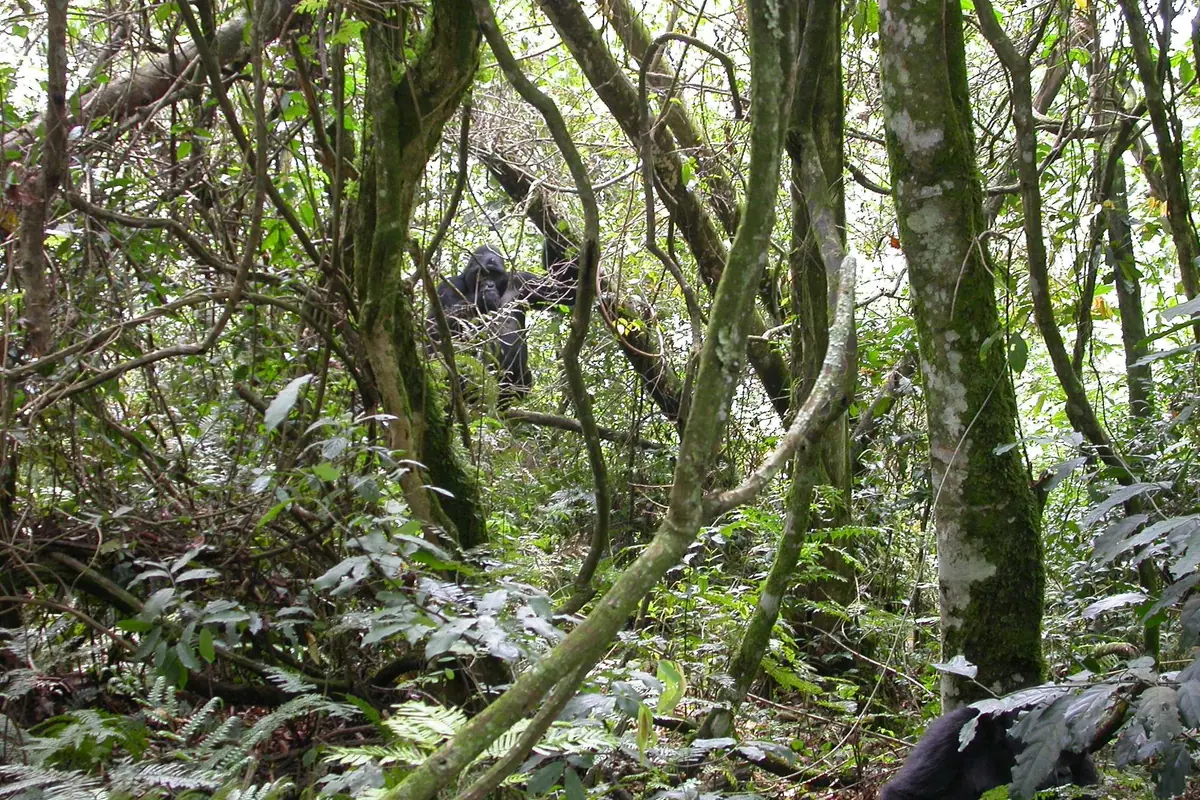
Bwindi Impenetrable National Park is the reason many travellers come at all. Its misty ridges hold roughly half the world's mountain gorillas, tracked from four trailhead sectors — Buhoma, Ruhija, Rushaga and Nkuringo. Treks last anywhere from two to eight hours depending on where the family has nested, up steep, slippery, nettle-lined paths, and only a small number of visitors are allowed with each group each day. Book months ahead, especially for the dry seasons of June to August and December to February, hire a porter, and keep the required distance once you are in the clearing.
Neighbouring Mgahinga Gorilla National Park protects golden monkeys and three Virunga volcanoes, and offers the Batwa cultural trail, led by members of a community who lived in these forests for generations. It is a smaller, quieter counterpoint to Bwindi and an easy add-on for anyone trekking in the far south-west.
Further north, Kibale Forest National Park has the densest primate population in East Africa and reliably good chimpanzee tracking, with the community-run Bigodi Wetland Sanctuary boardwalk nearby for birds and monkeys. Then drop south to Queen Elizabeth National Park for the Kazinga Channel boat cruise — hippos, elephants, buffalo and kingfishers at close range — the Kyambura Gorge, and the fig trees of the Ishasha sector, famous for lions that sleep in the branches.
Lake Bunyonyi, Crater Lakes and Ankole Milk Culture
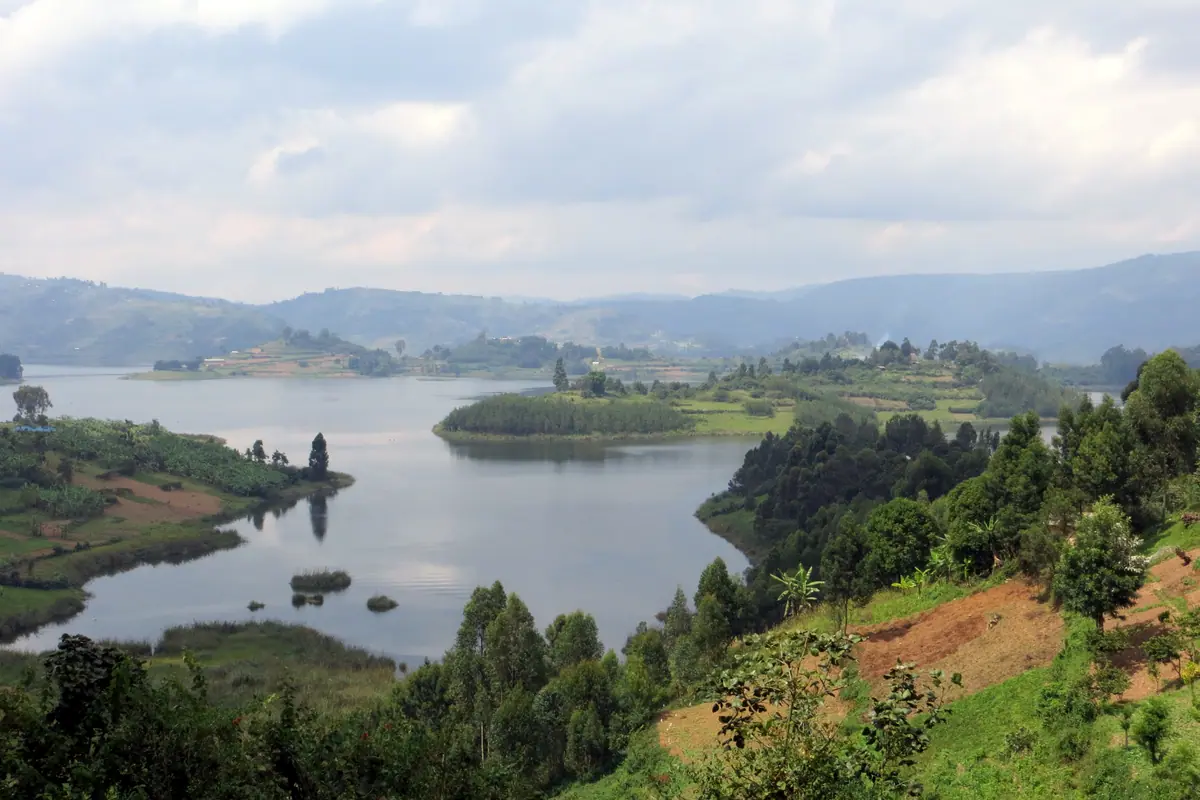
Lake Bunyonyi, near Kabale, means 'the lake of many little birds', and its terraced green hills and 29 islands feel almost too gentle after gorilla country. Dugout canoes and simple wooden boats ferry visitors between islands, the water is free of the snails that carry bilharzia so swimming is safe, and nights at this altitude are genuinely cold. Ask a local guide about Punishment Island — small, beautiful and the site of a sobering history.
Near Mbarara, Igongo Cultural Centre is the best single introduction to Ankole culture: a thoughtful museum of royal regalia, milk pots and household objects, set beside the long-horned cattle that define the region's identity. Order akaro with eshabwe, the white milky sauce churned from ghee, and you are eating the food of herders who measure wealth in cows rather than currency.
The crater lakes around Fort Portal, in the shadow of the Rwenzori Mountains, make a fine slow day: swim in Lake Nkuruba, drive the crater rim, walk through tea estates and visit the Amabere ga Nyina Mwiru caves, wrapped in local legend. Distances are short but the roads are not, so plan on unhurried afternoons rather than tight itineraries.
Jinja, Murchison Falls and Coffee on the Equator
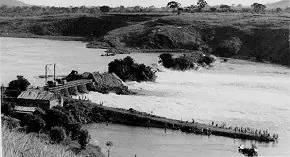
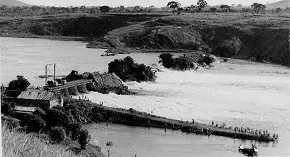
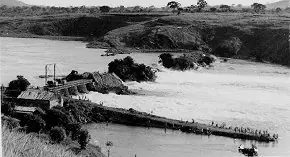
At Jinja, the world's longest river begins its journey: a quiet stretch of Lake Victoria becomes the Nile, and boats carry visitors to the spot marked by the Speke Monument. It is a friendly, laid-back town with good coffee, and downstream the Itanda Falls and the surrounding rapids make it one of the region's rafting and kayaking hubs. The river runs high and fast after the March-to-May rains, when the water is at its most dramatic.
Murchison Falls National Park is the classic Nile experience. Here the river is forced through a gap barely seven metres wide, exploding into a cauldron of spray; the standard boat safari from Paraa takes you to the base of the falls, where you can hike to the top and stand above the roar. Game drives deliver elephants, giraffes, buffalo and the endemic Uganda kob, while Budongo Forest offers chimpanzee tracking and roadside Ziwa Rhino Sanctuary gives you a chance to see white rhinos on foot.
East of the park, Sipi Falls tumbles down the flanks of Mount Elgon in three separate drops, and the surrounding Bugisu arabica coffee farms welcome visitors for planting, picking, roasting and cupping. On the road between Kampala and the west, stop at the equator monument at Kayabwe, where a guide demonstrates the famous water-drainage trick on either side of the line.
Kidepo Valley and the Karamoja Frontier
Kidepo Valley National Park, tucked into Uganda's remote north-east corner, is the country's wildest and least-visited wilderness — semi-arid plains, the Narus Valley with its concentration of wildlife, ostrich, cheetah and a solitude that feels earned. Reaching it takes a long overland haul or a small charter flight from Entebbe, and the reward is a landscape unlike anywhere else in Uganda. December to March is the driest, easiest window, when animals gather at the remaining water.
This is also Karamojong country, home to cattle-keeping communities with their own architecture, beadwork and music, including the gentle akogo thumb piano. Visits should be arranged through local guides and paid for fairly, whether you are touring a manyatta, buying beads directly from the maker, or watching an evening dance. If the far north is beyond your schedule, the Ssese Islands in Lake Victoria make a softer finale — ferries leave from Entebbe for quiet beaches and forest walks.
Frequently asked questions
What is the best time of year to visit Uganda?
The dry seasons from December to February and June to August bring easier roads and the best trekking conditions. The rains of March to May and September to November mean greener scenery, lower rates and fewer visitors.
Which Ugandan dishes should I try first?
Matoke with groundnut sauce, luwombo steamed in banana leaf, a chapati-and-egg rolex, charcoal-grilled tilapia from Lake Victoria, and muchomo in the evening. Look for nsenene grasshoppers in November and May, and finish with waragi or Bugisu coffee.
How long do I need to see Uganda properly?
Allow at least ten days to combine the south-west gorillas with Murchison Falls or Lake Bunyonyi. Add three or four more days for Kidepo Valley, and remember that road distances are long — most travellers use short internal flights to save time.
Do I need to book gorilla trekking in advance?
Yes. Only a small number of visitors are permitted with each gorilla family per day, and the dry-season slots in Bwindi and Mgahinga sell out months ahead. Hire a porter on the day; the terrain is steep and the extra hands are well worth it.
Is Uganda easy to travel around independently?
It is welcoming and generally straightforward, but long drives, murram roads and park logistics reward planning. Boda bodas and shared taxis work in towns, while a driver-guide or a domestic flight makes far more sense between regions.
Sort the rest of your trip
Everything for Uganda, in one place
Stay in Uganda
Hotels, guesthouses and apartments — compared in one search.
Search hotels
Transfer in Uganda
Private driver waiting on arrival — no queues, no surprises.
Book a transfer
Stay online in Uganda
Travel eSIM — data the moment you land, no roaming bills.
Get an eSIM