Uganda straddles the equator, yet altitude and two distinct rainy seasons mean the country never behaves like one single climate. The month you choose decides whether your lodge is a sunlit base for gorilla trekking or a bargain hideout wrapped in mist and birdsong. Here is how Uganda's seasons actually work, and where to stay in each of them.
Uganda's Two Dry Seasons and Two Wet Seasons, Explained
Most of Uganda sits between roughly 1,000 and 1,500 metres above sea level, so heat is rarely the problem — rain is. Daytime temperatures in the low-to-mid twenties Celsius are the norm in Kampala, Entebbe and the western highlands, with noticeably cooler nights around Bwindi and Kabale and hotter, drier conditions in the far north around Kidepo Valley National Park. Broadly, the country dries out from December to February and again from June to August, while the long rains arrive from March to May and a shorter, softer wet spell settles in from September to November.
Why does this matter so much for accommodation? Because in Uganda a lodge is not just a bed — it is your trailhead. The camps and forest lodges clustered around Bwindi Impenetrable National Park, Mgahinga Gorilla National Park and the edges of Queen Elizabeth National Park are booked according to trekking schedules, vehicle transfers and park gates that open at dawn. In the dry months, the best-positioned rooms, the experienced guides and the scarce 4x4 vehicles go months in advance. In the green months, the same lodges drop their rates, trails empty out, and the forest puts on its most photogenic face.
A second quirk: rainfall is not uniform. The shores of Lake Victoria and the Ssese Islands are humid and can catch rain at almost any time, while the semi-arid northeast around Kidepo swings between parched and briefly torrential. Assume nothing from a national forecast and instead plan around the region you are actually visiting.
December to February: Uganda's Brightest, Busiest Window
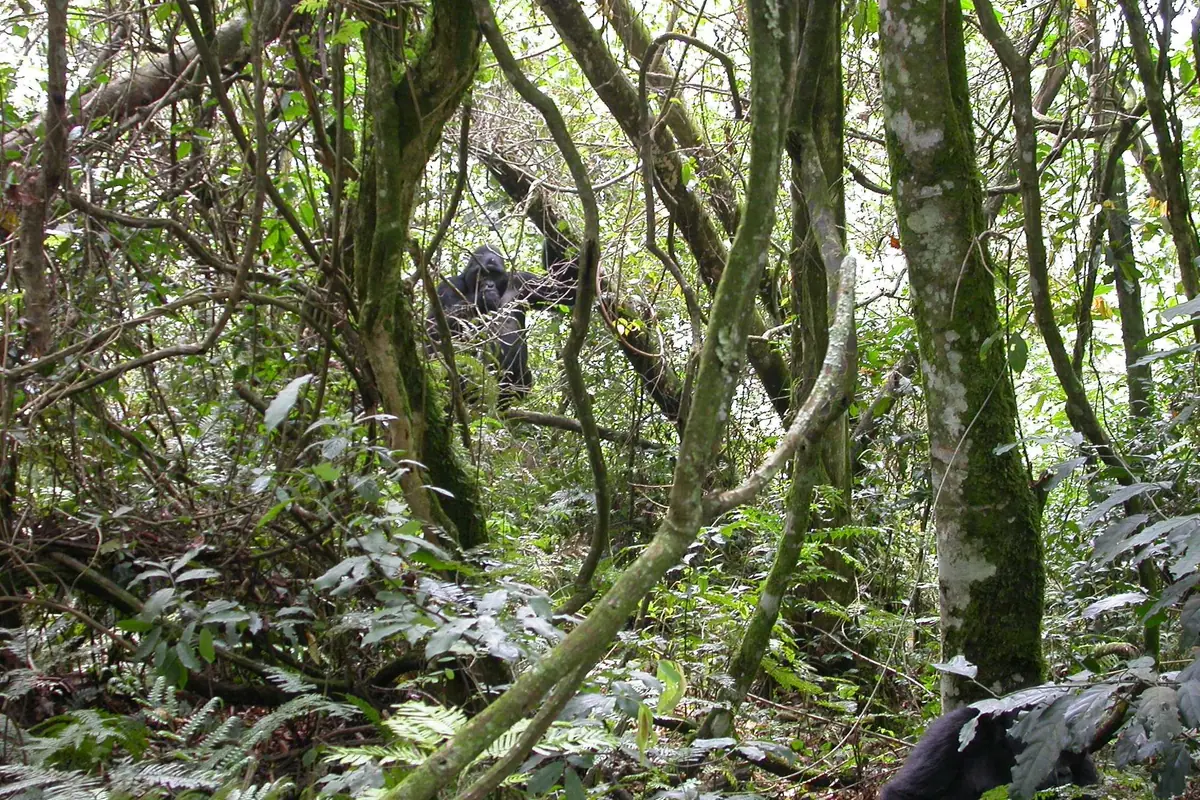
This short dry season brings clear skies, firmer forest trails and more passable roads — the reason it is widely considered the finest time to be in the country. It is prime season for gorilla trekking in Bwindi and Mgahinga, for chimpanzee tracking in Kibale Forest, and for classic game drives across the Kasenyi plains of Queen Elizabeth National Park and the Ishasha sector famous for its tree-climbing lions. Boat cruises along the Kazinga Channel are at their most comfortable, and the Nile launch trips below Murchison Falls run under blue skies.
Expect peak-season rates from around mid-December through early January, when Ugandan families holiday alongside international visitors and lodges near the Buhoma and Rushaga trailheads fill first. If your trip hinges on a specific gorilla trekking date, reserve accommodation and permits six to nine months ahead rather than weeks. Pack layers: mornings in the Bwindi highlands can be genuinely cold before the sun clears the ridges, while afternoons on the open savannah turn hot and dusty.
One underrated advantage of this window is that it suits the whole country at once. You can pair the southwestern forests with Lake Bunyonyi's terraced hills, add the crater lakes near Fort Portal, and still find the roads into the northern parks in reasonable shape.
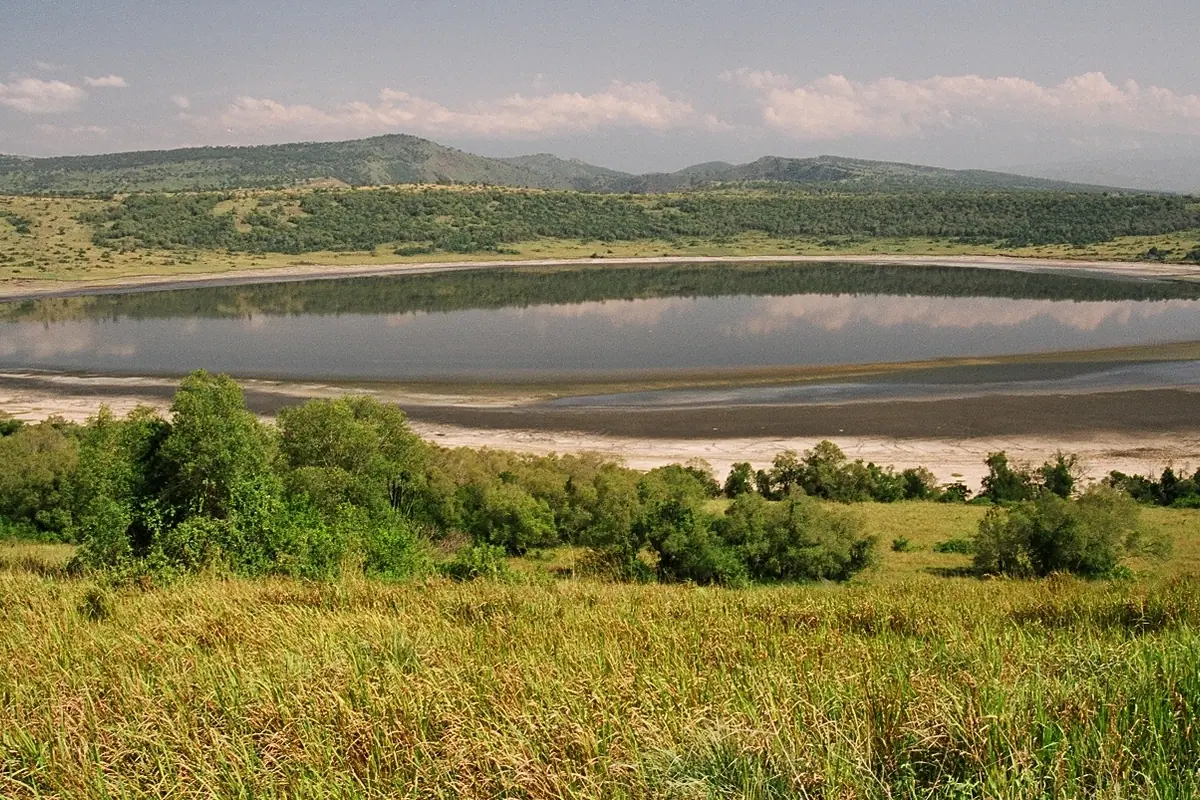
June to August: The Long Dry Season and Classic Safari Conditions
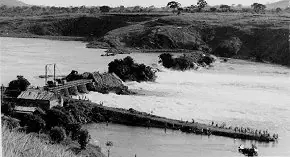
Uganda's second dry season is the most dependable stretch of the year for wildlife watching. Undergrowth thins out, animals concentrate around water, and tracks that turn to grease in the rains hold firm. It is the standout period for Murchison Falls National Park, where the Victoria Nile squeezes through a seven-metre gorge and boat safaris deliver close views of hippos, crocodiles and elephants, and for the vast, empty landscapes of Kidepo Valley National Park in the northeast. Lake Mburo, Semuliki and the Kyambura Gorge are all at their most accessible.
The trade-off is that June to August is also peak season: lodges charge their top rates, permits disappear early, and popular viewpoints such as the top of Murchison Falls see a steady stream of visitors. Book far ahead if you want a riverside room or a lodge inside the park rather than a long drive outside it. June and July also bring cooler air, and nights in the southwestern highlands can dip below ten degrees Celsius, so a fleece and a warm hat are not overkill.
Adventure travellers often use this window for white-water rafting on the Nile at Jinja near the Source of the Nile, or for multi-day hikes on Mount Elgon and the Rwenzori Mountains, where drier trails make the going far safer.
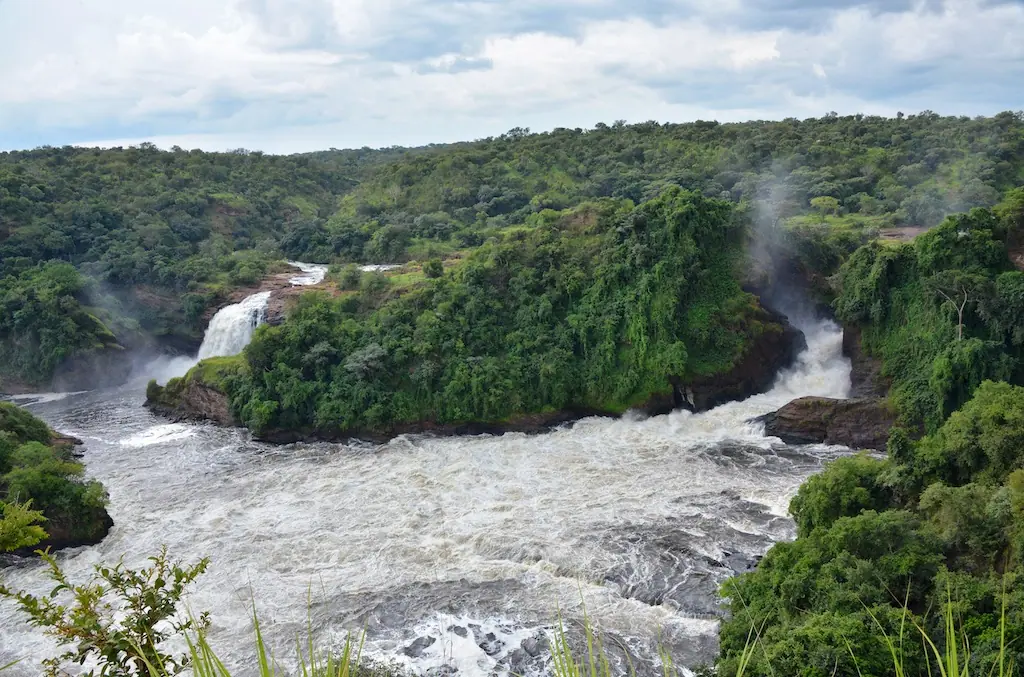
March to May: Long Rains, Low Rates and Lush Landscapes
April is typically the wettest month of the year, and the long rains from March to May reshape both the landscape and the price list. Forest lodges around Bwindi, Kibale and Queen Elizabeth often cut rates substantially, and some smaller camps close altogether for maintenance — so always confirm opening dates before you build an itinerary around a bargain. Roads to remote parks such as Kidepo can become difficult, and forest trails turn slick and demanding underfoot.
What you gain is drama. Waterfalls run at full volume, the Nile below Murchison Falls is thunderous, and the forests are thick, green and loud with birds — including Albertine Rift endemics and the sought-after shoebill, best looked for by canoe in the Mabamba Swamp on the edge of Lake Victoria. Gorilla trekking continues throughout the rains; the walking is harder and the humidity higher, but permits are easier to secure and the encounters feel more private.
This is the season for flexible travellers who value atmosphere over convenience. Add buffer days between regions, favour the southern circuit around Lake Bunyonyi and Bwindi where the volcanic soil drains relatively well, and treat every transfer as an adventure rather than a schedule.
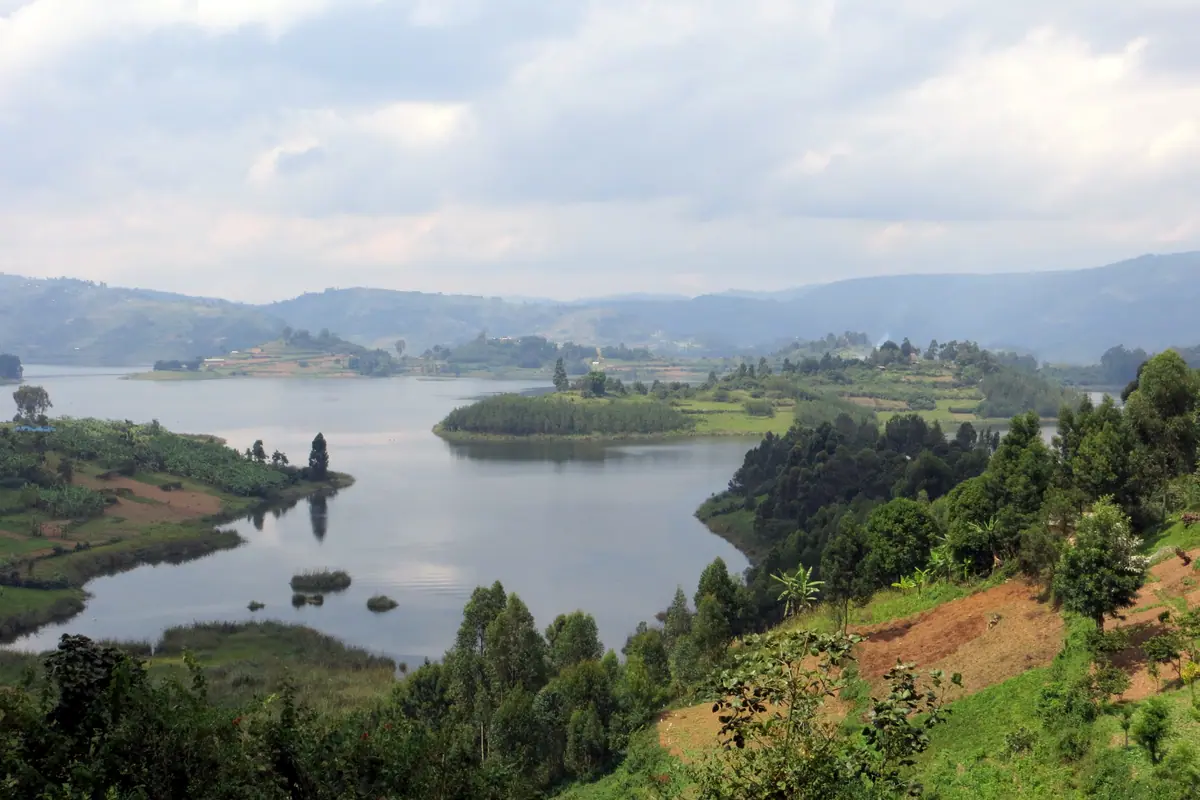
September to November: The Short Rains and the Quiet Shoulder Season
September and early October often stay surprisingly dry, with the short rains typically arriving late in October and continuing through November. Showers tend to be brief and afternoon-bound rather than all-day affairs, which makes this shoulder period an excellent compromise: reasonable lodge rates, thinner crowds at the gorilla trailheads, and scenery that has greened up without the mud of April.
Birdwatchers should pay particular attention here, as migratory species arrive and the wetlands and forest edges fill with activity. It is a lovely time for Lake Mburo National Park, for the rhino tracking on foot at Ziwa Rhino Sanctuary between Kampala and Murchison Falls, and for the crater lakes and tea country around Fort Portal.
Hikers heading for the Rwenzori Mountains should note that the clearest conditions fall in the December-to-February and June-to-August windows; the wetter months make the high trails slippery and cloud cover can hide the peaks entirely. If the Mountains of the Moon are the headline of your trip, plan around the dry seasons rather than the shoulder.
Matching Your Base to the Season: Where to Stay Across Uganda
Kampala and Entebbe work year-round as arrival and departure bases. Use them to see the Kasubi Tombs, the Uganda Museum, the view from the Gaddafi National Mosque minaret and the Kabaka's palace, then spend a relaxed final day at the Entebbe Botanical Gardens and the wildlife education centre beside Lake Victoria. City hotels rarely sell out, so this is the one part of the trip you can book late.
In the southwest, base yourself in or beside Bwindi for gorillas, near Ishasha or Kasenyi for Queen Elizabeth's lions and elephants, and on the shores of Lake Bunyonyi for a slower finish. The dry months of December to February and June to August give the best trekking; the green months give the best value. In the north, Murchison Falls suits almost any month, while Kidepo is at its finest in the December-to-February dry season when its murram roads behave.
Finally, the east around Jinja, Sipi Falls and Mount Elgon is a year-round option, with the dry seasons best for hiking and any time at all fine for a Nile-side lodge. Whichever route you choose, aim for at least seven to ten days: two or three nights in Bwindi, two in Queen Elizabeth, two or three in the north, plus a night or two near Kampala or Jinja to catch your breath.
Frequently asked questions
What is the best time of year to visit Uganda for gorilla trekking?
The dry seasons from June to August and December to February offer the firmest trails and the most comfortable trekking conditions in Bwindi Impenetrable National Park and Mgahinga Gorilla National Park. Trekking continues throughout the rainy months, but the walking is muddier and harder. Permits are limited and sell out early in peak periods, so book months ahead.
When is the cheapest time to stay in Uganda?
The long rains from March to May, especially April, and the short rains from late October to November bring the lowest lodge rates and the fewest visitors. Some forest camps close during the heaviest rains, so confirm opening dates and expect slower, muddier road transfers between parks.
How many days do you need in Uganda?
Seven to ten days is a realistic minimum for a first visit. A typical loop gives you two or three nights near Bwindi for gorillas, two nights in Queen Elizabeth National Park, two or three nights in Murchison Falls or Kidepo Valley, and a night each in Kampala, Entebbe or Jinja.
Do I need to book lodges in Uganda in advance?
For the December-to-February and June-to-August dry seasons, yes — especially for lodges close to the Bwindi trailheads or inside the national parks, where the best rooms are reserved six to nine months ahead. In the green seasons you can often book more spontaneously and negotiate better rates.
What should I pack for a Uganda hotel and safari trip?
Bring layers for cool highland mornings, a waterproof jacket and sturdy boots for forest trekking, long sleeves and trousers for evenings, insect repellent, a torch and binoculars. Dust and mud are both part of the experience, so pack clothing you do not mind getting dirty.
Sort the rest of your trip
Everything for Uganda, in one place
Transfer in Uganda
Private driver waiting on arrival — no queues, no surprises.
Book a transfer
Things to do in Uganda
Skip-the-line tickets, guided tours and standout experiences.
See experiences
Stay online in Uganda
Travel eSIM — data the moment you land, no roaming bills.
Get an eSIM