South Sudan is one of the least-visited corners of Africa, and that is precisely what makes it extraordinary: a country stitched together by the White Nile, where cattle camps glow with wood ash at dusk and a bowl of sorghum porridge is served with the same care as a feast. Travel here is slow, arranged in advance and deeply human — you come for landscapes few outsiders have seen, and you leave remembering the people who showed them to you.
Juba: A Capital That Runs on the River
Juba spreads along the west bank of the White Nile in the homeland of the Bari and Pojulu peoples, a city that grew from a river trading post into a national capital in a single generation. Start your mornings at Konyo Konyo Market, the sprawling heart of local commerce, where pyramid-stacked mangoes and guavas sit beside basins of dried Nile fish, sacks of groundnuts, okra, cassava flour and charcoal. Women spread fermenting sorghum batter into thin sheets of kisra over iron griddles, and the air carries a mix of smoke, diesel and roasting maize. It is loud, hot and completely absorbing — go early, wear closed shoes, and keep a small note of local currency handy for the smaller stalls.
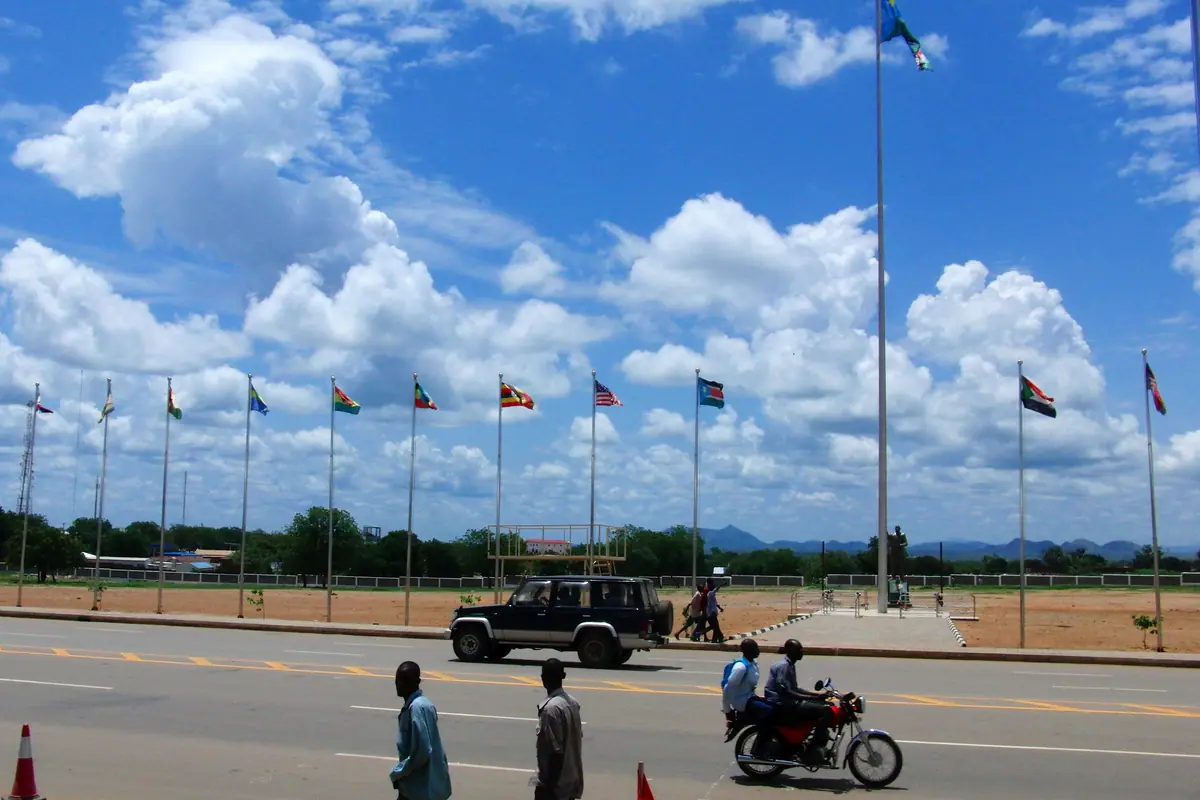
Just east of the centre, the John Garang Mausoleum is Juba's most recognisable landmark, a domed marble monument on the riverbank surrounded by a wide ceremonial plaza where national commemorations are held. From there, climb Jebel Kujur, the granite hill that rises behind the city; the walk up takes about 45 minutes on a rough footpath and rewards you with the best panorama in the capital — the Nile curving silver towards the Nimule road, tin roofs, mango trees and, on clear days, the green line of the distant hills. Do it at first light, before the heat builds.
For a dose of living culture, spend an evening at the Nyakuron Cultural Centre, where drumming troupes, dance groups and singers from across the country's many communities rehearse and perform. Sunday services at St. Teresa Cathedral in Juba are a lesson in the country's multilingual soul, with hymns in Bari, English and Juba Arabic. Afterwards, join the tea stalls along the riverside: small glasses of shai boiled with ginger and cloves, drunk slowly as the sun drops behind the far bank.
At the Table: What South Sudanese Food Tastes Like
The staple of almost every meal is kisra, a fermented sorghum flatbread spread paper-thin and cooked on a curved clay plate until it turns translucent and faintly sour. You tear it with your right hand and use it to scoop up whatever sits in the shared bowl at the centre of the mat — often mullah, a stew of greens or beans, or kudra, chopped greens slow-cooked with groundnut paste until they turn velvety and rich. On other days the bowl holds asida, a stiff sorghum porridge eaten with okra stew, tomato and dried meat, a meal built for hard work and long distances.
Fish is where South Sudan's rivers really show off. In Shilluk and Nuer communities along the White Nile and the Sobat, kajaik — dried fish simmered with onion, tomato and okra — is a daily staple, its flavour deep and smoky. In Juba and Nimule, riverside grills serve whole tilapia and thick fillets of Nile perch, scored, salted and cooked over charcoal until the skin blisters, eaten with lime, raw onion and fresh bread. Breakfast is usually ful, fava beans stewed soft and dressed with oil and crumbled cheese, mopped up with bread and washed down with sweet spiced tea. In the evening, some communities still brew merissa, a cloudy sorghum beer, and in Juba you will find simple bars where it is poured into calabashes.
Equatoria, the green belt in the south and west, adds fruit and forest to the table: mangoes and guavas in the heat of the dry season, papaya, banana and pineapples, cassava leaves pounded into stews, groundnuts roasted or pressed into oil, shea butter and dark honey from Western Equatoria. Eating is communal — the plate or mat is shared, the right hand is the utensil, and refusing a second helping is a small insult. Ask what you are eating, compliment the cook, and you will be offered more than you can finish.
Along the White Nile: Nimule, the Sudd and the Great Migration
Nimule National Park sits on the Ugandan border about 200 kilometres south of Juba, a compact reserve of riverine forest and savannah wrapped around a bend of the Nile. Its centrepiece is the Fola Rapids, where the river narrows and accelerates over rocks before opening out again, and the park is one of the few places in the country where you can watch elephants swim across the current. Boat trips on the Nile, guided walks, and a night in the park's simple rest camp are all arranged locally; the drive down from Juba is on tarmac and takes around four hours, passing Madi and Bari villages where roadside stalls sell honey, cassava and grilled maize.
North of Juba, the Sudd is one of the largest wetlands on earth — an immense, shifting maze of papyrus, reed and floating vegetation that swallows the White Nile's flow and turns it into a green horizon. It is difficult, expensive and occasionally impossible to reach, which is exactly why it feels like a secret. With a boat and a knowledgeable guide you can look for Nile lechwe, sitatunga, hippos, crocodiles and, with luck, the shoebill stork standing motionless among the reeds. Access depends entirely on water levels, so plan with someone who knows the season, and expect to travel by light aircraft or chartered boat.
Further east, Boma National Park and Bandingilo National Park host one of the greatest land mammal movements anywhere on the continent: vast herds of white-eared kob, tiang and Mongalla gazelle pouring across the short-grass plains. The herds concentrate most predictably from February through April, when the dry season has burned the grass and water holes shrink, drawing animals into enormous, dust-hazed columns. Boma, near the Ethiopian border, is reached by chartered flight and a long, rough drive; Bandingilo is closer to Juba and the easier introduction. Either way, this is not a safari in the classical sense — there are almost no lodges, no crowds, and the spectacle belongs entirely to you and the herds.
Cattle Camps, Kingdoms and Living Traditions
The most memorable cultural experience in South Sudan is a morning among the Mundari cattle camps near Terekeka, an hour and a half to two hours north of Juba on the west bank of the Nile. Cattle here are wealth, status and family rolled into one, and at dawn the camp wakes in a haze of smoke: herdsmen burn dried dung, rub the pale ash into their own skin and that of their animals, and the whole camp takes on a soft, ghostly grey. The cattle are individually named, sung to and decorated; the Mundari themselves are striking hosts, curious and generous. Ask before you lift a camera — permission is expected, and hospitality dries up fast when it is assumed.
Dinka cattle camps in the flood plains of Jonglei and Bahr el Ghazal follow a similar rhythm on a grander scale: enormous herds moving with the water, boys and young men with ash-bleached hair, wrestling matches held between communities, and songs composed about favourite oxen that are nobody else's business but are sung to anyone who asks. Take an introduction through a trusted local guide; these are working communities, not attractions.
On the White Nile north of Malakal lies Kodok, the historic town once called Fashoda, capital of the Shilluk kingdom and the site of a famous 1898 colonial standoff. The Shilluk retain a ceremonial king, and visits can be arranged with local elders through a fixer. Far to the southwest, in the green hills around Yambio and Maridi, the Zande and Baka peoples keep a different tradition: harp music with plucked, humming strings, dance, and palm wine shared in the late afternoon. Greet everyone you meet, accept the tea that will be offered, and travel with someone who speaks the language — that is the real entry ticket.
Highlands, Forests and the Green Season
The Imatong Mountains rise sharply east of Juba near Torit, a cool, misty range of Afromontane forest and bamboo that feels like a different country. Mount Kinyeti, at 3,187 metres the highest point in South Sudan, anchors the range, and the slopes hold rare birds, butterflies and plants found in few other places. Reaching the high ridges requires a permit, a 4x4, camping gear and several days on foot with local porters; the foothills, though, can be explored far more easily, and even a short climb gives you pine-cool air and long views back across the plains.
Western Equatoria is South Sudan's green belt — teak and mahogany plantations, mango orchards, coffee smallholdings and honey collectors working from tree hives. Yambio, Maridi and Nzara are the main towns, and the woodland here is good for birds and forest monkeys. This is also the wettest part of the country: from April to October the rains arrive most afternoons, tracks turn to red mud and river crossings become unpredictable, so the dry months are far more practical for moving around.
Timing shapes everything in South Sudan. The dry season from November to March is the most comfortable window, with dusty heat and temperatures often climbing past 35°C in Juba; January and February are the sweet spot for parks, roads and the great herds on the eastern plains. The wet season, roughly April to October, turns the country improbably green, fills the Sudd and brings the birds, but it also closes roads and pushes wildlife apart. Pack lightweight long sleeves, a hat, a head torch, insect repellent and more patience than you think you will need.
Practicalities: Permits, Roads and Respect
South Sudan is not a destination you improvise. Most visitors need a visa arranged in advance, and travel outside the main towns usually means a permit, a licensed local operator and a registered guide. Photography permits are often required, and photographing military sites, uniformed personnel or bridges is a serious mistake. Check current travel advisories before booking and plan your route around regions that are stable rather than around the map's most exciting names; your operator will know which is which this month. A yellow fever vaccination certificate is commonly required on entry, and malaria prevention is essential year-round.
Moving around means 4x4 vehicles with a driver, chartered light aircraft to state capitals and remote airstrips, and boats on the river where the water allows. The road from Juba south to Nimule is paved and reliable; many others are graded dirt that becomes impassable after heavy rain. Fuel is available in the larger towns but not between them, so carry reserves. English is the official language, Juba Arabic is the practical lingua franca, and Bari, Dinka, Nuer, Shilluk and Zande are spoken across their regions — a few words of greeting go much further than a fluent sentence in the wrong language.
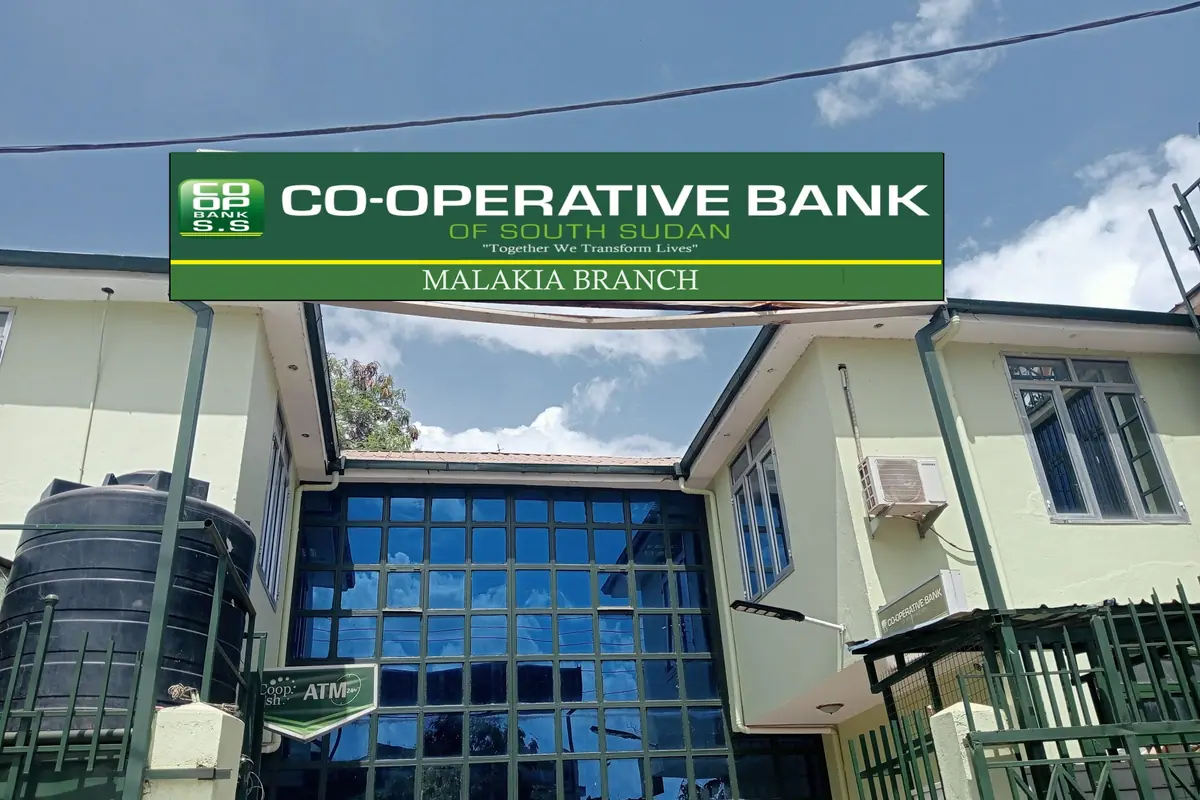
Cash rules. Bring clean, recent banknotes to exchange for South Sudanese pounds, expect no working international cards outside a handful of Juba hotels, and keep small denominations for markets, tea stalls and tips. Dress modestly away from the capital, ask before photographing people or entering a homestead, and never walk into a cattle camp unaccompanied. Drink bottled or filtered water, eat freshly cooked food, and be ready for long, hot drives with warm welcomes at the end of them. Treated as a guest rather than a spectator, South Sudan repays the effort many times over.
Frequently asked questions
Is South Sudan open to tourists?
Yes, but it takes planning. You generally need a visa arranged before arrival, and travel outside the main towns usually requires permits and a licensed local guide or operator. Check current travel advisories and build your itinerary around the regions that are stable at the time you travel.
What food should I try first in South Sudan?
Start with kisra, the fermented sorghum flatbread, scooped through kudra greens cooked with groundnut paste, or asida porridge with okra stew. Along the Nile, eat kajaik dried-fish stew and charcoal-grilled tilapia or Nile perch. Breakfast ful with sweet spiced shai tea is the local way to begin the day.
When is the best time to visit South Sudan?
The dry season from November to March is the most comfortable and practical window, with January and February best for road travel and for the immense herds of white-eared kob and tiang gathering in Boma and Bandingilo national parks. The wet season from April to October brings green landscapes and birds but closes many roads.
Can I visit the Sudd wetlands and Boma National Park?
Both are possible but logistically demanding. The Sudd usually requires a chartered boat or light aircraft and depends on water levels, while Boma involves a charter flight and a long rough drive. Arrange either through an operator with proven access and expect basic camping rather than lodges.
What should I know about photographing people and cattle camps?
Photography permits are frequently required, and military sites, bridges and uniformed personnel are strictly off-limits. In cattle camps and villages, always ask before taking a picture and accept a refusal gracefully. Visiting with a guide who has a relationship with the community makes all the difference.
Plan it — tours in South Sudan
Live search, booked directly with trusted providers.
Sort the rest of your trip
Everything for South Sudan, in one place
Stay in South Sudan
Hotels, guesthouses and apartments — compared in one search.
Search hotels
Transfer in South Sudan
Private driver waiting on arrival — no queues, no surprises.
Book a transfer
Stay online in South Sudan
Travel eSIM — data the moment you land, no roaming bills.
Get an eSIM