South Sudan is a country that rewards timing more than almost anywhere else on the continent — its roads, its wildlife and even its hotel rooms all hinge on whether the sky has opened. Get the season right and you can watch elephants cross the Nile at Nimule, follow antelope herds across the floodplains of Boma and climb to the roof of the Imatong Mountains. Get it wrong and you may find yourself stuck in mud with a booked-out guesthouse in Juba.
The Dry Season Window: November to March
From late November the rains retreat and South Sudan settles into its long dry spell, a stretch that most travellers treat as the default visiting window. Skies turn a hard, pale blue, the air thickens with dust haze, and daytime temperatures in Juba climb toward the high thirties, occasionally pushing past forty in the brutal weeks of February and March. What you lose in comfort you gain in mobility: the tarmac road south to Nimule stays clear, dirt tracks around Yambio and Torit firm up, and the charter airstrips serving the eastern parks become usable again.
This is also when the country's accommodation squeeze is at its tightest. Juba fills with aid workers, contractors, diplomats and journalists, and the better compound hotels — the ones with reliable generators, borehole water, air conditioning and a walled garden to sit in — are booked out weeks ahead, especially over the Christmas and New Year period. If you are planning a dry-season trip, reserve your room the moment your dates are fixed, and expect to pay considerably more than in the wet months.
For a first visit, December through February is the sweet spot: the heat is manageable in the early mornings, the light is superb for photography along the White Nile, and every major road and airstrip is at its most dependable. Carry a scarf or light buff for the dust, start your days at dawn and treat the middle of the afternoon as a siesta.
The Rains: April to October and the Great Sudd Swell
When the rains arrive — earlier and heavier in the green south around Yambio, Maridi and the Imatong foothills, later in the northern plains — South Sudan turns a startling shade of green. The Sudd, the immense swamp that the White Nile braids through in the centre of the country, swells outward until it becomes a waterworld of papyrus channels, floating islands and drowned grassland. This is one of the great wetlands of Africa and a magnet for birdlife: shoebills stand motionless in the shallows, while pelicans, storks and countless herons work the channels.
Travelling in the wet season is not impossible, it is simply different. Juba remains fully functional, and the tarmac highway to Nimule stays open, though the park tracks inside Nimule National Park can turn slick and, at the height of the rains, close altogether. Anything off the main corridors — the roads west toward Wau, the routes into Boma and Bandingilo, the dirt stretches up toward Malakal — becomes unpredictable, with vehicles bogged, ferries delayed and journeys that take hours in January stretching into days.
What the wet season offers is atmosphere and value. Hotel rates in Juba soften, rooms free up, the light is dramatic and the landscape is at its most alive before the dust returns. If your interests lean toward birdwatching, river journeys on the Nile and time in the southern forests, the months of May, June and September can be genuinely rewarding. Just build slack into every itinerary and keep your plans flexible.
Wildlife Timing: Boma, Bandingilo and the Antelope Migration
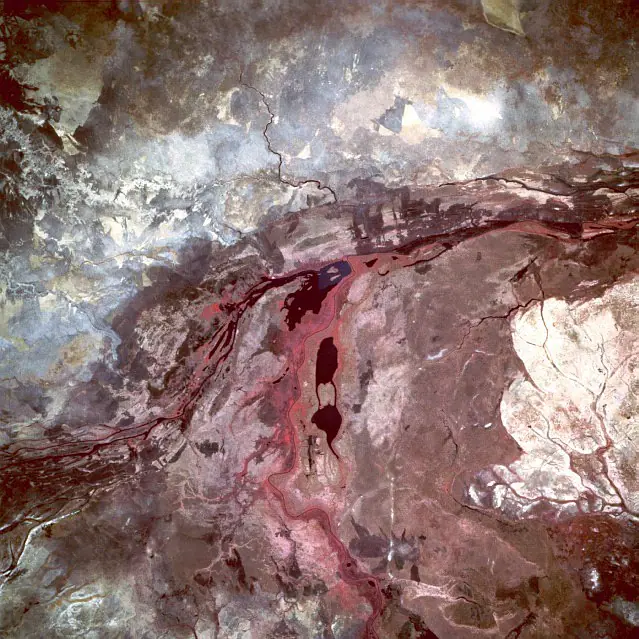
South Sudan's headline natural spectacle is the seasonal movement of white-eared kob, tiang and Mongalla gazelle — one of the largest land mammal migrations anywhere on the continent, and one of the least visited. The animals scatter across the grasslands during the rains, then funnel back toward the permanent water of the Nile and its floodplains as the country dries out. That means the prime window for seeing them massed in numbers is roughly December to April, with February and March often delivering the densest concentrations along the water.
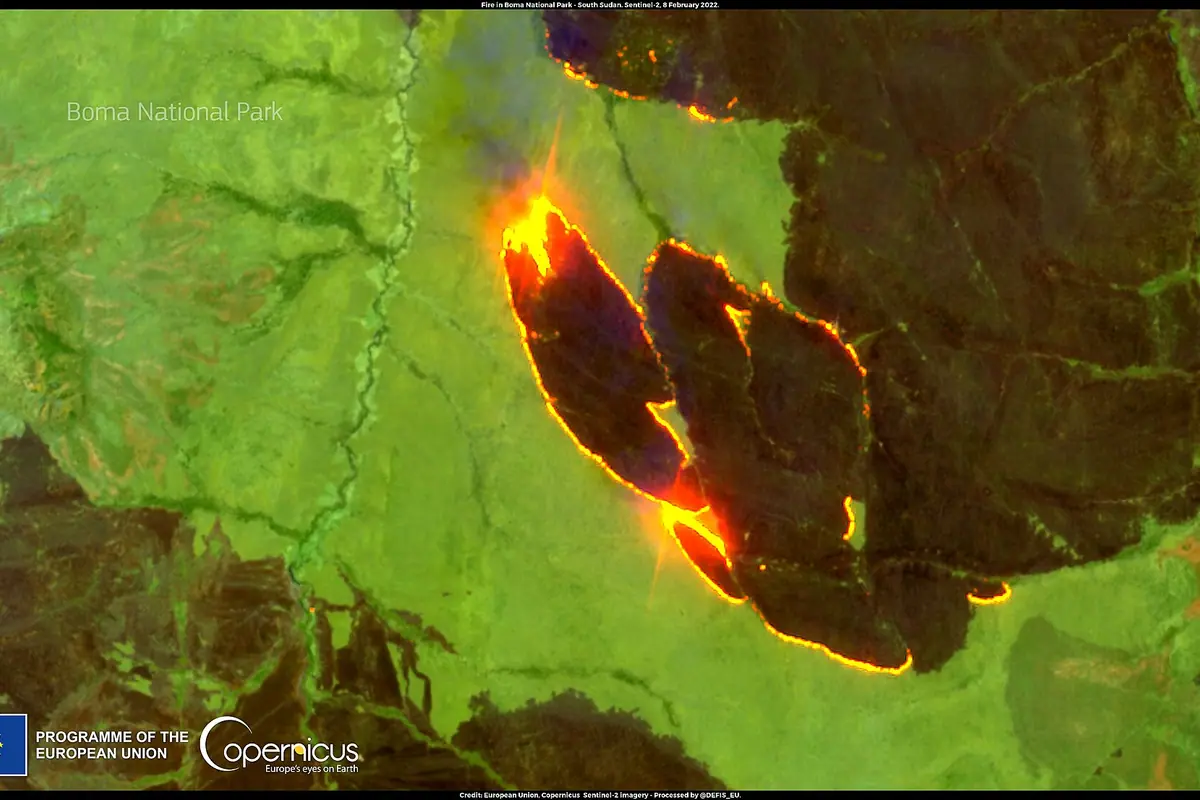
Boma National Park, spread across the eastern border country, is the classic destination for this. Reaching it almost always means a charter flight to a dirt airstrip and a safari run by a licensed local operator, with camping or simple tented accommodation rather than conventional hotels — so the timing of your permit, your plane and your dry-season window all have to line up. Bandingilo National Park, closer to Juba and easier to fold into a short trip, offers a similar ecosystem of open floodplain, with good chances of kob, tiang and the occasional lion or elephant.
In the far south, Nimule National Park sits against the Ugandan border, where elephants are known to swim the Nile between banks and boat safaris along the river give you a chance to see them from the water. Further west, the remote Southern National Park near Wau protects a vast, thinly visited tract of woodland and savanna. Across all of these, the same rule applies: the drier the ground, the more you will see and the easier you will move.
Juba: A City to Base Yourself In and What to See
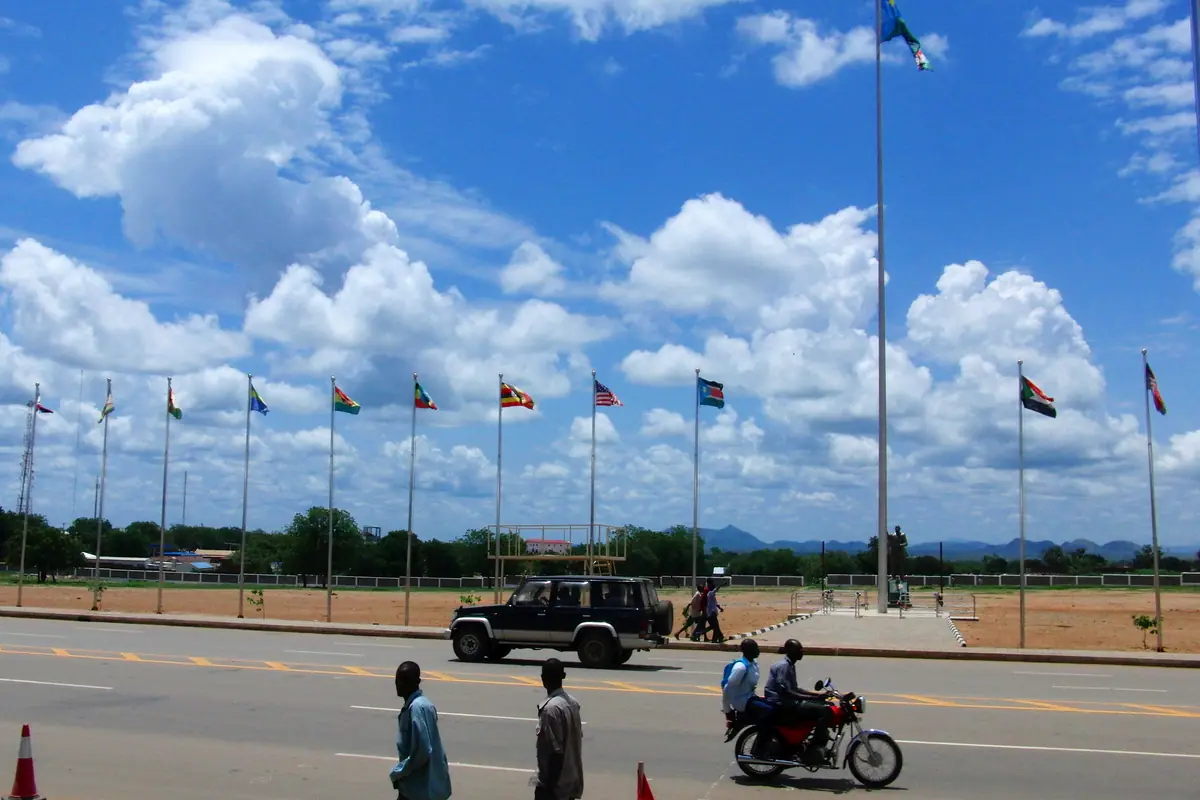
Almost every South Sudan itinerary begins and ends in Juba, the capital, sprawled along the west bank of the White Nile. The city's most visited landmark is the John Garang Mausoleum, a striking white monument and memorial garden in the centre of town dedicated to the country's founding leader — it is both a national shrine and a genuinely impressive piece of modern architecture. Nearby, Konyokonyo Market is the thrumming commercial heart of the city, a maze of stalls selling everything from mangoes and sorghum to tyres, fabrics and phone credit.
Other stops worth your time include the riverside by the Juba Bridge, where you can watch barges and fishing canoes work the current, and the city's two cathedrals — All Saints and St. Theresa's — which offer a cool, quiet pause from the heat. For a view over the whole city and the Nile beyond, make the short trip out to Jebel Kujur, the rocky hill west of the centre; locals climb it at dawn, and the panorama at sunrise is the best in the capital.
Accommodation in Juba divides broadly into international-standard hotels with pools, gyms and generators, mid-range business hotels in walled compounds, and simple guesthouses in the suburbs. The compound hotels are the backbone of the city's lodging scene — you are paying for security, water storage, backup power and a restaurant that keeps serving when the grid fails. Book early in the dry season, confirm whether airport transfers are included, and carry enough local currency for incidentals, since card acceptance is patchy at best.
Beyond the Capital: Nimule, the Imatong Mountains and Mount Kinyeti
The most rewarding side trip from Juba is south to Nimule, a drive of roughly three to four hours on good tarmac along the Nile. The town sits beside Nimule National Park, where you can take a boat along the river in the early morning and watch elephants, hippos and buffalo come down to the water, with the Ugandan hills rising behind. Guesthouses and small riverside lodges here fill quickly on dry-season weekends, and a night or two is enough to make the journey worthwhile.
For walkers, the Imatong Mountains in the far south are the country's great underrated range, rising to Mount Kinyeti, the highest point in South Sudan at just over three thousand metres. The climbing season mirrors the dry window — December to February is your best chance of clear, firm trails, with forest, bamboo and high grassland giving way to rocky summits and views across the borderlands. Local guides are essential, as paths are faint and the weather turns fast.
Western Equatoria offers a completely different South Sudan: the forested country around Yambio and Maridi, with rich birdlife, plantations and a humidity that feels more Congolese than Sahelian. To the north, Malakal and the river ports along the White Nile are for travellers with a serious interest in the river economy and the vast wetlands beyond. Wherever you go beyond Juba, plan your trip around the dry months and accept that distances here are measured in patience, not kilometres.
Planning Around the Seasons: Permits, Roads and Room Bookings
Timing your visit well means sorting the paperwork well in advance. National park entry and filming permissions are arranged through the wildlife authorities and, in practice, through licensed tour operators who know the current procedure. Boma and the more remote parks require charter flights booked weeks or months ahead, and those flights are generally only viable in the dry season. Security conditions vary by region and can change quickly, so check your government's travel advice before booking anything non-refundable and travel with operators who monitor local conditions daily.
Roads are the second scheduling constraint. The Juba–Nimule highway is sealed and reliable year-round; almost everything else is dirt, laterite or seasonal track. In the dry months, a sturdy four-wheel-drive will get you most places; in the rains, whole routes close. If you are combining South Sudan with onward travel, fly in and out of Juba rather than attempting long overland crossings during April to October.
Finally, pack for the season you have chosen. Dry-season Juba demands sun protection, rehydration salts, a dust mask and loose, light clothing; the wet season calls for quick-drying fabrics, waterproof bags for electronics and repellent, as mosquito numbers rise sharply with the water. Health preparation — yellow fever documentation, antimalarials and a travel clinic visit — should happen weeks before departure regardless of the month you choose. December to February remains the safest bet for a first trip, but with flexibility and the right local partners, South Sudan can deliver something memorable in almost any season.
Frequently asked questions
What is the best month to visit South Sudan?
December, January and February are generally the best months. The rains have ended, roads and park airstrips are at their most usable, and wildlife concentrates around the Nile floodplains. February and March are the hottest, with temperatures in Juba often exceeding 38°C.
Can you visit South Sudan during the rainy season?
Yes, but with limits. Juba and the sealed road to Nimule remain accessible, and the green season is excellent for birdwatching around the Sudd. However, tracks into Boma, Bandingilo and most rural areas become impassable, and charter flights to remote airstrips are usually unavailable.
What are hotels in Juba actually like?
They range from international-standard hotels with pools and backup power to mid-range business hotels inside walled compounds and simple suburban guesthouses. Expect generators, stored water and air conditioning as standard in the better places. Dry-season demand is high, so book well ahead and carry local currency, as card payments are unreliable.
Do I need permits to visit South Sudan's national parks?
Yes. Park entry, filming and research permissions are arranged through the wildlife authorities and normally handled by a licensed local operator. For remote parks such as Boma, permits must be coordinated alongside charter flights, and both are realistically only possible in the dry season.
How do I get to Boma National Park?
Almost all visitors fly in by charter to a dirt airstrip and continue with a local safari operator, staying in tents or basic camps rather than hotels. The trip is best attempted between December and April, when the ground is firm and the antelope herds gather on the open floodplains.
When is the best time to hike the Imatong Mountains and Mount Kinyeti?
December to February gives the firmest trails, clearest skies and the best chance of a summit view. The mountains sit in the wetter south, so rain can arrive at almost any time and paths become slippery and overgrown during the main rainy months.
Plan it — hotels in South Sudan
Live search, booked directly with trusted providers.
Sort the rest of your trip
Everything for South Sudan, in one place
Transfer in South Sudan
Private driver waiting on arrival — no queues, no surprises.
Book a transfer
Things to do in South Sudan
Skip-the-line tickets, guided tours and standout experiences.
See experiences
Stay online in South Sudan
Travel eSIM — data the moment you land, no roaming bills.
Get an eSIM