San Marino is that rare capital which is also an entire country: a hush of stone lanes, bell towers and vertiginous lookouts balanced on Monte Titano, with the Adriatic plain unrolled a few hundred metres below. Come for the Three Towers and the postcard views, stay for piadina cooked on a terracotta griddle and the small-town ceremonies that keep the world's oldest surviving republic feeling like a village.
Arriving on Monte Titano: Orientation in the World's Oldest Republic
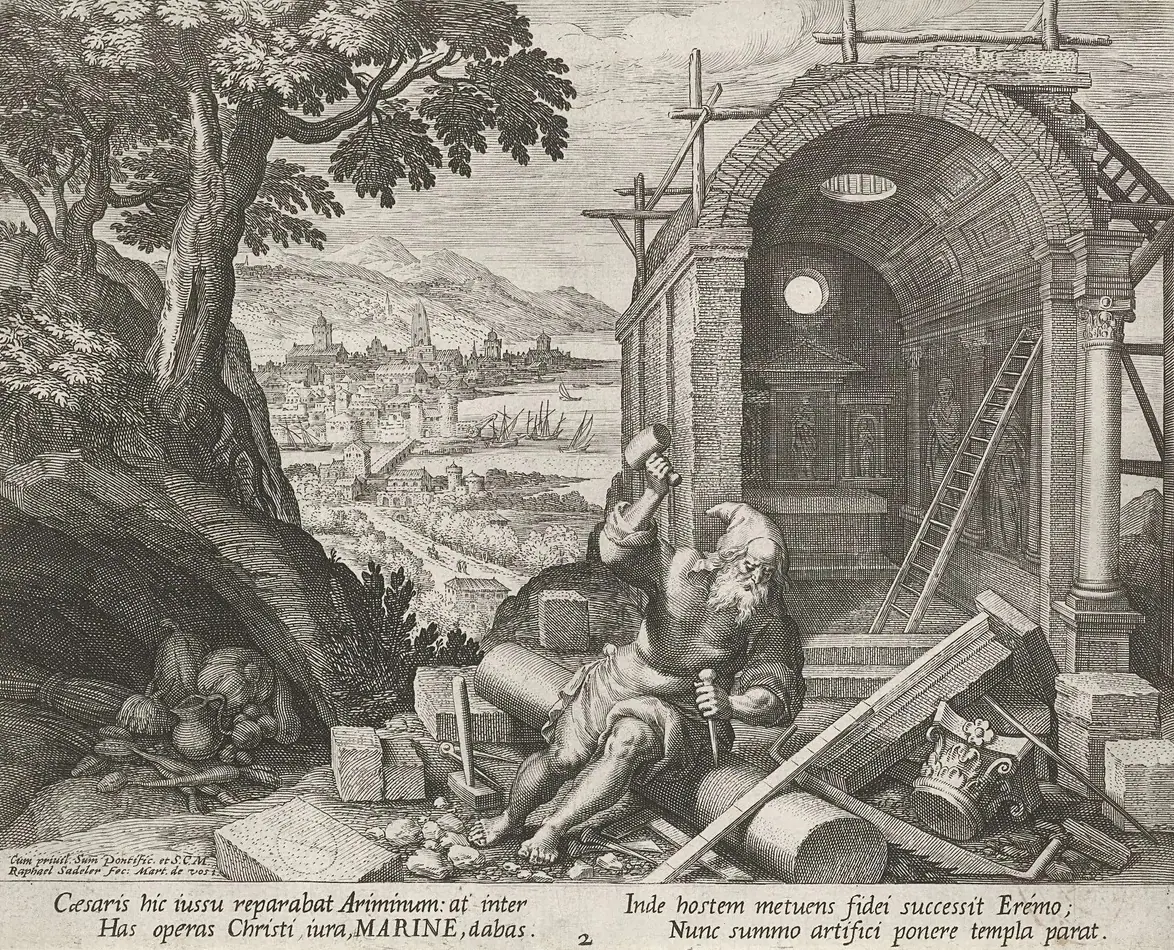
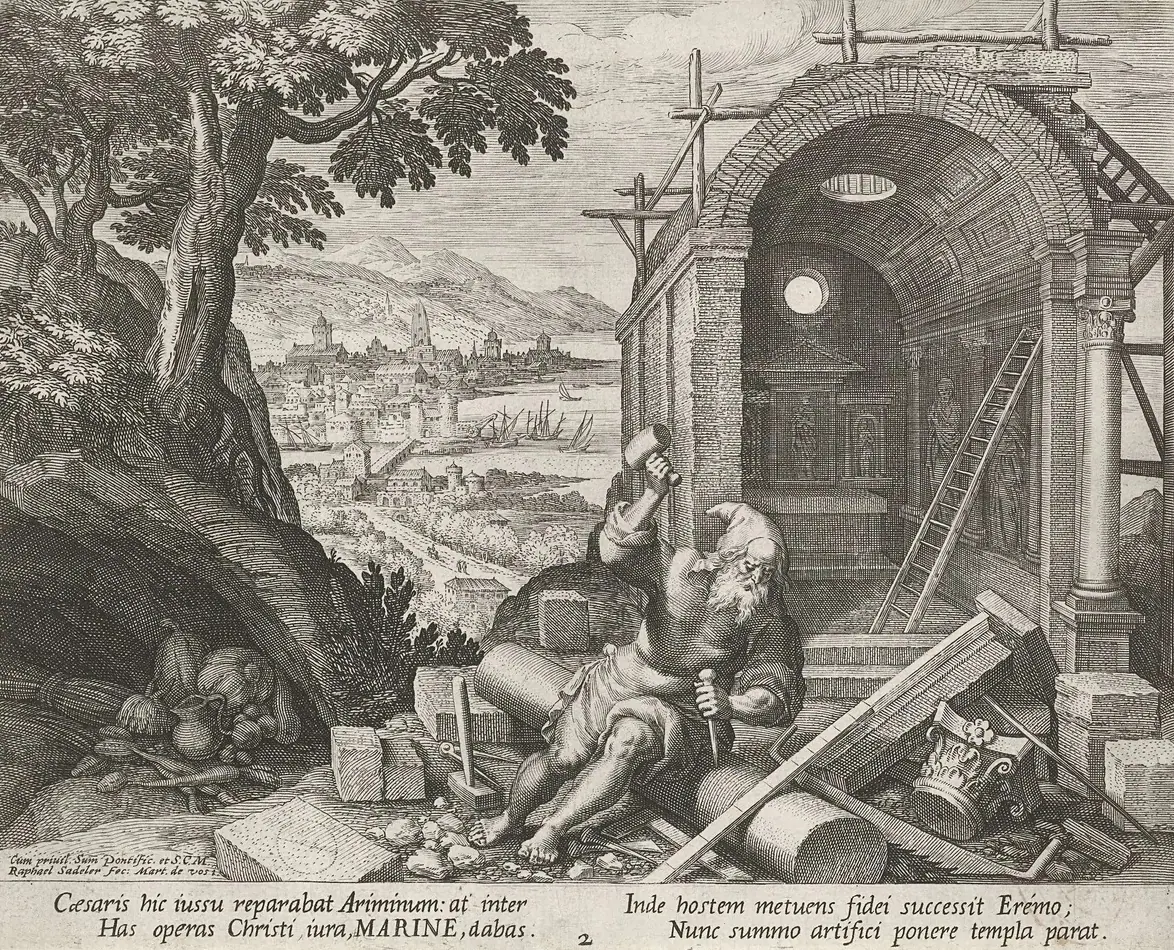
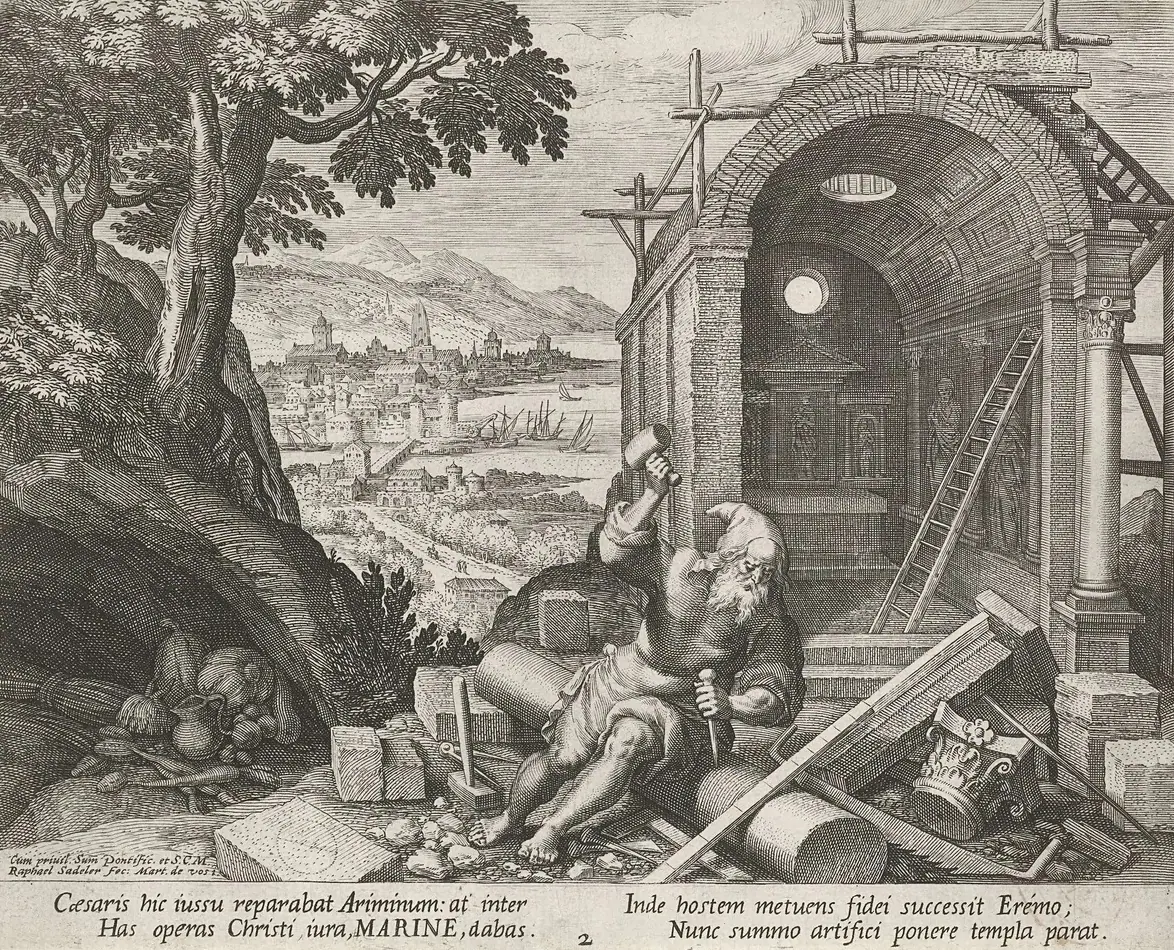
Tradition holds that San Marino was founded in 301 by a Dalmatian stonemason named Marinus, and that it has governed itself ever since — a claim locals deliver with the same casual pride other people reserve for their football team. The historic centre sits at roughly 700 metres on Monte Titano, a single limestone peak whose slopes were listed as a World Heritage site in 2008. Below, the Romagna plain flattens towards Rimini, and on clear days the Adriatic glitters in a thin silver line.
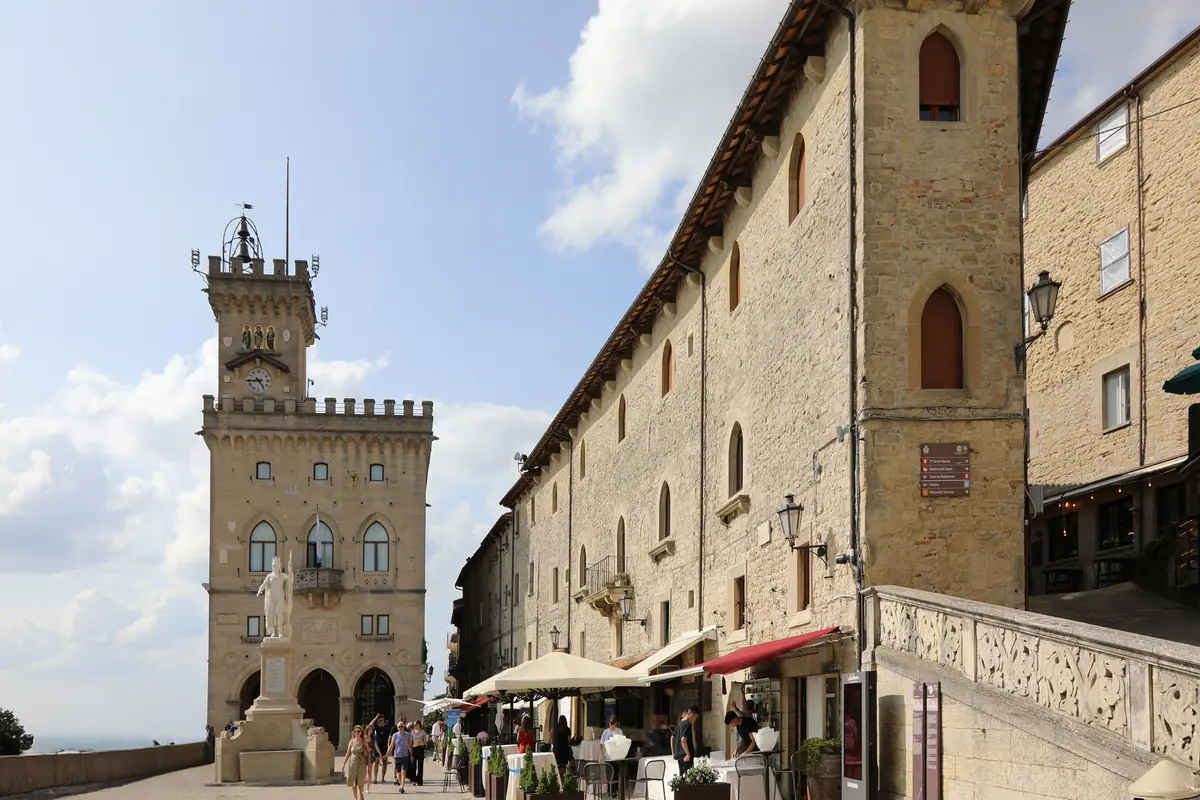
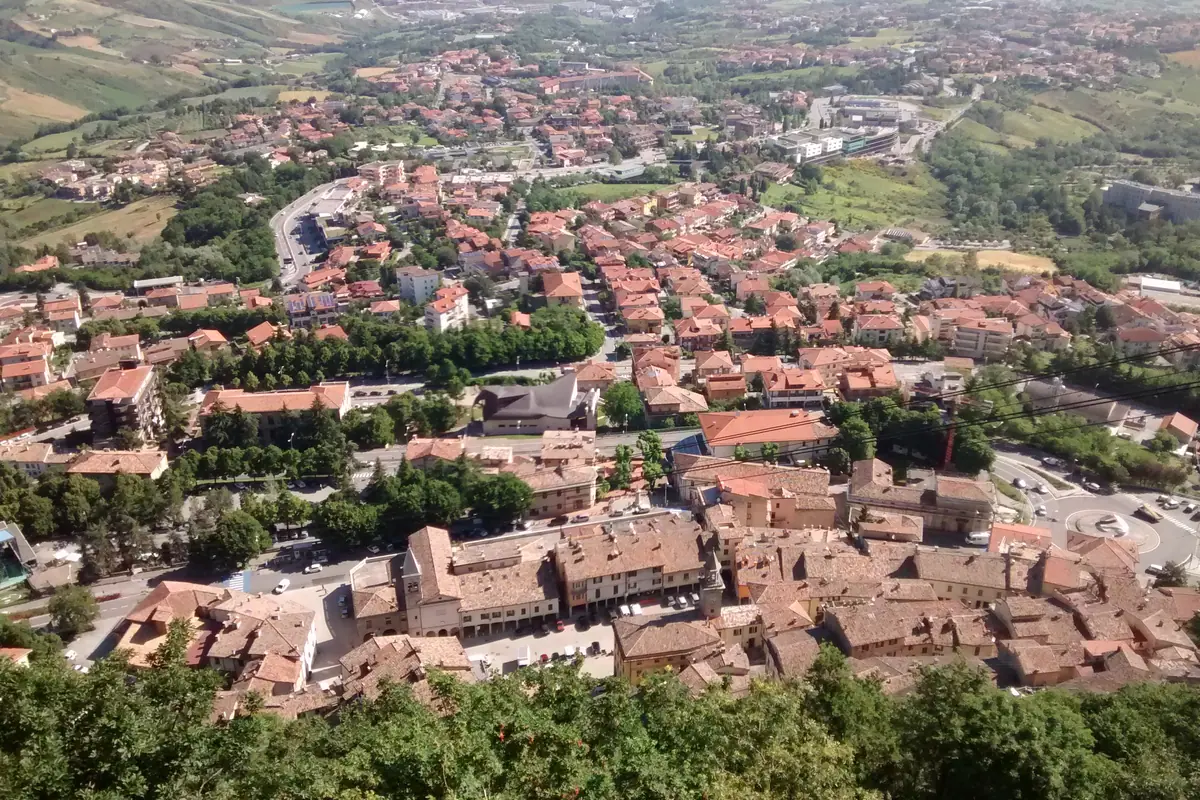
Almost everyone enters through Porta San Francesco, a squat 14th-century gate that opens onto a steep lane of souvenir stalls, ceramics shops and bakeries. Keep climbing and the geography resolves itself: Piazza della Libertà, with the neo-Gothic Palazzo Pubblico (finished in 1894) and its statue of Liberty, is the ceremonial heart where the two Captains Regent hold office for six-month terms. A few steps away the neoclassical Basilica di San Marino, with its colonnade of Corinthian columns, guards the relics of the saint himself; the adjoining Church of San Pietro displays the stone beds where Marinus and San Leo are said to have slept.
Allow at least three hours simply to walk the core without a plan — the lanes are short but relentlessly vertical, and half the pleasure lies in ducking through arched alleys that end in a balcony view over the rooftops.
The Three Towers and the Witches' Path
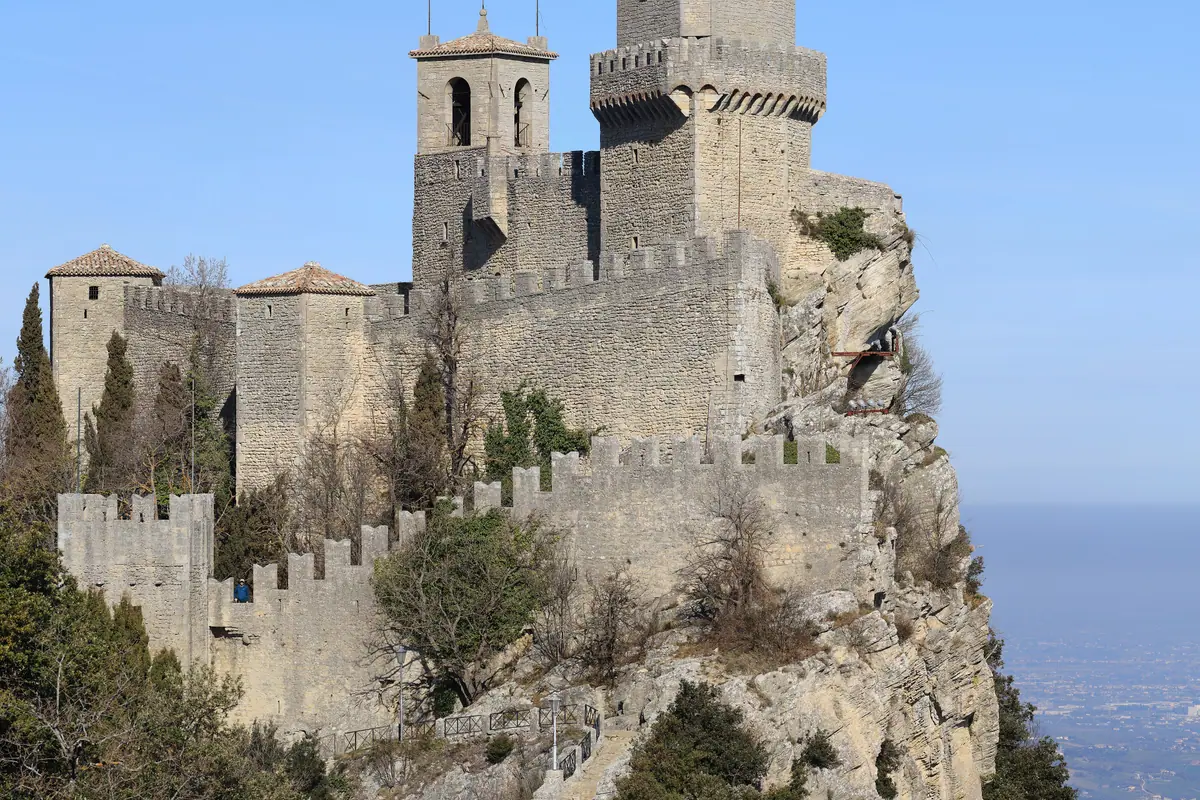
San Marino's emblem is a trio of fortresses strung along the mountain's spine, and every visitor should walk all three. Guaita, the First Tower, dates from the 11th century and is the oldest and most photographed: a pale stone bastion on a rock spur with a tiny chapel inside and a terrace that looks straight down the cliffs to the coast. Cesta, the Second Tower, occupies the summit at 739 metres and houses a large collection of antique armour, swords and crossbows — worth the small entry fee even if you mostly came for the view. Montale, the Third Tower, is the quiet one: a 14th-century defensive tower you cannot enter, standing alone over the greenery, exactly as it appears on Sammarinese coins.
The connecting path between Guaita and Cesta is the Passo delle Streghe, the Witches' Path, a narrow ledge of a trail that clings to the rock face with a sheer drop on one side. It is short, safe and utterly thrilling, and it is the reason to arrive early. Between roughly 10am and 4pm the main square fills with day-trippers from the coast; before 9am and after 6pm the towers are nearly empty and the light is at its best, warm on the stone and long across the valley.
Wear shoes with actual grip — the trails are uneven, and the cobbles in the old town are polished smooth by centuries of feet. If you only have the energy for one climb, choose Cesta for the panorama and Guaita for the atmosphere.
What to Eat: Piadina, Passatelli and a Cake Shaped Like Three Towers
The kitchen here is Romagna with a Sammarinese accent, built on mountain staples rather than coastal fish. Begin with piadina, the thin flatbread cooked on a terracotta griddle and folded around squacquerone cheese, prosciutto crudo and a fistful of rocket — cheap, fast and best eaten on a bench in the sun. In cooler months the menu shifts to passatelli in capon broth, tagliatelle with slow meat ragù, strozzapreti, cappelletti, rabbit roasted in the style of porchetta, and fagioli con le cotiche, beans simmered with pork rind, a dish that tastes like a farmhouse winter.
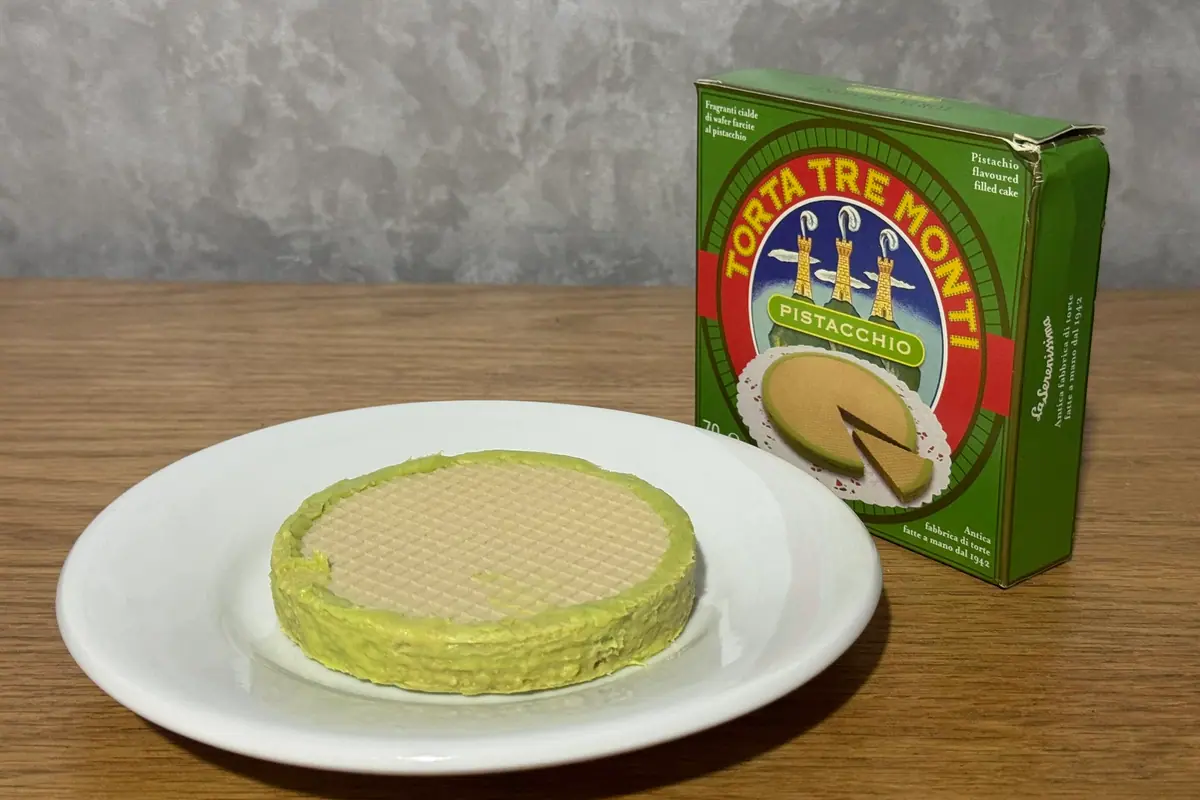
Save room for dessert, because San Marino has a genuinely regional sweet: Torta Tre Monti, five wafer-thin layers sandwiched with chocolate and hazelnut cream and stamped with the Three Towers, traditionally sliced in vertical cross-section so the emblem appears on every piece. Look also for Torta Titano, dense with almonds and honey, and bustrengo, an old-fashioned apple and polenta cake. Local wines are small-production and easy to like — Brugneto and the spicy Tessano for red, Roncale and Biancale for white, poured by the glass in almost every trattoria. Finish with an anise liqueur if you want to drink like a local.
Two practical notes: many kitchens close between about 2.30pm and 7pm, so lunch late or book dinner, and the restaurants one street back from the main drag are usually better and calmer than the ones with photo menus and a view.
Markets, Crafts and the Small Museums Off the Main Drag
Take the cable car up from Borgo Maggiore — a two-minute, 1.5-kilometre ride that floats over gardens and terraced vineyards and drops you at the city walls. Borgo Maggiore itself is worth half a day: its weekly market, traditionally held on Thursday mornings, spreads cheese, cured meats, seasonal produce and household oddities across the square in a thoroughly un-touristed hum. This is where Sammarinese families actually shop, and prices are a world away from the souvenir lanes above.
Back on the rock, the Museo di Stato on Piazza Titano is the serious stop, holding archaeology, paintings, medals and the republic's ceremonial armour, while the philatelic and numismatic office nearby sells the stamps and coins that have made San Marino a quiet obsession for collectors for generations. If you want something stranger, the little Museum of Curiosities and the Torture Museum sit within a few minutes of each other and make a diverting hour between towers.
Craft hunting is best done in the stepped side lanes rather than on the main street: look for hand-worked tombolo lace, painted ceramics, wrought-iron work and olive oil pressed from groves on the mountain's lower slopes. Ask in the shop whether the piece is made locally — some of it is, some of it is imported, and shopkeepers are refreshingly honest about which is which.
Ceremonies and Seasons: When to Time Your Visit
The Sammarinese calendar is the best reason to plan around dates rather than just weather. On 1 April and 1 October the Investiture of the Captains Regent fills Piazza della Libertà with the Guard of the Rock in their blue and red uniforms, flag-wavers, crossbowmen and drummers — a ceremony in continuous use for centuries and free to watch. On 3 September, the feast of San Marino, the city celebrates its patron with a crossbow championship, processions and fireworks over the valley. Midsummer usually brings a run of medieval days, with costumed parades and archery in the old town, and December adds a small Christmas market among the lit-up lanes.
For weather and comfort, late April to June and September to early October are the sweet spots: mild, clear, and busy without being stifling. July and August turn hot and crowded, with the cable car and towers queueing by mid-morning; if you must come then, base yourself in Borgo Maggiore and climb early or late. Winter is quiet and atmospheric, with fog pooling in the plain below and lower prices everywhere, but some restaurants and smaller sights close on Mondays and Tuesdays and a few shut for the season entirely.
One unmissable free spectacle: the crossbow corps and flag-throwers practise and perform in the Cava dei Balestrieri, an old quarry carved into the rock below the Basilica. Check locally for performance times when you arrive — schedules shift, and locals are happy to point you in the right direction.
Getting There, Getting Around and Local Etiquette
San Marino has no airport and no railway station, which keeps it pleasantly unhurried. Most visitors arrive by bus from Rimini on the Adriatic coast, a run of roughly 30 to 45 minutes with several departures a day, or drive up and park at Borgo Maggiore before taking the cable car — parking inside the walled centre is limited and expensive. Once you are on the mountain, everything in the historic centre is walkable, though 'walkable' here means staircases, ramps and cobbles rather than flat pavements.
Two days is the right amount of time: one for the City of San Marino and the Three Towers, another for Borgo Maggiore, Serravalle and the quieter countryside townships known as the nine castelli — Acquaviva, Chiesanuova, Domagnano, Faetano, Fiorentino, Montegiardino and the rest — where you will find vineyards, small churches and trattorias with no English menu. If you have only a single day, concentrate on the old town and do not attempt to tick off the countryside as well.
Etiquette is gentle Italian: greet with buongiorno, expect shops outside the tourist core to close over lunch, and know that a small cover charge on a restaurant bill is normal rather than a trick. The currency is the euro, Italian is the everyday language, and public drinking fountains are free and excellent. Tipping is optional, and a quiet grazie on the way out goes a long way.
Frequently asked questions
How many days do you need in San Marino?
One full day covers the historic centre, the Three Towers and Piazza della Libertà if you start early. Two days is far better: it lets you add Borgo Maggiore, the cable car, a proper long lunch and one or two of the nine countryside townships without rushing.
How do you get to San Marino if there is no airport?
Fly or train to Rimini on the Adriatic coast, then take a bus up to Borgo Maggiore or the City of San Marino in roughly 30 to 45 minutes. Drivers usually park at Borgo Maggiore and ride the cable car to the walls, since parking inside the old town is scarce.
What food is San Marino known for?
Piadina with squacquerone and prosciutto, passatelli in broth, tagliatelle with ragù, rabbit roasted in the style of porchetta and winter beans with pork rind. For dessert, Torta Tre Monti — layered wafers with chocolate and hazelnut cream — and almond-rich Torta Titano, plus local wines such as Brugneto and Tessano.
When is the best time of year to visit San Marino?
Late April to June and September to early October bring mild weather and manageable crowds. July and August are hot and packed with day-trippers, while winter is quiet and atmospheric but sees some closures. The Investiture ceremonies on 1 April and 1 October and the feast day on 3 September are the standout dates.
Is San Marino expensive and do you need a passport?
There are no routine border checks coming from Italy, but carry photo ID as you would anywhere in Europe. The currency is the euro. Costs are roughly Italian, with a small cover charge common in restaurants; the best value is in Borgo Maggiore and the countryside, not on the main tourist lane.
Sort the rest of your trip
Everything for San Marino, in one place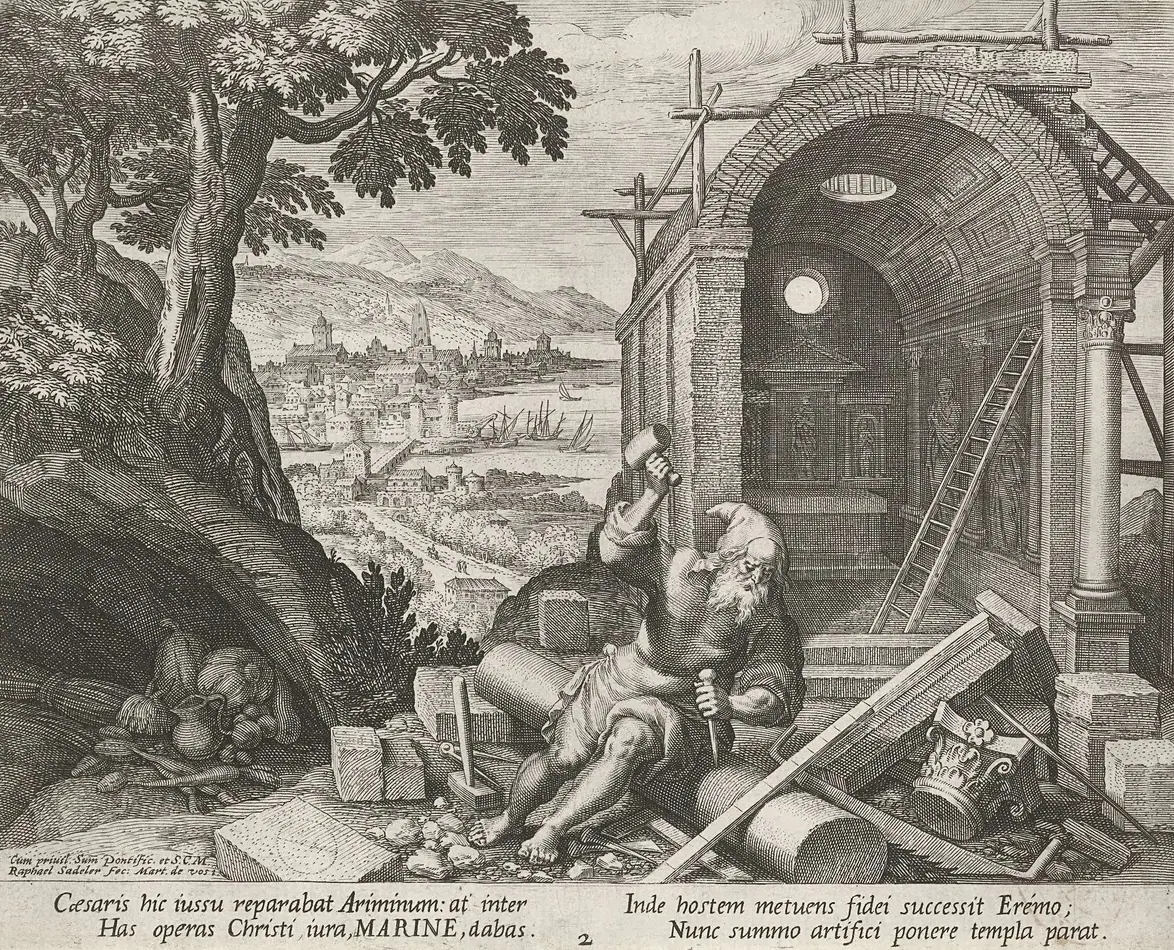
Stay in San Marino
Hotels, guesthouses and apartments — compared in one search.
Search hotels
Transfer in San Marino
Private driver waiting on arrival — no queues, no surprises.
Book a transfer
Stay online in San Marino
Travel eSIM — data the moment you land, no roaming bills.
Get an eSIM