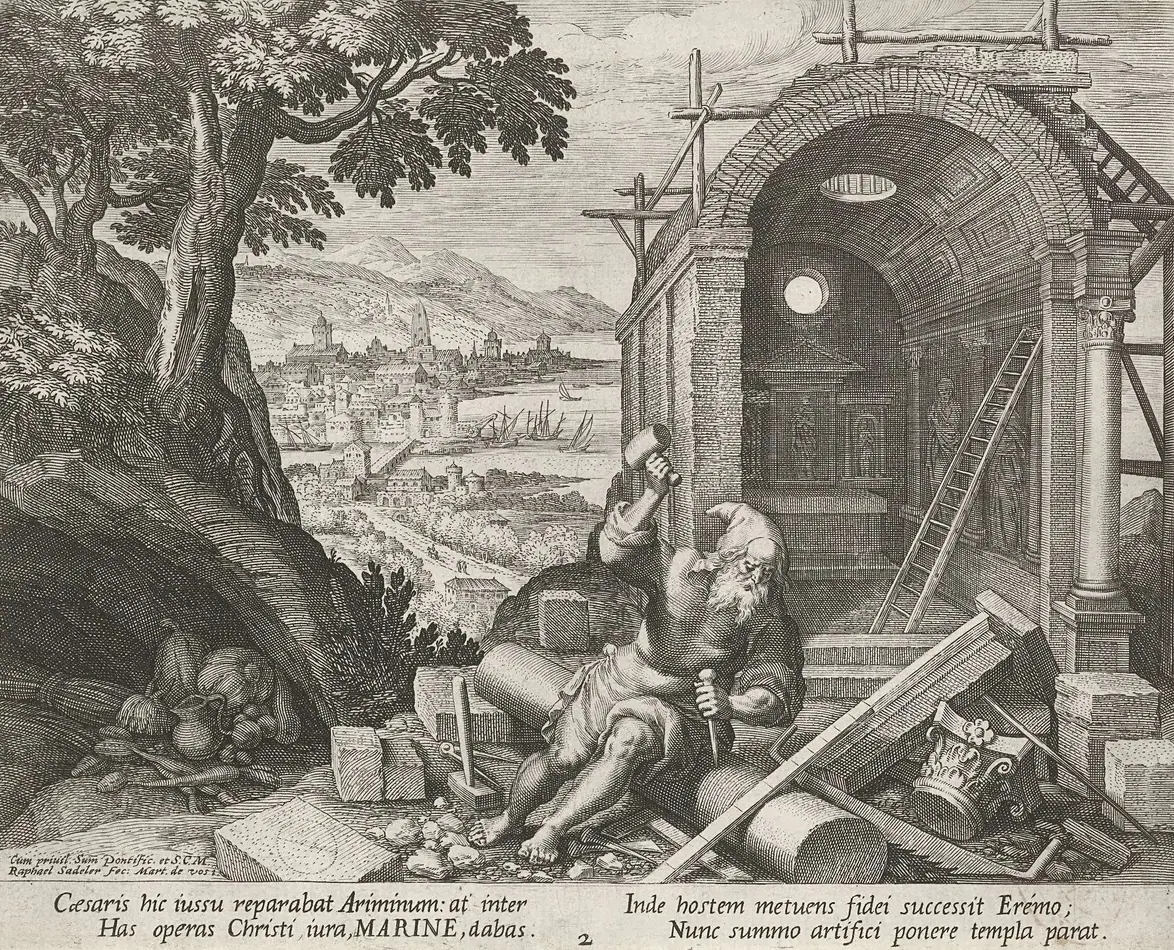
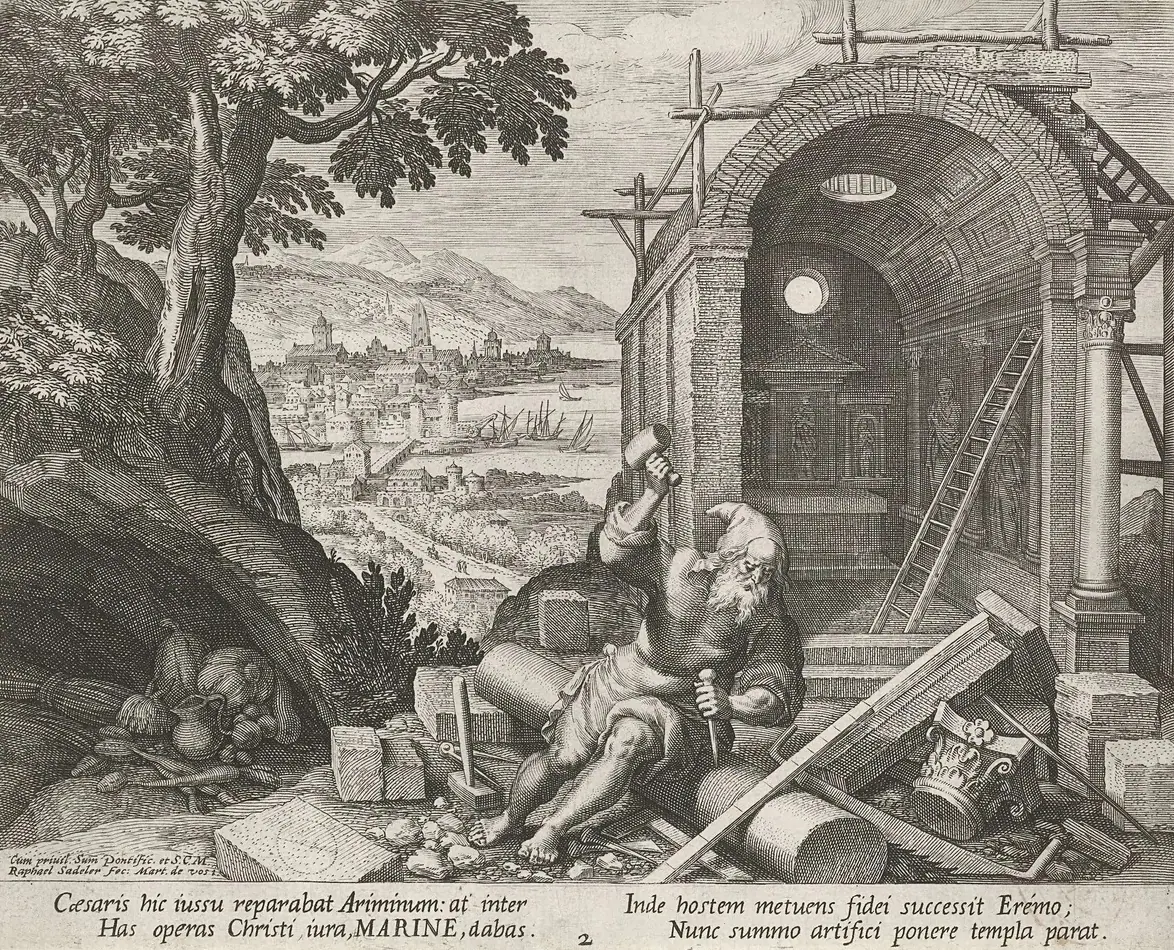
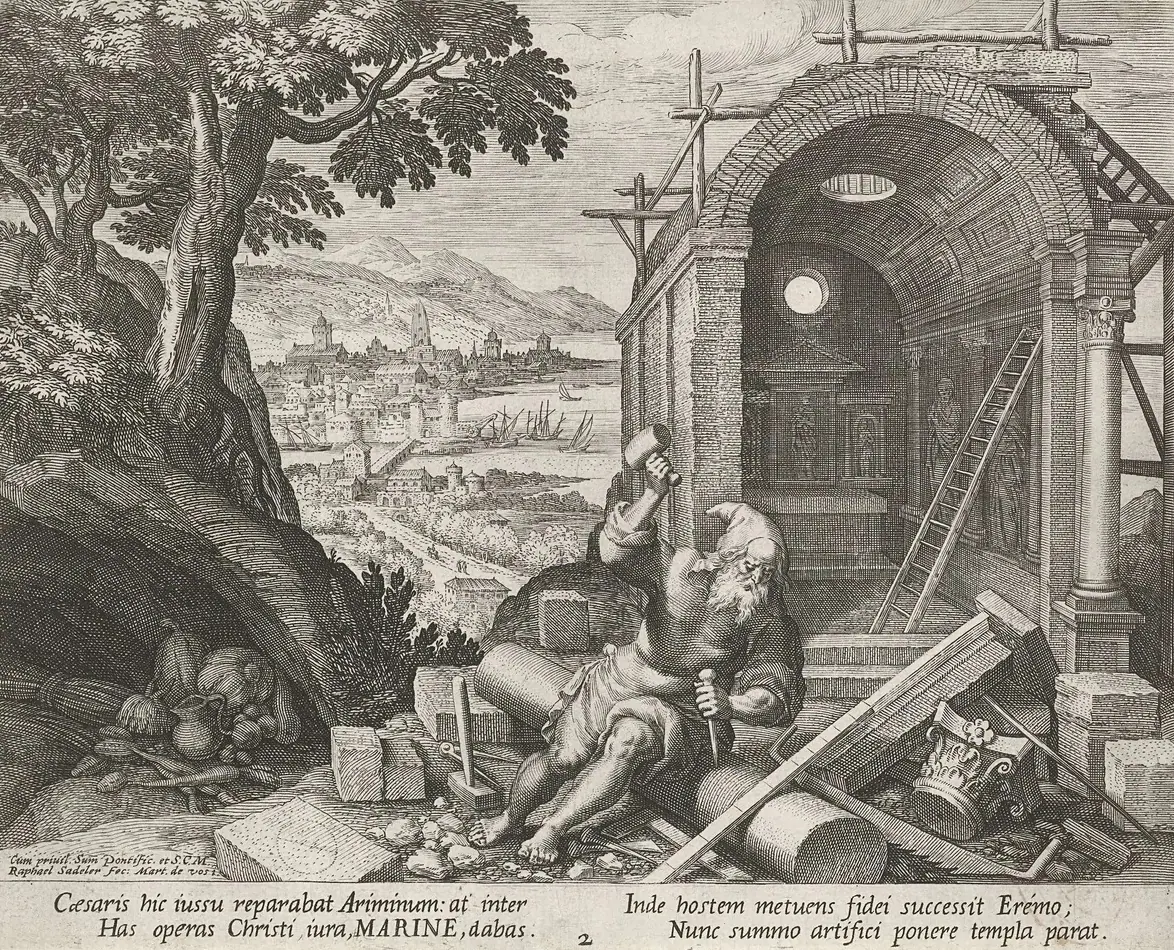
Perched on a limestone crag above a patchwork of Italian hills, San Marino is the world's oldest surviving republic and the only state that fits entirely inside another country. Its whole historic centre and the ridge of Monte Titano are protected as a World Heritage site, which means a single day here packs in medieval towers, a neoclassical basilica and some of the widest views in the northern Apennines.
The Three Towers of Monte Titano: Guaita, Cesta and Montale
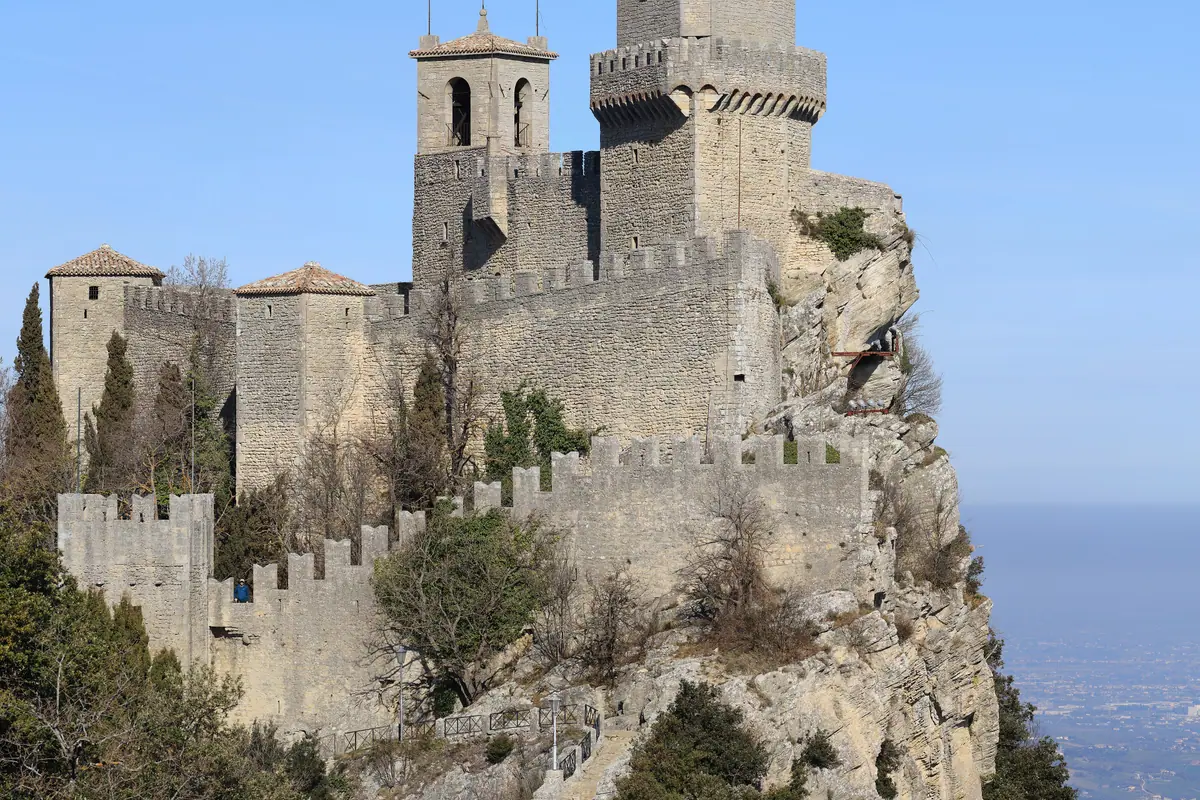
Everything in San Marino orbits the three fortresses that crown Monte Titano, and climbing to them is the single best thing you can do here. Guaita, the First Tower, is the oldest and the postcard image of the republic: an eleventh-century stronghold built directly onto the rock, with crenellated walls, a small chapel inside and a terrace that throws the whole Adriatic coast open on a clear day. The climb from the old town takes ten to fifteen minutes on steep cobbles, and the reward is the view north towards Rimini and the flat blue line of the sea.
From Guaita, a narrow path called the Passo delle Streghe — the Witches' Path — threads along the knife-edge of the ridge to Cesta, the Second Tower, which sits on the highest point of Monte Titano. There are drops on both sides and no railing for stretches, so keep hold of small children and take it slowly. Cesta itself, a thirteenth-century fortification, houses a collection of archaic arms: halberds, crossbows, plate armour and blades arranged in stone rooms that feel convincingly cold even in August.
The Third Tower, Montale, is the smallest and cannot be entered, but it is worth walking to for the silence and the perspective back along the ridge. Budget two to three hours for the full circuit of all three towers with time inside the first two, and start before ten in the morning or after five in the afternoon, when the day-trip groups thin out and the light turns gold. Sturdy shoes are essential; the stone is polished smooth by centuries of feet and slippery when damp.
Piazza della Libertà and the Heart of the Historic Centre
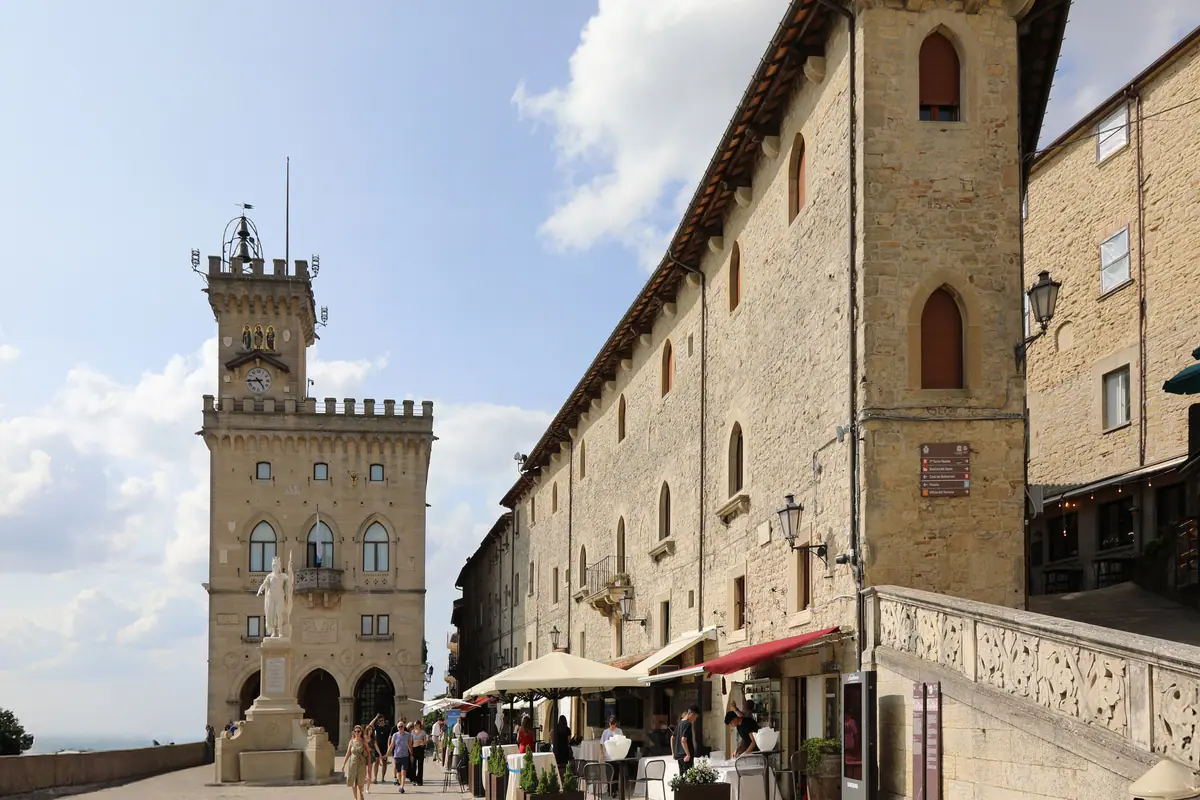
The civic core of San Marino is Piazza della Libertà, a small, perfectly proportioned square dominated by the Palazzo Pubblico, the neo-Gothic town hall completed in the 1890s and still in use. Its façade carries the coats of arms of the country's castles, and its clock tower is flanked by the Guardia di Rocca in their distinctive green and red uniforms, who mount a ceremonial changing of the guard at intervals through the day. In front stands the Statue of Liberty, and just below the square the Cava dei Balestrieri, a former quarry now used for crossbow displays.
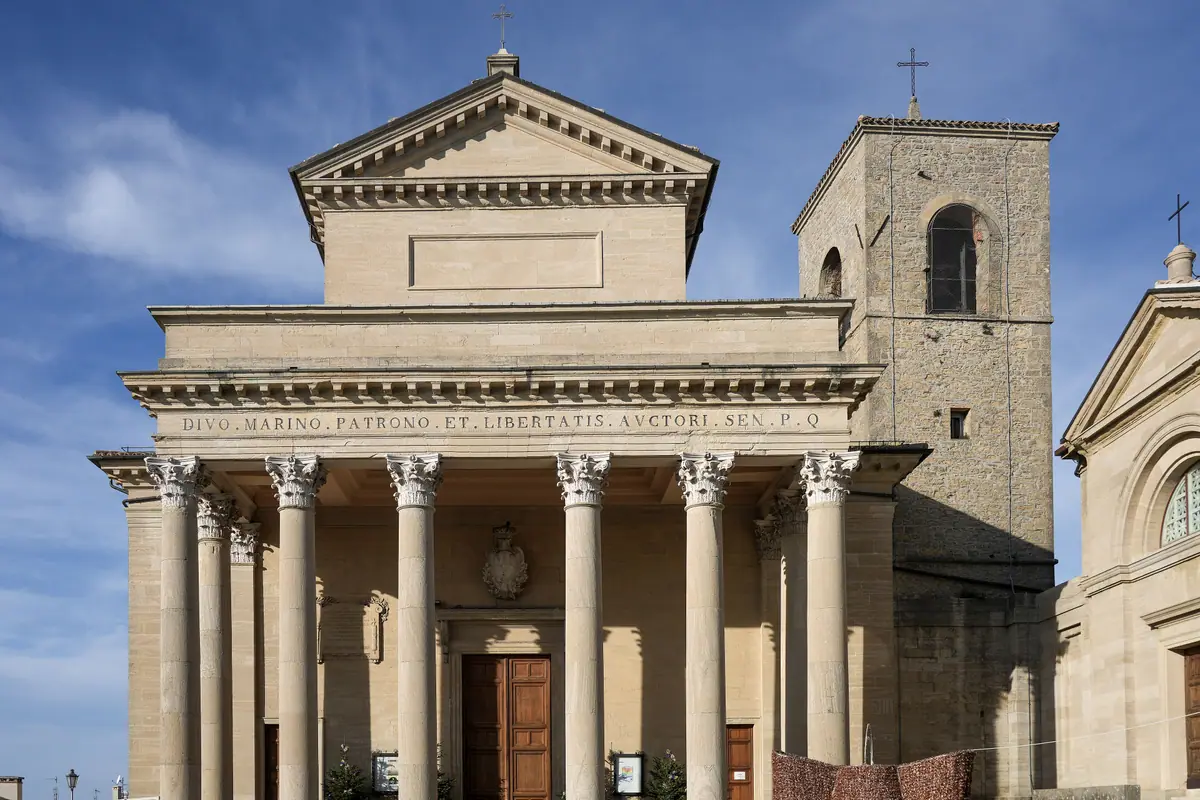
Walk a few minutes west and the mood shifts to the religious heart of the republic: the Basilica di San Marino, a neoclassical church with a colonnaded porch and a plain, bright interior where the relics of Saint Marinus, the stonemason said to have founded the community in 301 AD, rest beneath the altar. Next door, Piazza Domus Plebis gives one of the best balcony views in the country, looking out over rooftops and wooded ridges.
Do not miss the older, quieter end of town near Porta San Francesco, the medieval gate that was once the main entrance through the walls. The adjoining Church of San Francesco and its small art gallery are often skipped by visitors in a hurry, and the lanes around it — Contrada del Pianello and the steep stepped alleys heading down towards the cable car — are where the old town still feels like a lived-in hill village rather than a museum.
Museums, Curiosities and Quirky Detours
For a state only sixty square kilometres in size, San Marino has an improbable number of museums, and they range from genuinely scholarly to cheerfully strange. The Museo di Stato on Piazza Titano is the serious option, with archaeological finds from Monte Titano, medieval documents and a painting collection that traces the republic's long habit of commissioning portraits and ceremonial gifts. It is a good wet-weather hour and rarely crowded.
More unusual are the private collections scattered through the old town: a wax museum, a museum of oddities, and a pair of small museums devoted to vampires and werewolves and to historical torture instruments. These are theatrical rather than academic, with dim lighting and plenty of fake cobwebs, but they are cheap, quick, and children tend to love them. If armour and weaponry interest you, the display inside Cesta is the better-researched version of the same thrill.
A practical point: many of these small museums close for lunch and shut entirely between January and March, so check opening days at the door rather than assuming. Buy a combined ticket for the towers if you plan to visit more than one, and keep the receipt — some of the smaller collections offer reductions on presentation.
The Cable Car and the Lower Castles of Borgo Maggiore
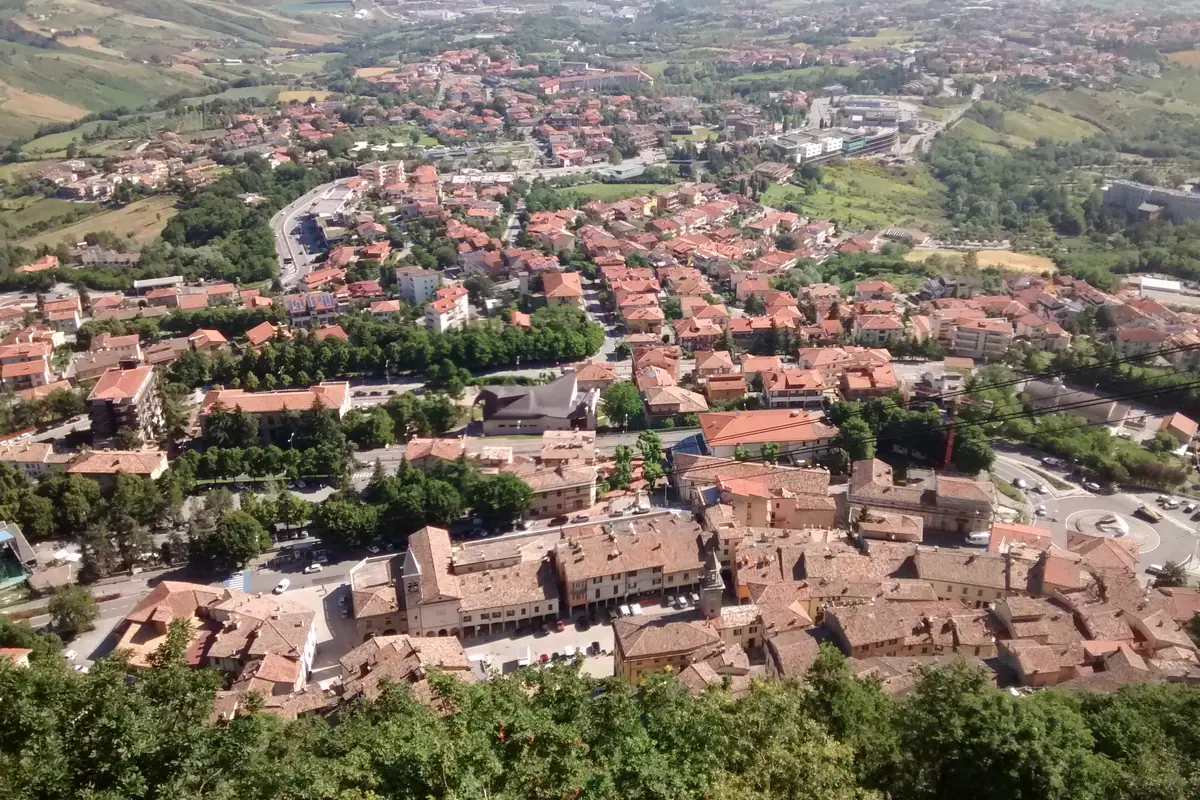
San Marino's nine castles are not just fortresses but administrative districts, and the most rewarding of the lower ones is Borgo Maggiore, spread across the slope directly beneath the capital. A cable car, the funivia, links Borgo Maggiore's lower station with the edge of the historic centre in about two minutes, lifting you over terraced gardens and rooftops with the Adriatic glittering in the distance. Cars run every few minutes through the day, and the ride alone justifies the ticket even if you walked up on the old mule track.
At the top of Borgo Maggiore, Piazza Grande hosts a morning market under the clock tower, and the town has a lived-in feel that the capital sometimes lacks — bars, bakeries and a slow lunch culture. From here, walking trails lead down through chestnut woods and vineyards towards Domagnano, Faetano and Montegiardino, the smallest castle, where the countryside turns properly rural. Buses also run from Borgo Maggiore to Serravalle and the border at Dogana, useful if you are arriving from the Italian coast.
For walkers, the historic path up from Borgo Maggiore to the capital takes roughly forty minutes at a steady pace and passes chapels, stone bridges and kitchen gardens. It is hot and shade-free in the middle of the day, so carry water, and treat the cable car as your descent rather than your ascent.
Viewpoints, Lanes and the Best Light of the Day
San Marino is a country you experience vertically. The great viewpoints are not always signposted: the terrace beside the basilica, the walls behind the Cava dei Balestrieri, and the belvedere near Montale all look out over the Montefeltro hills, which roll away in overlapping ridges towards the sea. On the clearest mornings you can pick out the coastline and, on a very good day, the faint smear of the Croatian islands beyond.
The Passo delle Streghe between the first two towers is the most dramatic short walk, but the lanes of Contrada Omagnano and the stepped alleys descending towards the cable car station are gentler and emptier. Photographers should aim for the last hour before sunset, when the limestone turns pink and the coach parties have gone; the light on the towers from the north side is best in the morning.
Winter brings fog that can swallow the view entirely, and with it a haunting, almost empty atmosphere in the old town. Spring and early autumn are the reliable seasons: mild temperatures, long visibility and fewer crowds than the sweltering, packed weeks of July and August. Whenever you come, allow at least a full day, and two if you want to walk the lower castles as well.
When to Go, What to Expect and How to Time Your Visit
The calendar shapes any visit. The Feast of Saint Marinus on 3 September is the biggest date in the republic, with a crossbow tournament, processions and fireworks, and the medieval days in July fill the streets with costumed performers and craft stalls. The Captains Regent, the country's two joint heads of state, are invested twice a year, on 1 April and 1 October, in ceremonies at the Palazzo Pubblico that are open to the public. If you want atmosphere, plan around these; if you want space, avoid them.
Getting here is straightforward. The nearest airports sit on the Italian coast at Rimini and further north at Bologna, and direct buses run from Rimini's railway station to the capital in around fifty minutes. Drivers usually park in the multi-storey at Borgo Maggiore and ride the cable car up, which avoids the congested, expensive parking on the ridge. Day-trippers typically arrive between ten and eleven and leave by four, so the town is at its most magical early and late.
The republic uses the euro, speaks Italian, and runs on Italian time. Expect lots of stairs, cobbles and steep gradients, limited accessibility in the oldest quarters, and shops selling ceramics, crossbows and locally produced wine and liqueurs. Two days is ideal: one for the towers, museums and squares, another for the lower castles, the trails and a long lunch with a view.
Frequently asked questions
How long do you need to visit San Marino?
One full day covers the three towers, Piazza della Libertà, the basilica and the main museums at a comfortable pace. Two days lets you add Borgo Maggiore, the cable car, the lower castles and a walk on the Monte Titano trails.
Is San Marino worth visiting as a day trip?
Yes, and it is easy from the Italian Adriatic coast — buses from Rimini take about fifty minutes. That said, staying overnight transforms the experience, because the old town empties of day-trippers in the late afternoon and the lanes are yours.
What is the best time of year to go to San Marino?
May, June, September and early October offer the best combination of mild weather, clear views and manageable crowds. July and August are hot and busy, while winter can bring fog that hides the panorama but rewards you with near-empty streets.
Do I need a passport to enter San Marino?
There are no routine border checks when arriving from Italy, but bring a passport or ID card anyway, as it is required for some hotels and is useful if you want an official souvenir stamp for your passport at the tourist office.
Can you climb the towers of Monte Titano?
Guaita and Cesta are open to visitors and involve steep staircases and narrow passages; Montale can be viewed from outside only. The connecting path between the towers, the Passo delle Streghe, is narrow with sheer drops, so wear grippy shoes and supervise children.
Plan it — experiences in San Marino
Live search, booked directly with trusted providers.
Sort the rest of your trip
Everything for San Marino, in one place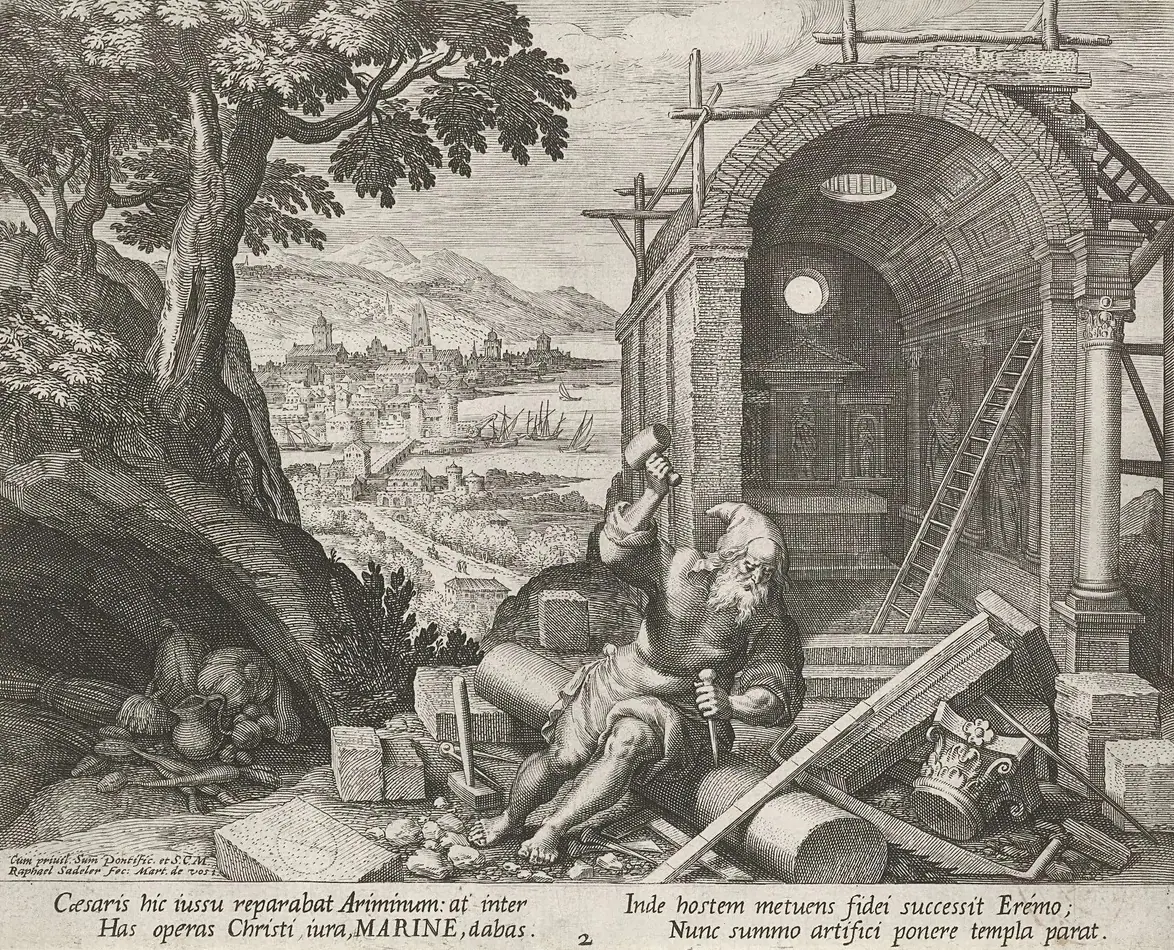
Stay in San Marino
Hotels, guesthouses and apartments — compared in one search.
Search hotels
Transfer in San Marino
Private driver waiting on arrival — no queues, no surprises.
Book a transfer
Stay online in San Marino
Travel eSIM — data the moment you land, no roaming bills.
Get an eSIM