Nepal rewards travellers who slow down: a bowl of jhol momo in a Kathmandu lane, butter lamps flickering at dawn at Boudhanath, a Thakali thali eaten at 2,000 metres while the Annapurnas turn pink. This guide maps the country's table, its festivals and its living temples, so your tour tastes like somewhere real.
Kathmandu: Momos, Bazaars and Old-City Noise
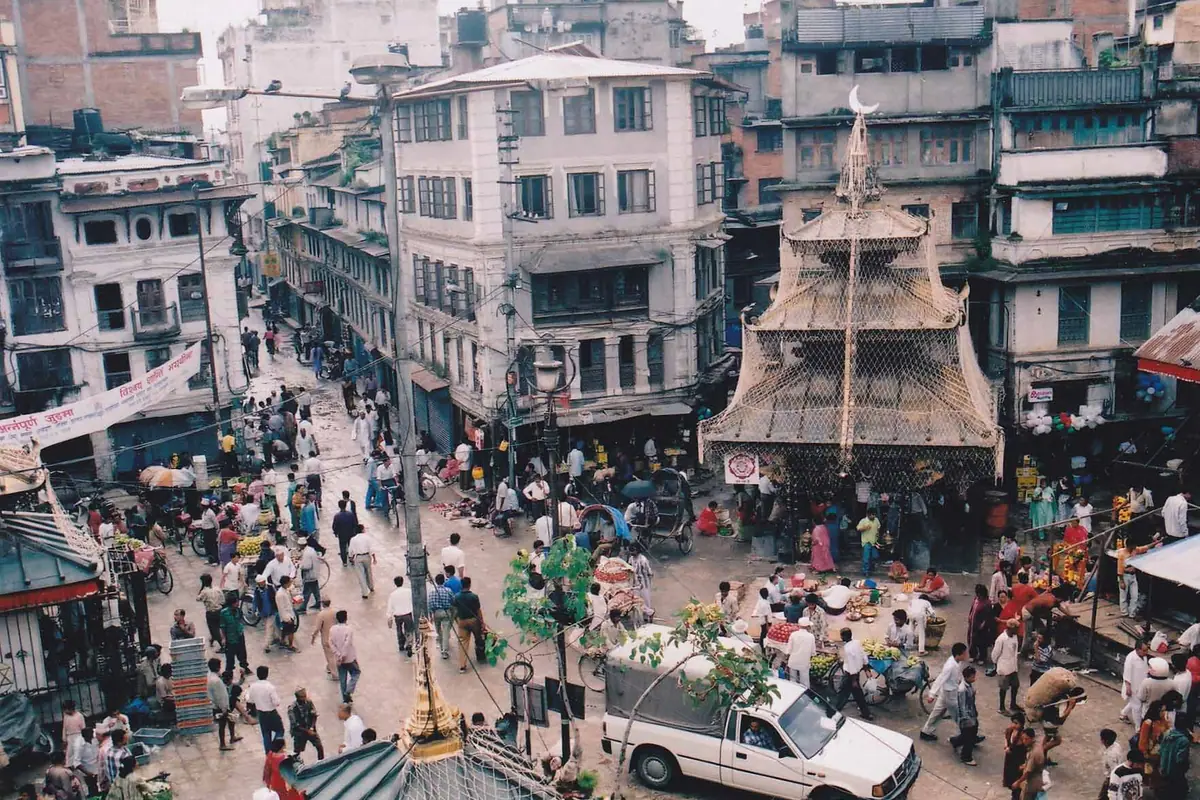
Kathmandu hits you first through the nose — marigolds, mustard oil frying, incense, dust and diesel. Most travellers base themselves in Thamel, but the food and the life are a fifteen-minute walk north in Asan Bazaar and Indra Chowk, where spice sellers weigh timur pepper and dried chillies beside stalls flipping sel roti, the crisp ring-shaped rice bread eaten with tea at breakfast. Start early, around 7am, when the vegetable porters arrive and the lanes still smell of last night's rain.
The city's signature bite is the momo: steamed dumplings stuffed with buffalo, chicken or cheese, sometimes drowned in a tangy sesame-and-tomato jhol broth that is closer to soup than sauce. Alongside them come chatamari, a Newari rice-flour crepe topped with minced meat and egg, and laphing, cold mung-bean noodles slicked with chilli oil — a Tibetan street snack now firmly Kathmandu's own. Kathmandu Durbar Square, with its carved wooden windows and the Kumari Ghar, makes a natural walking anchor; nearby Jhochhen and the alleys behind it hide tiny family kitchens where a plate costs less than a bus ticket.
Give the valley at least three days. Mornings are for markets and squares, afternoons for the museum collections around the old palaces, evenings for chiya — spiced milk tea boiled with cardamom and ginger — on a rooftop while the traffic mutters below.
Patan and Bhaktapur: Newari Feasts in Living Museum Squares
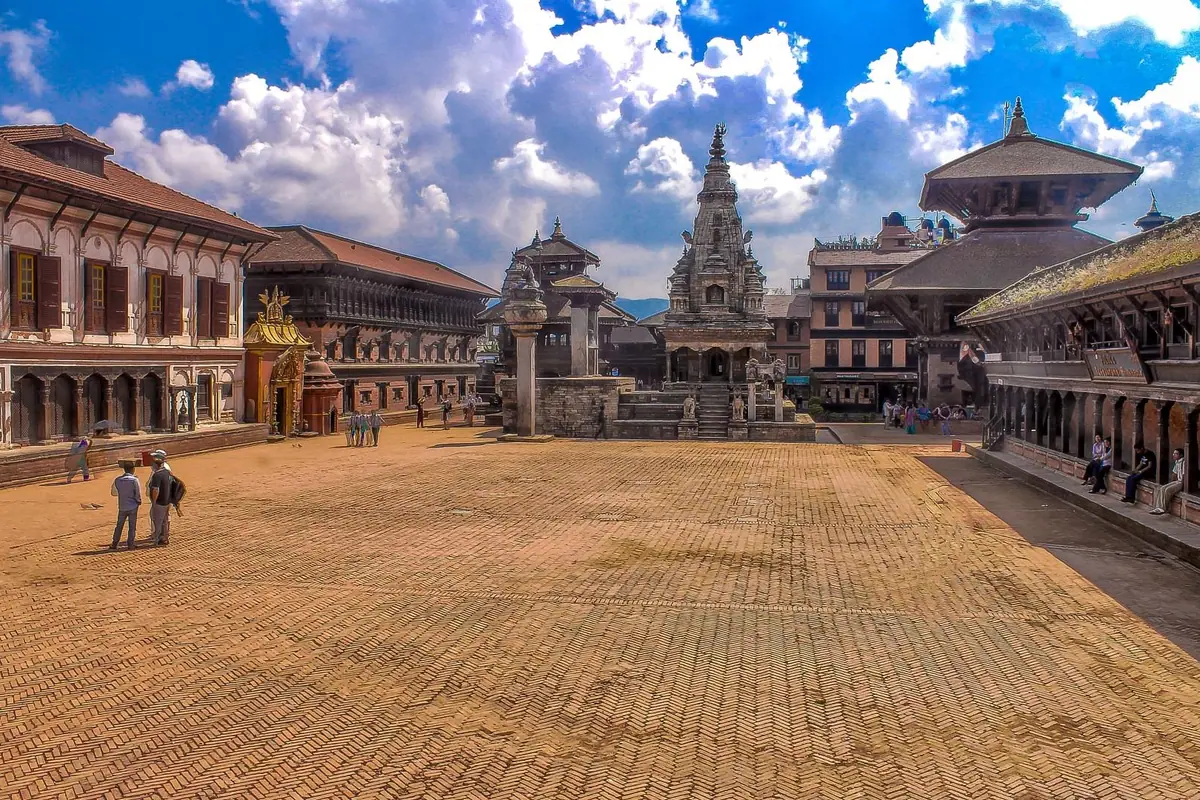
Patan Durbar Square is the valley's most refined ensemble: the stone Krishna Mandir, the tiered pagodas of the old royal palace, and the Patan Museum, whose collection of Hindu and Buddhist bronzes is worth a slow hour. Ten minutes' walk away, the Golden Temple glows with gilded roofs and a courtyard full of prayer wheels. But Patan's real draw for eaters is the Newari table: samay baji, a ceremonial platter of beaten rice, spiced soybeans, boiled egg, ginger, smoky choila (grilled buffalo tossed with mustard oil and chilli) and a shot of local raksi spirit. It is eaten with the fingers, in no particular order, and it is one of South Asia's great bar snacks.
Bhaktapur, half an hour east, feels quieter and more medieval, with its five-storey Nyatapola Temple, brick lanes and the famous Pottery Square where clay pots dry in the sun. This is where you find juju dhau, the thick, saffron-tinted 'king curd' set in unglazed clay and sold from doorways. Time a visit to Bisket Jatra in mid-April, when chariots are hauled through the streets for Nepali New Year, and to Yomari Punhi in December, when steamed rice-flour parcels filled with molasses and sesame appear in every household. Expect crowds and cold mornings in winter; spring brings the best light.
Sacred Mornings: Boudhanath, Pashupatinath and Swayambhunath
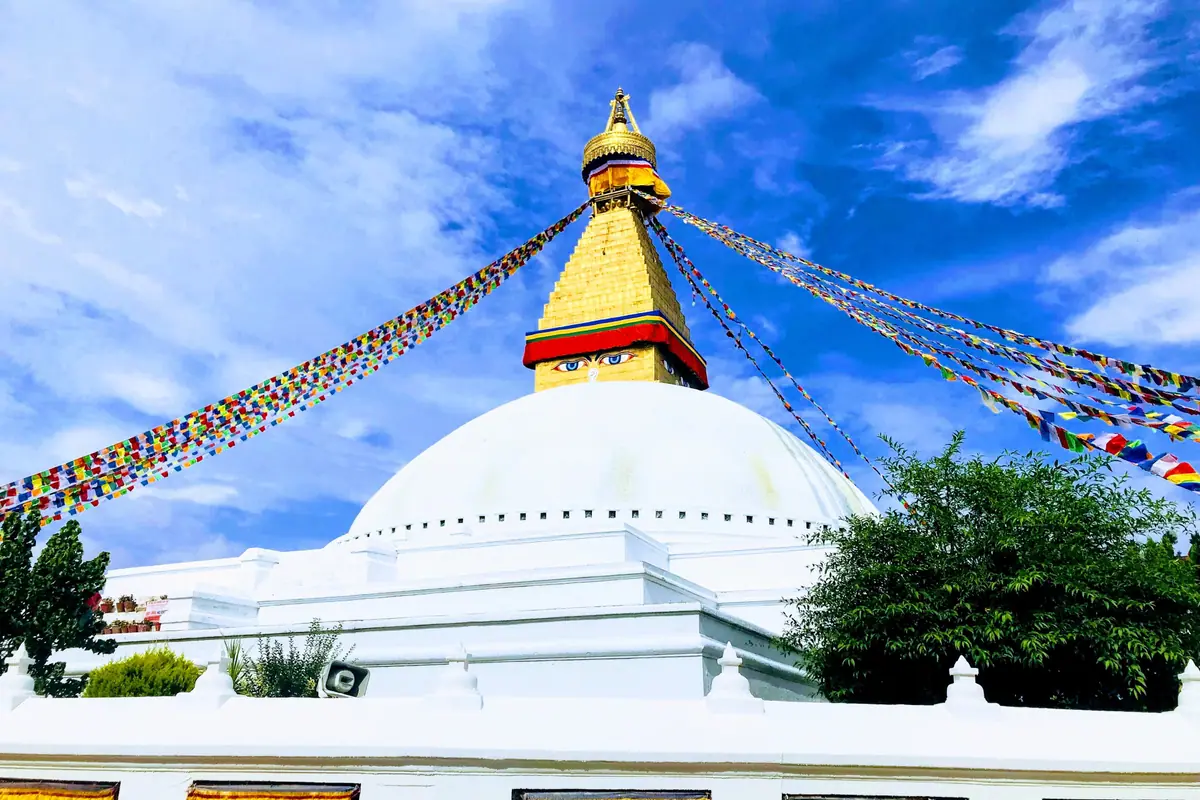
Boudhanath Stupa is the largest in the country and the heart of Tibetan Buddhist Kathmandu. Arrive before sunrise to join the kora, the clockwise circuit walked by pilgrims spinning prayer wheels, and watch the great white dome catch the first light while butter lamps are lit in the surrounding gompas. The lanes behind are packed with thukpa noodle shops, Tibetan bakeries selling yak-cheese pastries, and rooftop restaurants looking straight down onto the painted eyes of the stupa.
At Pashupatinath, on the Bagmati river, the mood shifts. This is Nepal's most important Shiva temple and a working cremation site, where families gather on the stone ghats. Treat it as a place of mourning rather than a photo stop: watch the evening aarti — lamps, bells and chanting on the far bank — and keep cameras low and quiet. Sadhus painted in ash sit along the terraces and will often pose for a small donation.
Swayambhunath, the hilltop 'Monkey Temple', is reached by 365 stone steps and defended by macaques with no respect for your snacks. From the top, the whole valley unfolds in a haze of roofs and smog. Come down via the western path and stop for a plate of bara, the thick lentil pancakes that anchor a Newari afternoon.
Teahouse Trails: Dal Bhat, Sherpa Stew and the Road to Everest
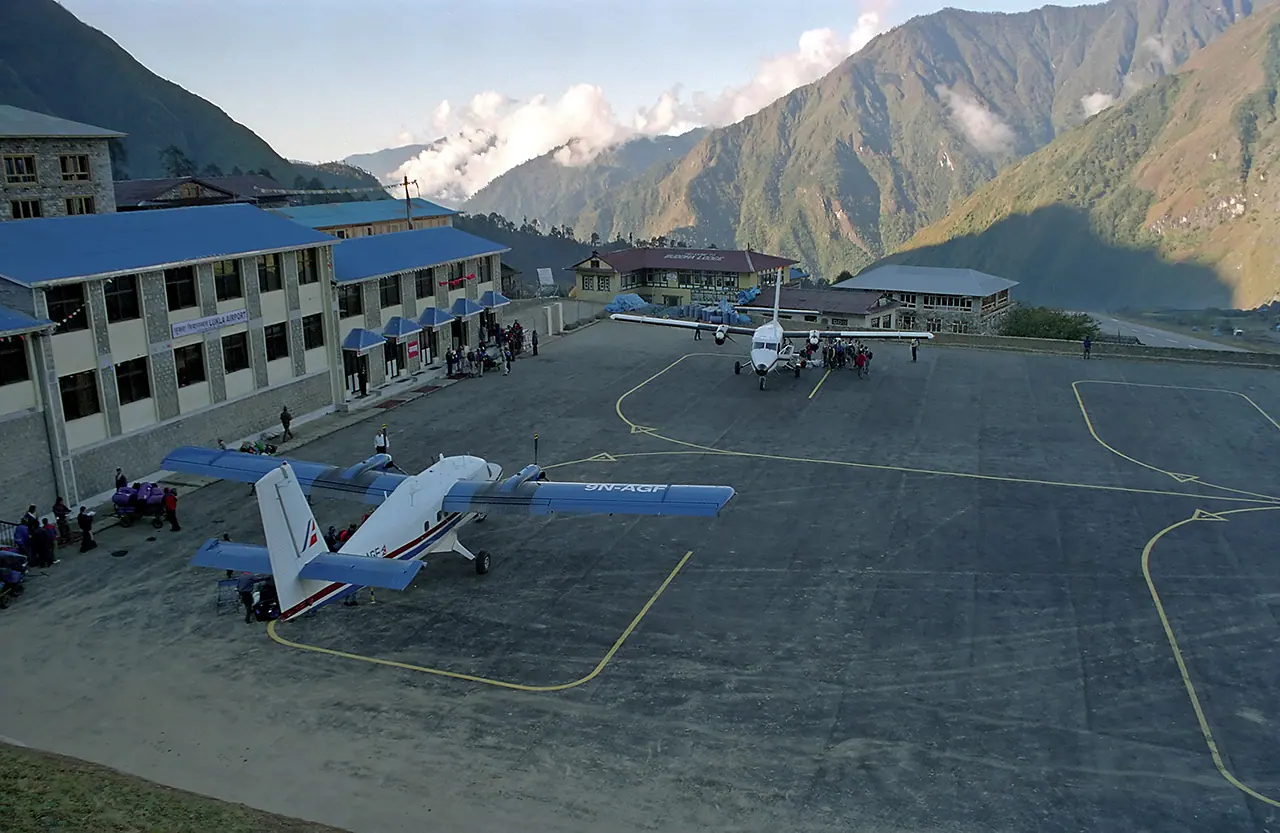
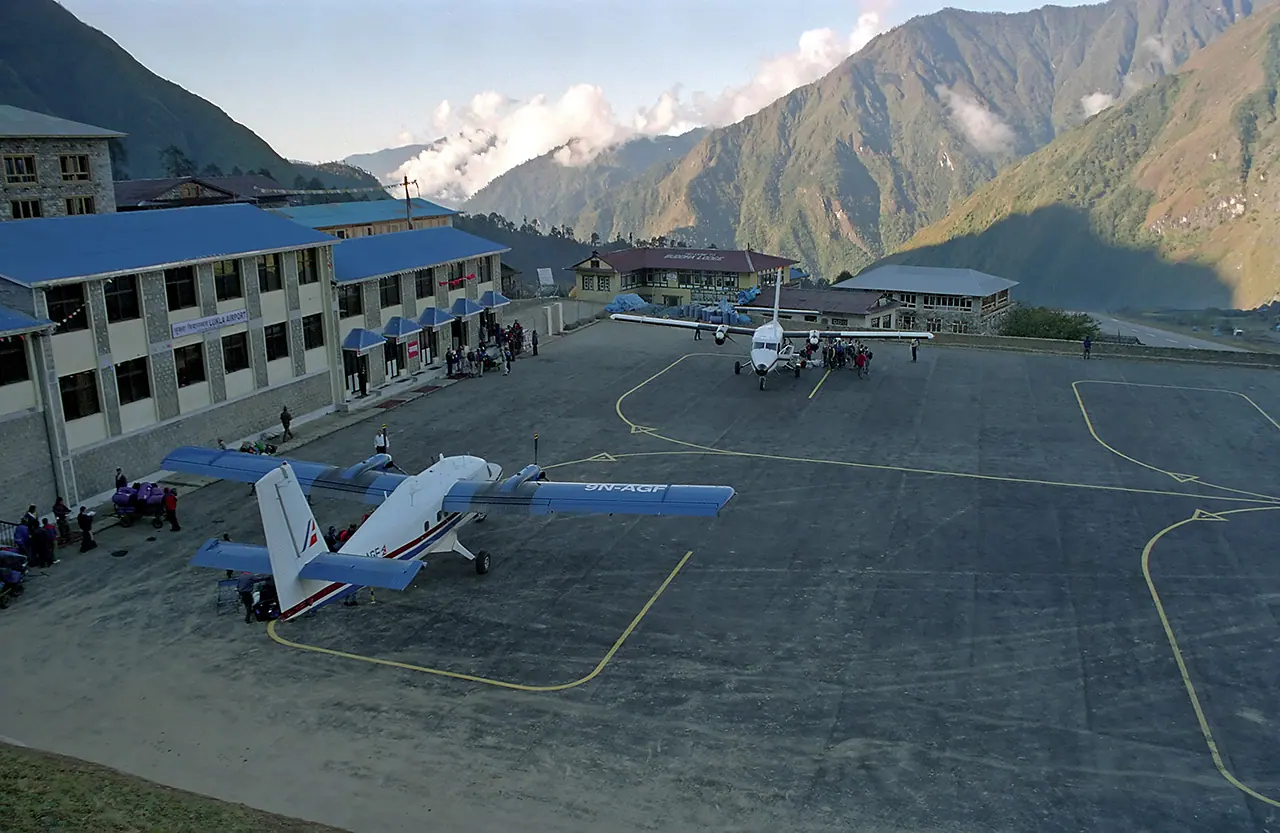
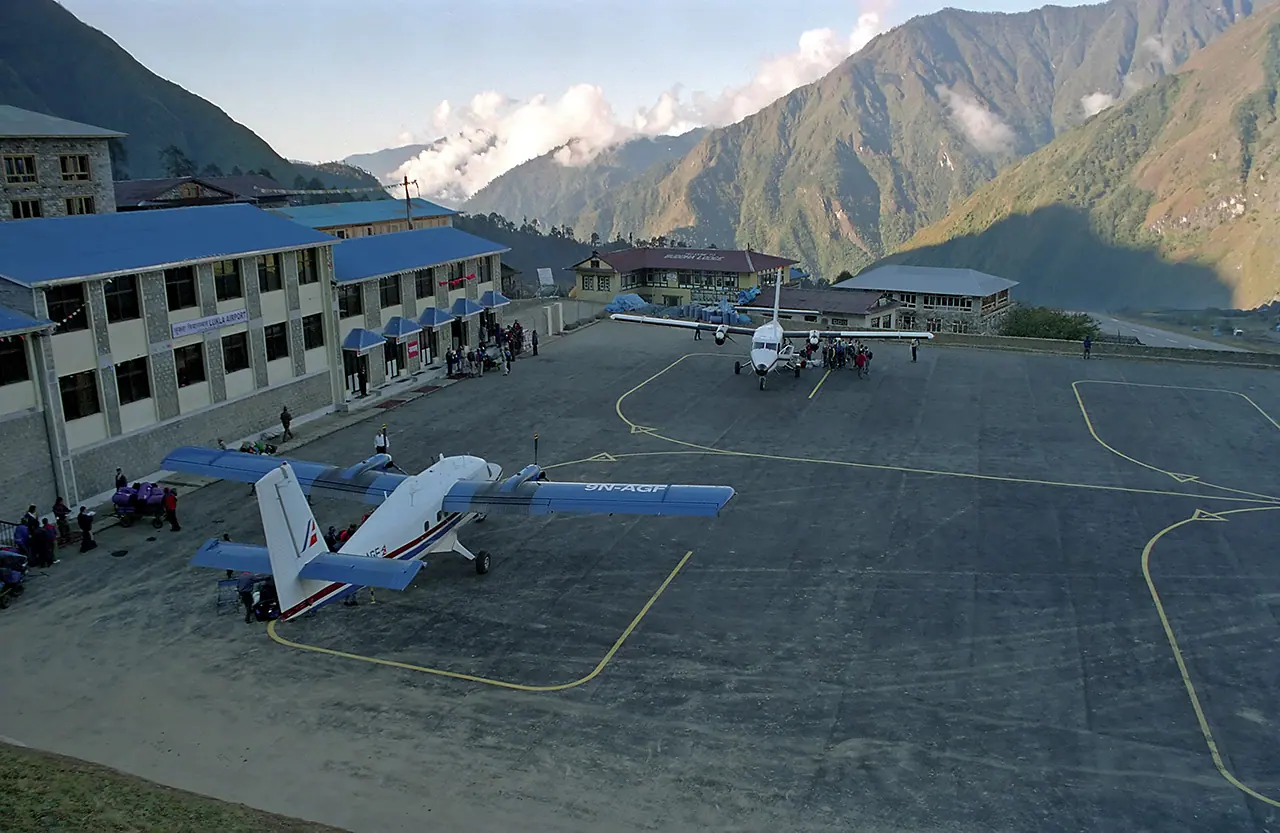
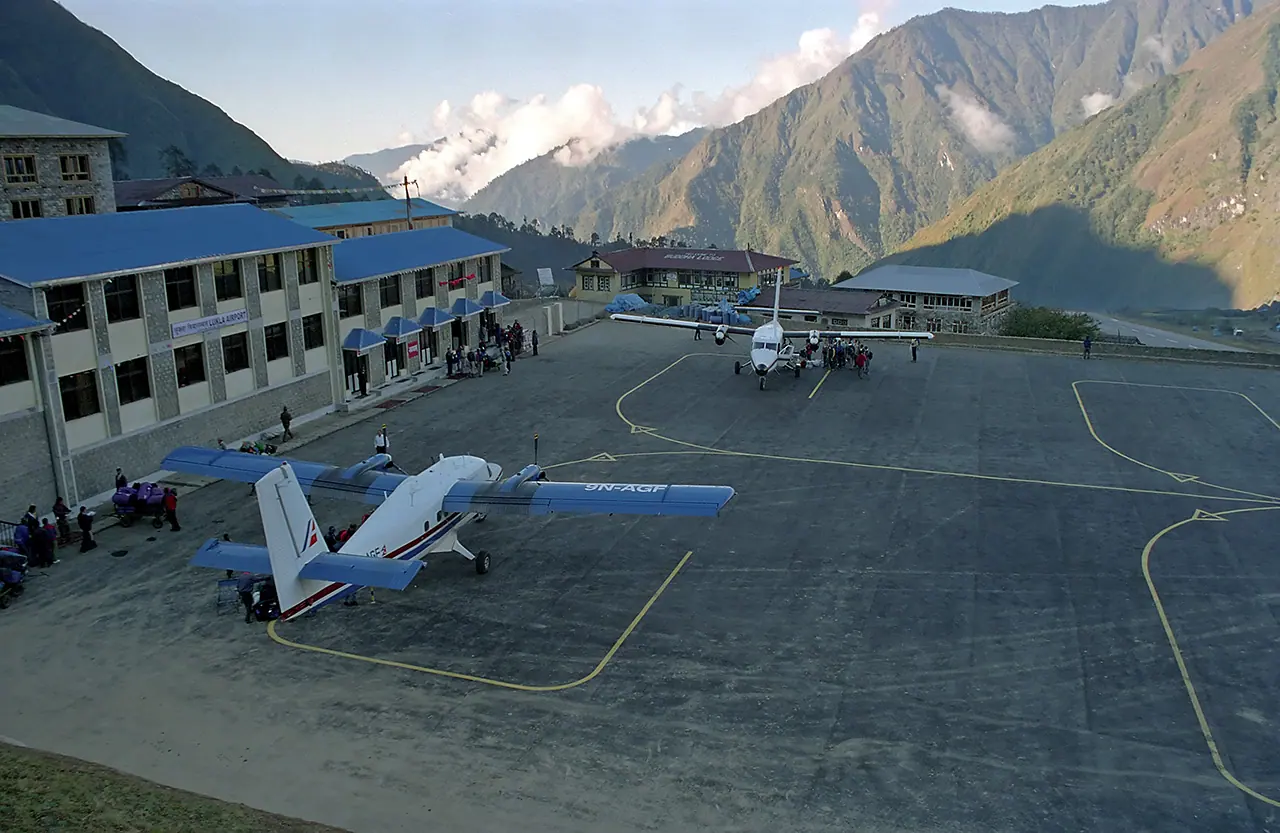
Nepal's trekking food is its own cuisine. On the Everest trail, flying into Lukla and walking up through Namche Bazaar — whose Saturday market still draws traders from across the high valleys — you eat dal bhat twice a day: rice, lentil soup, curried vegetables and pickle, refilled until you surrender. It is famously filling, and the saying that 'dal bhat power, 24 hour' is earned, not ironic. Higher up, menus turn to Sherpa stew, a thick potato-and-vegetable pot pie of a dish, and su cha, the salty butter tea that locals drink by the litre and visitors learn to love.
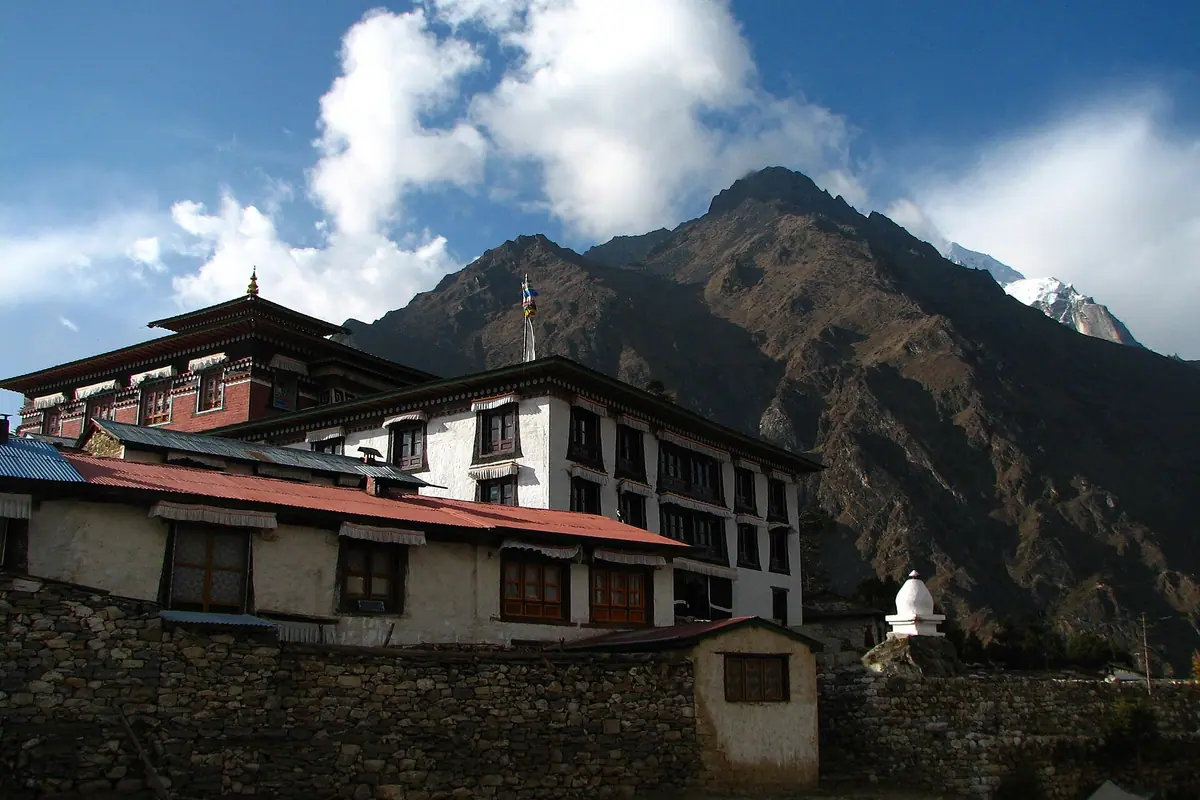
Tengboche Monastery, set beneath Ama Dablam, is the spiritual centre of the Khumbu and hosts Mani Rimdu, a masked dance festival usually falling in October or November. Beyond it, the trail climbs to Everest Base Camp and Kala Patthar, a 12- to 14-day round trip from Lukla that should include acclimatisation days. Shorter alternatives — Annapurna Base Camp in seven to ten days, or the Langtang Valley in seven — give the same teahouse rhythm with less altitude.
Book trekking for October–November for stable skies, or March–April for rhododendrons and warmer days. Winter is brutally cold above 3,000 metres but beautifully clear; the monsoon brings leeches, cloud and landslide delays. Carry cash, as ATMs vanish above Namche, and never rush a climb — altitude sickness is the one thing on this trail that does not negotiate.
Pokhara, Ghandruk and the Thakali Table
Pokhara is the antidote to Kathmandu: a lake town where boats drift across Phewa Lake to the little Tal Barahi Temple, and the Annapurna and Machhapuchhre ranges stand along the horizon like a promise. Climb to the World Peace Pagoda for sunset, or drive to Sarangkot before dawn to watch the snow peaks ignite while paragliders launch off the ridge above you. The lakeside strip is touristy, but ten minutes inland the town eats differently — Thakali kitchens serving dal bhat with timur pepper, dried gundruk greens, smoked sekuwa, and freshwater fish from the Gandaki river.
In the hills, community homestays in Ghandruk and Ghorepani put you at the table with Gurung and Magar families, where millet dhindo — a stiff, porridge-like staple eaten with gundruk soup and pickled radish — is the honest taste of the middle hills. The Ghorepani Poon Hill circuit takes four to five days and delivers the finest sunrise in the region. Book homestays through local operators in Pokhara, and go in autumn or spring when the trails are dry and the mountains are out.
Chitwan, Lumbini and the Terai: Nepal's Other Kitchen
Drop into the Terai plains and the country changes again. Chitwan National Park, a UNESCO-listed expanse of sal forest and grassland, is where you go by canoe and jeep to see one-horned rhinos, crocodiles and, if you are lucky, a tiger. Evenings in the Tharu villages bring stick dances and a cuisine of freshwater fish, river snails and mustard-heavy curries quite different from the Himalayan north. November to February is the sweet spot; by April the heat is punishing and the mosquitoes are serious.
At Lumbini, the birthplace of the Buddha, the Maya Devi Temple and the Ashoka Pillar anchor a monastic zone where countries from Thailand to Germany have built temples in their own styles — a genuinely odd and lovely place to wander for a day. Further east, Janakpur's Janaki Mandir draws pilgrims for Chhath in November, when families wade into the ponds at sunset. Terai food leans toward dahi-chura, sweetened yoghurt with flattened rice, and jalebi fried fresh at the roadside. Allow two to three days for Chitwan and a full day for Lumbini.
Frequently asked questions
When is the best time to tour Nepal for food, culture and mountain views?
October and November offer the clearest skies and the biggest festival calendar, including Dashain and Tihar, which fall in autumn. March and April bring rhododendron blooms, warmer trekking and Holi. Winter is cold at altitude but superb for Kathmandu, Pokhara and Chitwan; the monsoon months of June to September mean rain, clouds, leeches on lower trails and occasional flight cancellations.
What should I eat in Nepal beyond momos?
Seek out samay baji and choila in Patan, juju dhau in Bhaktapur, jhol momo and chatamari in Kathmandu, Thakali dal bhat in Pokhara, dhindo with gundruk in the hill villages, Sherpa stew and butter tea on the Everest trail, and dahi-chura in the Terai. Sel roti, laphing and fresh jalebi are the snacks worth detouring for.
Do I need permits to trek in Nepal?
Yes. Most trekking regions require a local area permit and a trekker registration card; Sagarmatha National Park, Annapurna Conservation Area and Langtang all have their own entry fees, checked at trail checkpoints. Arrange them in Kathmandu or Pokhara before you leave, and carry passport photos and cash, as card payment is rarely accepted on the trail.
Is Nepal suitable for vegetarian travellers?
Very much so. Dal bhat, vegetable curries, momos, sel roti and most Newari snacks have vegetarian versions, and many kitchens cook pure-veg or Jain-style on request. Note that during Dashain many families slaughter animals and meat dishes dominate, while some Hindu temples and households keep strict vegetarian rules — always ask before assuming.
How many days do I need for a Nepal tour?
A comfortable week to ten days covers Kathmandu, Patan, Bhaktapur, Boudhanath, Pokhara and one short hill trek such as Ghorepani Poon Hill. Add four to six days for Chitwan and Lumbini, or a full two weeks for Everest Base Camp or the Annapurna Circuit. Domestic flights to Lukla and Pokhara can be delayed by weather, so build a spare day into the end of any trip.