Nepal squeezes more altitude, ritual and wildlife into a country the length of England than seems physically possible. One morning you're spinning prayer wheels beneath a whitewashed stupa in the Kathmandu Valley; the next you're watching dawn set Machapuchare alight from a ridge above Pokhara. Here is where to go, and what to do once you're there.
Kathmandu Valley: Living Temples, Brick Squares and Butter Lamps
The valley holds seven protected monument zones, and the easiest way to meet them is on foot. Begin at Kathmandu Durbar Square, where the old royal palace of Hanuman Dhoka faces the tiered roofs of Kumari Chowk, home to the living goddess. Then climb the 365 stone steps to Swayambhunath, the hilltop shrine nicknamed the monkey temple, for a full sweep of the valley's hazy rooftops.
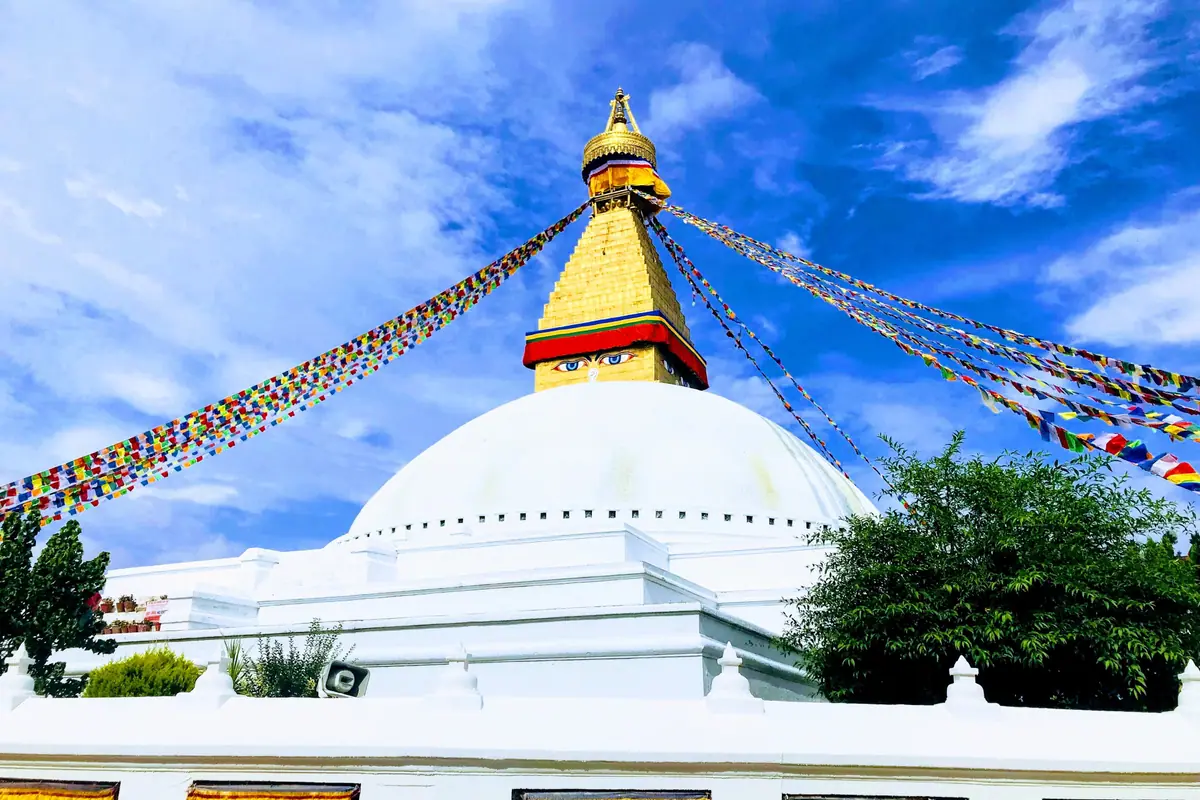
Boudhanath is the country's largest stupa, a whitewashed dome ringed by Tibetan monasteries and shops selling yak wool and thangka paintings. Walk clockwise with the pilgrims at dusk as the butter lamps are lit. Downriver at Pashupatinath, Nepal's holiest Shiva temple spreads along the Bagmati, with cremation ghats and an evening ritual of lamps and chanting; non-Hindus view from the eastern bank rather than entering the inner sanctum.
Two more squares deserve half a day each. Patan, also called Lalitpur, is the craftsman's city — its Krishna Mandir is carved entirely from stone and the Patan Museum in Keshav Narayan Chowk is the finest in the country. Bhaktapur feels more like a working medieval town: the 55-Window Palace, the five-tiered Nyatapola Temple and Pottery Square, where clay dries in the sun and juju dhau, the local king curd, is sold in earthen pots.
Pokhara: Lakeside Base for the Annapurna Foothills
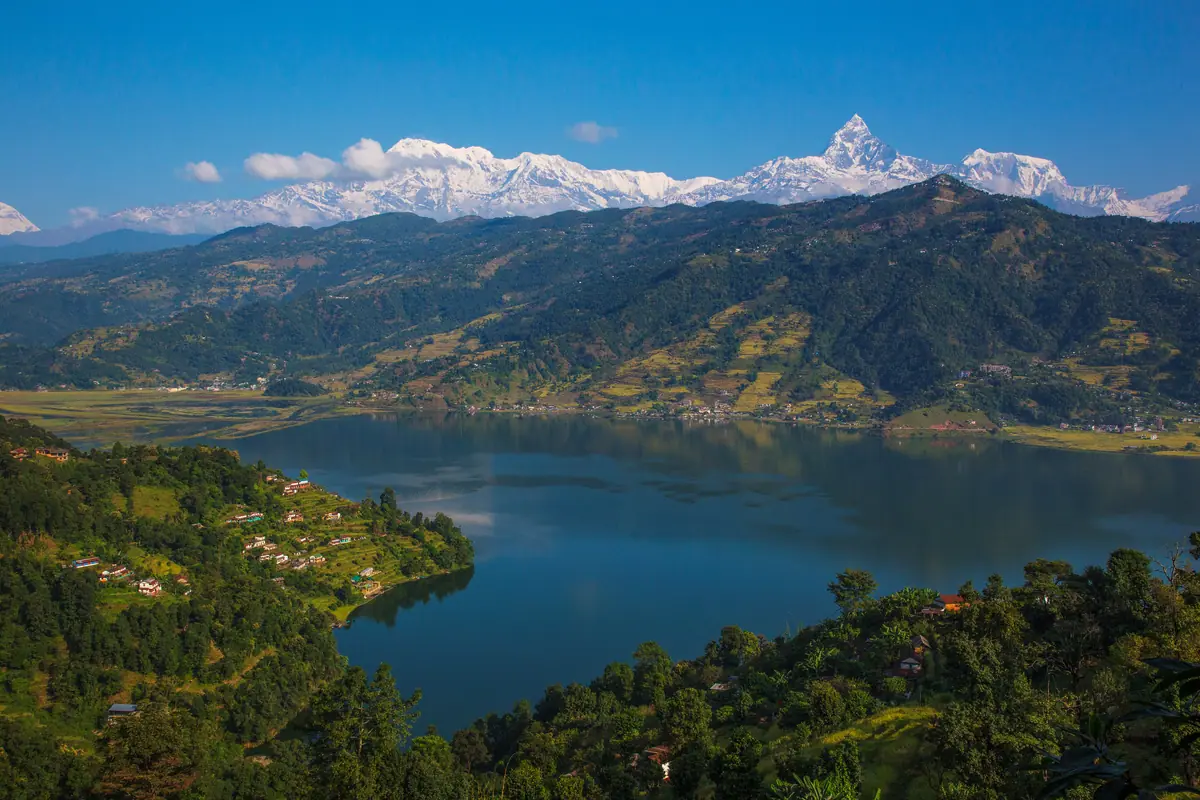
Pokhara is Nepal without the dust and diesel. Phewa Lake fills the valley floor, and rowing boats drift out to Tal Barahi Temple on its little island. On still mornings the Annapurna range — including the unmistakable fishtail peak of Machapuchare — doubles itself on the water, which is why photographers set alarms for 5am here.
Drive or hike up to Sarangkot before sunrise for the widest mountain panorama in the country, stretching from Dhaulagiri to the Annapurnas. Across the lake, the World Peace Pagoda sits on a ridge with views back over the water, and the International Mountain Museum fills in the climbing history if clouds roll in. Paragliders launch from Sarangkot all afternoon, landing beside the lake.
Most travellers use Pokhara as a trailhead. Ghorepani and Poon Hill is the classic short trek, four to five days with a dawn viewpoint over the Annapurnas; Annapurna Base Camp takes seven to twelve days through rhododendron forest and Gurung villages. Quieter options include the Mardi Himal ridge, or simply day-hiking around Begnas and Rupa lakes. October to November and March to April give the clearest skies.
The Everest Trail: Namche Bazaar, Tengboche and Kala Patthar
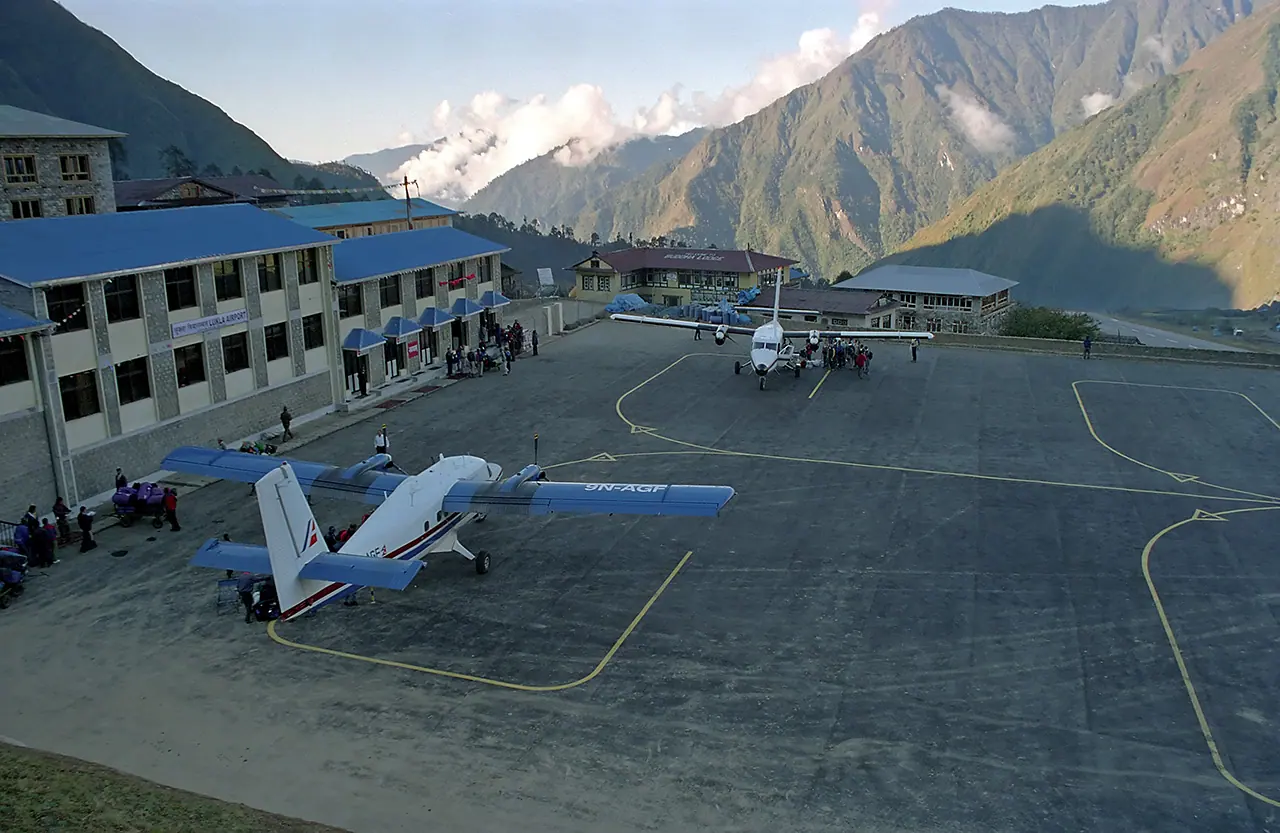
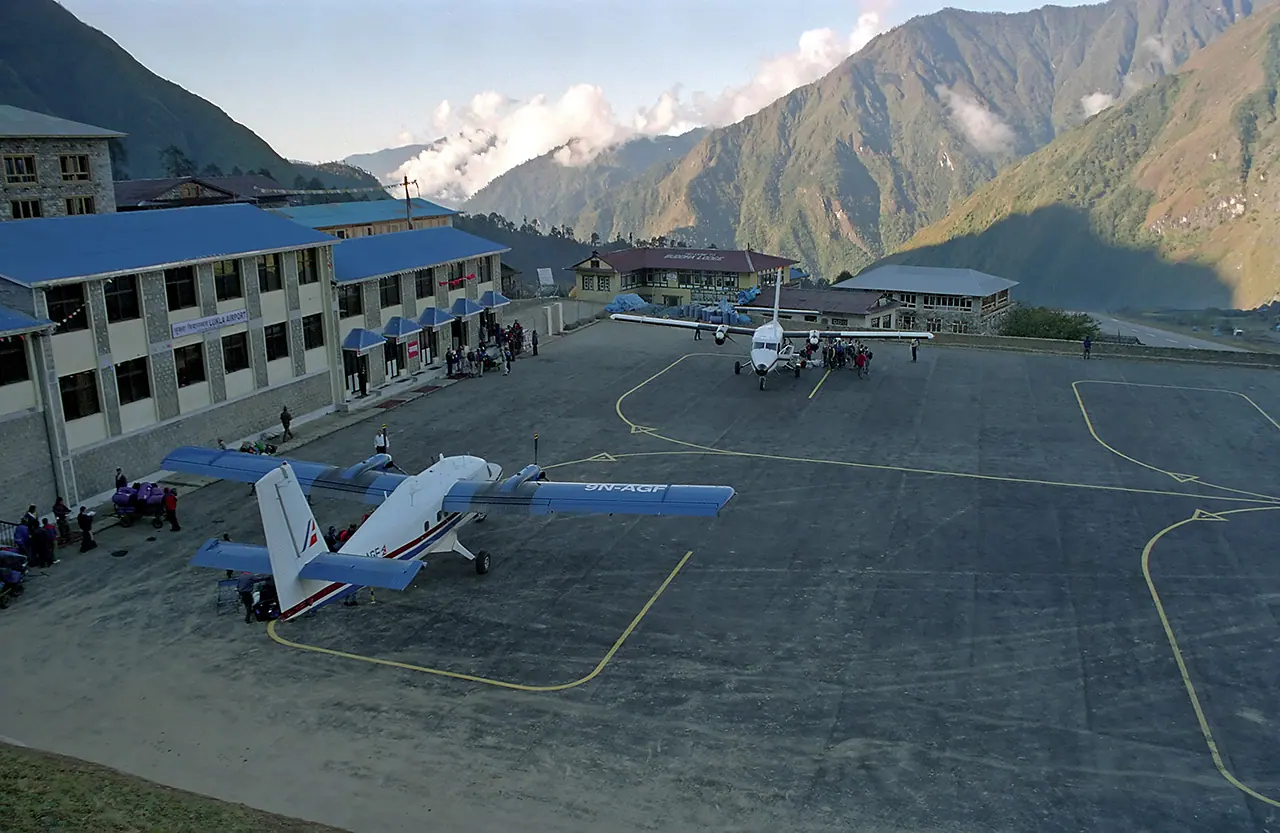
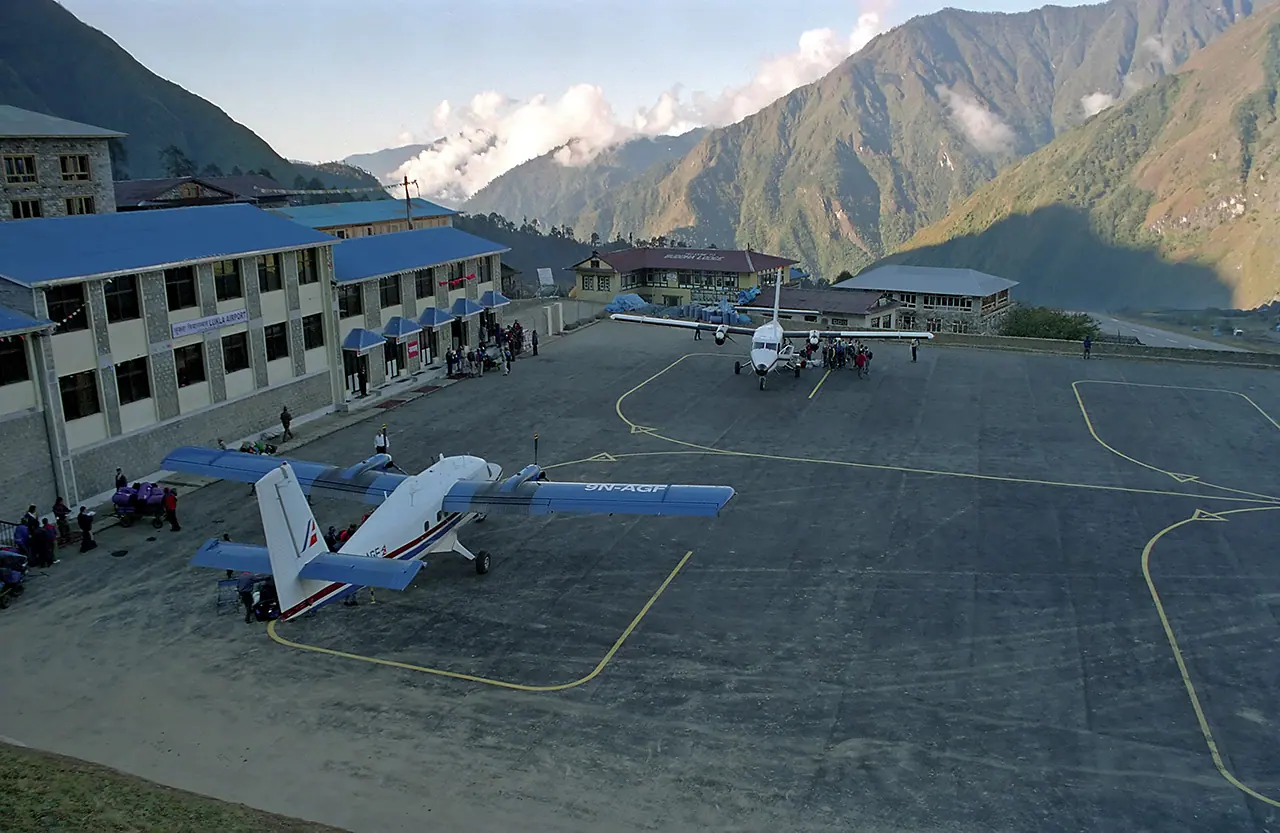
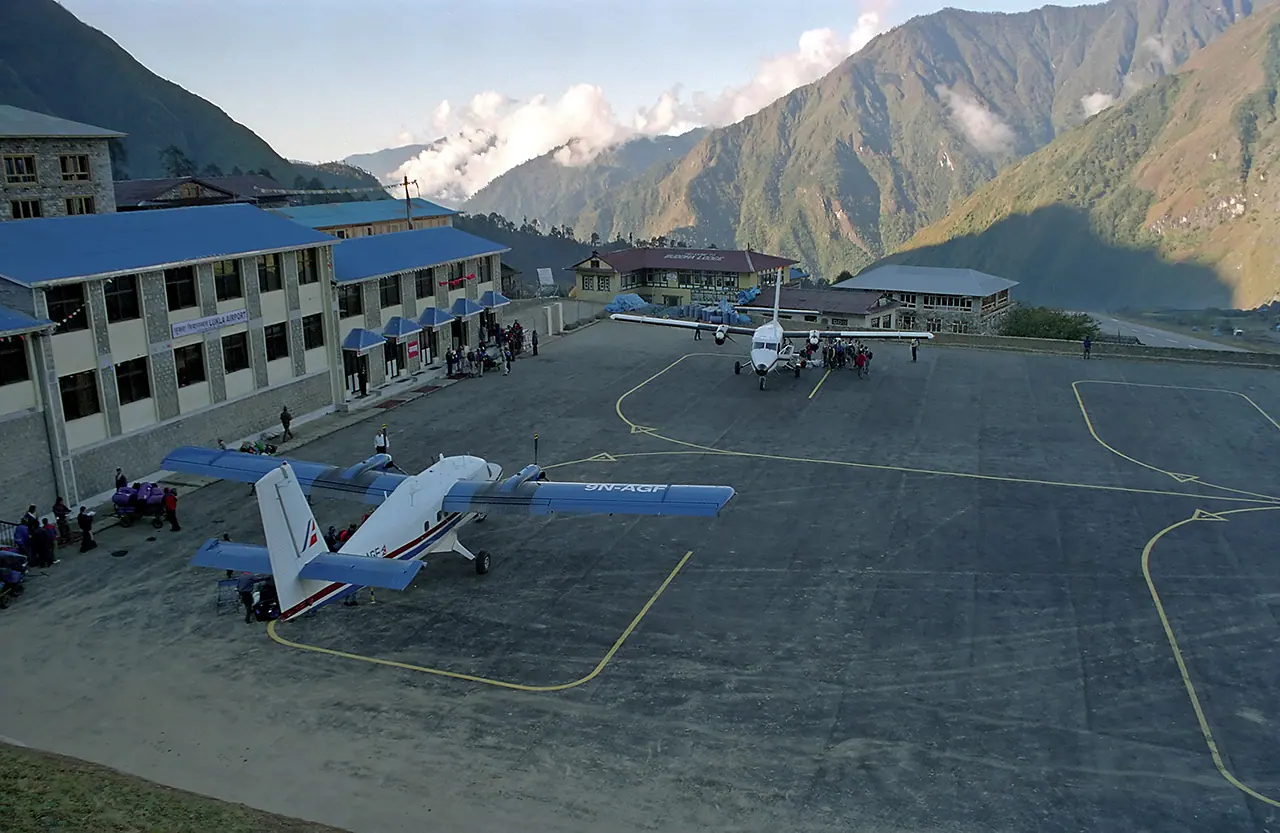
Almost every Everest trek starts with the small plane hop to Lukla, which weather delays often — build a spare day into your plans. From there the trail enters Sagarmatha National Park, crosses suspension bridges over glacier melt, and climbs steeply to Namche Bazaar, the Sherpa capital, where a Saturday market, bakeries and gear shops cluster on a horseshoe of terraces. Acclimatisation matters here, so most itineraries include a day hike to Khumjung or Khunde.
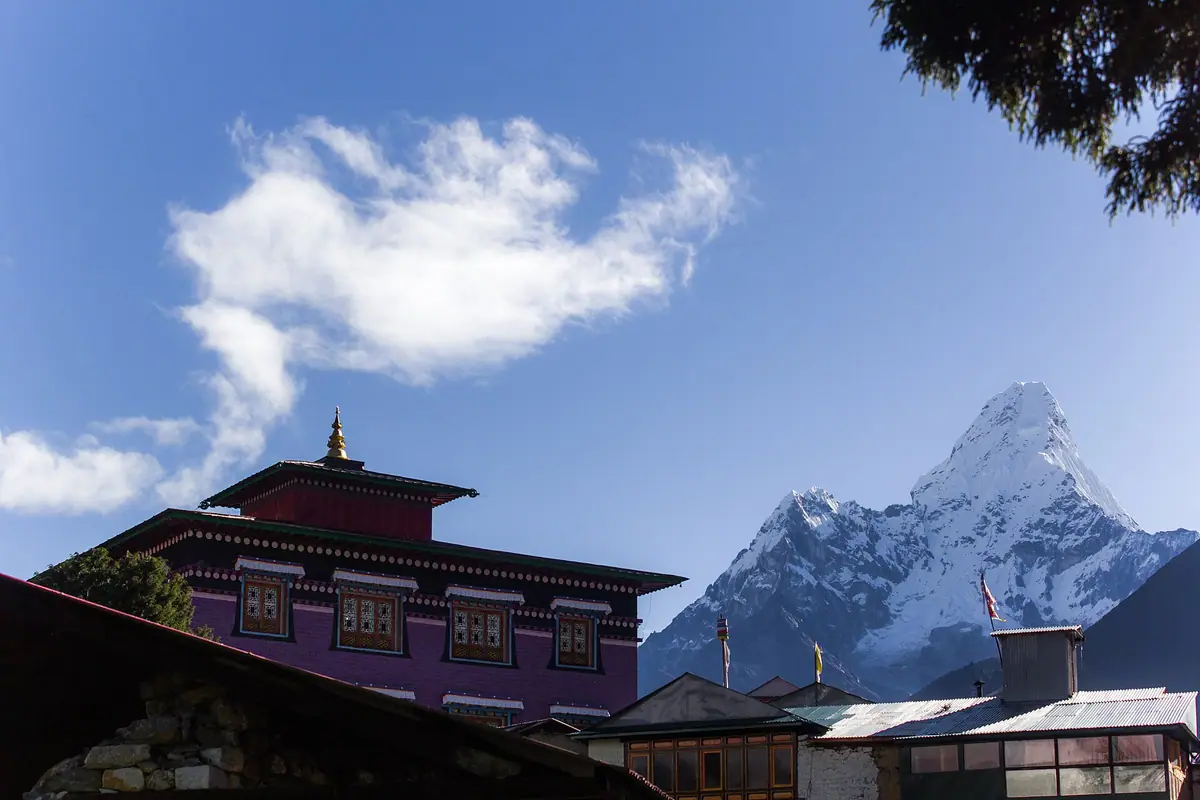
Above Namche the scenery turns theatrical. Tengboche Monastery sits on a ridge framed by Ama Dablam, and morning prayers there are worth the cold. The route continues through Dingboche and Lobuche to Gorak Shep, then Everest Base Camp itself — a strange, thrilling sprawl of tents on the Khumbu Glacier — and finally Kala Patthar at 5,545 metres, the best sunrise view of Everest most people will ever get. Round trip from Lukla: twelve to fourteen days.
For a different flavour, the Gokyo Lakes route trades base camp for turquoise glacial lakes and the Cho La pass; experienced walkers link both on the Three Passes circuit. If time is short, scenic mountain flights from Kathmandu deliver the range in an hour. Spring and autumn are prime; winter is bitterly cold but beautifully quiet.
Chitwan, Bardia and Lumbini: Rhinos, River Dolphins and the Buddha's Birthplace
Chitwan National Park, Nepal's first and a World Heritage Site, protects sal forest and tall grassland along the Rapti River. One-horned rhinos are almost guaranteed on a jeep or walking safari, alongside deer, monkeys, sloth bears and gharial crocodiles; tigers are present but elusive. Glide past kingfishers by dugout canoe, then spend the evening with a Tharu village dance. Choose walking or jeep safaris rather than elephant-back rides.
The best window is October to March, especially January onwards once the elephant grass is cut and visibility improves. Far to the west, Bardia National Park offers the same wildlife with a fraction of the visitors, plus Ganges river dolphins in the Karnali River — it takes longer to reach and rewards you for it.
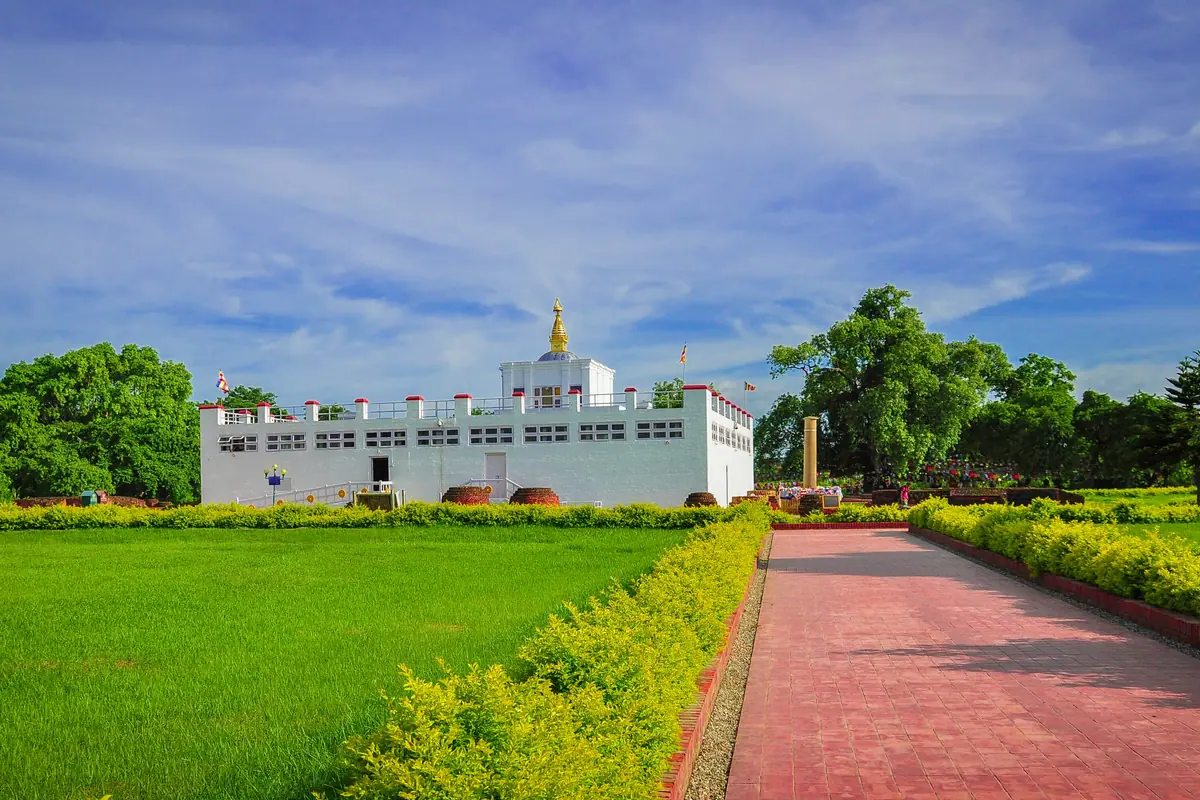
Lumbini, near the Indian border, is where Siddhartha Gautama was born. The Maya Devi Temple marks the exact spot, the Ashoka Pillar stands beside it, and the surrounding monastic zone holds temples built by Buddhist communities from across Asia. It is a slow, contemplative place best visited between November and February, reached by road or a short flight to Bhairahawa.
Beyond the Crowds: Bandipur, Rara Lake, Upper Mustang and Adrenaline
Bandipur is a car-free Newari hill town perched between Kathmandu and Pokhara, all slate roofs and geranium-filled windows, with views across the Marsyangdi valley to Manaslu and Ganesh Himal. Further west, Rara Lake in Mugu is the country's largest lake, a blue sheet inside Rara National Park that takes real effort to reach by air or a multi-day trek from Jumla.
Upper Mustang is Nepal's rain shadow — ochre cliffs, eroded canyons, sky caves and the walled capital of Lo Manthang, which feels closer to Tibet than to Kathmandu. The Tiji festival in late spring fills the town with masked dances. Restricted areas like Mustang, Dolpo and the Manaslu circuit require a licensed guide and a permit, which keeps the trails mercifully quiet.
For pure adrenaline, raft the Trishuli or Sun Koshi, paraglide off Sarangkot, bungee above the Bhote Koshi gorge, or mountain-bike the valley rim from Kathmandu to Nagarkot for a Himalayan sunrise. Ultralight flights buzz over Pokhara's lakes, and canyoning and zip-lining fill rest days between treks.
When to Go, Permits and Pacing Yourself at Altitude
October and November bring the crispest mountain views of the year, followed by March and April, when rhododendrons flower but haze builds in the valleys. December to February is cold up high yet excellent in Chitwan, Bardia and the Kathmandu Valley. The monsoon, roughly June to September, closes many trails with leeches and landslides, though rain-shadow regions such as Upper Mustang and Dolpo stay open and green.
Trekking paperwork is straightforward but essential: a TIMS card plus national park entry for most routes, and a restricted-area permit with a registered guide for Mustang, Manaslu and Dolpo. Buses between Kathmandu and Pokhara take six to eight hours on winding roads; the flight takes twenty-five minutes. Carry cash, since ATMs thin out fast beyond the cities, and expect small charges for charging devices in teahouses.
Altitude is the real variable. Ascend slowly, take the acclimatisation days your itinerary builds in, drink far more water than feels necessary, and treat headaches with nausea as a signal to descend rather than push on. Insurance that covers high-altitude trekking and helicopter evacuation is worth arranging before you fly out — as is a flexible return date, because mountain weather rarely respects a schedule.
Frequently asked questions
How many days do I need in Nepal?
Ten days covers Kathmandu, Pokhara and Chitwan comfortably. Allow two to three weeks for a trek such as Everest Base Camp or the Annapurna circuit, including buffer days for weather-delayed mountain flights.
What is the best month to visit Nepal?
October and November offer the clearest mountain views and the most stable weather. March and April are the second-best window, warm in the lowlands with rhododendrons blooming higher up.
Do I need a guide to trek in Nepal?
Not on standard routes such as Everest Base Camp or Poon Hill, where teahouses and trail markers make independent trekking possible. Restricted areas including Upper Mustang, Dolpo and Manaslu require a licensed guide and a special permit.
Is Nepal safe for first-time visitors?
Yes, and it is well set up for independent travel. The main risks are road accidents on mountain highways and altitude sickness on treks, so pace your ascent and avoid night buses.
Can I see Everest without trekking?
You can. Scenic mountain flights from Kathmandu and short walks around Nagarkot or Sarangkot give Himalayan views, though nothing matches the trail to Kala Patthar for a close look at the summit.
Plan it — experiences in Nepal
Live search, booked directly with trusted providers.