Madagascar rewards the traveller who eats slowly, listens closely and accepts that the island keeps its own clock. Here, a plate of rice is a greeting, a market is a conversation, and the road between the baobabs and the rainforest is paved with customs older than any itinerary.
The Rice Heart of Malagasy Cooking
In Madagascar, rice is not a side dish — it is the meal, and everything else is what you eat with it. Ask a local if they have eaten and the phrase translates literally as "have you eaten rice?" The national staple arrives in a heaped mound on every plate, flanked by small bowls of romazava, a clear, slow-simmered broth of zebu beef, leafy greens and the peppery zhe leaf that leaves a warm tingle on the tongue. Alongside it, you'll meet ravitoto — cassava leaves pounded to a dark green paste and stewed long and slow with pork — and vary amin'anana, a savoury rice porridge studded with greens and ginger that is breakfast, comfort food and road-trip fuel all at once.
Street food is where the island's layers show through. Highland towns sell mofo gasy, squat, spongy pancakes made from rice flour and cooked in battered cast-iron moulds over charcoal, best eaten hot with a smear of condensed milk or honey. There are sambos, crisp triangular pastries with an unmistakably Indian Ocean lineage, and koba: a dense, sweet-savoury brick of rice flour, ground peanuts and banana, wrapped in banana leaves and steamed until it slices like firm fudge. Koba is the classic gift, the thing you carry to a relative's house, and it is sold in fat, leaf-wrapped rolls at every bus station and market.
Drinks follow the same logic. Ranon'ampango — the toasted, caramel-coloured water left at the bottom of the rice pot — is served hot and tastes faintly of popcorn. Bottled local lager is cold, cheap and everywhere, and in the coastal north you'll find betsabetsa, a fermented sugarcane brew sold in recycled bottles at roadside stalls. To finish, rum arrangé: white rum steeped for weeks with vanilla pods, litchi, ginger or cinnamon, poured in tiny glasses that always seem to be refilled.
Antananarivo: Royal Hills, Markets and the Capital's Table
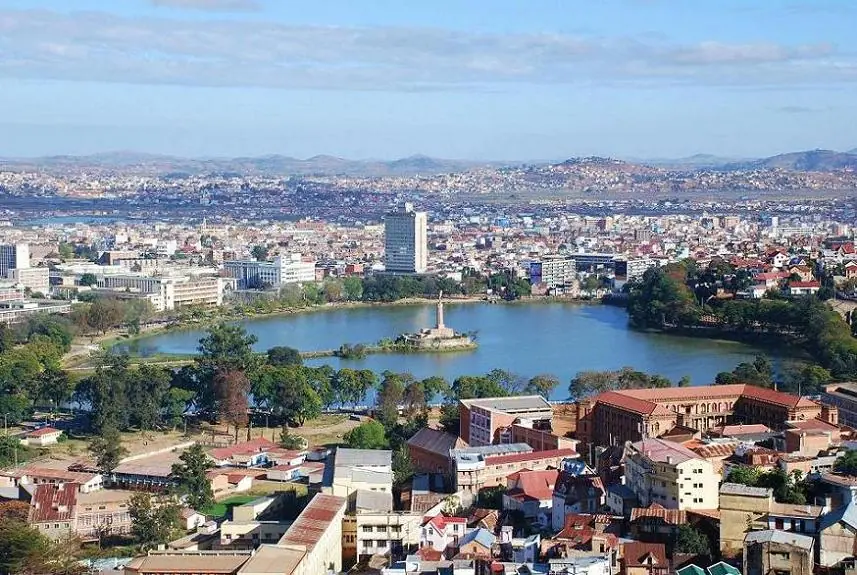
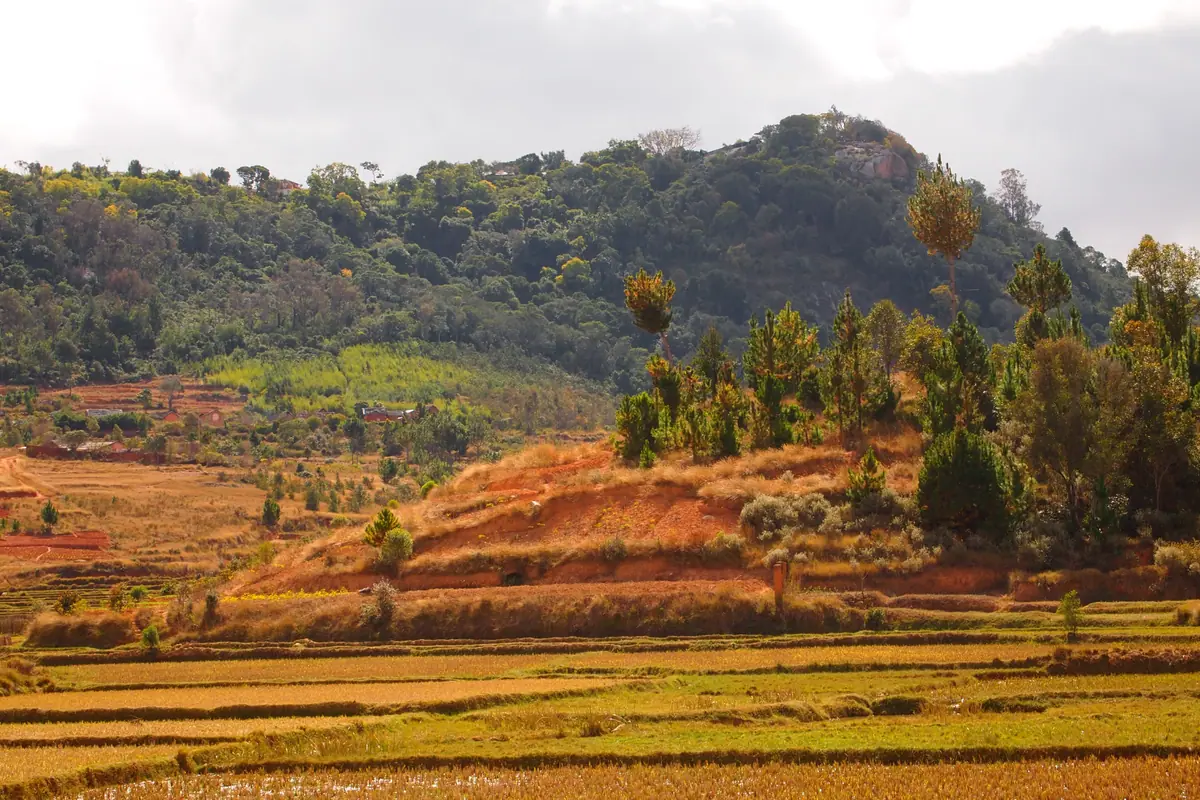
Antananarivo — universally shortened to Tana — is built across a spine of hills, and its history sits on the highest ones. The Rova of Antananarivo, the royal palace complex crowning the upper town, still commands the skyline despite the fire that gutted its interior, and the view from its terrace takes in the whole sprawl of terracotta roofs, church spires and flooded rice paddies below. Downhill, the cobbled lanes of Haute-Ville around Ambohijatovo are a slow, rewarding walk: pastel colonial-era houses, creaking Renault taxis, and vendors selling roasted peanuts and fried bananas from carts.
The city's appetite lives in Analakely, the vast central market district where the steps and stalls tumble down towards the avenue. Mounds of vanilla pods, pink peppercorns, dried litchis, wild honey and hand-carved zebu-horn spoons sit beside towers of tomatoes and bundles of bitter greens; bargaining is expected, unhurried and good-humoured. A short walk away, the smaller Zoma-style street markets specialise in second-hand clothing and household metalwork. Come hungry: the food stalls around Mahamasina and along the Analakely stairways grill skewers of kitoza — cured, spiced zebu or pork strips — over charcoal, served with a squeeze of lime and a fiery shredded-chilli condiment.
For a deeper sense of place, take a half-day out to Ambohimanga, the walled royal hill about an hour north of the capital. A UNESCO-listed site of earthworks, carved gateways and sacred pools, it remains a pilgrimage destination, its enclosure thick with fady — taboos — that have protected the hill's old trees for centuries. Guides there explain the Merina court's history with real pride, and the drive out through irrigated valleys of emerald rice gives you the island's agricultural rhythm in one long look.
The Western Circuit: Baobabs, Dry Forest and Tsingy
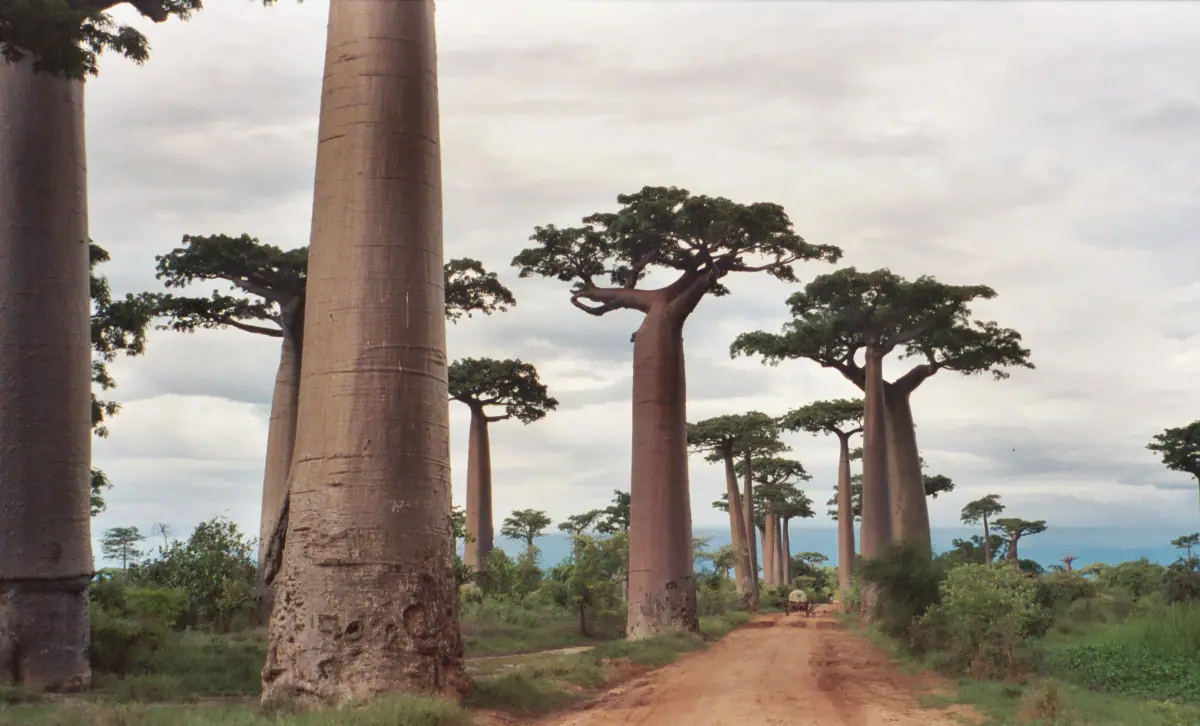
The west is Madagascar at its most cinematic. The Avenue of the Baobabs near Morondava, an unpaved track lined with immense, bottle-trunked Grandidier's baobabs, is the island's most photographed sight, and rightly so — but the trick is to arrive for the last hour of light, when the trunks turn copper and the dust hangs gold in the air. Nearby lies the Kirindy dry forest, where you can walk at night with a guide and find mouse lemurs flitting through the undergrowth and the peculiar, hook-handed aye-aye tapping at branches.
Further north, the Tsingy de Bemaraha is a landscape unlike anything else on earth: a limestone plateau eroded into a forest of razor-sharp pinnacles, crossed by cable bridges and squeeze-through canyons. Access is genuinely seasonal — the tracks and river crossings become impassable in the rains, so plan for the dry months. Bring proper grip shoes, expect to crawl and scramble, and allow a full day for the small tsingy circuit plus another for the canyon hike.
Between these set pieces, the western towns feed travellers well. Morondava's beachside grills serve the day's catch with rice and a sharp green-mango salad, while in the dry-forest villages around Bekopaka you'll find voanjobory — bambara groundnuts — cooked slowly with pork, a dish that tastes of the soil it came from. Evenings here end early, with a rum arrangé and the sound of crabs scuttling on the sand.
Rainforest Encounters: Lemurs, Hiragasy and Ancestor Customs
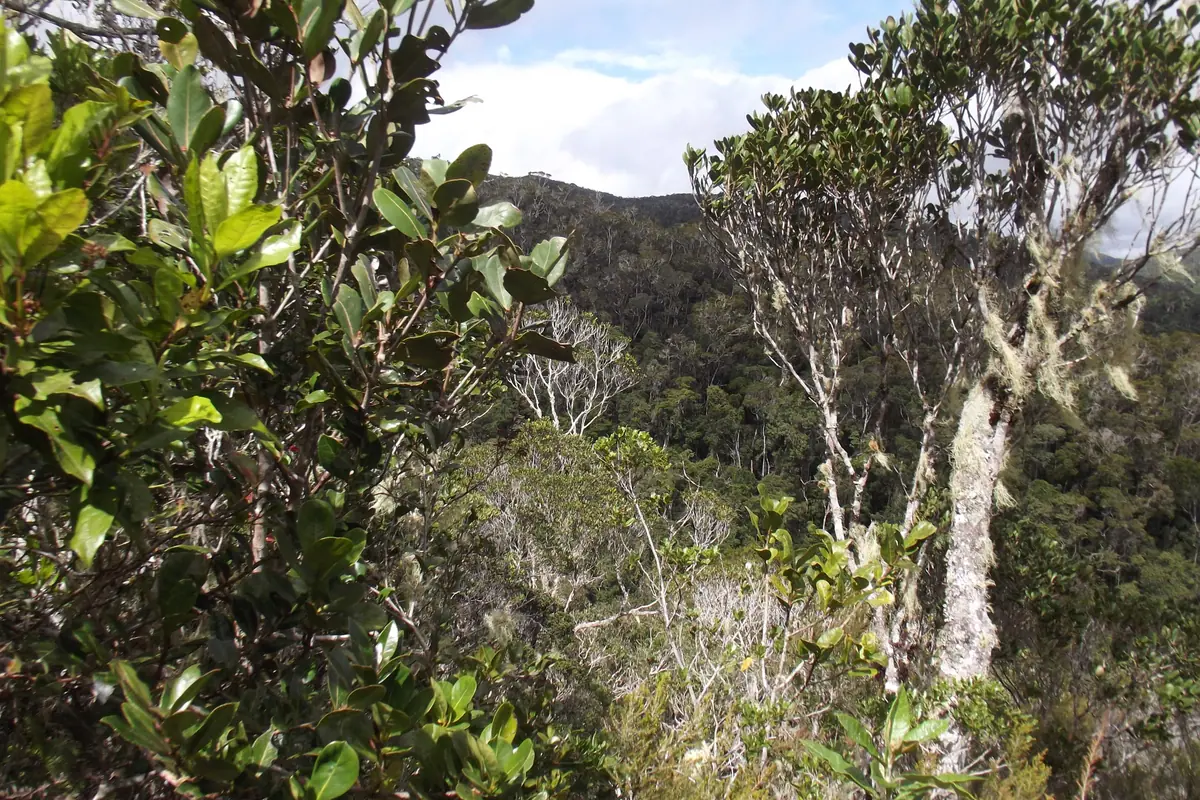
On the eastern escarpment, the island's rainforest presses close to the road. Andasibe-Mantadia National Park is the most accessible place to hear — and finally see — the indri, a black-and-white lemur whose eerie, whale-like wail carries for kilometres through the mist. Dawn is the time to go; the forest is loud then with indri calls, and guides know individual family groups by territory. Further south, Ranomafana National Park protects steep, mossy slopes where golden bamboo lemurs and twelve other lemur species live among tree ferns and hot springs. Near Ambalavao, the Anja Community Reserve is a different proposition: a small, community-run reserve of granite boulders where ring-tailed lemurs sun themselves at close range, and where the entrance fee goes directly to village projects.
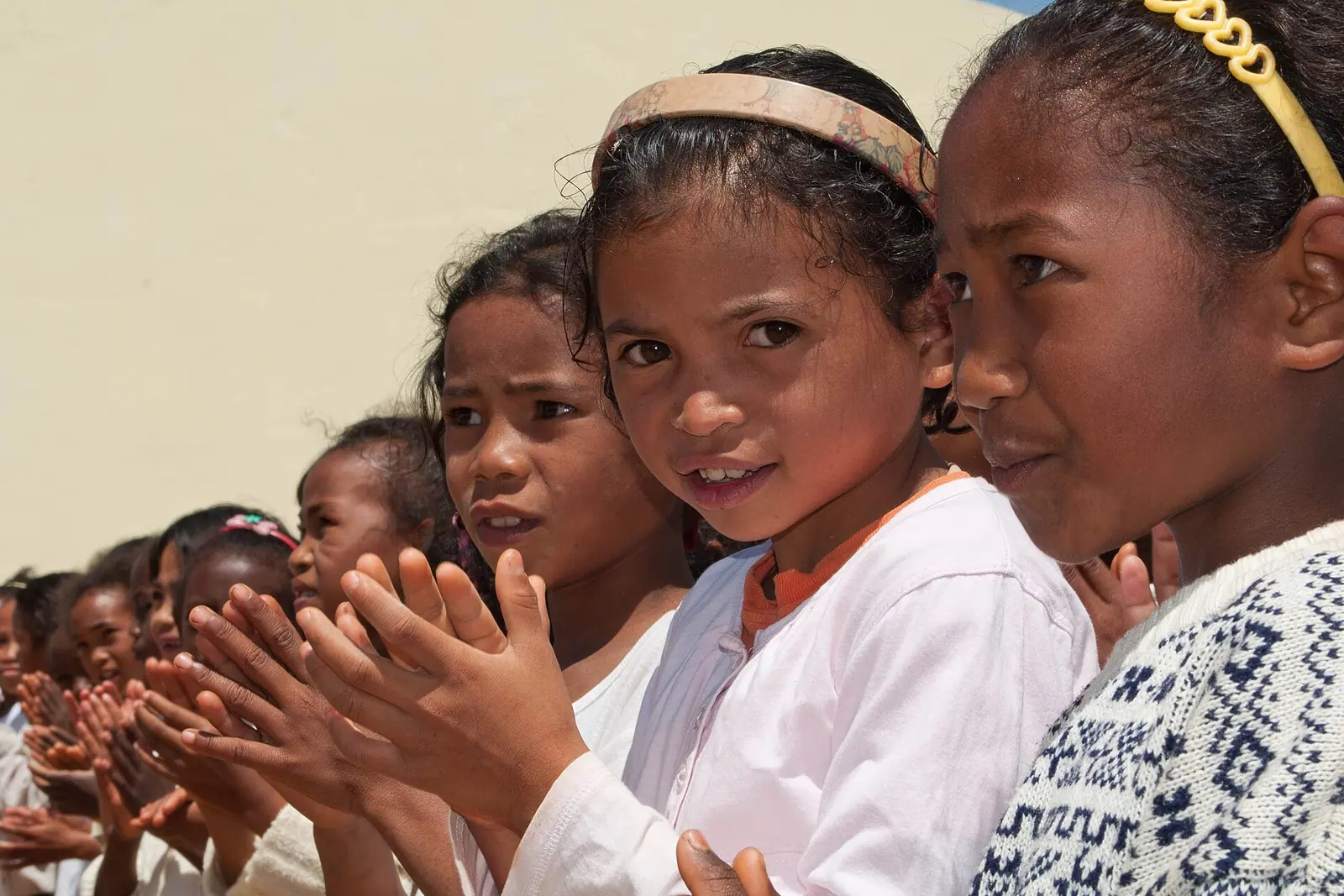
Culture in the highlands is performance. Hiragasy troupes — part theatre, part debate, part dance — travel from town to town, performing in bright lamba wraps to the sound of the valiha, a bamboo tube strung with metal strings, and the small, guitar-like kabosy. Catch a performance during a festival or a famadihana and you'll see the whole village turn out, elders joining in with speeches that mix oratory, gossip and comedy.
The famadihana, the highland "turning of the bones", is the island's most profound ritual: families exhume and rewrap the remains of ancestors, feast, dance and share news with them. It is a private, joyful, deeply serious occasion, held in the cool dry season and only ever by invitation. If you are lucky enough to be asked, dress modestly, bring a gift of rum or money for the family, follow your host's lead, and never treat it as spectacle — it is the single clearest window into how Malagasy life is organised around respect for the dead.
Island Shores and the Vanilla Coast
Madagascar's coastline is a second country. Nosy Be, off the north-west, is the gateway archipelago: warm, shallow water, coral gardens, and the tiny neighbouring islets of Nosy Komba and Nosy Iranja, where you can snorkel in the morning and eat grilled fish under a palm-thatch roof by afternoon. On the east coast, Île Sainte-Marie — Nosy Boraha — is quieter, with pirate-era graves, vanilla smallholdings and humpback whales that migrate through the channel between roughly July and September, when boat trips put you within respectful distance of breaching adults and their calves.
The north-east is the source of most of the world's vanilla. In the SAVA country — the belt around Sambava, Antalaha, Vohémar and Andapa — vines are hand-pollinated each morning in season and the pods are sun-dried and hand-massaged for months until they turn glossy and near-black. Visiting a family plantation, usually arranged through a local guide, is one of the most rewarding half-days on the island: you'll learn to tell a good pod by its pliability and fragrance, and you'll taste vanilla in things you never expected, from rum to rice pudding.
Coastal cooking is simpler and sharper than highland fare. Expect coconut milk, lime, green peppercorns, ginger and seafood grilled over wood: prawns from the north-west, crab and octopus in the south, and whole fish stuffed with herbs. Fruit is a seasonal event in itself — litchi in the weeks around the year's end, mangoes and pineapple through the hot months, and tiny, intensely flavoured bananas all year.
Practicalities: Mora Mora, Seasons and Getting Around
Madagascar runs on mora mora — slowly, slowly — and the sooner you accept it, the better your trip will be. Distances that look trivial on a map take hours on winding, potholed roads; a 700-kilometre drive can swallow a full day or more. Shared long-distance taxis, known locally as taxi-brousse, are the backbone of travel: cheap, frequent, cramped and often accompanied by a televised sermon or salegy music at full volume. They leave when full, usually early morning, and stop at roadside stalls where you can buy skewers, rice cakes and sachets of water. If your time is short, domestic flights connect the capital with the north, west, south and the eastern islands, and save days of driving.
Timing matters more here than in most destinations. The cyclone season runs roughly December to March, bringing heavy rain and the risk of disrupted roads and flights, especially on the east coast. April and May are green, quiet and comfortable; June to August is cool and dry in the highlands and the best window for whale watching, famadihana season and the west; September to November is dry, hot and superb for the tsingy and the baobabs, though the far south can be punishingly arid. Whenever you come, carry cash in ariary — card acceptance outside the main cities is limited — and pack layers, because highland mornings are genuinely cold.
A little etiquette goes a long way. Learn a few Malagasy greetings, ask before photographing people, respect local fady, and never whistle at night in villages where it is considered to summon bad luck. Tipping is not obligatory but is warmly received for guides, drivers and porters. Give yourself two to three weeks if you want both forest and coast, and build in slack: a delayed flight or a washed-out bridge is not a crisis here, just an invitation to eat another bowl of romazava.
Frequently asked questions
When is the best time to visit Madagascar?
April to May and September to November offer the best balance of dry weather, comfortable temperatures and accessible roads. June to August is cool and dry in the highlands, ideal for whale watching off Île Sainte-Marie and for highland ceremonies, while December to March is cyclone season with heavy rain, especially on the east coast. The Tsingy de Bemaraha and the western baobab country are best visited in the dry months, as access tracks flood in the rains.
What should I eat in Madagascar?
Start with romazava, a beef and greens broth served with rice, and ravitoto, pounded cassava leaves slow-cooked with pork. Try vary amin'anana for breakfast, mofo gasy rice pancakes and koba from street stalls, and kitoza grilled meat skewers in the capital's markets. On the coast, eat grilled prawns and fish with coconut and green peppercorn, and finish with a glass of vanilla or litchi rum arrangé.
How long do I need and how do I get around?
Two to three weeks lets you combine a highland or rainforest leg with the western baobabs or a coastal island. Long-distance shared taxis (taxi-brousse) are cheap and characterful but slow, and roads can be rough, so many travellers mix them with short domestic flights to cover the biggest distances. Always allow buffer days for delays.
Can visitors attend a famadihana?
Only by invitation, as it is a private family ceremony. If you are invited, dress modestly, bring a gift such as rum or a contribution to the feast, follow your host's lead at all times, and treat the occasion with quiet respect rather than as a photo opportunity. Ceremonies typically take place in the cooler dry months in the highlands.
Do I need to speak French or Malagasy?
French is widely used in towns alongside Malagasy, and English is less common outside the main tourist areas, so a few phrases of each go a long way. Learning basic greetings, please and thank you will noticeably warm your interactions, and hiring a local guide is the single best way to understand the island's customs, fady and food.
Sort the rest of your trip
Everything for Madagascar, in one place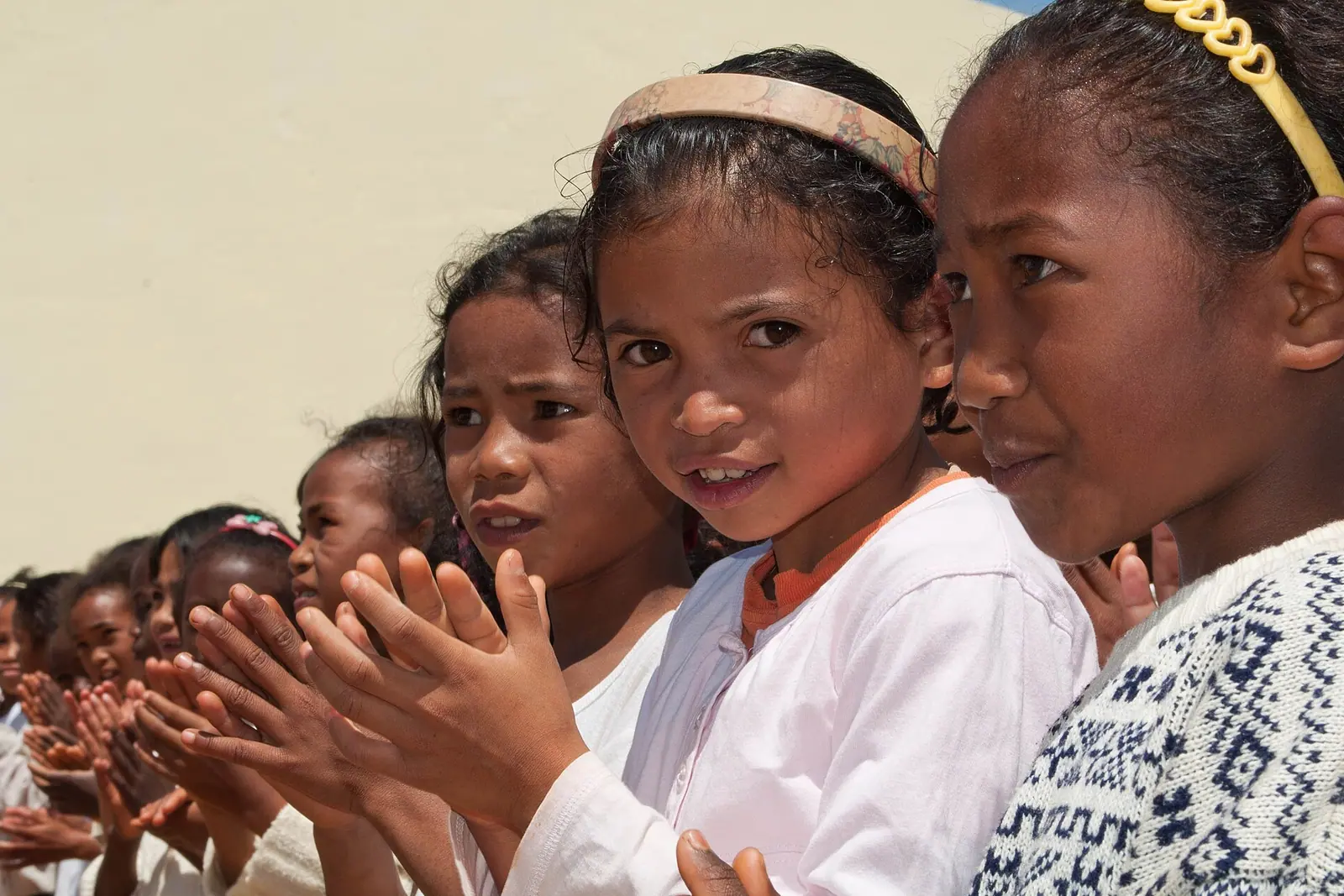
Stay in Madagascar
Hotels, guesthouses and apartments — compared in one search.
Search hotels
Transfer in Madagascar
Private driver waiting on arrival — no queues, no surprises.
Book a transfer
Stay online in Madagascar
Travel eSIM — data the moment you land, no roaming bills.
Get an eSIM