Madagascar is not one climate but several running in different directions at once — rainforest on the east coast, a dry baobab plain in the west, spiny desert in the south and cold, misty highlands down the middle. The month that makes one hotel perfect can make another a washout, so the real question is not when to visit the island, but when to visit the part of it you plan to sleep in.
How Madagascar's Seasons Actually Work
Madagascar's year splits into two broad halves: a hot, wet season from roughly November to April, and a cooler, drier stretch from May to October. That is the simple version. The island runs about 1,600 kilometres from north to south with a mountain spine down its centre, and the weather on either side of that spine behaves almost like two different countries. The eastern escarpment catches moisture off the Indian Ocean and stays green and damp for much of the year, while the western side has a genuinely dry season when rivers shrink, tracks harden and the dust begins to fly.
The east coast — the rainforest around Andasibe and Mantadia, the Masoala peninsula, and Île Sainte-Marie offshore — can receive rain in any month, with the heaviest downpours between January and March. The west and north-west, where the Tsingy de Bemaraha, Ankarana and Nosy Be sit, have their clear, dry window from June through October. The deep south around Toliara and Anakao is arid and hot, pushing past 35°C between October and March, milder and breezier from June to August. The central highlands around Antananarivo, Antsirabe and Fianarantsoa cool down sharply in the austral winter: July nights can drop to single digits, and many small hotels have no heating at all, so pack layers even though you are near the tropics.
Cyclone season officially runs from November to April, peaking between January and March. Storms most often spin in from the north and east, brushing Nosy Be, Masoala and Île Sainte-Marie and dumping enough rain to wash out stretches of the main highways. That single fact shapes more hotel bookings than any temperature chart.
The Dry Season: May to October, When the Best Rooms Sell Out
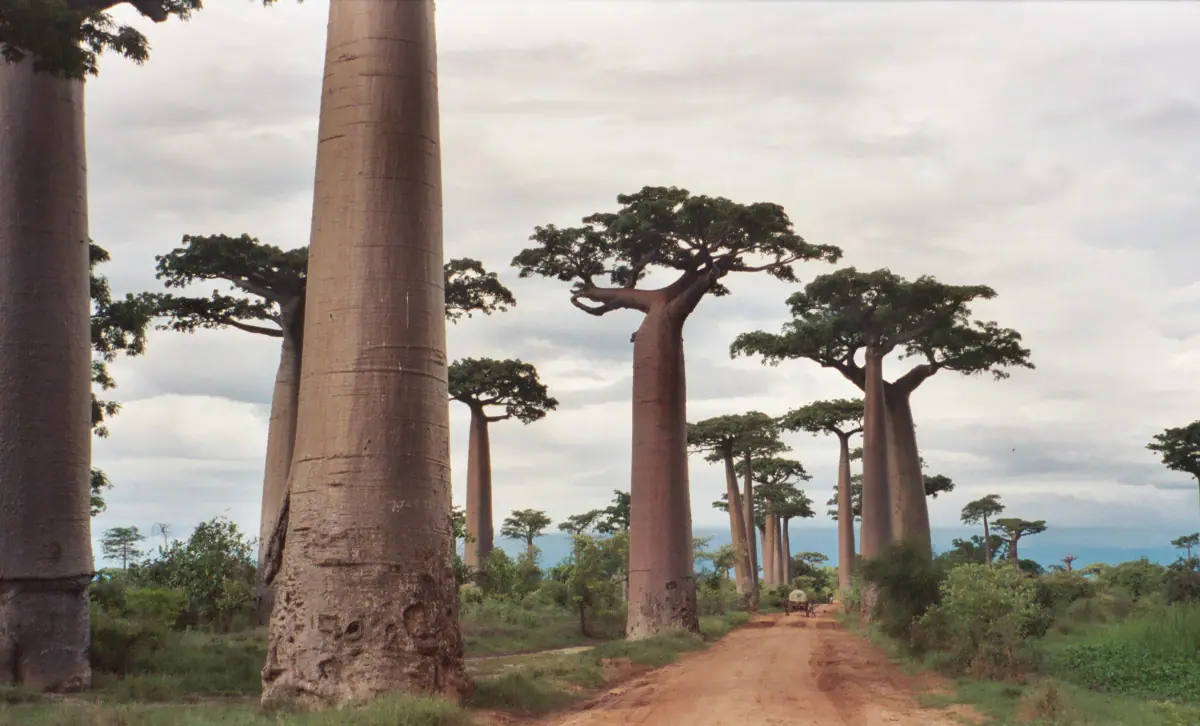
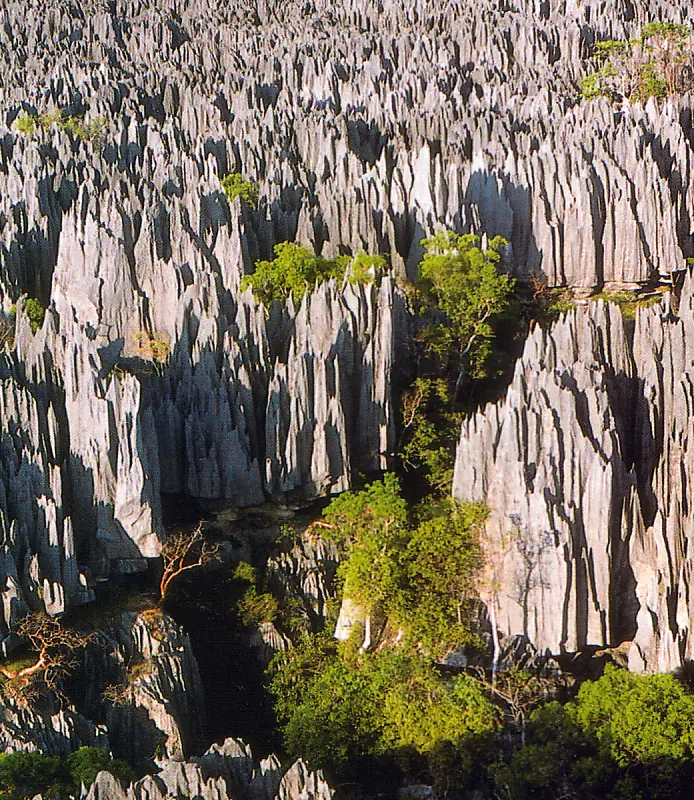
If you want the postcard version of Madagascar, aim for the dry months. This is when the west coast is at its most reliable: the Avenue of the Baobabs near Morondava glows at sunset, the limestone forest of Tsingy de Bemaraha National Park becomes reachable, and the Ankarana Reserve and Isalo National Park offer firm, walkable trails instead of slick rock. Access to the Tsingy depends on the Manambolo River running low enough to cross, which normally holds from around May to November. Because the park allows limited visitors and the guesthouses in nearby Bekopaka village are few, accommodation there is the first thing to book, often several months ahead.
Rates climb with demand. July and August are the busiest weeks, driven by European school holidays, and prices for lodges and beach bungalows peak accordingly. June and September sit in a comfortable middle band with dry weather and slightly softer rates, while October stays dry in the west but turns noticeably warmer and muggier as the build-up to the rains begins. For the classic southern circuit along the RN7 — Antananarivo to Antsirabe, Ranomafana, Isalo and out to the coast — April through October is when the road behaves and the viewpoints are clear.
Comfort varies by altitude rather than by month. West-coast lodges are warm year-round; highland hotels need blankets from June to August; coastal bungalows in the south benefit from a breeze in July and August that also makes the sea choppier for swimming and diving.
The Wet Season: Green Landscapes, Lower Rates, Real Risk
From November to April, Madagascar turns lush, waterfalls thunder through Isalo's sandstone canyons, orchids appear in the eastern forest, and hotel rates often fall by a third or more compared with the peak. Crowds thin out dramatically, guides have time to talk, and the island photographs in saturated greens rather than dry ochre. On the west coast, rain usually arrives as a heavy afternoon burst followed by clearing skies — perfectly workable if you plan mornings outdoors and afternoons indoors.
The catch is the east and the north-east, where it can rain for days on end, and the cyclone window from January to March, which brings flight disruptions, damaged roads and closed parks. The Tsingy de Bemaraha typically shuts during the rains, several Masoala and Île Sainte-Marie lodges close for part of the season, and sections of the highways linking Antananarivo with Toamasina and the south can flood. Travel insurance that covers weather-related delays stops being a formality and starts being sensible.
Some places ignore the season entirely. Andasibe-Mantadia National Park, a few hours east of the capital, is rainforest, and its celebrity residents — the indri, the largest living lemur, whose wailing call carries across the valleys — are found year-round. Ranomafana National Park is similarly atmospheric in the wet, though leeches are a genuine annoyance. And note that Christmas and New Year are a domestic holiday peak on Nosy Be and Île Sainte-Marie, so rates can spike even in the middle of the rainy season.
Whales, Whale Sharks and Beach-Hotel Timing
Madagascar's coastal calendar has its own headline events. Humpback whales migrate up from Antarctic waters and gather around Île Sainte-Marie between roughly July and September, with August and September the strongest weeks; boats leave from Ambodifotatra, and you can sometimes hear the whales from a beachside bungalow. The same migration shows up off Nosy Be and along the south-west coast near Anakao and Ifaty. Whale sharks, meanwhile, are the drawcard around Nosy Be, most reliably from October to December and again in April and May.
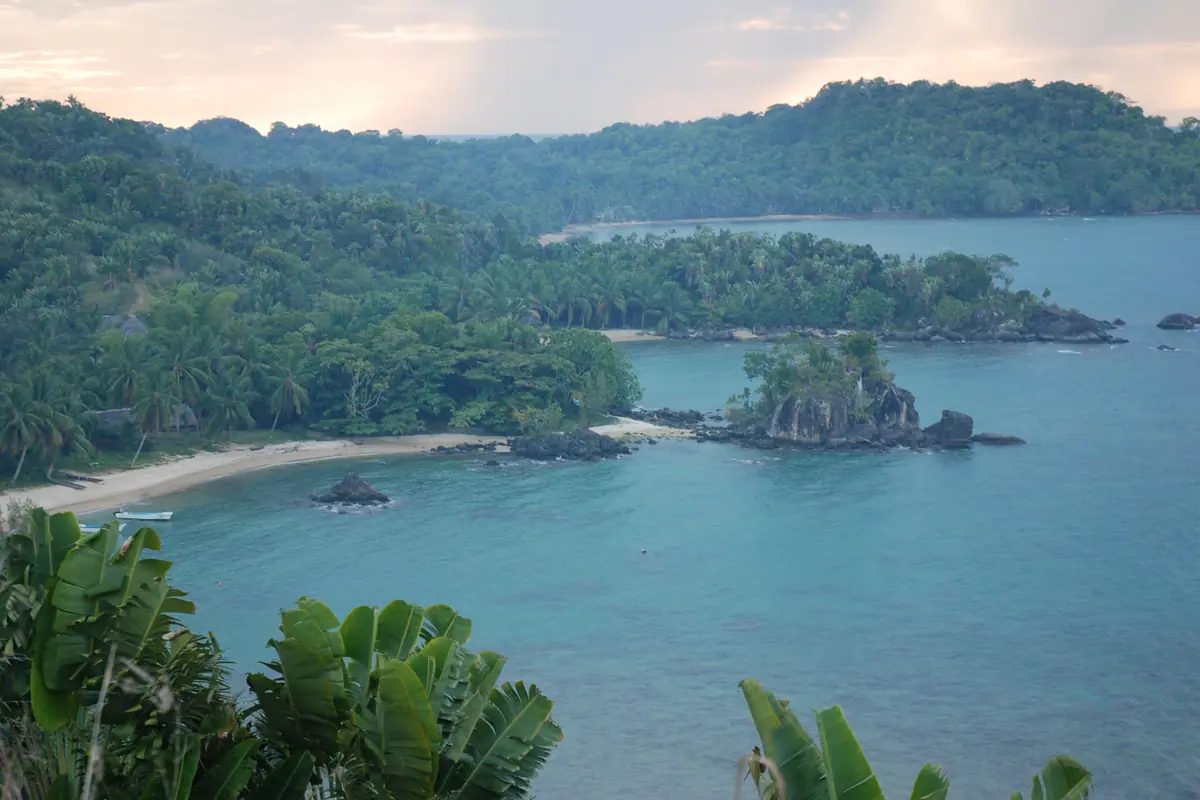
Nosy Be is Madagascar's most developed beach destination and it is driest, calmest and busiest from June to October, with September and October often delivering the clearest water and best diving visibility. If you want warm sea and lower room rates, the sweet spots are April to May and November, when the island is still green but no longer crowded. Île Sainte-Marie, on the wetter east side, is at its most dependable from September to November; its cyclone exposure from January to March makes that window worth avoiding.
Practical hotel choices matter more here than the calendar: on the east coast and in the trade-wind months of June to August, sea-facing bungalows can be windy and the water choppy, so a west-facing beach makes a difference. Fans are enough for most of the year, air conditioning earns its keep from November to March, and a mosquito net is non-negotiable on the coast, particularly in the wet season when malaria precautions deserve a conversation with a travel clinic.
Choosing a Base: Where Each Region's Hotels Peak
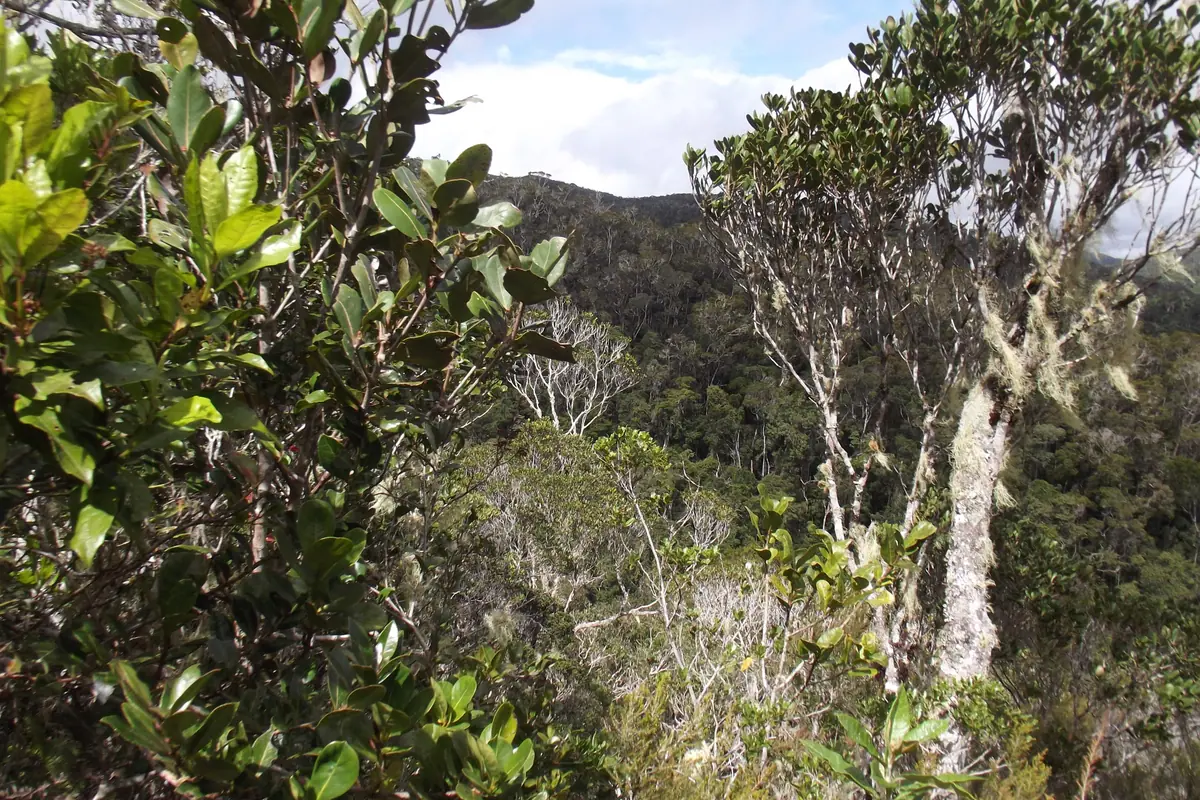
Around Andasibe and Mantadia, three to four hours' drive from Antananarivo on a good road, forest lodges fill up on weekends and holidays. September to December is the sweet spot: the indri are vocal and active, baby lemurs start appearing, and the trails are at their most pleasant. Ranomafana, further south along the RN7, is cooler, mistier and best from April to November; its steep forest walks reward early starts, and the lodges in the village range from simple to genuinely comfortable.
The RN7 is Madagascar's most travelled route and its hotels follow a rhythm. Antsirabe's colonial-era guesthouses suit the cool months from April to October. Isalo's lodges around Ranohira book out from July to October, when the canyon hikes — the Canyon des Singes, the Canyon des Rats and the natural swimming pools — are at their safest. Further south, the coastal villages of Ifaty and Anakao are windy and choppy from July to August, calm and hot from February to April.
In the far north, Diego Suarez and the Ankarana Reserve share the west coast's dry May-to-November window, while Nosy Be's resorts absorb the bulk of the island's beach traffic. The highlands deserve a stay of their own: Antananarivo's old Haute-Ville quarter is best explored in the dry months from April to October, with the hilltop royal compound at Ambohimanga — a UNESCO-listed site and one of the island's most important spiritual places — making an easy day trip, and the rebuilt Rova palace overlooking the capital a rewarding half-day in clear weather.
The Shoulder Weeks Most Travellers Overlook
If you want a single recommendation, it is the shoulders: mid-April to May, and late October to mid-November. In both windows the west and south are dry enough for the Tsingy, Isalo and the Avenue of the Baobabs; the countryside is greener than in the parched peak of August; roads are still intact; and room rates typically sit well below July–August levels. Humpbacks are arriving or lingering, whale sharks are around Nosy Be, and the light for photography is softer.
Late October and November add their own rewards. Lemur infants begin to emerge, the jacaranda trees in Antananarivo bloom in vivid purple, the baobabs are still leafless and sculptural, and the sea is warming up. The trade-off is that the first rains can arrive early, and cyclone risk starts to build through December, so leave slack in your itinerary rather than chaining tight connections.
In the highlands, plan around the cold rather than the rain. June to August brings crisp, bright days and genuinely chilly nights, so choose a hotel with proper bedding and hot water. December to March delivers afternoon thunderstorms and slick streets in Antananarivo, Antsirabe and Fianarantsoa. Whenever you come, build in buffer days: domestic flights and long road transfers in Madagascar rarely run to the minute, and the hotels worth staying in are often the ones furthest from the airport.
Frequently asked questions
What is the single best month to visit Madagascar?
Late April to May and September to October offer the best all-round balance: dry roads in the west and south, accessible parks such as Tsingy de Bemaraha and Isalo, green landscapes, and rates below the July–August peak. September and October also coincide with humpback whales on Île Sainte-Marie and whale sharks around Nosy Be.
When is cyclone season in Madagascar?
Officially November to April, with the highest risk between January and March. Storms tend to affect the north and east coast most — Nosy Be, Masoala and Île Sainte-Marie — and can disrupt domestic flights and flood sections of the main highways. The west coast dry season from May to October sits safely outside this window.
Is the rainy season a bad time to book hotels in Madagascar?
Not automatically. Rates are often a third cheaper, landscapes are lush and crowds are thin, but the Tsingy de Bemaraha typically closes, some coastal and rainforest lodges shut for part of the season, and road travel becomes unpredictable. It works well if you stay flexible and stick to rainforest parks like Andasibe-Mantadia, which operate year-round.
When can I see humpback whales and whale sharks?
Humpback whales gather around Île Sainte-Marie from roughly July to September, peaking in August and September, and also appear off Nosy Be and the south-west coast. Whale sharks are most reliably seen around Nosy Be between October and December, with a secondary window in April and May.
How far ahead should I book Madagascar hotels?
For July and August, Christmas and New Year, book three to six months ahead — small lodges near the Tsingy de Bemaraha and Isalo have very limited rooms and sell out first. In the shoulder months of April–May and October–November, four to eight weeks is usually enough, though the most popular beach bungalows on Nosy Be and Île Sainte-Marie still fill early.
Plan it — hotels in Madagascar
Live search, booked directly with trusted providers.
Sort the rest of your trip
Everything for Madagascar, in one place
Transfer in Madagascar
Private driver waiting on arrival — no queues, no surprises.
Book a transfer
Things to do in Madagascar
Skip-the-line tickets, guided tours and standout experiences.
See experiences
Stay online in Madagascar
Travel eSIM — data the moment you land, no roaming bills.
Get an eSIM