Lesotho is a country you feel in your chest before you see it: a high, cold, beautiful plateau where every road climbs and every meal is shared. Beyond the postcard viewpoints lie cave homes, communal work days, sorghum beer passed hand to hand and songs that lift the roof off a village church. This is how to travel it properly.
What Lesotho Eats: Papa, Moroho and the Highland Larder
Basotho cooking is shaped by altitude. Most of the country sits above 1,400 metres, so the kitchen relies on what survives thin air and cold nights: maize, sorghum, wheat, beans, peas, potatoes, peaches and wild greens. The cornerstone of nearly every meal is papa, a stiff white maize porridge eaten with the right hand — you pinch a ball, press a hollow in it with your thumb and use it to scoop up whatever sits beside it. That is usually moroho, wild greens gathered from hillsides and cooked down with onion and a little oil or bone stock, and in winter nyekoe, a slow, filling stew of sorghum and beans that people in Mokhotlong and Thaba-Tseka genuinely crave when the temperature drops.
Bread here is bohobe, dough baked in a three-legged cast-iron pot set over coals. Street snacks run to makoenya (fat cakes), boiled maize cobs, roast pumpkin and lipabi, roasted maize ground with sugar. To drink, look for motoho, a tangy fermented sorghum porridge drunk thin, and joala, home-brewed sorghum beer served in shared tin cups in shebeens and at communal work parties. Joala is mildly sour, low in alcohol and socially central — refusing a cup can read as distance.
Restaurant menus in Maseru lean continental, so the real food is domestic. Ask a guesthouse or mountain lodge for a Basotho dinner and you will get papa, moroho, sometimes mutton or chicken, eaten from a shared plate. Sunday after church is the best window: families cook properly, and an invitation to lunch is the compliment of compliments. Take a small portion even if you are full — a clean refusal is taken as a snub.
Blankets, Hats and Music: How Basotho Identity Is Worn
The Basotho blanket is not costume. Worn as a cloak pinned at the shoulder, it is everyday clothing in the highlands, protection against wind, sleet and twenty-degree swings between noon and midnight. Patterns carry names and meanings, and a good blanket is an heirloom — handed to a son at initiation, given at a wedding, worn to a funeral. Look for tightly woven wool in deep indigo, ochre, red and green; small weaving workshops in Maseru and Teyateyaneng also sell tapestries and mohair throws.
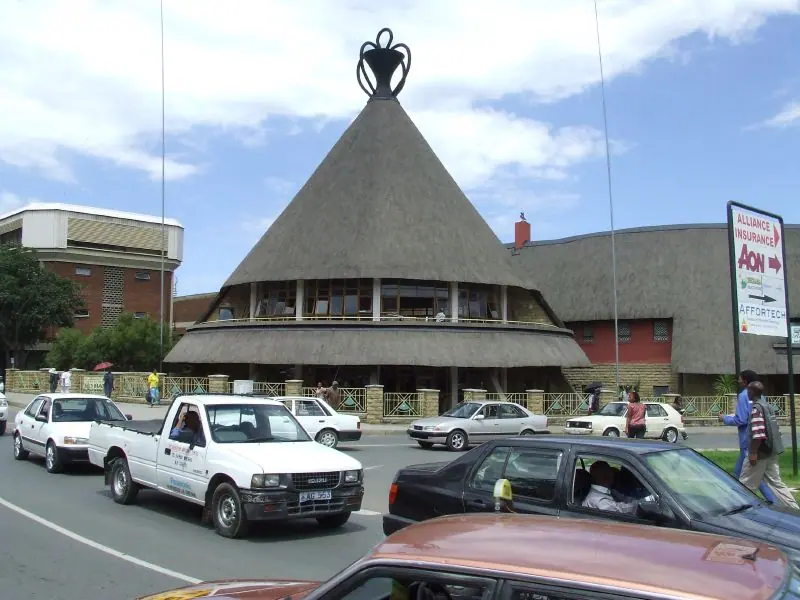
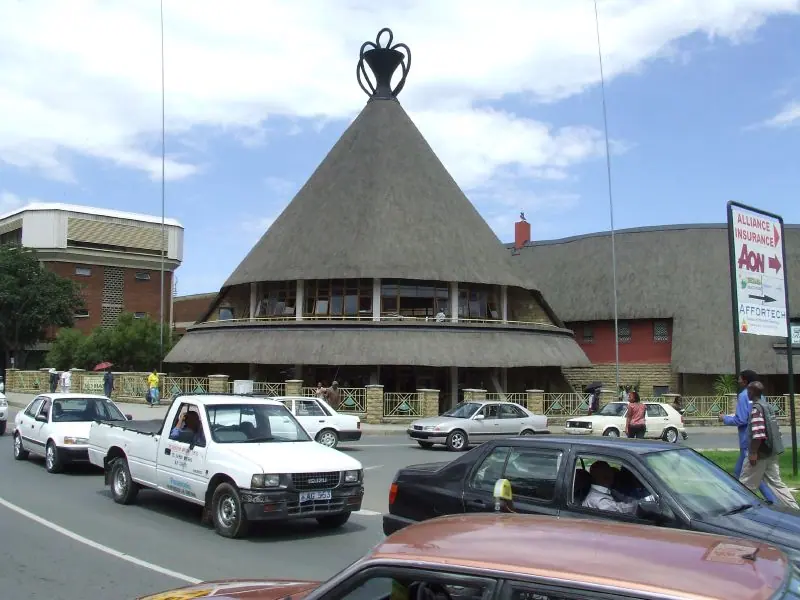
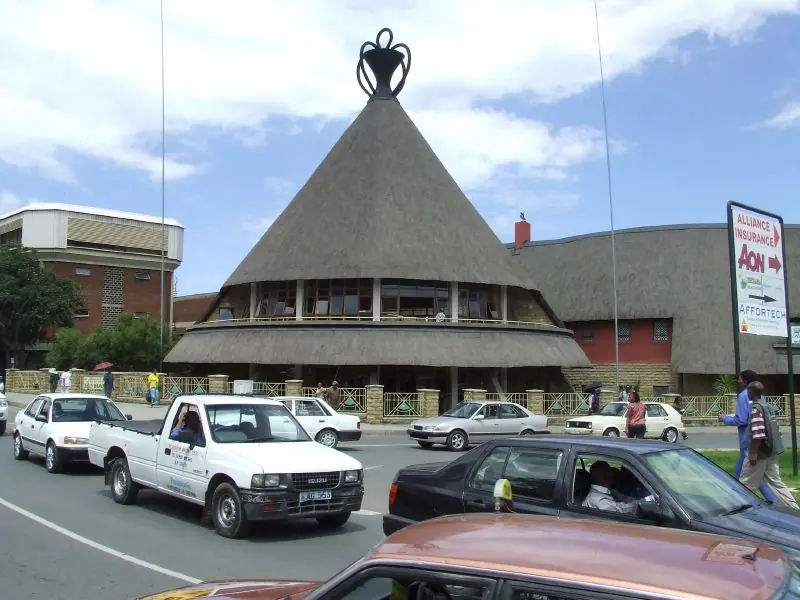
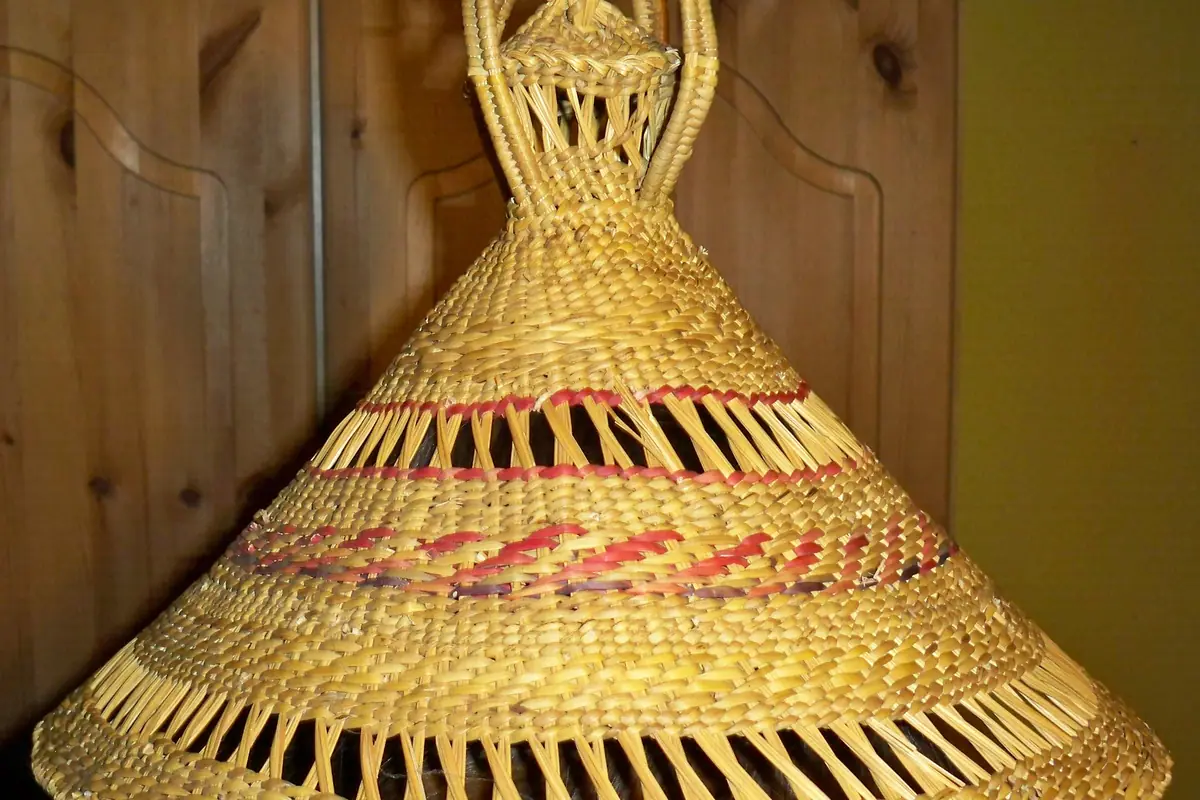
The mokorotlo, a conical woven hat with a knob on top, echoes the flat-topped silhouette of Qiloane, the hill east of Maseru, and appears on the national flag and on vehicle plates. Genuine ones are hand-woven from highland grass and bound with rope-like coils; you will find them at craft stalls at Thaba Bosiu and at the museum in Morija. A cheap synthetic imitation will not survive a season of wind.
Music is where the country lets loose. Famo, the accordion-driven genre heard in shebeens and at weekend parties, is Lesotho's pop. Dances include mokhibo, performed by women on their knees with a rolling shoulder movement, and mohobelo, a striding, stamping men's dance — both appear at weddings, births and celebrations. The pitso, a public gathering called by a chief or the king, is where matters get argued in the open air. If you happen upon one, stand back, listen, and put the camera away unless you are invited to use it.
Lowland Landmarks: Thaba Bosiu, Morija and the Kome Caves
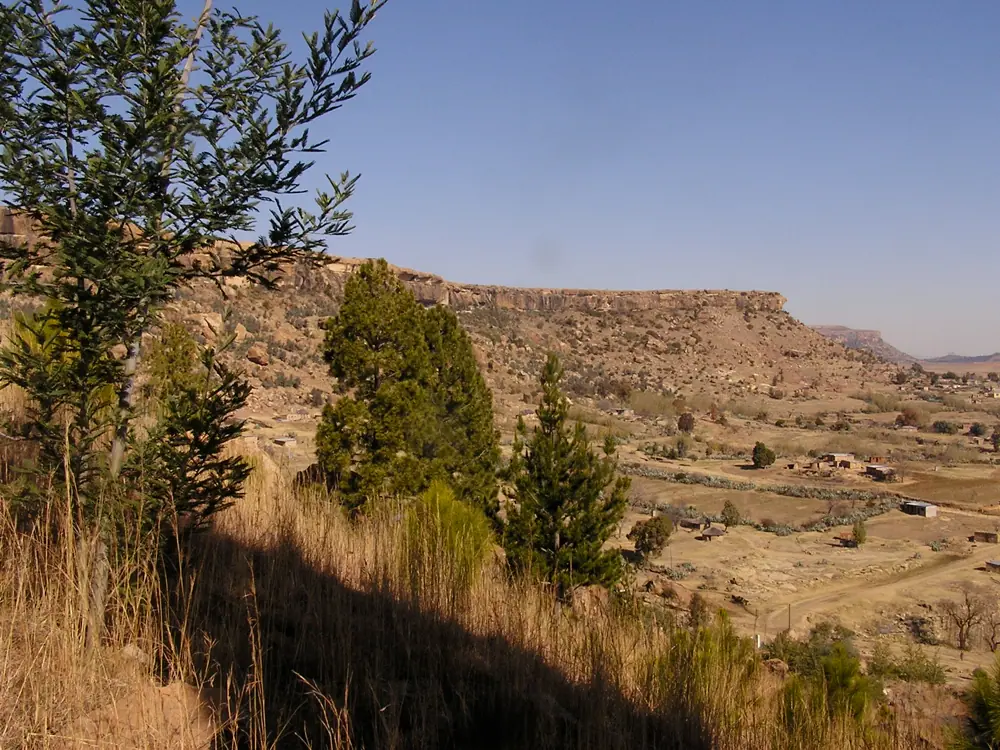
Thaba Bosiu, the "Mountain of Night", is the founding site of the nation. A flat-topped sandstone plateau roughly 20 kilometres east of Maseru, it was King Moshoeshoe I's stronghold from 1824; sheer cliffs and hidden springs made it close to impregnable during the upheavals of the early nineteenth century. The walk up takes 30 to 45 minutes at an easy pace, and on the summit are the graves of Moshoeshoe and the kings who followed. Pair the climb with the cultural village at the foot, where you can arrange crafts, pony rides and a meal.
Morija, about 45 kilometres south of Maseru, was the country's first mission station and holds its finest small museum and archive — allow one to two hours for letters, photographs, fossils and missionary-era artefacts. Farther south in Quthing district, the Subeng stream preserves dinosaur footprints, and the same sandstone beds have yielded bones; it is a quiet, oddly moving stop on the road toward the southern mountains.
Kome Caves in Berea district, an hour or so northeast of Maseru, are sandstone dwellings hollowed by hand and still occupied by families whose ancestors sheltered there in the early 1800s. It is a living village, not a ruin: greet the residents, accept the small community entry arrangement, and walk gently. Two more rock-art stops are worth the detour — Liphofung Cave near Butha-Buthe, with San paintings and a Moshoeshoe connection, and the painted panels at Ha Baroana near Roma.
Highland Landmarks: Sani Pass, Maletsunyane Falls and Katse Dam
Sani Pass climbs out of KwaZulu-Natal and tops out near 2,874 metres at one of Africa's highest border posts. The last stretch is rough switchbacks, strictly four-wheel drive, and frequently closed by snow between June and August. At the summit, a lodge warms travellers by a fire and claims the title of Africa's highest pub. From there you are in the Maloti range, and Thabana Ntlenyana — southern Africa's loftiest peak at 3,482 metres — is a serious full day's walk away.
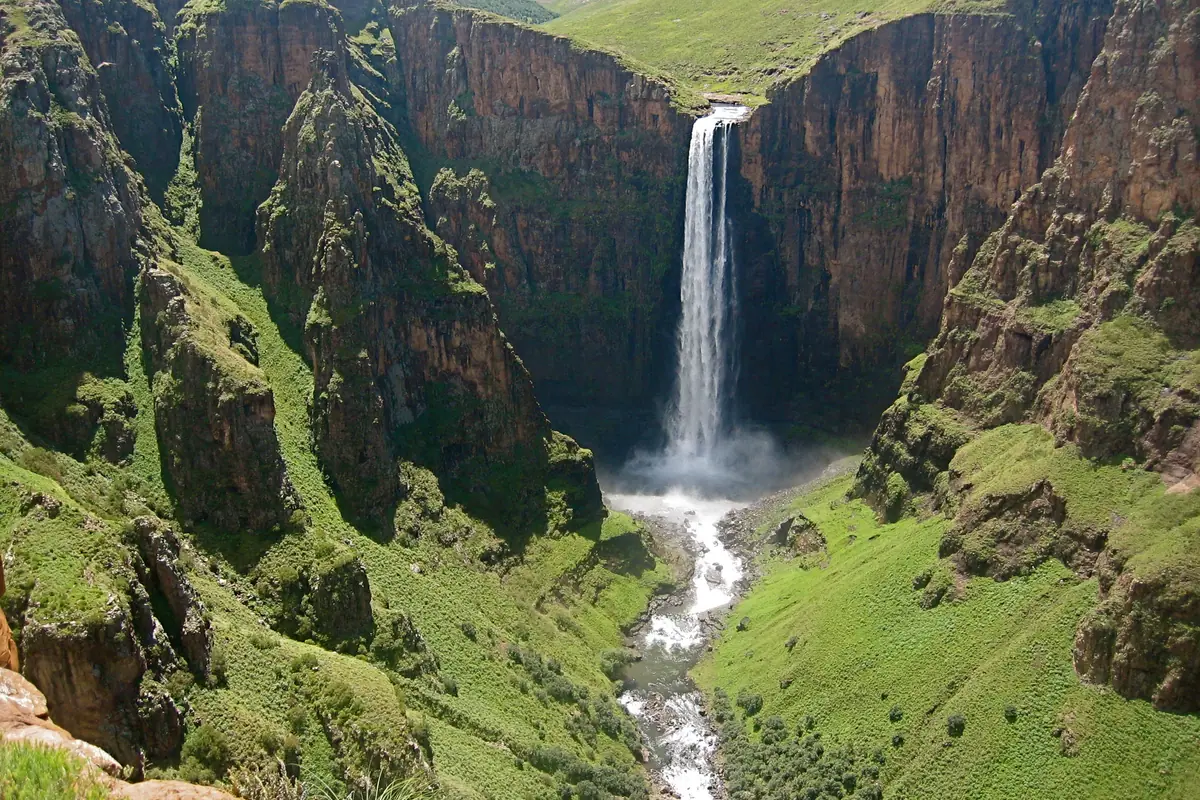
Maletsunyane Falls near Semonkong drops roughly 192 metres in a single ribbon over basalt, making it one of the highest single-drop waterfalls in the region. It is about a 40-minute walk from the village; flow is fullest from roughly December through April, and the gorge below carries one of the world's longest commercial abseils for those with nerve and a guide. Camp or sleep in Semonkong and go early — afternoon mist swallows the falls often.
Katse Dam, reached by a spectacular mountain road from Hlotse or via Thaba-Tseka, has a wall around 185 metres high and a reservoir that snakes blue and silent through the ranges; guided walks explain the tunnels and the water-transfer scheme beneath. In the northern Maloti, Ts'ehlanyane National Park protects rare highland forest with day hikes to cold swimming pools and simple overnight huts. In the far southeast, Sehlabathebe National Park — part of a transfrontier World Heritage Site — offers rock art, sandstone arches, raptors and near-total silence.
Experiences Worth the Bad Road: Ponies, Homestays and Letsema
Pony trekking is the signature Lesotho experience and often the only practical way to reach remote villages. The sure-footed Basotho pony handles scree, mud and river crossings with unnerving calm. Multi-day routes run from Malealea, Semonkong and Ts'ehlanyane, ranging from a two-hour ride to five days moving between villages and sleeping in huts. Guides are local, and the pace is walking-slow — which is exactly the point.
Homestays put you inside the rhythm rather than beside it. Around Malealea, Semonkong and the Thaba-Tseka road, families host guests in rondavels with foam mattresses and thick blankets. Many have no electricity, most share a long-drop toilet, and the hospitality is extraordinary. If you are offered the chance to join a letsema — a communal work day of hoeing, harvesting, wool shearing or building — take it, bring gloves, and work rather than photograph.
Sundays and market days are the other two anchors. Services in Morija, Roma or almost any rural village involve harmonised singing that lasts well over an hour; dress modestly, women in a skirt. Market days in Hlotse, Butha-Buthe and Mokhotlong fill with fruit, blankets, second-hand clothing and crafts. In the wool districts, shearing sheds run through roughly October to December, and watching a fleece come off a sheep is a good look at the rural economy that keeps these mountains inhabited.
Timing, Altitude and the Practical Bits
Winter, June to August, brings dry, bright days, clear skies and brutally cold nights; snow closes the highest passes, Sani Pass often shuts, and a small ski field on the Mahlasela Pass near Butha-Buthe operates when snow allows. Summer, November to March, turns the mountains green and fills the waterfalls, but delivers afternoon thunderstorms and slick, muddy tracks. The sweet spots are April to May and September to October: dry, mild and clear.
Altitude is the thing nobody plans for. Maseru sits around 1,600 metres and the passes exceed 3,000, so give yourself a day before hard hiking and drink more water than feels necessary. A four-wheel drive is essential for Sani Pass, the Semonkong gorge in wet weather and the rougher mountain tracks; ordinary cars manage the tarred routes fine. Fuel up in Maseru, Hlotse, Butha-Buthe and Mohale's Hoek before long empty stretches, and double your driving estimates — distances look innocent on a map.
A few words change everything: lumela for hello, kea leboha for thank you, ntate and mme for sir and madam. Ask before photographing people, and never photograph initiation-related activity or lebollo participants — it is genuinely offensive. Carry small-denomination cash for village fees, crafts and tips; cards work in Maseru and little else. Violent crime is rare, but petty theft happens in towns, so keep passports secure and don't walk alone after dark.
Frequently asked questions
What is the best time of year to visit Lesotho?
April to May and September to October give the best balance of dry weather, mild temperatures and clear mountain views. Choose June to August for snow and crisp days, or November to March for green landscapes and full waterfalls, accepting afternoon thunderstorms and muddier roads.
Do you need a 4x4 to tour Lesotho?
Not for the main tarred routes such as the A1 and A2, which ordinary cars handle. You do need four-wheel drive for Sani Pass (where it is legally required), for Semonkong gorge tracks after rain, and for most village roads in the highlands. Many travellers hire a 4x4 in Maseru or join a guided mountain tour.
What food should I try in Lesotho?
Start with papa (stiff maize porridge) and moroho (wild greens), then nyekoe, a sorghum and bean stew, bohobe bread baked in a cast-iron pot, and street snacks like makoenya and lipabi. Drink motoho, a fermented sorghum porridge, and try joala, home-brewed sorghum beer, if you are offered it.
How many days do you need in Lesotho?
Five to seven days covers Maseru, Thaba Bosiu, Morija, Kome Caves and Semonkong at a comfortable pace. Allow ten to fourteen days to add Sani Pass, Katse Dam, Ts'ehlanyane and the long haul down to Sehlabathebe National Park in the southeast.
Is English spoken in Lesotho, and what etiquette should I know?
English is an official language alongside Sesotho and is widely spoken in towns and by guides, though remote villages may only use Sesotho. Greet with lumela, say kea leboha for thanks, use ntate and mme as respectful titles, ask before photographing people, and never photograph initiation activity.
Sort the rest of your trip
Everything for Lesotho, in one place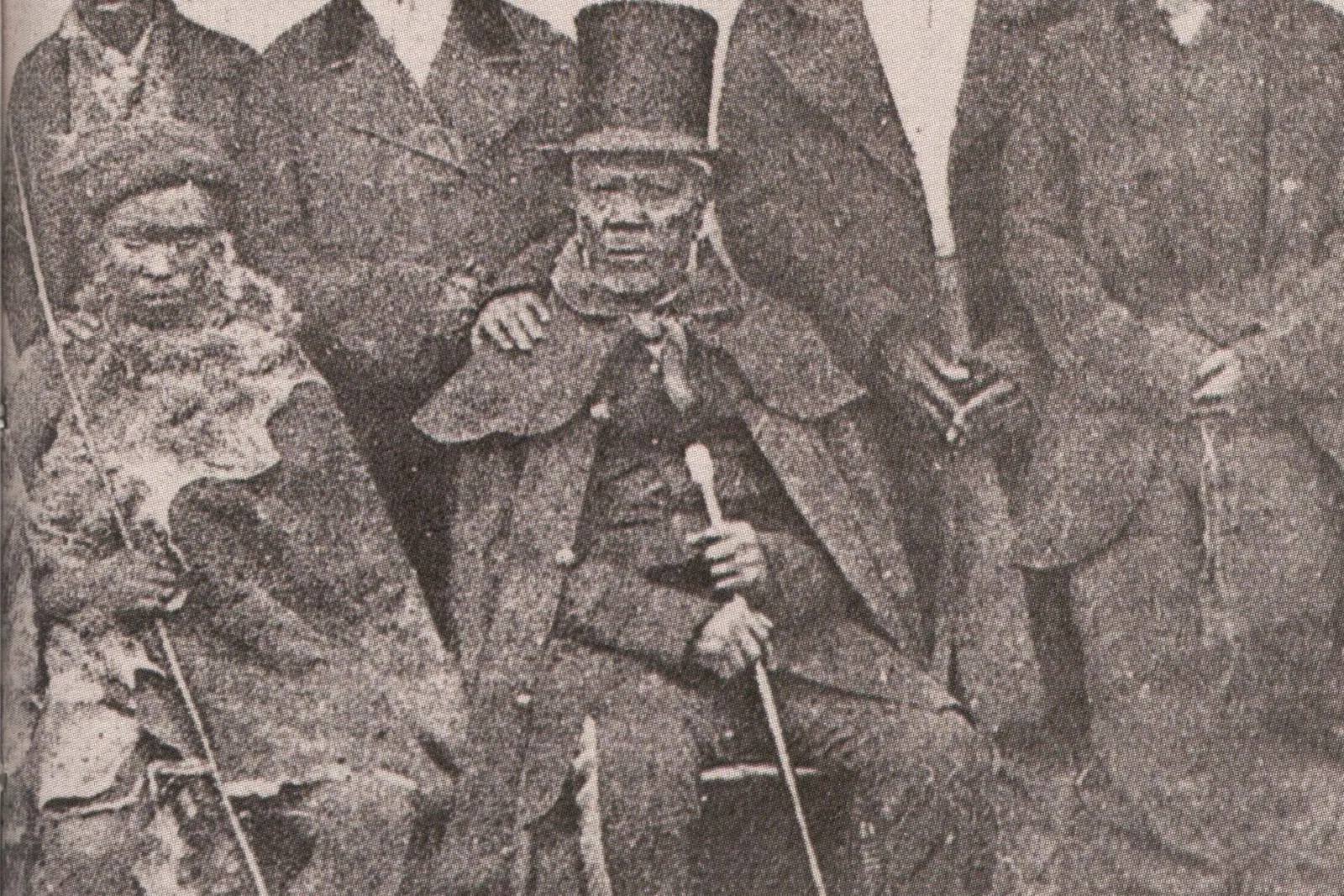
Stay in Lesotho
Hotels, guesthouses and apartments — compared in one search.
Search hotels
Transfer in Lesotho
Private driver waiting on arrival — no queues, no surprises.
Book a transfer
Stay online in Lesotho
Travel eSIM — data the moment you land, no roaming bills.
Get an eSIM