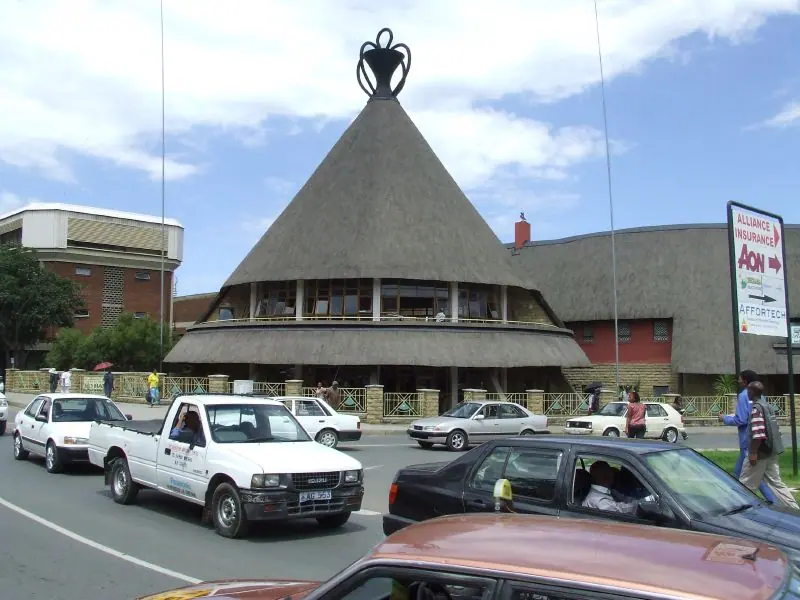
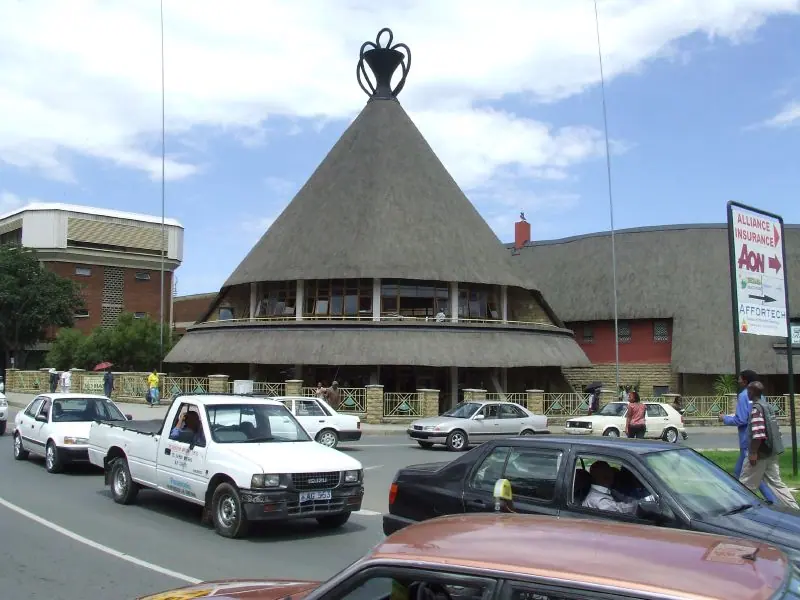
Lesotho does not do gentle weather transitions. One afternoon you are in shirtsleeves in Maseru at 1,600 metres, and the next morning you are scraping frost off a windscreen on a 3,000-metre pass with the whole Maloti range shining around you. Because the entire country sits above 1,000 metres, the best time to visit depends less on the calendar than on which mountain roads, waterfalls and lodges you want to enjoy.
The Roof of Africa Has Its Own Weather Clock
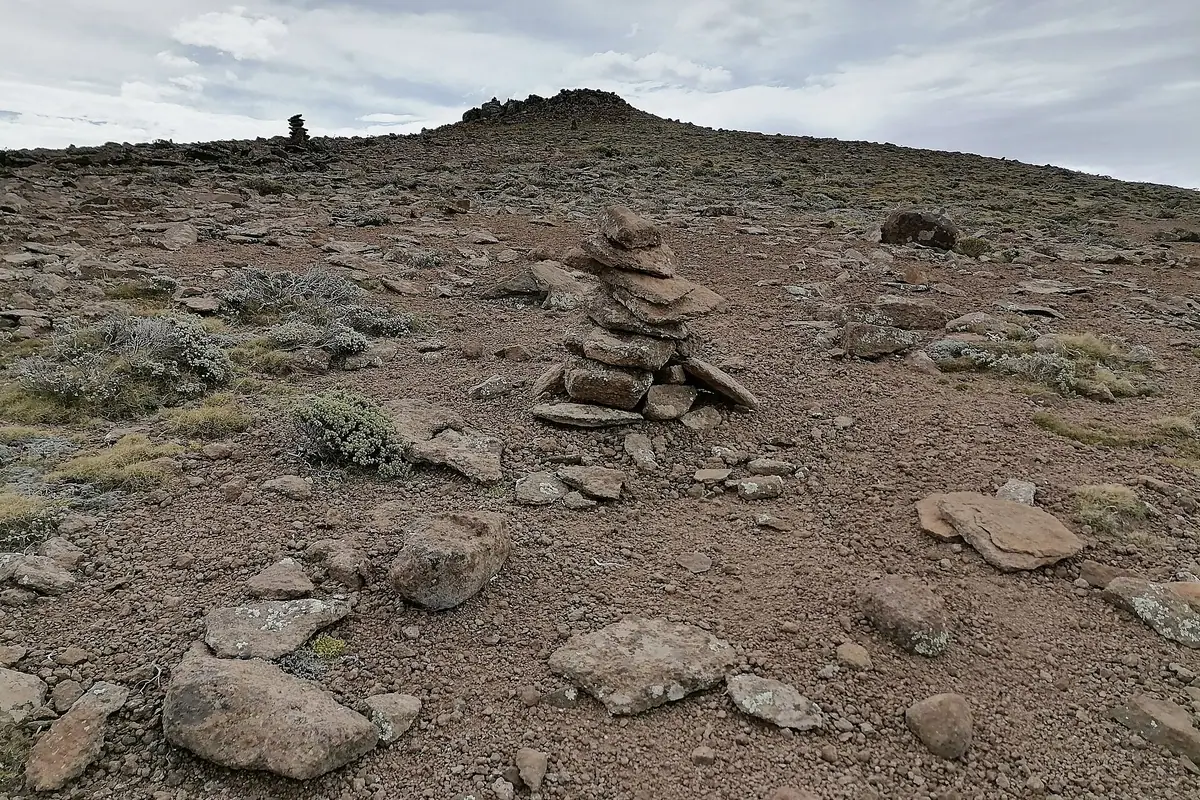
Every corner of this landlocked kingdom sits higher than the highest point of most countries in the region. Maseru, the capital, lies at roughly 1,600 metres, the lowland valleys rarely dip below 1,400 metres, and the high passes crossing the Maloti range push past 3,000 metres. Thabana Ntlenyana, at 3,482 metres the tallest peak in southern Africa, is only reachable on foot or by pony. That altitude compresses the seasons: spring arrives later than you would expect for the southern hemisphere, autumn nights turn sharp very quickly, and snow can dust the high passes from May right through to September.
In practice, Lesotho has two travel personalities. The lowlands around Maseru, Mafeteng, Hlotse and Butha-Buthe stay comparatively mild year-round, which makes town hotels and guesthouses reliable in any month. The highlands, where the memorable lodges sit, are a different proposition: a guesthouse beside Katse Dam or at the top of Sani Pass can be basking in clear, still air while a storm hammers 40 kilometres away. Travel writers love the phrase 'four seasons in one day' about mountain countries, and here it is genuinely true.
For hotel planning, this means paying attention to heating and access as much as to temperature. Highland lodges almost all supply electric blankets, hot water bottles and wood fires, and many have backup power for storm outages. The real variable is the road: gravel routes to remote valleys are graded after the rains, and winter ice closes some approaches entirely. Ask any lodge directly about the current state of the access road in the weeks before you travel, and take the answer seriously.
Summer (December to February): Thunderheads, Full Waterfalls and Green Highways
Summer is the season Lesotho turns lush. Lowland afternoons reach 28 to 32 degrees Celsius, the highland valleys sit comfortably in the low twenties, and the whole country is green in a way that seems almost impossible in the dry winter months. The trade-off is rain, delivered in dramatic afternoon thunderstorms that build over the Maloti range and usually clear by evening. Mornings are often brilliantly clear, so plan hikes, drives and horseback excursions early and keep afternoons free for a book beside a fire.
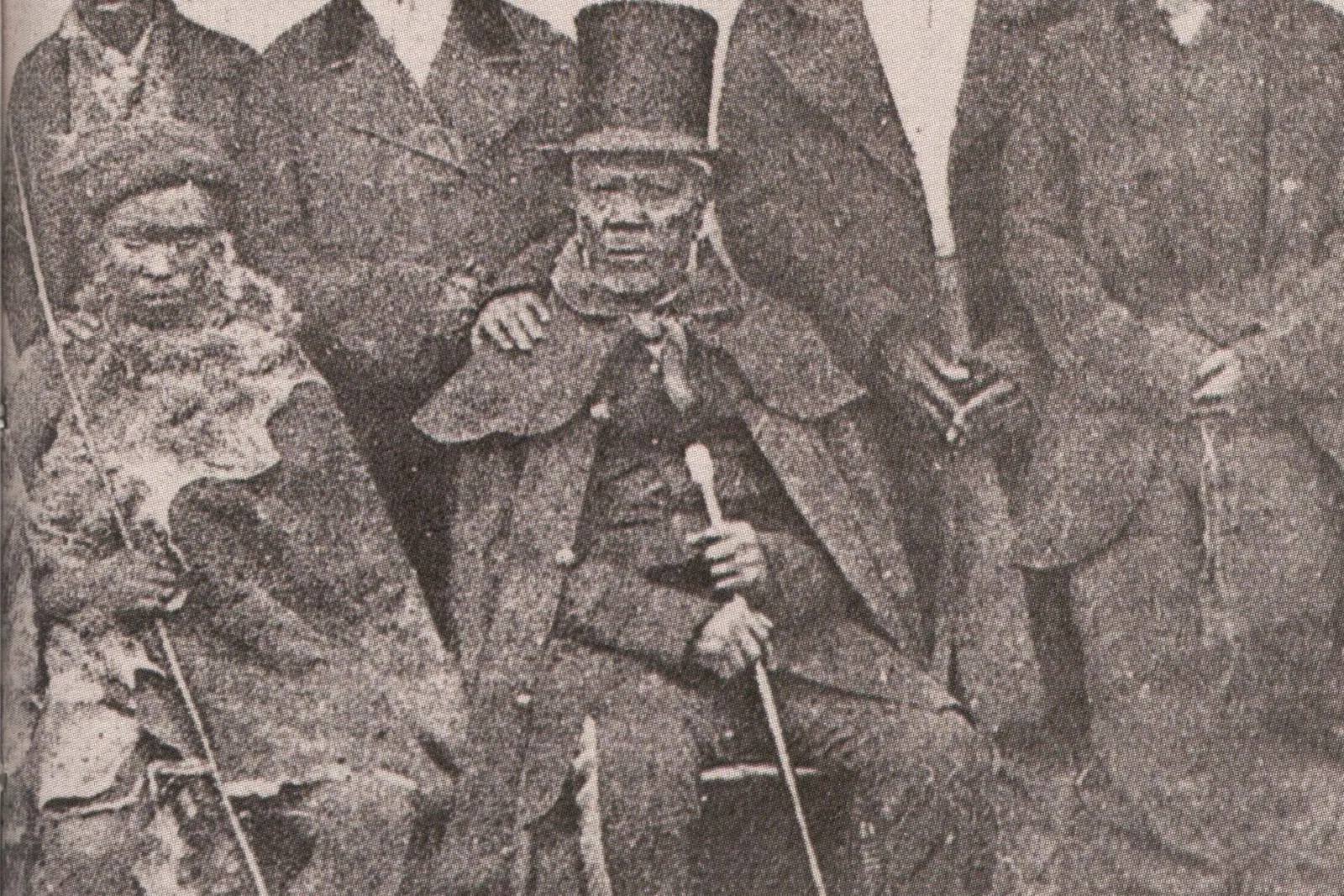
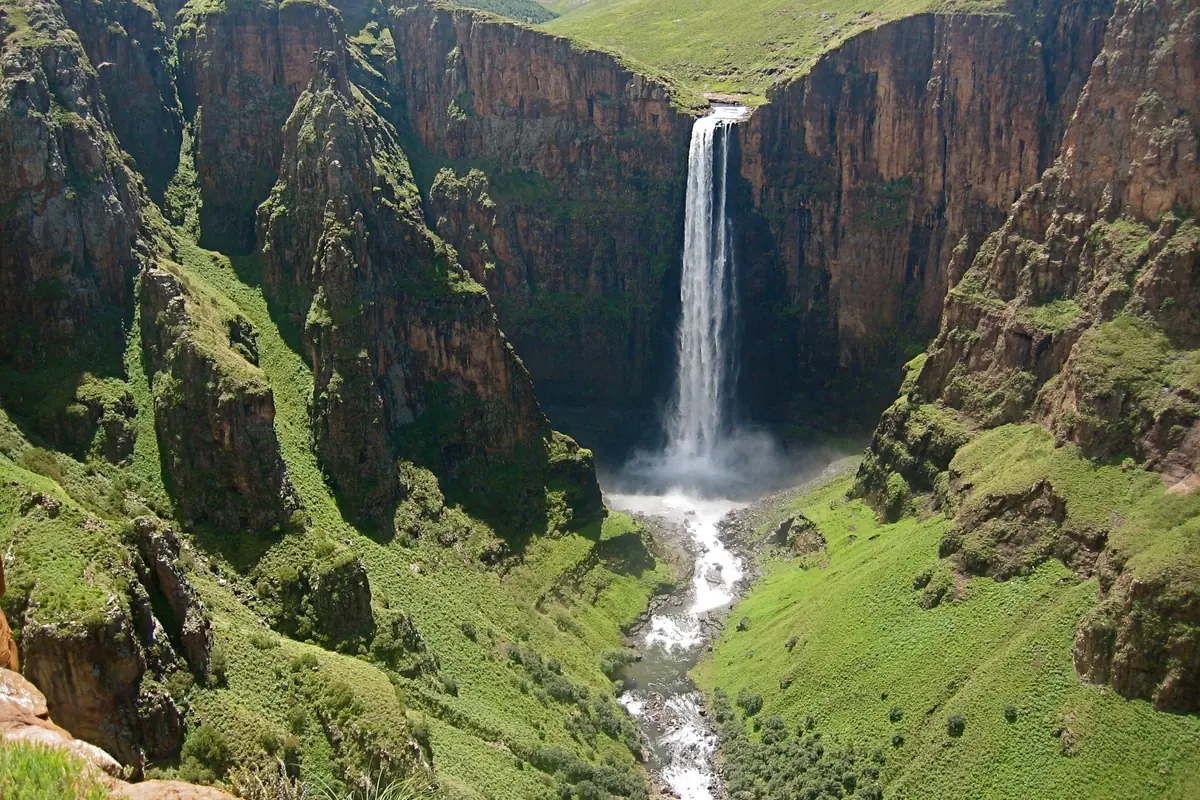
This is the best time for water. Maletsunyane Falls near Semonkong, a single ribbon dropping roughly 192 metres into a basalt gorge, is at its most thunderous, and the abseil beside it runs when flow and guides allow. Katse Dam, the colossal arch dam that holds the water of the Malibamatso River, fills its reservoir to the brim, and boat trips on that deep blue expanse are at their best. Thaba Bosiu, the flat-topped sandstone stronghold where King Moshoeshoe I built the Basotho nation, is a rewarding half-day from Maseru, though the summer sun on its slopes is unforgiving, so carry water.
Booking-wise, December is the peak month for domestic travel and family visits, and the Christmas and New Year weeks are when Maseru hotels and the popular highland lodges fill first. Rates soften noticeably in late January and February, when the rain keeps casual visitors away but the landscape is at its most photogenic. Take a proper rain jacket rather than an umbrella — the wind on exposed ridges shreds umbrellas in minutes.
Autumn (March to May): The Golden Window for Highland Stays
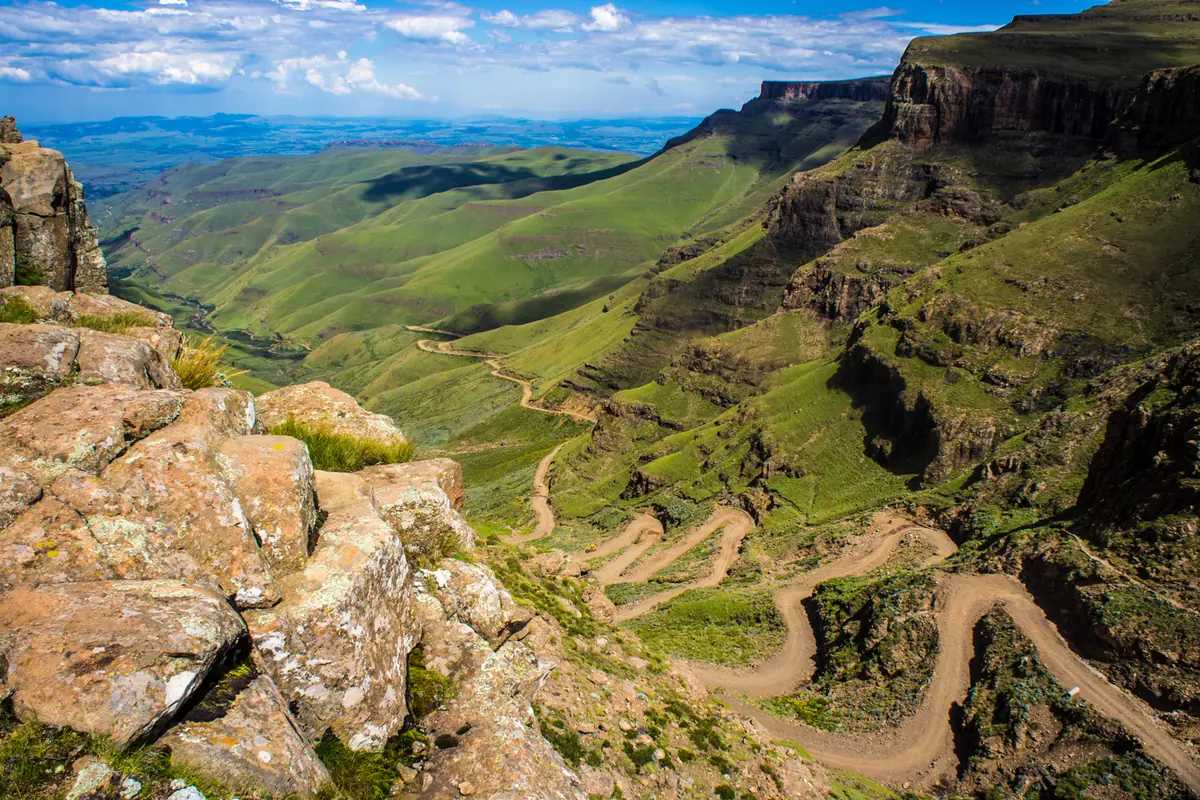
If you can only choose one stretch of the year, choose April and May. The rains taper off, the air turns crisp and remarkably transparent, and the trails are dry underfoot without being dusty. Daytime temperatures in the lowlands hover in the low twenties while nights drop close to freezing in the highlands, which is exactly the weather that makes a wood stove and a thick Basotho blanket feel like a luxury rather than a necessity. Views from the lip of Sani Pass, the legendary gravel switchback route that climbs to 2,874 metres, are at their sharpest, and the descent into the valley below is one of the great drives of southern Africa.
Autumn is also the season for the country's signature walks. Ts'ehlanyane National Park, a pocket of indigenous highland woodland below the Hololo Valley, offers gentle day trails through berg bamboo and ancient trees, with lodges tucked into the hillside nearby. Bokong Nature Reserve, reached over the Mafika Lisiu pass, looks down on the Lepaqoa Falls and the great amphitheatre of the Maloti. Further south and far more remote, Sehlabathebe National Park rewards the long 4x4 approach with sandstone arches, San rock art and bearded vultures riding the thermals across a cross-border mountain heritage landscape.
Two dates matter for reservations. Moshoeshoe's Day on 11 March fills guesthouses around Maseru and Thaba Bosiu with cultural events and pony processions. Easter weekend, which falls in late March or April, is the single busiest domestic travel window of the autumn, so highland lodges should be booked two to three months ahead. If you are tackling Thabana Ntlenyana on foot or by pony, autumn and early winter give the most stable conditions and the clearest summit views.
Winter (June to August): Snow, Clear Skies and Firelit Lodges
Winter in Lesotho is dry, sunny and cold in a way that surprises first-timers. Lowland days still reach 15 to 18 degrees Celsius under a hard blue sky, but nights fall well below freezing, and the highlands plunge to minus 10 or lower. Snow falls on the high passes, sometimes heavily enough to close them for a day or two, and the peaks above 3,000 metres — the great plateau country around Thabana Ntlenyana — hold white caps for weeks. This is the season for the small ski area on the Mahlasela Pass above Oxbow, where a cluster of slopes operates through the southern winter, supplied by snow-making when nature is stingy. It is a modest mountain by European standards, and that is precisely its charm.
Hotel life in winter revolves around warmth. Expect log fires in every communal lounge, electric blankets on the beds, and staff who bring hot water bottles without being asked. Ask before booking whether the lodge has reliable hot water and backup power, because a storm can knock out lines for hours in remote valleys. Some high-altitude camps and self-catering cottages close entirely between June and August; others stay open but reduce services. Maseru's business hotels, by contrast, often drop their midweek rates in winter, making June and July a smart, inexpensive time for a city base with day trips out.
Winter skies are the clearest of the year, and stargazing from a highland lodge is a genuine reason to travel. Pack layers rather than one heavy coat: a thermal base, fleece, windproof shell, hat and gloves. If you plan to drive Sani Pass or the mountain roads towards Katse Dam, a 4x4 is essential in winter, and carrying tyre chains is wise.
Spring (September to November): Festivals, Wildflowers and Pony Treks
Spring arrives unevenly, with warm, windy days in the lowlands and stubborn snow lingering on the highest ridges. Peach and wild plum blossom brightens the valleys, alpine wildflowers begin opening across the highland grasslands, and the country's cultural calendar comes alive. The arts and cultural festival in the historic mission town of Morija, usually held in late September or early October, draws choirs, dancers, craft stalls and food stands to a setting that already holds the country's oldest museum and archive. Independence Day on 4 October brings celebrations to Maseru and stadium events across the districts.
This is prime pony-trekking weather. Outfits based around Malealea, Semonkong and Ts'ehlanyane run rides from a couple of hours to multi-day journeys between villages, with nights spent in rondavels and blankets provided. Spring is also the season for the country's most unusual historical sights: the Kome Caves near the Berea district, where families carved homes into a sandstone overhang in the nineteenth century and painted the interior walls, and Liphofung Cave near Butha-Buthe, a rock shelter decorated with San paintings that has served as a refuge for centuries. Both are best reached with a local guide and a vehicle with decent clearance.
Late November brings the roar of off-road motorcycles to the hills around Maseru during the country's long-running enduro event, filling town hotels for a few days. Wind is the season's nuisance — gusts across exposed passes can be fierce — but the light is beautiful, and hotel rates remain moderate until the December rush begins.
Choosing Your Base and Booking Smart
Where you sleep shapes your trip more than any other decision. Maseru offers the widest choice of full-service hotels, reliable power, restaurants and easy day trips to Thaba Bosiu, Morija and Roma, where the country's oldest university and a handsome Catholic mission sit among poplar-lined streets. The highlands deliver the postcard experience: lodges overlooking Katse Dam, cottages in the Ts'ehlanyane valley, guesthouses at the top of Sani Pass and simple rooms in Semonkong within walking distance of the falls. Sehlabathebe is the true wilderness option, and its accommodation is limited enough that you should plan months ahead.
Timing your booking matters. Christmas, New Year, Easter, Moshoeshoe's Day, the King's birthday on 17 July and Independence Day all trigger domestic travel surges, and the handful of genuinely good highland lodges sell out weeks in advance. For the rest of the year, two to four weeks' notice is usually enough, though weekends in April, May, September and October can surprise you. Always confirm whether a quoted rate includes meals — many remote lodges are full board by necessity, since the nearest restaurant may be an hour's drive away.
Finally, respect the practicalities. Bring cash in maloti or rand, because card machines and ATMs thin out dramatically beyond Maseru, and fuel up before any long highland leg. Give yourself a day to adjust to the altitude before hiking above 2,500 metres, and keep evenings free for the cold: even in midsummer, a 2,000-metre lodge can drop to single figures after sunset. Pack a torch, sunblock for the fierce high-altitude light, and a warm hat. Do that, and any season here will reward you.
Frequently asked questions
What is the best month to visit Lesotho?
April and May are the sweet spot: the summer rains have ended, trails are dry, skies are exceptionally clear and nights are cold enough to make a firelit highland lodge worthwhile. September and October are a strong second choice for wildflowers, cultural festivals and pony trekking, while July and August suit travellers who want snow, ski slopes and brilliant stargazing.
Can you ski in Lesotho and when?
Yes, but modestly. The small ski area on the Mahlasela Pass above Oxbow operates through the southern winter, roughly June to August, with a handful of runs and snow-making equipment backing up natural snowfall. Snow also regularly blankets the high passes such as Sani Pass, though those roads are for experienced 4x4 drivers rather than skiers.
Is Sani Pass accessible all year round?
The pass is a rough gravel route climbing to 2,874 metres and requires a 4x4 with low range in every season. It is most reliable in the dry months from April to September, but winter snow can close it for a day or more, and heavy summer storms occasionally wash out sections. Border formalities are completed at the bottom and top of the pass, so carry your passport.
Do hotels and lodges in Lesotho have heating?
Highland lodges typically provide wood fires, electric blankets and hot water bottles, and many have generator or solar backup for storm outages. Rooms can still be chilly, so ask specifically about hot water reliability and backup power if you are travelling between June and August. Town hotels in Maseru generally have conventional heating and are comfortable year-round.
How far ahead should I book accommodation in Lesotho?
For the Christmas and New Year weeks, Easter, Moshoeshoe's Day on 11 March and Independence Day on 4 October, book two to three months ahead, especially for the small number of highland lodges near Katse Dam, Semonkong and Ts'ehlanyane. At other times two to four weeks is usually sufficient, but always confirm whether meals are included, since remote lodges are often full board by necessity.
Sort the rest of your trip
Everything for Lesotho, in one place
Transfer in Lesotho
Private driver waiting on arrival — no queues, no surprises.
Book a transfer
Things to do in Lesotho
Skip-the-line tickets, guided tours and standout experiences.
See experiences
Stay online in Lesotho
Travel eSIM — data the moment you land, no roaming bills.
Get an eSIM