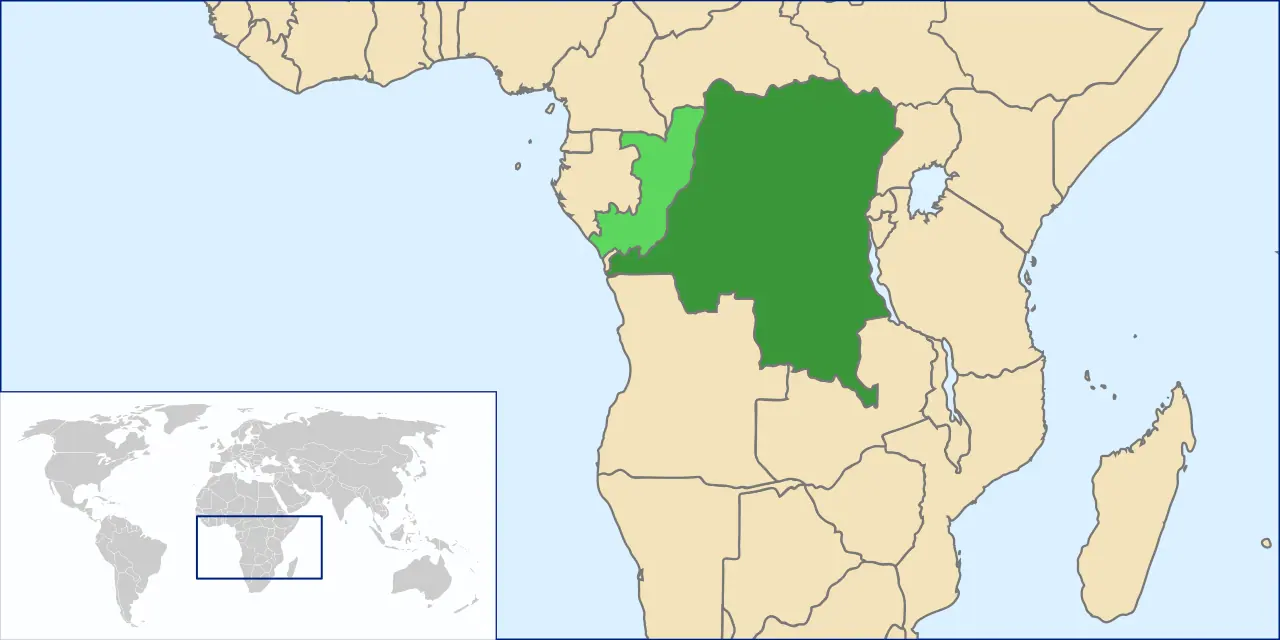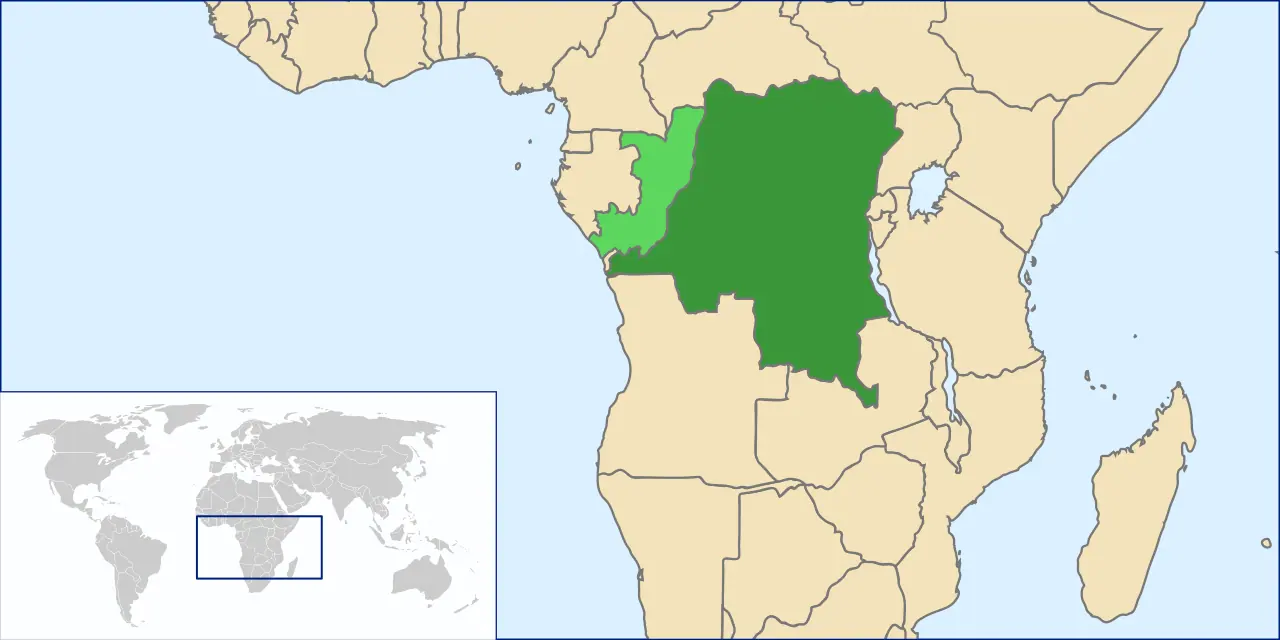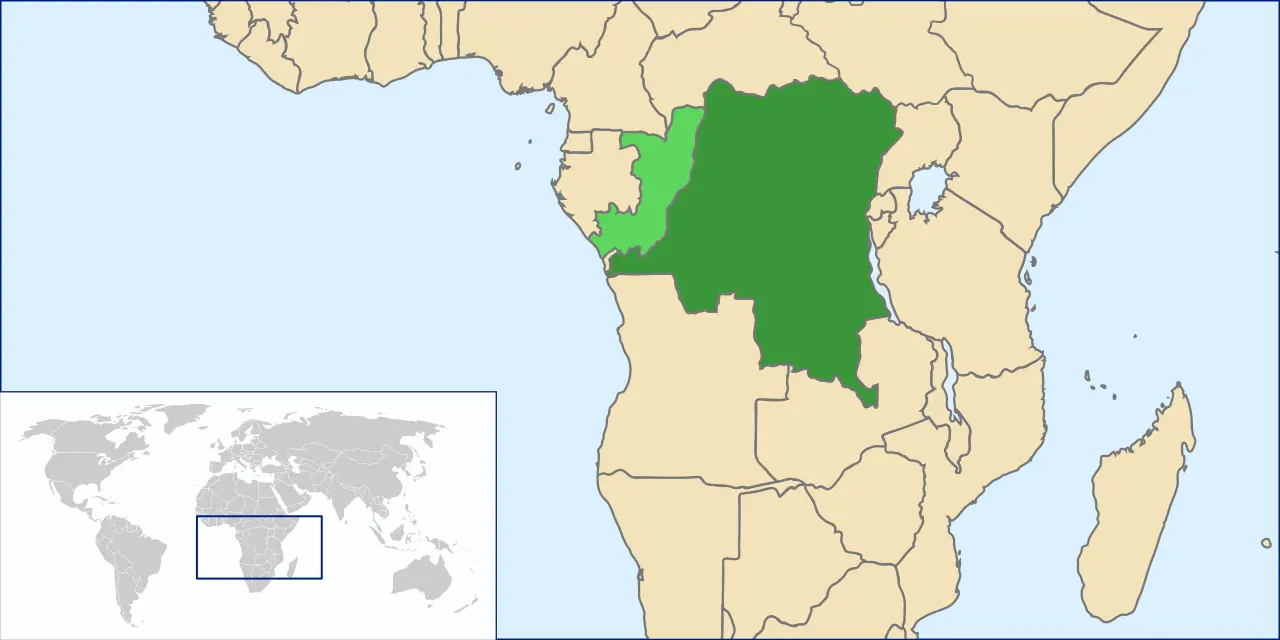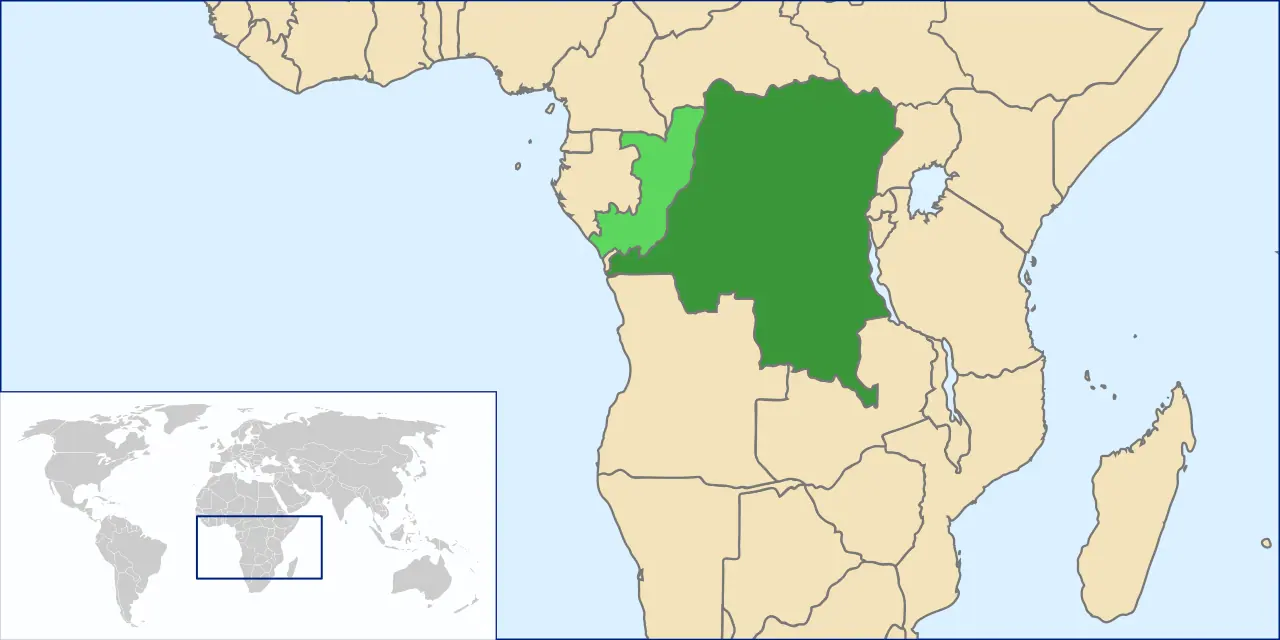
Two countries share the name Congo, and the one on the right bank of the great river — the Republic of the Congo — is the quieter, greener, more intimate of the pair. Here the soundtrack is guitar-led rumba, the smell is palm-nut sauce simmering over charcoal, and the map runs from riverbank boulevards to forest clearings where gorillas feed at dawn. This is a guide to what you eat, hear, wear and see when you go.
Brazzaville: Rumba, River Light and the Corniche
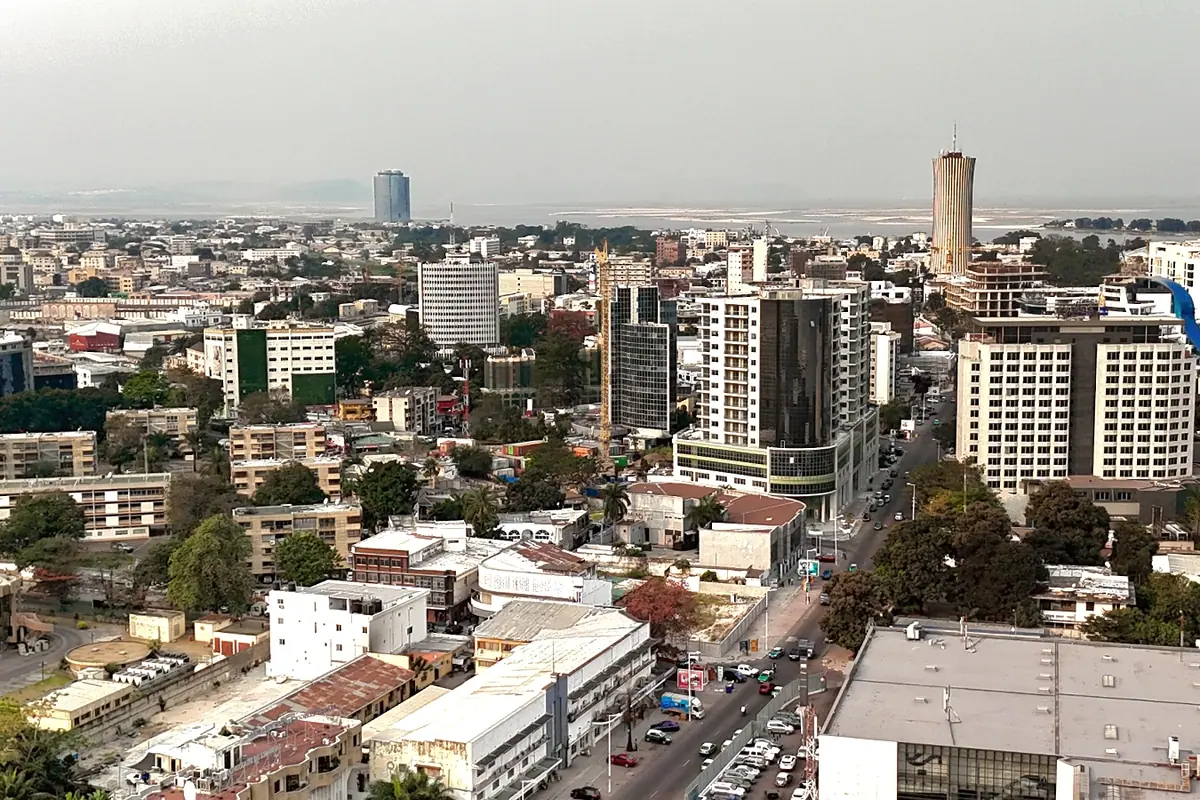
Brazzaville spreads along the north shore of the Congo River where it widens into the Pool Malebo, so close to Kinshasa that you can pick out the skyline of the neighbouring capital across the water. The city grew from a trading post founded in 1880 and still feels low-slung and unhurried: red-earth side streets, mango trees heavy in December, bougainvillea spilling over walls. Because the city is compact, a first morning can take in most of its landmarks on foot and by short taxi hops.
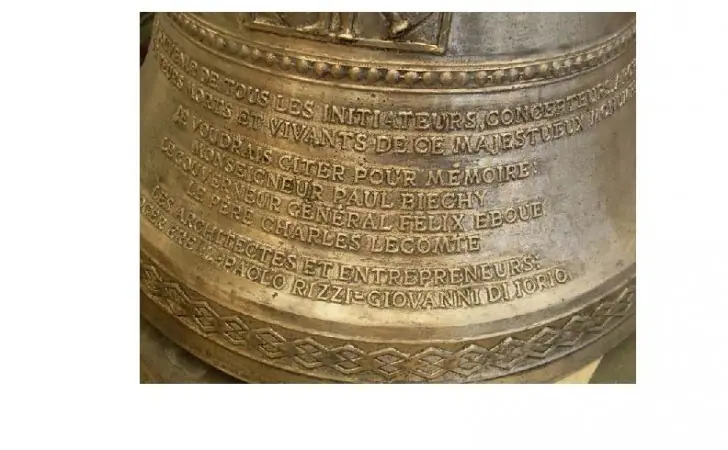
Start with the Basilique Sainte-Anne-du-Congo, a 1949 landmark whose sweeping green-and-white tiled facade and slender bell tower make it the most photographed building in the country. From there, walk to the Mémorial Pierre Savorgnan de Brazza on the riverbank, a marble mausoleum and garden devoted to the city's founder, then look up at the Tour Nabemba, the tall, curved tower that dominates the business district. Everything funnels eventually toward the Corniche, the riverside road where pirogues cut across the current at sunset and families gather for grilled fish and warm lager as the light goes orange.
Nights belong to rumba. The guitar-driven style that swept the two Congos from the 1940s onward was born in these river cities, and Brazzaville still keeps it live — small dance halls in Bacongo and Poto-Poto fill on weekends with horn sections, crooning singers and couples who never seem to sit down. Go with a local, arrive late, and expect the band to play long past the hour you planned to leave.
Poto-Poto, Bacongo and the Art of Dressing Well
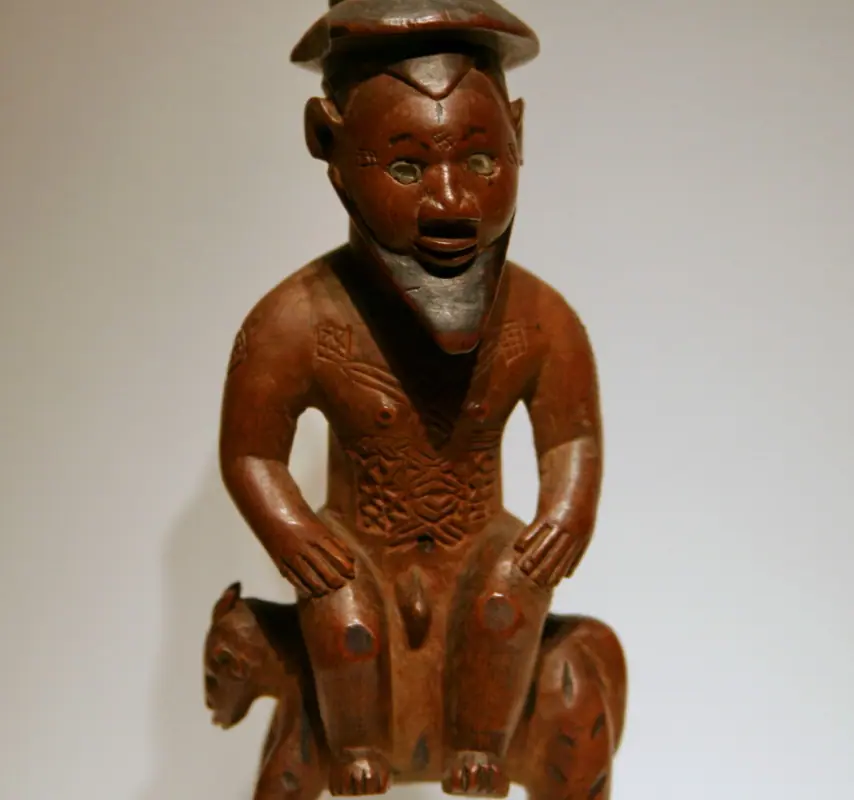
The Poto-Poto quarter is where the city's visual culture lives. Its painting school, founded in 1951, still operates out of open courtyards where artists work in the shade on canvases of market women, river spirits and crowded streets. You can watch a painting take shape, talk to the maker and buy directly — a far better souvenir than anything shrink-wrapped. Nearby, the Musée National du Congo gathers carved figures, drums, textiles and instruments that give context to the styles you are seeing on the street.
For crafts, head to the markets rather than hotel shops. Vendors lay out raffia baskets and mats woven in the Kouilou region, wax-print cloth in startling colourways, wooden stools, thumb pianos and beaded jewellery. Haggling is expected but should stay friendly: ask the price, offer a little less, and settle with a smile. Mornings are coolest and the produce sections are at their best before ten.
Then there is La Sape, the cult of elegant dressing that makes Sunday mornings in Bacongo feel like a fashion parade. Men known as sapeurs step out in immaculate suits, cufflinks and pocket squares, treating clothing as a statement of dignity and joy. If you want a photograph, ask first, compliment the outfit, and accept that a conversation is part of the deal. Elsewhere, greet before you ask anything — a cheerful "mbote" works in both Lingala and Kituba — and never photograph people at markets or ceremonies without permission.
What Congo Eats: Moambé, Saka-Saka and Banana-Leaf Feasts
Congolese cooking is built on cassava, palm and the river. Poulet moambé — chicken slow-simmered in a thick palm-nut sauce — is the dish most visitors remember, rich, faintly sweet and stained deep orange. Beside it comes saka-saka, cassava leaves pounded and stewed with peanut and palm oil until dark and velvety, and kwanga, the fermented cassava bread that arrives wrapped in leaves and is used to scoop everything up. Beans in palm oil, fried plantain, safou (African plum) and grilled maize round out the table.
From the water come capitaine, a firm white fish usually grilled whole and served with a fierce chilli sauce, plus makayabu, salted dried fish that seasons rice and stews, and shrimp and bar along the coast. Ask for liboke and you get fish or chicken steamed inside banana leaves with tomato, chilli and herbs — the leaf is the pot, and the aroma when it opens is the whole point. Street food is excellent and cheap: beignets fried to order, goat brochettes off a charcoal grill, hot plantain chips, mangoes sold by the roadside in season.
Drink what locals drink. Malafu, tapped palm wine, is sour, fizzy and best within hours of collection; ginger juice and hibiscus infusions are everywhere; and the local lagers are cold, light and made for the humidity. Meals are often communal, eaten from one bowl with the right hand after washing at the table — an offer to share is genuine hospitality, so take at least a bite.
Odzala-Kokoua and the Great Forest Bais of the North
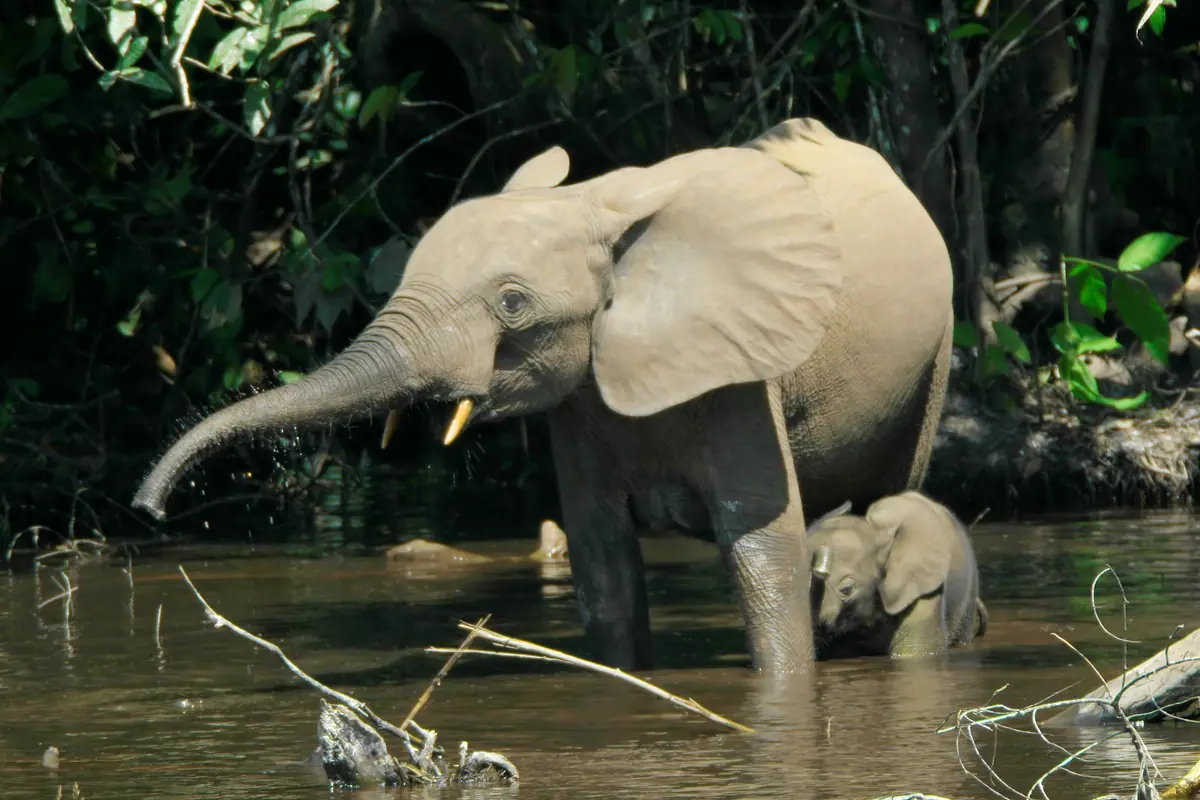
The north-west holds the country's greatest natural spectacle: Odzala-Kokoua National Park, a mosaic of rainforest and savanna covering some 13,500 square kilometres and protected in various forms since the 1930s. Its signature features are the bais — swampy clearings rich in minerals where animals gather to drink and graze. At Lango Bai, western lowland gorillas emerge from the undergrowth to feed on succulent stems, while forest elephants, bongo antelope, sitatunga and red river hogs move through the open ground. Nowhere else in Central Africa does forest wildlife show itself so readily.
Reaching the park is part of the experience. Most visitors fly from Brazzaville to a small forest airstrip and continue by four-wheel drive, then on foot with guides who read tracks, calls and fruiting trees. Trekking means hours of walking in humid heat and waist-deep wading through streams during the wet months, so come fit, booted and leech-tolerant. The drier windows from December to February and June to August give firmer ground, better visibility and fewer mosquitoes.
Farther north, Nouabalé-Ndoki National Park forms part of a vast cross-border forest with its own famous clearing, and the Lac Télé Community Reserve protects peat swamp and flooded forest where the legend of a river-dwelling monster, Mokèlé-mbèmbé, still gets told around fires. This is Aka forest country, and travelling with community guides who know the plants, the honey trees and the pirogue routes is the difference between a safari and an education.
Pointe-Noire, Diosso Gorge and the Wild Coast
Pointe-Noire, the oil-boom port on the Atlantic, is where Congo eats best and dresses sharpest. Its restaurants grill fish and prawns just off the boats, its old colonial-era railway station remains a handsome landmark, and the streets carry a faster, saltier energy than the capital. The historic rail line from Brazzaville finishes its long run through the Mayombe mountains here, and the journey itself — mist, tunnels, forest crowding the track — is one of the country's great slow adventures.
North of town, the Gorges de Diosso cut a small canyon of red and ochre clay into the coastal plain, a striking pocket of erosion that local storytellers credit to a chief's digging rather than geology. South lies the Côte Sauvage, a long, wind-scoured beach where surf pounds in and swimming is genuinely dangerous; further along, Pointe Indienne offers sand, palms and the rusting skeleton of a wrecked vessel that has become an unofficial monument.
Inland, Kouilou province holds Lac Cayo, the country's only natural lake, plus mangroves, river mouths and forested hills where you can paddle, birdwatch and sleep in simple riverside camps. Chimpanzee conservation work in the area supports orphaned animals, with visits arranged in advance and on the sanctuary's terms. Bring reef shoes, respect the currents and plan beach time around early mornings, when the light is soft and the heat has not yet arrived.
When to Go, What It Costs and How to Get Around
The climate is equatorial, with two dry seasons. The long dry spell from June to September is the most reliable window for travel anywhere in the country; a shorter dry period in January and February works well for forest parks. Heavy rains arrive roughly from March to May and again in October and November, when roads deteriorate and forest trails turn to soup. Temperatures in Brazzaville hover between 20°C and 32°C year-round, while the coast is a touch cooler and breezier.
Practically, most visitors need a visa arranged before arrival, and a yellow fever certificate is required at the border. Malaria is present throughout, so prophylaxis and repellent are sensible, as is travel insurance that covers medical evacuation. The currency is the Central African franc; cash rules outside city hotels, ATMs are limited and cards rarely work in markets or small restaurants. Medical facilities are thin away from Brazzaville and Pointe-Noire, so carry what you need.
For movement, flying between Brazzaville and Pointe-Noire takes about an hour, while the historic 510-kilometre railway through the Mayombe is slow, scenic and unpredictable in schedule — take it for the experience, not the punctuality. Roads are mixed, and long drives during the rains should be avoided. Park lodges are remote, limited in capacity and often reached by chartered light aircraft or lengthy four-wheel-drive transfers, so book months ahead and travel with an organised guide. Cities are generally calm by day; keep valuables low-key, avoid walking alone after dark, and check current official advice before you commit to a route.
Frequently asked questions
Is the Republic of the Congo the same country as the DRC?
No. The Republic of the Congo, often called Congo-Brazzaville, has Brazzaville as its capital and lies on the north bank of the Congo River. The much larger Democratic Republic of the Congo is on the opposite bank, with Kinshasa as its capital. They are separate countries with separate visas and currencies.
Do I need a visa and vaccinations to visit?
Most nationalities need a visa arranged before travel rather than on arrival, so apply well in advance. A yellow fever certificate is required for entry, and malaria prophylaxis, routine vaccinations and travel insurance with medical evacuation cover are strongly recommended.
What is the best time of year for wildlife in Odzala-Kokoua?
The drier windows from December to February and June to August are best. Trails are firmer, clearings are easier to reach and mosquitoes are fewer, which matters for long walking days and river crossings.
Is the Republic of the Congo expensive to travel in?
It runs at two speeds. Street food, markets and local transport are inexpensive, while forest lodges and chartered flights are among the pricier travel in Africa. Budget travellers can enjoy cities and the coast cheaply; park trips need serious planning and a bigger allowance.
Can I travel independently, and how safe is it?
Cities are generally calm during the day and locals are welcoming, but independent travel outside them is difficult without a vehicle, French or Lingala, and local contacts. Join guided trips for parks and remote regions, avoid border zones, keep valuables discreet, and check current government advice before booking.