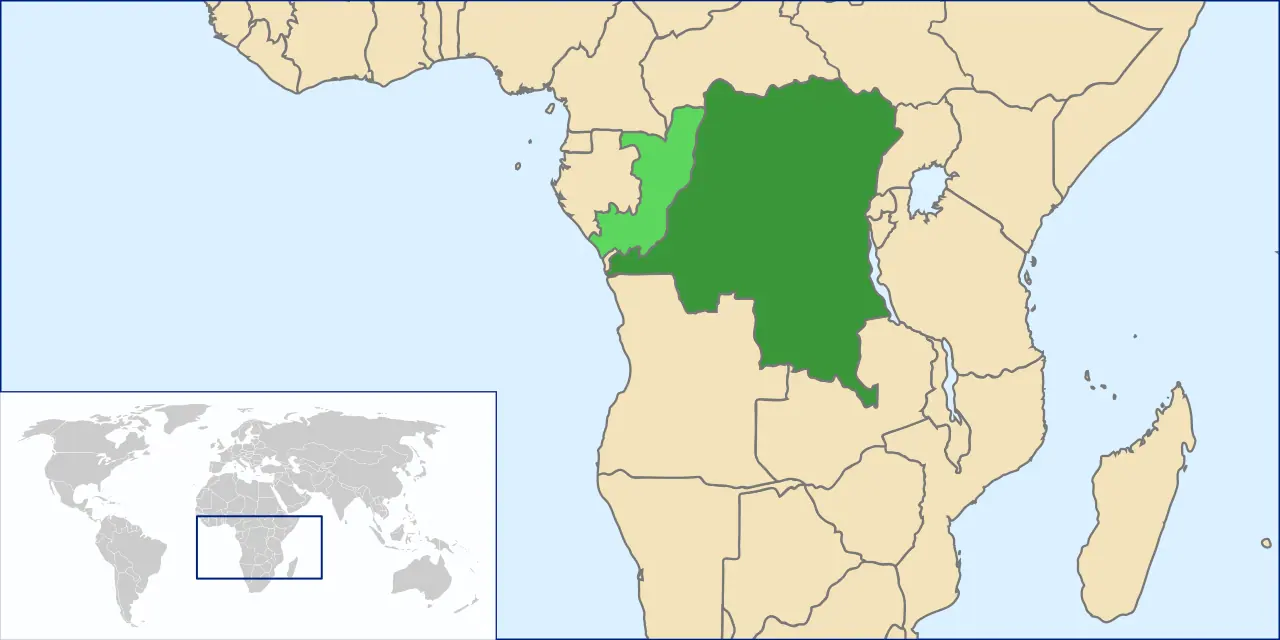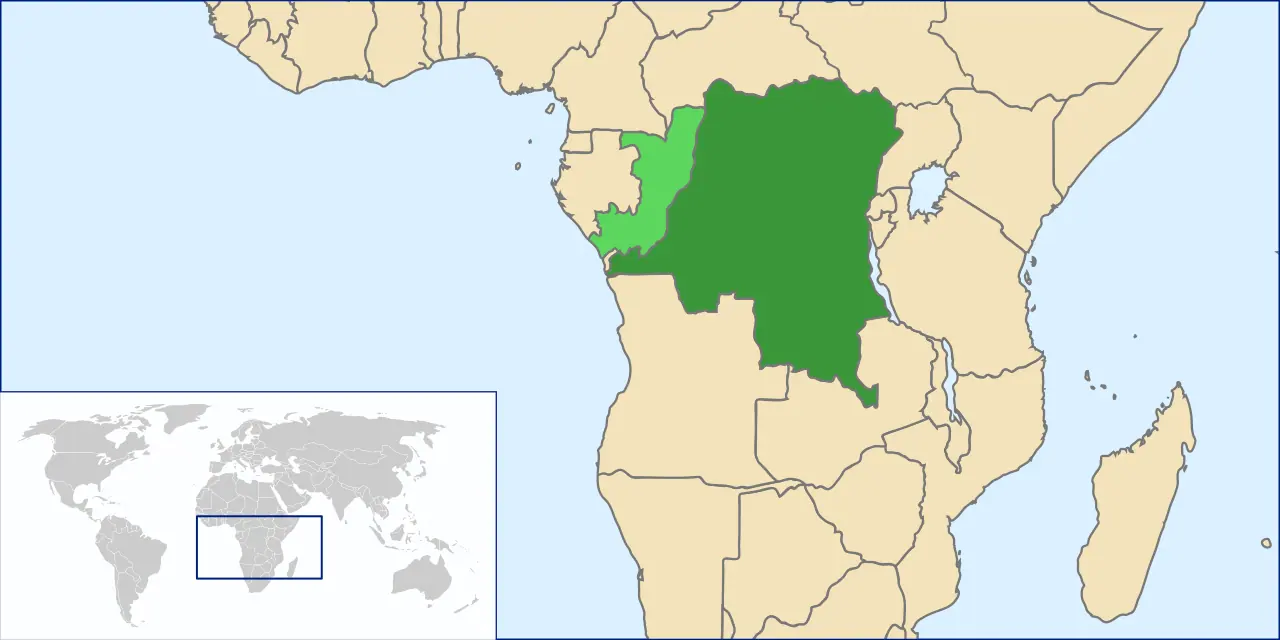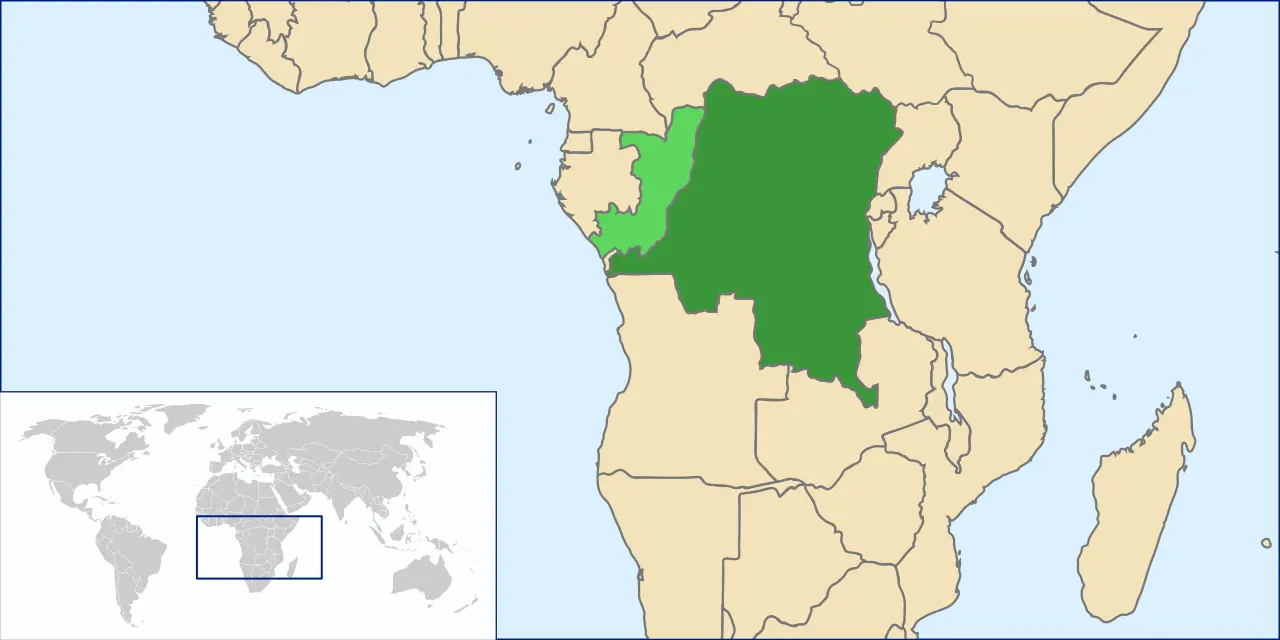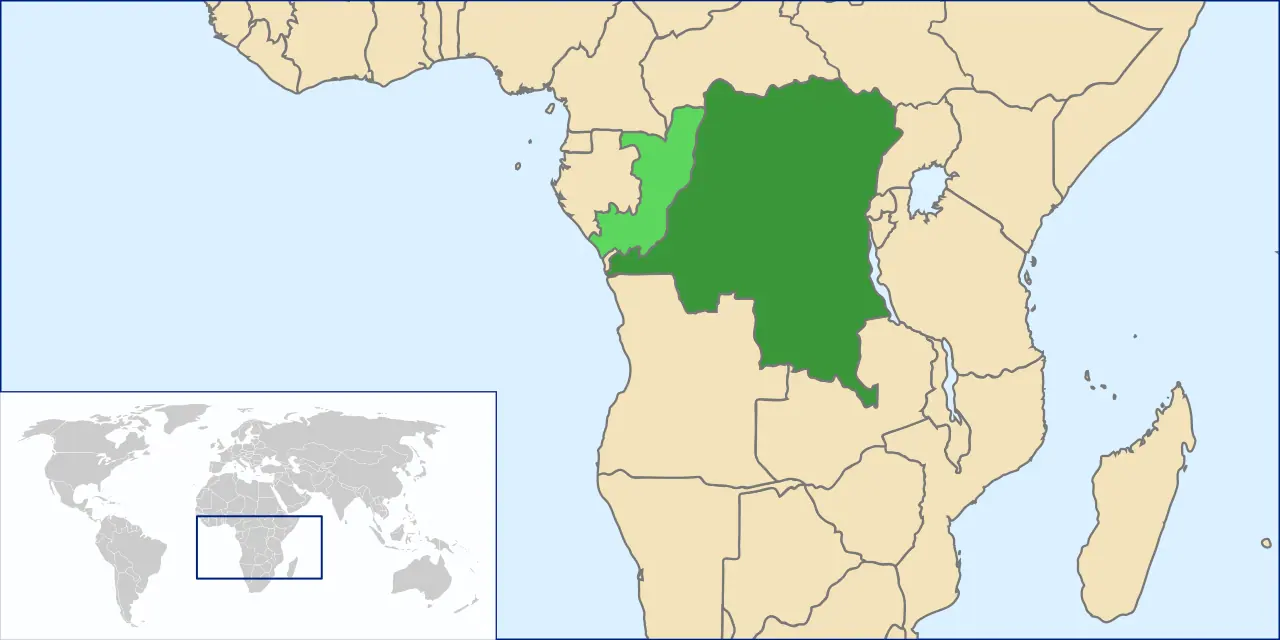
Congo is not a destination you stumble into — it is one you decide on, plan carefully, and then never stop talking about. Here the rainforest still swallows roads, a volcano glows red through the night, and the great river carries you past fishing villages that see almost no travellers at all. This guide covers the places in the Democratic Republic of the Congo that are genuinely worth the journey, and what it takes to reach them.
Virunga National Park: Gorillas Beneath the Volcanoes
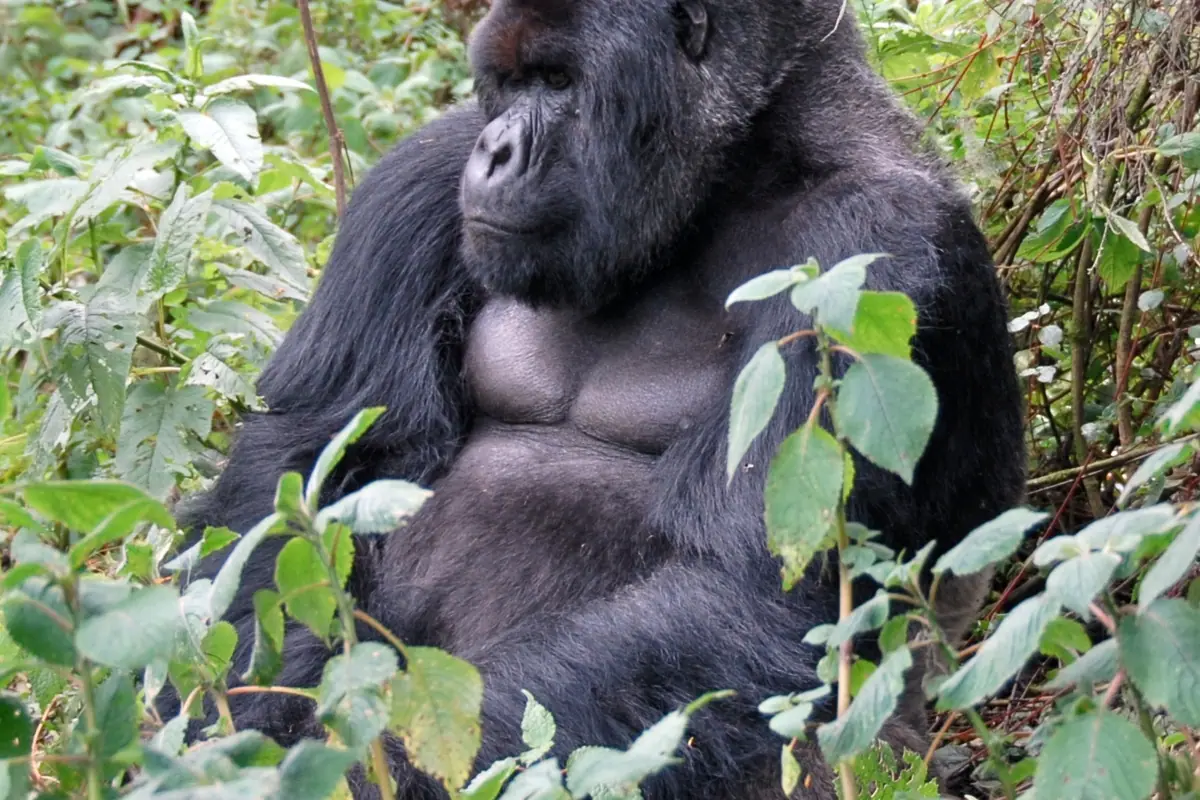
Stretching along the western shoulder of the Virunga massif, from the Rwenzori foothills down to the shores of Lake Edward, Virunga National Park is Africa's oldest protected area and still its most dramatic. The southern sector is gorilla country: humid bamboo and Hagenia forest climbing the flanks of dormant volcanoes, where family groups of mountain gorillas move slowly through the undergrowth and trekkers set out at dawn from the Bukima ranger post to find them. Treks typically take between one and six hours depending on where the families have nested, and the terrain is steep, wet and thick with nettles — but the hour you spend sitting a few metres from a silverback is the reason most people come to Congo at all.
Further north, the park opens into the Rwindi plains, a sweep of savanna where elephants, buffalo, Uganda kob and topi graze against a backdrop of blue volcanoes. The park's northern sector, around the Congo Nile divide and the Semliki valley, holds chimpanzees and the extraordinary sight of shoebill storks in the wetlands. Because visitor numbers are low, sightings here feel nothing like the crowded circuits elsewhere in East Africa — you may be the only vehicle on the track.
The best months for trekking are the dry seasons, roughly June to September and a shorter window in January and February, when trails are firmer and views clearer. Permits and logistics must be arranged well in advance through a recognised park operator, and independent travel into the area is not advisable; almost everyone visits on an organised itinerary with rangers and vehicles provided.
Climbing Nyiragongo: A Night Above the Lava Lake
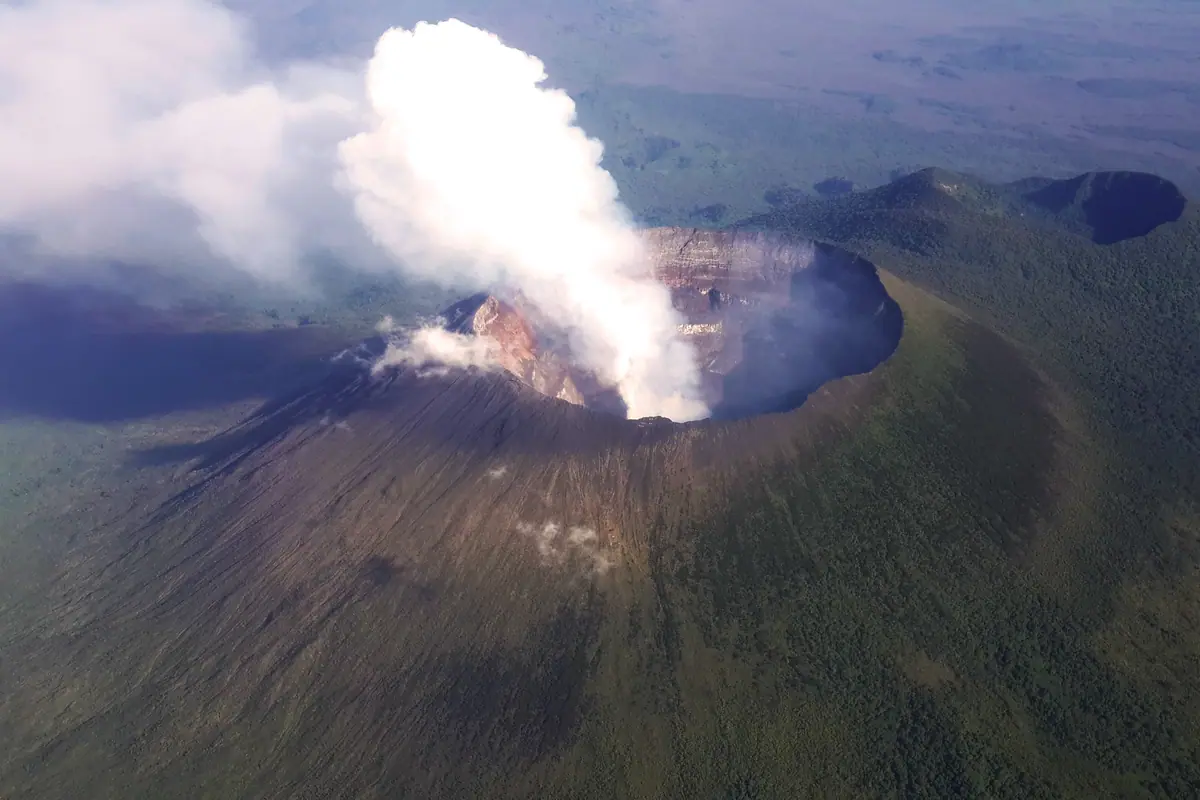
Mount Nyiragongo rises straight out of the outskirts of Goma, a perfect cone that hides one of the world's largest and most fluid lava lakes. The ascent starts at the Kibati trailhead in the late morning and takes most hikers four to six hours to reach the rim, climbing through mossy forest and then bare volcanic scree to a cold, wind-scoured summit at around 3,470 metres. Porters carry bedding, food and water ahead of you, and cooking teams set up on the crater edge while the light fades. Then the show begins: the lake below churns and cracks, glowing orange through the night, occasionally throwing fountains of molten rock against the crater walls.
It is a demanding but non-technical climb — no ropes or technical gear — and the descent the following morning takes around four hours back to the trailhead. Nights at the summit are genuinely cold, close to freezing with strong wind, so layers, gloves and a warm hat matter more than most people expect. Costs and safety arrangements are managed by the park, and the route is only open when volcanic activity permits.
Goma itself is a useful base for the wider region. Lake Kivu laps at the town's edge, with boats out to Tchegera Island and the vast, strangely peaceful Idjwi Island further south, where coffee grows on the hillsides and there is almost no tourism infrastructure at all. Allow a couple of extra days here — the lake, the market and the sheer strangeness of a city living beside an active volcano are worth the time.
Kahuzi-Biega National Park: Tracking Eastern Lowland Gorillas
Several hours south of Goma, near the lakeside city of Bukavu, Kahuzi-Biega National Park protects a completely different kind of forest to Virunga's high volcanoes. This is the stronghold of the eastern lowland gorilla, also known as Grauer's gorilla — a larger, darker, shaggier animal that lives in family groups on the lower slopes of the twin peaks of Mount Kahuzi and Mount Biega. Treks usually start early from the Tshivanga station and can take anywhere from one to four hours before you find a group, often feeding on wild celery and bamboo in the mist.
The park's altitude range means you pass quickly from dense lowland rainforest into bamboo and finally montane forest, with a correspondingly rich bird list and good chances of chimpanzees, colobus monkeys and forest elephants — though the elephants are shy and often heard rather than seen. Because so few visitors come, the rangers are unhurried and the experience is intimate; groups are kept small.
Bukavu itself is a hilly, lively city on the southern shore of Lake Kivu, and it makes a rewarding base for a few days. The dry season from roughly June to September gives the best conditions underfoot, while the wetter months turn the trails to deep mud. Combine Kahuzi-Biega with a crossing to Idjwi Island for a slower, greener view of the lake.
The Okapi Wildlife Reserve and the Ituri Forest
Deep in the Ituri Forest of northeastern Congo lies the Okapi Wildlife Reserve, centred on the small settlement of Epulu. The reserve was created for an animal that most people have never heard of: the okapi, a shy, striped, giraffe-relative that lives alone in the gloom of the understory and is famously difficult to spot. Epulu's forest station has long worked on its conservation, and the surrounding reserve also shelters forest elephants, numerous monkey species and an astonishing variety of birds, from turacos to hornbills.
Just as compelling as the wildlife is the human landscape. The reserve is home to Mbuti and Efe forest communities whose knowledge of the forest — for honey, medicinal plants, hunting and navigation — is remarkable, and visits are often arranged with their guidance. Walking here feels less like a safari and more like being let into someone else's world, where vines are ladders, leaves are roofs and every sound has a meaning.
Getting to Epulu is an adventure in itself. Overland routes from Kisangani or from the east can take several days on rough roads, and most visitors come as part of an organised expedition with a support vehicle and local fixers. The reward is one of the least-visited rainforest reserves on the continent, plus the chance to see okapi in a place where they have been studied for generations.
Kinshasa, Zongo Falls and the Congo River
Nearly everyone's journey through Congo begins in Kinshasa, a sprawling, rhythm-driven capital of more than ten million people on the south bank of the Congo River. It is not a conventional sightseeing city, but it has real draws: the sprawling Marché Central, the boulevards of Gombe with their faded colonial architecture, and the National Museum, which holds one of the finest collections of masks, drums and ritual objects in Central Africa. At Lola ya Bonobo, on the wooded edge of the city, rescued bonobos are rehabilitated in a sanctuary that offers one of the only reliable chances to watch these rare apes at close range.
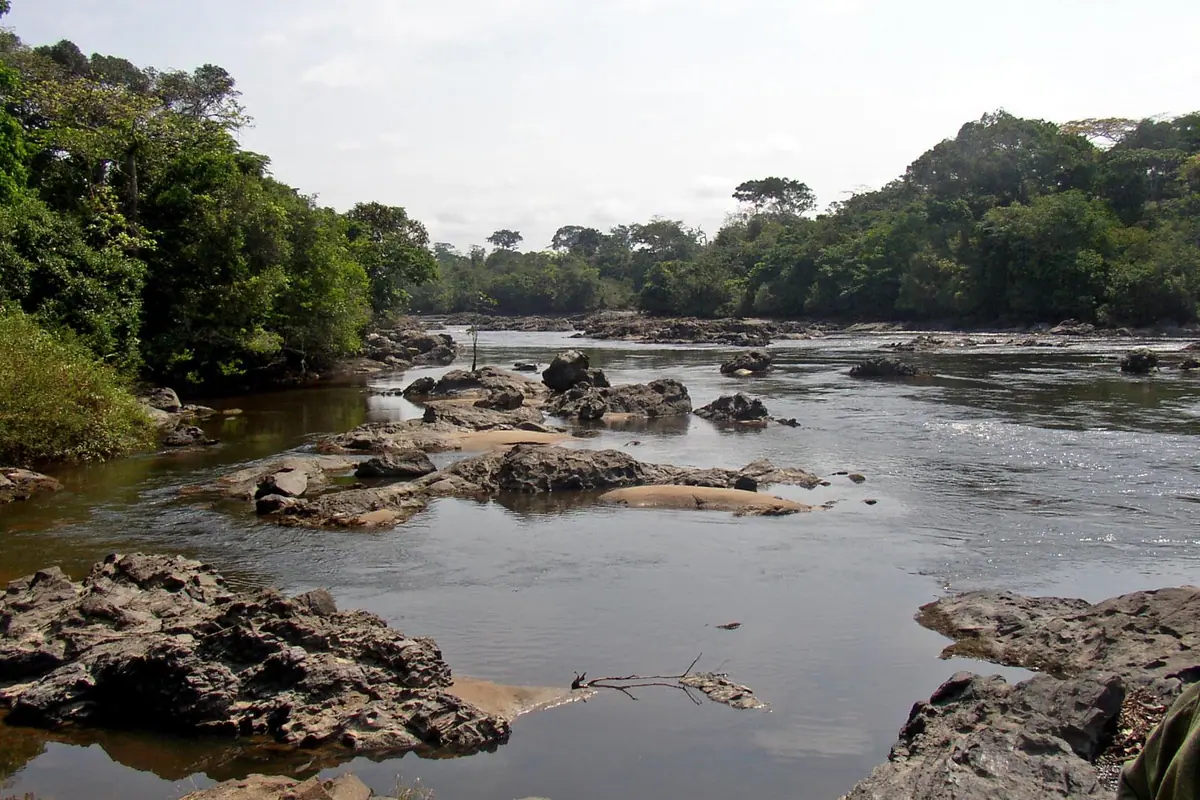
The river itself is the city's great spectacle. Head west to the Kinsuka rapids, where the Congo surges past rocks in a permanent white roar, or take a boat upstream to the fishing market at Kinkole, where smoked and fresh catch comes ashore each morning. The water is the reason Kinshasa exists, and a slow afternoon on it beats any checklist.
Inland, roughly a three-hour drive south of the capital, Zongo Falls drops in a wide curtain into a forested gorge — a popular weekend escape with trails, swimming spots and simple lodges. Further out lies the Bateke Plateau's savanna and the immense Inga rapids, where the river's power has been harnessed on a monumental scale. Allow three to four days around Kinshasa if you want the city, the rapids, the bonobos and Zongo without rushing.
The Wild Interior: Boyoma Falls, Salonga and Garamba
For travellers drawn to genuine remoteness, Congo's interior delivers. At Kisangani, deep in the bend of the river, the Congo breaks into Boyoma Falls — a chain of seven cataracts stretching over a hundred kilometres, where Wagenia fishermen balance on precarious wooden tripods above the rushing water to haul in their catch with enormous basket traps. The river journey upstream from Kinshasa to Kisangani is one of the world's great slow adventures, taking weeks on working barges stacked with cargo, livestock and families.
South of the river lies Salonga National Park, the largest rainforest reserve in the country and one of the most important refuges anywhere for the bonobo. It has no real road network: access is by river or light aircraft, and visits are essentially expedition-only, arranged with conservation organisations working in the area. Those who do reach it find an untouched mosaic of swamp forest, river clearings and salt licks, with forest elephants, duikers and a bird list that keeps ornithologists busy for weeks.
Far to the northeast, Garamba National Park rolls across savanna and woodland towards the Sudanese border, known for its elephants and its rare Kordofan giraffes, along with lions, buffalo and vast herds of antelope. It is country for experienced travellers with a well-organised operator, and it rewards patience: long game drives, few vehicles, and the sense of being at the very edge of the map. Congo does not hand over its highlights easily — that is precisely what makes them worth the effort.
Practical planning matters everywhere here. Carry a yellow fever certificate, take malaria precautions, arrange comprehensive insurance with evacuation cover, and expect French to be the working language, with Lingala in Kinshasa and Swahili across the east.
Frequently asked questions
Is it safe to travel in the Democratic Republic of the Congo?
Parts of eastern Congo, particularly North and South Kivu and the far northeast, experience periodic insecurity and should not be visited independently. Travellers visit with established park operators who provide rangers, vehicles and up-to-date local knowledge, and who will cancel or reroute when conditions change. Kinshasa and the Lake Kivu towns are generally calmer, but you should always check your government's current travel advice before booking, register your trip, and avoid travelling on remote roads after dark.
When is the best time of year to visit Congo?
The dry seasons give the best trekking and wildlife conditions: roughly June to September is the main window, with a shorter, hotter dry spell in January and February. Trails to the gorillas and up Nyiragongo are firmer, views are clearer and roads are more passable. March to May and October to November bring heavy rain, deeper mud and more delays, though rainforest reserves remain open and greener — just expect leeches, humidity and slower journeys.
What do I need before I arrive — visas and vaccinations?
Most nationalities need a visa arranged in advance, often through an online application or at an embassy; requirements change regularly, so confirm with the nearest Congolese mission well ahead of travel. A yellow fever vaccination certificate is required for entry. Malaria prophylaxis, routine vaccinations, a first-aid kit and travel insurance that specifically includes medical evacuation are strongly recommended. Bring prescription medicines in original packaging, plus extra cash in US dollars, since card payments are unreliable outside major hotels.
How fit do I need to be for gorilla trekking and the Nyiragongo climb?
Gorilla treks in Virunga and Kahuzi-Biega can last from one to six hours on steep, muddy, sometimes trackless ground at altitude, so a reasonable level of fitness and good, broken-in boots are essential. Porters can carry your bag for a modest fee and are worth hiring. The Nyiragongo ascent is tougher: four to six hours of steady climbing to around 3,470 metres, a freezing night on the rim, then a four-hour descent. Anyone comfortable with a long hill walk can manage it, but pace yourself and acclimatise in Goma for a day first.
How do you get around Congo once you're there?
Long-distance travel is the hard part. International flights arrive in Kinshasa, with onward connections to Goma and Bukavu in the east; domestic flights save days of rough road travel and are usually arranged as part of an itinerary. River barges between Kinshasa and Kisangani are legendary but slow, often taking weeks, and not suited to a short trip. For the parks, transfers, permits, rangers and drivers are normally booked together through a specialist operator — trying to improvise the logistics on arrival rarely works well.
Plan it — experiences in Congo
Live search, booked directly with trusted providers.