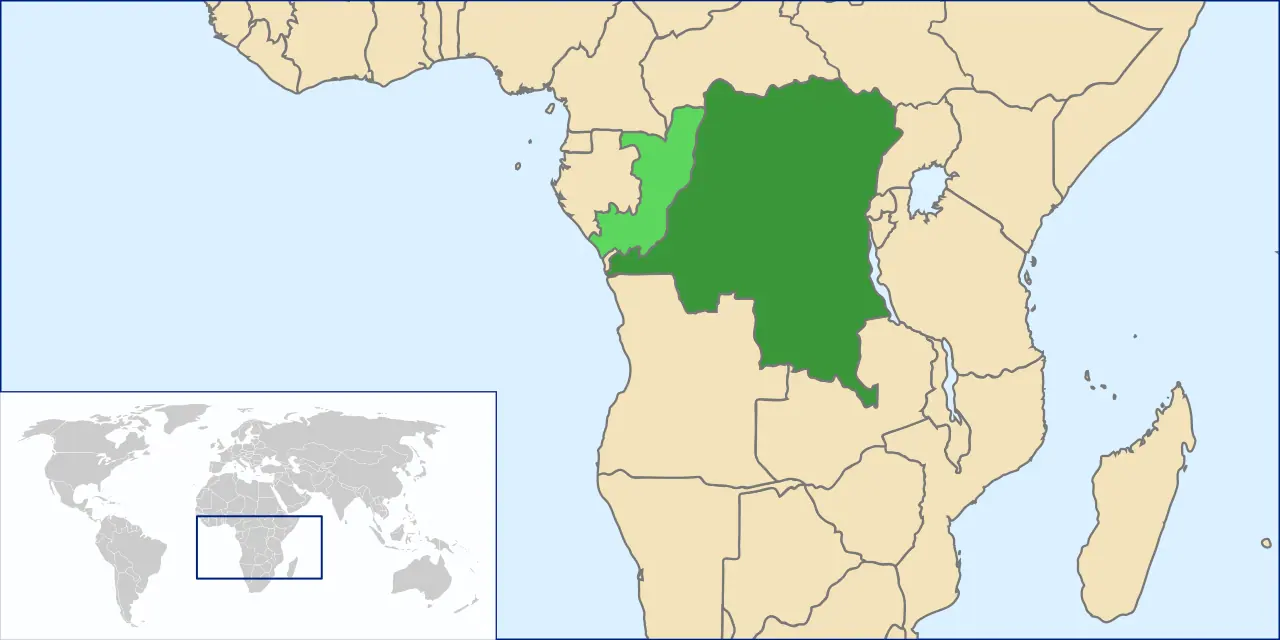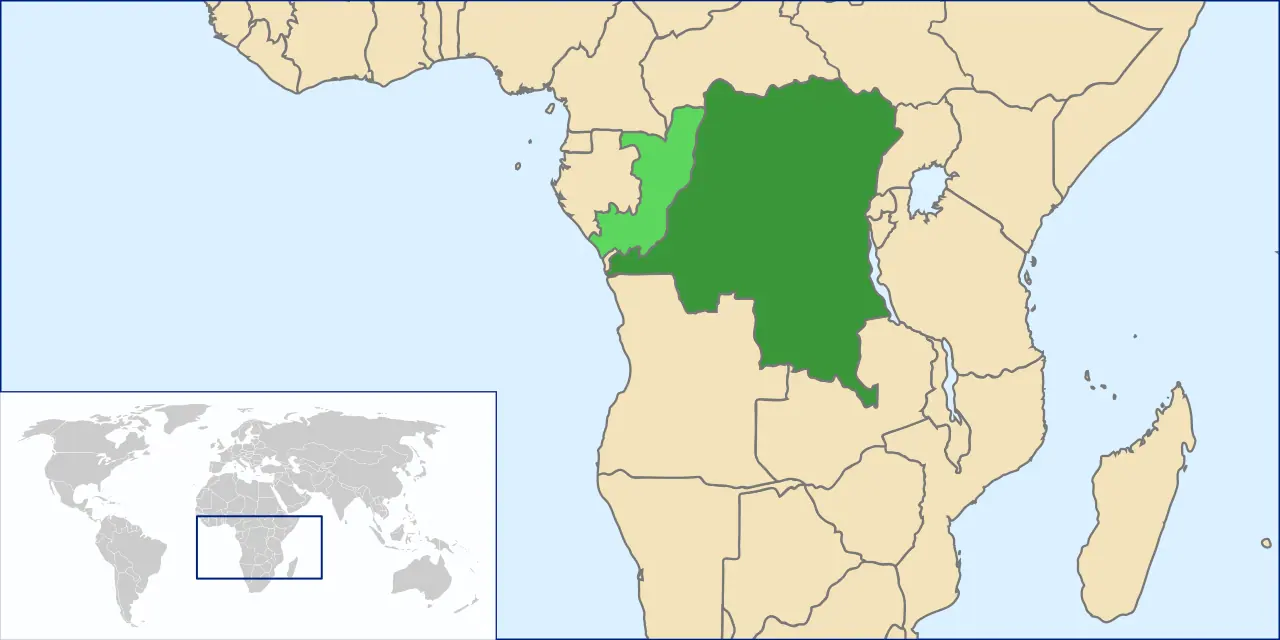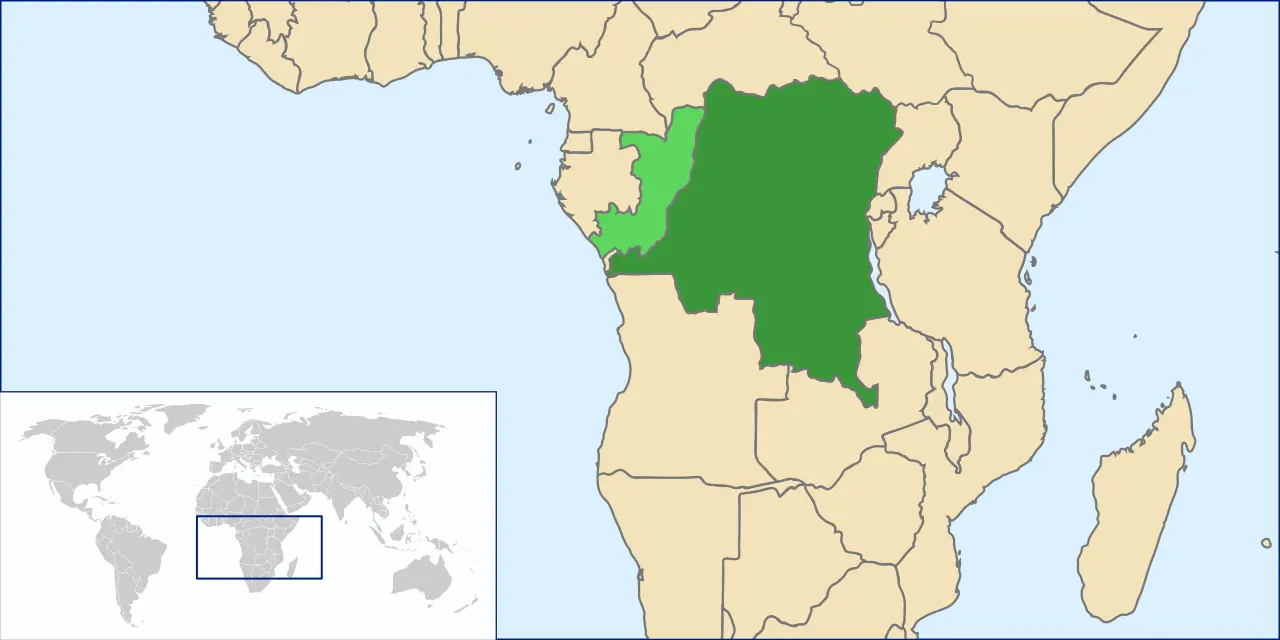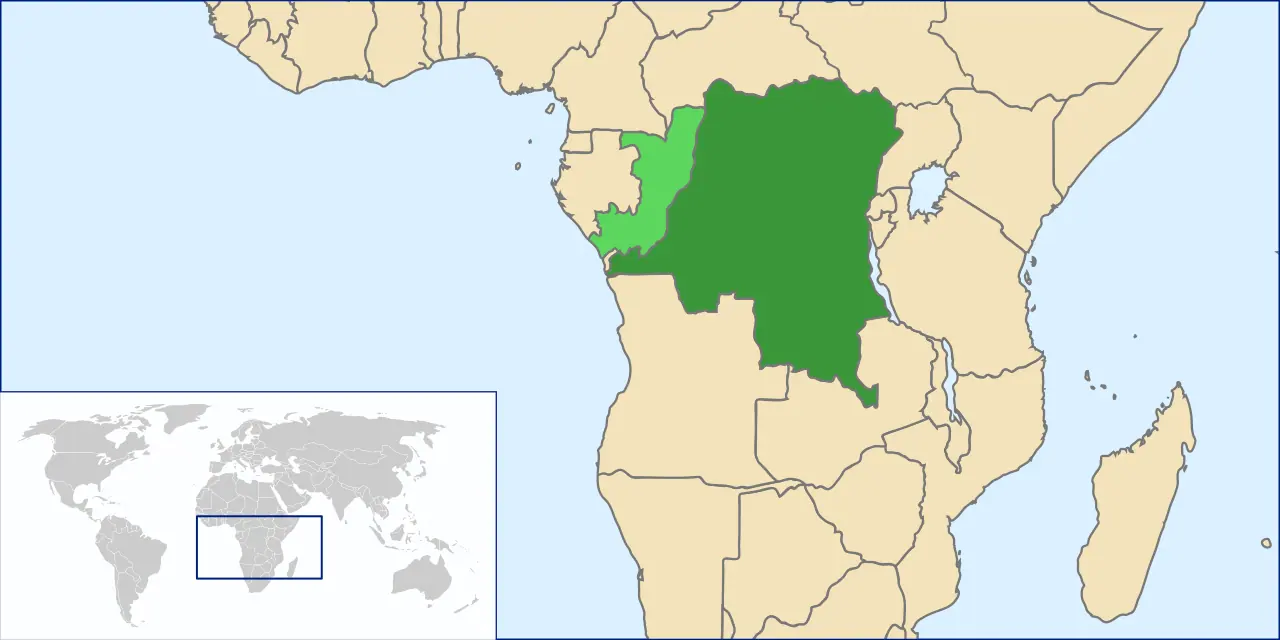
Congo is a country you cross by air, because the road between its two great cities takes a full day of jungle and the northern forests are a world away from the coast. This week-long route hops from the river capital of Brazzaville to the Atlantic surf at Pointe-Noire, then north to the forest clearings of Odzala-Kokoua, where lowland gorillas move through the mist. It is written for the Republic of the Congo — Congo-Brazzaville, not its larger neighbour across the river.
Why Congo Rewards Travellers Who Fly
The Republic of the Congo stretches from the Atlantic coast up into the vast Congo Basin, and its two main cities sit at opposite ends of a single, stubbornly slow corridor. Brazzaville and Pointe-Noire are linked by a historic railway and a long, often rough highway, but the internal flight network turns a gruelling day of travel into about an hour in the air. Smaller airports and airstrips serve Ouesso, Impfondo and Ollombo in the north and centre, which is how most visitors reach the great forest parks at all.
Practicalities matter more here than in most destinations. Domestic hops are operated with small aircraft, so luggage is usually capped at around 15 kilograms and must be soft-sided; a day pack plus one duffel is the sensible configuration. Carry your passport on every internal flight, arrive at the airport well ahead of departure, and expect schedules to shift. From October to May, heavy afternoon rain can delay or cancel flights, so build a spare day into the end of your trip rather than the middle.
The sweet spot for the whole route is the long dry season, roughly June to September, when tracks harden, forest trails are walkable and wildlife concentrates around water. December to February brings a shorter, hotter dry spell that also works well. If gorilla tracking in the northern parks is your priority, aim for the middle of the long dry season and book park permits and light-aircraft seats months in advance — capacity is genuinely limited.
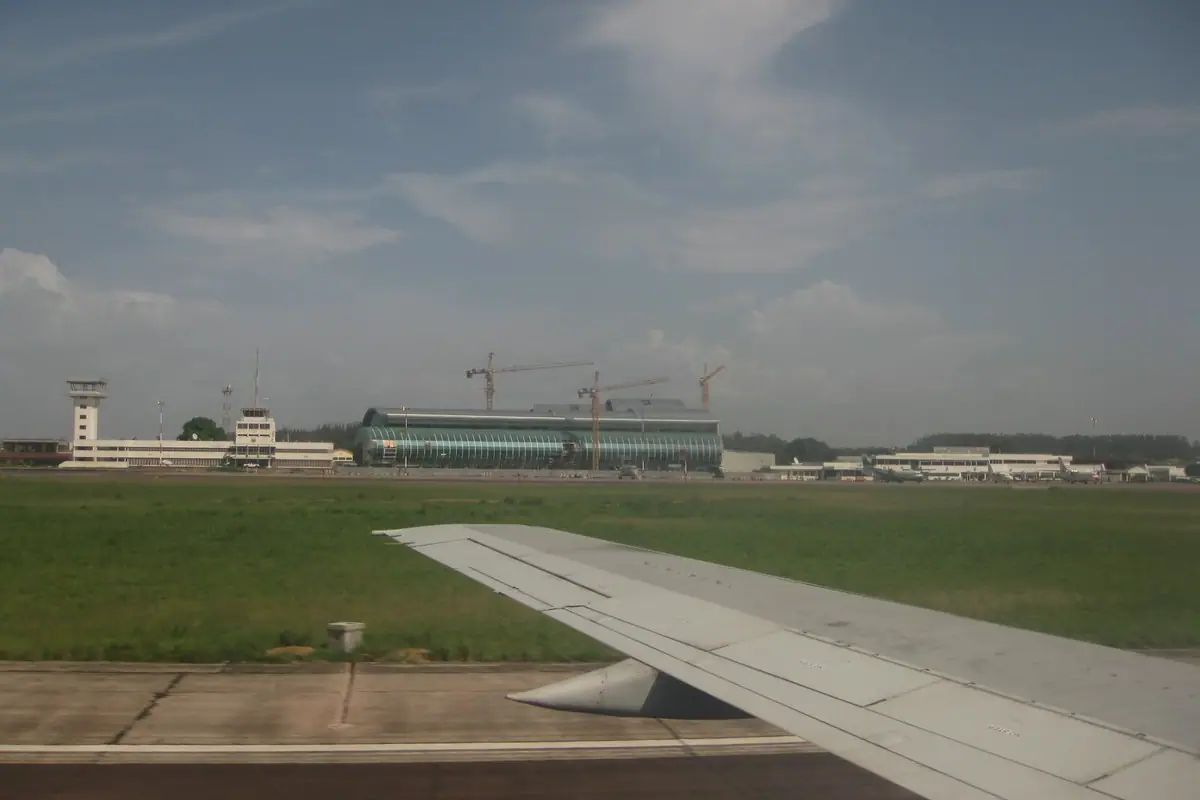
Days 1–2: Brazzaville, the River Capital
Start on the Congo River, the wide brown artery that gives the country its name. The Corniche du fleuve Congo runs along the water, and it is where the city gathers at sunset to watch fishing pirogues drift past the skyline of Kinshasa on the far bank. A short walk inland brings you to the Mémorial Pierre Savorgnan de Brazza, a marble mausoleum and museum on the riverbank that tells the story of the explorer whose name the city carries, set in gardens that are among the calmest spots in town.
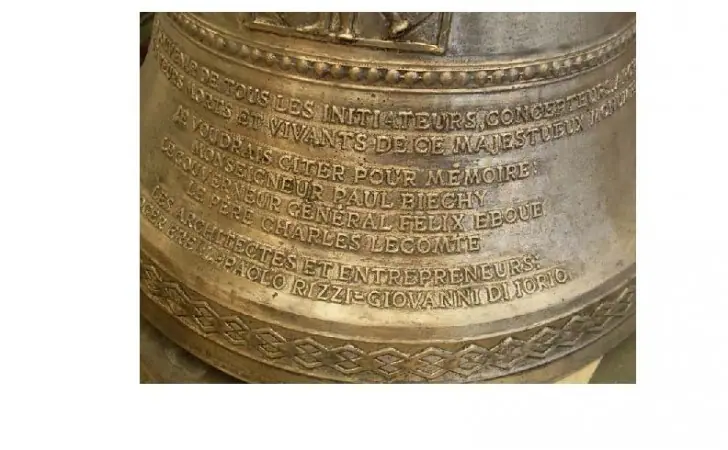
The architectural highlight is the Basilique Sainte-Anne-du-Congo, consecrated in 1949 and topped with a remarkable folding roof of green-painted ribs — a landmark visible from much of the city and best photographed in late-afternoon light. Nearby, the Cathédrale Sacré-Cœur and the colonial-era administrative streets of the Poto-Poto and Bacongo quarters reward a slow wander, and the sprawling Marché Total is the place to buy raffia cloth, carved masks and Congolese wax prints without a guide hovering over you.
Keep the second day for the water. The Foulakari Falls, roughly 90 kilometres south-west of the city, drop into a gorge where the river narrows and roars, and they can be visited as a long half-day trip on decent roads. Alternatively head north to the Lesio-Louna reserve on the Lefini River, a forested sanctuary where orphaned gorillas are reintroduced to the wild — visits are guided, quiet and often the emotional high point of the whole week.
Day 3: Fly South to Pointe-Noire and the Wild Coast
A morning flight of a little over an hour drops you from the river to the Atlantic. Pointe-Noire is Congo's oil-and-port city, brash and humid, with good seafood, a lively nightlife along the waterfront and a genuinely beautiful coast on its doorstep. Do not stay in the centre for long: the reason to come is the Côte Sauvage, the wild surf-pounded shoreline that runs south towards the Gabon border, where the beach at Pointe Indienne is a broad sweep of sand with almost nobody on it.
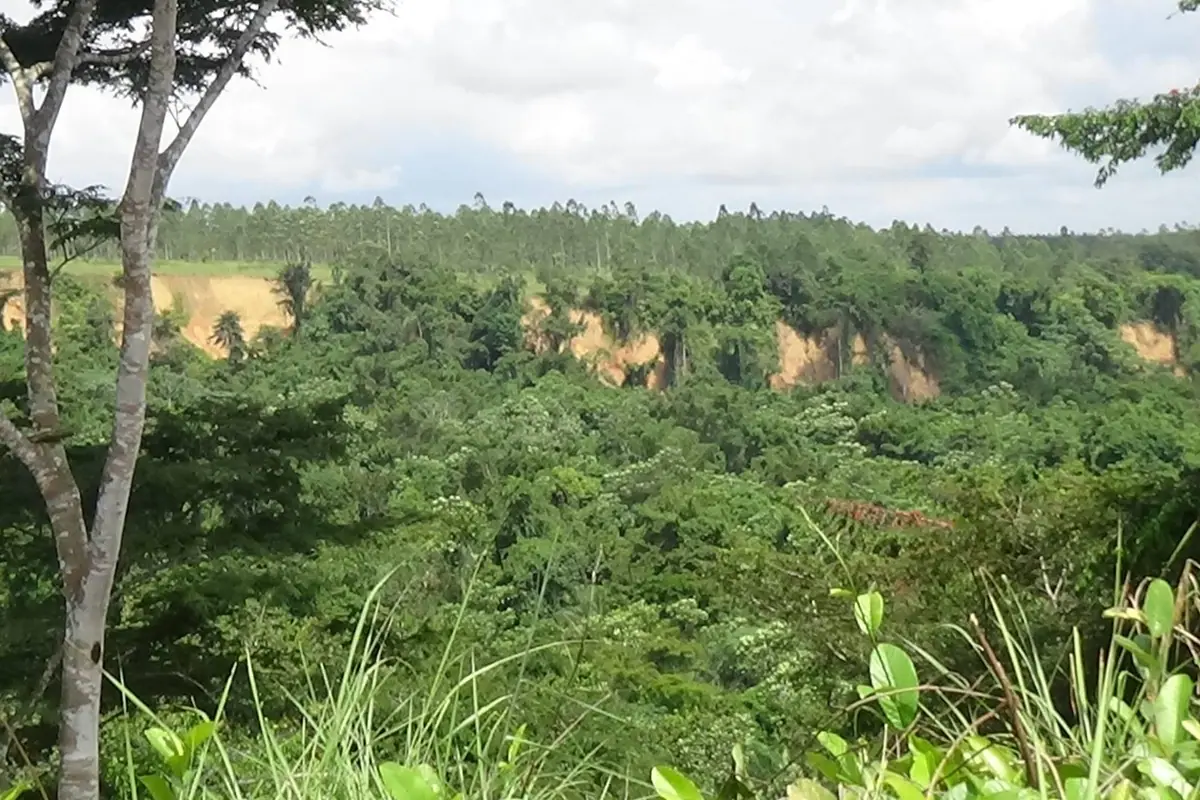
Half an hour inland from the coast, the Gorges de Diosso cut a dramatic rust-red canyon through the forest — locals call it the Grand Canyon of Congo, and the short trail along the rim gives you the best photographs of the trip. Just beside it, the museum in the old royal compound at Diosso preserves the history of the Kingdom of Loango, whose rulers once controlled this stretch of coast and traded along it for centuries.
Spend the night in Pointe-Noire and eat fresh bar and capitaine grilled on the street, with cassava leaves and plantain. This is also the moment to sort out the following day's transport, because the road south to the national park is slow and you want an early start with a reliable driver in a proper 4x4.
Day 4: Conkouati-Douli National Park
Conkouati-Douli is Congo's coastal wilderness: a mosaic of rainforest, savanna, rivers and lagoons running right down to the sea, protected since the 1990s and covering roughly 5,000 square kilometres on the edge of Gabon. It takes three to four hours by 4x4 from Pointe-Noire in dry conditions, and the scenery alone justifies the drive as the tarmac gives way to sand tracks and oil palms.
Once inside, the experience is overwhelmingly about water. Boat trips along the lagoon system reveal chimpanzees on the forested islands, forest elephants coming to drink, and hippos in the channels, while the beaches are a nesting ground for marine turtles — the leatherbacks come ashore mainly between November and March. Birdlife is extraordinary here, with kingfishers, hornbills and fish eagles almost guaranteed.
Facilities are simple and the whole area is best explored with a local guide and arranged permits, so plan this as a guided overnight rather than an independent outing. Take everything you need: cash, drinking water, insect repellent, long sleeves for the evening and a head torch. The next morning you can either return to Pointe-Noire or continue to the border region, depending on how your onward flight is timed.
Days 5–6: North by Air to Odzala-Kokoua and the Forest Bais
The second half of the week is the one people remember. You will usually fly from Pointe-Noire back through Brazzaville and on to Ouesso in the far north, then transfer by light aircraft or long road to the edge of Odzala-Kokoua National Park. Covering more than 13,000 square kilometres of rainforest and savanna, Odzala is the country's flagship park, and its forests shelter western lowland gorillas, forest buffalo, bongo antelope and some 400 bird species.
The signature experience is walking into a bai — a natural forest clearing where minerals draw animals out of the trees. Tracking habituated gorillas through knee-deep vegetation, with a guide reading the forest for fresh nests and broken stems, is a genuinely wild encounter rather than a staged one; sightings are never guaranteed, which is exactly what makes them worth the effort. The bais are also where you are most likely to see forest elephants in numbers, especially in the late dry season when the surrounding forest is at its driest.
With more time, continue north-east to Nouabalé-Ndoki National Park in the Sangha region, part of a UNESCO-listed tri-national rainforest, or push towards Impfondo and Lac Télé, a lake wrapped in local legend about a creature said to live in its depths. Realistically, one week allows you to choose one of these wilderness areas properly rather than rushing two; if you want a deeper forest trip, extend to ten days and see both.
Day 7: Flying Back, and What to Know Before You Go
Keep the final day loose. Fly back to Brazzaville from Ouesso or Pointe-Noire, and resist the temptation to schedule an international connection on the same day — weather, light-aircraft weight limits and mechanical delays all conspire against tight transfers. If you have an evening free in the capital, the river corniche at sunset is the right place to end the trip, with a cold drink and the fishing boats drifting past.
On health and paperwork: a yellow fever vaccination certificate is required for entry, malaria prophylaxis is essential for the whole country, and travel insurance that covers light aircraft and remote evacuation is worth every penny. The currency is the Central African franc, cards are accepted in Brazzaville and Pointe-Noire hotels but almost nowhere in the north, so carry enough cash for the forest leg. Tap water is not drinkable.
Finally, a word on pacing. Congo does not do spontaneous well: permits, park fees and charter seats are limited, and the day you leave something unbooked is the day it is not available. Travel with a licensed local operator who can handle the internal flights and park logistics, keep one buffer day, and this week — river city, Atlantic coast, gorilla forest — becomes one of the most rewarding routes in Central Africa.
Frequently asked questions
How do you travel between Brazzaville and Pointe-Noire?
The quickest way is the internal flight, which takes a little over an hour and runs most days, though schedules change and seats sell out. The alternative is the historic railway or the road, both of which take the best part of a day and are far less predictable.
What is the best time of year to visit Congo?
The long dry season from June to September is the most comfortable and the best window for forest treks and gorilla tracking. The shorter dry spell from December to February is hotter but also workable. The heavy rains from October to May bring delays, mud and closed tracks.
Do you need a visa and vaccinations for Congo?
Most visitors need a visa, which can usually be arranged online in advance, and a yellow fever vaccination certificate is required at entry. Malaria prophylaxis, routine vaccinations and medical evacuation cover are all strongly recommended.
Can you see gorillas in Congo?
Yes. Western lowland gorillas live in the northern rainforests, particularly in Odzala-Kokoua National Park, where guided tracking into the forest clearings is possible in the dry season. Permits are limited, sightings are never guaranteed, and you should book well ahead.
How much luggage can you take on internal flights in Congo?
Domestic services and light-aircraft transfers to the parks typically allow around 15 kilograms per person in soft-sided bags, with strict weight checks at the aircraft. Pack a single duffel plus a day pack, and store anything extra in Brazzaville or Pointe-Noire.