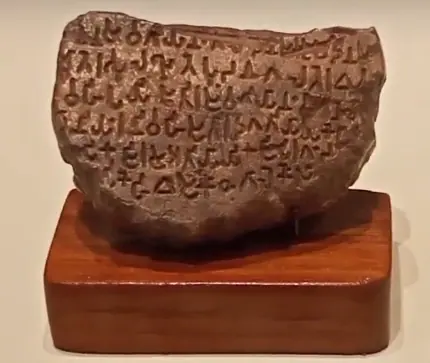
Bangladesh is a country you taste before you understand — mustard-oil hilsa, charcoal-smoked kebabs, syrupy sweets and salt tea poured in a roadside stall. Between the silt-laden rivers, tea terraces and mangrove creeks, every journey here is built around a meal, a market and a conversation.
Old Dhaka: Where the City Eats, Prays and Argues
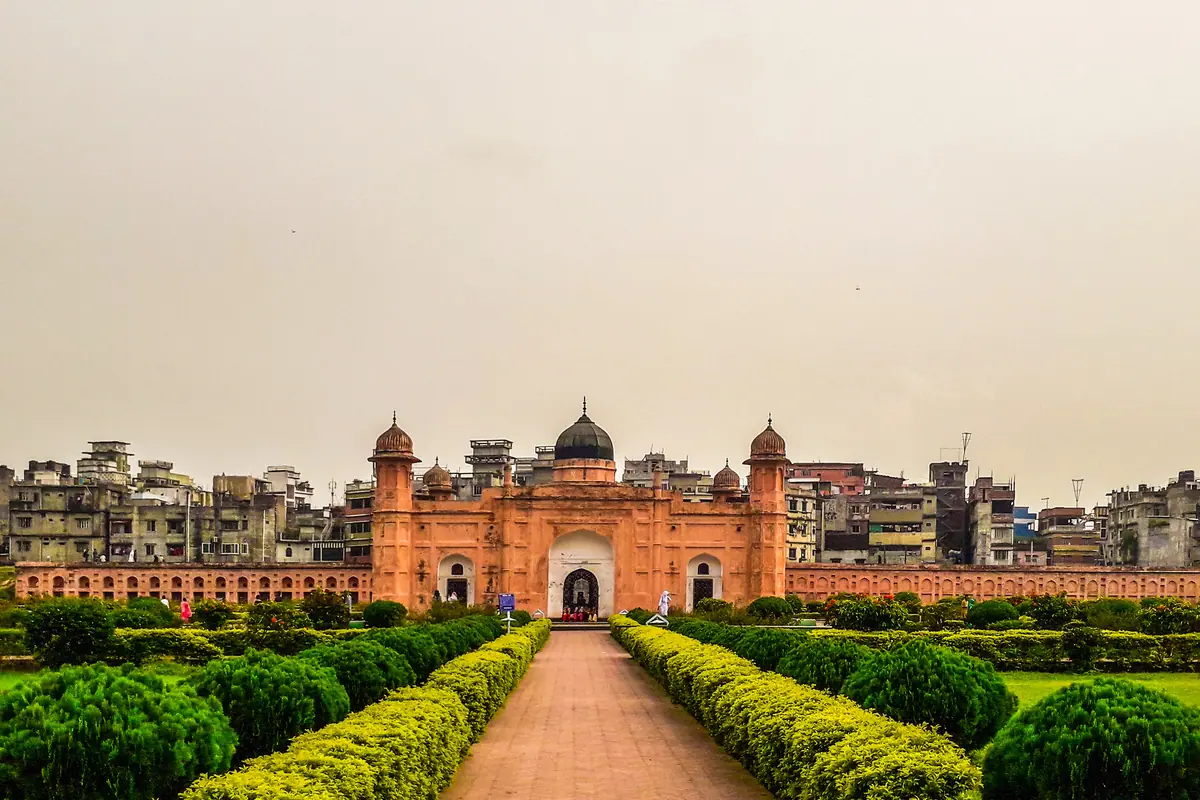
Begin in the tangle of lanes south of the Buriganga, where the Mughal-era Lalbagh Fort still stands with its unfinished ramparts, the marble tomb of Pari Bibi and the Diwan-i-Aam hall. Ten minutes away, the pink, colonnaded Ahsan Manzil faces the river from the old waterfront, and the Star Mosque glitters with its blue-and-white china mosaic while the Armenian Church sits quietly on a lane that once hosted Armenian merchants. Dhakeshwari Temple, the city's oldest Hindu shrine, anchors another slice of this layered map. Plan a full day here and go on foot or by rickshaw — the traffic will defeat any car.
Then eat. Old Dhaka's signature is kacchi biryani: aged rice, mutton marinated in yoghurt and spice, potato, ghee, cooked sealed over slow coals. The biryani houses clustered around Nazira Bazar and the lanes behind Chawkbazar have been at it for generations, and lunch is the correct time. Elsewhere in the same neighbourhood you will find bakarkhani — flaky, slightly sweet flatbread — paired with beef bhuna, and kebabs that carry a whiff of smoke from the grill.
During Ramadan, Chawkbazar's evening iftar bazaar becomes the most extraordinary street-food event in the country: hundreds of stalls selling spiced chickpeas, lentil fritters, meat cutlets, sweet sherbet and giant platters of rice. If you eat meat, come hungry; if you don't, the vegetable and dairy stalls hold their own. Bring small notes, expect crowds shoulder-to-shoulder, and dress modestly.
Rivers, Wet Markets and the Bengali Sweet Tooth
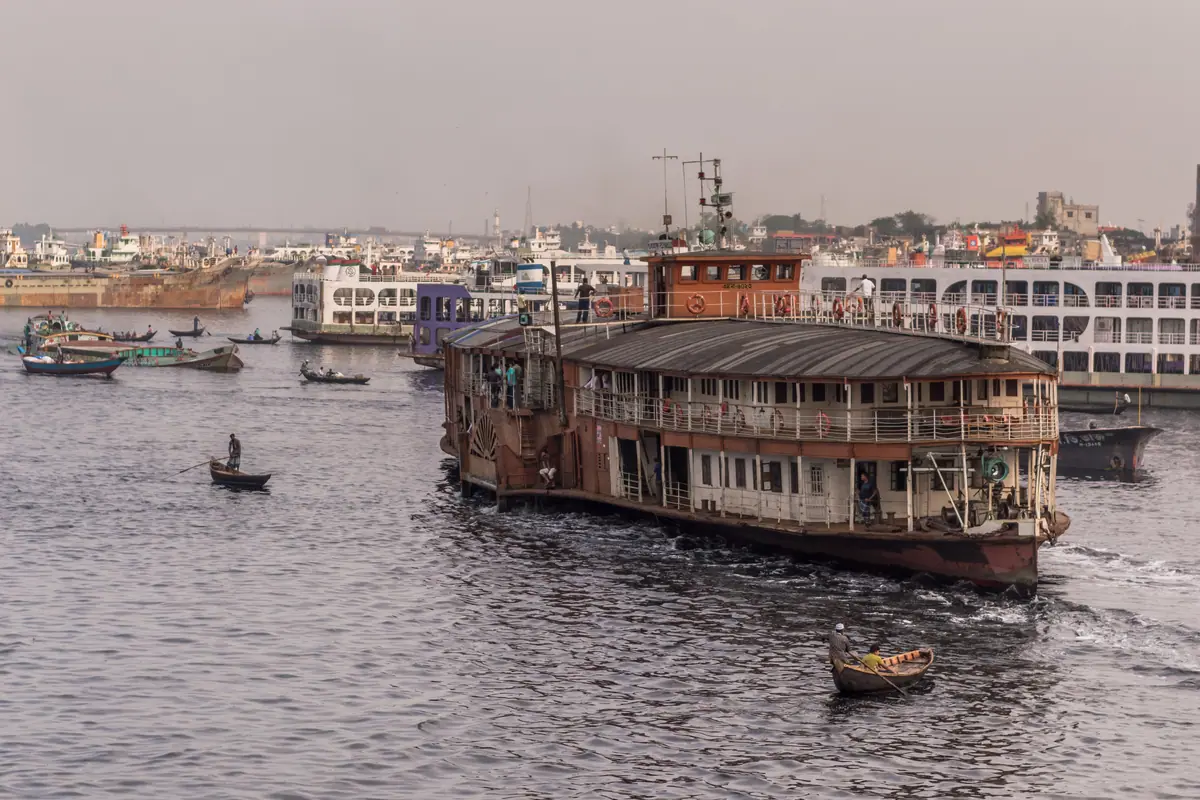
Sadarghat, the chaotic launch terminal on the Buriganga, is the beating heart of river travel. From here, hundreds of wooden ferries and steel launches depart for the southern districts, and a short dawn ride across the water gives you the classic Dhaka skyline view that no museum can match. If you want to understand how goods move in this delta, spend a morning at a wholesale market — mountains of aubergine, green banana, bitter gourd, river fish scaled and haggled over in seconds.
Bengali sweets deserve their own itinerary. In Tangail district, the small town of Porabari is famous for its dark, caramel-toned chomchom, while Comilla is known for roshomalai soaked in thick, cardamom-scented milk. Bogra's mishti doi — sweetened, caramelised yoghurt set in clay pots — is worth a detour on the road north, and every town has a jilapi stall where the coils come out of the syrup hot and crisp. Buy by the box; they are made to be shared.
For a savoury break, look for bhuna khichuri (rice and lentils cooked with ginger and ghee), tehari, and the triumphant winter plate of panta bhat — fermented rice soaked overnight, eaten with dried fish, mashed potatoes, green chillies and a squeeze of lime. It sounds austere and tastes like the whole countryside.
Sylhet: Tea Terraces, Swamp Forest and Seven-Layer Tea
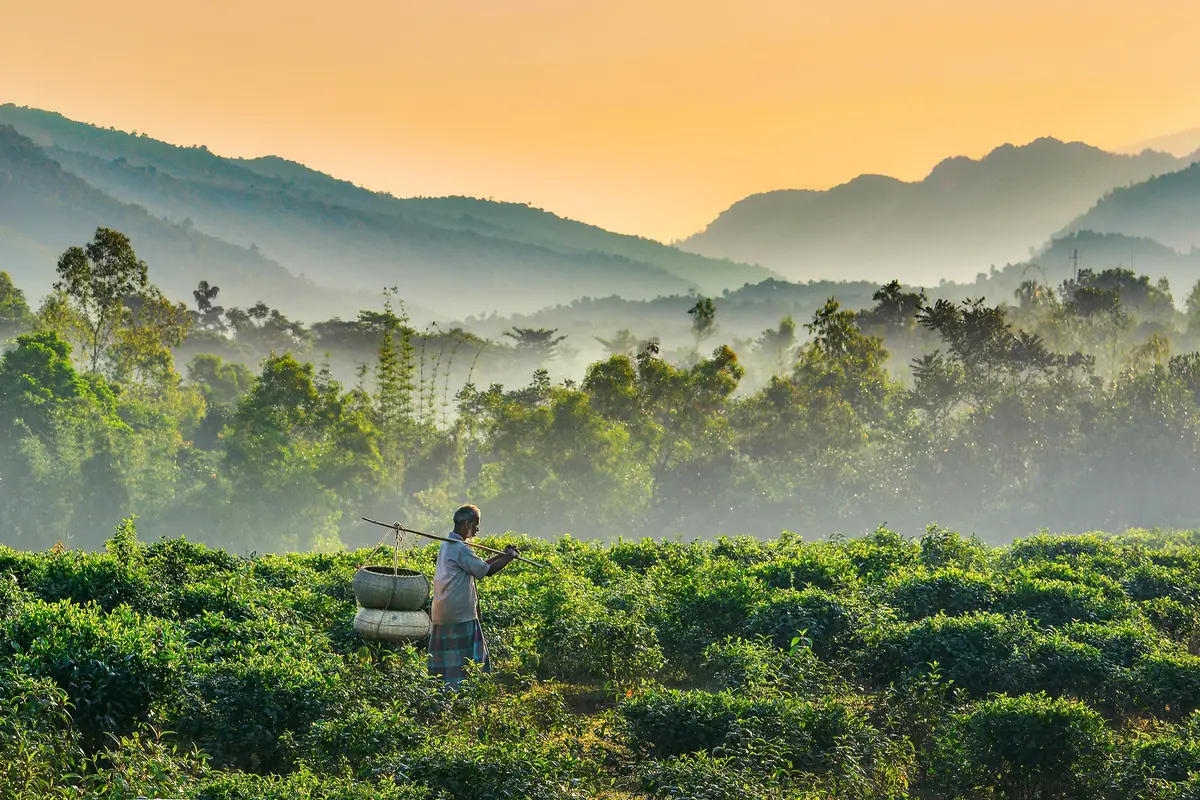
Head northeast to Sylhet, the region that supplies nearly all of the country's tea. Srimangal is the base: rolling green estates with colonial-era bungalows, pickers moving through the rows with woven baskets, and a leaf-collection scene worth photographing at first light. Nearby Lawachara National Park protects a patch of evergreen forest where gibbons call across the canopy, and Baikka Beel — a protected wetland — fills with migratory birds from November to February.
Srimangal's strangest and most delightful ritual is the seven-layer tea sold at wooden stalls along the highway: seven distinct teas poured in a single glass, each a different colour and sweetness, drunk layer by layer without stirring. Sit on a bench, order one, and watch the pourer work. The town also produces excellent pineapple and lemons, so fresh juice is cheap and plentiful.
Around Sylhet you can add the freshwater swamp forest of Ratargul, best explored by small boat during the monsoon when the trees stand in water, and the riverbank boulder country at Jaflong and Bichnakandi, where stone collectors wade in the shallows below the Indian hills. The shrine of Hazrat Shah Jalal in Sylhet city draws pilgrims year-round. Give the region three nights.
Mangroves, Tigers and the World's Longest Beach
The Sundarbans, the vast mangrove forest spread across the southwest, is the country's great wilderness — tidal creeks, mudflats, spotted deer, crocodiles and the Royal Bengal tiger. Most visitors join a two- to four-day boat trip from Khulna or Mongla, sleeping on the vessel and going ashore at Kotka, Hiron Point and Karamjal on forest department permits. November to February is the cool, dry window; after that the heat and cyclones make it uncomfortable. Dawn and dusk are when you hear the forest wake up, and the silence between bird calls is a large part of the experience.
If your trip lands in the cooler months, time it around the Rash Mela on Dublar Char, when pilgrims and traders gather on an island at the forest's edge for a few days of folk fairs and boat traffic. It is raw, crowded and unforgettable.
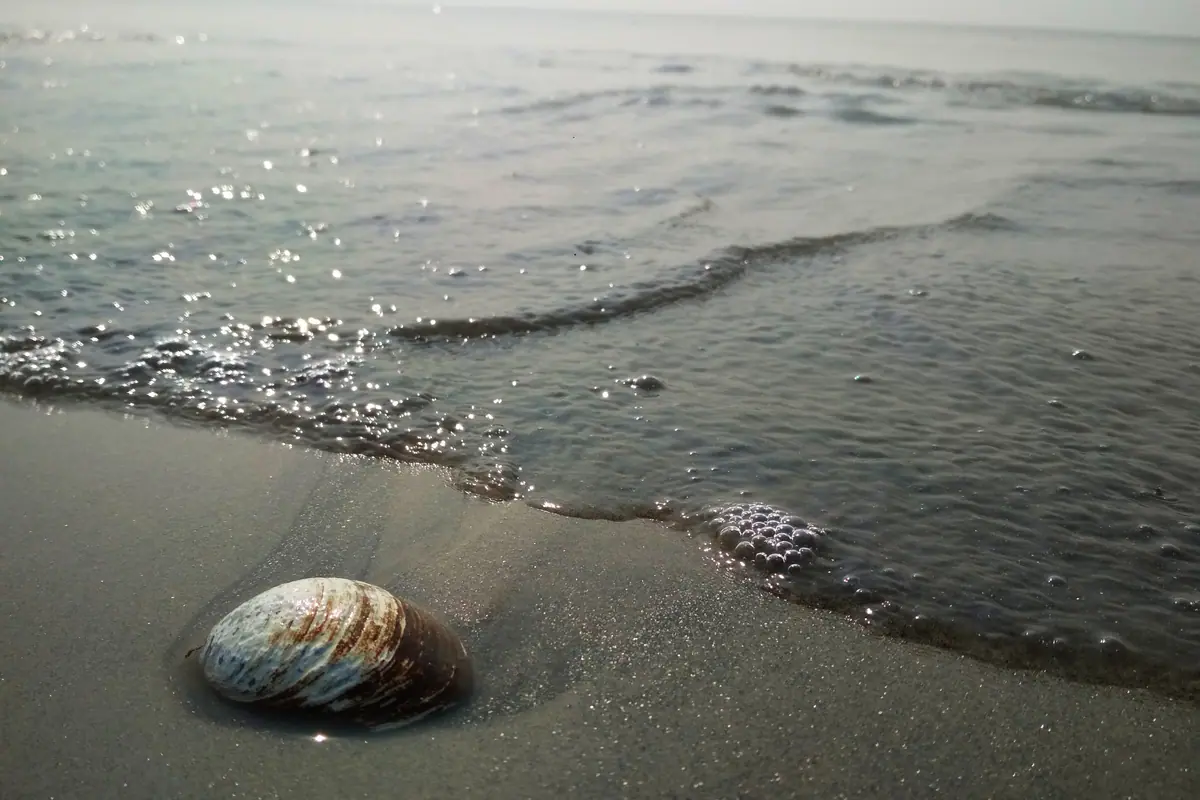
Then move to the coast. Cox's Bazar holds a 120-kilometre stretch of sand that ranks as the longest natural sea beach anywhere, with quieter pockets at Himchari and Inani where the hills meet the water. From Teknaf, boats run to tiny Saint Martin's Island between November and March, a coral-fringed dot where you can walk the whole shoreline before lunch and eat grilled fish with coconut rice.
Hill Country and the Heritage Trail
In the Chittagong Hill Tracts, Rangamati spreads around the artificial Kaptai Lake, its islands, hanging bridge and Chakma royal palace reached by boat. Bandarban is the higher, hillier neighbour: Nilgiri and Chimbuk for sunrise views over ridgelines, Sajek Valley for cloud-level mornings, and remote Boga Lake and Keokradong for serious trekkers. Foreign visitors need district permits for some of these areas, arranged a day or two in advance in Bandarban town. Marma, Chakma, Tripura and Bawn communities here cook with bamboo shoot, dried fish, sesame and rice wine, and a shared meal in a village homestay is the most memorable thing you will eat all trip.
For archaeology, loop north and west. Somapura Mahavihara at Paharpur in Naogaon district is a vast, terraced Buddhist monastery complex ringed by hundreds of cells, one of the largest such ruins in South Asia. Mahasthangarh near Bogra is among the oldest known urban sites in the region, and Dinajpur's Kantajew Temple is a breathtakingly carved terracotta Hindu monument.
In the southwest near Bagerhat, the Sixty Dome Mosque stands in a cluster of brick, domed, mosque-and-mausoleum architecture from the fifteenth century, with the shrine of Khan Jahan Ali beside it. Close to Dhaka, Sonargaon's Panam City offers a haunting row of abandoned merchant houses from the colonial cloth trade, and the nearby folk art collection explains the crafts you have been seeing for sale everywhere.
Seasons, Festivals and Practical Rhythm
Plan around the weather. October to March is dry, cool and comfortable — ideal for Dhaka, the Sundarbans, the coast and the hills. April and May get brutally hot, June to September brings the monsoon, which floods roads and turns Sylhet's swamp forest into a cathedral of green. If you can handle humidity and delays, the monsoon is spectacular for tea country and paddy landscapes, and hotel rates drop. Winter mornings are misty and chilly in the north; pack a light jacket for Sylhet and Rangamati in December and January.
Festivals shape the calendar more than any itinerary. Pohela Boishakh, the Bengali New Year in mid-April, fills Dhaka with processions, masks, red-and-white saris and endless street food, and shopkeepers close their old ledgers in the halkhata tradition. Durga Puja in autumn lights up Dhakeshwari Temple and neighbourhood pandals across the country. Winter is pitha season — rice-flour cakes steamed in banana leaf, fried, or soaked in syrup — sold from roadside stoves in every district. In Kushtia, the shrine of Lalon Shah hosts gatherings of Baul singers whose songs you will hear on buses and in tea stalls long after you leave.
Practical rhythm matters. Domestic travel is slow: a 300-kilometre road trip can take a full day, so break journeys with overnight stops. Trains and river launches are comfortable and worth taking once for the experience; internal flights cut the long hauls. Cash rules in markets and small towns, street food is safest when it is freshly cooked and busy, and always drink bottled or boiled water. Learn a few words of Bangla — greetings open doors here faster than anything else, and a shared plate of biryani is usually where the conversation starts.
Frequently asked questions
What is the best time of year to tour Bangladesh?
October to March is the sweet spot: dry, cooler weather suits Dhaka, the Sundarbans, Cox's Bazar and the hill districts. April and May are very hot, while June to September brings heavy monsoon rain — beautiful in tea country and Sylhet's swamp forests, but hard on road travel. Winter also brings pitha season and Baikka Beel's migratory birds.
What food should I try first in Bangladesh?
Start with kacchi biryani in Old Dhaka, mutton cooked with aged rice, potato and ghee. Then work through mustard hilsa, bhuna khichuri, panta bhat with dried fish, Chawkbazar kebabs, mishti doi from Bogra, chomchom from Porabari and a glass of seven-layer tea in Srimangal. Fuchka, chotpoti and jhalmuri are the everyday street snacks.
How long do I need for the Sundarbans?
Most mangrove trips run two to four days by boat from Khulna or Mongla, with stops at Kotka, Hiron Point or Karamjal. Permits are required and arranged through tour operators or the local forest office. November to February is the most comfortable window, and you will need insect repellent, long sleeves and patience — wildlife sightings are never guaranteed.
Do I need permits for the Chittagong Hill Tracts?
Yes for several areas, including parts of Bandarban and remote trekking routes such as Boga Lake. Permits are usually issued by the district administration in Bandarban town, and a local guide or guesthouse can help arrange them a day or two ahead. Rangamati and the Kaptai Lake area are generally easier to visit.
Is street food in Bangladesh safe for travellers?
Choose stalls with high turnover and food cooked to order in front of you, and avoid anything that has been sitting out. Drink only bottled or boiled water, skip ice in small towns, and carry oral rehydration salts and a basic remedy for upset stomachs. Freshly fried snacks, hot biryani from a busy kitchen and boiled sweets are generally low-risk choices.
Sort the rest of your trip
Everything for Bangladesh, in one place
Stay in Bangladesh
Hotels, guesthouses and apartments — compared in one search.
Search hotels
Transfer in Bangladesh
Private driver waiting on arrival — no queues, no surprises.
Book a transfer
Stay online in Bangladesh
Travel eSIM — data the moment you land, no roaming bills.
Get an eSIM