Bangladesh runs on water and heat: one long wet season that turns the deltas emerald, a brief cool winter that opens up the coast and the mangrove, and festival weeks when every decent room from Dhaka to Cox's Bazar is booked solid. Knowing which of those you are travelling into decides whether you get foggy mornings on the world's longest beach or boat rides through a flooded forest.
Winter (November to February): The Dry Season That Opens Everything Up
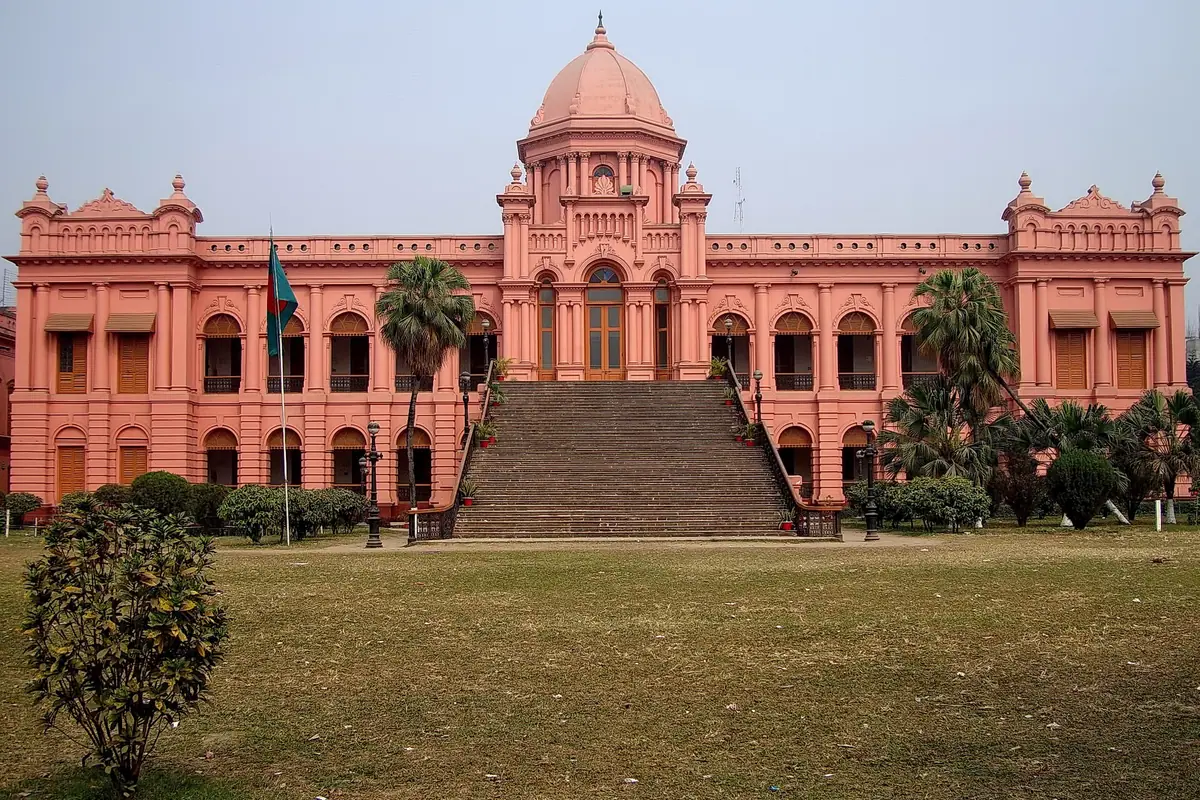
From late November the monsoon finally loosens its grip and Bangladesh becomes genuinely comfortable. Days sit in the mid-20s Celsius with low humidity and a soft haze, mornings can drop to around 12°C in Dhaka and cooler still in the northern districts, and rain is rare. This is the window when the country's headline sights are at their best: the Mughal-era Lalbagh Fort and the pink riverfront palace of Ahsan Manzil in Old Dhaka, the tiled Star Mosque and the Armenian Church in Armanitola, the Buddhist ruins of Somapura Mahavihara at Paharpur, and the vast granite stupa site at Mahasthangarh near Bogra.
It is also the only sensible stretch for the Sundarbans, the world's largest mangrove forest, where boat-based trips from Mongla and Khulna run roughly November to March and give you a real chance of spotting spotted deer, crocodiles and the pugmarks of Bengal tigers. Over on the coast, Cox's Bazar's 120-kilometre beach and the offshore coral island of Saint Martin's are at their calmest, with ferries crossing reliably from Teknaf and Chittagong. Inland, the National Martyrs' Memorial at Savar and Louis Kahn's monumental National Parliament complex in Dhaka are far more pleasant to walk around without the humidity.
The catch is demand. Christmas, New Year and the mid-December wedding season push coastal resorts and Dhaka's business hotels in Gulshan and Banani to their highest rates, so reserve four to eight weeks ahead. December and January also bring thick early-morning fog that delays flights and trains; book late-morning departures and keep a buffer day before any international connection.
March to May: Pre-Monsoon Heat, Thunder Storms and Cheaper Rooms
Spring in Bangladesh is a furnace with a temper. Temperatures climb past 35°C, humidity builds, and afternoons are often split open by the kalboishakhi — violent nor'wester squalls that arrive fast, dump rain and leave the air briefly breathable. Tourist numbers thin out, hotel rates in Dhaka and Cox's Bazar fall to their lowest of the year outside the monsoon, and you can often negotiate on the spot. The trade-off is that sightseeing has to be done before ten in the morning or after five in the evening.
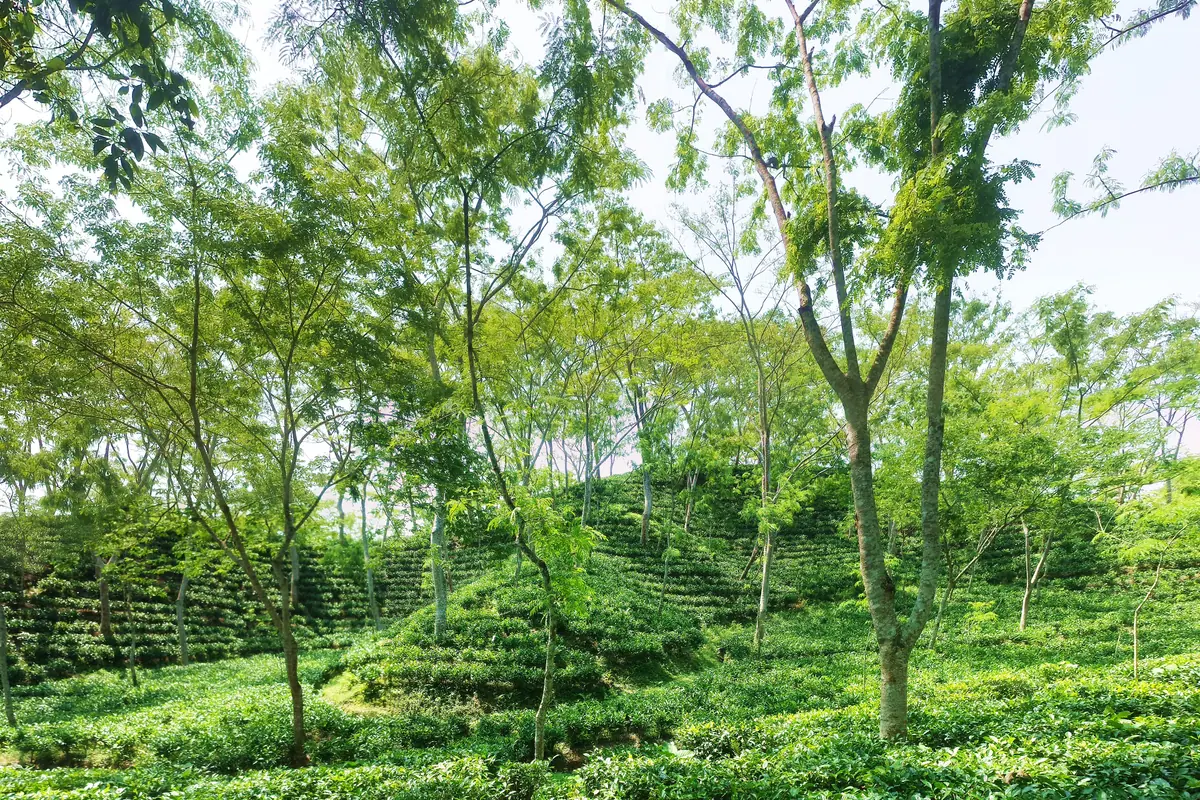
For the hill districts this is still a rewarding time. The Chittagong Hill Tracts around Rangamati, Bandarban and the cloud-wrapped Sajek Valley are green and warm, boatmen are happy for the work, and the tea gardens around Srimangal — including the trails through Lawachara National Park and the layered hills of Bisanakandi — are at their most lush. It is mango season in Rajshahi and Chapai Nawabganj, which is its own reason to head north.
Two practical warnings: air conditioning becomes non-negotiable, so filter your hotel search accordingly, and the Eid holidays can fill every mid-range hotel in the country within days as Bangladeshis travel en masse. If your dates overlap a major Eid, book hotels and domestic flights months out, not weeks.
June to September: Monsoon — Rivers, Waterfalls and a Very Different Country
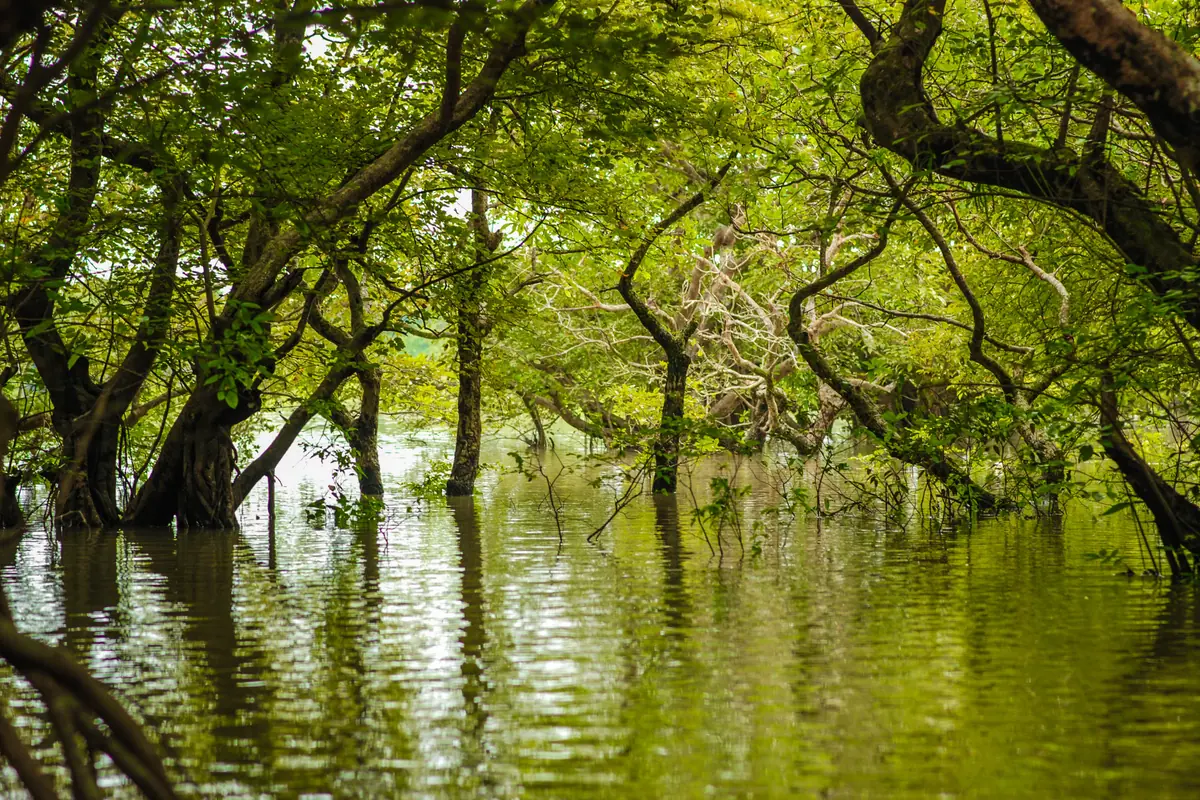
The monsoon rewrites the map. Rivers swell to several times their dry-season width, low-lying parts of Dhaka flood, and travel between cities slows to a crawl. It is also spectacular. In the Sylhet region you can take small boats through Ratargul Swamp Forest, where the trees stand waist-deep in water, and out to the stone-filled river at Jaflong and the Bholaganj quarries, all at their dramatic best with the rain pouring off the Meghalaya hills.
The hills turn into waterfall country, though accessing falls like Nafakhum in Bandarban requires patience, local guides and a tolerance for leeches and mud. Crucially, the Sundarbans is effectively closed to visitors during the monsoon, with permits suspended for safety and the fishing ban in force — do not build a mangrove safari into a June-to-August itinerary. Saint Martin's ferries also become unreliable in rough seas.
Hotel-wise this is the cheapest season of the year and the quietest, with backpacker guesthouses and business hotels alike slashing rates. Pack quick-drying clothes, sandals, a dry bag for electronics and mosquito repellent, and treat delays as part of the deal rather than a disaster.
Late September to Early November: Autumn, Festivals and Photogenic Skies
As the rain retreats, Bangladesh delivers its most underrated weeks. The land is at peak green, rivers still run high enough for boat trips, and the skies over the Chittagong Hill Tracts clear enough to make Rangamati's lake and the hilltop views around Bandarban genuinely memorable. Rice fields across the north turn gold, and photographers get the soft, dust-free light that winter's haze steals away.
This is also festival season. Durga Puja fills Dhaka's older neighbourhoods with temporary shrines and processions, particularly around Dhakeshwari Temple and the lanes of Old Dhaka, while the hill districts stage their own harvest celebrations. Hotels book out around the biggest festival days, especially in Dhaka and Chittagong, so check the religious calendar before locking in dates.
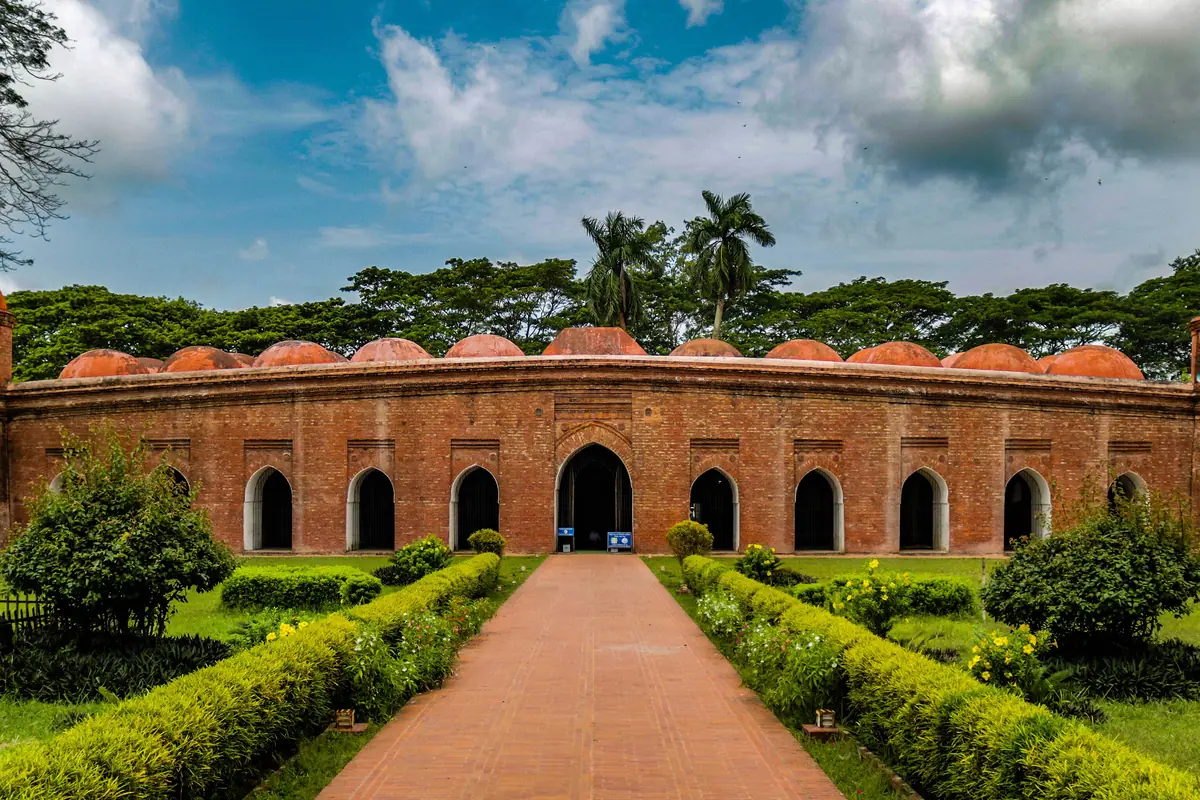
Late September and October are arguably the sweet spot for anyone who wants winter's comfort without winter's crowds. Rates sit in the middle, the countryside is at its most photogenic, and attractions such as the Sixty Dome Mosque in Bagerhat and Sonargaon's abandoned merchant town are far quieter than they will be in December.
Choosing a Base: Matching Your Hotel to the Season and the Region
Where you sleep shapes your trip more than the month does. Dhaka is the unavoidable hub, and its hotel geography splits neatly: Gulshan, Banani and Baridhara for international-standard comfort and easy airport access, Dhanmondi for leafy mid-range options, and Old Dhaka for characterful small hotels close to Lalbagh Fort and the river ghats. In winter, Dhaka hotels are business-driven and busiest midweek; in the monsoon they are quiet and negotiable.
On the coast, Cox's Bazar offers the country's densest concentration of beachfront resorts, from high-rise hotels on Kolatoli beach to quieter guesthouses at Himchari and Inani. Further west, Kuakata is the one place in Bangladesh where you can watch both sunrise and sunset over the sea, with simple motels and eco-cottages that fill fast in the winter peak. Saint Martin's Island keeps things basic in small beach bungalows — book early, and confirm that ferries are running before you commit.
For the Sundarbans, accommodation is mostly aboard the boat itself, with a handful of forest-station rest houses and eco-lodges at Mongla and Khulna; cabins are limited and typically sell out for the December-to-February window well in advance. In Sylhet and Srimangal, the best stays are converted tea bungalows and low-slung eco-resorts set among the gardens, while Rangamati and Bandarban favour lake-view resorts and stilted hillside cottages that can be chilly on winter mornings.
Practical Timing: How Long, When to Book and What to Pack
Ten days to two weeks is the realistic minimum for a first visit that combines Dhaka's sights, the Sundarbans or Sylhet, and the coast; anything shorter means picking one region and doing it properly. Domestic flights link Dhaka with Cox's Bazar, Chittagong, Sylhet, Saidpur and Rajshahi and can save days, but winter fog and monsoon storms both cause cancellations, so never schedule a domestic hop on the same day as an international departure. Overnight trains and long-distance buses cover the rest of the country cheaply and slowly.
Booking windows matter more here than in most of Asia. For the December-to-February peak, reserve coastal resorts, Sundarbans cabins and Dhaka hotels six to eight weeks ahead; for Durga Puja and the Eid periods, add another month. Outside those dates you can often walk in and negotiate, particularly in the monsoon.
Pack for heat first and cool nights second: light cotton layers, a rain shell for pre-monsoon squalls and hill showers, and a warm fleece if you are heading to Sajek or Bandarban between November and February. Bring cash in local taka for smaller towns and island guesthouses, carry a spare power bank for long bus and boat journeys, and keep insect repellent handy year-round — the mosquitoes are not seasonal.
Frequently asked questions
What is the best month to visit Bangladesh overall?
Late November to mid-February is the most comfortable window, with dry, mild days, calm seas and open access to the Sundarbans. If you want good weather with fewer crowds and lower hotel rates, aim for late September, October or the first half of November instead.
Can you visit the Sundarbans during the monsoon?
No. Boat tours and permits into the mangrove are suspended through the heavy monsoon months for safety and because of the annual fishing ban. Plan a Sundarbans trip between roughly November and March, and reserve your cabin several weeks ahead for the December and January peak.
When are hotels cheapest in Bangladesh?
The monsoon months of June to September bring the lowest rates and the most room to negotiate, followed by the hot pre-monsoon weeks of March to May outside the Eid holidays. Winter, festival dates and Eid periods are when prices peak and the best places sell out.
How many days do you need to see Bangladesh properly?
Ten to fourteen days lets you cover Dhaka's historic core, one river or hill region such as Sylhet or the Chittagong Hill Tracts, and the coast around Cox's Bazar. Trying to add the Sundarbans on top usually means extending to around two weeks, since boat trips alone take three to four days.
What should I pack for a trip to Bangladesh?
Light, breathable clothing, a waterproof layer for sudden rain, sandals you do not mind soaking, and strong mosquito repellent. Add a warm layer for hill towns and Sajek between November and February, when nights can be surprisingly cold, and carry cash for small towns and island guesthouses.
Plan it — hotels in Bangladesh
Live search, booked directly with trusted providers.
Sort the rest of your trip
Everything for Bangladesh, in one place
Transfer in Bangladesh
Private driver waiting on arrival — no queues, no surprises.
Book a transfer
Things to do in Bangladesh
Skip-the-line tickets, guided tours and standout experiences.
See experiences
Stay online in Bangladesh
Travel eSIM — data the moment you land, no roaming bills.
Get an eSIM