Bangladesh is a delta country of green rivers, tea hills, Mughal forts and the largest mangrove forest on earth — and where you sleep decides how much of it you actually see. Accommodation swings from polished towers in Dhaka's embassy district to stilted lake resorts in the Chittagong Hill Tracts and simple wooden boats in the Sundarbans. This guide maps the best bases, the landmarks worth building a trip around, and the seasons that make it all work.
Where to Stay in Dhaka: Choosing Your Neighbourhood
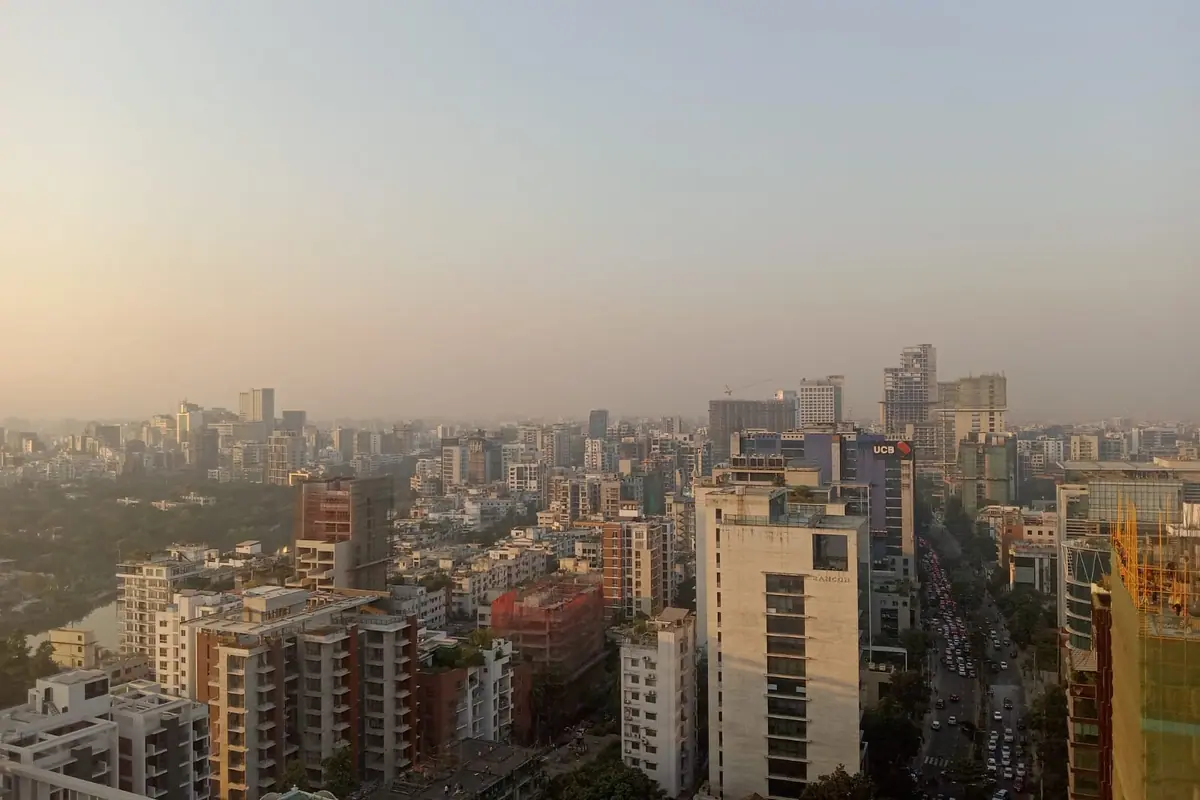
Almost every trip to Bangladesh starts in Dhaka, and your choice of neighbourhood shapes how much of the capital you genuinely enjoy. The northern diplomatic belt of Gulshan, Banani and Baridhara is where the most comfortable hotels cluster: high-rise addresses with pools, gyms, dependable generators, restaurants within walking distance and staff who speak fluent English. Gulshan is the safest first-timer's bet. Hazrat Shahjalal International Airport sits on the city's northern edge, but traffic can stretch a 30-minute transfer into 90 minutes, so leave buffer time on arrival and departure days.
For mid-range comfort with more character, Dhanmondi wins: lakefront walks, bookshops, cafés and straightforward access south towards Old Dhaka. Uttara is purely practical — handy for one-night layovers close to the airport. Budget guesthouses and plain business hotels cluster around Motijheel, Farmgate and Banglamotor, where you trade polish for proximity to the old city.
Small practical checks matter more here than in most destinations. Confirm generator backup, hot water and Wi-Fi quality instead of assuming them, especially outside the top-tier city hotels. Winter, from November to February, is peak season, and good rooms in Dhaka and Cox's Bazar sell out around public holidays — reserve well ahead. Cash still rules in smaller towns, so carry taka for guesthouses that cannot take cards.
Dhaka's Must-See Landmarks
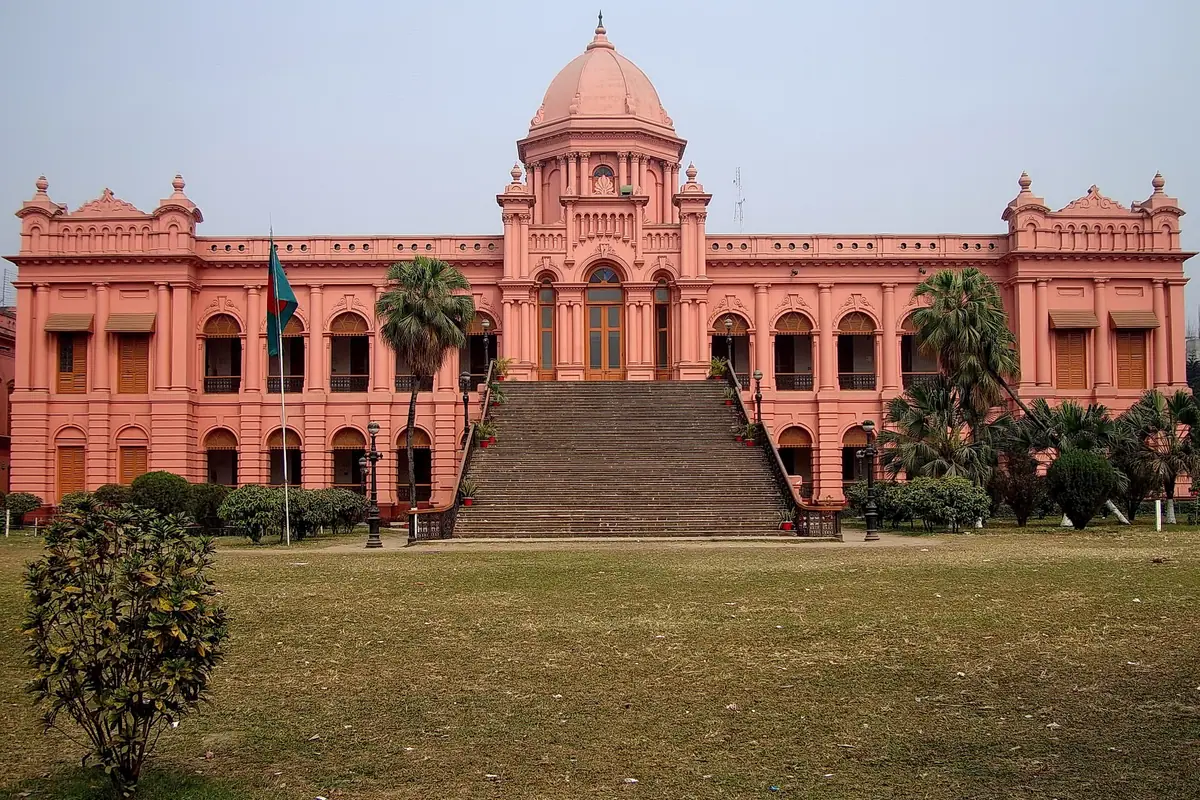
Start with Lalbagh Fort, the 17th-century Mughal complex whose unfinished walls, audience hall and the marble tomb of Pari Bibi sit just south-west of the old city. Allow an hour or two, and pair it with Ahsan Manzil, the pink riverside palace on the Buriganga that once belonged to Dhaka's wealthiest merchant family and now houses a museum of period rooms and colonial-era photographs. Both are best in the cool early morning before the heat and crowds build.
Old Dhaka then delivers its cluster of treasures: the Star Mosque with its blue mosaic stars, the Armenian Church of 1781, and Dhakeshwari Temple, the city's most important Hindu shrine. Finish at Sadarghat, the vast river terminal where you can hire a small wooden boat and drift past cargo ferries and floating markets on the Buriganga — one of the most memorable hours you can spend in Bangladesh.
Modern Dhaka deserves its own half-day. The National Parliament House, designed by Louis Kahn and ringed by water, is a modernist icon best viewed from the outside; nearby you will find Shahid Minar, the language-movement monument, and the red-brick Curzon Hall at Dhaka University. Add the National Museum for context on the 1971 Liberation War, and remember that some museums close one day each week, so check locally before setting out.
Cox's Bazar and the Southeast Coast
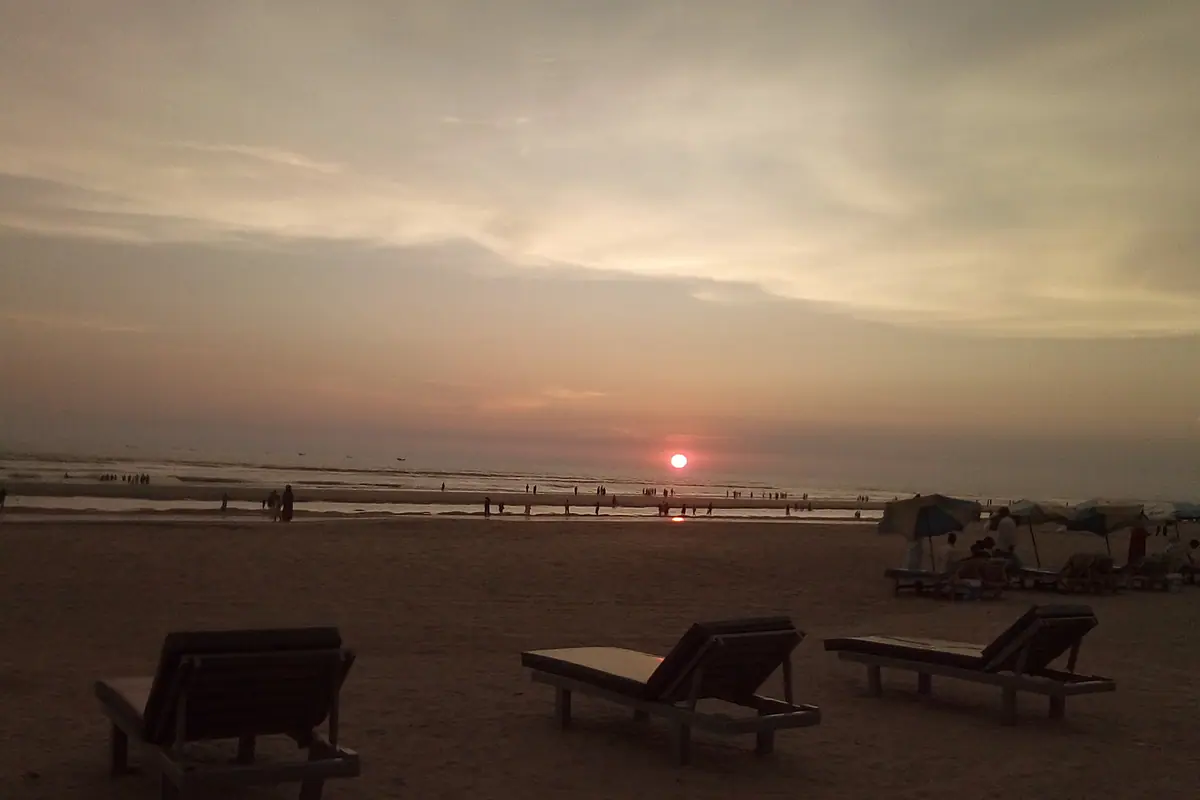
Cox's Bazar is Bangladesh's holiday capital, fronted by an unbroken sweep of sand that runs roughly 120 kilometres — one of the longest natural sea beaches anywhere. The hotel strip divides neatly: Kolatoli and Sugandha are the busy, walkable heart with everything from beachfront high-rises to cheap guesthouses, while southern stretches towards Inani trade convenience for quiet, coral stones and clear water. Book early for winter weekends and Eid holidays, when the town fills to bursting.
Use Cox's Bazar as a base for day trips. Himchari's hills and waterfall sit minutes south, Inani's rock-strewn shore is a little further, and Teknaf marks the far end of the peninsula where the Naf River separates Bangladesh from Myanmar. From Teknaf, boats run to Saint Martin's Island, a tiny coral outcrop with simple guesthouses, coconut groves and reef snorkelling; access is seasonal and regulated, so confirm boat schedules before planning around it.
On the way you will pass Chattogram, the country's second city and main port. Its Agrabad and GEC Circle districts offer the widest choice of business hotels, and it makes an easy stop for Patenga's breezy seafront, the Second World War cemetery and the ethnological museum before you push on towards the hill districts.
The Sundarbans: Sleep on a Boat in the Mangroves
The Sundarbans is the largest mangrove forest in the world, a World Heritage-listed maze of tidal channels, and home to Bengal tigers, spotted deer, saltwater crocodiles and hundreds of bird species. There are no conventional hotels inside it. Travellers sleep aboard purpose-built boats that cruise between forest stations, mooring overnight at places like Kotka and Hiron Point, or in basic forest rest houses where electricity is limited and mosquito nets are essential.
Most expeditions run two to four days and depart from Khulna or Mongla, both of which have functional hotels for the night before and after. Winter, from November to February, offers calm water, cooler air and the best wildlife sightings; tigers are rarely seen, but deer, monkeys, kingfishers and eagles are common. A licensed guide and permits are required, and reputable operators arrange everything as a package.
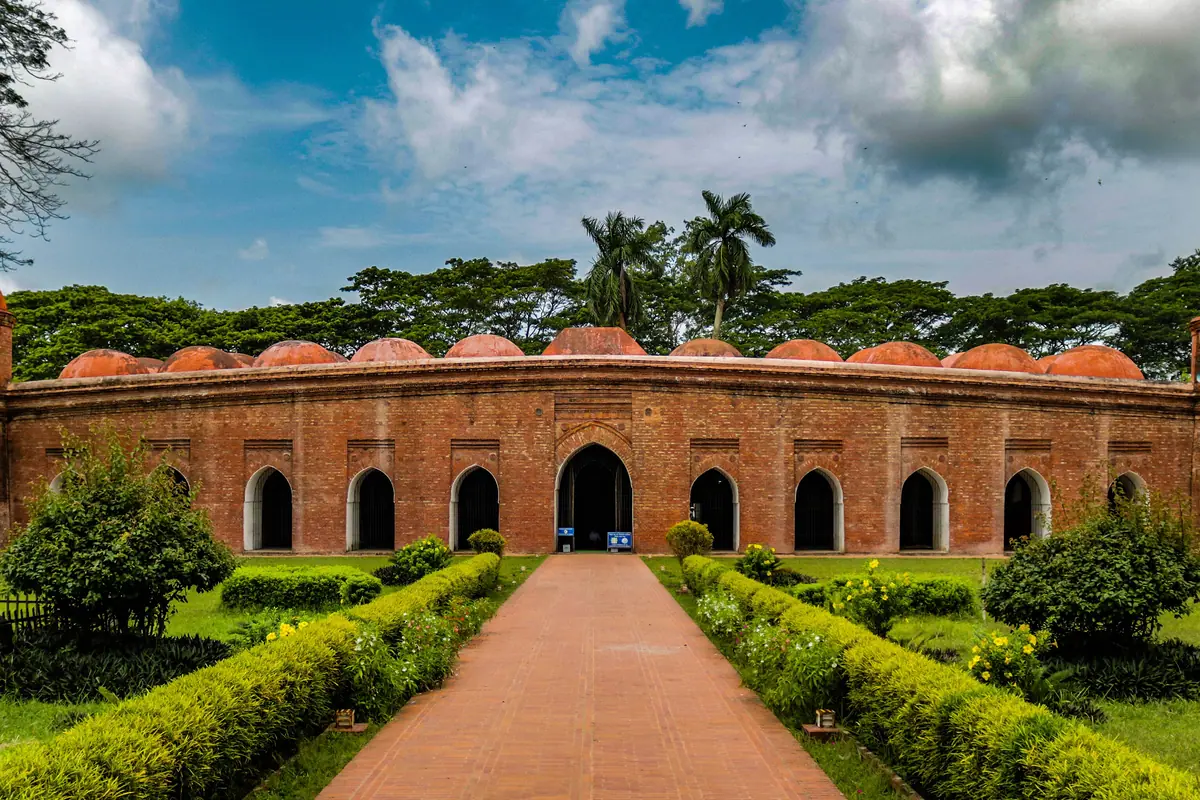
Pair the mangroves with the heritage town of Bagerhat, an easy detour on the road to Khulna. Its centrepiece is the Sixty Dome Mosque, a vast 15th-century brick mosque built by the saint Khan Jahan Ali, whose mausoleum sits nearby beside a large pond. Further east, Kuakata beach offers the unusual pleasure of watching sunrise and sunset over the same stretch of water, with simple local guesthouses rather than big resorts.
Hill Tracts and Tea Country: Rangamati, Bandarban and Sylhet
The Chittagong Hill Tracts are where Bangladesh turns dramatic. Rangamati wraps around Kaptai Lake, a vast man-made reservoir dotted with islands and reached by bamboo boats; the town's hanging bridge, tribal market and lake-facing resorts make it the most comfortable hill base, and lake-view rooms are worth the small premium. Bandarban, further south, is wilder — hilltop resorts look out over Chimbuk Hill and Nilgiri, while Boga Lake and the Nafakhum falls demand long, winding drives on rough roads.
Sylhet and Srimangal cover the green, tea-drinking side of the country. Srimangal calls itself the tea capital, and staying in a tea estate bungalow or small garden resort means waking up to endless clipped rows of bushes and mist. From there you can walk Lawachara National Park's trails, paddle through Ratargul's flooded swamp forest in monsoon season, and visit Bisanakandi and Jaflong near the Indian border. Sylhet city offers the region's most comfortable hotels around Zindabazar, plus its own airport.
Between November and February, add Tanguar Haor near Sunamganj, where thousands of migratory birds gather over the wetlands — you stay in simple guesthouses or on small boats in nearby villages. Distances on the map mean little here; a 90-kilometre hill road can take four hours.
The Northern Heritage Circuit and When to Go
North of Dhaka lies the country's richest archaeological trail. At Paharpur, the Somapura Mahavihara is an eighth-century Buddhist monastery complex — the largest of its kind south of the Himalayas and a World Heritage listing — with a cruciform temple at its centre and a small site museum. Nearby Mahasthangarh, near Bogra, is one of the oldest urban archaeological sites in South Asia. Further north, Dinajpur's Kantajew Temple is sheathed in extraordinary terracotta panels, while Rajshahi offers the Puthia Rajbari palaces and the Varendra Research Museum, plus the region's most comfortable hotels.
Closer to the capital, Sonargaon makes an easy day trip: the merchant street of Panam Nagar, a folk art and craft museum, and the crumbling grandeur of an old riverside capital. Combine it with a night in Dhaka rather than trying to find accommodation locally.
Timing decides everything. November to February brings dry, cool air, 12–25°C and the best conditions for cities, beaches and the Sundarbans. March to May turns hot and humid, pushing past 38°C before the monsoon. June to September soaks the country in heavy rain, greening the tea hills but flooding northern and hill roads. October and November are lovely and green, though the coast carries cyclone risk in May and late autumn.
Frequently asked questions
What is the best time of year to visit Bangladesh?
November to February offers cool, dry weather and the most comfortable hotel stays, making it ideal for Dhaka, Cox's Bazar and the Sundarbans. March to May is hot and humid, while June to September brings heavy monsoon rain and some flooded roads.
Where should first-time visitors stay in Dhaka?
Gulshan, Banani and Baridhara in the north have the most comfortable hotels, restaurants and reliable power backup, and suit first-timers well. Dhanmondi is the best mid-range choice, and Uttara is handy for a single night close to the airport.
Can you stay inside the Sundarbans mangrove forest?
There are no conventional hotels — visitors sleep on live-aboard boats that moor overnight at forest stations such as Kotka and Hiron Point, or in very basic forest rest houses. Trips of two to four days usually depart from Khulna or Mongla and require a guide and permits.
Are there beachfront hotels in Cox's Bazar?
Yes. Kolatoli and Sugandha Points hold the densest cluster of beachfront and budget accommodation, while quieter options sit towards Inani. Book well ahead for winter weekends and Eid holidays, when the town fills up.
Is hotel booking and travel between cities difficult?
Long hops are quickest by domestic flight, while overnight river launches and the national rail network connect Dhaka with Barisal, Khulna and Sylhet. Many city hotels arrange airport transfers, and asking about generator backup, hot water and Wi-Fi in advance saves surprises.
Plan it — hotels in Bangladesh
Live search, booked directly with trusted providers.
Sort the rest of your trip
Everything for Bangladesh, in one place
Transfer in Bangladesh
Private driver waiting on arrival — no queues, no surprises.
Book a transfer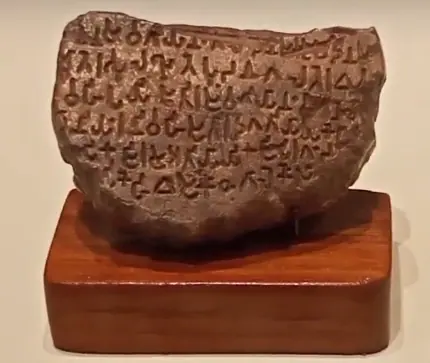
Things to do in Bangladesh
Skip-the-line tickets, guided tours and standout experiences.
See experiences
Stay online in Bangladesh
Travel eSIM — data the moment you land, no roaming bills.
Get an eSIM