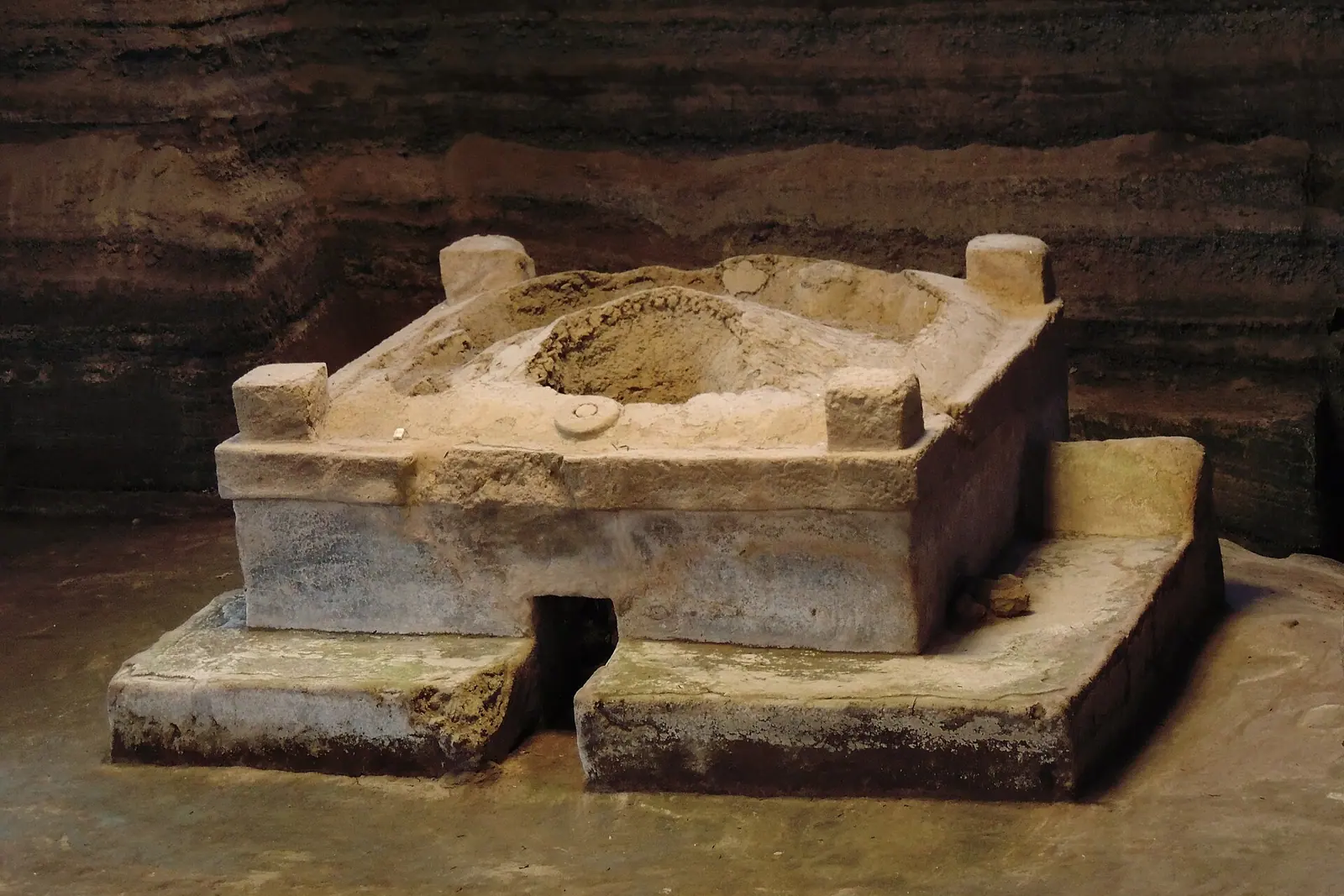
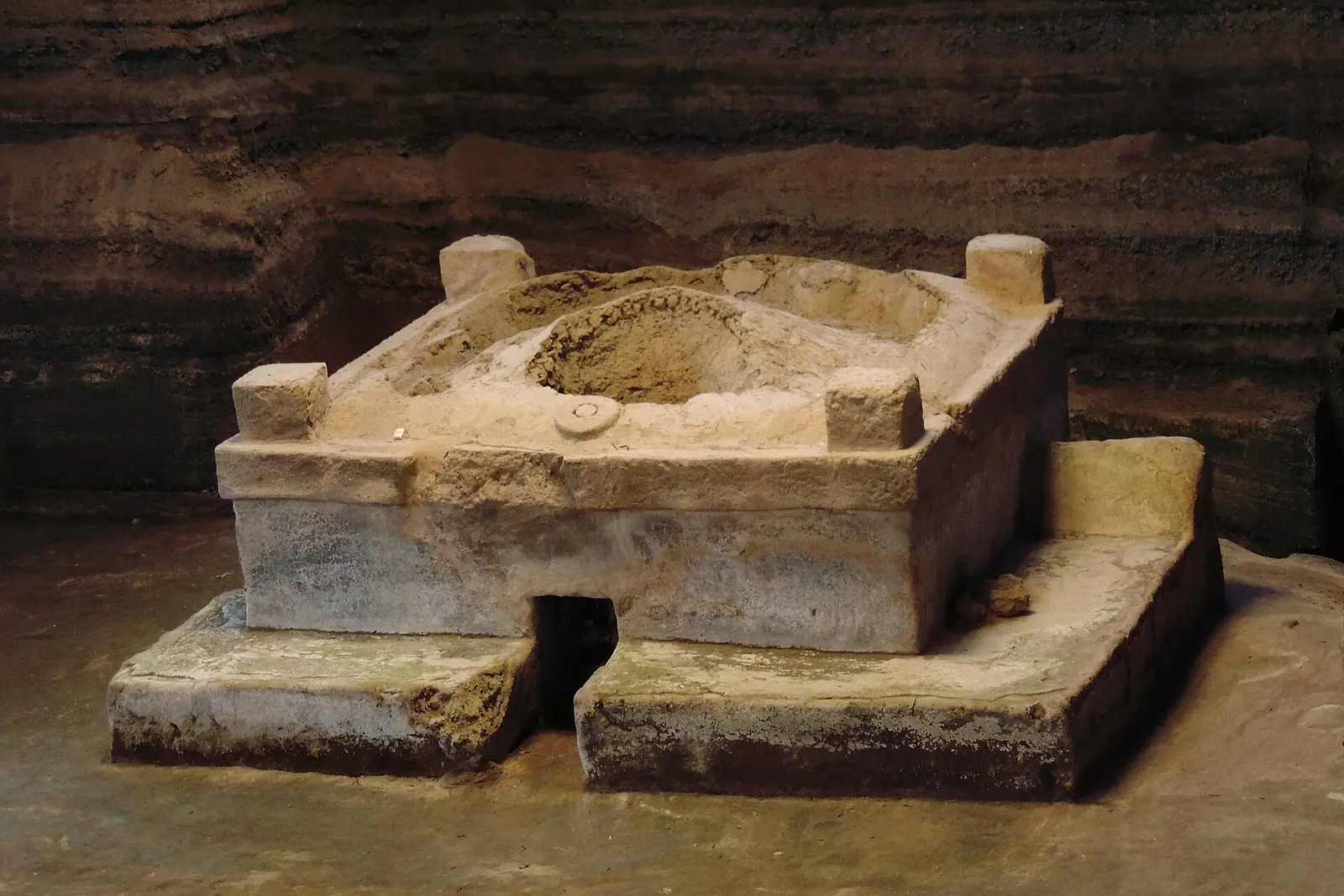
El Salvador packs volcanoes, black-sand surf breaks, cobbled colonial towns and Maya ruins into a country you can cross by car in a single afternoon. Where you sleep shapes the trip more here than almost anywhere: a city hotel puts you minutes from grand cathedrals and museums, while a beach cabaña or a coffee-finca guesthouse turns the whole journey into one long, warm evening.
Choosing Your Base: How El Salvador's Geography Shapes Where You Sleep
El Salvador is the smallest country in Central America, roughly the size of Massachusetts, and that compactness is a gift. You can breakfast beside the Pacific in El Tunco, lunch in the cool highlands of the Ruta de las Flores and watch sunset over a crater lake without ever driving more than three hours at a stretch. The catch is that each region has a distinct personality, and the hotel you book decides which version of the country you experience.
The accommodation map breaks into four rough zones. San Salvador, the capital, is the business and cultural hub, with towers of modern hotels in the Escalón, San Benito and Zona Rosa districts. The Pacific coast, marketed as Surf City, runs from the port of La Libertad east to El Cuco and beyond, offering everything from surf hostels to polished boutique properties with infinity pools. Inland, colonial Suchitoto and the coffee towns of the Ruta de las Flores favour small guesthouses in whitewashed buildings. Around Santa Ana and the western volcanoes, lakeside villas and hacienda-style lodges serve travellers heading for the crater trails and archaeological parks.
Think about what you want your mornings to look like. If it is markets, museums and a strong coffee in a city café, stay in San Salvador and take day trips. If it is waves, hammocks and fresh fish, the coast is the obvious answer. If it is misty mountains and colonial arcades, head inland.
San Salvador: City Hotels Near the Country's Greatest Landmarks
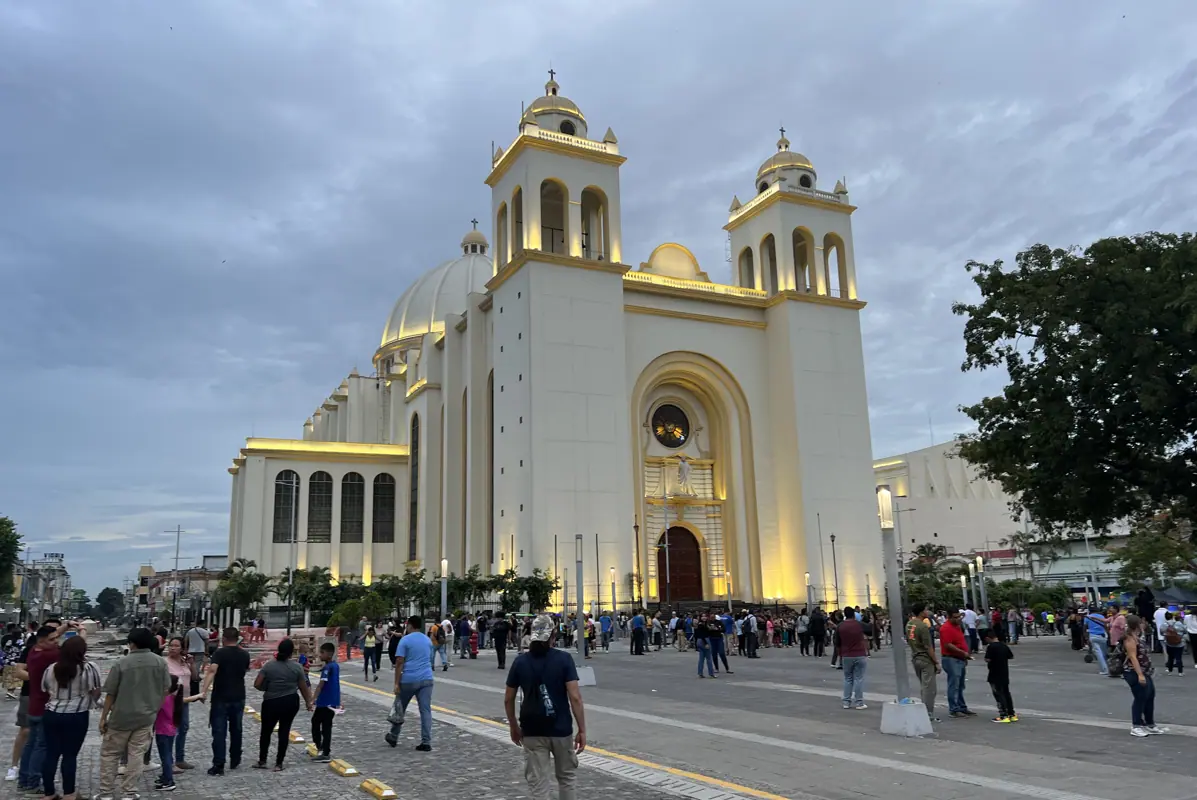
The capital rewards travellers who stay central. The historic heart clusters around Plaza Libertad, where the Metropolitan Cathedral, the National Palace and the National Theatre sit within a few blocks of each other. The cathedral is the burial place of Archbishop Óscar Romero and remains the emotional centre of the city; the National Palace, with its colonnaded courtyard and carved ceilings, gives a vivid sense of nineteenth-century civic ambition. A short walk away, Iglesia El Rosario is the surprise showstopper, a concrete shell whose rainbow-coloured stained glass throws bands of light across the floor at midday.
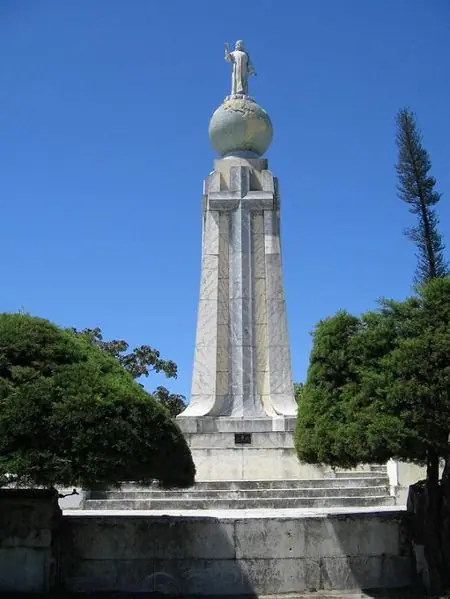
Staying in the Escalón or Zona Rosa districts puts you fifteen minutes from all of that, plus close to the Museum of Art, the anthropology galleries and the restaurant strips that fill up after dark. A short taxi ride west brings you to the Monument to the Divine Savior of the World, the country's most photographed roundabout, and to Parque Cuscatlán, a green lung with a sobering memorial wall. South of the city, the viewpoints at Los Planes de Renderos and the wind-scoured rock ledge of the Puerta del Diablo look out over Lake Ilopango's volcanic caldera, an easy half-day trip from any downtown hotel.
Choose your neighbourhood with the evening in mind. The historic centre is busiest and best visited by day, while Escalón, San Benito and Zona Rosa stay lively and well lit late into the night, with easier parking and more reliable hot water and air conditioning. Rooms in the centre tend to be cheaper and more basic; rooms in the business districts cost more but come with rooftop pools, gyms and airport shuttles.
The Pacific Coast: Surf Hotels from El Tunco to El Cuco
El Salvador's Pacific shoreline is a string of dark volcanic sand, warm water and reliable waves. El Tunco is the hub, a tiny village of surf shops, smoothie bars and low-slung hotels built into the rocks, where a famous rock formation frames the sunset and the break at El Sunzal works most of the year. Neighbouring El Zonte is quieter and gentler, with a right-hand point break that suits longboarders and beginners, while Playa San Blas near the port of La Libertad attracts families and weekenders from the capital.
Accommodation here ranges from dorm beds in surf hostels to boutique hotels with ocean-view terraces, plunge pools and yoga decks. La Libertad's malecón and fishing pier are worth an early morning visit, when boats unload the night's catch and ceviche stalls set up beside the water. Further east, the shoreline grows wilder: Punta Mango serves up serious waves for experienced surfers, while El Cuco offers long, calm stretches backed by simple beach guesthouses and seafood shacks.
Timing matters. The biggest south swells roll in from March through October, with the cleanest conditions often in the shoulder weeks either side of the rainy season. El Salvador's dry season, roughly November to April, brings sunny beach days and cool nights; May to October is greener, cheaper and wetter, though rain usually arrives as a late-afternoon downpour rather than all-day drizzle. Book well ahead for Semana Santa and long weekends, when coastal rooms sell out across the board.
Suchitoto and the Ruta de las Flores: Colonial Guesthouses Inland
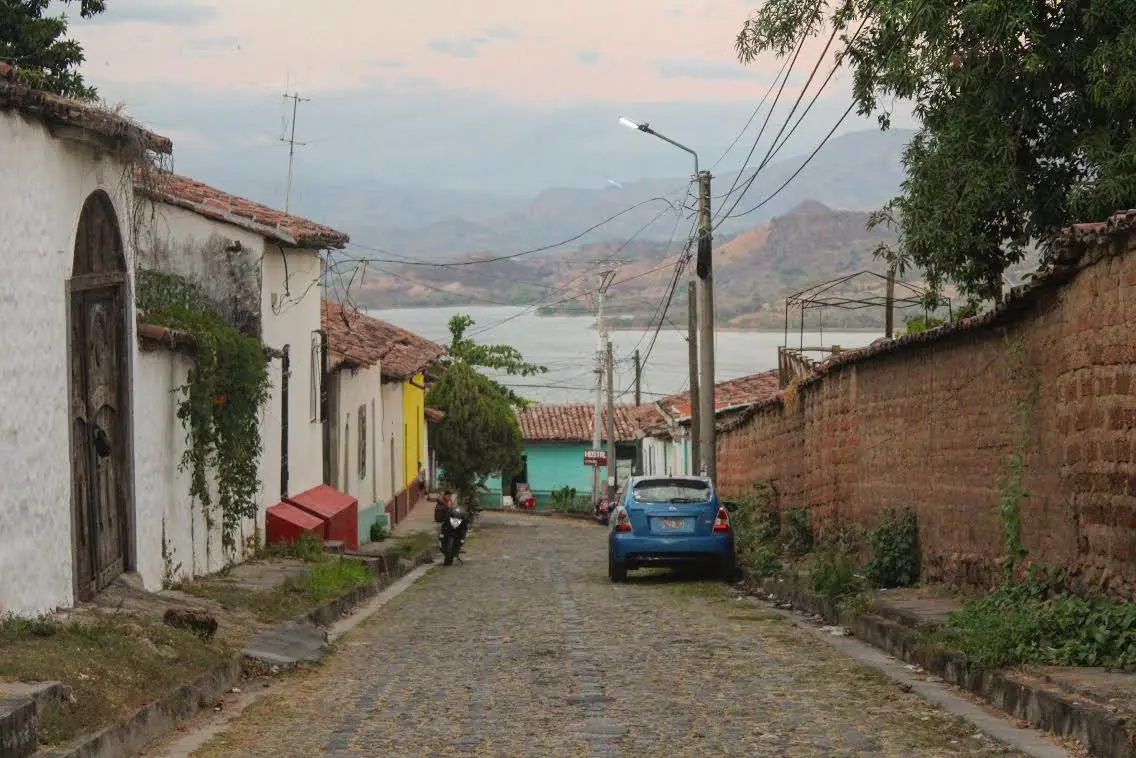
For cobblestones and calm, Suchitoto is the country's most atmospheric small town. Whitewashed houses with red-tiled roofs climb a hillside above Lake Suchitlán, and the twelfth-century-style Church of Santa Lucía anchors a square that fills with birdsong at dusk. Stay in a converted colonial house or a small boutique inn and you can walk to the Casa de la Cultura, the indigo-dye workshops and the boat docks where launches carry visitors out to the Isla de los Pájaros bird sanctuary on the lake.
West of the capital, the Ruta de las Flores threads through coffee country. Juayúa hosts a weekend food festival that draws crowds from across the country and sits near the Los Chorros de la Calavera waterfall trail. Concepción de Ataco is known for its mural-painted walls and textile cooperatives, Apaneca for coffee fincas and the emerald Laguna Verde, and Nahuizalco for a night market lit by lanterns. Salcoatitán, sandwiched between them, is small enough to wander in twenty minutes. Most travellers base themselves in Juayúa or Ataco and drive the route over two or three days.
The lodging style here is intimate: family-run posadas, restored coffee haciendas with fireplaces, and cabins tucked into the pine slopes around Alegría further east. Nights in the highlands are noticeably cooler than the coast, so a jumper and a hotel with blankets matter more than air conditioning. Weekends bring domestic visitors and higher rates; midweek you may have an entire courtyard to yourself.
Volcanoes, Lakes and Maya Ruins: Adventure Bases in the West
Santa Ana, the country's second city, makes an excellent base for the western highlights. Its Parque Libertad is flanked by a neo-Gothic cathedral and a handsome nineteenth-century theatre, and hotels in the surrounding streets are inexpensive, friendly and within walking distance of both. From here you can join early-morning hikes up the Santa Ana volcano to a turquoise crater lake, walk the trails of neighbouring Cerro Verde and admire the perfect cone of Izalco, once known as the lighthouse of the Pacific for its guiding eruptions.
Nearby Lake Coatepeque fills a vast volcanic caldera, and lakeside villas and restaurants make a memorable overnight stop, especially at sunset when the water turns copper. Just south, the archaeological parks at Joya de Cerén, a UNESCO-listed Maya village preserved under ash, and San Andrés and Tazumal near Chalchuapa give a grounded sense of the region's deep history. Tazumal's stepped pyramids and ball court are among the best-preserved in the country.
Further afield, El Imposible National Park offers cloud-forest hiking from lodges around Tacuba, and the far east around Perquín combines mountain scenery with the Museum of the Revolution, a moving record of the civil war. The Bay of Jiquilisco, a maze of mangroves and islands, has a handful of eco-lodges where you can kayak at dawn. Distances look short on a map, but winding mountain roads slow everything down, so plan one major site per day and leave the evenings free.
Practical Tips for Booking and Staying Well in El Salvador
The country uses the US dollar as its currency, so there are no exchange-rate surprises, though it helps to carry small bills because change can be scarce in rural areas. Cards are widely accepted in city hotels and larger coastal properties but rarely in family guesthouses, market stalls or remote comedores. Tipping is appreciated but modest, and many hotels add service to restaurant bills automatically.
Expect a wide comfort range. City and boutique hotels generally have air conditioning, reliable hot water and Wi-Fi; beach cabañas and highland posadas may offer fans, cold showers and patchy connections instead. Tap water is not safe to drink, so most places provide filtered water or sell bottles. Pack insect repellent for the coast and lowlands, especially in the rainy months, and a light rain shell between May and October.
The best months for travel are December through March, when the dry season is at its most dependable and the Pacific coast delivers long, clear days. April and November are shoulder-season bargains with occasional showers, while May to October brings lush green landscapes, lower room rates and afternoon storms. Avoid arriving without a reservation during Semana Santa, the August festivals in San Salvador, or Christmas week, when domestic tourism fills every decent room from the capital to the coast. Renting a car gives you the most freedom for the Ruta de las Flores and the western ruins; otherwise, shuttle services and intercity buses connect the main towns, and ride-hailing apps work well in San Salvador.
Frequently asked questions
Where should a first-time visitor stay in El Salvador?
Split your trip. Base yourself in San Salvador's Escolón or Zona Rosa districts for two or three nights to see the Metropolitan Cathedral, Iglesia El Rosario and the National Palace, then move to the Pacific coast around El Tunco or El Zonte for beaches and surf. Add a night in colonial Suchitoto or the Ruta de las Flores if you have a week or more.
Is El Salvador safe for tourists staying in hotels?
The main tourist routes, including the capital's business districts, the Surf City coast, Suchitoto and the Ruta de las Flores, are well travelled and generally trouble-free. Use registered taxis or ride-hailing apps after dark, keep valuables in your hotel safe, avoid walking unlit streets at night, and ask your hotel for current local advice before heading somewhere unfamiliar.
What is the best time of year to visit El Salvador?
December through March offers the most reliable dry, sunny weather and the best beach conditions. April and November are quieter shoulder months, while May to October is the rainy season, with lush scenery and lower hotel rates but frequent afternoon downpours. Book far ahead for Semana Santa and the August festivals.
Do hotels in El Salvador accept US dollars?
Yes. The US dollar is El Salvador's official currency, so you can pay in dollars everywhere. Carry small denominations for markets, buses and rural guesthouses, and keep a card for larger city and beach hotels, which usually accept them.
Do I need a car to get around El Salvador?
A rental car is the most flexible option for the Ruta de las Flores, Lake Coatepeque and the western archaeological parks, where buses are slow and infrequent. If you prefer not to drive, shuttle services and comfortable intercity coaches link San Salvador, Santa Ana, La Libertad and the main surf towns, and ride-hailing apps cover the capital cheaply.
Plan it — hotels in El Salvador
Live search, booked directly with trusted providers.
Sort the rest of your trip
Everything for El Salvador, in one place
Transfer in El Salvador
Private driver waiting on arrival — no queues, no surprises.
Book a transfer
Things to do in El Salvador
Skip-the-line tickets, guided tours and standout experiences.
See experiences
Stay online in El Salvador
Travel eSIM — data the moment you land, no roaming bills.
Get an eSIM