Ecuador squeezes snowcapped volcanoes, baroque plazas, cloud forest and sea-lion beaches into a country smaller than many European nations. Where you sleep shapes what you see: a courtyard hotel in Quito's old town puts gilded churches on your doorstep, while a Galápagos guesthouse trades traffic for marine iguanas on the malecón. This guide maps the country's key bases and the landmarks that justify each one.
Quito: Sleeping Inside a Baroque Capital
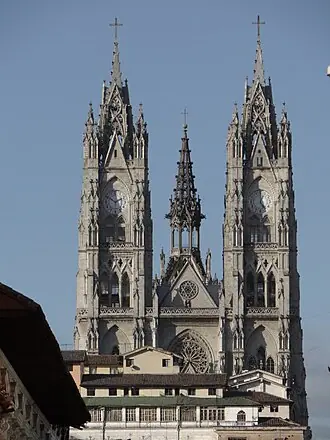
Ecuador's capital sprawls down a valley beneath the Pichincha volcano at roughly 2,850 metres, and its UNESCO-listed historic centre is the reason many travellers base themselves here first. Choose a boutique hotel in a restored casona and you can walk to the Plaza Grande, the neo-Gothic Basílica del Voto Nacional with its gargoyles of native wildlife, and the Iglesia de La Compañía de Jesús, whose interior is layered in gold leaf. Cobbled Calle La Ronda fills with musicians after dark, while the El Panecillo hill and its winged Virgin statue watch over the rooftops.
Modern Quito offers a different stay entirely. The leafy streets of La Floresta and La Carolina suit travellers who want contemporary design, cafés and easy access to the TelefériQo cable car, which climbs Cruz Loma for panoramic views over the city and the Avenue of the Volcanoes. La Mariscal remains the backpacker heart, dense with hostels and tour agencies. Whichever area you pick, treat your first night gently: at this altitude, hydration and a light dinner beat a late night.
Allow two to four nights, using the city for day trips to the Mitad del Mundo monument on the equator and the green bowl of the Pululahua crater. The clearest skies come from June to September and again in December and January; February to May brings afternoon showers that rarely last long.
Cuenca and the Southern Highlands
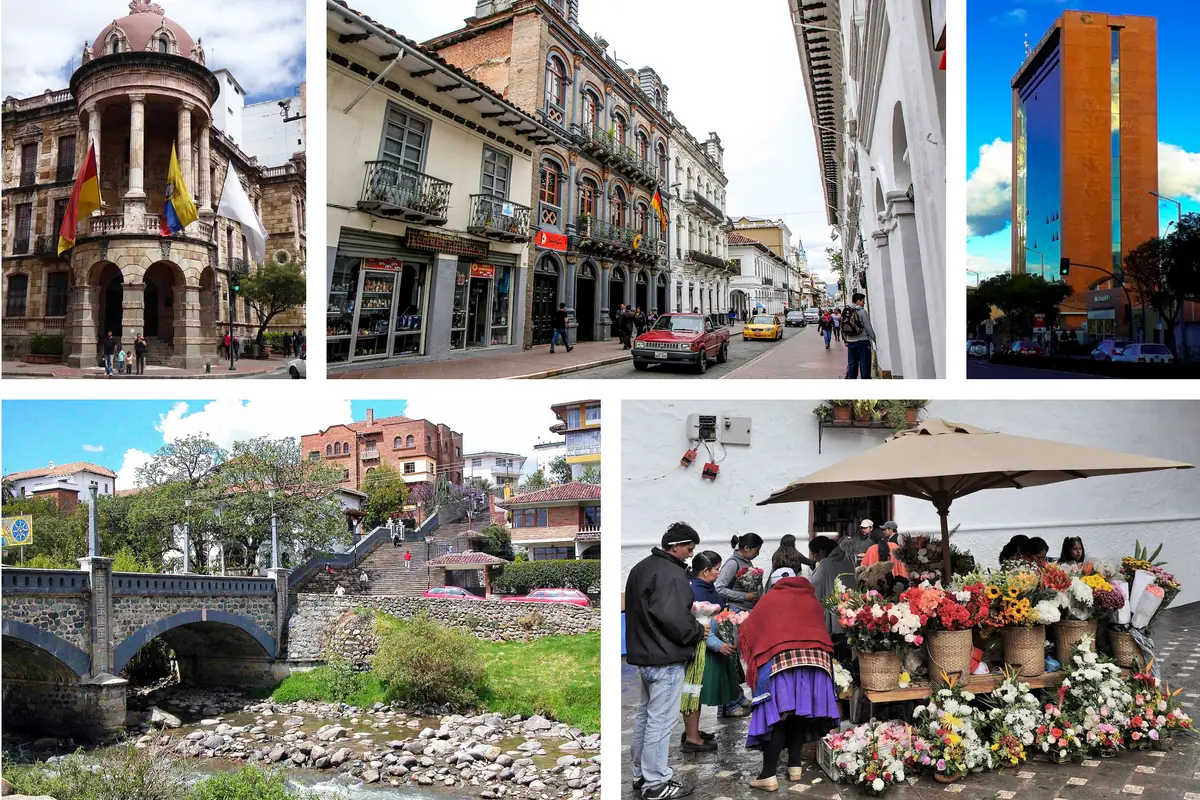
Cuenca is Ecuador's most elegant city, a grid of whitewashed walls and wrought-iron balconies set at 2,560 metres. Its skyline is defined by the blue domes of the Catedral de la Inmaculada Concepción on the Plaza Calderón, and the riverside walk of El Barranco hangs above the Tomebamba. Many of the best places to stay occupy republican-era mansions, with interior courtyards, tiled roofs and breakfast served under a glass gallery. The Museo Pumapungo, with its Inca foundations and shrunken-head gallery, and the flower market at Plaza de las Flores are both a short stroll away.
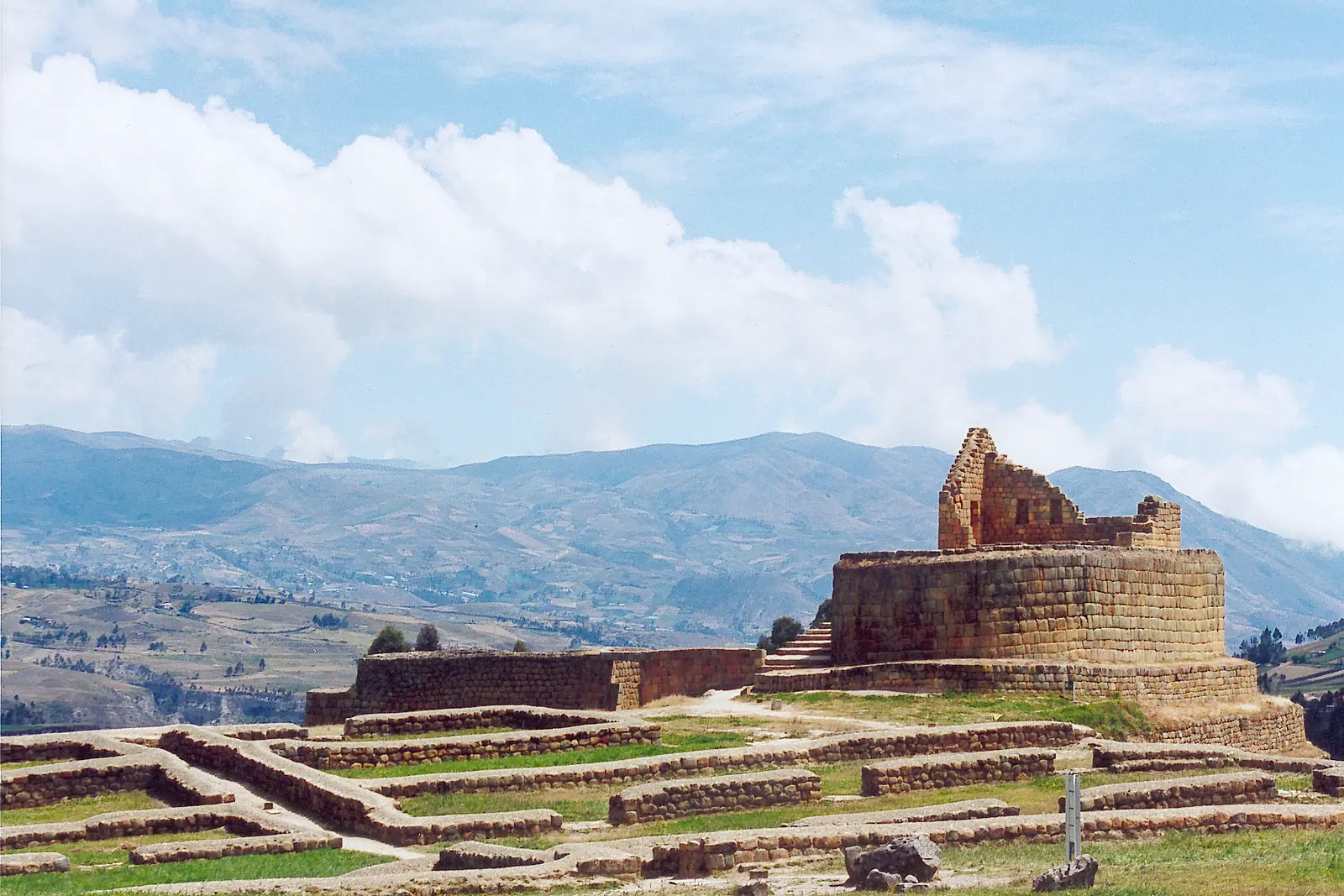
The surrounding highlands reward a longer stay. El Cajas National Park, half an hour away, is a maze of glacial lakes and twisted polylepis forest laced with hiking trails. Further out, Ingapirca is the country's most significant Inca ruin, a sun temple built from precisely fitted stone, while the craft villages of Gualaceo and Chordeleg specialise in ikat textiles and filigree silver. On the road towards the Peruvian border, Loja is a cultured university town and Vilcabamba a warm valley famous for long-lived residents.
Cuenca's climate is mild year-round, which means packing layers rather than a heavy coat. Two or three nights covers the city comfortably; add a night or two if you plan to hike in El Cajas or ride the heritage railway route towards Alausí and the Nariz del Diablo.
Galápagos: Lodgings Where Wildlife Sets the Schedule
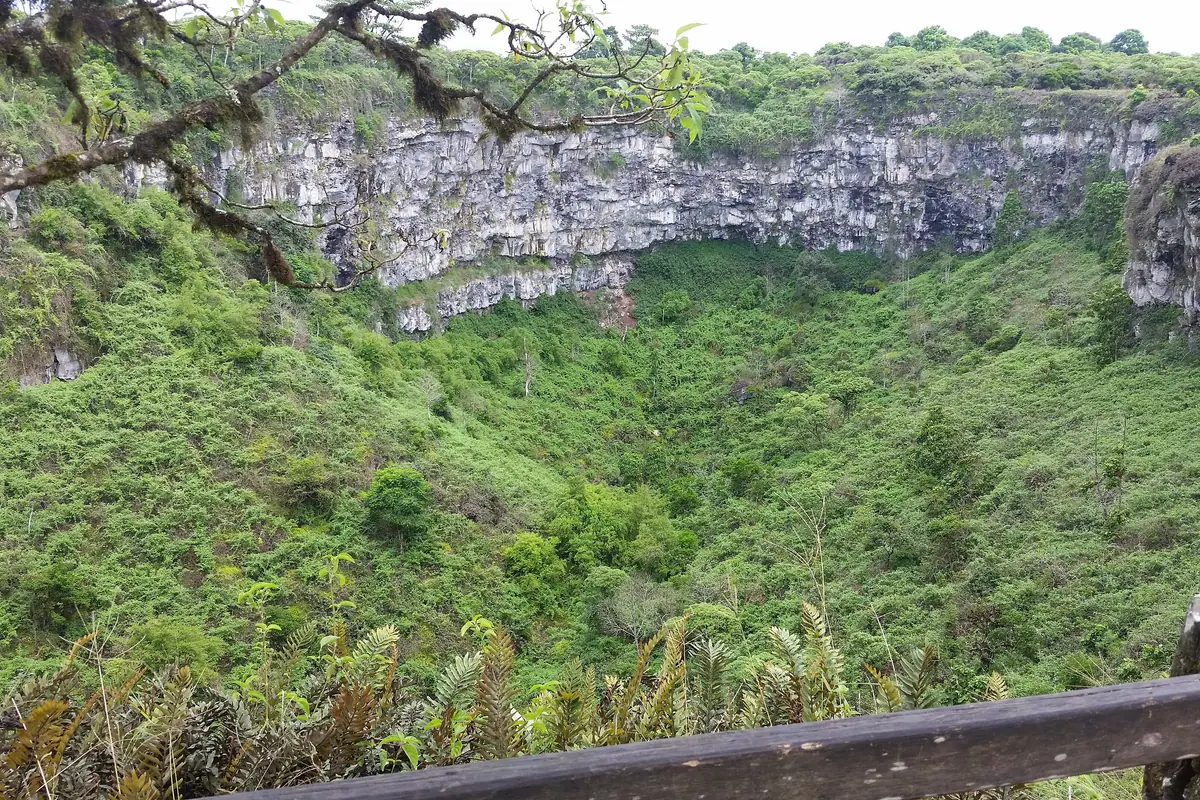
Most land-based visitors stay in Puerto Ayora on Santa Cruz, a waterfront town of small hotels, family-run guesthouses and a handful of smarter options. From here you can walk to Tortuga Bay, a white-sand beach reached by a marked trail, visit the Charles Darwin Research Station to see giant tortoise breeding programmes, and head into the highlands for wild tortoises, lava tunnels and the twin craters of Los Gemelos. Rooms are limited and fill fast, so book well ahead.
San Cristóbal's capital, Puerto Baquerizo Moreno, is quieter, with sea lions dozing on the harbour benches and easy access to La Lobería, Punta Pitt and the volcanic spire of Kicker Rock. Isabela is the largest island and the least developed: from Puerto Villamil you can hike to the vast Sierra Negra crater, snorkel the lava arches of Los Túneles and watch flamingos in the lagoons behind town.
Decide first between a land-based stay and a multi-day cruise; the second reaches remoter islands but costs more and sells out earlier. A park entry fee is collected on arrival, licensed guides accompany most visitor sites, and nothing may be taken from the islands. Cooler, breezier conditions run from June to November, while December to May brings warmer water and calmer seas — both periods are busy, especially around Christmas and mid-year school holidays.
The Avenue of the Volcanoes: Baños, Cotopaxi and Quilotoa
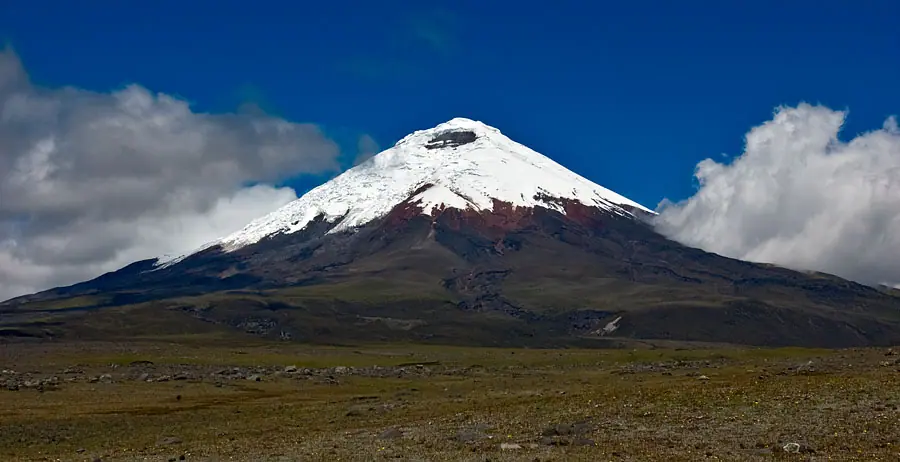
South of Quito, a chain of peaks lines the central spine. Cotopaxi National Park protects a near-perfect 5,897-metre cone, along with the Laguna Limpiopungui and the José Rivas mountain refuge at around 4,800 metres, the highest most day-trippers will go. Working haciendas nearby turn cattle estates into characterful places to sleep, with stone walls, fireplaces and horses in the yard.
Baños de Agua Santa, tucked below the active Tungurahua volcano, is the adventure hub: the thundering Pailón del Diablo waterfall, the famous swing at the Casa del Árbol above Runtún, hot thermal baths and a riverside cycle route known as the Ruta de las Cascadas. Accommodation spans backpacker dorms, mid-range spa hotels and riverside lodges with gardens.
Further south, the emerald crater lake of Quilotoa sits at 3,800 metres, ringed by a walking trail and small lodges in villages such as Chugchilán. Give yourself a day to acclimatise in Quito before sleeping this high, carry warm layers and rain gear whatever the season, and consider adding Riobamba and Chimborazo, Ecuador's highest mountain, on the way south.
Guayaquil and the Pacific Coast
Ecuador's largest city is a port of glass towers and riverfront promenades. The Malecón 2000 runs along the Guayas river with gardens, museums and river views; behind it, the painted wooden houses of Las Peñas climb to the lighthouse on Cerro Santa Ana, reached by 444 numbered steps. Parque Seminario, in the centre, is overrun by tame land iguanas. Many travellers stay a single night near the airport before an early flight to the Galápagos, though the restored riverside quarter deserves an afternoon.
The coast stretches from the resort high-rises of Salinas to the surf town of Montañita, where beach hostels and cocktail bars draw a young crowd. Puerto López is the gateway to Machalilla National Park and boat trips to Isla de la Plata, sometimes called the poor man's Galápagos for its blue-footed boobies and frigatebirds. Quieter sand-and-surf villages such as Ayampe and Mompiche suit travellers who want hammocks, board hire and fresh ceviche.
Humpback whales pass along this coast from June to September, which is also the cooler, greyer garúa season. December to May is hotter, wetter and greener, with warm sea temperatures for swimming. Beach accommodation ranges from bare-bones cabañas to boutique hotels with pools, and weekends fill quickly with local families.
Otavalo, Mindo and the Amazon Basin
North of Quito, Otavalo holds one of South America's most celebrated indigenous markets, the Plaza de Ponchos, at its busiest on Saturdays. Around it lie Lago San Pablo beneath the Imbabura volcano, the emerald crater of Cuicocha, and the Peguche waterfall. Colonial haciendas with whitewashed courtyards and log fires make atmospheric bases, and the nearby town of Cotacachi is known for leatherwork.
West of the capital, the Mindo cloud forest is a haven of hummingbird feeders, orchids, waterfalls and a cable car that glides over the treetops. Small eco-lodges here run night walks in search of owls and frogs. Eastwards, the road drops into the Amazon: from Tena and Misahuallí you can reach jungle lodges along the Napo, while the Cuyabeno Wildlife Reserve and Yasuní National Park offer canoe-access rainforest stays with guided wildlife spotting.
Ecuador is compact, so buses and short internal flights link these regions easily — but distances over mountain roads take longer than the map suggests. Learn the local vocabulary: a hostería is a country inn, a refugio is a mountain shelter, and an eco-lodge usually means remote and simple. Book ahead for the Galápagos and for any holiday week, and keep your first days at altitude unhurried.
Frequently asked questions
Which city in Ecuador is the best base for a first trip?
Quito suits most first-timers: two or three nights covers the historic centre, the TelefériQo and an equator day trip, and it is the main springboard for flights to the Galápagos and buses south along the volcano route.
How far ahead should I book Galápagos accommodation?
Three to six months ahead is sensible, and longer for December, January and the June-to-August school holidays. Rooms on Santa Cruz, San Cristóbal and Isabela are limited, and island-hopping cruises sell out even earlier.
When is the best time to visit Ecuador overall?
The highlands are clearest from June to September and in December and January. The Pacific coast is warm and wet from December to May, cooler and greyer from June to November, which is also whale-watching season. The Galápagos is a year-round destination with two distinct moods.
Do I need time to acclimatise to the altitude?
Yes. Quito sits near 2,850 metres and Quilotoa at 3,800, so plan a gentle first day, drink plenty of water, eat lightly and save strenuous hikes for later in the trip. Mountain refuges and high crater rims are not the place to test your limits on arrival.
What kinds of places can I stay in across Ecuador?
Standards vary widely but the choice is broad: design hotels and restored mansions in Quito and Cuenca, family guesthouses on the coast and in the islands, colonial haciendas in the highlands, cloud-forest eco-lodges, and canoe-access jungle camps in the Amazon.
Sort the rest of your trip
Everything for Ecuador, in one place
Transfer in Ecuador
Private driver waiting on arrival — no queues, no surprises.
Book a transfer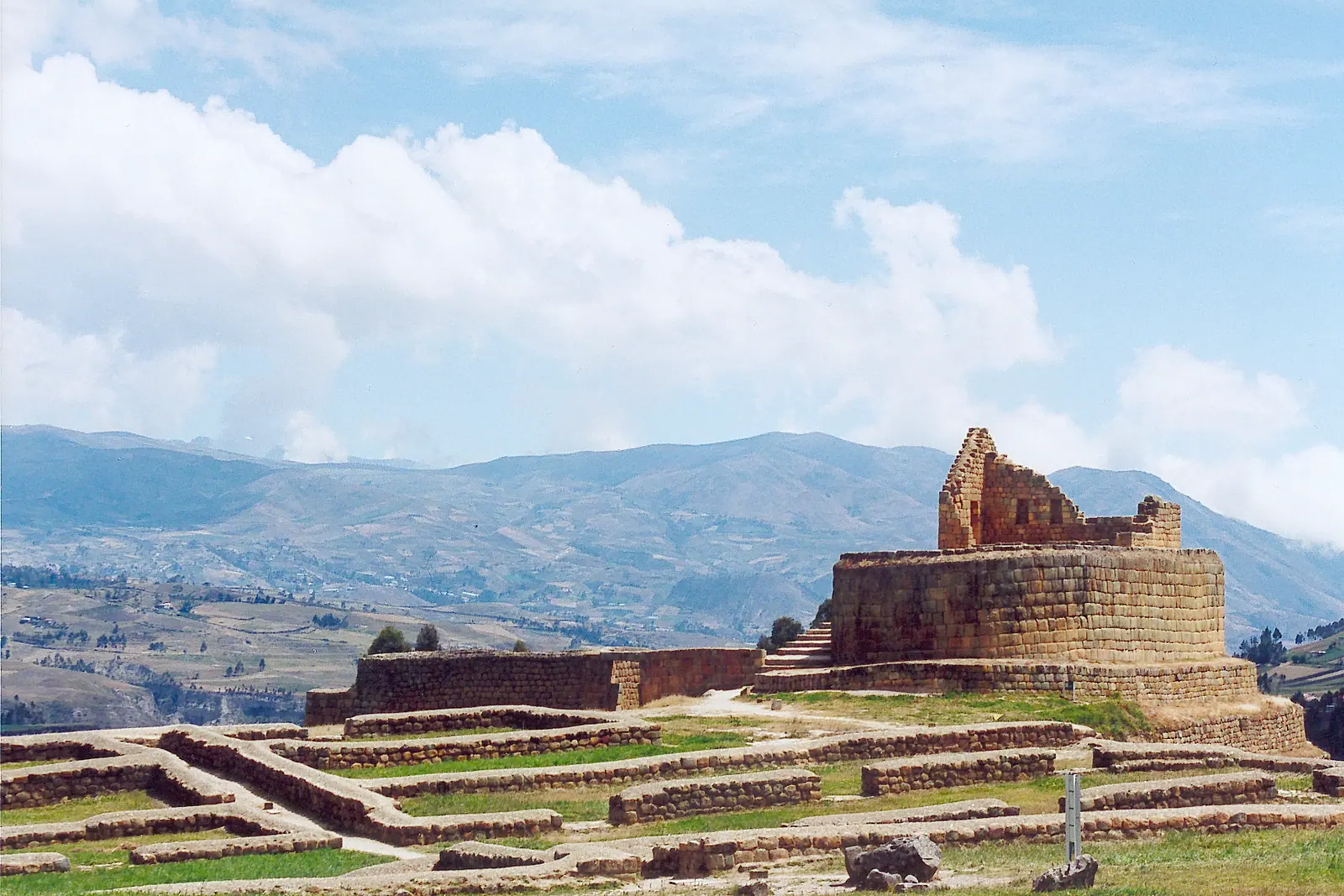
Things to do in Ecuador
Skip-the-line tickets, guided tours and standout experiences.
See experiences
Stay online in Ecuador
Travel eSIM — data the moment you land, no roaming bills.
Get an eSIM