Ecuador squeezes four worlds into a country the size of Colorado: glacier-topped volcanoes, a Pacific surf coast, a sweltering Amazon basin and the Galápagos Islands 1,000 km offshore. Because the equator runs straight through it, the calendar matters less than altitude and geography — which means the right month to book a hotel in Quito is rarely the right month for Puerto Ayora.
Ecuador's Two Seasons, Explained Without the Confusion
Ecuadorians talk about verano (summer, meaning the dry season) and invierno (winter, meaning the rainy season), and both are flipped from what most Northern Hemisphere travellers expect. In the Andes — Quito, Cuenca, the Avenue of the Volcanoes — the clearest skies and most reliable trekking weather arrive from roughly June to September, then again in a shorter, sharper window from December into January. The central Pacific coast around Puerto López, Salinas and Manta dries out from June to November, while the northern coast near Atacames and Mompiche stays humid for much of the year.
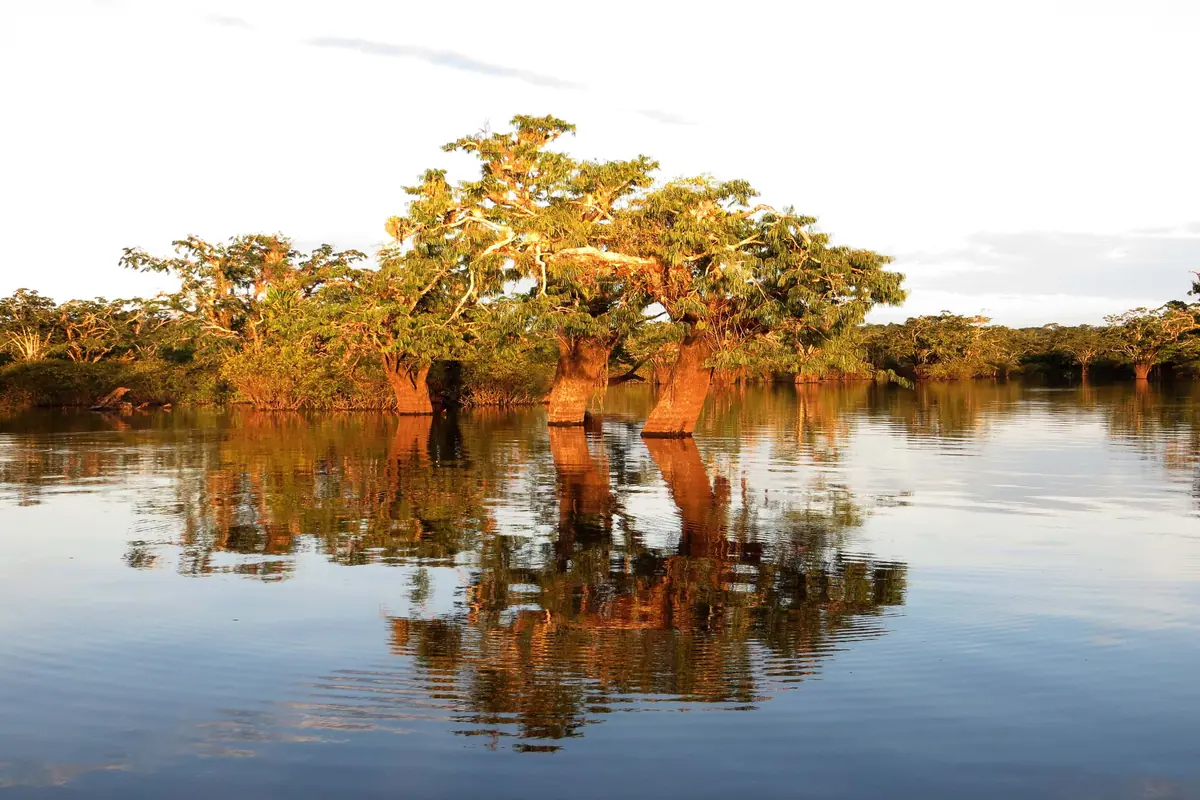
The Amazon lowlands work on a completely different rhythm. High water generally runs from December through May, when motorised canoes can push deep into flooded forest near Cuyabeno and the Napo River, and low water from roughly August to November exposes riverbanks and clay licks where wildlife concentrates. On the Galápagos, the warm, wet season spans December to May and the cool, dry, misty season runs June to November — the same months that bring upwelling currents, plankton blooms and the big pelagic life around Darwin and Wolf.
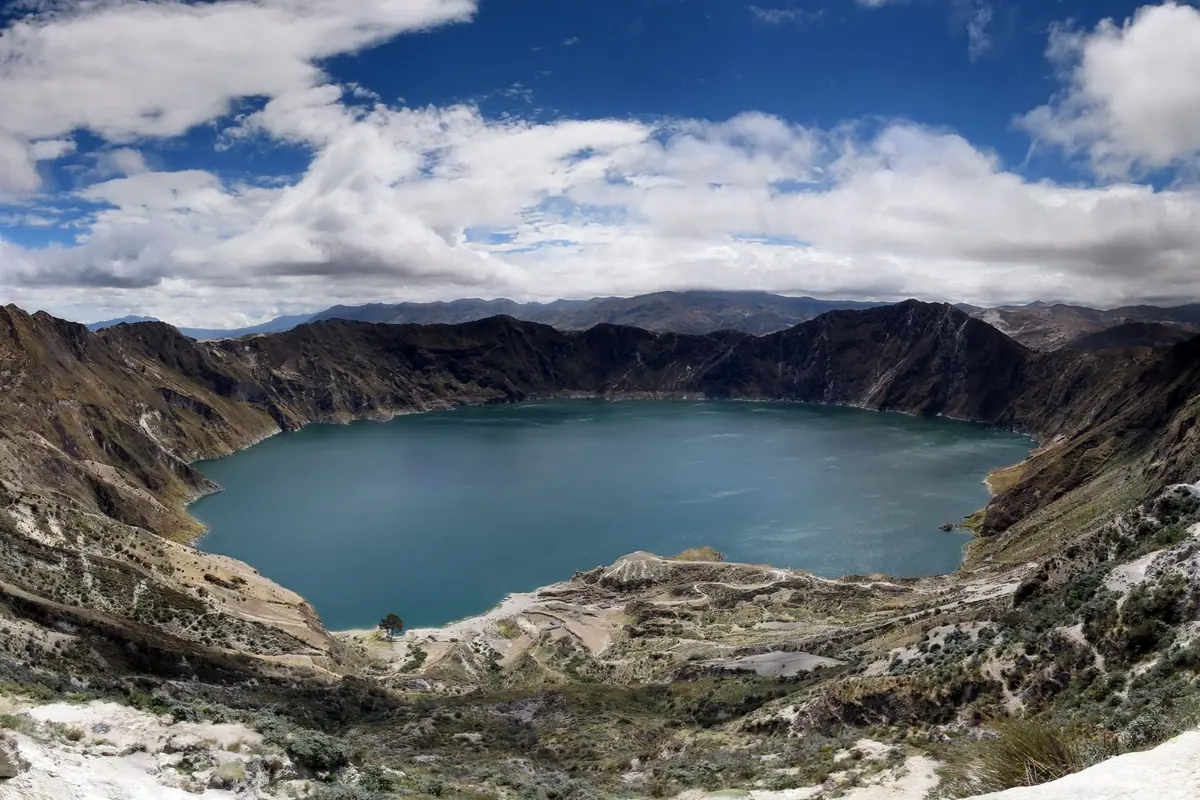
Altitude, not latitude, sets the temperature. Quito sits at 2,850 m, Cuenca at about 2,560 m, the Quilotoa crater lake at 3,500 m, while Baños drops to 1,820 m, Mindo to roughly 1,250 m and the whole coast and Galápagos sit near sea level. A hotel with a fireplace and thick blankets in the highlands may be the same week you want air conditioning and a plunge pool on the coast.
June to September: Dry-Season Clarity in the Andes and Along the Coast
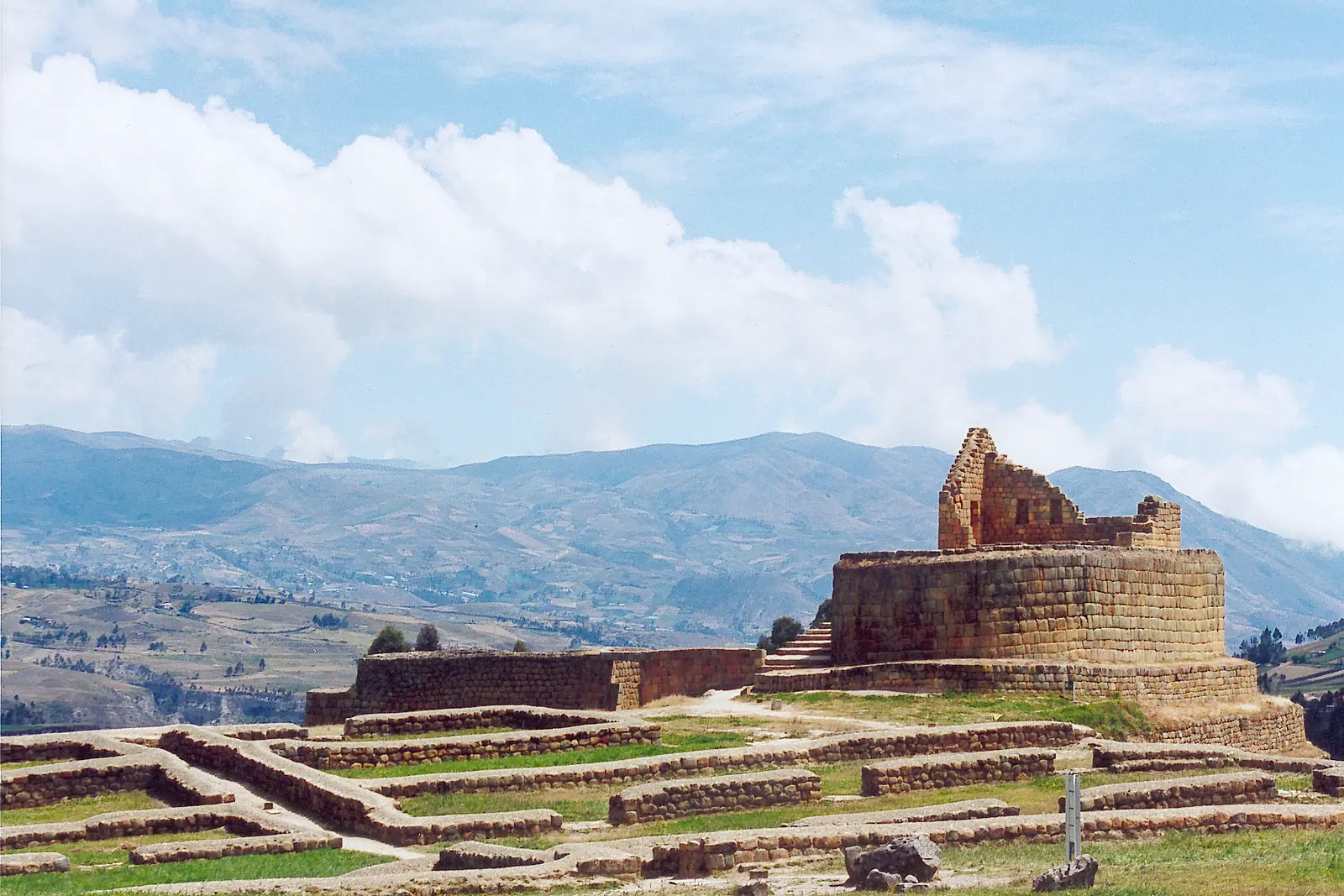
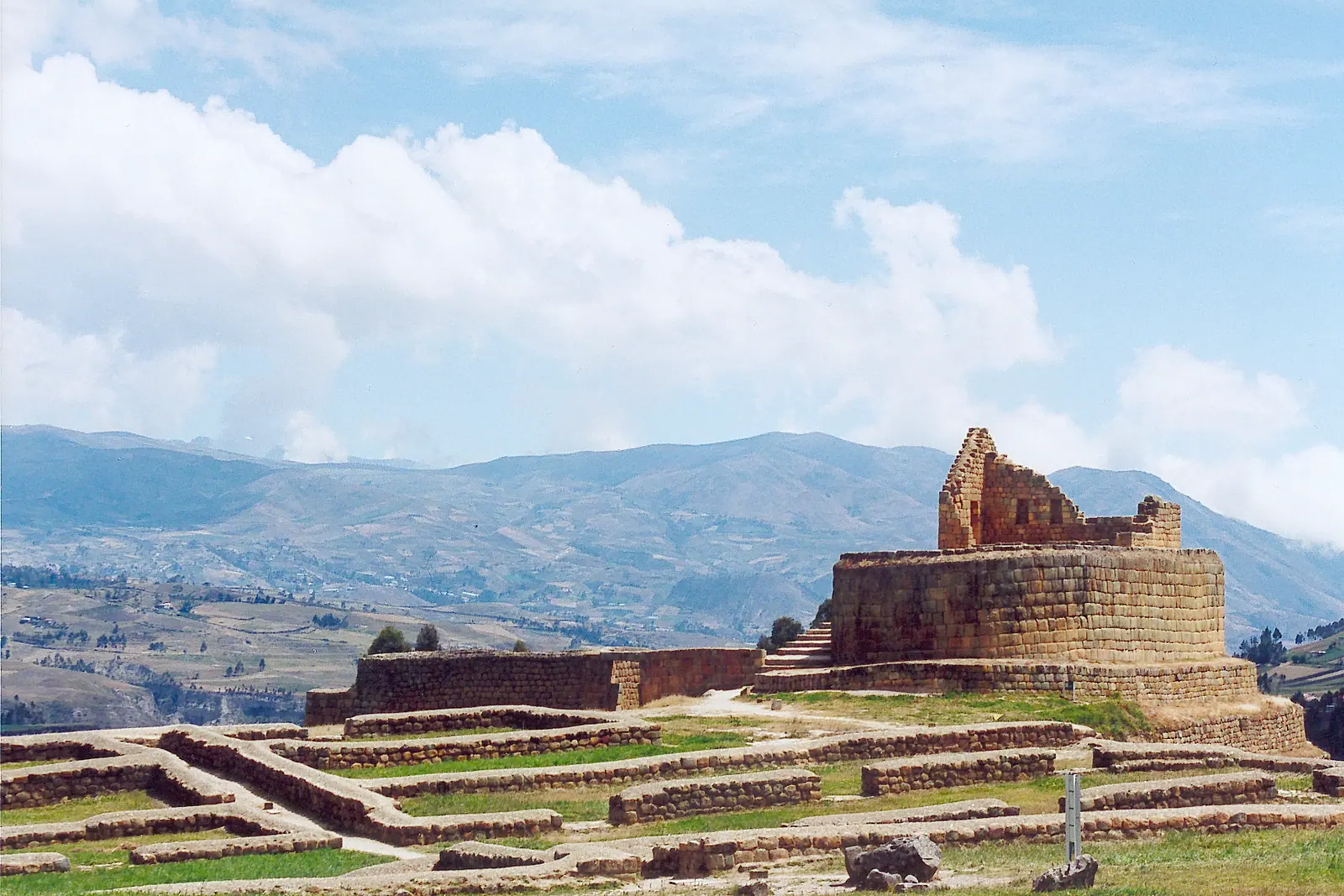
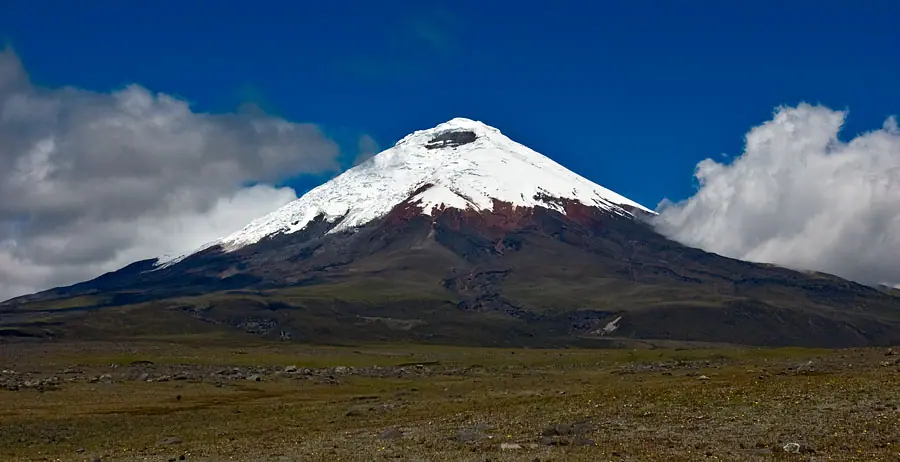
This is the postcard window in the highlands. Cotopaxi, the 5,897 m cone that anchors Cotopaxi National Park, and Chimborazo, Ecuador's highest peak at 6,263 m, are most likely to stand cloud-free in these months, which is why guided climbs, horseback rides from hacienda stays and day hikes around the Quilotoa lagoon all cluster here. Further south, the Inca ruins at Ingapirca and the colonial streets of Cuenca — the Catedral de la Inmaculada Concepción with its blue domes, the riverside Barranco district — are far more pleasant to explore on foot.
The catch is domestic demand. Ecuadorian school holidays fall from mid-June to early September, so families flood Baños (home of the Pailón del Diablo waterfall), Salinas and the beaches around Montañita. Book highland and coastal hotels two to three months out for July and August, and expect the steepest rates over the late-June Inti Raymi celebrations, when Otavalo's market town and parts of the southern Andes fill with music and processions.
June to November is also the coastal dry season — sunnier, breezier and cooler in the water. It happens to be prime whale-watching from Puerto López out to Isla de la Plata, and the surf breaks at Montañita stay consistent. Just don't expect Caribbean-warm sea temperatures; the Humboldt Current keeps the central coast bracing until the rains return.
December to May: Green Highlands, Warm Galápagos Waters and Carnival
The wet season is not a write-off — it is a different holiday. Andean afternoons usually deliver short, heavy showers with bright mornings before and after, turning the páramo around Cotopaxi and the Chimborazo foothills vivid green. Flower farms, orchid reserves and the cloud forest around Mindo look their most lush, and hotel gardens on the Avenue of the Volcanoes are at their peak.
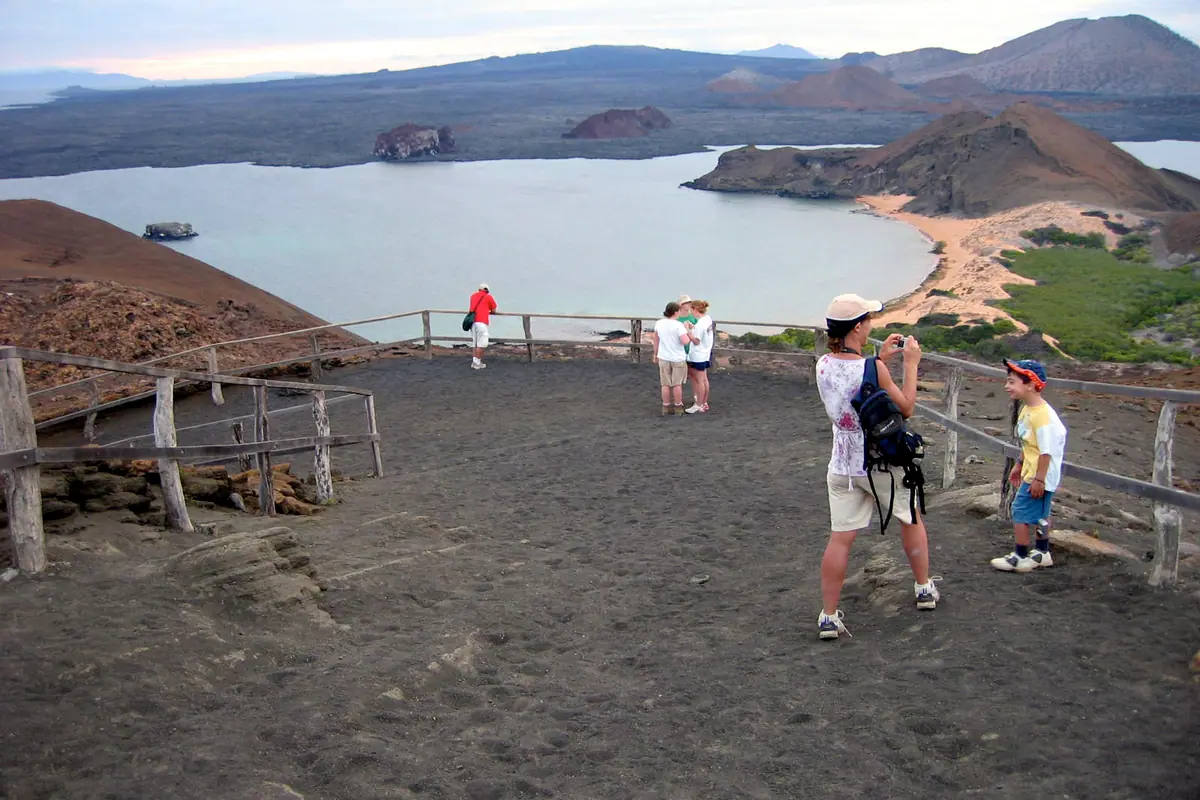
On the Galápagos, December to May brings warmer seas (often 24–27°C), calmer surface conditions and superb snorkelling with sea lions and sea turtles off Santa Cruz, Isabela and Bartolomé. Sea turtles nest from roughly January, Española's waved albatross colony fills from late March through December, and land-based hotels in Puerto Ayora, Puerto Villamil and Puerto Baquerizo Moreno sell out fastest over Christmas, New Year and Easter.
On the mainland, December through May is party season. Fiestas de Quito kicks off around 1–6 December with concerts and processions through the UNESCO-listed Centro Histórico — Plaza Grande, the golden interior of La Compañía de Jesús, the neo-Gothic Basílica del Voto Nacional. Carnival in February or March and Semana Santa fill Cuenca and Baños with domestic travellers, pushing hotel rates to their annual high.
The Shoulder Windows: Late May to Early June and October to November
If you want good weather without peak-season pricing, aim for the transitions: the last two weeks of May into early June, and the stretch from mid-October to late November. Highland skies are frequently clear, trails around the Quilotoa crater and Cajas National Park are quiet, and hotel availability in Quito, Cuenca and Baños opens up considerably compared with July or the Christmas holidays.
November is quietly one of the best-value months of the year. Cuenca celebrates its independence on 3 November with parades and fireworks, Día de los Difuntos brings family gatherings and the purple colada morada drink, and Latacunga hosts the Mama Negra procession — a riot of costume and brass bands that makes a good excuse to base yourself between the highlands and the Cotopaxi approach.
For the Amazon, the shoulder weeks offer compromise: water levels are still workable for canoe excursions while forest trails in reserves such as Cuyabeno and the Yasuní area are more walkable. Lodges deep in the basin often have more flexible dates and slightly softer rates in these windows than during the busy December–January holiday period.
Your Hotel Type Changes the Right Month Entirely
In Quito, altitude is the deciding factor for your first two nights, not the weather. At 2,850 m, a colonial boutique hotel in the Centro Histórico gives you walkable access to the Basílica, the Plaza de la Independencia and the cable car up to Cruz Loma, but ask about heating, hot water pressure and whether your room sits on a lower floor. Many restored heritage buildings have steep staircases and thin windows; travellers adjusting to the altitude often prefer to spend the first night in the modern hotel district before moving into the old town.
Coastal and island stays follow the sea. In the Galápagos, land-based hotels book out earliest for the Christmas–New Year period and the Northern Hemisphere summer, often three to six months ahead, while liveaboard berths can disappear a year out. On the mainland coast, June to November suits sun-seekers; December to May suits those who want warm water, afternoon downpours and a slower pace in Montañita or Mompiche.
Eco-lodges in the Amazon and cloud forest are the opposite of flexible. Access to Cuyabeno or the Napo tributaries often involves a domestic flight plus a long motorised canoe transfer, so lodges run fixed three- to five-night programmes and high water (December–May) determines how far in you can go. If wildlife photography matters more than comfort, low-water months from August to November concentrate animals along the banks and are worth the trade-off in humidity.
Festivals, Altitude and Booking Lead Times: Practical Timing Notes
Ecuador's festival calendar drives hotel prices more than the weather does. Fiestas de Quito in early December, Carnival in February or March, Semana Santa, the Diablada de Píllaro in early January and Cuenca's independence days in early November all trigger domestic travel surges. Domestic flights and intercity buses spike too, so lock in rooms in Quito, Cuenca, Baños and Otavalo well before those dates — ideally two to three months ahead for holiday weekends, longer for Galápagos.
Altitude deserves its own planning. Quito, Cuenca, Latacunga and the Cotopaxi haciendas sit between 2,500 m and 3,800 m; give yourself a gentle first day, drink plenty of water and consider a lower-elevation base such as Mindo or Baños before heading up to the high volcanoes. Chimborazo's acclimatisation refuges and the Cotopaxi park entrance both sit high enough that a night at lower altitude beforehand makes a noticeable difference.
One more advantage for budget planning: Ecuador uses the US dollar, so there is no exchange-rate guesswork when you compare room rates. Broadly, the wetter, quieter weeks of October–November and late May offer the best combination of value, availability and still-decent weather — and if your trip centres on the Galápagos or the Amazon, let those fixed lodge and boat schedules set your dates first, then build Quito, Cuenca, Baños and the Avenue of the Volcanoes around them.
Frequently asked questions
What is the best month overall to visit Ecuador?
For the Andes and the Avenue of the Volcanoes, the clearest weather runs June to September, with a shorter dry window in December and January. For the Galápagos, December to May brings warmer seas and calmer snorkelling conditions. If you want one month that works reasonably well almost everywhere, late May to early June and mid-October to November are the strongest shoulder-season compromises.
Is the rainy season a bad time to book a hotel in Ecuador?
Not at all. Highland rain from December to May usually arrives as heavy afternoon showers with bright mornings, and the landscape is at its greenest. The Amazon is often easier to explore by canoe during high water from December to May. The main downsides are muddier trails and higher demand during Carnival, Semana Santa and the Christmas holidays.
How far in advance should I book Galápagos hotels?
For land-based hotels in Puerto Ayora, Puerto Villamil and Puerto Baquerizo Moreno, aim for three to six months ahead for the Christmas–New Year period, Easter and the Northern Hemisphere summer. Liveaboard berths and multi-island cruise cabins are more limited and are often reserved six to twelve months in advance.
Does altitude affect which hotel I should choose in Quito?
It can. Quito sits at 2,850 m, so many visitors prefer a lower-floor room, reliable heating and a slower first day. If you are unsure how you will react, spend your first night or two in the modern hotel district and move into the Centro Histórico near Plaza Grande once you have adjusted.
When are hotels cheapest in Ecuador?
The quietest, best-value windows are generally mid-October to late November and the last weeks of May into early June, outside school holidays and festival dates. Rates also soften in the highlands during the wetter months, though coastal and Galápagos properties hold firmer pricing because their high season is driven by warm water and holidays rather than rain.
Sort the rest of your trip
Everything for Ecuador, in one place
Transfer in Ecuador
Private driver waiting on arrival — no queues, no surprises.
Book a transfer
Things to do in Ecuador
Skip-the-line tickets, guided tours and standout experiences.
See experiences
Stay online in Ecuador
Travel eSIM — data the moment you land, no roaming bills.
Get an eSIM