Chile is a country you cannot cross by bus in a week — it is over 4,300 kilometres of desert, glacier, vineyard and volcano pinned between the Andes and the Pacific. Flying is not a luxury here, it is the itinerary. This seven-day route uses short domestic hops to link Santiago, the altiplano of San Pedro de Atacama and the granite towers of Patagonia in one sweep.
Why Flying Is the Only Way to See Chile in a Week
Chile runs 4,300 km from the arid north on the Peruvian border to Cape Horn, yet averages barely 180 km wide. That geometry means driving between the highlights costs days, not hours: Santiago to San Pedro de Atacama is a 20-hour drive, and continuing south to Torres del Paine adds another 3,000 km of steppe. A domestic flight network, funnelling through Santiago's international airport, turns those hauls into two-hour hops and gives a one-week visitor three genuinely different worlds.
The workable shape of a week is a three-pillar route: two nights in Santiago, two nights in the Atacama Desert, two nights in Patagonia, with a final night back in the capital before your international departure. Flights worth knowing are Santiago to Calama (about two hours), Santiago to Punta Arenas (three and a half hours, with a seasonal link to Puerto Natales), and Santiago to Easter Island if you extend. Expect early departures, mountain views from the left-hand window on northbound flights, and the need to connect through Santiago on most long southbound legs.
If that feels rushed — it is — swap Patagonia for the Lake District and Chiloé, which are a single 90-minute flight south of the capital. Either way, build the itinerary around flights first and accommodation second, because seats to Punta Arenas and Calama in high season vanish long before hotel beds do.
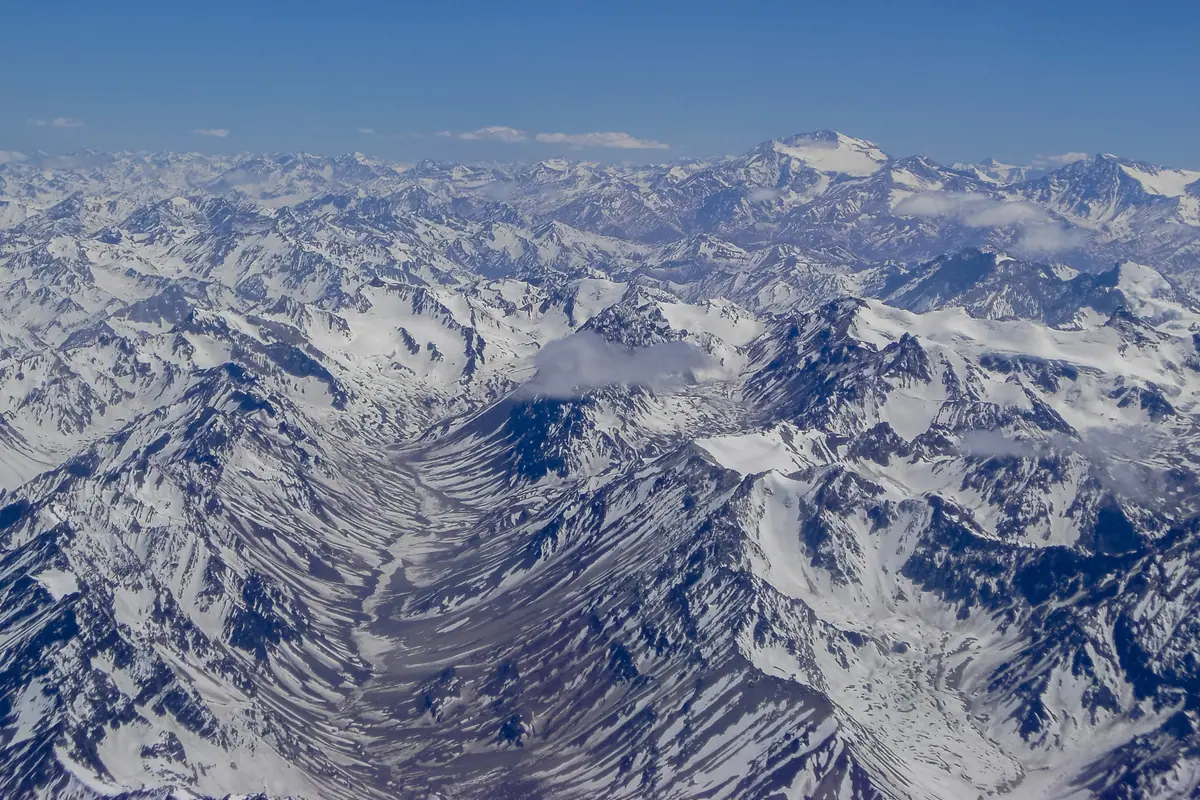
Days 1–2: Santiago and the Coastal Detour to Valparaíso
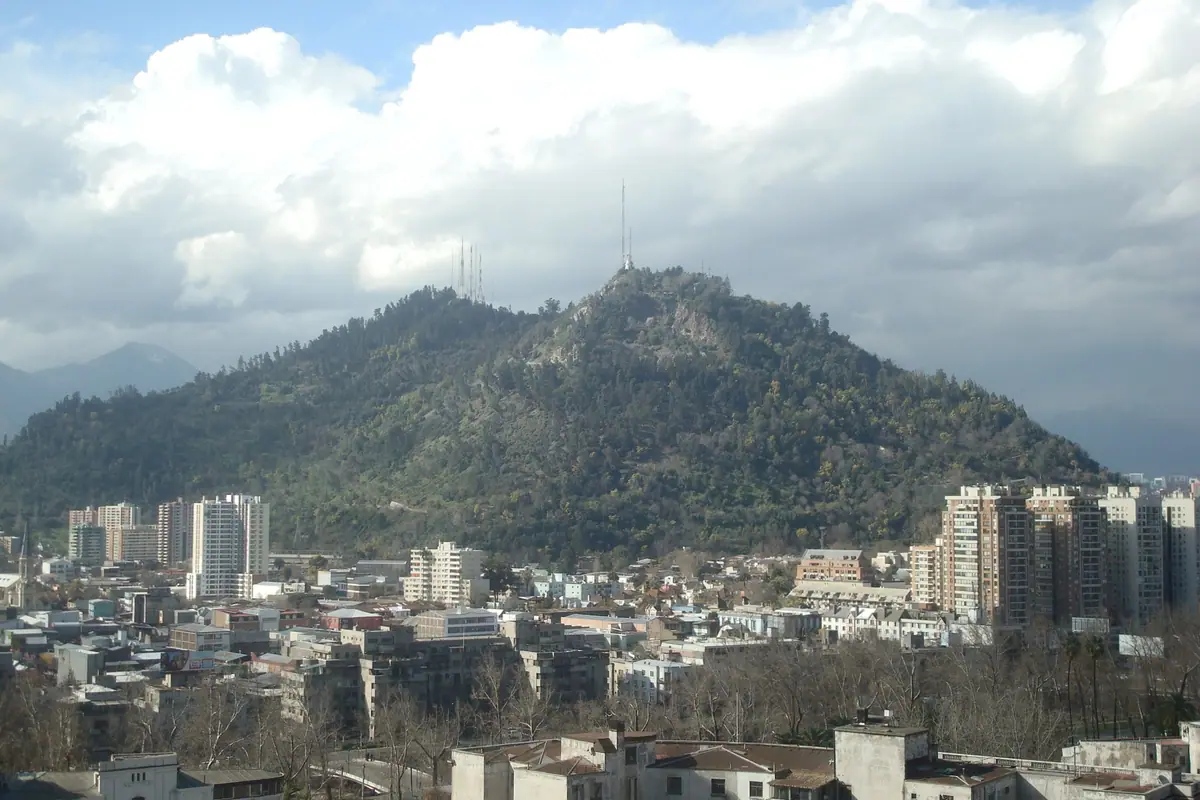
Land at Santiago, clear immigration and take the 30- to 40-minute transfer to Providencia, Lastarria or Bellavista, where most first-time visitors base themselves. Spend the first morning on foot: the Plaza de Armas with its cathedral and colonial arcades, the fish market at Mercado Central, and the leafy climb up Cerro Santa Lucía for a city overview. In the afternoon ride the funicular up Cerro San Cristóbal, where the white Virgin statue looks out over the whole valley and the Andes appear on clear days, then head to the Sky Costanera observation deck on the Gran Torre Santiago for sunset over the skyscraper district.
Give day two to culture and coast. The Museo de la Memoria y los Derechos Humanos and the Museo de Bellas Artes are the two essential stops, and Pablo Neruda's La Chascona, tucked into the hillside of Bellavista, explains more about the country than any plaque. Eat a completo or a pastel de choclo in a neighbourhood soda fountain, then spend the evening in Barrio Italia or Lastarria.
The classic day trip is Valparaíso, 1.5 hours west by coach or hire car. Ride the creaking ascensores up Cerro Alegre and Cerro Concepción, follow the murals, and visit Neruda's La Sebastiana before driving the coast to Isla Negra, where his seaside house faces the breakers. On the way back, the Casablanca Valley grows the cool-climate whites that Chile does best — a tasting makes a fine end to the day before an early flight north.
Days 3–4: San Pedro de Atacama and the High Altiplano
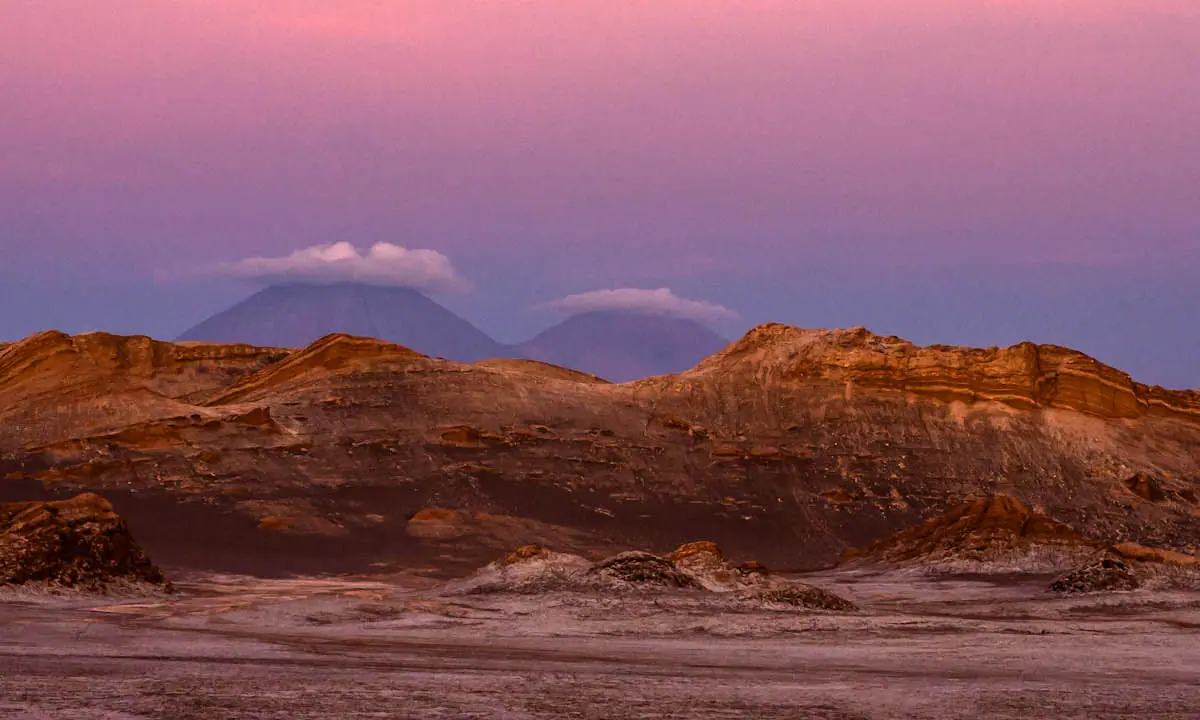
Fly to Calama — roughly two hours from Santiago — then transfer about 75 minutes to San Pedro de Atacama, a low adobe town at 2,400 metres where the streets are dirt, the nights are freezing and the sky is the clearest you will ever see. Use the first afternoon gently for altitude: the Valle de la Luna, Chile's most photographed desert landscape, is only a short drive away. Walk the Duna Mayor, peer into the salt caves, and stay for sunset at the Piedra del Coyote viewpoint, when the Cordillera de la Sal turns from ochre to rose to ash.
Day four is the big one, and it starts before dawn. El Tatio, the world's highest major geyser field at 4,300 metres, erupts into columns of steam at first light, followed by a soak in a thermal pool and a stop in the hamlet of Machuca. A gentler alternative is the full-day Lagunas Altiplánicas circuit: the twin lakes Miscanti and Miñiques beneath the volcanoes, the iron-red flats of Piedras Rojas, and the Salar de Atacama, where flamingos feed in the brine at Laguna Chaxa near the village of Toconao.
End both evenings with a stargazing tour — this is the astronomy capital of the southern hemisphere, and the Milky Way here looks less like a band of light than a spill of cloud. Drink more water than you think you need, keep the first day light, and remember that the summer months of January and February bring the altiplano rains, when high passes and geyser roads can close without warning. April to October is the dry, reliable window.
Days 5–6: Torres del Paine and the Patagonian Steppe
Fly from Santiago to Punta Arenas, three hours and twenty minutes down the spine of the country, then take the three-hour coach north to Puerto Natales, the gateway to Torres del Paine National Park. Some travellers fly direct to Puerto Natales on a seasonal service instead. Base yourself in either town, or — if you book six months out — in a refugio or lodge inside the park, which saves hours of daily driving.
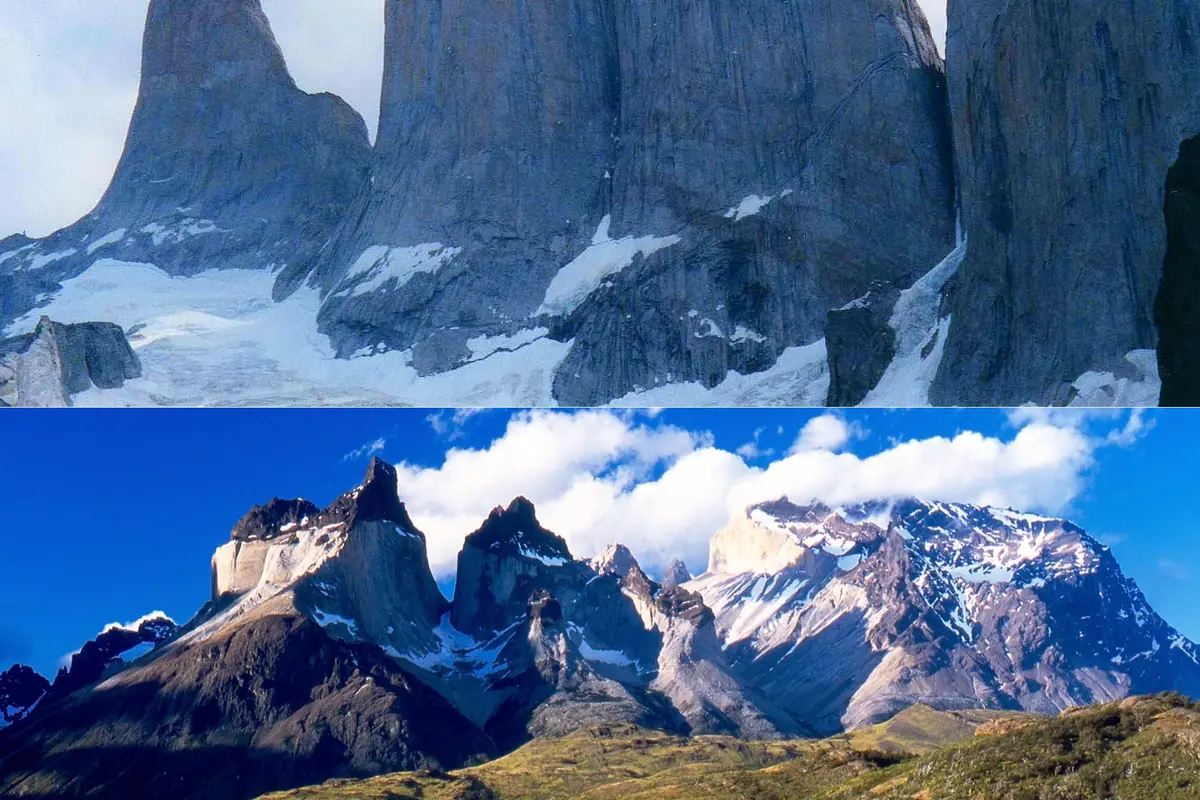
The signature day is the Base of the Towers hike: about 19 km and eight to ten hours of forest, boulder field and a final scramble to a glacial lake beneath the three granite towers. If that sounds punishing, the park offers easier rewards — the short walk to Mirador Cuernos and Salto Grande waterfall, the turquoise sweep of Lago Pehoé from the Nordenskjöld viewpoint, and a boat across Lago Grey to within sight of the Grey Glacier's blue wall.
Patagonia keeps its own weather schedule: four seasons in an afternoon, horizontal rain, and a wind that can knock you off a ridge. The park's official season runs October to April, with November and March the sweet spot between crowds and cold. Watch for guanacos grazing beside the road, condors riding the thermals above the Cuernos del Paine, and visit the Cueva del Milodón on the way back to Puerto Natales, where a prehistoric giant sloth once sheltered.
Day 7 and the Swap Options: Easter Island, Chiloé or the Lake District
Come back into Santiago in the evening and give your last day to what you missed: the Museo de la Memoria, the produce halls of La Vega Central, or a slow lunch in Barrio Lastarria. If your international flight leaves after dark, a morning trip to the vineyards of the Maipo Valley is an easy farewell to Chile — Cabernet Sauvignon, high-altitude sun, and the Andes as a backdrop.
If you would rather trade deserts and glaciers for something stranger, reshape the week around Easter Island. The five-and-a-half-hour flight from Santiago lands on Rapa Nui, where the quarries of Rano Raraku hold hundreds of unfinished moai, the fifteen statues of Ahu Tongariki line up against the surf, and the ceremonial village of Orongo clings to the rim of the Rano Kau crater. Anakena beach and its palm groves make the perfect final afternoon — but the island deserves three or four nights, so it is a full-week destination on its own rather than a two-day add-on.
The other great swap is the south. Fly to Puerto Montt for Chiloé, where Castro's waterfront palafitos stand on stilts, the wooden churches of the archipelago are a UNESCO-listed marvel, and a curanto — shellfish, meat and potato steamed under leaves — is the local feast. Further north, Puerto Varas sits on Lago Llanquihue beneath the snow cone of Volcán Osorno, with the Petrohué waterfalls and the emerald water of Lago Todos los Santos within a day's reach.
Practical Flight Notes, Seasons and Packing for a Week in Chile
Domestic seats are the bottleneck in a one-week Chile itinerary. Book Calama and Punta Arenas flights two to three months ahead for travel between December and February, and longer for Easter Island, which sells out in high season and is served by a limited number of departures. Budget carriers price baggage separately, so pack light or pay in advance; at Santiago's airport you will need to allow two hours before a domestic departure, and note that domestic and international terminals are separate buildings.
Timing matters more here than almost anywhere. October to November and March to April are the golden shoulder months: dry in Atacama, still navigable in Patagonia, and mild in Santiago. December to February is hot, crowded and expensive but offers the longest Patagonian days, with nearly 17 hours of daylight. Between June and August the south turns to snow and short days, while Santiago's ski resorts — Valle Nevado and Portillo — come into their own and the desert stays clear and cold.
Pack in layers whatever the season: a windproof shell for Patagonia, sunblock and a wide-brimmed hat for the altiplano, a warm fleece for below-freezing desert nights, and sturdy broken-in boots. Add a swimsuit for the Puritama hot springs near San Pedro and the thermal baths of the Lake District, and keep one buffer night in Santiago before flying home — domestic delays in Patagonia are not rare, and missing an international connection is the one mistake this itinerary cannot absorb.
Frequently asked questions
How many internal flights does a one-week Chile itinerary involve?
Realistically three to four: Santiago to Calama and back, then Santiago to Punta Arenas and back, with connections through Santiago between the north and the south. Adding Easter Island or the Lake District adds one long flight each way.
Is one week enough for both the Atacama Desert and Patagonia?
It is enough to see the highlights, but it is fast — you will spend two full days in each region with flights eating the edges. If you prefer depth over breadth, choose either the north or the south and pair it with Santiago and Valparaíso.
What is the best time of year to fly around Chile?
October to November and March to April offer the best balance: dry desert weather, navigable Patagonian trails and quieter domestic flights. December to February is peak season with long Patagonian daylight but high demand and higher fares.
Do I need to worry about altitude in San Pedro de Atacama?
The town sits at about 2,400 metres and the El Tatio geysers reach 4,300 metres. Take the first day slowly, drink plenty of water, avoid heavy meals and alcohol at night, and consider a coca leaf tea. Most travellers adapt within a day or two.
Can Easter Island be added to a one-week Chile trip?
Not comfortably. The flight from Santiago takes about five and a half hours and the island's moai sites at Rano Raraku, Ahu Tongariki and Orongo deserve at least three or four nights. Treat Rapa Nui as its own trip rather than a detour.
Do domestic flights in Chile include checked luggage?
Full-service fares usually include a checked bag, while low-cost fares often charge for anything beyond a personal item. Check the rules at the time of booking, keep your bag under the limit, and carry medication and valuables in the cabin.