Chile is a country you cannot visit in one season, because it stretches further north-to-south than almost anywhere on earth — from the driest desert on the planet to glaciers that calve into fjords. Pick your month by the landscape you want, and your hotel choice follows: a ski lodge above Santiago, an adobe guesthouse in San Pedro de Atacama, or a refugio beneath the granite towers of Patagonia.
A Country 4,300 Kilometres Long: Why One 'Best Time' Doesn't Exist
Chile runs 4,300 kilometres down the western edge of South America, which means it contains five or six completely different climates. The far north is hyper-arid desert; the centre is Mediterranean, with hot dry summers and cool wet winters; the south is temperate rainforest; Patagonia is wind-scoured steppe and icefield; and Easter Island, 3,500 kilometres out in the Pacific, is subtropical. Squeezed between them are the Andes, whose high plateau sits above 4,000 metres and freezes at night even in midsummer.
The seasons are also inverted from the northern hemisphere. Summer is December through February, autumn March to May, winter June to August, and spring September to November. That inversion is the single most useful fact for planning: when Europe is shivering, Patagonia is at its warmest and brightest, and when North America is baking, Chile's ski resorts above Santiago are buried in fresh snow.
So the real question is never simply 'when is Chile best?' but 'which Chile?' A beach hotel in Viña del Mar, a vineyard estate in the Colchagua Valley, a lakefront lodge near Villarrica and a tented camp in Torres del Paine all peak in different months — and the price gaps between peak and shoulder can be startling.
Spring and Autumn: The Sweet Spot for Santiago, Valparaíso and the Wine Valleys
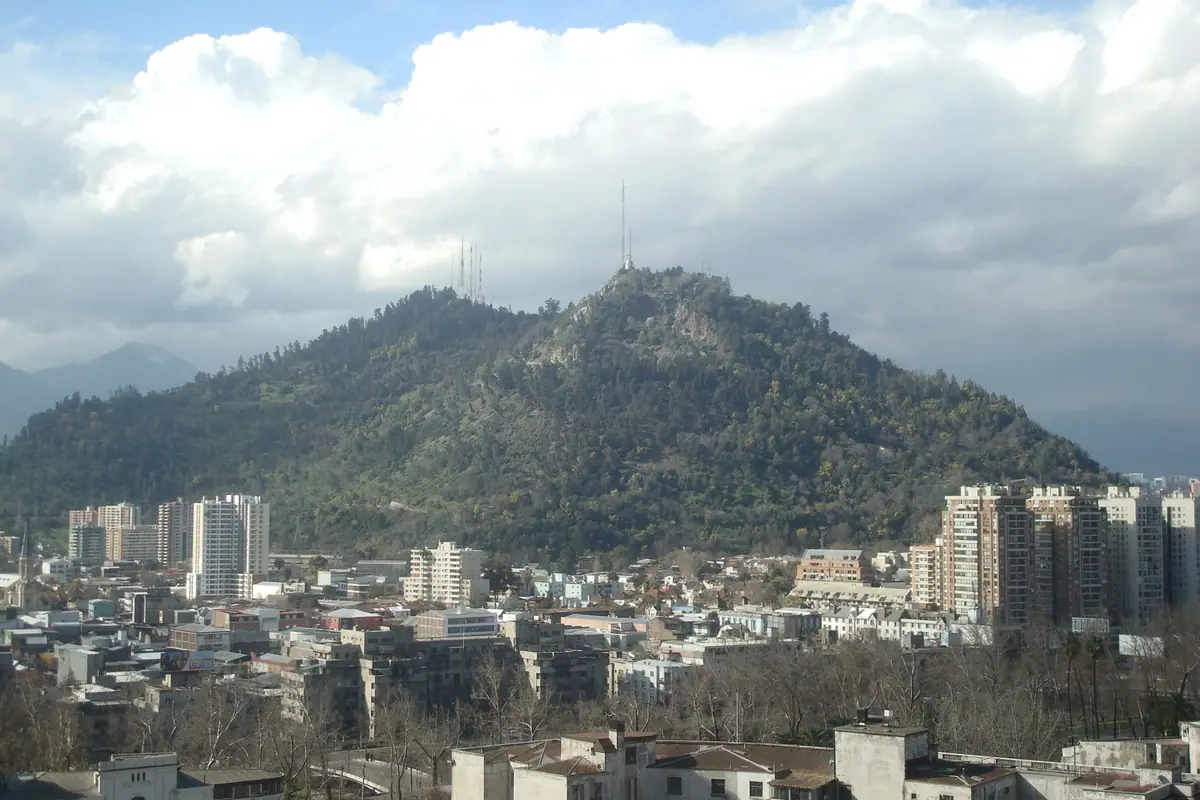
For central Chile, the magic windows are October–November and March–April. Days sit comfortably between 18°C and 28°C, the Andes are still snow-capped, and the light is clean. Santiago itself rewards a few days: the Plaza de Armas and its cathedral anchor the historic grid, the Mercado Central serves some of the Pacific's best seafood, and the funicular up Cerro San Cristóbal delivers a panoramic view of the whole bowl of the city, with the Sky Costanera observation deck offering a glassier alternative. Cerro Santa Lucía, the Museum of Memory and La Moneda round out an easy walking itinerary.
Spring arrives with a catch: the week around 18–19 September is Fiestas Patrias, Chile's national holiday, when Santiago empties into the countryside and city hotels fill with domestic travellers at inflated rates. Book well ahead or steer clear. Autumn is gentler — the crush has passed, the vineyards of Maipo, Casablanca and Colchagua are heavy with grapes, and boutique hacienda stays in Santa Cruz host harvest lunches and cellar tastings.
The coast makes an easy add-on in either shoulder season. Valparaíso's hillside neighbourhoods — Cerro Alegre and Cerro Bellavista, with their murals and staircases — are at their best on clear mornings, and La Sebastiana, the poet's eccentric hillside house, is a genuinely strange and wonderful museum. Down the road, Viña del Mar offers sandy beaches, gardens and a relaxed seafront promenade.
Day trips from the capital are excellent in spring and autumn too: the Andean canyon of Cajón del Maipo for hot springs and picnics, or the coastal wine country of Casablanca, where cool-climate whites taste best on a sunny terrace.
High Summer in Patagonia: Torres del Paine, Chiloé and the Carretera Austral
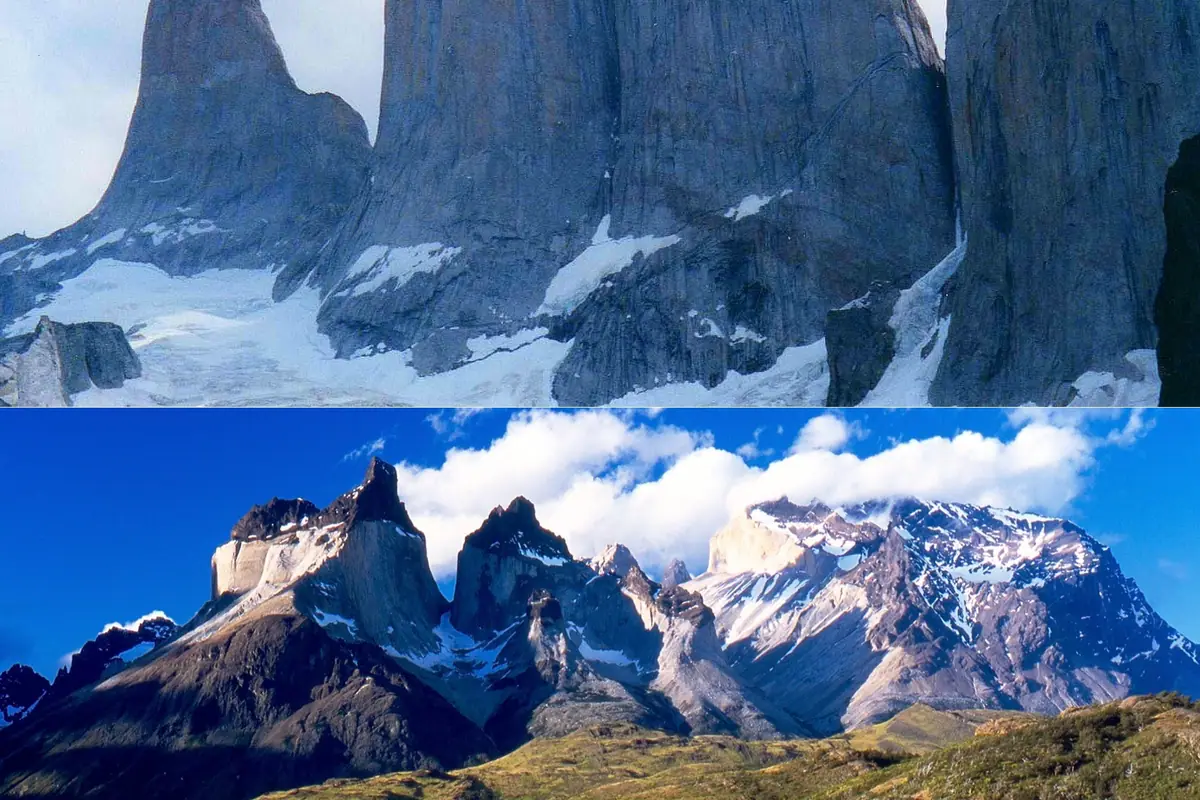
Summertime in the south — November through March, peaking in January — is when Patagonia delivers. In Torres del Paine National Park, the classic W Trek and the day hike to the Base of the Towers become genuinely walkable, the turquoise Grey Glacier is reachable by boat, and guanacos, foxes and the occasional puma are out on the steppe. Days are enormously long, with daylight until nearly 11pm in January, which is a gift for photographers chasing dawn light on the granite towers.
The trade-off is demand. Chilean families take February as their holiday month, so refugios, domes and all-inclusive lodges inside the park sell out six to twelve months ahead, and prices in Puerto Natales climb steeply. The same is true further south in Punta Arenas, the launch point for Magdalena Island, where boats run through the summer to a penguin colony of tens of thousands of birds — a highlight that simply does not operate in winter.
Further north, the Lake District around Pucón and Villarrica pairs volcano hikes, thermal springs and black-sand beaches with long, warm summer days, while Chiloé's wooden churches and the stilted palafitos of Castro are best explored in the drier months. On the Carretera Austral, the Marble Caves of Lake General Carrera glow their famous blue only when the water is calm and clear, which means late spring through early autumn. Bring layers regardless — Patagonian wind can turn a warm afternoon into a cold one in twenty minutes.
Winter: Ski Lodges in the Andes and the Desert's Clearest Skies
From June to August, Chile's centre turns to snow sports. Within an hour or two of Santiago, the resorts of Valle Nevado, El Colorado, La Parva and Portillo offer high-altitude powder and long, sunny runs; further south, Nevados de Chillán pairs skiing with volcanic hot springs, and Corralco and Antillanca serve the lake country. July and August weekends are the busiest and priciest, so midweek stays in slope-side hotels are both cheaper and quieter.
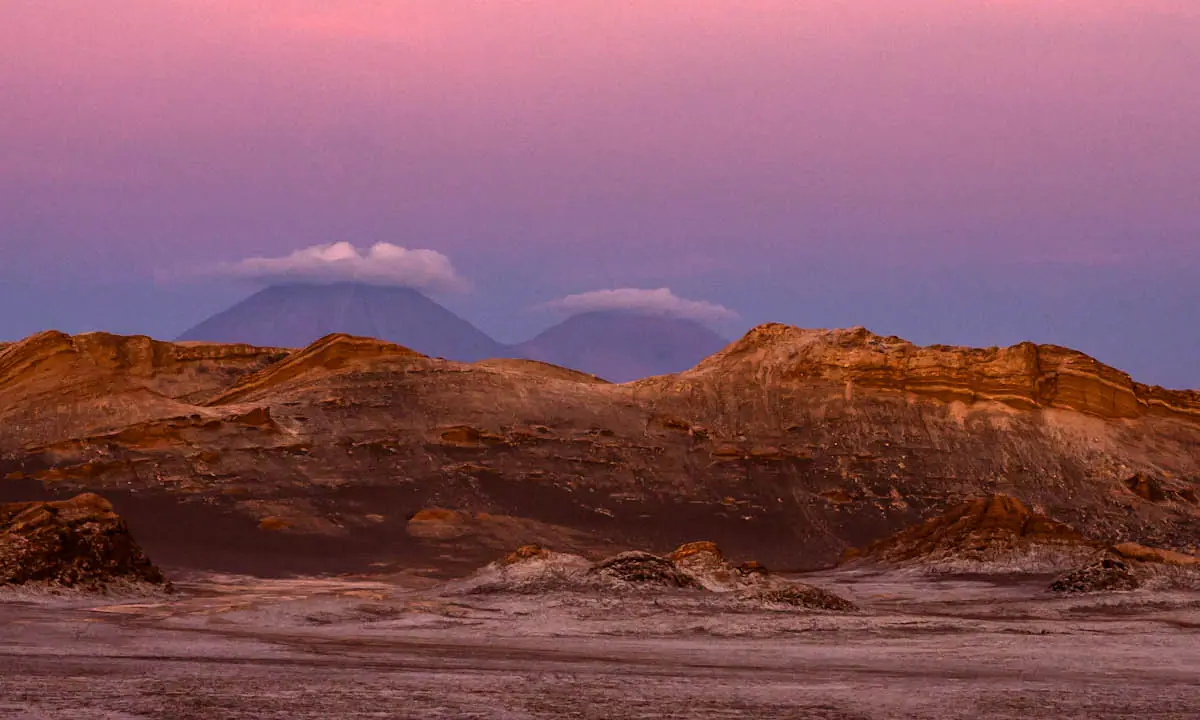
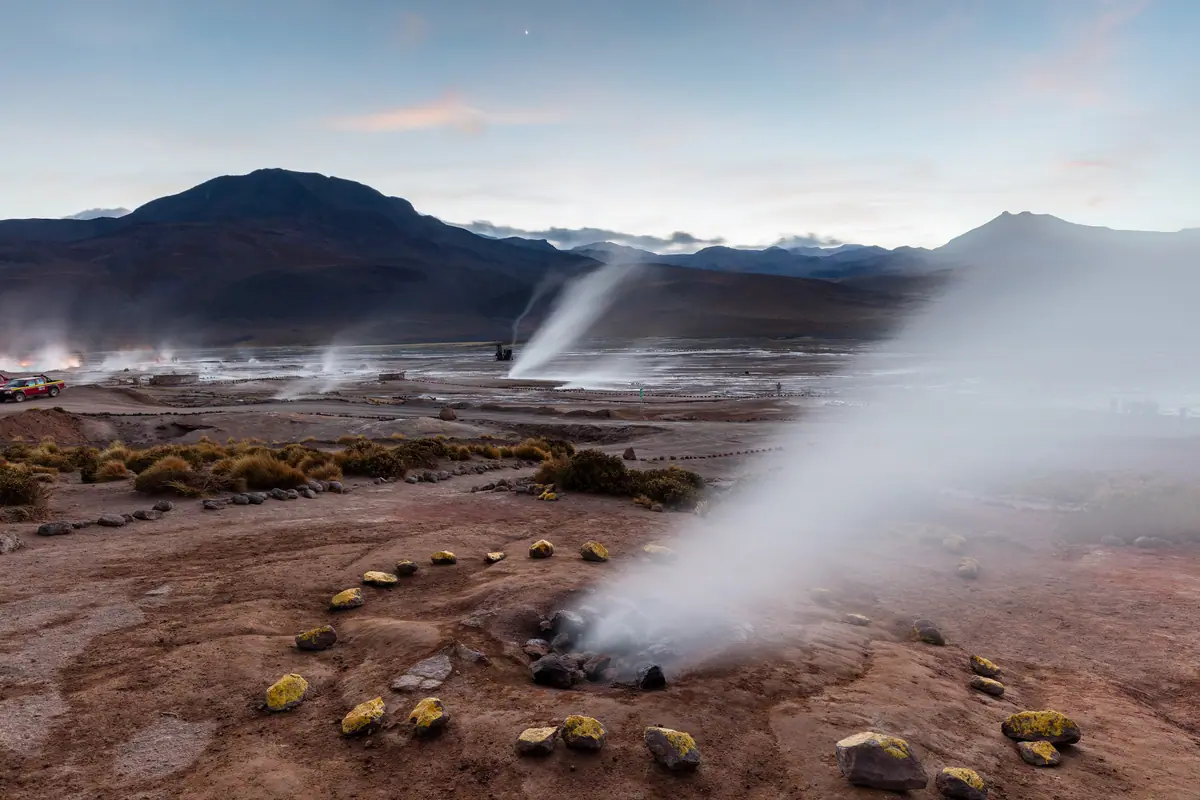
Winter is also secretly the best time for the Atacama Desert. Rainfall is negligible year-round, but the winter months bring crisp, stable air and some of the darkest skies on earth, which is why stargazing tours out of San Pedro de Atacama are so exceptional then. Mornings start before dawn at the El Tatio geyser field, where columns of steam rise in freezing air, and afternoons suit the salt flats and lagoons of Laguna Cejar and the altiplano lakes of Miscanti and Miñiques, ringed by volcanoes and flamingos.
Be realistic about temperatures: San Pedro sits at 2,400 metres and El Tatio at over 4,300 metres, so winter days can be pleasant in the sun while nights drop below freezing. Hotels here are built for it, with thick adobe walls, central courtyards and wood fires. Meanwhile, Santiago and the central coast enter their low season — expect rain and grey skies in Valparaíso, but also the year's lowest hotel rates in the capital.
Outliers: Easter Island, Tierra del Fuego and Shoulder-Season Desert
Easter Island runs on its own rhythm. The subtropical climate makes September to March the most reliable window, with warm days around 25–28°C, and February brings the island's biggest cultural festival, when accommodation books out months in advance. Winter is wetter, windier and cheaper, and the archaeological sites — the quarry at Rano Raraku where the moai were carved, the fifteen giant statues lined up at Ahu Tongariki, the ceremonial village of Orongo above the crater of Rano Kau, and the palm-fringed beach at Anakena — are far quieter. Flights from Santiago are limited, so lock in both airfare and lodging early.
In the far south, the cruising season to Cape Horn, the fjords and Tierra del Fuego runs from November to March, when seas are least hostile. Land-based travellers can still reach the king penguin colony on Chilean Tierra del Fuego and the windswept steppe around Cerro Sombrero in the shoulder months, often at a fraction of high-season rates.
For the Atacama, the sweet spots are April–May and September–October: mild days, cold but manageable nights, no holiday crowds, and hotels that are noticeably cheaper than in January or during Chilean school holidays. Build in a day of acclimatisation before heading to high-altitude lagoons, and drink more water than you think you need.
The Booking Calendar: When to Reserve What
Treat lodging in Chile as two separate markets. In Patagonia, supply is tiny and demand is global: lodges and refugios inside Torres del Paine for December–February should be reserved nine to twelve months out, and the W Trek's huts often open bookings roughly six to eight months ahead and sell out within days. Easter Island is similar — limited flights, limited beds, so aim for four to six months of lead time for the September–March window.
In Santiago and the wine valleys, the logic flips. The capital's business hotels empty on weekends and during the long summer break, which means discounted rates and easy upgrades for leisure travellers in January and February. Avoid the Fiestas Patrias week in mid-September and the Easter weekend, when domestic tourism spikes nationwide. In Colchagua and Casablanca, harvest-season weekends in March and April are the first to fill.
Finally, pack for three climates in one trip and expect four seasons in a day in the south. Shoulder months — October–November and March–April — offer the best combination of weather, availability and value across most of the country, while January is unbeatable for Patagonia and July for skiing. Choose your month by your must-see list, not the other way round.
Frequently asked questions
What is the best month to visit Chile overall?
For central Chile including Santiago, Valparaíso and the wine valleys, October–November and March–April are ideal, with mild temperatures and lighter crowds. Patagonia and Torres del Paine peak from December to February, while the Atacama Desert is at its best in April–May and September–October, and Chilean ski resorts run from June to August.
When are hotels in Chile cheapest?
June to August is low season for Santiago and the central coast, with the year's lowest rates, though it is high season in the Andes ski resorts. Prices also drop sharply after mid-February once the national summer holidays end. Avoid the Fiestas Patrias week around 18–19 September and the Easter weekend, when domestic demand surges.
How far in advance should I book a hotel in Torres del Paine?
For December to February, book nine to twelve months ahead — lodges and refugios inside the park have very limited capacity. Huts on the W Trek typically open reservations six to eight months in advance and sell out quickly. Shoulder months like November and March are easier but still require several months of lead time.
Is winter a good time to visit the Atacama Desert?
Yes, if you can handle cold nights. June to August brings dry, stable air and outstanding stargazing, plus crisp mornings at the El Tatio geysers. Days are sunny but the altitude is significant — San Pedro de Atacama sits at 2,400 metres and El Tatio above 4,300 metres — so allow a day to acclimatise.
Can I visit Easter Island year-round?
The island is accessible all year, but September to March offers the warmest, most reliable weather, with February hosting the largest cultural festival and the highest demand. Winter is wetter and windier yet far quieter and cheaper, making sites like Rano Raraku, Ahu Tongariki and Orongo far more peaceful to explore.
Sort the rest of your trip
Everything for Chile, in one place
Transfer in Chile
Private driver waiting on arrival — no queues, no surprises.
Book a transfer
Things to do in Chile
Skip-the-line tickets, guided tours and standout experiences.
See experiences
Stay online in Chile
Travel eSIM — data the moment you land, no roaming bills.
Get an eSIM