Yemen is not one climate but several, stacked on top of each other — cool, stone-towered highlands, sweltering Red Sea coastlines and an island in the Arabian Sea that keeps its own private weather calendar. Choosing the right months here changes everything about the trip, from whether your flight to Socotra actually leaves the ground to whether you sleep under three blankets in Sana'a or lie awake in Aden's humidity.
A Country of Many Climates: How Yemen's Seasons Actually Work
Yemen sits at the southwestern corner of the Arabian Peninsula, and its geography does most of the talking. The highland spine that runs through Sana'a climbs above 2,200 metres, giving it a mild, almost Mediterranean rhythm: warm sunny days, sharp cold nights, and two rainy spells — a lighter one in March to May and a heavier, thunderstorm-prone one from July into August. Down on the Tihama, the Red Sea plain, it is a different planet entirely: humid, heavy and often above 40°C in summer.
The eastern desert and the Hadhramaut valley swing to the opposite extreme, with blazing summers and genuinely cold winter nights once the sun drops behind the mud-brick towers. Socotra, far to the south, is ruled by the southwest monsoon rather than by any mainland pattern. That means there is no single 'best' month for the whole country — you pick your season around the region you intend to visit.
For a broad answer: the most comfortable windows almost everywhere are October to November and March to April. Days are pleasant, roads are at their most passable, and the light on the old cities is at its best. July and August are the hardest months to enjoy, uniting coastal humidity, highland storms and desert heat.
Highland Season: Sana'a, Haraz and the Rock Palace
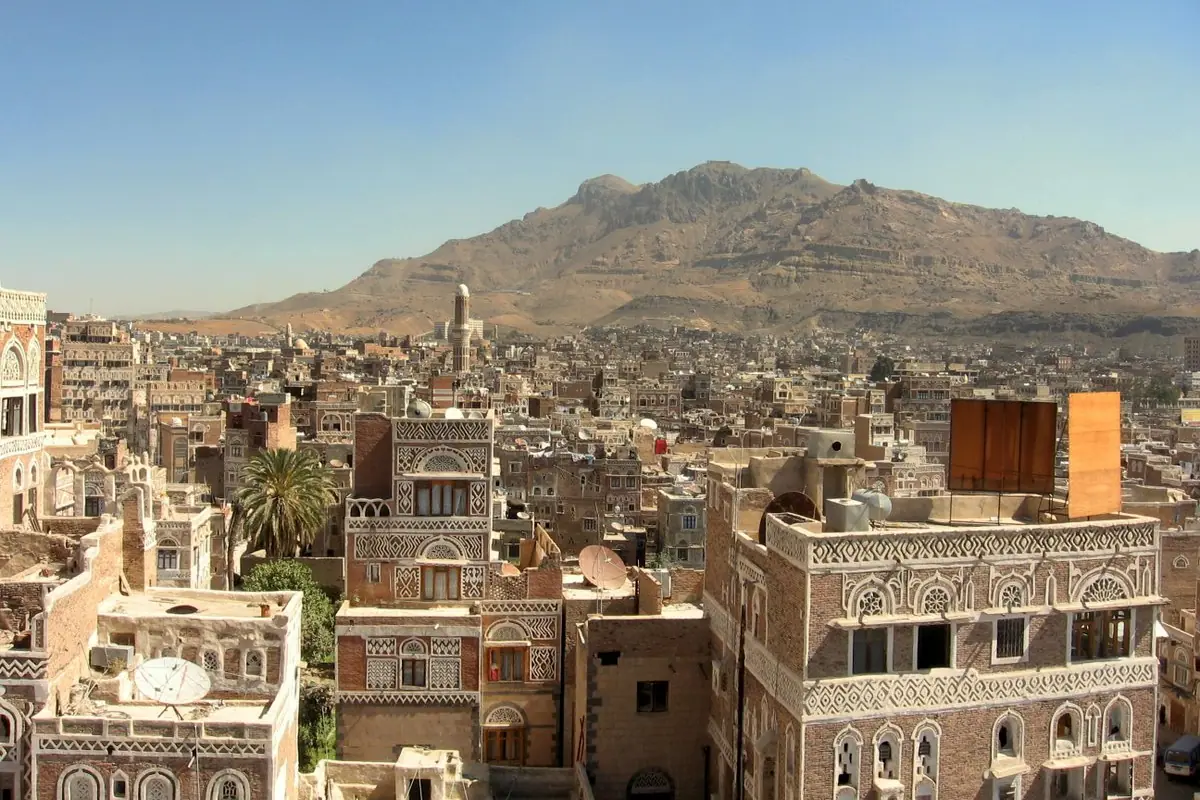
Sana'a is the image most people carry of Yemen: a walled old city of gingerbread-brick towers with white gypsum friezes and stained-glass windows, entered through the great gate of Bab al-Yemen and threaded with spice souqs that smell of cardamom, frankincense and roasting coffee. The city sits high enough that even midsummer afternoons rarely feel oppressive — but nights between November and February can drop close to freezing, and the old houses are built for shade, not for warmth.
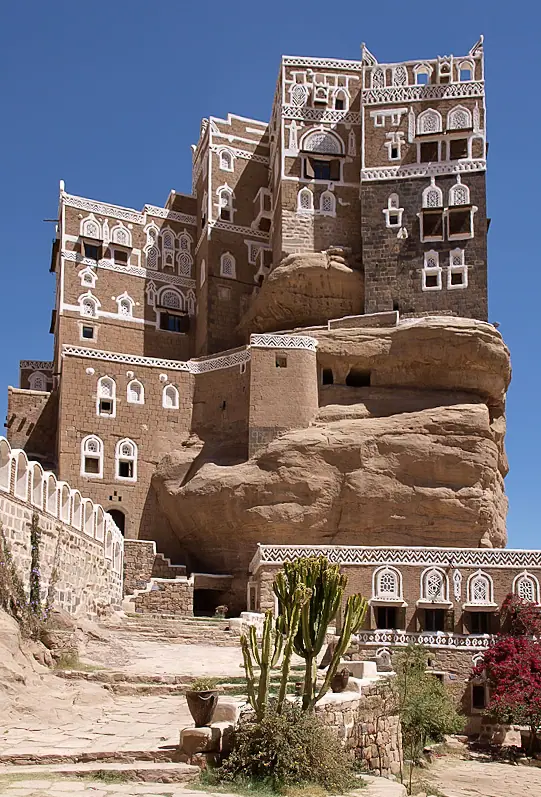
The finest months for the capital are March to May and September to November. That is when you can comfortably walk the old city at leisure, visit the vast modern Al-Saleh Mosque on the western edge of town, and take the short drive out to Wadi Dhar to see the Dar al-Hajar, the extraordinary multi-storey rock palace perched on a natural pinnacle — the single most photographed building in the country. Continue west into the Haraz mountains and you enter a landscape of stone villages and terraced fields clinging to cliffs, with the market town of Manakha a rewarding base.
Practicalities matter here. Build your day around early mornings and late afternoons, keep a warm layer for evenings, and remember that Ramadan shifts the rhythm of the whole city: hotels stay open but daytime dining is subdued, and the festive evenings around Eid fill accommodation fast. Book the cooler spring and autumn weeks well ahead, because supply of good rooms in the capital is far smaller than demand.
Coastal Winter: Aden, Al-Mukalla and the Tihama Plain
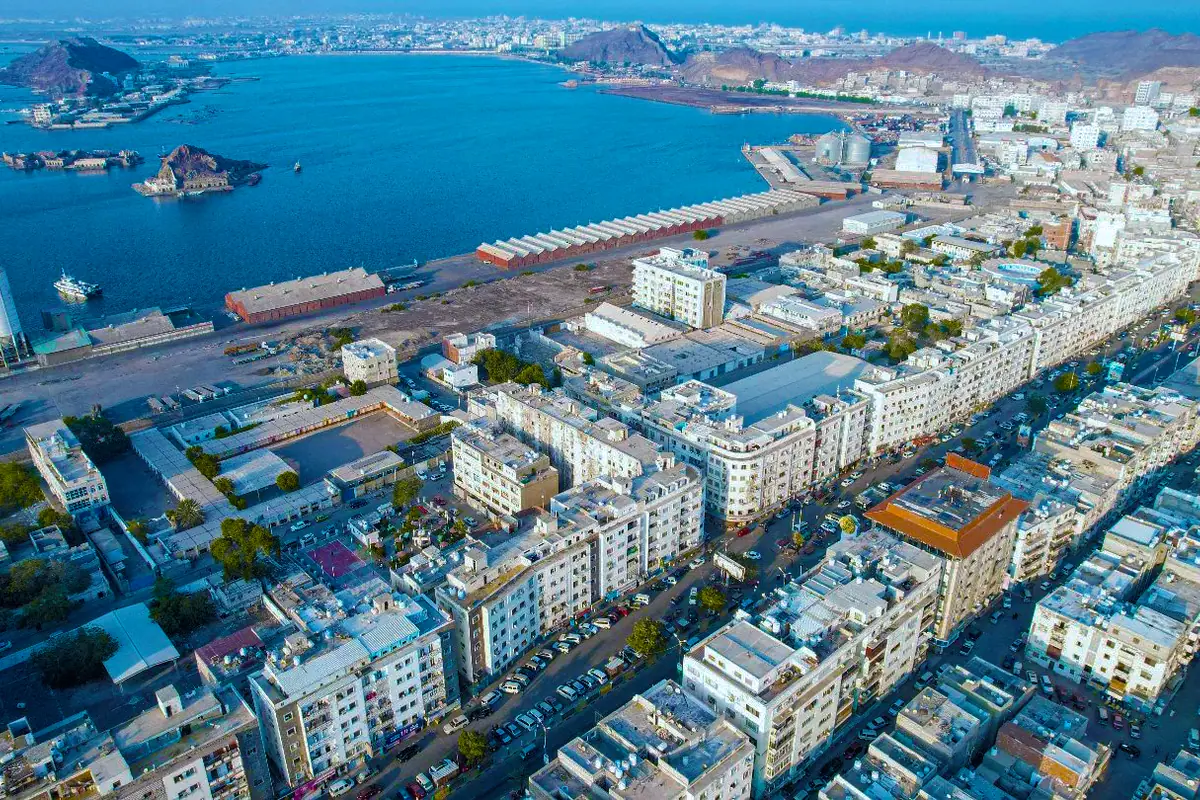
Yemen's coastline has an inverted season. Summer is punishing, so the best time to be in Aden and along the Gulf of Aden is roughly November to March, when sea breezes take the edge off the heat and evenings become genuinely pleasant. Aden itself is a city of craters and harbours: the old volcanic Crater district, the remarkable Tawila Tanks — a chain of ancient rock-cut cisterns for storing rainwater — and the crumbling British-era waterfront give it a melancholy, cinematic quality that rewards slow exploration.
Further east, Al-Mukalla offers a gentler coastal stop, with its old quarter of whitewashed houses, ornate wooden balconies and a long corniche looking out over the Arabian Sea. Winter is the season for walking it without wilting. On the Red Sea side, the Tihama plain around Zabid and Hodeidah is one of the hottest inhabited places in the region; if you go at all, aim for December to February, and plan to be indoors or in deep shade from late morning onward.
Hotel-wise, the coast is where Yemen's more conventional accommodation survives: city hotels with air conditioning, generators and, in good years, functioning pools. But air conditioning is doing heavy lifting here, and power cuts are common, so a room with cross-ventilation and an ocean-facing window can beat a sealed box with a struggling unit. Coastal humidity also peaks from June to September, when even a night-time stroll feels like walking through warm water.
Socotra: The Island With Its Own Calendar
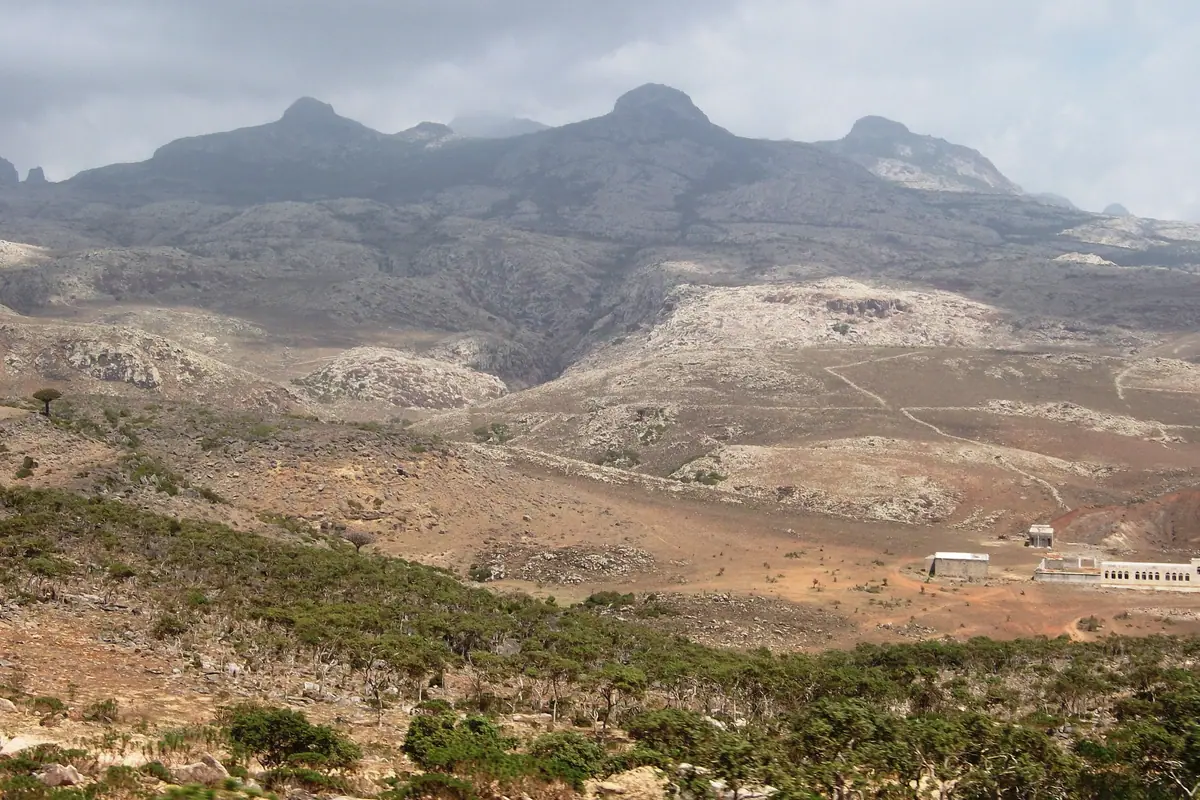
Socotra is the single strongest argument for planning Yemen by season rather than by country. Between roughly June and September the southwest monsoon — known locally as the khareef — lashes the island with relentless wind, rough seas and disrupted air links. Camps shut, beaches become unwalkable, and travel plans dissolve. That leaves October to May as the usable window, with February to April arguably the sweet spot: calm water, comfortable temperatures and the island at its greenest after early rains.
What you are travelling for is unlike anywhere else on earth. On the Dixam Plateau, dragon's blood trees spread their strange umbrella canopies across the limestone; at Detwah Lagoon near Qalansiyah, white sand curves around turquoise shallows; the dunes at Arher pile up against granite cliffs where freshwater springs seep onto the beach. The Homhil protected area, with its bottle trees and panoramic escarpment views, and the coral gardens of the Dihamri marine area round out an itinerary that needs at least a week to feel unhurried.
Accommodation on Socotra is deliberately simple: eco-camps of tents and palm-thatch huts along the coast, plus basic guesthouses in Hadibo. Expect shared bathrooms, limited fresh water, generator power and no air conditioning — the sea breeze does the work. Because capacity is tiny and flights infrequent, the island sells out for the best weeks long in advance; anyone turning up in the peak of the season hoping for a spare bed is likely to be disappointed. Bring cash, a headlamp and patience.
Hadhramaut, Shibam and the Desert East
In the east, the Wadi Hadhramaut cuts a green ribbon through arid plateau country, and along it stand some of the most astonishing architecture in the Arab world. Shibam is the showstopper: a walled town of mud-brick towers up to eight storeys high, packed shoulder to shoulder and earning its reputation as the oldest skyscraper city on earth. Nearby Tarim is a town of minarets, palaces and libraries, while Seiyun makes the natural base with its own mud-brick palace and a working market.
Timing here is stark. From November to February, days sit in the comfortable mid-twenties, the sky is reliably clear, and you can climb rooftops and wander wadis without exhaustion — though nights in the desert and in unheated mud-brick rooms get genuinely cold, so pack accordingly. From May through September the valley becomes an oven, and travel during the day turns into a test of endurance. March, April and October are shoulder months that can go either way.
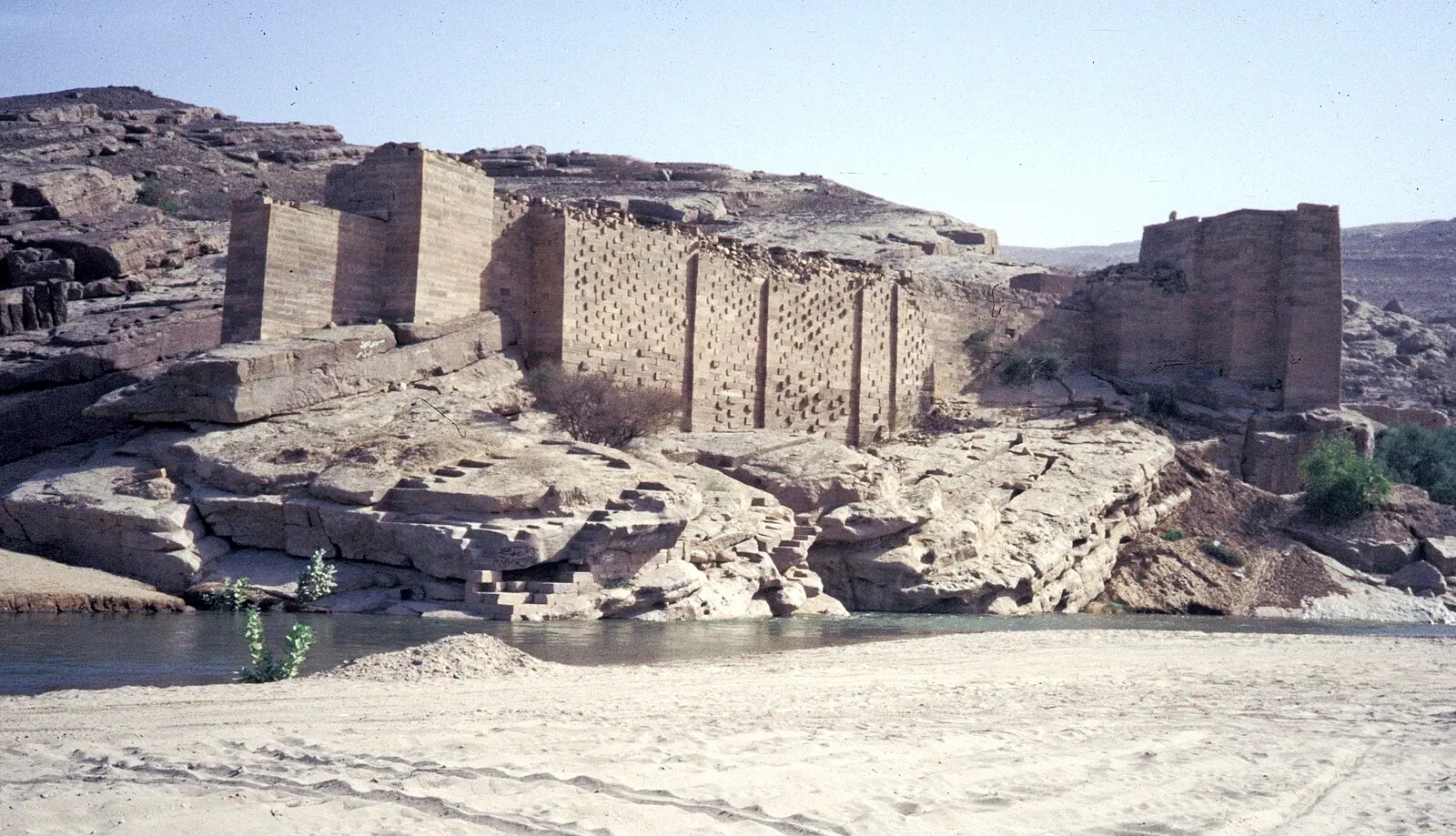
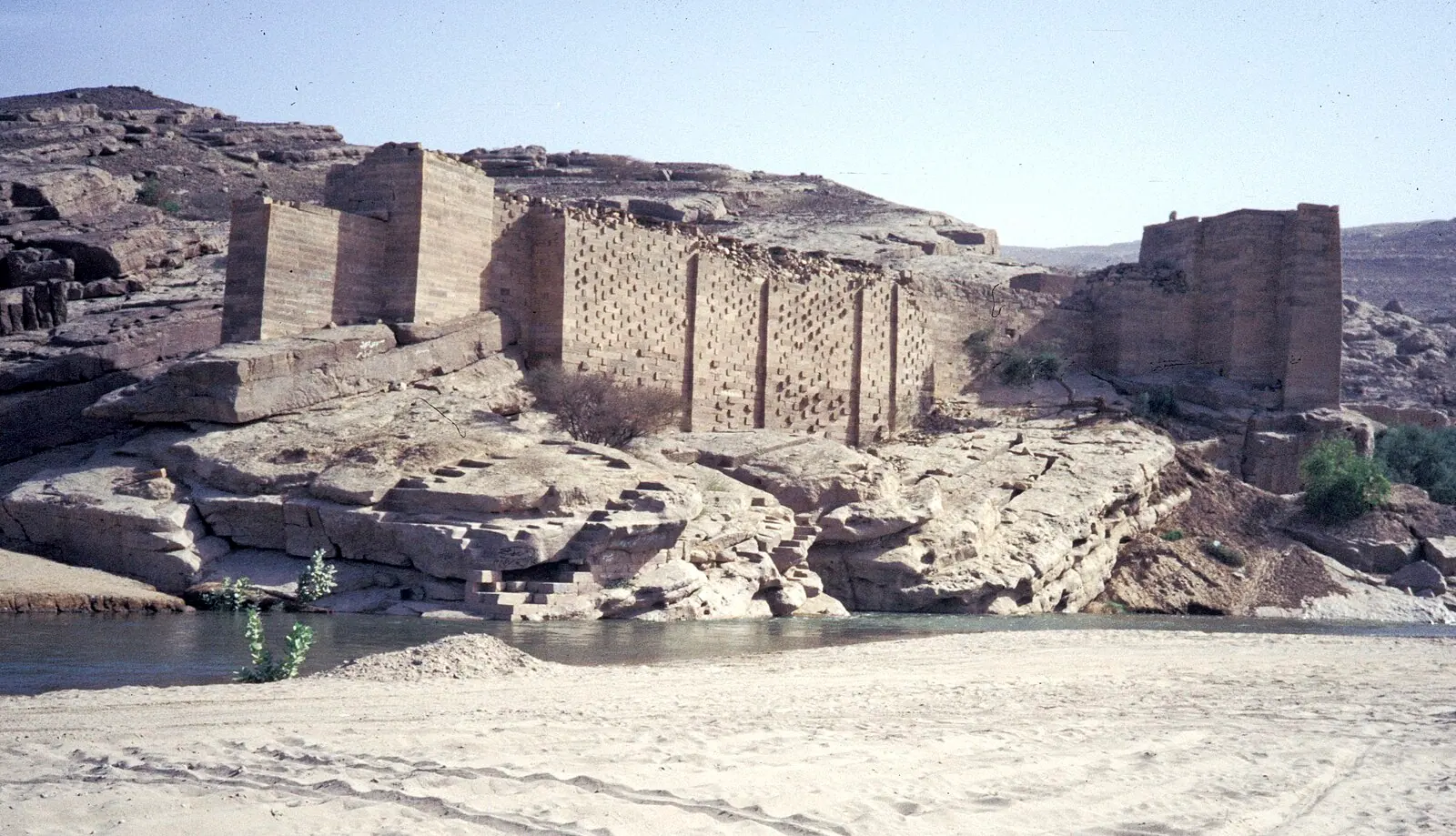
The classic pairing with the wadi is Marib, east of Sana'a, home to the ruins of the ancient Great Dam and the temple remains at Barran — monuments of the Sabaean civilisation that flourished on incense trade. Marib is desert-edge country: winter and early spring are the only civilised times to see it. In Hadhramaut, most visitors stay in restored mud-brick guesthouses or small local hotels in Seiyun and Tarim, which are atmospheric but basic; book early around religious festivals and wedding season, when the whole valley seems to fill up.
Hotels, Holidays and the Honest Reality of Travel Here
Yemen's accommodation falls into three broad camps, and the season you choose determines which ones you can actually use. In Sana'a and Aden you find conventional city hotels, some of them formerly of international standard, with air conditioning and restaurants; in Hadhramaut, heritage guesthouses in restored tower houses; on Socotra, seasonal tented camps that exist only outside the monsoon. None of it behaves like a normal tourism market — supply is thin, standards vary enormously, and the difference between a good and a bad room is often whether the generator and water pump are working that week.
Certain dates compress demand sharply. The two Eid holidays, the main pilgrimage season and the winter and spring high seasons all push prices up and rooms out. If you are travelling between October and April, reserve weeks rather than days ahead, confirm your booking directly with the property shortly before arrival, and have a backup plan. If you are going to Socotra, secure your place on a flight and your camp bed together, ideally months in advance.
Above all, be clear-eyed. Much of Yemen is affected by armed conflict, damaged infrastructure and severe restrictions on movement, and many governments advise against all travel to the country. Some regions are effectively closed to visitors; others open and close unpredictably. Check current advice before booking anything, work only with established local operators who know the ground conditions, and treat weather as the second question and access as the first. The reward, for those who do go when conditions allow, is among the most extraordinary landscapes and architecture anywhere — which is precisely why the timing matters so much.
Frequently asked questions
What is the single best time of year to visit Yemen?
For the country as a whole, October to November and March to April offer the most comfortable conditions — mild days in the Sana'a highlands, tolerable heat on the coast and a monsoon-free window on Socotra. July and August are the least pleasant months almost everywhere.
When is the best time to visit Socotra?
Roughly October to May, with February to April the standout. The southwest monsoon from June to September brings strong winds, rough seas and disrupted flights, and most coastal camps close during that period.
Do I need to book hotels in advance in Yemen?
Yes, more than almost anywhere else. Good rooms are scarce, the high seasons are short, and Eid and wedding periods fill properties quickly. Reserve weeks ahead, reconfirm directly with the hotel close to your arrival date, and keep an alternative in mind.
How hot does Yemen get in summer, and where?
The Tihama plain along the Red Sea and the eastern deserts regularly exceed 40°C from June to September, with heavy humidity on the coast. The highlands around Sana'a stay far cooler, and Socotra is cooled by monsoon winds but becomes impractical to travel around.
Is Yemen safe to visit right now?
Large parts of the country are affected by conflict and movement is heavily restricted, and many governments currently advise against all travel. Some areas are effectively off-limits to visitors and conditions change quickly, so check current official advice and rely on established local operators before planning anything.
Sort the rest of your trip
Everything for Yemen, in one place
Transfer in Yemen
Private driver waiting on arrival — no queues, no surprises.
Book a transfer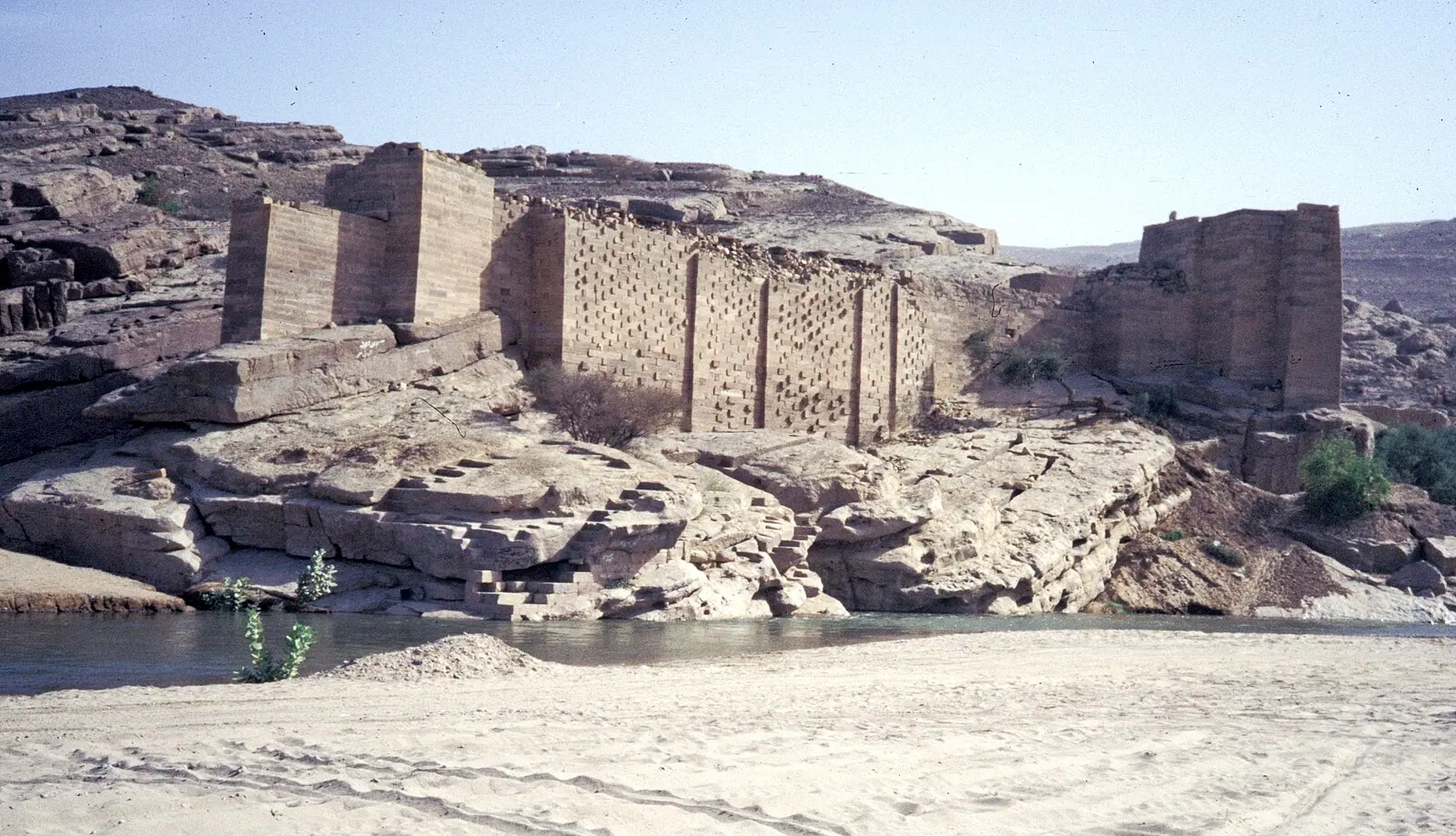
Things to do in Yemen
Skip-the-line tickets, guided tours and standout experiences.
See experiences
Stay online in Yemen
Travel eSIM — data the moment you land, no roaming bills.
Get an eSIM