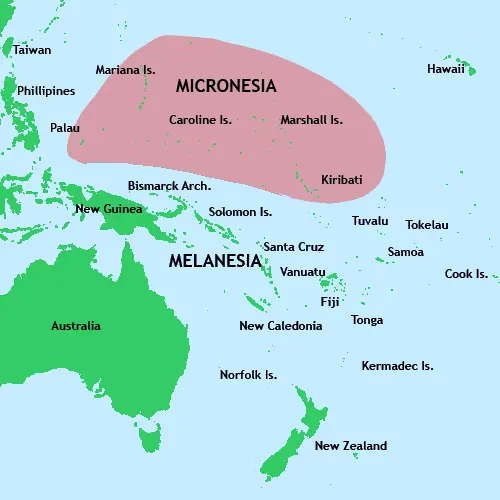
Micronesia is not one destination but hundreds of islands scattered across a warm, shallow corner of the western Pacific — and the right month to book a room depends entirely on which of them you mean. Get the timing right and you'll be diving a ghost fleet in glass-clear water, watching manta rays glide past a stone-money village, or standing beneath a waterfall at full roar. Get it wrong and you'll pay peak rates for grey horizons and cancelled boat trips.
How Micronesia's Two Seasons Shape Your Stay
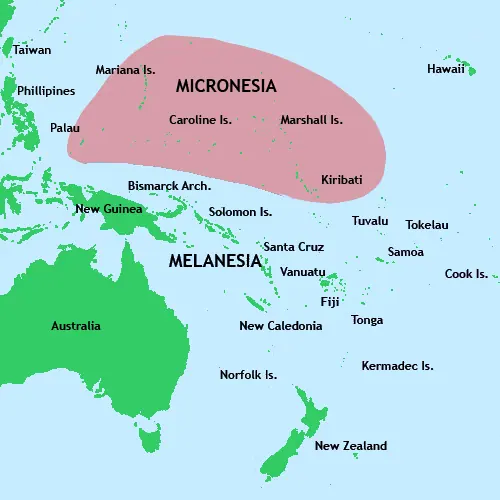
The islands of Micronesia sit just north of the equator, strung from Palau and Yap eastward through Chuuk, Pohnpei, Kosrae and out toward the Marshall Islands and Kiribati. Because the latitude barely changes, the thermometer hardly does either: expect roughly 27–30°C by day year-round, sea temperatures warm enough for a rash guard instead of a wetsuit, and humidity that makes a ceiling fan a genuine amenity. What actually shifts through the year is wind, rain and swell — and those three things dictate diving visibility, boat schedules and, consequently, what a room costs.
There are effectively two seasons. The drier months run from roughly December to April, when steady northeast trade winds push the heaviest cloud away, seas flatten and inter-island flights and dive boats are at their most reliable. The wetter half of the year, from about May or June through November, brings lighter and more variable winds, sudden afternoon downpours, warmer and sometimes murkier lagoons, and the tail risk of tropical storms spinning up west of the islands. Rain in Micronesia rarely means an all-day washout on the coast — it means a soaking squall, then steam rising off the road twenty minutes later.
That said, this is a vast region and generalisations only go so far. Pohnpei's mountainous interior is famously drenched almost every month, while the low coral atolls of Yap and the Marshalls can go weeks on end with barely a cloud. Plan around the specific island first, hotel second, and treat the seasons as a gentle guide rather than a rule.
December to April: Peak Season for Diving, Roads and Room Rates
If your trip revolves around being in the water, these are the months to aim for. In Chuuk Lagoon, the protected anchorage that holds one of the world's great collections of wartime shipwrecks, the dry-season calm lets dive operators reach deeper sites such as the Fujikawa Maru and the San Francisco Maru with consistent visibility and easy surface intervals. Over in Palau, the drift dives at Blue Corner and the coral gardens of the Rock Islands are at their most photogenic, and the jellyfish lake on Mecherchar — whose access rules change from time to time, so confirm locally — is at its calmest. Yap's manta channel delivers its most dependable sightings when the trades are steady.
This is also the season when Micronesia fills up. Room inventory is genuinely small: most islands have a handful of small hotels, family-run guesthouses and dive lodges rather than large resorts, and a single charter group or government delegation can absorb a whole property. Book three to six months ahead for December through March, and longer if your dates overlap with Yap Day on 1 March, when traditional dancing, outrigger races and woven-lava-lava finery draw visitors from across the region and beds in Colonia vanish fast.
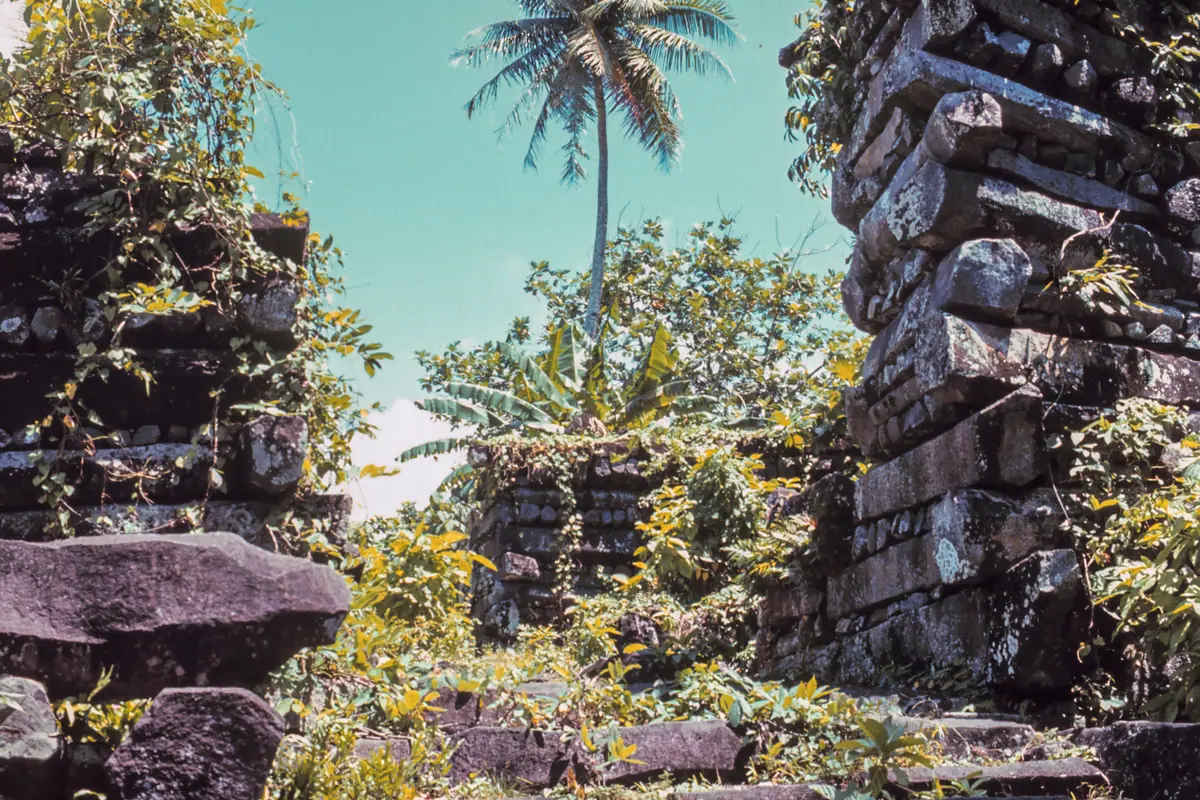
On land, the drier months are when you want to be walking the basalt walls of Nan Madol on Pohnpei — a ruined city of enormous stone islets built on a reef flat, eerie and half-swallowed by mangrove — or climbing to the viewpoint beneath Sokehs Rock overlooking Kolonia harbour. Trails are firmer, the causeway to Nan Madol is less likely to be a mud bath, and the drive around the island on the circumferential road is quicker. Trade winds also take the edge off the humidity, which makes long days of sightseeing far more comfortable.
May to November: Lower Rates, Thunderous Waterfalls and Local Festivals
The wet season has a strong case of its own, starting with price. Hotel rates and dive packages soften noticeably outside the December–April window, and walk-in availability improves on quieter islands. The landscapes are at their most extravagant too: on Pohnpei, Kepirohi Falls and the tiered pools of Liduduhniap plunge with real force after heavy rain, and the rainforest that wraps the island's volcanic peaks turns an almost impossible green. Kosrae, quieter still, becomes a world of dripping jungle around the ruins of Lelu and the slopes of Mount Finkol, and the mangrove channels of the Utwe-Walung Marine Park are best explored when the water is high.
Cultural life hums in these months as well. Micronesia's national day falls on 10 May, marked on Pohnpei and across the federated states with speeches, feasts and outrigger canoe racing; Pohnpei's Liberation Day on 11 September is a full island celebration; and the Marshalls fill Majuro's waterfront for Fisherman's Day in early July. These are local events rather than staged tourist shows, which makes them memorable and also means you should ask before photographing ceremonies and dress modestly away from the beach.
The trade-offs are real. Afternoon squalls can scrub a boat trip, inter-island flights are more likely to be delayed, and lagoons lose some of their sparkle as runoff clouds the water. Tropical storms are possible, most often late in the season; it's worth checking the forecast in the days before you fly and buying flexible fares if you're island-hopping. Bring a light rain shell, dry bags for electronics and reef-safe sunscreen, and treat the rain as part of the experience rather than an interruption.
Island by Island: When Each Destination Peaks
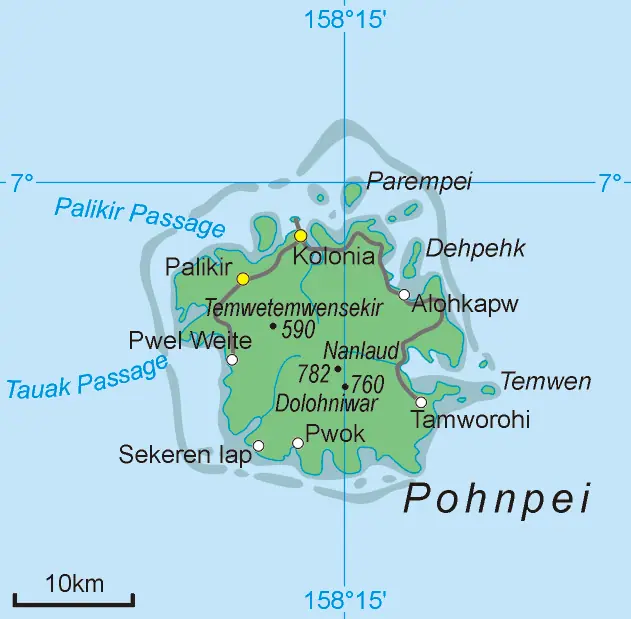
Pohnpei is the cultural heavyweight and pairs best with December to April for dry footing, though its waterfalls and cloud forest reward any month. Base in Kolonia and work outward: Nan Madol, the stone city; the traditional stone-money and sakau culture of the interior villages; the ridge trail above Sokehs Rock; and the mangroves of the north coast. Kosrae, an hour's flight onward, is a single green mountain ringed by reef — time your visit for the drier months if you intend to hike Mount Finkol or snorkel the coral gardens, and any month for the sombre, beautiful Lelu Ruins and the Menka Ruins hidden in the forest.
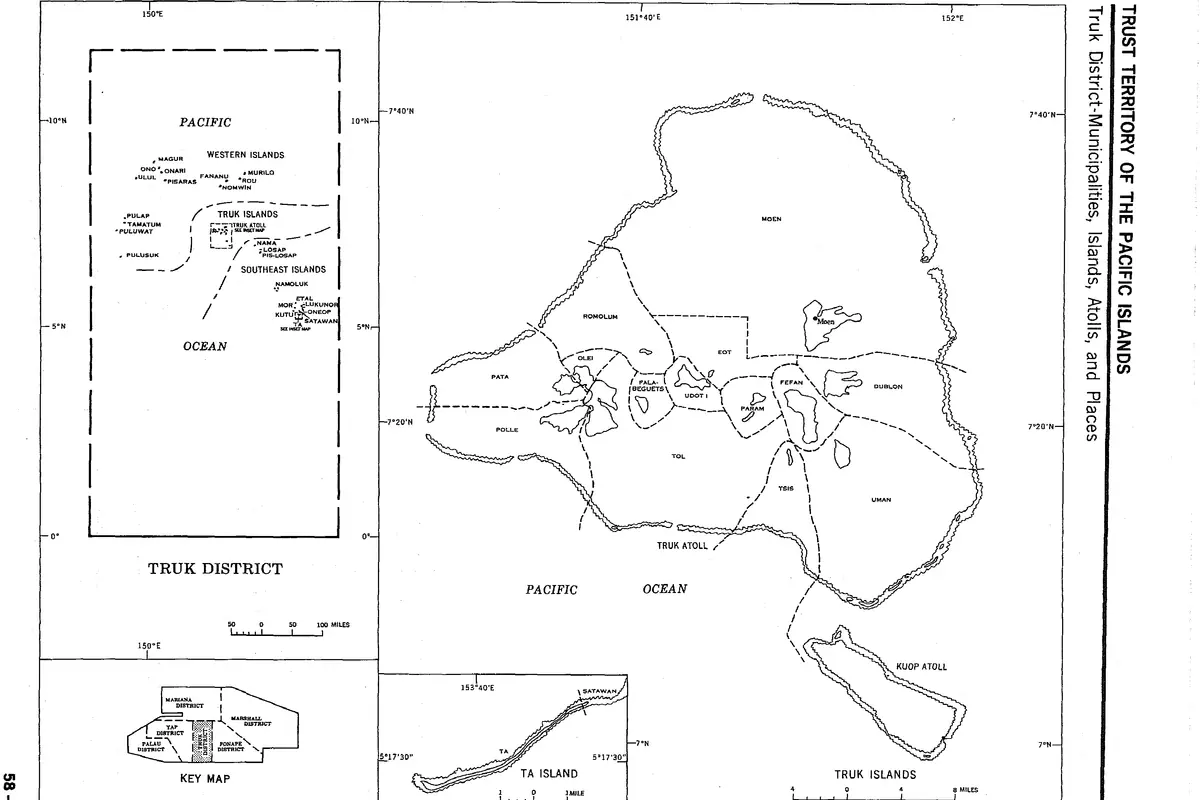
Chuuk is a diver's island and barely pretends otherwise. Weno, the main island, is where the lodges sit, and the wrecks in the lagoon are diveable year-round — but February to April typically offers the best combination of flat water, long days and clear visibility. Yap runs to its own rhythm: visitors come for the stone money banks lining the village paths, the men's meeting houses, and the resident manta rays that sweep through the channel on the west side, and the driest, calmest weeks fall from December through April. Yap Day on 1 March is the single best date in the calendar for anyone interested in Micronesian culture.
Palau, the westernmost and most developed corner of the region, has the widest range of accommodation and the most forgiving shoulder seasons — late April and November are sweet spots with good water and thinner crowds. Beyond that, the Marshall Islands reward travellers who make the longer haul: Majuro's Alele Museum and the calm lagoon beaches at Laura are easy to reach, while Bikini Atoll, a remote dive destination for those with serious experience, is strictly seasonal and reached by liveaboard only.
Choosing and Booking Hotels Across the Islands
Micronesian accommodation is small-scale and idiosyncratic. On Pohnpei you'll find modest hotels and guesthouses around Kolonia with air conditioning, a restaurant and a pickup service from the airport; on Kosrae, family-run inns near Tofol and Lelu; on Chuuk, dive lodges on Weno that bundle rooms with boat dives and tanks; on Yap, a couple of comfortable properties in Colonia within walking distance of the stone money and the harbour. Palau offers the region's broadest choice, from Koror business hotels to resort-style properties on the nearby islands. Almost everywhere, expect simple rooms, powerful fans, occasional power or water interruptions, and staff who will go out of their way to help.
Because supply is thin, timing your booking matters more than choosing the fanciest room. Reserve three to six months ahead for December through March, and immediately if your trip hinges on a cultural festival, a liveaboard departure or a specific dive operator. Rooms are usually secured with a deposit and paid in cash or by card on arrival, and cancellations are common because of flight changes — so confirm your dates a week out. If you're island-hopping, build a buffer night at each end of the trip rather than booking same-day connections.
A few practical notes will smooth the stay. Many places shut down on Sundays, so plan arrivals and meals accordingly; cash is essential on smaller islands where card machines are temperamental; and in Yap and parts of Pohnpei, traditional courtesies still apply — ask before entering a village, dress conservatively off the beach, and never touch or climb on stone money. Nightly rates climb sharply during peak diving weeks and dive-charter season, so if budget matters, the wet-season months and the shoulder weeks of late April and November deliver the best value by a wide margin.
Practical Timing Tips for a Smoother Trip
Regional connections are the single biggest factor in how a Micronesia itinerary feels. Inter-island flights along the island-hopper routes run only a few times a week, with limited seats and a habit of slipping for weather or mechanical reasons. That means the practical best time to visit is often defined less by rainfall than by how much slack you can build into your schedule. Aim for a minimum of two weeks if you want to see three islands, and always give yourself at least a full day between a domestic hop and an international departure.
Weather-watching pays off. The dry season from December to April is the safest bet for diving, hiking and boat trips; May through November is cheaper, greener and culturally livelier but demands flexibility. If you're chasing a single experience — the wrecks of Chuuk Lagoon, the mantas of Yap, the jellyfish lake and Blue Corner in Palau, the ruins of Nan Madol and Lelu, the waterfalls of Pohnpei and Kosrae — check the conditions for that specific activity rather than trusting a generic calendar.
Finally, pack for the tropics rather than the forecast: quick-dry clothing, a light rain shell, sturdy reef shoes for sharp coral and basalt, insect repellent, and reef-safe sunscreen, which is required in some marine areas. Bring a good book for flight delays, a sense of humour about schedules, and patience with a region where time is measured by tides, church bells and the next boat rather than the clock.
Frequently asked questions
What is the single best month to visit Micronesia?
For most travellers, March is the sweet spot: the northeast trades are still steady, seas are calm, dive visibility in Chuuk Lagoon and Palau is excellent, and Yap Day on 1 March adds a cultural highlight. February and April are close behind and slightly quieter. If your priority is lower hotel rates rather than perfect water, aim for late April or November instead.
When should I book hotels in Micronesia?
Room inventory is small — most islands have only a handful of hotels, guesthouses and dive lodges — so book three to six months ahead for the December-to-April dry season. Book even earlier if your dates coincide with a festival such as Yap Day, Liberation Day on Pohnpei or Fisherman's Day in the Marshall Islands, or if you're joining a liveaboard or dedicated dive charter.
Does the rainy season ruin a trip to Micronesia?
Not usually. Wet-season rain tends to arrive as intense but short afternoon squalls, and the coast often dries within an hour. The real risks are murkier lagoon water, more frequent flight delays and the small chance of a tropical storm late in the season. The compensations are cheaper rooms, lush waterfalls such as Kepirohi and Liduduhniap on Pohnpei, and a livelier festival calendar.
Which islands should a first-time visitor choose?
Pohnpei for Nan Madol, Sokehs Rock and dense rainforest; Chuuk for wreck diving in the lagoon; Yap for stone money, traditional villages and manta rays; Kosrae for Lelu Ruins and near-empty reefs; and Palau for the Rock Islands, Blue Corner and the widest choice of hotels. With two weeks you can comfortably combine two or three of them.
Is there a typhoon risk in Micronesia?
Tropical storms are possible, mainly between roughly July and November, and they are more likely in the western islands than in the far east. The dry season from December to April is generally calm. If you travel in the wetter months, keep your dates flexible, check forecasts before island hops and consider fares that allow changes.
Plan it — hotels in Micronesia
Live search, booked directly with trusted providers.
Sort the rest of your trip
Everything for Micronesia, in one place
Transfer in Micronesia
Private driver waiting on arrival — no queues, no surprises.
Book a transfer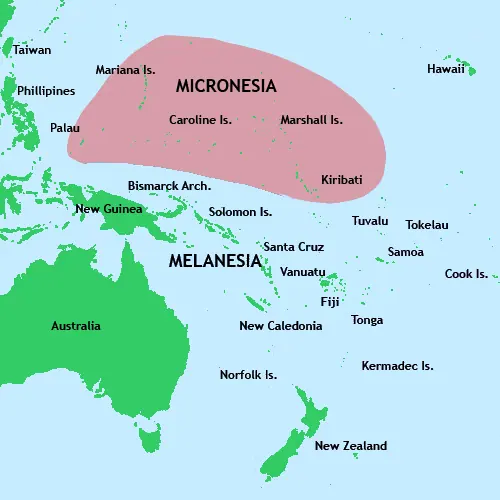
Things to do in Micronesia
Skip-the-line tickets, guided tours and standout experiences.
See experiences
Stay online in Micronesia
Travel eSIM — data the moment you land, no roaming bills.
Get an eSIM