Libya is two countries wearing one flag: a mild, rain-washed Mediterranean coast lined with Roman cities, and a Sahara so vast it swallows whole kingdoms. Time your visit badly and you will meet the desert at 45°C or the coast in grey drizzle — time it well and the country unfolds with rare generosity. Here is how the seasons actually behave, month by month, and where to sleep once you have chosen your window.
Libya's Seasons at a Glance: Two Climates in One Country
Libya is really two destinations stitched together. Along the Mediterranean runs a narrow fertile strip — Tripoli, Sabratha, Leptis Magna, Benghazi — where winters are mild and damp and summers are long, humid and punishing. Behind it lies the Sahara: the Fezzan, the oasis towns of Ghadames and Ghat, the sand seas and rock arches of the Tadrart Acacus, where the thermometer swings harder than almost anywhere on earth. Planning a trip means deciding first which of those two Libyas you are chasing.
On the coast, daytime temperatures hover around 15–18°C in January and climb to 32–38°C between July and September, with sticky humidity along the Tripoli Corniche. Inland, in Sebha and Ghadames, summer days push into the mid-40s while winter nights fall close to freezing, and the high plateau around Ghat can see frost. The sea is at its warmest in September and October, roughly 26°C, and at its coolest in February and March.
The practical answer is that the sweet spots are March–April and October–November. Most foreign visitors arrive on organised itineraries, since visas are sponsored by licensed operators and independent travel is not realistically possible, so your dates often follow an operator's scheduled departures. Build in a spare day if you can, and respect the spring dust winds, which can haze the coast and stall desert driving for a day or two at a time.
Spring, March to April: The Best Window for Leptis Magna, Sabratha and Cyrene
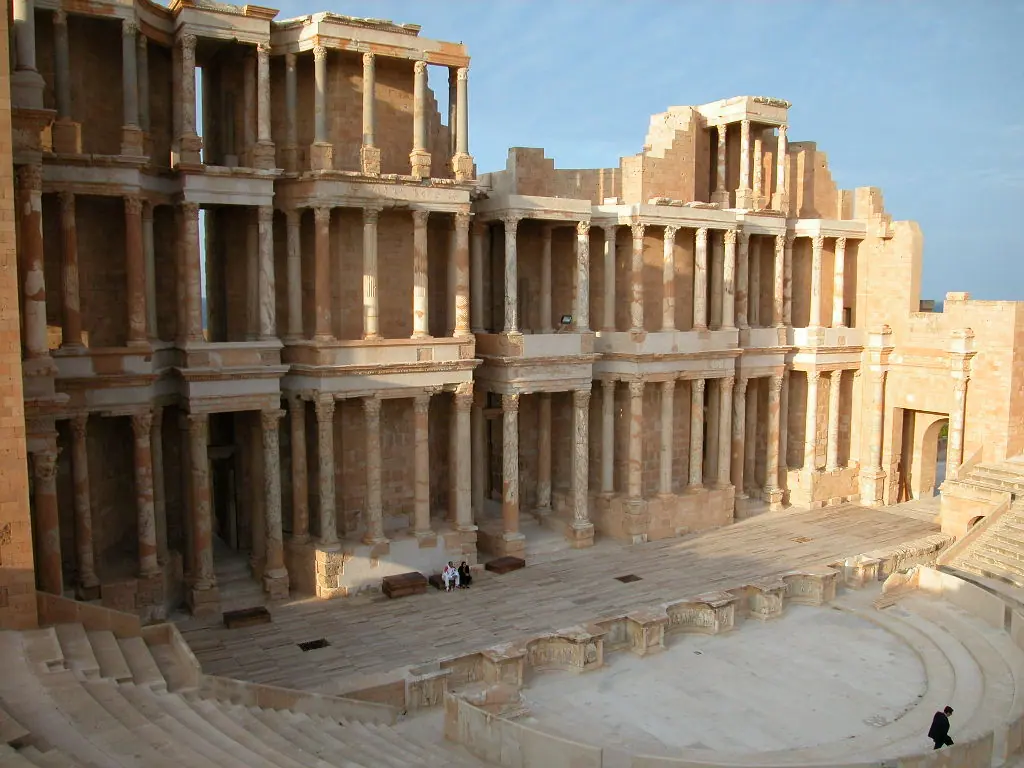
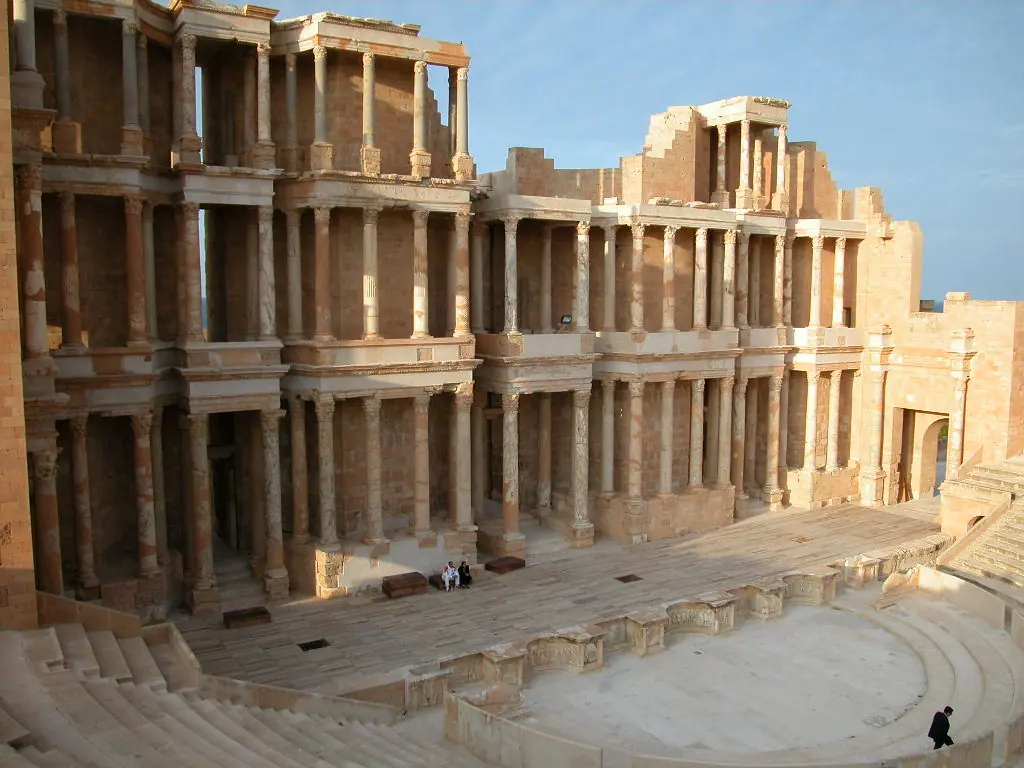
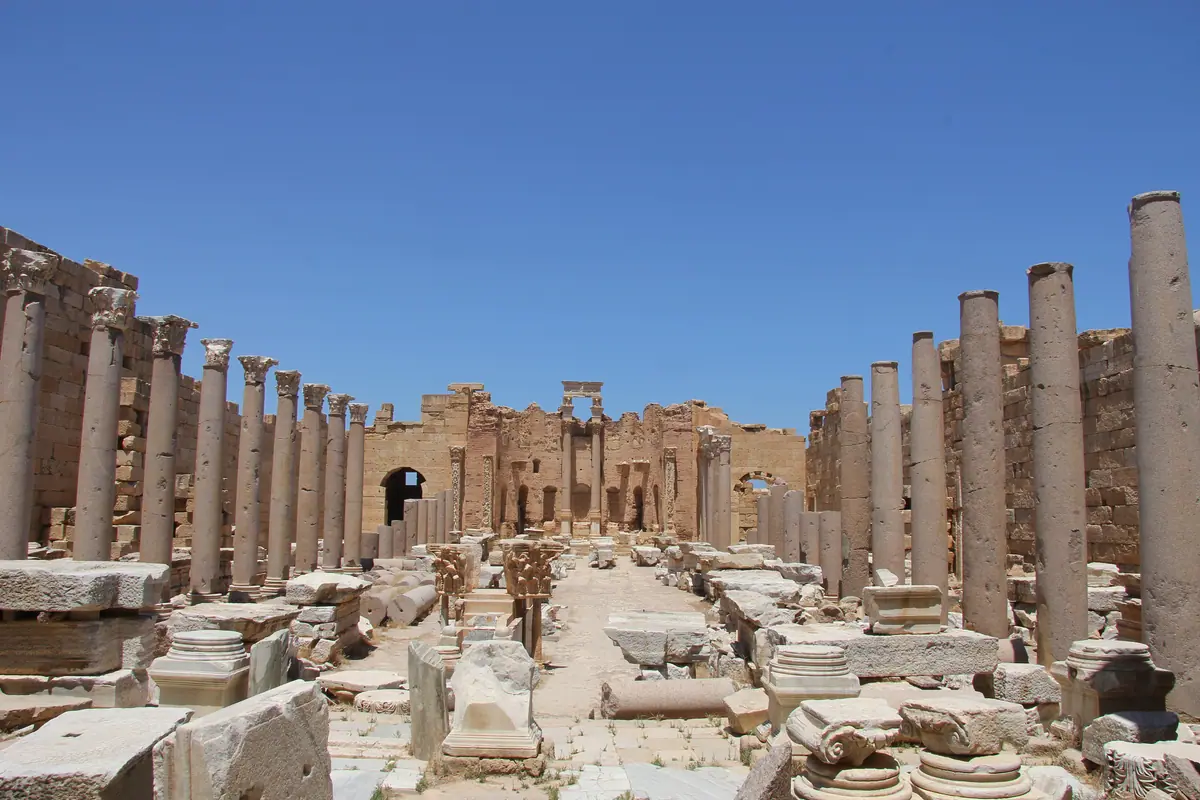
Spring is the classic answer to when you should go. Days sit comfortably between 20°C and 28°C on the coast, the winter rains have left the Green Mountains genuinely green, and wildflowers cover the slopes around Cyrene and Apollonia. Leptis Magna, roughly 120 km east of Tripoli, is at its most forgiving: the site is enormous and almost entirely without shade, so a three-to-four-hour visit at 22°C feels entirely different from the same walk at 38°C. Sabratha, west of the capital, with its three-tiered Roman theatre staring straight out to sea, is equally pleasant.
Inland, the Jebel Nafusa plateau is at its best. The hilltop ruins and Berber storehouses at Nalut and Qasr al-Haj, the strange troglodyte pit dwellings of Gharyan, and the mosaic floors of Qasr Libya in the Green Mountains are all spring-friendly. Cyrene, the Greek city above modern Shahat, sits at around 600 m and runs a few degrees cooler than the coast, so pack a light jacket for early mornings.
Do keep an eye on the weather. Spring brings dust-laden southerly winds that can turn the sky amber, and occasional heavy rain that briefly floods the wadis. Late March and April also coincide with local school holidays, and Libya's handful of genuinely comfortable hotels fill quickly — book as far ahead as your operator allows.
Autumn, October to November: Ghadames, the Ubari Lakes and the Date Harvest
Autumn is the desert's reward. At Ghadames, the whitewashed oasis town of covered alleys and palm-shaded courtyards, the date harvest arrives in October and the place fills with families and traders. Daytime temperatures settle around 28–33°C, nights are mild, and local celebrations with music and traditional dress sometimes fall in this window — a rare chance to see the old town at full volume rather than half-empty.
The Ubari sand sea and its string of lakes — Gaberoun, Um el Ma, Mafo — are arguably at their most photogenic now. The water is still warm enough to swim in, the reeds stand thick, and the 4x4 tracks between the dunes are firm. Further south, Fezzan towns such as Sebha and Germa, the old Garamantian capital, become bearable again after the summer furnace.
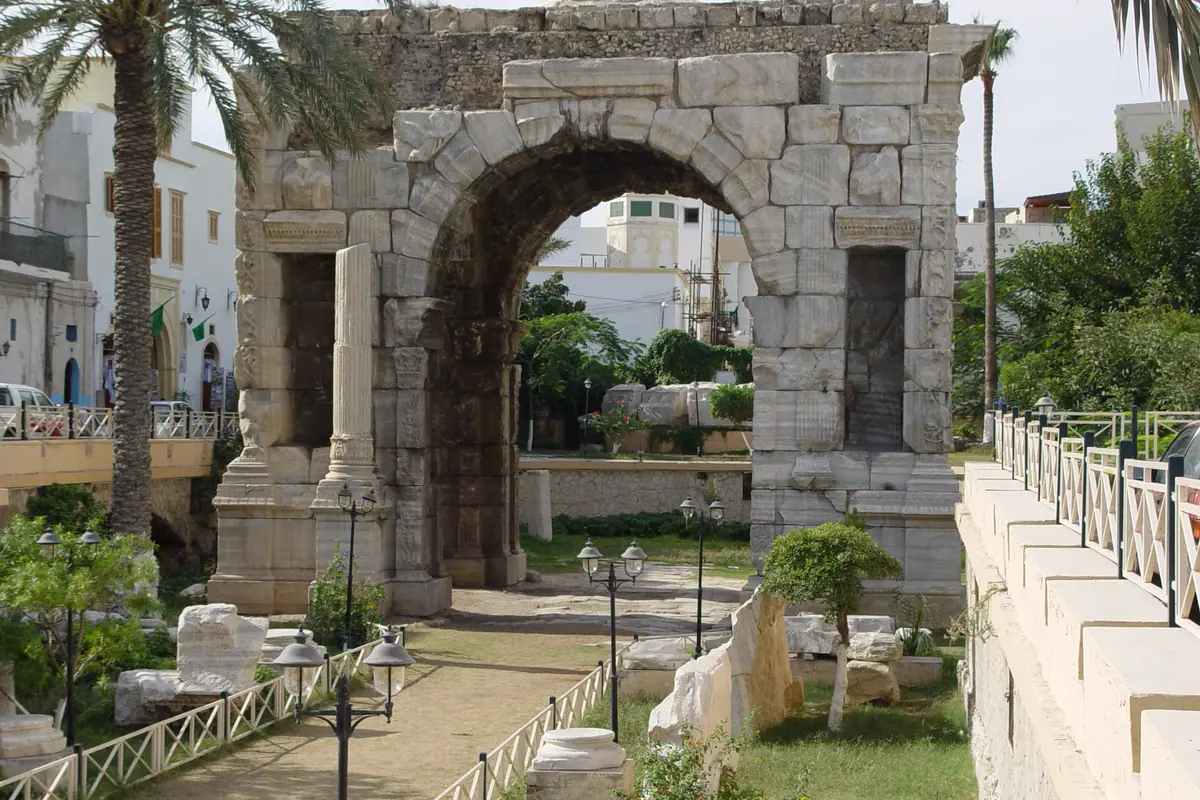
On the coast, October is very possibly the best swimming month of the year, with the sea at about 25–26°C, and Tripoli's medina becomes a pleasure to wander: the Marcus Aurelius arch, the Gurgi Mosque, the Red Castle museum and Martyrs' Square are all within a short stroll. By late November, though, desert nights drop to around 5–10°C, so layers stop being optional.
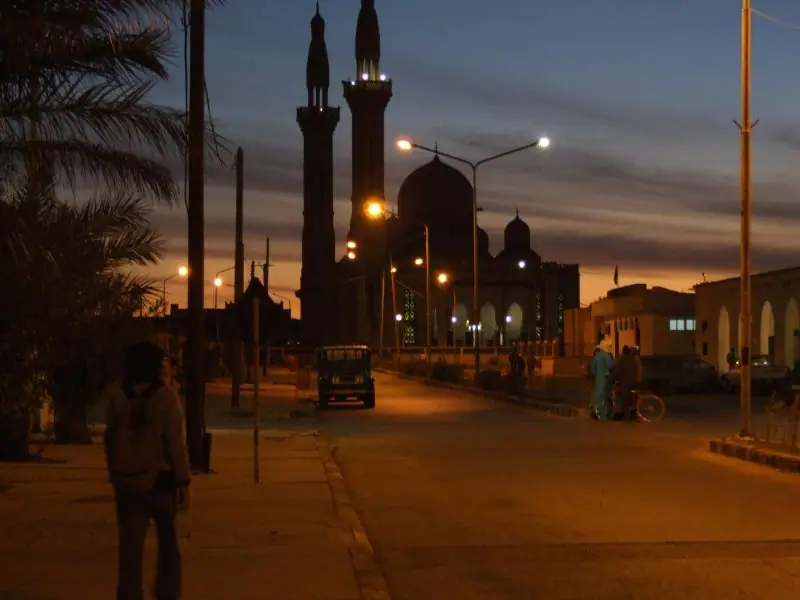
Winter, December to February: Mild Coasts, Cold Desert Nights and the Tadrart Acacus
Winter splits the country cleanly in two. Tripoli and the coast stay mild, generally 8–18°C, with occasional rain and a fair number of grey days — which makes this a fine season for ruins and museums without heat. Leptis Magna, Sabratha, Ptolemais and Apollonia can all be explored in comfort, and you will share them with very few other visitors.
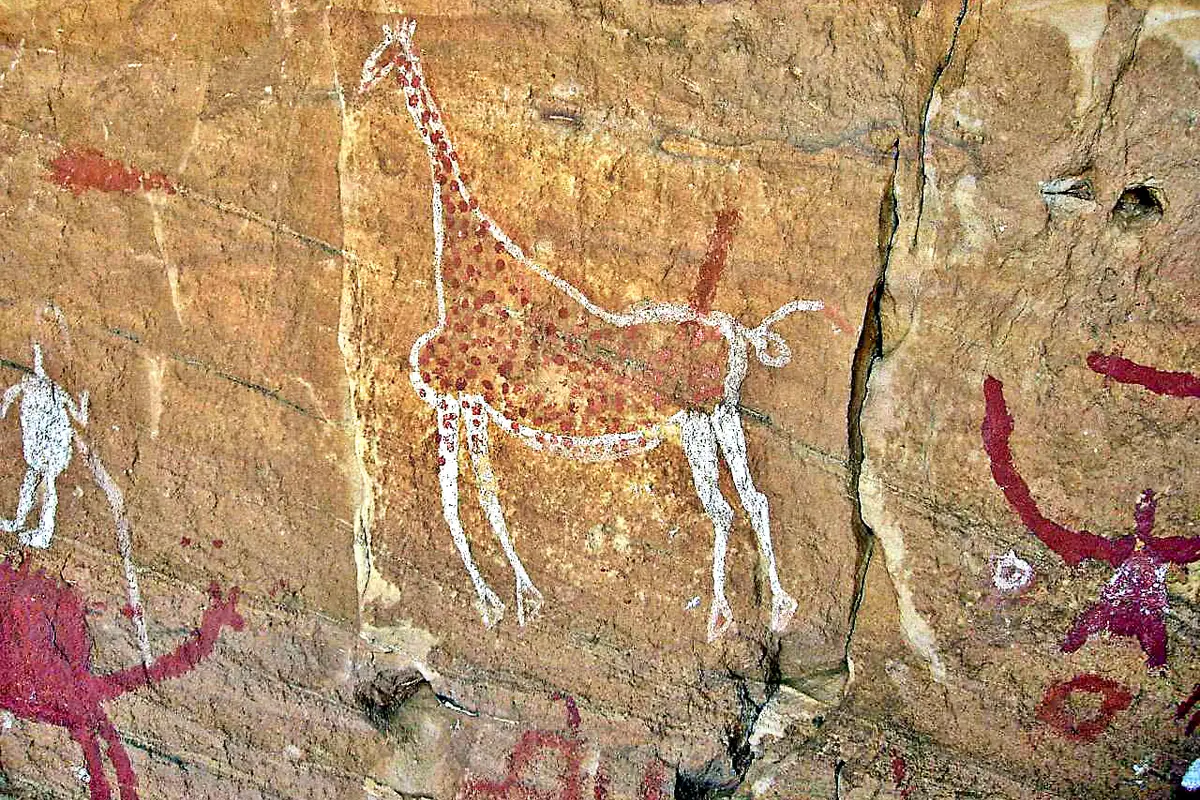
The deep desert is a different proposition. The Tadrart Acacus, reached via Ghat, is at its most rewarding for the painted rock shelters at Wadi Tashwinat and Teshuinat, where thousands of figures of giraffes, cattle and hunters cover the sandstone. Daytime temperatures of 18–24°C make the walking and the driving genuinely enjoyable. But nights fall to 0–5°C and sometimes below, with frost, so desert camps demand proper sleeping bags, thermals and a decent jacket. Daylight is short, and itineraries start early.
The Jebel Akhdar around Al Bayda can be cold, wet and misty — this ridge receives more rain than anywhere else in the country — but the reward is seeing Cyrene and the harbour ruins at Apollonia under clouds that make them feel almost European. Expect the most changeable conditions of the year and build slack into your schedule for washed-out roads.
Summer, May to September: Coastal Heat, Sea Swimming and the Sabratha Festival
Summer belongs to the coast. Tripoli and Benghazi turn hot and humid, with 30–40°C days in July and August, so sightseeing shifts to early morning and late afternoon. The rhythm becomes: Leptis Magna at dawn, a long siesta, the sea after four. Buildings are built for it, with thick walls and shutters, and evenings along the water are genuinely lovely.
The Mediterranean is the compensation. Swimming is comfortable from May right through October and at its warmest in September. Coastal resorts fill with Libyan families during the July–August school break, so hotel availability tightens and prices rise accordingly. The cultural highlight of the season is the theatre festival at Sabratha, when performances are staged inside the Roman theatre itself — an unforgettable setting, though tickets and rooms need booking far in advance.
Inland, it is a different world. The Fezzan, Ghadames and the Acacus are brutal in midsummer, with days in the mid-40s and higher, and most operators simply suspend desert itineraries between June and August. If you do go inland in May or September, expect 4am starts, long midday breaks and short excursions. The altitude of the Jebel Akhdar keeps Al Bayda and Shahat a few degrees cooler than the coast, which makes them a sensible summer base.
Where to Stay: Choosing Hotels by Season and Region
Libya's accommodation is thin and concentrated, so where you sleep is decided as much by the calendar as by the map. Tripoli has by far the widest choice, from international-standard hotels along the Corniche to smaller, simpler places near the old medina, and it makes the natural base for Leptis Magna, Sabratha and the Jebel Nafusa. The coast is at its most comfortable between November and April, when city hotels are pleasant and demand is moderate; in July and August you will want air conditioning, a pool and patience.
Ghadames offers the most atmospheric stay in the country: traditional whitewashed houses with roof terraces and thick mud-brick walls that stay cool through the day, converted into simple guesthouses and best from October to April. In the Jebel Nafusa, a few restored cave dwellings near Gharyan and Nalut give you something you will not find anywhere else. For the Acacus and the Ubari lakes, you will sleep in tented desert camps near Ghat or beside Lake Gaberoun — glorious from October to March, sticky in the shoulder months and impractical in high summer.
For Cyrene, Apollonia and Ptolemais, base yourself in Al Bayda or Shahat rather than attempting long drives from Benghazi; spring and autumn are the ideal seasons up there. Arrange everything through your operator, since independent bookings are rarely possible, and carry cash — card payments are unreliable outside the largest city hotels. Confirm whether meals are included in remote areas, and check how Ramadan will affect opening hours and travel timings before you lock in your dates.
Frequently asked questions
What is the single best month to visit Libya?
October is the strongest all-round choice: the desert is cool enough for camping and rock-art excursions, the Mediterranean is still around 25–26°C for swimming, and the date harvest brings Ghadames to life. April runs it close for the coast and the Green Mountains, when wildflowers are out and Leptis Magna and Cyrene are comfortably walkable.
Can I visit Libya independently?
Realistically, no. Foreign visitors normally need a visa sponsored by a licensed local operator, and travel outside major cities usually requires an approved itinerary with guides and permits. Check your own government's current travel advice before booking, because the security picture varies sharply between regions and can change at short notice.
When should I plan a trip to the Tadrart Acacus?
Between November and March. Daytime temperatures of 18–24°C make the 4x4 routes and the rock-art shelters at Wadi Tashwinat and Teshuinat genuinely enjoyable, and the light is superb. Be prepared for nights near or below freezing, with frost on the sand, and take a proper sleeping bag plus thermal layers.
How hot does the Sahara get in summer?
Inland Libya regularly exceeds 40°C from June to August, and the Fezzan and Ghadames can hit the mid-40s. Most operators suspend desert itineraries in that window. If you travel in May or September, expect very early starts, long midday breaks and much shorter excursions.
When can you swim in Libya?
The Mediterranean is comfortable from May to October, with September and October the warmest at roughly 25–26°C. February and March are the coolest months for the sea. Coastal beaches near Tripoli, Sabratha and Leptis Magna get busy during the July–August school holidays, so book coastal hotels early.
Sort the rest of your trip
Everything for Libya, in one place
Transfer in Libya
Private driver waiting on arrival — no queues, no surprises.
Book a transfer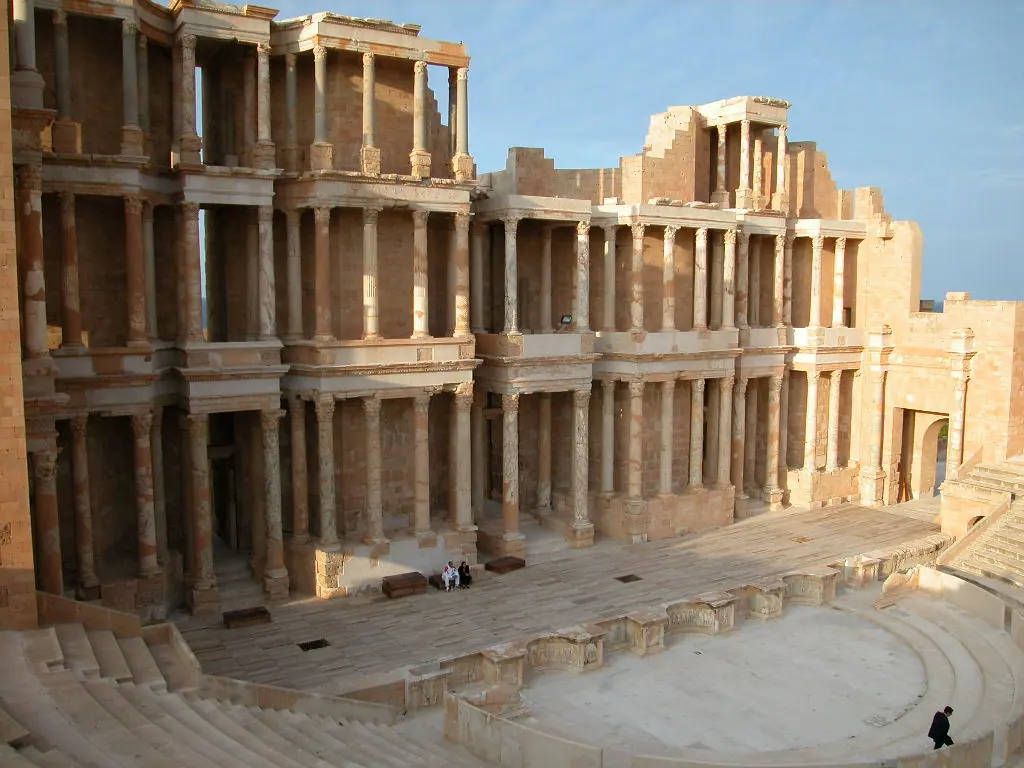
Things to do in Libya
Skip-the-line tickets, guided tours and standout experiences.
See experiences
Stay online in Libya
Travel eSIM — data the moment you land, no roaming bills.
Get an eSIM