Brunei is a small, quietly wealthy sultanate on the northern edge of Borneo, where golden-domed mosques rise above a stilted water village and the rainforest presses in from every side. There is no bad season to sleep here — but the month you choose shapes everything from your hotel rate to whether a canopy walkway in the jungle is a pleasure or a mud bath.
Brunei's Climate at a Glance: Warm, Humid and Split by Two Monsoons
Brunei sits barely north of the equator, which means there is no cool season, no winter wardrobe and no off-peak cold snap. Temperatures drift between roughly 24°C and 32°C all year, humidity hovers high, and the sun is fierce enough by mid-morning that most sensible itineraries collapse into an air-conditioned lunch break. What actually changes month to month is rain — how much, how suddenly, and how long it lingers.
The country's weather is governed by two monsoon patterns. The northeast monsoon, roughly November to March, delivers the heaviest and most persistent downpours, occasionally flooding low-lying riverside streets in the capital. The southwest monsoon, May to September, is comparatively drier, though afternoon thunderstorms still roll in with impressive punctuality. April and October sit in the transitional gaps, when mornings can be glassy and still before the sky opens without warning.
For hotel purposes, this means a few practical rules. Air-conditioning is not a luxury here, it is the difference between sleeping and not sleeping. Rooms with covered walkways to reception, restaurants and car parks earn their keep in the wet months. And a riverfront or upper-floor room overlooking the water is worth the upgrade precisely because you will spend more time looking out of it than you expect.
The Best Overall Window: February to April
If you want one answer, this is it. February through April is widely regarded as the most comfortable stretch for a Brunei hotel stay, with longer dry spells, softer mornings and clearer skies for photography. It is the ideal time to take a water taxi across to Kampong Ayer and drift between the stilted walkways without being drenched, or to photograph the marble facade of the Sultan Omar Ali Saifuddien Mosque reflected in its ceremonial lagoon.
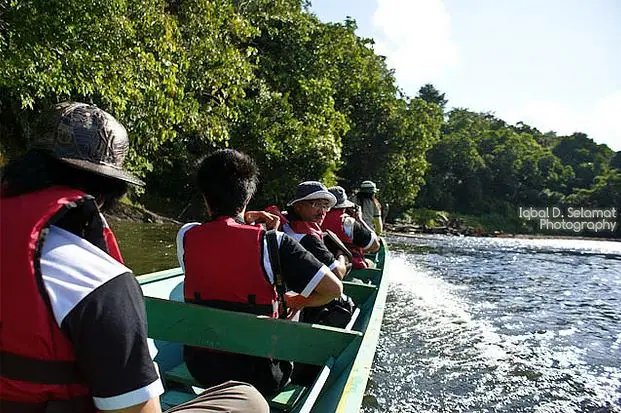
It is also the best window for Ulu Temburong National Park. The trails leading to the famous rainforest canopy walkway are firmer underfoot, the rivers run at kinder levels for the longboat journey from Bangar, and there is less of the standing water that makes leeches an unwelcome companion on the jungle floor. If a night in an eco-lodge surrounded by primary rainforest is on your list, aim for these months.
The trade-off is heat. April is typically the hottest month, and even locals retreat indoors by midday. Structure your days around dawn and late afternoon: mosques and markets early, museums and pool time during the furnace hours, then the Gadong Night Market once the sun drops. Book this window early, particularly if your dates overlap with school holidays or with Ramadan, when domestic travel fills city hotels quickly.
The Wet Season, November to January: Fewer Crowds and Softer Rates
November, December and January bring the northeast monsoon at full strength. Rain arrives in short, violent bursts or settles in for whole afternoons, and the Brunei River can turn the colour of milky tea. Water taxi rides to Kampong Ayer become bumpier and occasionally suspended in rough conditions, and low-lying stretches of the capital can briefly flood after a heavy night.
None of that makes the season a write-off — far from it. Hotel rates tend to soften outside the peak windows, walk-in availability improves, and the landscape is at its most theatrically green. The mosques look magnificent under bruised monsoon skies, and this is prime weather for the indoor sights: the Royal Regalia Museum with its golden ceremonial chariot, the Malay Technology Museum, and the galleries devoted to the sultanate's oil history.
Pack accordingly: a compact umbrella, quick-drying footwear, a dry bag for electronics, and a willingness to reshuffle plans at short notice. Choosing a hotel connected to a shopping complex — the Gadong area has several — means you can eat, shop and shelter without ever stepping into the rain. Rain in Brunei is rarely a whole-day affair, and the reward for patience is often a luminous late-afternoon sky.
Ramadan, Hari Raya and the Dates That Fill Every Hotel
Brunei is a conservative Islamic sultanate and the calendar matters more here than in almost any neighbouring country. Ramadan shifts roughly eleven days earlier each year, so its timing against the seasons changes constantly. During the fasting month, daytime eating and drinking in public is restricted, many local eateries close until sunset, and some attractions run shorter hours. Hotel restaurants often put on generous evening buffets to break the fast, and the atmosphere after dark is genuinely festive.
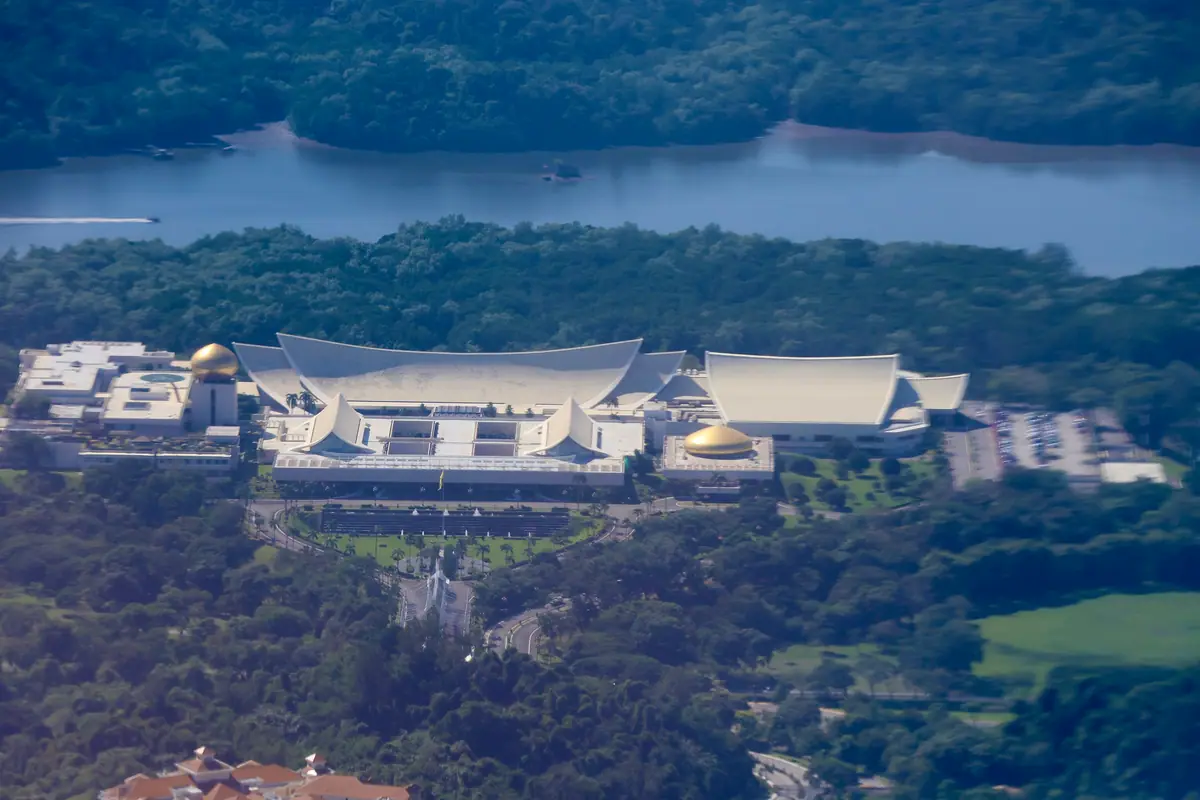
The biggest date to plan around is Hari Raya Aidilfitri, which follows Ramadan. For a few days, the gates of the Istana Nurul Iman — the official residence of the Sultan and one of the largest palaces in the world — open to the public, and thousands queue to file through its halls and receive a greeting. It is one of the few chances a visitor will ever have to step inside. Hotels in and around Bandar Seri Begawan sell out far in advance for this period, so book months ahead or accept a longer commute from the coast.
Other dates worth knowing: National Day on 23 February brings parades and a patriotic buzz to the capital; the Sultan's birthday on 15 July is marked with processions, decorations and evening fireworks; and Chinese New Year animates the shophouses of the old commercial quarter. From roughly August to October, regional agricultural burning can occasionally bring a light haze, which mainly affects views and anyone with respiratory sensitivities.
One more thing that surprises first-time visitors: alcohol is not sold in Brunei. There are no bars, no nightlife in the conventional sense, and hotel minibars are soft-drink only. Personal import allowances for non-Muslim visitors are strictly limited and must be declared on arrival. Plan your evenings around food, markets and river views instead — and you will not miss the bar.
Where to Base Yourself, and When to Book It
Bandar Seri Begawan is the natural base for a first visit. Staying in the city centre puts you within walking distance of the Omar Ali Saifuddien Mosque, the Tamu Kianggeh market and the jetty where water taxis shuttle to Kampong Ayer for a few ringgit. Smaller guesthouses and mid-range city hotels cluster here, and the compact scale of the capital means you rarely need more than a short drive to reach anything.
The Jerudong and coastal strip offers a different flavour: resort-style properties with pools, beach access and space for families, sitting between the capital and the oil towns of the west. These fill heavily at weekends and during school holidays, when Bruneian families book staycations, so midweek stays often feel far more relaxed. Further west, Kuala Belait and Seria serve travellers exploring the Belait district and its oil heritage.
For Ulu Temburong National Park, the practical approach is a night or two in a simple eco-lodge near Bangar or Batang Duri, reached via the long bridge across Brunei Bay. These lodges are atmospheric rather than luxurious — cold showers, generator power, jungle sounds — and they book out quickly in the drier months of February to April. Whatever your base, book ahead for Hari Raya, the Sultan's birthday period and any long weekend; the country's small hotel stock absorbs demand fast.
Must-Visit Landmarks to Build Your Itinerary Around
Whatever month you land in, a handful of sights define a trip to Brunei. The Sultan Omar Ali Saifuddien Mosque, with its marble minarets, gold dome and stone replica of a ceremonial barge floating on the lagoon, is the country's postcard image and best visited in the soft light of early morning or just before sunset. Equally striking is the Jame'Asr Hassanil Bolkiah Mosque in Gadong, the largest in the country, with its twenty-nine golden domes and geometric gardens.
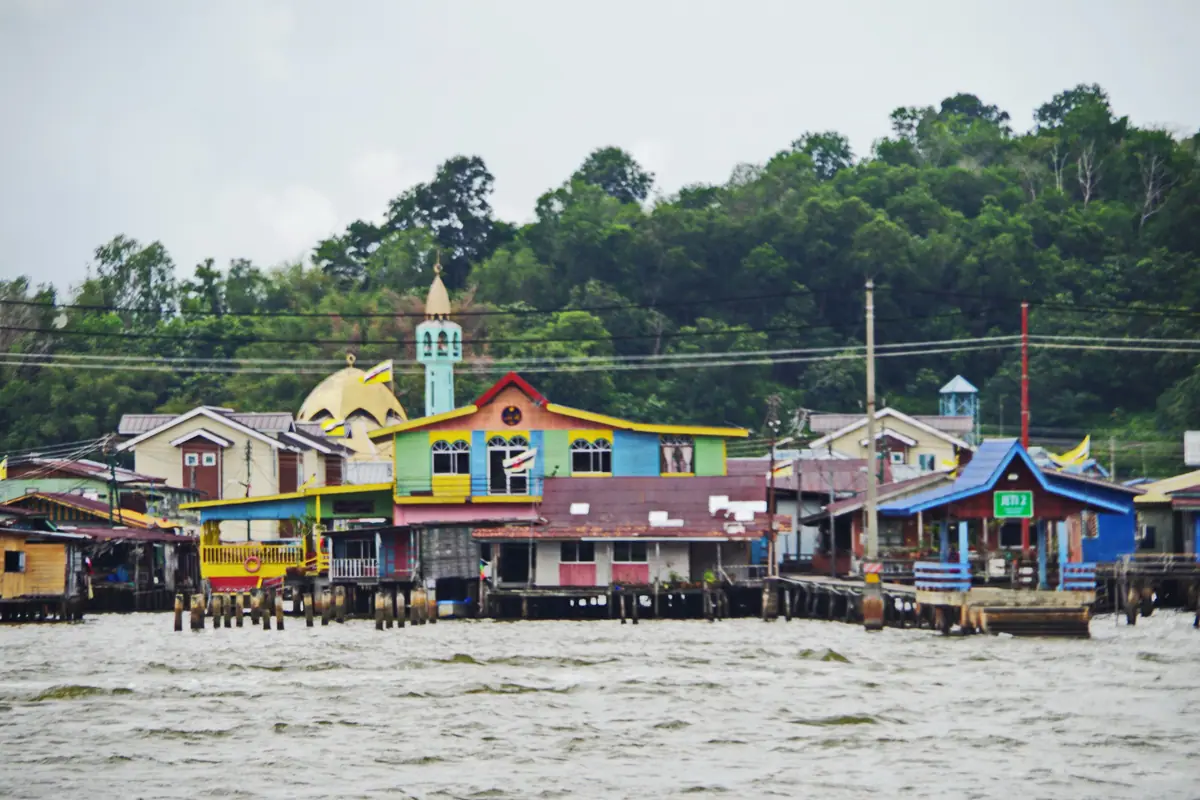
Cross the river to Kampong Ayer, a sprawling water village of stilted houses, schools and mosques that has been inhabited for centuries and remains one of the most absorbing places in Southeast Asia to wander. Back on dry land, the Royal Regalia Museum displays the regalia, chariots and gifts associated with the sultanate, while the Brunei Museum and Malay Technology Museum round out the capital's cultural offerings.
Beyond the city, the rainforest canopy walkway in Ulu Temburong National Park is the country's great natural spectacle — a series of suspended platforms high above the treetops, reached by longboat and a steep climb. Closer in, Tasek Lama Recreational Park offers jungle trails and waterfalls minutes from downtown, and the Gadong Night Market is essential evening eating, with grilled skewers, tropical fruit and the sago staple ambuyat. In the far west, the Billionth Barrel Monument at Seria stands as a monument to the oil that built modern Brunei.
Timing these well is half the battle. The mosques close to non-Muslim visitors during prayer times and are generally off-limits on Fridays, so plan around the middle of the day rather than fighting it. Ulu Temburong requires an organised trip and a boat from Bangar, best arranged the day before. And the night market only comes alive after dark — which, in a country this close to the equator, arrives reliably early, every single month of the year.
Frequently asked questions
What is the best month to visit Brunei?
February to April is the most reliable window, with longer dry spells, calmer rivers and firmer jungle trails. It is also the hottest stretch, so plan sightseeing for early morning and late afternoon.
Is the wet season a bad time to stay in Brunei?
Not at all. November to January brings heavy downpours, but hotel rates soften, availability improves and the indoor attractions — the Royal Regalia Museum, the Malay Technology Museum and the capital's covered malls — are at their most appealing. Rain rarely lasts all day.
Should I avoid visiting during Ramadan?
You do not need to avoid it, but you should adapt. Daytime eating and drinking in public is restricted, some restaurants close until sunset, and certain attractions run shorter hours. Evenings are lively, and hotel iftar buffets are a highlight.
Can I drink alcohol in Brunei hotels?
No. Alcohol is not sold anywhere in the country, including hotel bars and restaurants, and minibars are alcohol-free. Non-Muslim visitors may bring in a very limited personal allowance, which must be declared at customs.
How many days do you need in Brunei, and how far ahead should I book?
Three to four days covers Bandar Seri Begawan, Kampong Ayer and the main mosques comfortably, with an extra night or two for Ulu Temburong. Book well ahead for Hari Raya, the Sultan's birthday in July and long weekends — the country's hotel stock is small and fills quickly.
Sort the rest of your trip
Everything for Brunei, in one place
Transfer in Brunei
Private driver waiting on arrival — no queues, no surprises.
Book a transfer
Things to do in Brunei
Skip-the-line tickets, guided tours and standout experiences.
See experiences
Stay online in Brunei
Travel eSIM — data the moment you land, no roaming bills.
Get an eSIM