Benin rewards travellers who time their arrival well: the same country that bakes under a hazy Harmattan in January turns green and cheap by June. Choose your month carefully and the stilt village of Ganvié, the royal palaces of Abomey and the beaches of Grand-Popo all fall neatly into place.
How Benin's Seasons Shape Every Trip
Benin runs on a rhythm that is easy to learn and hard to ignore. A long dry season stretches from roughly November to March, when the Harmattan — a dry, dusty wind off the Sahara — clears the mosquitoes, cools the evenings in the Atakora hills and leaves a pale haze hanging over the lagoons. Then the heavy rains arrive, usually from April through July, followed by a short dry breather in August and September and a shorter, less predictable wet spell in October before the cycle begins again.
That pattern matters differently depending on where you are. The coastal strip around Cotonou, Ouidah and Grand-Popo stays humid and warm all year, rarely dropping below the mid-twenties at night. Head north towards Natitingou, Boukoumbé and the Pendjari National Park and the contrast sharpens: December and January days are hot but the nights can fall close to 15°C or lower, which is why a room with real blankets matters more than a room with a pool. The centre of the country — Abomey, Bohicon, Porto-Novo — sits somewhere in between, humid and sticky before the rains and pleasantly dry afterwards.
The practical upshot is that your month and your hotel choice are a single decision. Book a beach bungalow for the dry season, an air-conditioned city room for the steamy weeks before the rains, and a well-screened lodge with a generator if you plan to travel during the wetter months.
November to March: The Dry Season Sweet Spot
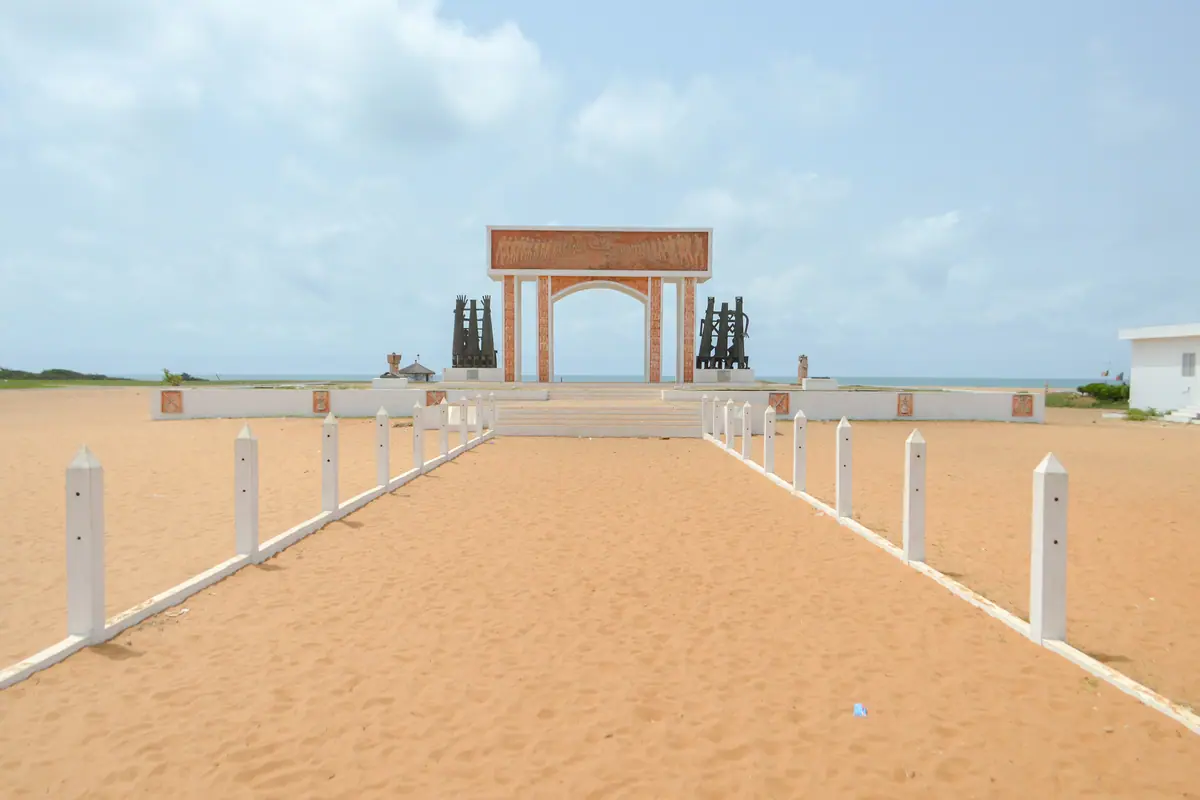
This is the window most visitors aim for, and for good reason. Roads to Ouidah, Grand-Popo, Abomey and Porto-Novo stay firm and passable, the famous Route des Esclaves in Ouidah — the slave route that runs from the old auction square down to the Door of No Return on the beach — is easy to walk in the heat, and the great Dantokpa Market in Cotonou is at its most manageable early in the morning. December and January bring the most comfortable temperatures overall, even if the Harmattan haze softens the light in photographs.
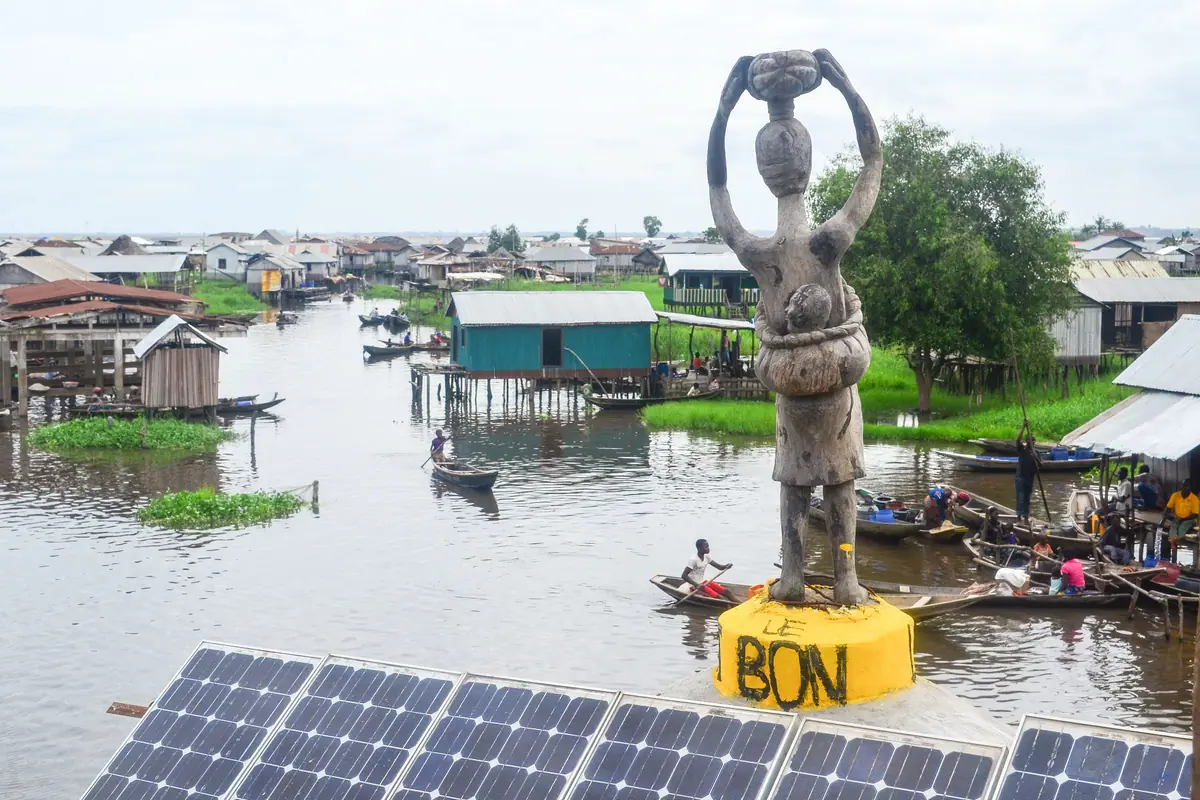
By February and March the heat builds noticeably, especially along the coast and in the far north, where afternoons can push past 38°C. The compensation is clarity: the dust settles, the skies open up and long views over Lake Nokoué towards the stilt village of Ganvié are at their sharpest. It is a good stretch for walking the royal compounds at Abomey or exploring the colonial streets and the Grande Mosquée of Porto-Novo.
Demand peaks hard between Christmas and New Year and again around mid-January, when coastal hotels in Cotonou's Haie Vive district and the beach bungalows of Grand-Popo fill up. Rates are gentler in early December and again in late February, when the crowds thin but the weather holds.
Festival Months: Vodun Days, the Gaani and Why Rooms Vanish
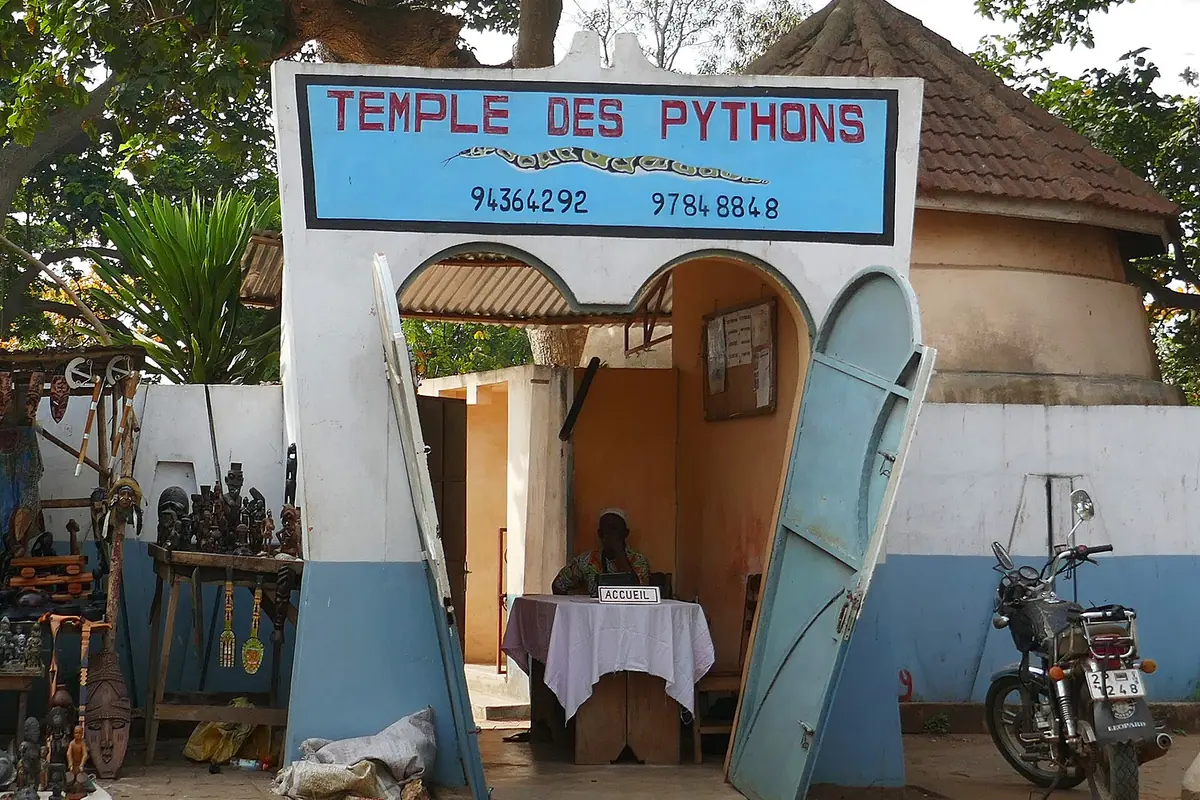
Benin's festival calendar can decide your trip for you. On 10 January the country marks its national Vodun day, and the biggest ceremonies unfold in Ouidah, drawing crowds to the Python Temple, the Basilica of the Immaculate Conception and the sandy track of the slave route. Cotonou and Porto-Novo hold their own processions the same week. Hotels in and around Ouidah are usually booked out well in advance for this period, and rooms in Cotonou become scarce and expensive at the same time.
Further north, the Gaani festival in Nikki, near the Nigerian border, is one of the most spectacular sights in the country — horsemen in ceremonial dress, drumming, and a gathering of Bariba chiefs that follows a lunar calendar rather than a fixed date, most often falling in September. Accommodation in Nikki itself is very limited, so most travellers base themselves in Parakou, roughly two hours to the south, and drive up for the day.
Outside these headline events, Abomey hosts royal ceremonies tied to the historic kingdom, and Easter and Christmas bring their own busy weekends. The lesson is constant: outside Cotonou, hotel capacity in Benin is small. A single festival can absorb an entire town's rooms, so plan around the calendar rather than hoping to turn up and find something.
The Rains and the Shoulder Months: Cheaper Rooms and Greener Country
From April to July, Benin turns lush. Rain typically arrives in short, violent afternoon bursts rather than all-day drizzle, which means mornings are often bright enough for the beach at Grand-Popo, the fishing villages along the Mono River, or a boat trip out to Ganvié. What you sacrifice in convenience you gain in price: outside Cotonou, room rates fall noticeably, and popular spots along the coast go quiet.
August and September bring a welcome dry pause, with cooler air and some of the most photogenic scenery of the year. This is when the Atakora hills around Natitingou look their best and the Chutes de Tanougou, the waterfall tumbling near the town, actually carries water. The Tata Somba — the fortified two-storey mud houses around Boukoumbé and Natitingou — are far more comfortable to explore now than under the March sun.
October is the least predictable month, with a short wet spell that can make tracks in the far north muddy and unreliable. Humidity is high everywhere, so a hotel with reliable air conditioning, a ceiling fan and a backup generator becomes worth paying for. Choose your base carefully and the shoulder season is one of the most rewarding times to see the country.
Where to Sleep, and When to Book It
Cotonou is the country's accommodation hub and the natural first stop. The leafy Haie Vive quarter concentrates mid-range hotels and guesthouses within easy reach of restaurants, while the Boulevard de la Marina area holds larger, more formal properties near the congress halls and the city's landmark red-and-white Cathedral of Notre-Dame. Fidjrossè, close to the airport and the beach, suits travellers who want to swim before their flight. From March to May, air conditioning here is not a luxury but a necessity.
Elsewhere the choice narrows and the character improves. Porto-Novo has small guesthouses within walking distance of the Grande Mosquée and the Musée Honmè. Ouidah offers modest hotels near the Python Temple and the basilica, ideal for exploring the slave route on foot. Grand-Popo and the surrounding coast run on beach bungalows, Abomey has simple lodges close to the UNESCO-listed Royal Palaces, and the far north relies on park lodges in Pendjari and guesthouses in Natitingou and Boukoumbé.
Before you commit, ask two questions: is the property open in the month you are travelling, and does it have a generator and stored water? Many coastal and park lodges close entirely during the rains and reopen in November, while city hotels stay open year-round. In peak season and around festivals, book weeks or even months ahead; in the wet months, a few days' notice is usually plenty.
Matching Months to Benin's Must-See Sights
For wildlife, the far northwest is the draw. Pendjari National Park, part of a vast transborder reserve, is at its best from December to April, when the grass thins, waterholes shrink and elephants, lions, buffalo and antelope gather where they can be seen. Birdlife is excellent throughout the dry months. The park and its lodges generally operate only in this dry window, so a rainy-season safari plan will simply not work.
The remote W National Park near Karimama, reached via the Niger River in the extreme north, is another dry-season proposition, with rough access tracks that demand a sturdy vehicle and a patient driver. Closer to the beaten path, the Royal Palaces of Abomey — a UNESCO World Heritage Site and the heart of the old Dahomey kingdom — can be visited comfortably at almost any time of year, as can the museums and colonial architecture of Porto-Novo.
Build your itinerary around the seasons rather than against them: Ouidah, Cotonou and Ganvié in the dry months from November to February, the Atakora highlands and the Tata Somba villages in the green weeks of August and September, and Pendjari strictly between December and April. Fit the hotels to that spine and Benin becomes an easy, rewarding country to travel.
Frequently asked questions
What is the best time of year to visit Benin?
November to February is the most comfortable window nationwide, with dry roads, lower humidity and cool nights in the northern hills. If your priority is wildlife, aim for December to April, when Pendjari National Park is open and animals concentrate around shrinking waterholes.
When is the Vodun festival in Ouidah, and should I book ahead?
The national Vodun day falls on 10 January, with the largest ceremonies in Ouidah and additional processions in Cotonou and Porto-Novo. Hotels in and around Ouidah sell out well in advance, so reserve weeks or months ahead if you want to be there.
Is the rainy season a bad time to visit Benin?
Not necessarily. From April to July, rain usually arrives in short afternoon downpours, leaving mornings workable, and room rates outside Cotonou drop. The real limitations are in the far north, where park lodges close and rural tracks become difficult, especially in October.
How hot does Benin get, and do I need air conditioning?
The humid coast hovers around the high twenties to low thirties year-round, while the north can exceed 38°C in March and April. Air conditioning is worth insisting on from March to May and during the October humid spell; in December and January in the north, blankets matter more than cooling.
What should I check before booking a hotel in Benin?
Confirm that the property is open in your travel month, since many beach and park lodges close for the rains, and ask about a backup generator and stored water, which make power and supply interruptions far less disruptive. Also check the distance to the sights you came for — Ouidah's slave route and Abomey's royal palaces are best explored on foot.
Sort the rest of your trip
Everything for Benin, in one place
Transfer in Benin
Private driver waiting on arrival — no queues, no surprises.
Book a transfer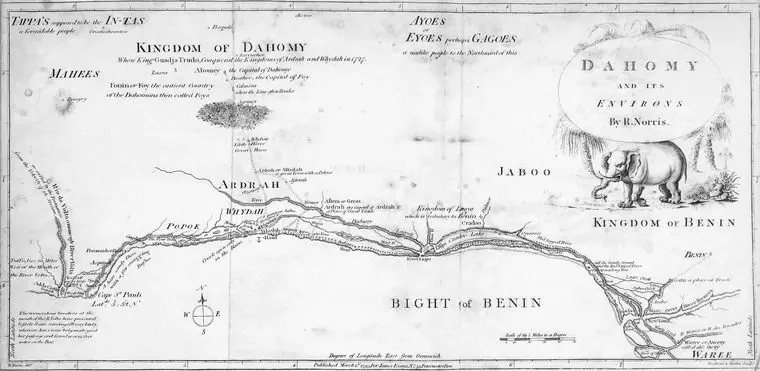
Things to do in Benin
Skip-the-line tickets, guided tours and standout experiences.
See experiences
Stay online in Benin
Travel eSIM — data the moment you land, no roaming bills.
Get an eSIM