Benin greets you the moment the cabin door opens — a wall of warm, salt-tinged air, the hum of motorbikes beyond the terminal fence, and the Atlantic glittering a few kilometres west. In seven days you can move from the stilt houses of Ganvié to the sacred pythons of Ouidah, stand at the Door of No Return, and still have time for the royal palaces of Abomey. This is how to pace it, and what to expect from the flight side of the journey.
Day 1: Landing in Cotonou — Flights, Visas and Your First Zem Ride
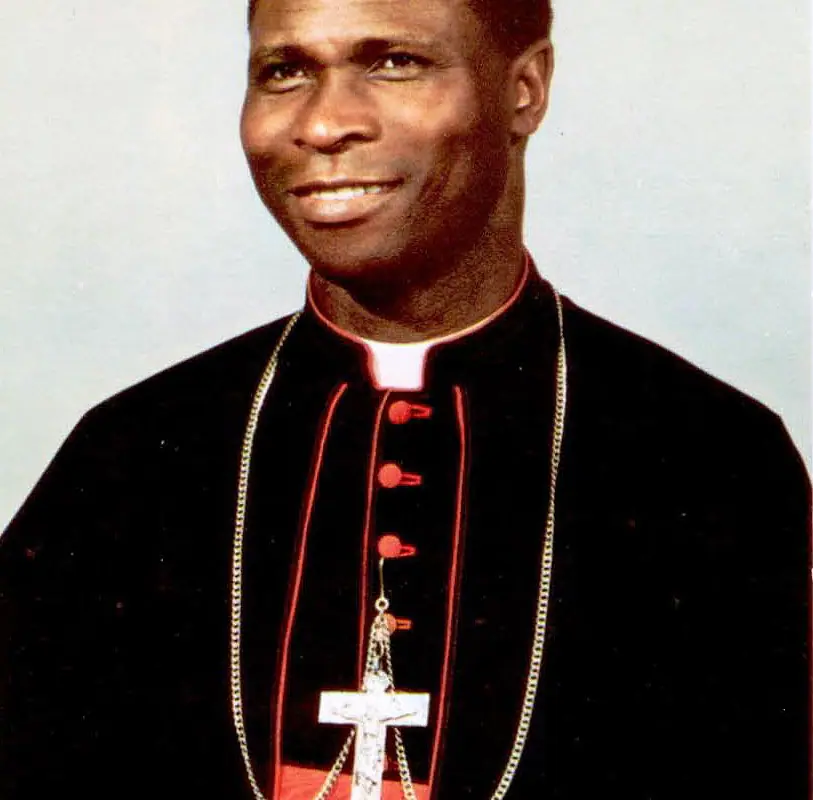
Almost every trip to Benin begins at Cardinal Bernardin Gantin International Airport, better known simply as Cotonou–Cadjehoun, a compact, single-terminal airport sitting barely five kilometres from the city centre. Direct flights from Paris take roughly six hours; from Brussels a little longer; many travellers connect through Casablanca, Istanbul, Addis Ababa or another West African hub, which pushes total travel time to anywhere between eight and sixteen hours depending on layovers. If you can, book a daytime arrival — the drive into town is short but the traffic on the Boulevard de la Marina can turn a fifteen-minute hop into an hour at rush hour.
Sort your paperwork before you fly. Most nationalities now apply online for a short-stay visa and receive an electronic authorisation to present at immigration, and a yellow fever vaccination certificate is required on entry — keep the original card with your passport, not buried in a suitcase. The West African CFA franc is the currency; cash machines exist in Cotonou and Porto-Novo but become scarce further north, so draw enough for rural days. French is the official language, with Fon and Yoruba widely spoken in the south.
Once through arrivals, you will be surrounded by zemidjans — the yellow-shirted moto-taxis that are Benin's true public transport. Agree the fare before you climb on, or ask your guesthouse to send a car. Spend the first evening gently: a cold drink on the terrace, grilled fish at a beachside maquis in Fidjrossè, and an early night. Jet lag plus tropical humidity is a combination that punishes ambition.
Day 2: Cotonou's Markets, Monuments and Atlantic Shore
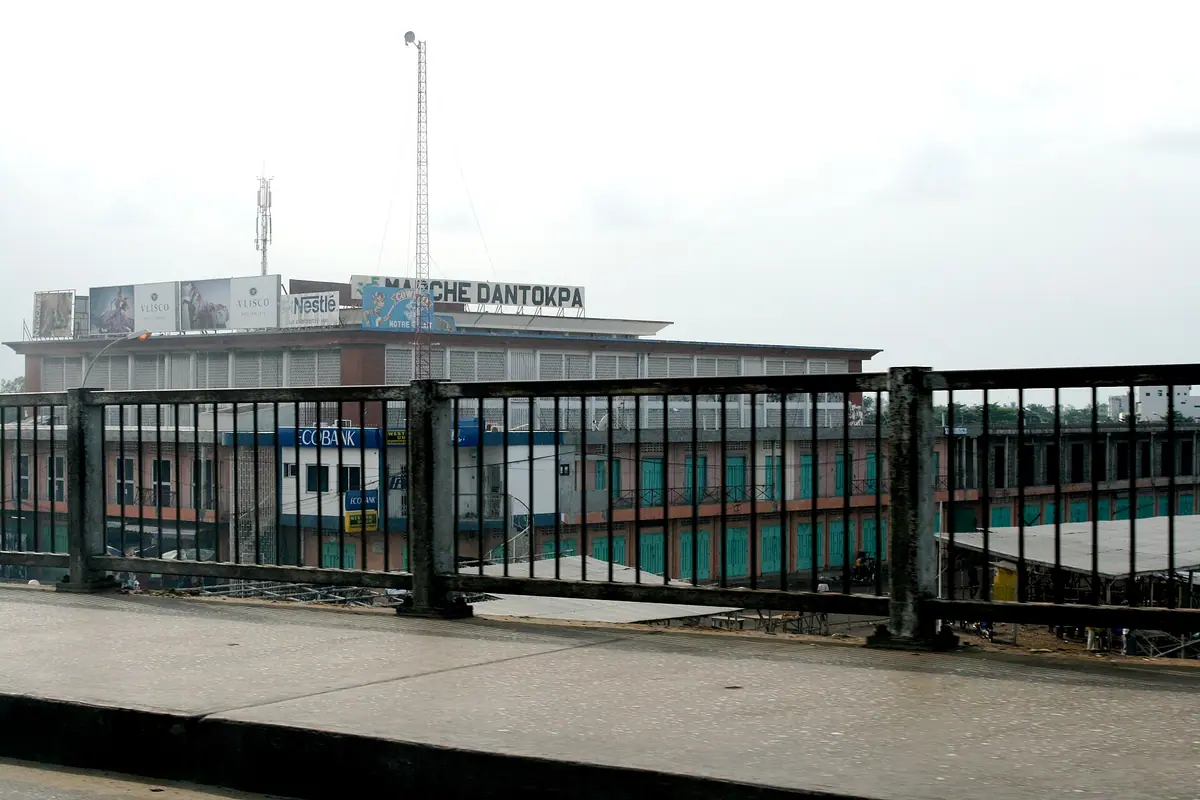
Give your first full day to Cotonou. Start early at Dantokpa Market, the sprawling commercial heart of the city and one of the largest open-air markets in West Africa. It is a labyrinth of fabrics, fetish stalls, plastic buckets, phone credit and produce, spilling down to the lagoon edge where pirogues unload. Go with a guide if you plan to dive deep, keep your bag in front of you, and treat the whole thing as theatre rather than a shopping trip.
From there, walk the Monument Amazone, the towering bronze warrior woman who has become the emblem of modern Benin, and continue along the waterfront to the Cathedral of Notre-Dame de Miséricorde with its striking red-and-white striped facade. If you want a break from heat and noise, the contemporary art foundation on Avenue Clozel stages excellent rotating exhibitions of Beninese and West African artists and is pleasantly air-conditioned.
Finish the afternoon on the sand at Fidjrossè or the livelier strip near the Akpakpa bridge, where beach bars fill up around sunset. This is the moment to eat properly: amiwo (a deep red maize and tomato porridge), akassa, grilled tilapia, wagasi — the mild fried cheese of the Fulani herders — and poulet bicyclette, the famously lean free-range chicken. Wash it down with Sodabi, the palm liquor distilled locally, or one of Benin's extraordinarily sweet pineapples, which are cut at roadside stalls all day long.
Day 3: Ganvié — the Stilt Village on Lake Nokoué
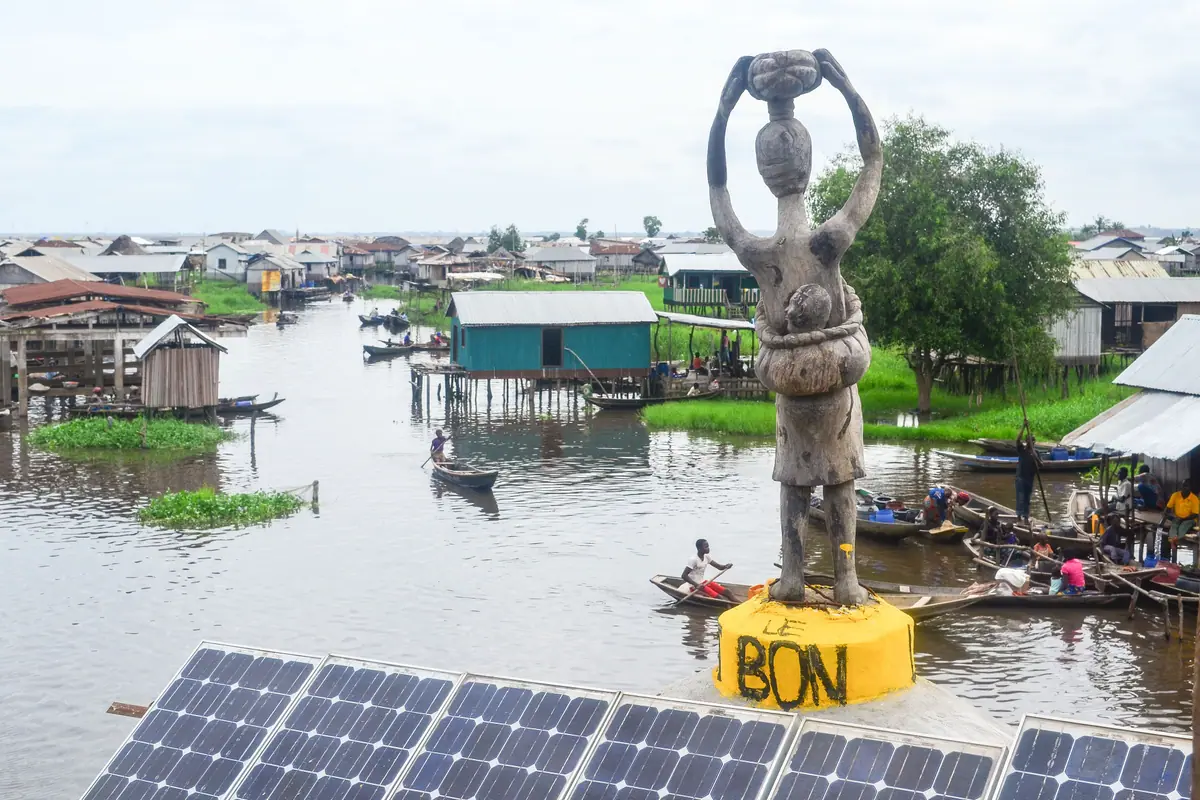
An hour north of Cotonou lies the image most people carry home from Benin: Ganvié, a village of tens of thousands of people built entirely on wooden stilts above the shallow water of Lake Nokoué. It was founded centuries ago by Tofinu families seeking refuge from slave raiders, and the water that once protected them is now their road, their market and their playground. Children paddle past in dugout canoes barely wider than their shoulders.
Reach it by pirogue, either from the jetty near Dantokpa's lagoon side or from the landing stage at Abomey-Calavi. The crossing takes around forty-five minutes to an hour each way, gliding past floating fish traps and water hyacinth. Once inside the village, a local guide will steer you through the stilted lanes to the floating market, a school, and a bar where you can sit above the water with a drink — a surreal and wonderful contrast to the noise of the city.
Go in the morning, when the light is soft and the market is busiest, and expect to be asked for a small fee for photography of individuals. Bring a hat, sunscreen and water; shade on the lake is limited. Back on dry land by mid-afternoon, you can either return to Cotonou for the night or press on westward to Ouidah so that tomorrow starts early.
Day 4: Ouidah — the Route des Esclaves and the Door of No Return
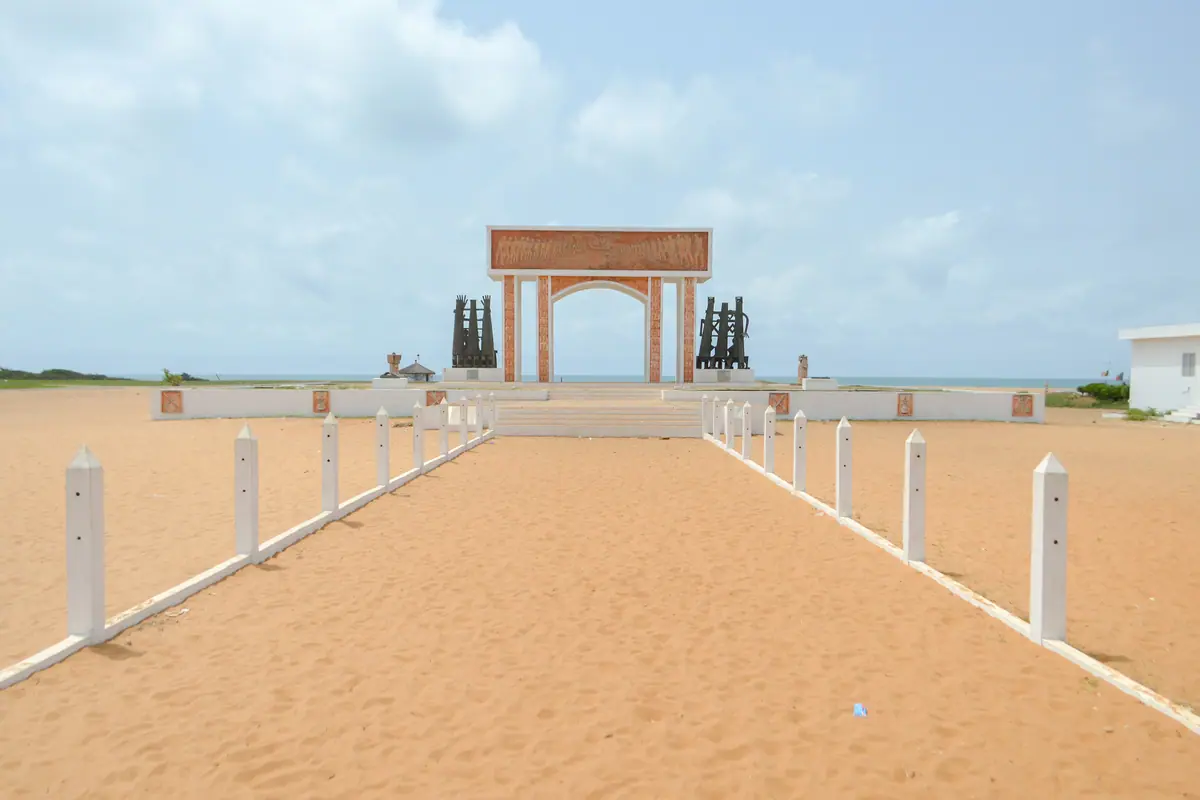
Ouidah is the emotional centre of any Benin trip. This small coastal town was one of the great ports of the transatlantic slave trade, and the four-kilometre Route des Esclaves traces the path captives were forced to walk to the ships. Along it stand memorials, statues and the Tree of Forgetfulness, where men were made to circle so that they would lose memory of home. The route ends at the Door of No Return, a monumental arch on the beach facing the ocean, and standing there in the wind is one of the most affecting experiences in West Africa.
Beyond the memorial, Ouidah is also the spiritual capital of Vodun. The Temple of Pythons houses dozens of sacred snakes that visitors may handle, and the nearby Sacred Forest of Kpassè tells the founding legend of the town. The Basilica of the Immaculate Conception, built on the site of an old Portuguese fort, sits a few minutes' walk away, and the town's history museum, inside the reconstructed fort, gives essential context to everything you have just seen.
If your dates are flexible, the annual Vodun festival on 10 January turns Ouidah into a blaze of drumming, white-clad initiates and ceremonies that visitors are welcome to watch respectfully. Outside festival season, the town is quiet and walkable, best explored on foot or by zem. Allow a full day, stay overnight in a guesthouse, and watch the sunset from the beach by the arch.
Day 5: Grand-Popo, Lake Ahémé and the Quiet Western Coast
West of Ouidah, the coast empties out. Grand-Popo is a drowsy former colonial trading town where the Mono River meets the Atlantic in a maze of mangroves and sandbanks. The beaches here — long, pale and almost deserted on weekdays — are the best in the country for simply doing nothing, and the sunsets over the water are superb. Small guesthouses and beach camps sit right on the sand, and meals tend to be whatever the fishermen brought in that morning.
Inland, Lake Ahémé offers a different rhythm. From the village of Possotomè you can hire a pirogue to drift past reed islands and fishing camps, stopping at settlements where the catch is smoked over open fires. Birdlife is good year-round, and the lake is calm enough for even nervous first-time paddlers. It pairs neatly with an afternoon at the Mouth of the Mono, where you can take a boat through the mangroves to see the river pushing into the sea.
This is the day to slow down. The distances are short — Cotonou to Grand-Popo is about an hour and a half, Ouidah to Grand-Popo barely an hour — so you can sleep late, swim, eat grilled fish and still fit in a lake excursion. Note that the coast road west of Grand-Popo leads towards Togo; if you are crossing the border, check the opening hours of the Hillacondji crossing in advance and travel in daylight.
Days 6–7: Abomey's Royal Palaces, Dassa-Zoumè and the Road North
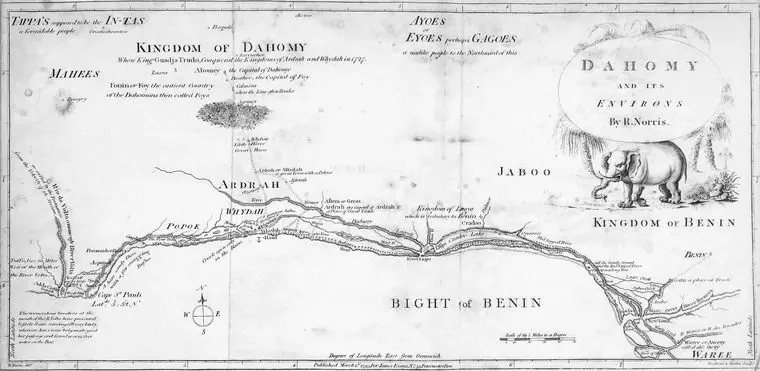
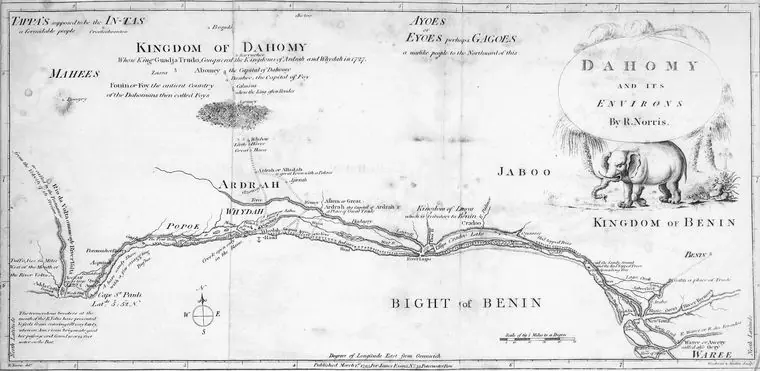
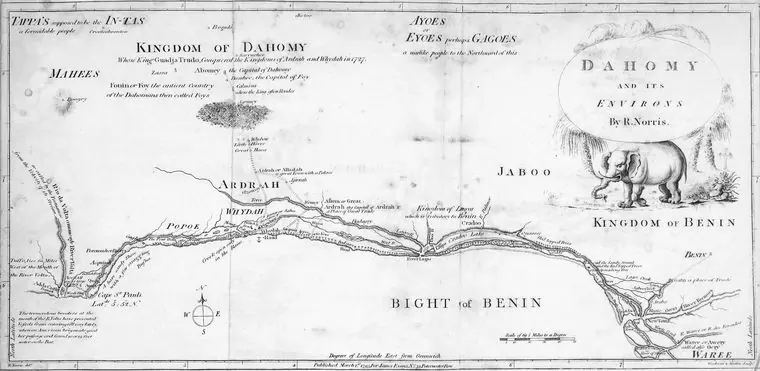
Turn inland for your final full days. Abomey, roughly two and a half to three hours from Cotonou, was the capital of the Kingdom of Dahomey, and its royal palaces form a world heritage site of remarkable power. The site is a series of walled compounds, clay bas-reliefs and throne rooms; the history museum displays the throne of King Ghézo, carried on human skulls, and the story of King Béhanzin, who resisted French colonisation to the last. Hire a guide — the symbolism of the bas-reliefs is invisible without one.
If you have a spare afternoon, push on to Dassa-Zoumè, a town wrapped around a cluster of granite hills with sweeping views over the plateau. It is a pilgrimage centre, with the shrine of Notre-Dame d'Arigbo drawing crowds in mid-August, and the walking trails on the hills are among the most rewarding short hikes in southern Benin. Shared taxis link Abomey and Dassa in around two hours.
With more time, the north deserves a second week: Natitingou, the fortress-like Tata Somba houses of the Somba villages, and the savannah of Pendjari National Park, where elephants, lions, hippos and hundreds of bird species are best seen in the dry season between November and May. The drive from Cotonou to Natitingou takes the best part of a day, so either fly in and out of Cotonou and accept the long transfer, or plan a one-way loop returning by a different road. Whatever your route, allow a buffer day before your flight home — the road back to Cadjehoun is no place to be rushing.
Frequently asked questions
Which airport do you fly into for Benin, and how long is the flight?
Almost all international arrivals land at Cardinal Bernardin Gantin International Airport in Cotonou, often listed as Cotonou–Cadjehoun. Direct flights from Paris take about six hours; from Brussels slightly longer. Most other routings involve one or two connections through a European, North African or East African hub, making total journey time eight to sixteen hours. The airport is only a few kilometres from central Cotonou, so transfers are short.
How many days do you need in Benin?
One week is enough for a strong southern loop: Cotonou, Ganvié, Ouidah, Grand-Popo and Abomey, with a possible stop at Dassa-Zoumè. Two weeks lets you add the north — Natitingou, the Tata Somba villages and Pendjari National Park — which otherwise requires long overland drives or careful flight planning.
What is the best time of year to visit Benin?
The dry season from November to March is the most comfortable, with lower humidity and the best wildlife viewing in Pendjari. December to February brings the harmattan, a dusty wind that softens the light and can haze the sky. The main rains fall between April and July, with a shorter wet spell around September and October; travel is still possible then, but roads to remote areas and beaches become muddier and some tracks are impassable. The Vodun festival in Ouidah on 10 January is a highlight for anyone who can plan around it.
Do I need a visa and vaccinations for Benin?
Most visitors apply online before travel for a short-stay visa and receive an electronic authorisation to show at immigration. A yellow fever vaccination certificate is required on entry, so get the jab at least ten days before departure. Antimalarial precautions are strongly recommended, and routine vaccinations should be up to date. Carry your vaccination card with your passport rather than in checked luggage.
Is Benin safe and easy to get around?
Benin is generally a welcoming and manageable destination, with friendly people and a well-established tourist circuit in the south. The main risks are traffic — moto-taxis are fast and helmets are not always offered — plus petty theft in crowded markets and rip currents on Atlantic beaches. Travel in daylight on intercity roads, agree fares before setting off, keep valuables discreet in Dantokpa Market, and check current advice for the northern border regions before heading to Pendjari.