Andorra packs an entire alpine year into 468 square kilometres, so the question isn't whether there's a right time to visit — it's which Andorra you want. Book for powder above Pas de la Casa, for wildflower meadows around the Tristaina lakes, or for golden autumn light on Romanesque stone, and the hotel you choose changes with the season.
Why the Calendar Decides Everything in Andorra
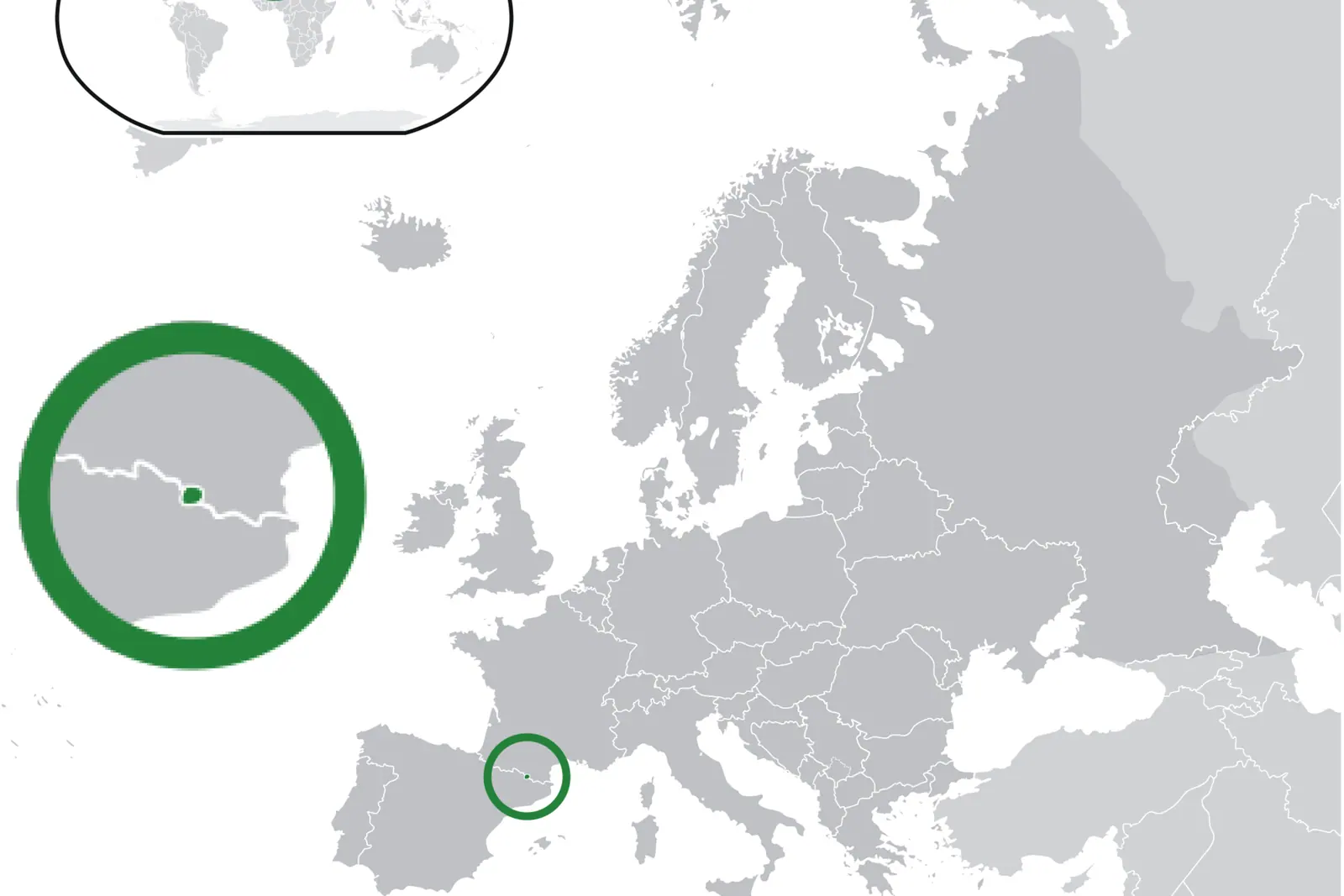
Andorra is a small Pyrenean principality wedged between France and Spain, and almost nothing about it is flat. The valley floors sit around 1,000 metres, the two big ski domains climb well past 2,500, and the country's highest point, Coma Pedrosa, tops out at 2,942 metres. That vertical range is the reason a single calendar year behaves like three or four different destinations. Winter turns the north into a snow-sports machine, summer pulls hikers onto high ridges, and the shoulder months hand travellers cheap rooms and empty trails.
The country is built around two main mountain areas. Grandvalira links Pas de la Casa, Soldeu, El Tarter, Canillo and Encamp with more than 200 kilometres of piste, while Vallnord covers the Pal Arinsal and Ordino Arcalís sectors on the western side. Andorra la Vella, the capital, is the highest capital city in Europe at just over 1,000 metres, and it merges seamlessly with Escaldes-Engordany next door. Hotels are split between these two urban parishes — where you find big spa properties, shopping and restaurants — and the mountain villages, where you find ski-in lodges, family guesthouses and self-catering apartments.
That split matters when you book. A stay in Soldeu in February is a ski holiday; the same room in June is a hiking base. Valley hotels in Andorra la Vella stay open all year and rarely sell out, while village properties often close in November for maintenance and demand long lead times over Christmas and February school breaks.
Winter: Powder, Peak Weeks and How Early to Book
Ski season generally runs from late November or early December to mid-April, with the most reliable snow from January through March. Pas de la Casa, perched at around 2,050 metres on the French border, is the most snow-sure and the first to open; Soldeu and El Tarter sit in the middle of the Grandvalira circuit, and the Funicamp cable car lifts skiers from Encamp straight to the upper slopes. On the Vallnord side, Pal Arinsal suits beginners and families, while Ordino Arcalís has a reputation for freeride terrain and quieter lifts.
This is when Andorra hotels are at their most expensive and most inflexible. The weeks that vanish first are Christmas and New Year, the February half-term period when several European school systems overlap, and Carnival. For those dates, book three to six months ahead, expect minimum-stay rules and half-board-only packages in the villages, and accept that the best-value rooms go earliest. January, once the New Year crowds leave, is the sweet spot: full snow cover, thinner lift queues and noticeably softer rates.
Non-skiers are not stranded in winter. Caldea, the glass thermal spa complex in Escaldes-Engordany, fills with people soaking in warm mineral water while snow falls outside, and the valley's shopping streets and covered food halls stay busy. Snowshoe routes leave from the Vall de Sorteny nature park and along the Iron Route between Ordino and Llorts, where old mining and smelting sites sit under a metre of snow. Late March and early April bring sunshine skiing — slushy afternoons, cheap rooms, and long lunches on terraces.
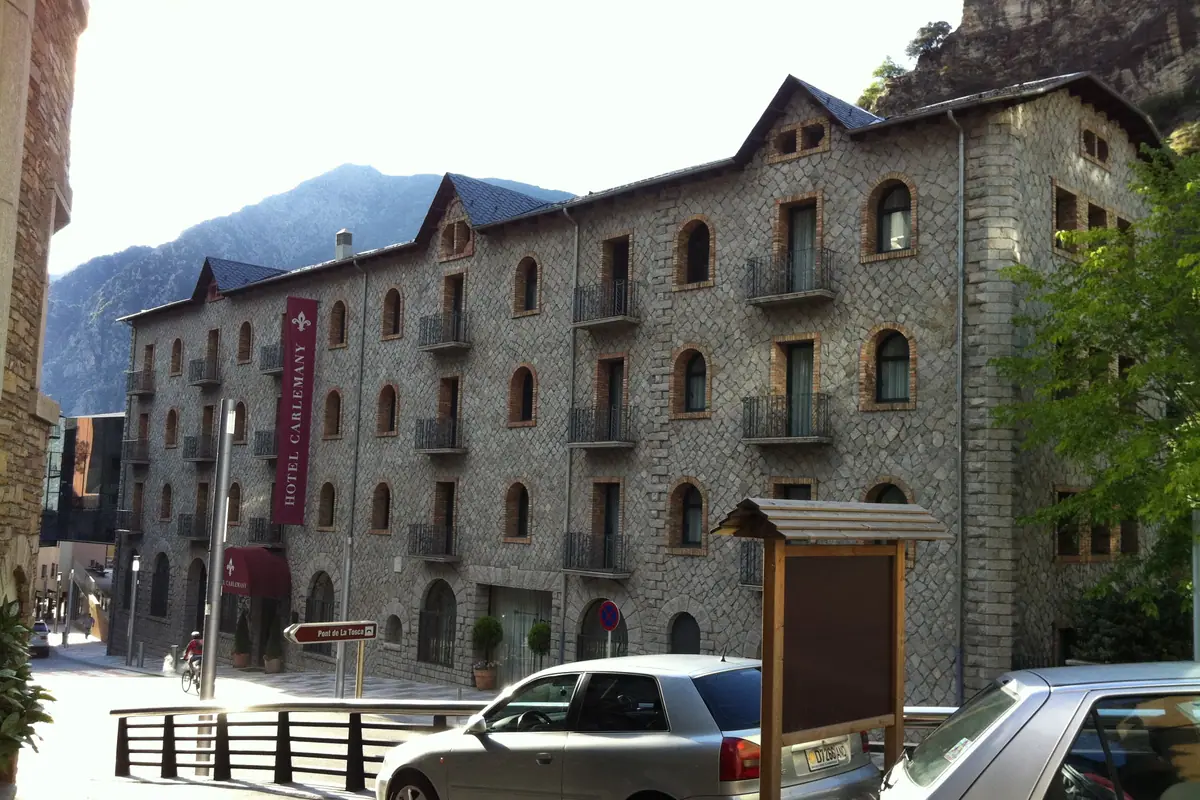
Spring and Early Summer: Waterfalls, Wildflowers and Cheap Rooms
From late April through June, Andorra thaws spectacularly. Meltwater pours down every gully, the valleys turn emerald, and the ski lifts wind down — Grandvalira usually closes in mid-April, with some high sectors holding on longer in a big snow year. Hotel rates drop hard in May, which is arguably the best-value month of the entire year: valley guesthouses and spa hotels in Escaldes-Engordany sit at their lowest, and you can often walk in without a reservation.
Lower-altitude walking is at its best now. The Iron Route, a signposted trail through Ordino, Llorts and La Cortinada, passes stone forges and the Casa d'Areny-Plandolit, an iron dynasty's mansion turned museum in Ordino itself. The Madriu-Perafita-Claror Valley, a protected World Heritage cultural landscape with no roads and scattered shepherd huts, can be entered on day walks from the edge of Escaldes-Engordany long before the high passes clear. Romanesque churches, including Sant Joan de Caselles in Canillo and the pre-Romanesque Santa Coloma with its Lombard tower, are quiet and photogenic before the summer coaches arrive.
Expect daytime temperatures of roughly 12 to 22 degrees in the valleys, cold nights, and snow lingering above about 2,200 metres until June. Pack layers, check whether the higher mountain roads have reopened, and don't assume every mountain restaurant is trading yet. The trade-off for unpredictable weather is space: trails, viewpoints and hotel breakfast rooms are yours alone.
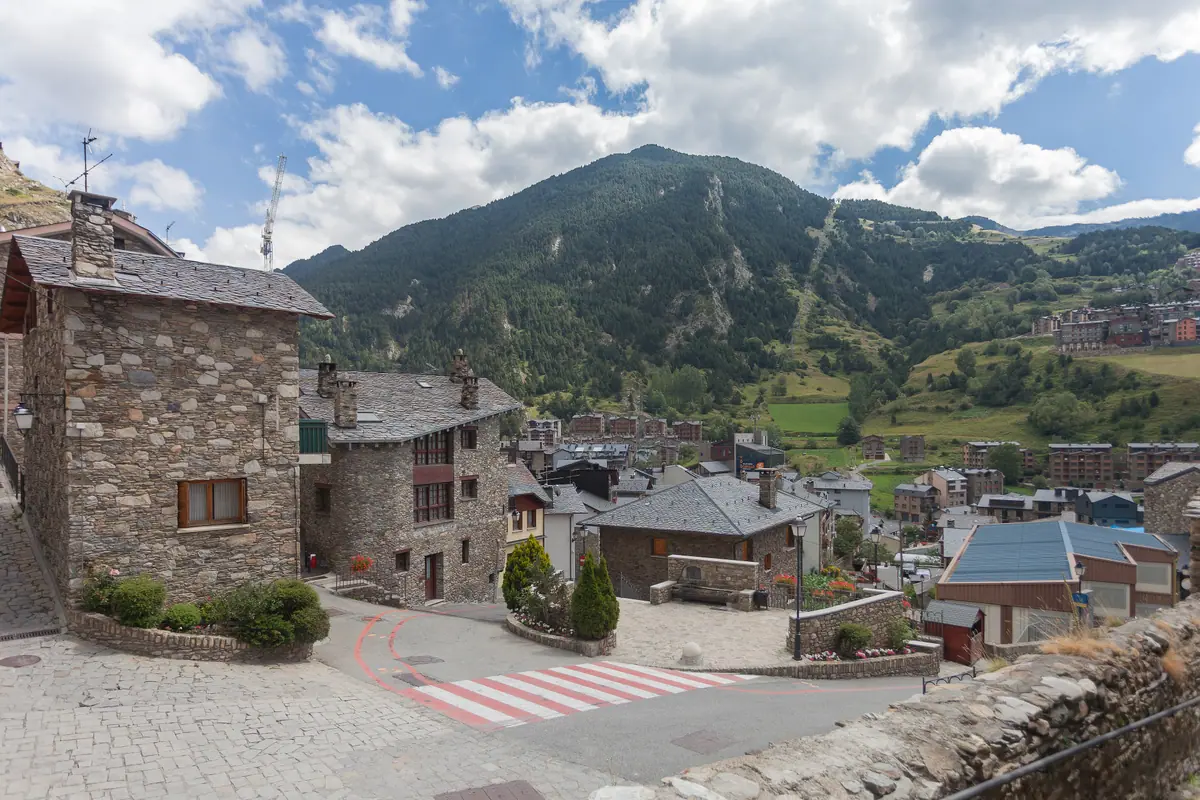
High Summer: Hiking Season at Full Volume
July and August are Andorra at its busiest and warmest, with valley temperatures touching 30 degrees while the ridges stay breezy and cool. This is the only window when every high route is genuinely open. From the top of the Ordino Arcalís lift, the Tristaina lakes circuit delivers three glacial tarns ringed by scree in a couple of hours; from Arinsal, the ascent of Coma Pedrosa rewards fit walkers with the country's finest summit panorama; and from Grau Roig, the Cirque de Pessons offers a gentler half-day among dozens of small lakes.
Village life peaks too. Meritxell, the national sanctuary in Canillo, draws pilgrims around the 8 September feast day, and each parish holds its own summer festival — Andorra la Vella's is the biggest, filling the capital's squares with music and street food in early August. Naturlandia, in the forests above Sant Julià de Lòria, runs its long alpine toboggan track and treetop circuits, and the Roc del Quer viewpoint in Canillo, with its famous bronze figure gazing over the valley, becomes one of the most photographed spots in the Pyrenees.
Book two to three months ahead for August, especially in Canillo, Arinsal and Soldeu, where family apartments fill quickly. Traffic into Andorra la Vella can be slow on summer weekends, so consider a village base and drive or take the bus in for shopping. If you want the high mountains without the crowds or the heat, aim for the last week of June or the first days of September instead.
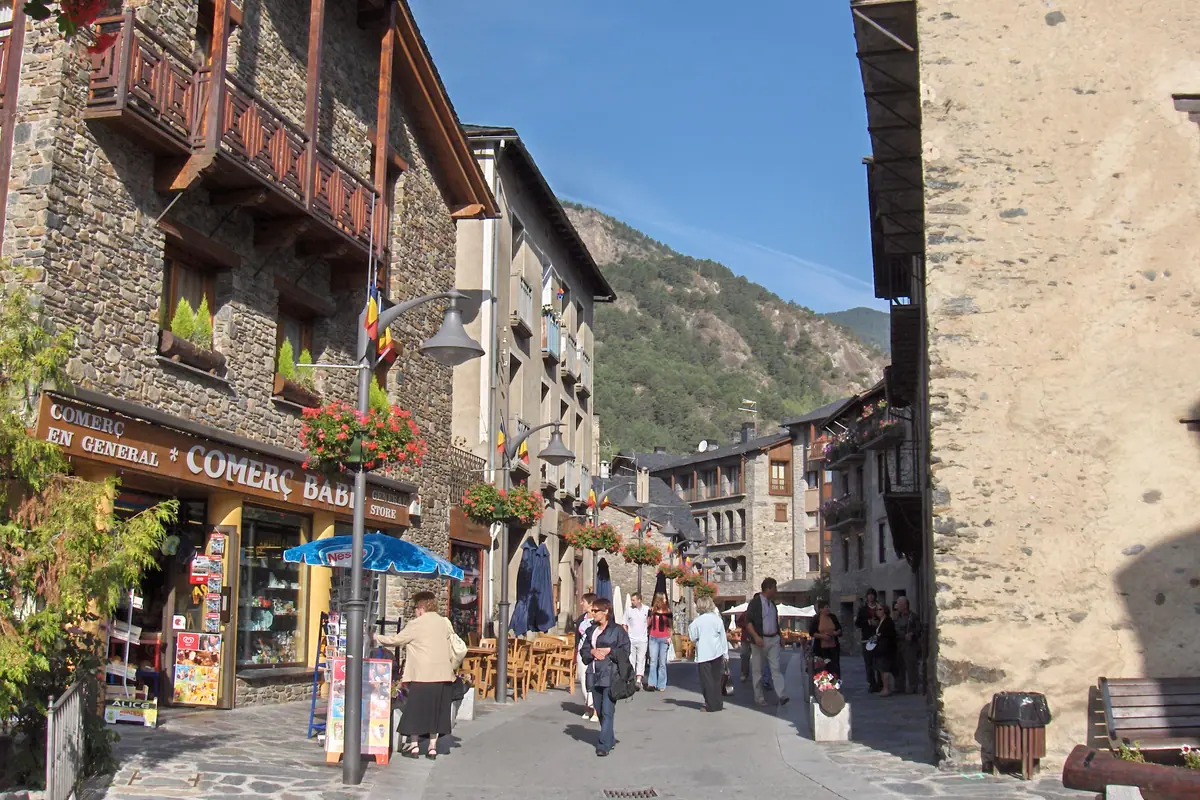
Autumn: Golden Light, Romanesque Stone and Quiet Hotels
September and October are Andorra's most underrated months. The summer crowds thin after the first week of September, daytime temperatures settle into the comfortable mid-teens to mid-twenties, and the forests begin turning — birches, pines and larches shading from green to rust across the slopes above Ordino, Canillo and La Massana. Hotel rates ease back to spring levels, and valley properties in Andorra la Vella and Escaldes-Engordany stay open while some village lodges shut after the hiking season ends.
Autumn is also the best time for the country's built heritage. Casa de la Vall in Andorra la Vella, a fortified stone house from the late sixteenth century that served as the seat of the old parliament, is far easier to tour when the summer groups have gone. Santa Coloma's ninth-century church, the bridges and chapels of the Madriu valley, and the Romanesque ensembles at Pal and La Cortinada all sit in soft, low-angled light that photographers chase all year. Mushroom foragers work the chestnut and pine woods below Sant Julià de Lòria, and trattoria-style mountain kitchens switch to game and casseroles.
November is the true shoulder: grey, quiet and occasionally snowy at altitude, with many mountain hotels closed for refurbishment and the ski resorts firing up snow cannons. It's a fine month for a spa-focused break in Escaldes-Engordany and a bargain for anyone happy to trade guaranteed sunshine for empty roads. The first real snow typically arrives late in the month, and Pas de la Casa has been known to open a few lifts before December.
Choosing Your Base — and Your Booking Window
Your ideal date depends on your base. Andorra la Vella and Escaldes-Engordany suit year-round city breaks: business-style hotels, thermal baths, tax-free shopping and easy bus links to every parish. Soldeu, El Tarter and Pas de la Casa are winter-first villages where a December–April stay means lifts at the door. Canillo is the family favourite, with the Roc del Quer viewpoint and quick access to Grandvalira. Arinsal and La Massana pair a gondola with relaxed apartments, Ordino trades nightlife for culture and Arcalís access, and Sant Julià de Lòria is the cheapest valley option, close to Naturlandia and the Spanish border.
As a rule of thumb, book three to six months out for Christmas, New Year and February school holidays; two to three months for August and the Meritxell celebrations; and days or weeks for May, late September and November, when you can usually negotiate or simply turn up. Mountain lodges often insist on half-board in winter and weekly stays in peak summer, while city hotels are more flexible and better for short breaks.
Finally, remember that Andorra has no airport. Most visitors arrive by road from Barcelona, Toulouse or Lleida, and the highest approach over the Pas de la Casa pass can close in heavy snow. In winter, check road conditions before setting out, carry chains and allow extra time; in summer, avoid arriving on a Friday evening if you want a stress-free check-in. Whichever season you pick, book the room that matches the Andorra you're actually coming for — the powder, the peaks, or the peace.
Frequently asked questions
What is the cheapest time to stay in a hotel in Andorra?
May and late September to October offer the lowest rates, along with the first weeks of December before the Christmas rush and mid-January after New Year. Winter peak weeks, August and public holiday weekends are the most expensive.
Is Andorra worth visiting if I don't ski?
Absolutely. Caldea's thermal spa in Escaldes-Engordany, the Romanesque churches at Sant Joan de Caselles and Santa Coloma, Casa de la Vall, the Roc del Quer viewpoint and the duty-free shopping in Andorra la Vella fill a winter trip easily, while summer and autumn add superb hiking.
How far in advance should I book an Andorra hotel?
Three to six months for Christmas, New Year and February school holidays, two to three months for August, and anything from a few days to a few weeks for the shoulder months of May, late September and November, when availability is generous.
Which is the best month for hiking in Andorra?
July to September for high routes such as the Tristaina lakes, Coma Pedrosa and the Cirque de Pessons. May and June are ideal for lower valley trails like the Iron Route and the Madriu-Perafita-Claror Valley, though snow lingers above roughly 2,200 metres.
Do Andorra hotels close in November?
Some mountain village properties shut after the hiking season for maintenance and reopen with the ski lifts, usually from late November. Hotels in Andorra la Vella and Escaldes-Engordany stay open all year, making the capital the safest bet for a November break.
Sort the rest of your trip
Everything for Andorra, in one place
Transfer in Andorra
Private driver waiting on arrival — no queues, no surprises.
Book a transfer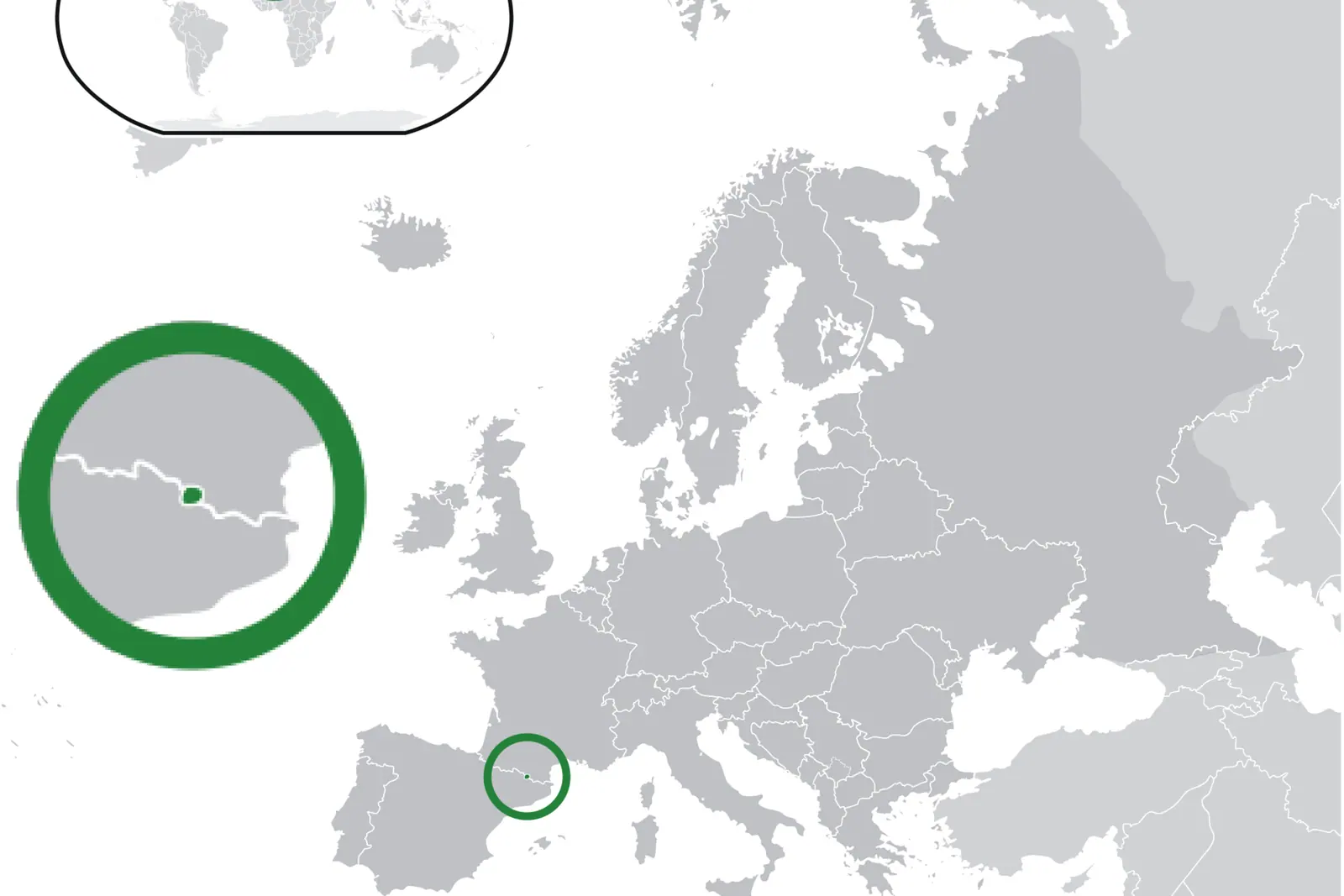
Things to do in Andorra
Skip-the-line tickets, guided tours and standout experiences.
See experiences
Stay online in Andorra
Travel eSIM — data the moment you land, no roaming bills.
Get an eSIM