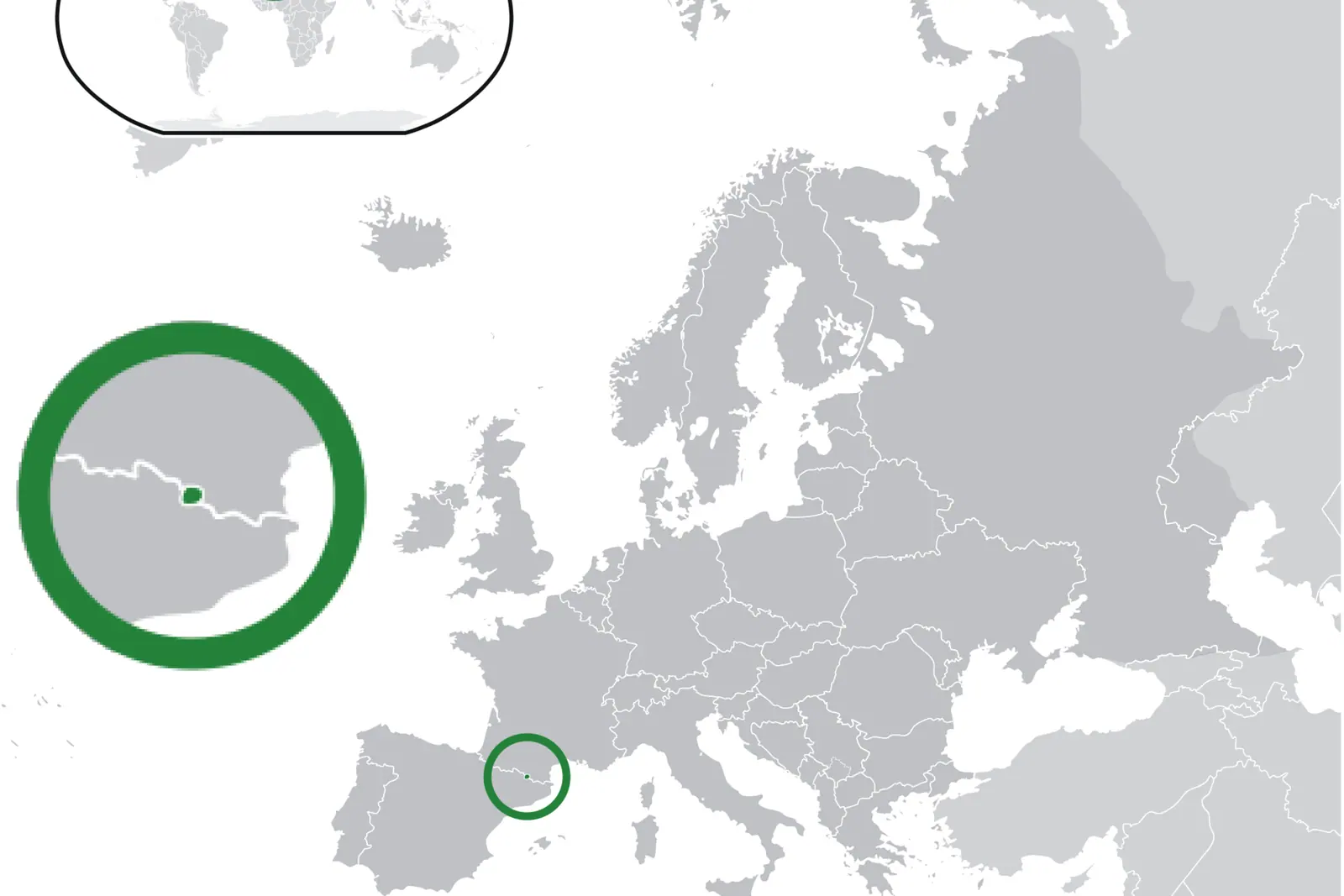
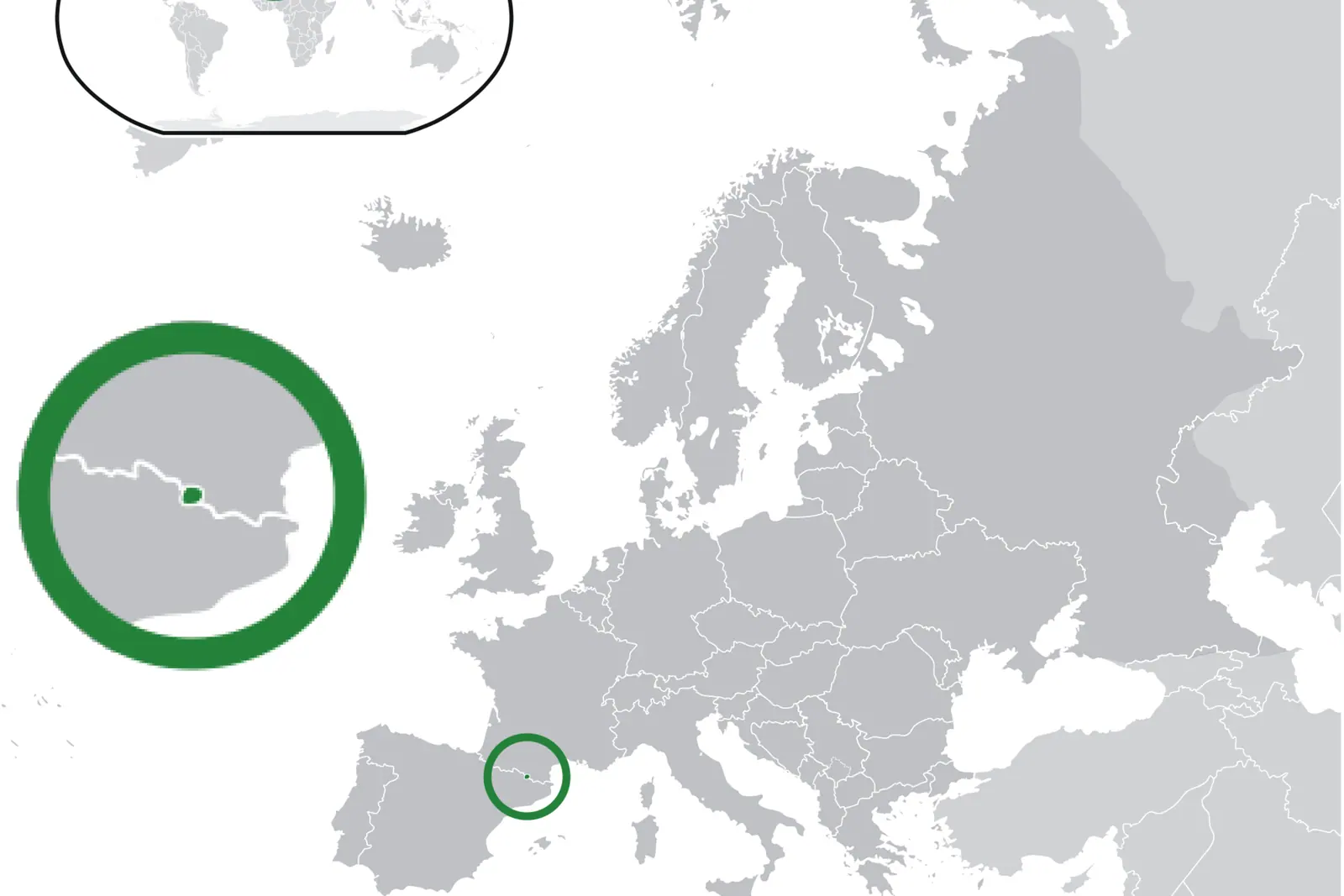
Andorra packs an entire alpine nation into a valley smaller than most European cities, yet it manages to hold two ski areas, Europe's highest capital, thermal springs and a UNESCO-listed wilderness within a half-hour drive of each other. Where you sleep changes your holiday completely — a lift-side lodge in Soldeu, a spa tower in Escaldes-Engordany and a stone inn in Ordino feel like three different countries.
Base Yourself in Andorra la Vella and Escaldes-Engordany
Andorra la Vella sits at roughly 1,023 m, making it the highest capital in Europe, and it merges so completely with neighbouring Escaldes-Engordany that most visitors never notice the boundary. This pair of parishes holds the densest concentration of accommodation in the country, from no-frills rooms above shops along Avinguda Meritxell to polished towers with spa floors built over the hot springs that gave Escaldes its name.
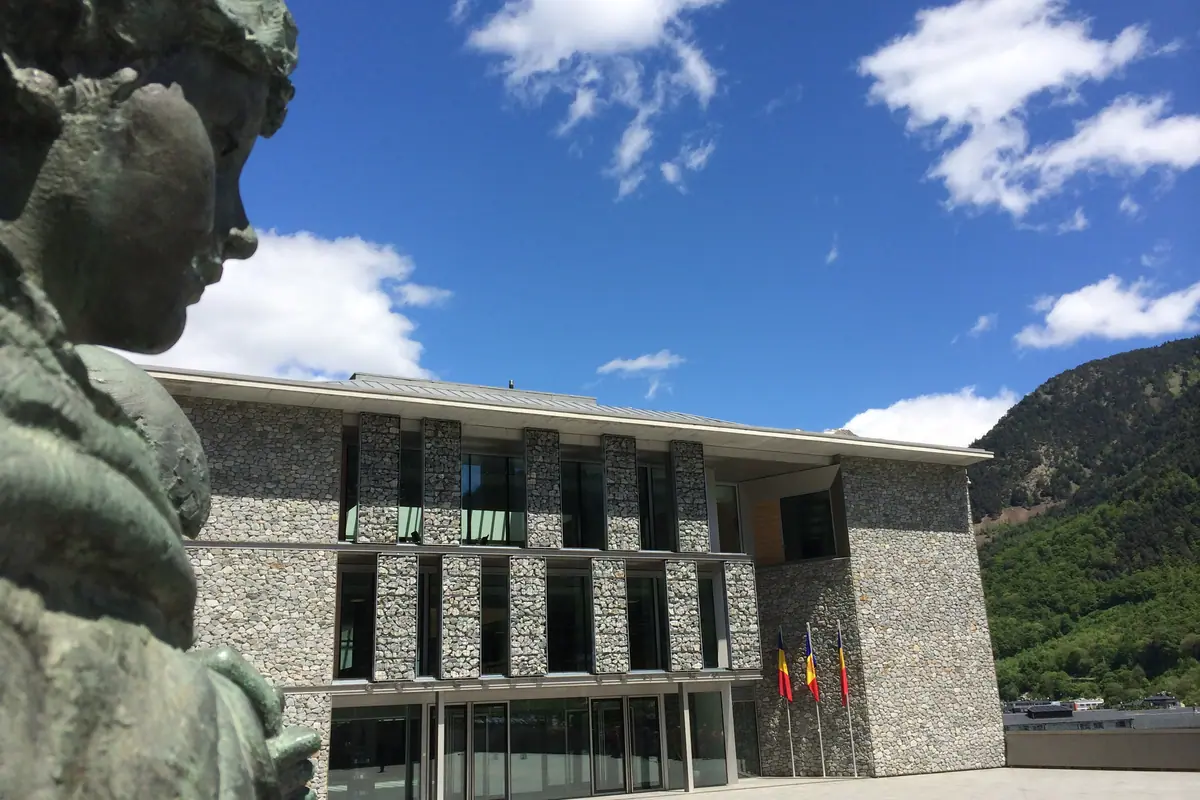
The sights are within walking distance: the fortified 16th-century Casa de la Vall, once the seat of the country's parliament; the Romanesque church of Sant Esteve; the rooftop terrace of Plaça del Poble for the classic valley panorama; and the mirror-glass thermal spa of Caldea, whose warm mineral water comes straight from the ground beneath the town. Shopping is tax-free, so perfume, electronics, spirits and tobacco draw crowds into the arcades on weekends.
Stay here if you want restaurants, bars, buses and a taxi rank on your doorstep, or if you are visiting without a car. It is also the practical choice in winter when roads beyond the valley are snowy. Expect busy Saturdays, paid underground parking and higher weekend rates.
Lift-Side Lodges Along the Grandvalira Circuit
Grandvalira is the largest lift-served ski area in the Pyrenees, spreading across more than 200 km of marked runs and linking the villages of Soldeu, El Tarter, Canillo, Encamp, Grau Roig and Pas de la Casa. Soldeu and El Tarter are the classic base camps: small, smart and close enough to the gondolas that you can walk to the first lift in boots.
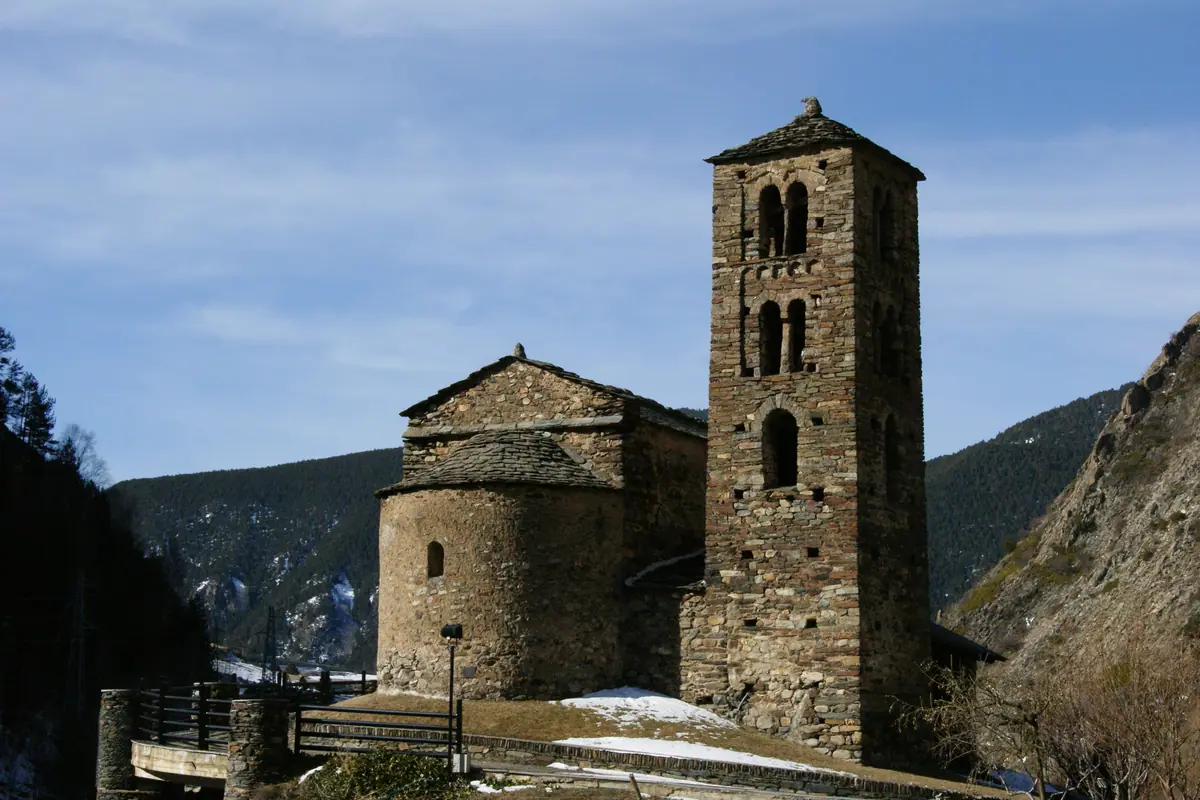
Canillo and Encamp offer the same mountain with lower rates and quieter streets. Canillo is worth an afternoon of anyone's trip for the Romanesque church of Sant Joan de Caselles and for the cantilevered Roc del Quer viewpoint, where a platform juts over the Valira valley towards the Casamanya peak. Encamp has the painted Romanesque interior of Sant Romà de les Bons and a cable car climbing to the Cortals meadows.
Pas de la Casa, pressed against the French border, is the highest and most snow-sure of the group, opening earlier and closing later than the rest. It suits groups and apartment stays rather than romantic weekends — think duty-free shops, bars and a young crowd — and it is also the most exposed to wind and weekend traffic.
Book ski-season stays in Soldeu, El Tarter and Pas de la Casa months ahead for February and school holidays; the same rooms can be far cheaper in early December and late March.
Vallnord Villages: La Massana, Arinsal, Pal and Ordino
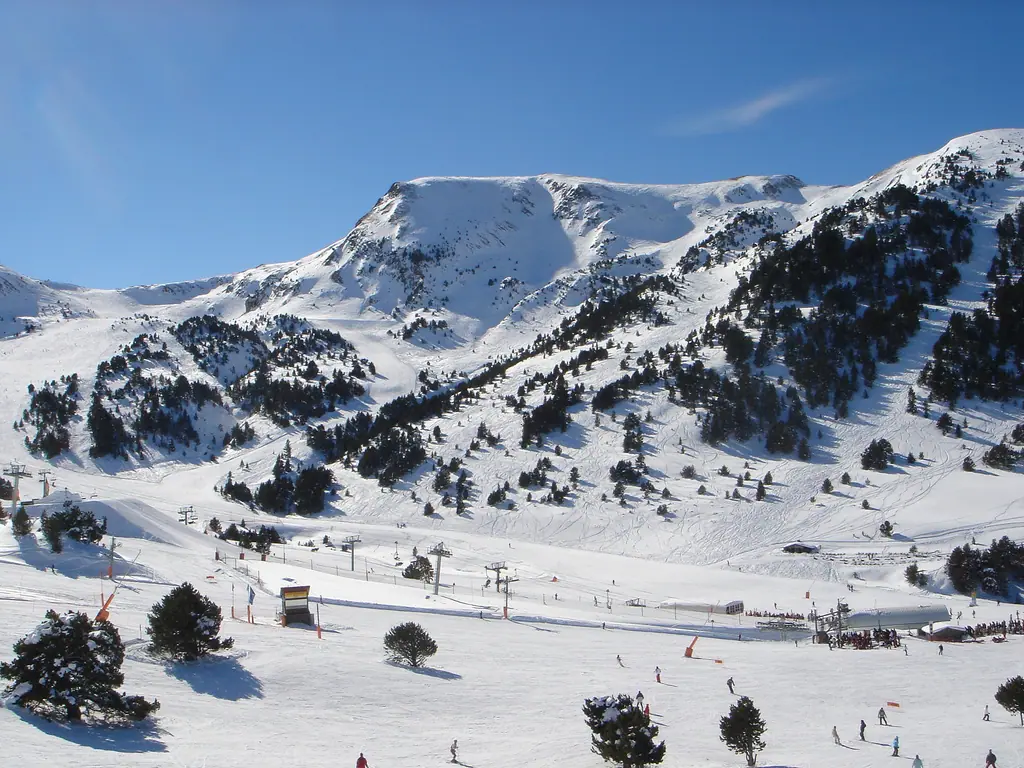
The Vallnord ski domain splits into two halves, Pal-Arinsal and Ordino-Arcalís, and each side has its own personality. La Massana is the practical hub: a workaday town with a cable car up to Pal and a short shuttle to the Arinsal gondola, plus supermarkets, laundries and apartment blocks that suit families self-catering for a week.
Arinsal is the beginner's friend, with gentle nursery slopes, English-speaking ski schools and a compact strip of restaurants at the foot of the lifts. Above it, trails lead towards Coma Pedrosa, at 2,942 m the country's highest summit, a long but non-technical summer walk for anyone reasonably fit. Pal is smaller and quieter, popular with locals for its sunny south-facing slopes.
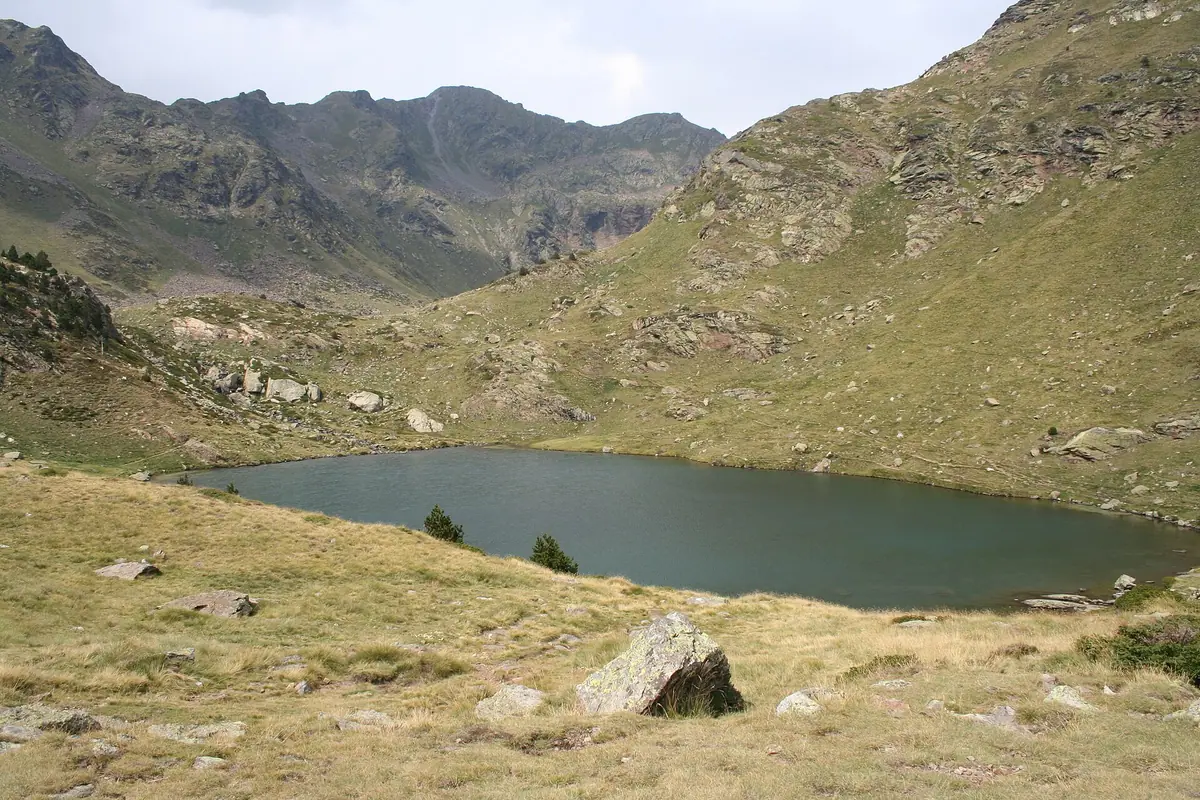
Ordino is the prettiest base in the parish: a stone village of slate roofs, the manor-museum of Casa d'Areny-Plandolit, and the road up to Ordino-Arcalís, the most peaceful and freeride-friendly sector, where the Estanys de Tristaina — three glacial lakes set around 2,300 m — form one of Andorra's finest day hikes. Small boutique inns and restored farmhouses dominate the accommodation here.
Romanesque Heritage and Rural Guesthouses
Andorra has one of the densest concentrations of Romanesque art in the Pyrenees, and staying in a mountain village puts you within minutes of churches most day-trippers never see. The sanctuary of Meritxell in Canillo is the national shrine and the focus of a major festival on 8 September, while the church of Sant Climent de Pal hides a superb set of 12th-century murals.
Elsewhere, Santa Coloma near Andorra la Vella has a rare round bell tower, Sant Miquel d'Engolasters stands on a wooded ridge above the lake, and Sant Martí de la Cortinada preserves vivid wall paintings beside an old iron-working forge. In Sant Julià de Lòria parish, the 12th-century Pont de la Margineda still carries a footpath across the Valira.
Rural guesthouses, restored farmhouses and small family hotels in Ordino, Sispony, Anyós, La Cortinada and around Sant Julià de Lòria make sense for spring and autumn trips, when roads are clear, rates drop and the crowds vanish. Many are booked directly by phone, so plan further ahead than you would for a city hotel.
Nature Escapes: Valleys, Viewpoints and Alpine Coasters
The Madriu-Perafita-Claror Valley, a UNESCO-listed landscape covering about a tenth of the country, has no roads at all — only shepherds' tracks, dry-stone huts and a mountain refuge. Lodges in Escaldes-Engordany and Encamp are the usual starting points for the walk up into it, and it is at its best from June to early October.
Families often base themselves near Sant Julià de Lòria for Naturlandia, a mountain park whose Tobotronc alpine coaster runs for more than five kilometres down through the forest — a genuine thrill and one of the longest of its kind anywhere. Nearby, the trout-stocked Lake Engolasters offers an easy circular walk beneath the Engolasters dam.
Viewpoints are the other reason to choose a base carefully. Roc del Quer above Canillo is the most photographed, but the solar-powered sundial viewpoint above the Tristaina lakes, reached from the Ordino-Arcalís road, gives a wider, quieter panorama of the high Pyrenees. Summer hotel rates in ski villages fall sharply, making July and August excellent value for hikers.
Practical Pointers: Seasons, Access and Booking Sense
Andorra has no airport and no railway. Almost everyone arrives by road: from Spain via the C-16 through the Cadí tunnel to Sant Julià de Lòria, or from France over the Port d'Envalira pass, which at 2,408 m is the highest paved crossing in the Pyrenees, or through the toll Envalira tunnel beneath it. Barcelona and Toulouse are each roughly three hours away, so a car gives you far more freedom.
Winter tyres or chains are effectively essential between December and March, and police do stop vehicles on mountain roads. Snow can fall from late November, the season generally runs December to mid-April, and the highest sectors around Pas de la Casa and Soldeu hold snow longest. For hiking, wildflowers and lake swims, aim for late June to September.
Currency is the euro, Catalan is the official language, and Spanish, French and English are widely understood in hotels. Because the country is duty-free, weekend traffic from both borders is heavy — Friday evenings and Sunday afternoons are the worst times to drive in. Midweek stays are calmer, cheaper and easier to combine with a spa afternoon in Escaldes-Engordany.
Frequently asked questions
Where should a first-time visitor stay in Andorra?
Andorra la Vella and Escaldes-Engordany suit anyone without a car, thanks to shops, restaurants and buses on the doorstep and the thermal spa. If you are here to ski, base yourself in Soldeu, El Tarter or Arinsal instead so you can walk to the lifts.
Do you need a car to get around Andorra?
It helps enormously. There are inter-parish buses and taxis, but mountain villages, Romanesque churches and viewpoints are scattered along winding roads. A car also makes crossing to Spain or France straightforward, and lets you chase snow or sunshine between sectors.
When is the best time to visit Andorra?
February and early March give the deepest snow and the liveliest ski villages. Late June to September is best for hiking the Madriu-Perafita-Claror Valley and the Tristaina lakes. May and October are quiet, cheap shoulder months, though some high passes and lifts close.
Are hotels in Andorra cheaper in summer?
Yes — noticeably so. Ski resorts such as Soldeu, Pas de la Casa and Arinsal depend on winter bookings, so summer rates fall and stays get longer. The trade-off is that some mountain restaurants, ski shops and lift services shut outside the season.
Which ski village is best for families or beginners?
Arinsal and Pal in the Vallnord domain are the gentlest, with wide nursery slopes, ski schools and short transfers to the lifts. El Tarter and Canillo on the Grandvalira side are also good, offering quieter streets and easier access than the busier base at Pas de la Casa.
Sort the rest of your trip
Everything for Andorra, in one place
Transfer in Andorra
Private driver waiting on arrival — no queues, no surprises.
Book a transfer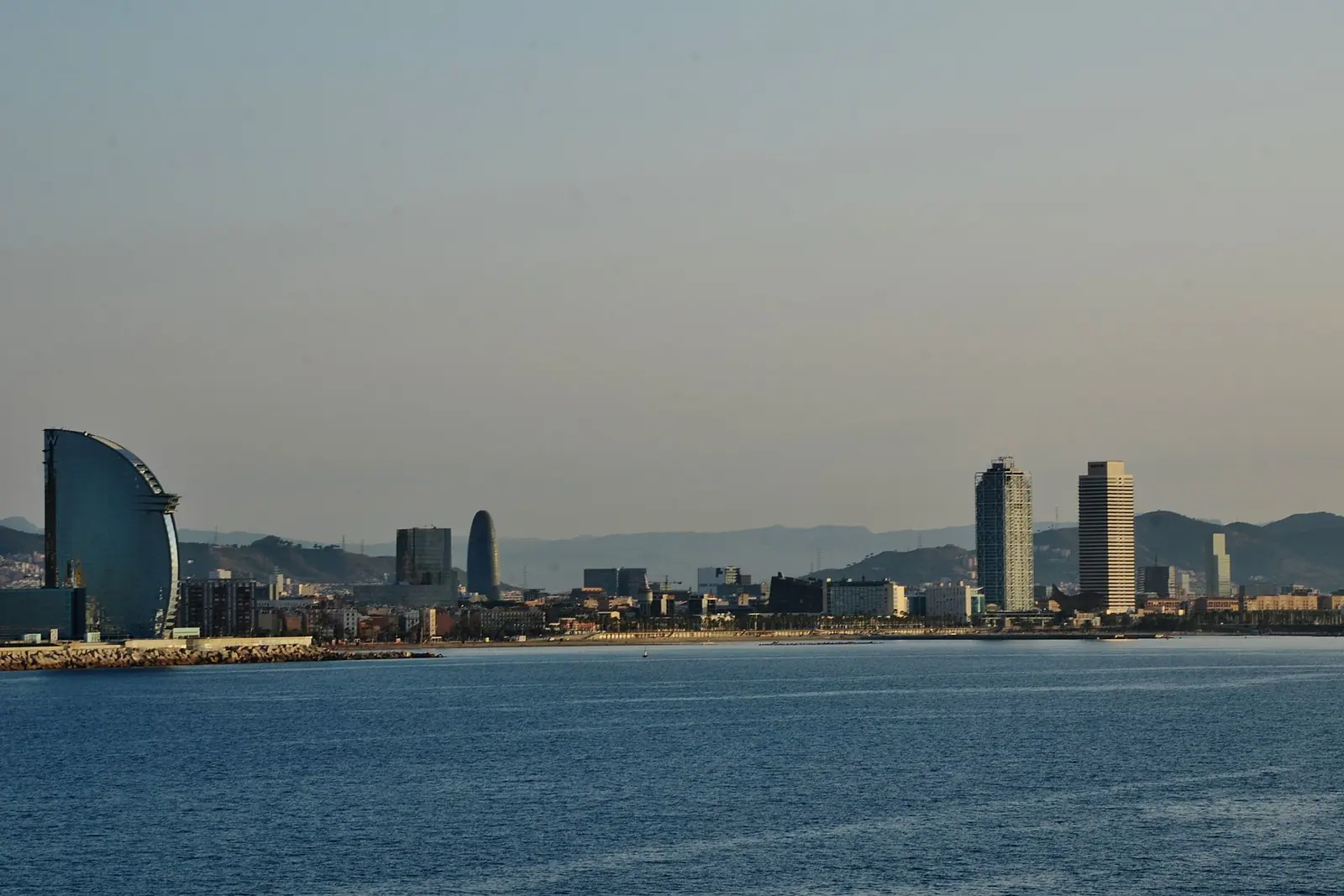
Things to do in Andorra
Skip-the-line tickets, guided tours and standout experiences.
See experiences
Stay online in Andorra
Travel eSIM — data the moment you land, no roaming bills.
Get an eSIM